
Reviewed · COOKING CLASSES
Gyoza Cooking Class in Kyoto: Traditional Japanese Dumplings
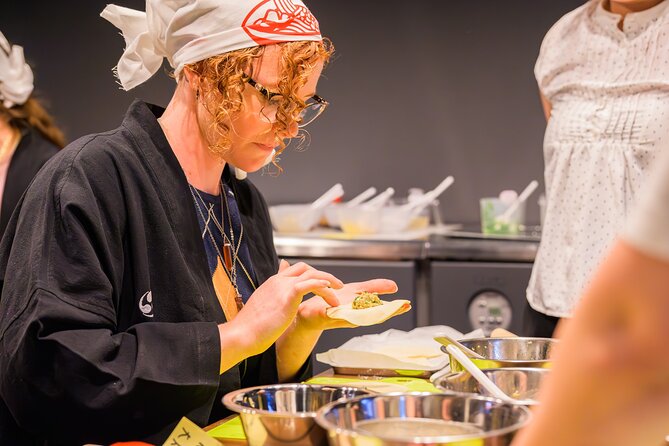
Making dumplings from flour, filling, and your own hands is the best part of this Kyoto class. You choose a filling, roll wrappers from scratch, and learn the folding trick before cooking about 10 to 12 gyoza per person. I like the practical skill you can repeat at home, and I like the setting, a traditional Kyoto townhouse with an English-speaking teacher such as Hama, Maya, Ryo, or YO.
The optional samurai armor photos add a playful cultural touch, especially for families and older children. My one caution is the price: at $118.19 per person, this is not a cheap meal. It makes more sense if you want a hands-on activity, cultural background, and a souvenir apron, not simply a plate of dumplings.
In This Review
- Key points at a glance
- Why making gyoza beats another sightseeing stop
- Arriving at the Kyoto townhouse
- Choosing a filling and preparing the wrappers
- Folding 10 to 12 dumplings per person
- Cooking the dumplings with the professional machine
- Samurai armor and the cultural portion
- What the instructors add
- The apron, recipe, and value of the price
- Who should book this class
- Booking advice and cancellation rules
- Should you book the Kyoto gyoza class?
- FAQ
- Where does the gyoza cooking class take place?
- How long does the class last?
- What do I make during the class?
- How many gyoza do I make?
- Is the instructor English-speaking?
- Is the samurai armor session required?
- Is transportation included?
- What is the cancellation policy?
Key points at a glance
- Make gyoza from the beginning: Choose a filling, prepare wrappers from scratch, fold the dumplings, and cook them yourself.
- About 10 to 12 dumplings per person: Plan to arrive hungry, since your finished gyoza becomes the meal.
- Several named instructors: Hama, Maya, Ryo, and YO are praised for friendly, clear teaching in English.
- A Kyoto townhouse setting: The class takes place at 230-1 Kamimyōkakujichō in Nakagyo Ward.
- Optional samurai armor: Put on armor after cooking and take memorable photos.
- A useful take-home souvenir: Participants receive an apron, and some also mention a headband or written cooking instructions.
Why making gyoza beats another sightseeing stop
Kyoto gives you temples, gardens, and shrines by the dozen. Those are essential, but a cooking class gives you something different: a small skill you can carry into your own kitchen.
Gyoza began in China and changed over time into a distinctly Japanese favorite. This class uses that familiar dish to explain a little about Japanese food and samurai culture while you work. You are not just watching a chef prepare lunch. You are handling the dough, deciding on a filling, and learning why the final dumpling takes its shape.
I especially like the active format. You have a personal working station, according to the details shared about the class, so the session is not built around standing behind one demonstration table. That matters if you want to learn rather than simply take photos of someone else cooking.
The atmosphere also seems suited to mixed-age groups. A family with parents and a 10-year-old found the hands-on format manageable, and older children and teenagers are a good fit. You do not need prior cooking skill. The instructions are designed to make each stage simple.
Other cooking classes in Kyoto

Arriving at the Kyoto townhouse
The meeting point is 230-1 Kamimyōkakujichō, Nakagyo Ward, Kyoto, 604-0025. The location is near public transportation, but private transportation is not included, so you need to make your own way there.
The townhouse setting gives the class a more personal feel than a large commercial kitchen. You are working in a place connected to Kyoto’s traditional residential architecture, while the cooking itself stays practical and social. The supplied information does not name the nearest station or give a detailed walking route, so check your map before leaving and allow time to find the address.
A mobile ticket is provided, and booking confirmation arrives at the time of booking. The class can include up to 20 people. That is a reasonable maximum for a teaching session, though the experience will feel different with a full group than with only a few participants.
Some sessions have had just one person or a small family group, resulting in a private or near-private lesson. You should not count on that arrangement, but a quiet departure time may sometimes produce a smaller class. The provider does not promise a private session as part of the standard booking.
Choosing a filling and preparing the wrappers
The class begins with the ingredients and the basic idea of Japanese gyoza. You choose your preferred filling, then begin the work that many visitors skip when ordering dumplings in a restaurant.
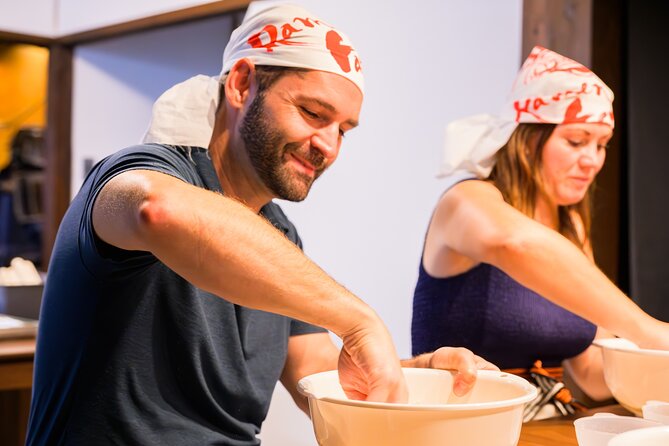
The wrappers are made from scratch. That is a major reason to book this class rather than join a simple tasting. You get to see how the dough becomes a thin round wrapper, then use it as the base for each dumpling. The process gives you a better sense of how much work sits behind a dish that can look effortless on a restaurant menu.
The teacher guides you through the steps in English. Hama, Maya, Ryo, and YO are all named in the feedback connected with the class, and each is described as friendly and easy to follow. Maya’s clear English helped make the process simple for one participant, while Hama is praised for making the class both easy and fun. Ryo is described as personable, a quality that can make a hands-on lesson feel relaxed rather than formal.
You should expect to do the work yourself. The point is not a polished cooking show. Your wrappers may not be perfectly round, and your first folds may look different from your last. That is part of the value. By the end, you have repeated the basic movements enough times to try them again at home.
Folding 10 to 12 dumplings per person
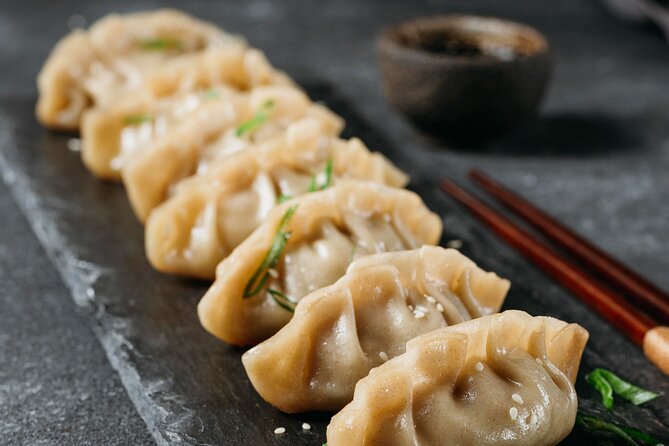
Folding is where the class becomes both useful and amusing. The instructor shows you how to place the filling, close the wrapper, and create the familiar pleated edge. You then repeat the motion across your batch.
The class produces around 10 to 12 gyoza per person, enough to make the cooking feel substantial and to leave you with a proper meal. Go hungry. This is not just a demonstration followed by one sample dumpling.
The repeated practice is helpful for families. Children can take part in filling and folding, while adults can help with the more precise parts. The activity also works well for couples and friends because everyone can compare shapes without the pressure of producing restaurant-perfect results.
Do not expect every dumpling to look identical. The class is about learning the method, and the best memory may be the slightly crooked dumpling you made yourself. If you want a polished culinary lesson focused on knife work or advanced technique, this is probably too basic. If you want an approachable introduction to a Japanese comfort food, the pace should suit you.
Cooking the dumplings with the professional machine
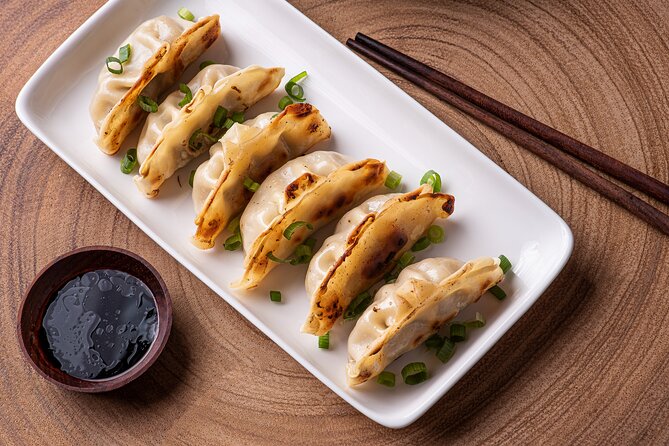
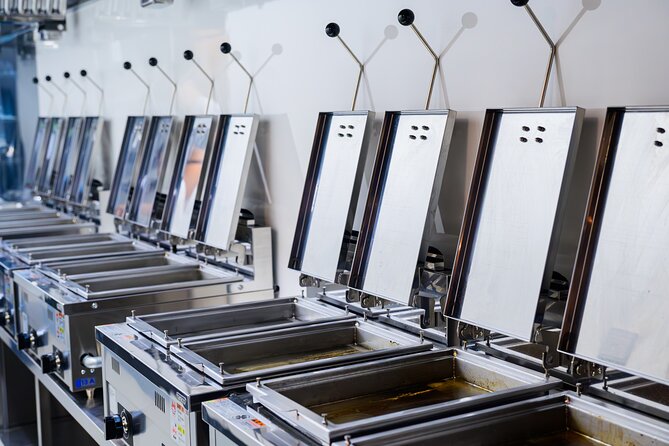
Once the gyoza are folded, you cook them using a professional baking machine. This removes some of the uncertainty that can come with pan-frying dumplings at home, especially if you have never cooked them before.
The instructor explains how to cook them properly, and the machine helps produce a reliable result for the group. You still have the satisfaction of preparing the dumplings, but the final cooking stage is controlled enough that a beginner is less likely to ruin the batch.
This is also the moment when the class changes from lesson to lunch. The food you make becomes the main reward. Several accounts describe the finished gyoza as delicious, but keep your expectations sensible. Taste depends on the filling you select and on how neatly you seal each dumpling.
The class does not list private transportation, extra meals, or other food beyond the gyoza you prepare. The main inclusion is the cooking activity itself, along with tools and an English-speaking instructor. At the end, you return to the same meeting point.
Other cooking classes in Kyoto
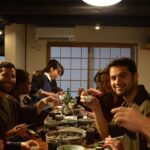
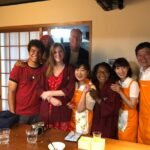
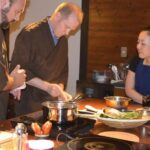
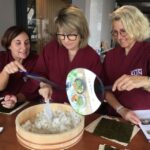
Samurai armor and the cultural portion
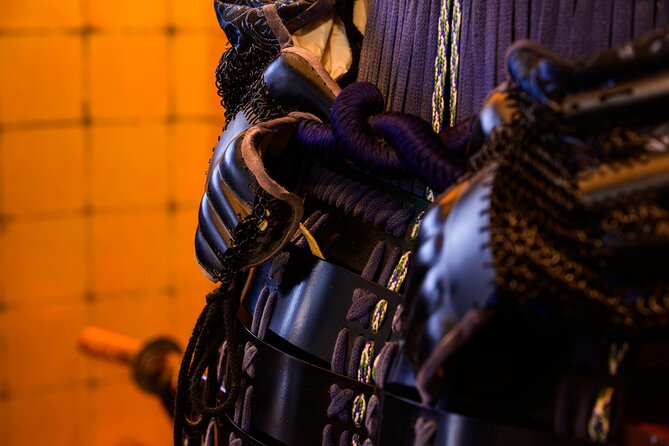
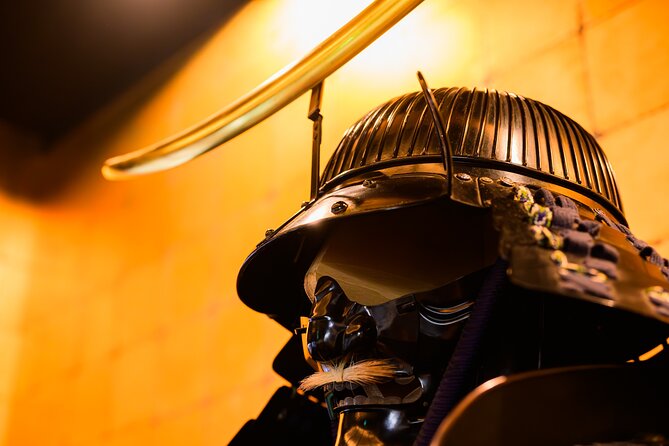
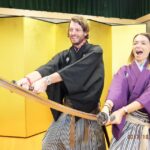
After cooking, you can choose to dress in samurai armor and take photos. This part is optional, so you can skip it if you are mainly interested in food or if the schedule feels tight.
The armor creates a lighthearted photo opportunity and gives children an extra reason to stay engaged through the cooking portion. It also connects the class to the introduction to samurai culture and Japanese history. The experience does not present itself as a full museum lecture, so you should think of the history as a short cultural layer added to the food lesson.
That balance is sensible. You get context without turning a 90-minute activity into a formal history seminar. Still, those hoping for a detailed account of samurai life should book a dedicated history tour as well. Here, the cultural material supports the cooking rather than replacing it.
The photo option is particularly useful for families who want more than a meal to remember the afternoon. It gives you a souvenir image, while the cooking gives you a skill and the apron gives you something tangible to take home.
What the instructors add
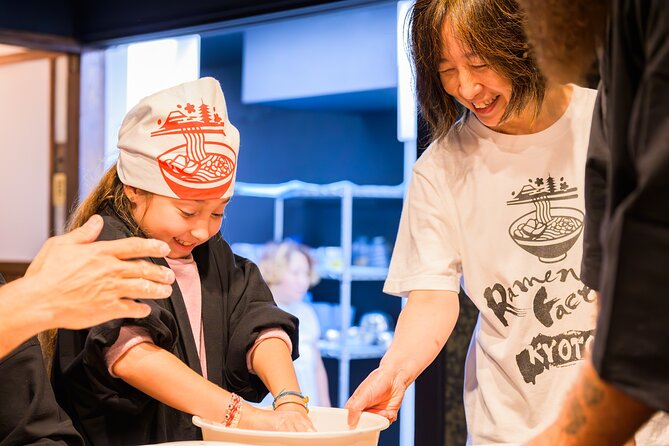
A cooking class depends heavily on the teacher. Here, several instructors receive strong praise for being warm, clear, and personable.
Hama is repeatedly singled out for making the steps easy to understand and for helping participants feel confident enough to make gyoza at home. Maya is praised for clear English and a fun teaching style. Ryo is described as personable and well suited to a class that includes older children and teenagers. YO is noted for being friendly and for teaching in an ideal setting.
You cannot select a particular instructor from the supplied details, so your teacher depends on the schedule. The important point is that the teaching style appears to be informal and hands-on rather than stiff. That suits beginners, nervous cooks, and families.
Some sessions take closer to two hours, even though the stated duration is about one hour and 30 minutes. I would plan for the advertised 90 minutes, but avoid scheduling a temple visit or train immediately afterward. A little flexibility is wise.
The apron, recipe, and value of the price
The listed price is $118.19 per person. That is high if you compare it with the cost of eating gyoza at a casual restaurant. You are paying for instruction, ingredients, equipment, the townhouse setting, cultural information, and the time spent making the food yourself.
The price becomes easier to justify if you value an activity that stays with you after the trip. You receive an apron as a souvenir, and some participants also mention a headband. Written cooking instructions are part of the experience in some sessions, though you should ask for the recipe before leaving if you want to recreate the dish at home. One person forgot to request it and was told it could be sent later.
The class also gives you a meal and a structured break from sightseeing. That matters in Kyoto, where a full day of temples can leave you tired and where rainy weather can disrupt outdoor plans. A cooking class offers a practical indoor alternative.
Still, I would not call it a bargain. If your main goal is to eat inexpensive gyoza, skip the class and visit a restaurant. If your goal is to learn a dish, make your own batch, take photos in samurai armor, and bring home an apron, the price has a clearer purpose.
Who should book this class
I would recommend it most strongly to:
- Families with older children or teenagers
- Couples and friends who want a shared activity
- First-time visitors looking for a food-focused Kyoto memory
- People who enjoy cooking and want a recipe they can repeat
- Anyone who prefers doing an activity to sitting through another sightseeing stop
It is also a good choice for solo participants. A single-person session may sometimes become private, though that depends on bookings and is not guaranteed.
You should think twice if you dislike group activities, have a very short schedule, or want a serious chef-training course. The group limit is 20 people, and the class is designed to be friendly and accessible rather than advanced.
The activity ends at the same place where it begins. Since transportation is not included, it fits best into a day when you are already exploring central Kyoto or can easily reach Nakagyo Ward by public transit.
Booking advice and cancellation rules
Confirmation is provided when you book, and the ticket is mobile, so you do not need a printed voucher based on the supplied information. Check the meeting address carefully before setting out.
Free cancellation is available if you cancel at least 24 hours before the local start time. A cancellation made less than 24 hours before the start is not refunded, and changes inside that window are not accepted.
I would book with enough time to arrive without rushing. The class is short enough to fit into a Kyoto itinerary, but the hands-on format means you should not treat it like a quick drop-in meal.
Should you book the Kyoto gyoza class?
Book it if you want to make something, not just photograph it. The strongest reasons are the from-scratch wrappers, the 10 to 12 dumplings you prepare and eat, the friendly English instruction, and the chance to repeat the dish at home.
The optional samurai armor makes it more memorable for families, while the townhouse and short history lesson give the activity a Kyoto setting rather than a generic cooking-school feel. Hama, Maya, Ryo, and YO each bring a relaxed teaching style, though your instructor is assigned rather than chosen.
At $118.19, this is a special-activity purchase, not a budget meal. I would book it for a family afternoon, a rainy-day plan, or a food-loving couple who wants a shared memory and a practical souvenir. If you are counting every yen or have no interest in cooking, spend the money on a restaurant instead.
FAQ
Where does the gyoza cooking class take place?
The class begins and ends at 230-1 Kamimyōkakujichō, Nakagyo Ward, Kyoto, 604-0025, Japan.
How long does the class last?
The advertised duration is approximately one hour and 30 minutes. Some sessions have taken about two hours, so allow extra time if your schedule is tight.
What do I make during the class?
You choose a filling, make gyoza wrappers from scratch, learn how to fold the dumplings, and cook them using a professional baking machine.
How many gyoza do I make?
The class produces about 10 to 12 gyoza per person, according to the activity details shared by participants.
Is the instructor English-speaking?
Yes. An English-speaking instructor is included. Named instructors associated with the class include Hama, Maya, Ryo, and YO.
Is the samurai armor session required?
No. Dressing in samurai armor and taking photos is optional after the cooking class.
Is transportation included?
No. Private transportation is not included. The meeting point is near public transportation.
What is the cancellation policy?
You can cancel for a full refund up to 24 hours before the experience start time. Cancellations or changes made less than 24 hours before the start are not accepted for a refund.
More Workshops & Classes in Kyoto
More Cooking Classes in Kyoto
More Cooking Classes in Kyoto
More tours in Kyoto we've reviewed




Cooking Classes, compared.
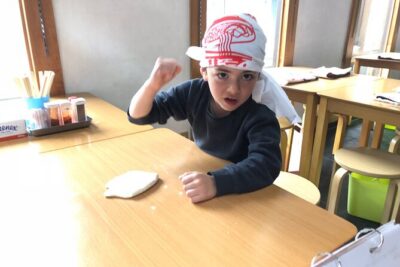 ★ 5.0Ramen Cooking Class at Ramen Factory in KyotoFrom $131
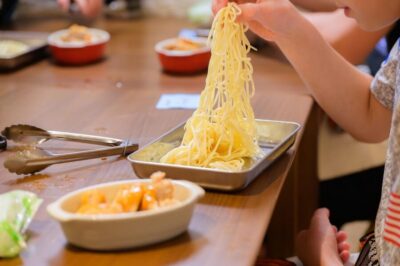 ★ 4.9Kyoto: Ramen Cooking Class at a Ramen Factory with SouvenirFrom $1271h 30m
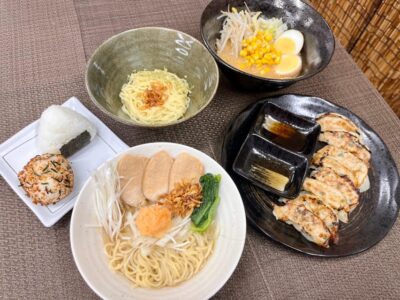 ★ 5.0Kyoto: Ramen, Gyoza, and Onigiri Cooking ClassFrom $901h 30m
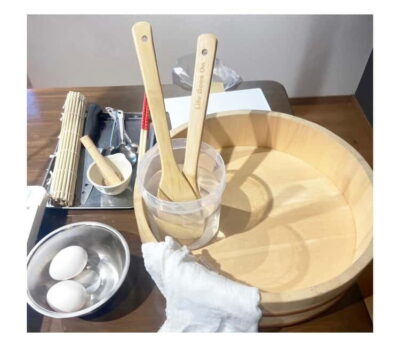 ★ 5.0Kyoto: Japanese Washoku Bento Small Group Cooking ClassFrom $582h 30m
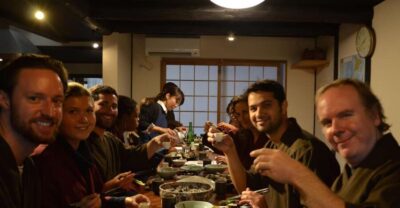 ★ 4.9Kyoto: Afternoon Japanese Izakaya Cooking ClassFrom $673 hours
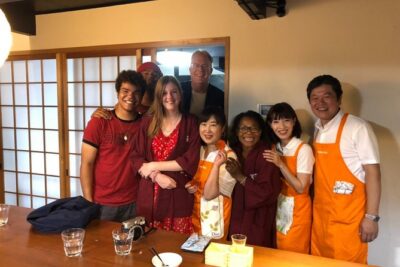 ★ 5.0Izakaya Style Cooking ClassFrom $71