
Reviewed · COOKING CLASSES
Kyoto: Ramen Cooking Class at a Ramen Factory with Souvenir
Making ramen from scratch is more than mixing ingredients in a bowl. At Kyoto’s Ramen Factory, you fold and knead the dough over 100 times, shape it into noodles, season chicken, and build a bowl around your choice of miso, salt, or soy flavor. Guides such as Sakura, Fuku, Akemi, and Moeka keep the pace lively and the instructions clear.
I like the way the class gives you real hands-on work rather than a quick demonstration. I also like the practical finish: you eat the ramen you made, take home a selected souvenir, and receive the recipe for another attempt in your own kitchen. The main consideration is the $127 price, which is high for a 90-minute meal, though it includes a full cooking activity, food, instruction, and a gift.
In This Review
- Key points to know before booking
- Why this Kyoto ramen class works
- Finding the basement entrance near Demachiyanagi
- The opening video and ramen lesson
- Kneading dough into fresh noodles
- Preparing chicken and choosing the soup
- Building and eating your own ramen
- Dietary requests and ingredient choices
- What the $127 price really buys
- Who will enjoy it most
- The practical details that matter
- Should you book the Ramen Factory class?
- FAQ
- How long does the ramen cooking class last?
- How much does the experience cost?
- Where does the class meet?
- Which languages are available?
- Can I choose my ramen flavor?
- Can dietary requirements be accommodated?
- What is included in the booking?
Key points to know before booking
- Make noodles from flour: Mix, punch, knead, drain, and shake the dough until it becomes ramen noodles.
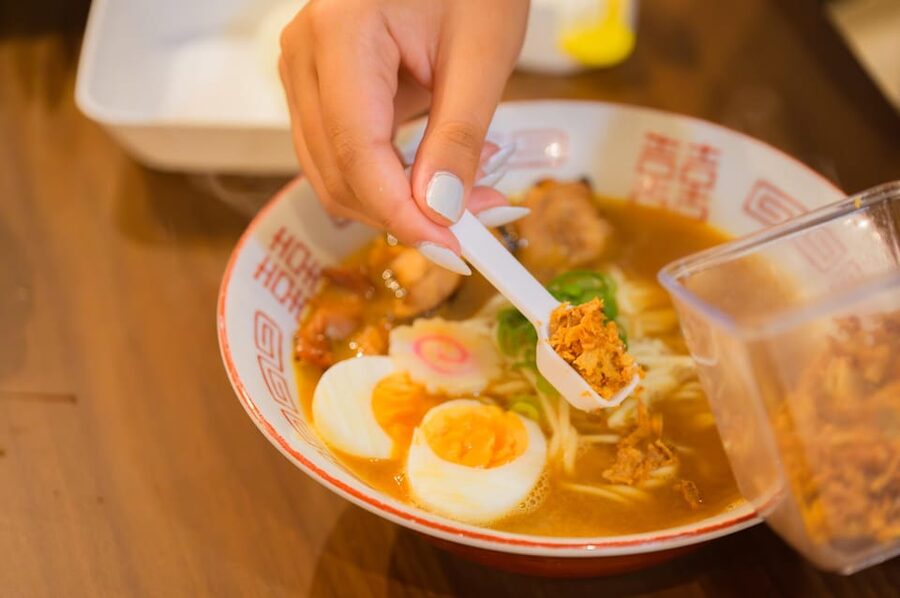
- Build your own flavor: Choose from miso, salt, and soy sauces, then add broth, oils, toppings, egg, and condiments to your taste.
- Chicken instead of pork: The class uses chicken preparation, including chicken chashu, so you can finish the dish within the short session.
- Friendly English instruction: Guides including Sakura, Fuku, Akemi, Moeka, and others lead the class in English and Japanese.
- A useful takeaway: You receive one of four souvenir choices and a digital recipe to make ramen at home.
- Easy side trip from central Kyoto: The school is five minutes from Demachiyanagi Keihan Line station, though finding the basement entrance takes care.
Why this Kyoto ramen class works
Kyoto has no shortage of temples, gardens, shrines, and old streets. This class gives you a different kind of local experience. You are not simply eating ramen at a counter. You are learning how separate parts of the dish come together, from flour and water to noodles, broth, seasoning, and toppings.
The format is also easy to fit into a busy day. The class lasts 90 minutes, making it a useful break between nearby sights. You leave with a filling meal, but the cooking gives the stop more value than lunch alone.
The setting is Ramen Factory, a ramen school established by Menbaka Fire Ramen, a well-known Kyoto ramen restaurant. The school is designed for first-time cooks, so you do not need to arrive with kitchen skills. Instructions are broken into small actions, and staff help as you go.
The tone is energetic rather than formal. Fuku has been praised for his humor and easy teaching style, while Sakura is known for keeping the room upbeat and helping with photos. Akemi, Moeka, Haruka, and other instructors also lead sessions. The exact guide depends on the day, but English and Japanese instruction is offered.
Other cooking classes in Kyoto

Finding the basement entrance near Demachiyanagi
The meeting point is about a five-minute walk from Demachiyanagi Keihan Line station. That makes the class convenient if you are exploring the northern side of central Kyoto or connecting it with sights in the area.
Do not rely only on the most obvious map pin. The school is on the basement floor, and the entrance is reached by stairs near a supermarket. The directions specify taking the staircase to the right of the supermarket and going down.
One particularly useful arrival tip is to look for the street-side stairs behind the bus stop. The entrance is not always the same spot people expect from Google Maps. Give yourself a few extra minutes so you are not searching for a basement doorway at the start time.
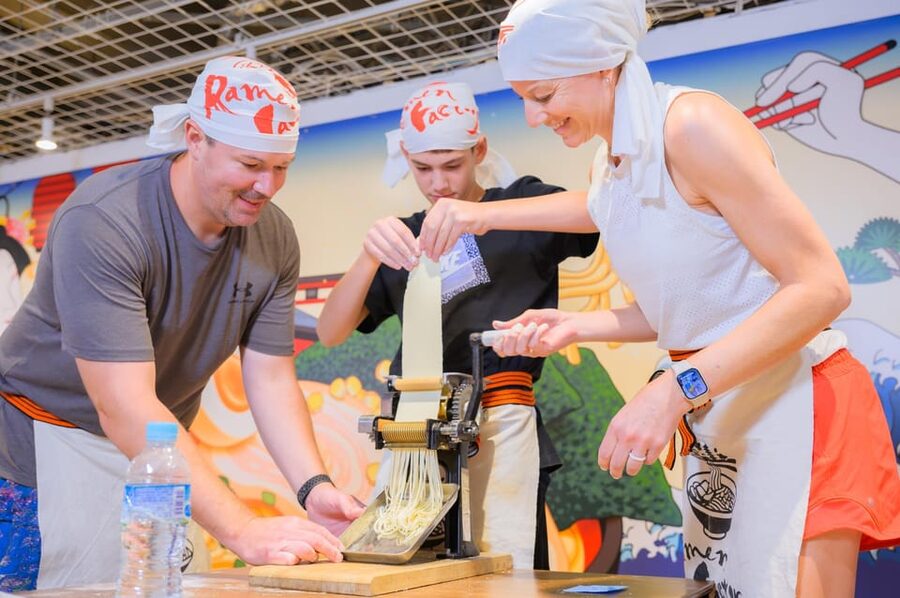
Once downstairs, you put on a ramen apron and headscarf. This is a small detail, but it helps mark the change from sightseeing to cooking. It also makes the photos more fun.
The opening video and ramen lesson
The class begins with an overview video. It gives you the basic sequence before you handle the ingredients, which helps prevent the process from feeling confusing once the work starts.
You learn that good ramen is built in stages. The noodles have one set of demands, the soup another, and the toppings must be ready at the right time. The class does not turn you into a ramen chef in 90 minutes, but it gives you a clear picture of the work behind a bowl.
This introduction also adds some context about ramen and its ingredients. You get enough background to understand what you are doing without sitting through a long lecture. The cooking remains the main event.
Kneading dough into fresh noodles
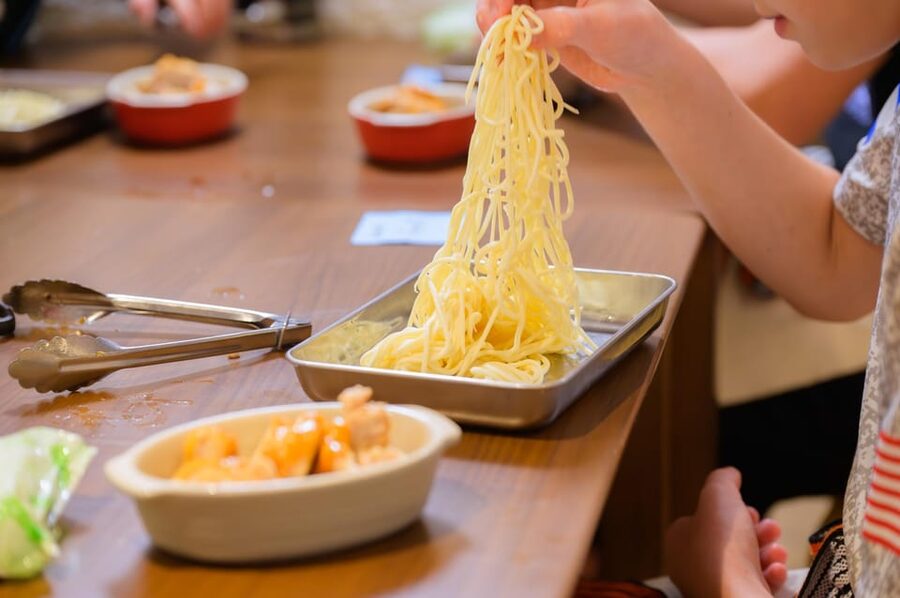
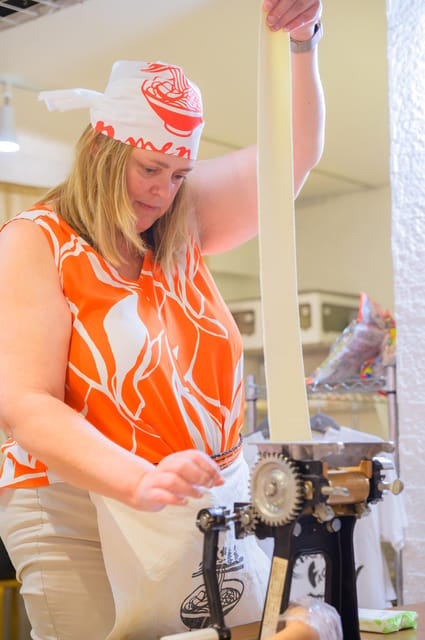
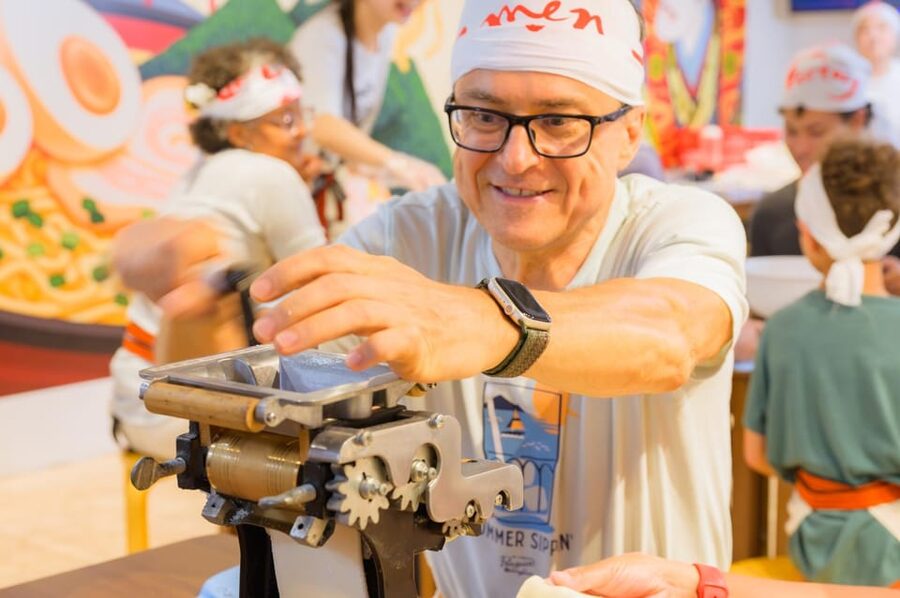
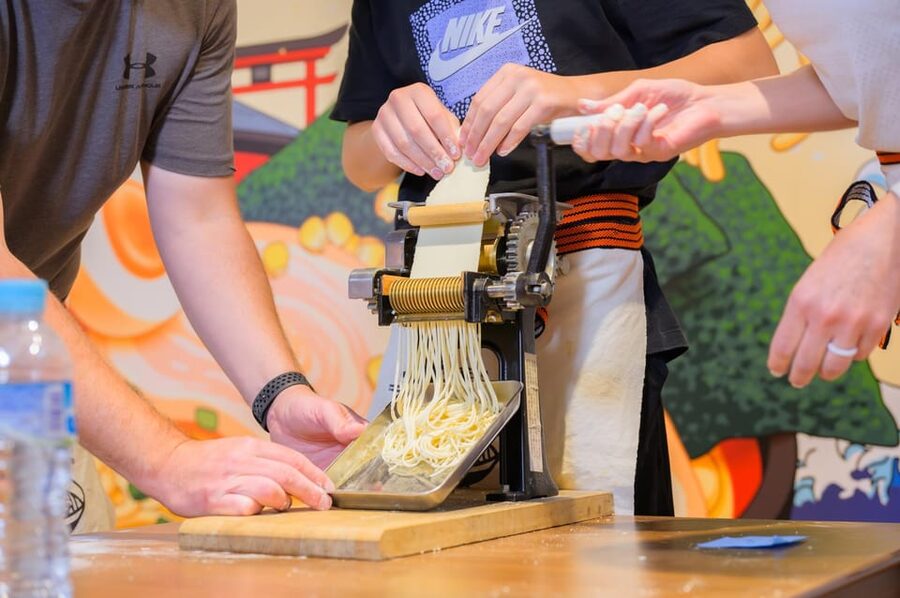
The most memorable part for many people is making the noodles. You begin with flour and work the mixture into dough. Then comes the physical work: mixing, punching, folding, kneading, draining, and shaking.
The dough is folded more than 100 times. That sounds excessive until you feel how the texture changes. The repeated work gives you a better sense of why handmade noodles have a different feel from dried noodles or factory-made packages.
You do not simply roll the dough once and call it done. The class takes you through the stages from flour to dough to finished noodles. Staff demonstrate the motions and help you keep the process moving, so first-time cooks can take part without worrying about getting every movement perfect.
I like this section because it gives you something concrete to remember. You can eat ramen anywhere in Japan, but physically making the noodles gives you a better understanding of the dish. It is also the part most likely to entertain children and teenagers, since punching and shaking dough feels more like play than a standard cooking lesson.
The kitchen work is organized, with ingredients and equipment prepared for each stage. That matters in a short class. You spend your time cooking rather than waiting for basic supplies to appear.
Preparing chicken and choosing the soup
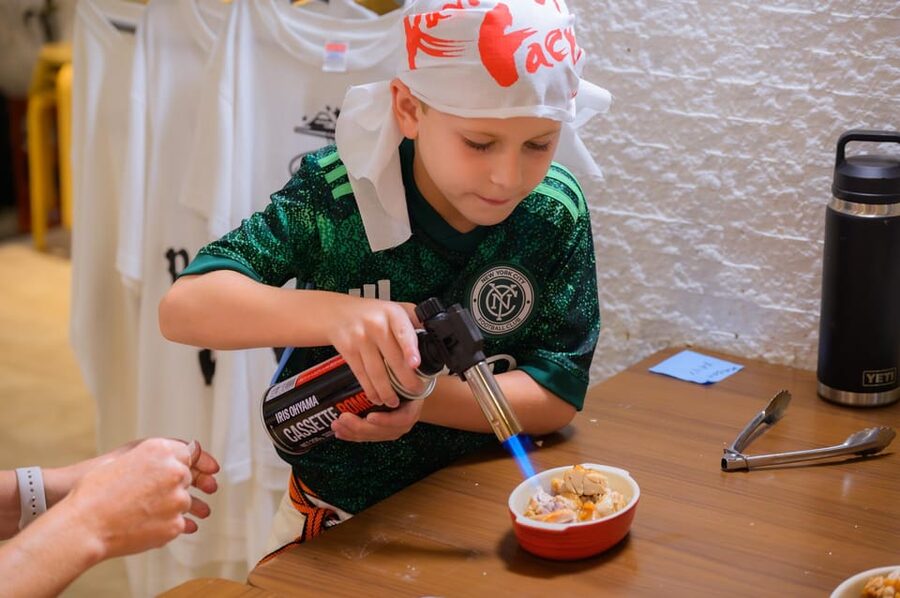
The class includes seasoning and preparing chicken. Chicken chashu is used in place of pork, allowing the dish to be completed within the 90-minute format. It gives you a topping that feels substantial without requiring the long cooking time associated with some traditional ramen preparations.
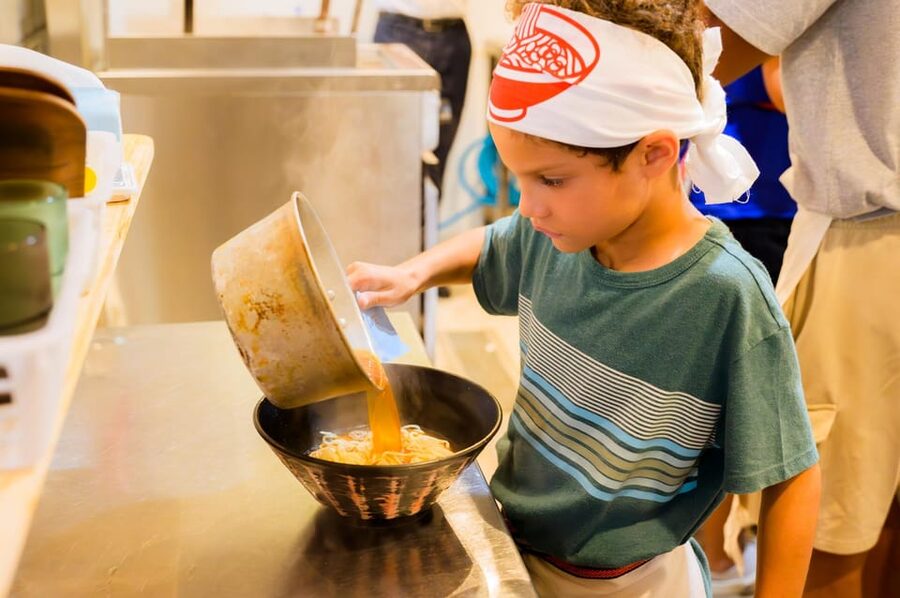
You then choose your soup and sauce combination. The featured sauces are miso, salt, and soy, and you can mix the elements to suit your taste. This is not a fixed bowl handed to you at the end. You have a say in the final balance.
You can also select oils, toppings, egg, and condiments. That customization is useful if you already know how you like ramen, but it is just as helpful if you do not. The instructors guide you through the choices, so you are not left staring at unfamiliar ingredients and guessing.
A short class cannot reproduce every part of a ramen shop’s kitchen. Some broth preparation is done ahead of time because proper ramen broth can take days. That is worth knowing if you expect to make every component from raw ingredients during the session.
Still, the class teaches the parts you can realistically repeat at home. You get to see how broth, sauce, oil, noodles, meat, and toppings affect the finished bowl.
Other cooking classes in Kyoto
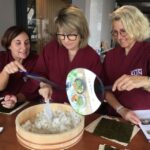
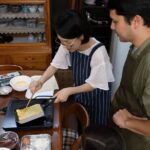
Building and eating your own ramen
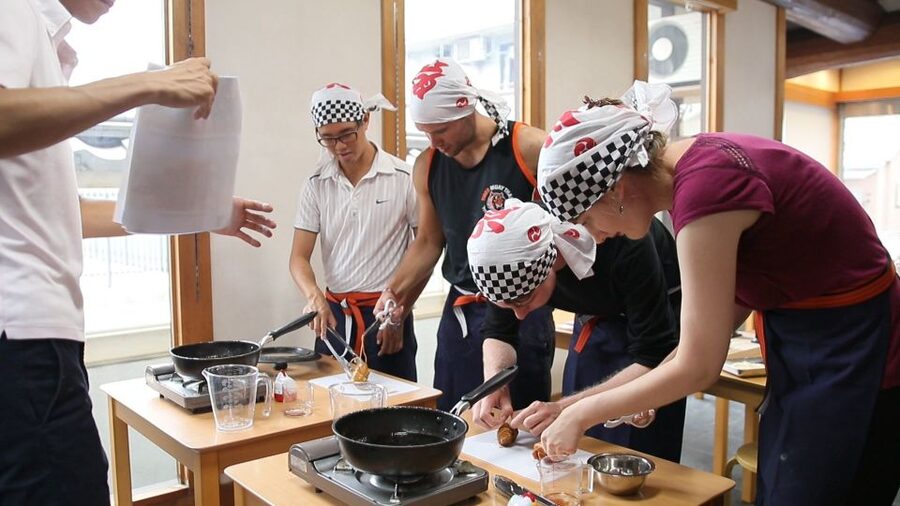
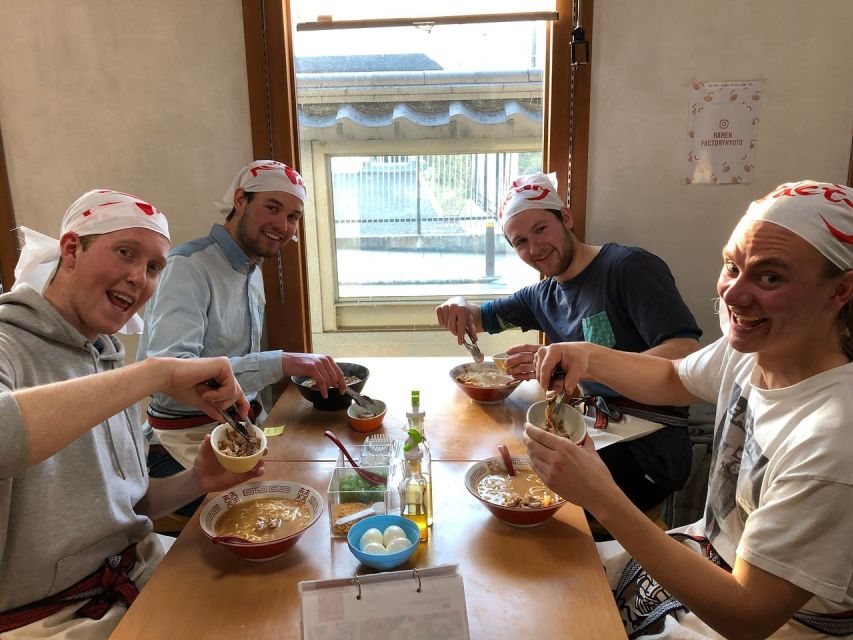
After the cooking stages, you assemble the bowl. You choose the toppings, add the egg and condiments, and arrange the ramen so it looks like your own creation.
This final display is not just for photographs. Presentation changes how the meal feels, and the class gives you a chance to make the bowl personal before eating it. Staff help take photos and videos during the process, which is useful if you are attending with family or as a couple and want everyone in the picture.
Then you eat.
The dish is served soon after preparation, so you can taste the effect of the choices you made while they are still fresh. The end result is reported as surprisingly good by many people who arrive doubtful about what a short class can produce. The combination of fresh noodles, prepared chicken, selected broth, and your sauce choice makes the meal feel like a proper lunch rather than a token sample.
You should expect a filling finish. There is time to look back at the steps while eating, which gives the session a relaxed ending instead of sending you straight out of the door after the last cooking task.
Drinks are not included, so plan to buy one separately if you want something with your meal.
Dietary requests and ingredient choices
The school asks you to contact the local supplier after booking if you need a dietary option. Do this in advance rather than waiting until you arrive.
The class has accommodated different diets, including vegetarian, pescatarian, and vegan needs in individual cases. One pescatarian participant received tofu and fish broth, and other dietary adjustments have included avoiding meat. These options are not presented as an automatic part of every booking, so advance notice is important.
Allergy information should also be shared ahead of time. Staff have confirmed allergies and adjusted ingredients when notified, but you should still communicate clearly and early.
Because you choose your sauce and toppings, the class offers some flexibility. That does not mean every ingredient can always be replaced, so treat the supplier’s confirmation as necessary rather than assuming a substitute will be available.
What the $127 price really buys
At $127 per person, this is not a bargain lunch. A bowl of ramen in Kyoto costs far less, and you should not book this class if your only goal is to eat cheaply.
The price makes more sense when you count the whole package. You receive 90 minutes of instruction, hands-on noodle making, chicken preparation, soup and sauce selection, toppings, the meal itself, a souvenir, and a recipe for home use. The class also provides the apron and headscarf, organized equipment, and staff support.
Some sessions include a printed photo or certificate, and the souvenir selection can include a ramen bowl or other ramen-related items. The included item is described as a choice from four souvenir types, so the exact options may vary.
I see the strongest value for families, couples, and people who enjoy cooking. You are paying for an activity and a meal together, not just for ingredients. It can also be a smart rainy-day option when outdoor sightseeing is less appealing.
For a solo visitor, the price is harder to justify if you are watching every yen. But a solo booking may be especially pleasant if the class is quiet. One person ended up with a private lesson, receiving close instruction and a more personal exchange with the teacher. You should not count on that arrangement, but the format can work well for a solo visit.
Who will enjoy it most
This is a good choice for families with children and teenagers. The dough work is active, the instructors keep the mood light, and everyone gets a bowl at the end. The cooking is beginner-friendly, though younger children may need help with the kneading and noodle steps.
It also suits couples who want a shared activity rather than another restaurant meal. You can compare sauce combinations and help each other with photos while still making an individual bowl.
Ramen fans will appreciate the chance to look behind the finished dish. The class is also useful for anyone planning to cook in Japan-inspired ways at home, since the recipe is sent electronically after the session.
I would be less likely to recommend it to a serious home cook seeking advanced culinary training. The class is built for fun, clear instruction, and a successful bowl in a short time. It does not offer the depth of a multi-day ramen workshop.
The practical details that matter
The class is led in English and Japanese. The staff’s role is active, not limited to translating instructions. Guides demonstrate the steps, keep the group on schedule, answer questions, and often help capture photos and videos.
Free cancellation is available up to 24 hours before the activity for a full refund. You can also reserve now and pay later, which helps if your Kyoto schedule is still changing.
The media notice is worth reading. You may be photographed or filmed during professional video, photo, or 360-degree camera work. The material may be used on the school’s website, in media coverage, and in promotional or advertising material worldwide. If that makes you uncomfortable, ask about it before booking.
The experience takes place indoors on a basement floor. Transportation is not included, but the short walk from Demachiyanagi station keeps the arrival simple once you locate the correct stairs.
Should you book the Ramen Factory class?
Book it if you want a hands-on Kyoto food activity with a clear beginning and end. You make noodles from flour, season chicken, choose your broth and sauce, eat the finished bowl, and leave with a souvenir and recipe. That is a lot to fit into 90 minutes.
I especially recommend it for families, first-time cooks, ramen lovers, and anyone who wants a break from temple visits. The energetic teaching style of people such as Sakura, Fuku, and Akemi adds to the experience, while the finished ramen gives the class a satisfying purpose.
Skip it if you only want the cheapest possible bowl of noodles or if you expect a full professional ramen apprenticeship. At $127, the value comes from the activity, instruction, meal, and keepsake taken together. For the right kind of visit, it is a cheerful, filling, and genuinely participatory stop in Kyoto.
FAQ
How long does the ramen cooking class last?
The class lasts 90 minutes, including the cooking activities and time to eat the ramen you prepare.
How much does the experience cost?
The listed price is $127 per person.
Where does the class meet?
The Ramen Factory is about a five-minute walk from Demachiyanagi Keihan Line station. It is on the basement floor. Use the staircase to the right of the supermarket, with another useful landmark being the street-side stairs behind the bus stop.
Which languages are available?
Instruction is available in English and Japanese.
Can I choose my ramen flavor?
Yes. You can choose and mix featured miso, salt, and soy sauces, then select a soup and sauce combination. You can also customize toppings, egg, oils, and condiments.
Can dietary requirements be accommodated?
Dietary options may be available, including adjustments for pescatarian, vegetarian, vegan, and meat-free needs. Contact the local supplier after booking and provide your requirements in advance.
What is included in the booking?
The booking includes the 90-minute chef-course ramen class and a selected souvenir. Transportation and drinks are not included. You also receive the recipe electronically so you can make the ramen at home.
More Workshops & Classes in Kyoto

More Cooking Classes in Kyoto
More Cooking Classes in Kyoto
More tours in Kyoto we've reviewed











Cooking Classes, compared.
 ★ 5.0Ramen Cooking Class at Ramen Factory in KyotoFrom $131
 ★ 5.0Kyoto: Ramen, Gyoza, and Onigiri Cooking ClassFrom $901h 30m
 ★ 5.0Kyoto: Japanese Washoku Bento Small Group Cooking ClassFrom $582h 30m
 ★ 4.9Kyoto: Afternoon Japanese Izakaya Cooking ClassFrom $673 hours
 ★ 5.0Izakaya Style Cooking ClassFrom $71
 ★ 5.0Gyoza Cooking Class in Kyoto: Traditional Japanese DumplingsFrom $118