
Reviewed · COOKING CLASSES
Kyoto: Japanese Washoku Bento Small Group Cooking Class
Kyoto’s bento cooking class gives you more than a meal. You learn how separate dishes fit together as a Japanese lunch, then sit down to eat the box you made. The small group, limited to five participants, keeps the class personal and hands-on.
I like the practical mix of skills: making dashi stock and learning to fry tempura are useful lessons you can repeat at home. I also like the cultural context, especially the explanation of how bento developed and how its dishes balance color, texture, and flavor. The main drawback is the strict arrival rule: arrive more than 15 minutes late and your booking is canceled without a refund.
In This Review
- Key Points
- Making a Bento Near Saiin Station
- Understanding Washoku Through a Lunch Box
- Dashi Comes First
- Rolling Sushi and Making Dashimaki Tamago
- Frying Tempura Without Guesswork
- Tofu Salad and the Shape of a Complete Meal
- Meeting Ai, Rie, or Miyu
- Is $58 Good Value?
- Who Should Book This Kyoto Cooking Class?
- Practical Details Before You Go
- Should You Book It?
- FAQ
- Where does the Kyoto bento cooking class meet?
- How long does the cooking class last?
- How many people can join the class?
- Which languages does the instructor speak?
- What dishes will I prepare?
- Will I learn how to make dashi stock?
- Are ingredients and cooking equipment included?
- Do I eat the bento I make?
- What happens if I arrive late?
- Can I cancel the booking?
Key Points
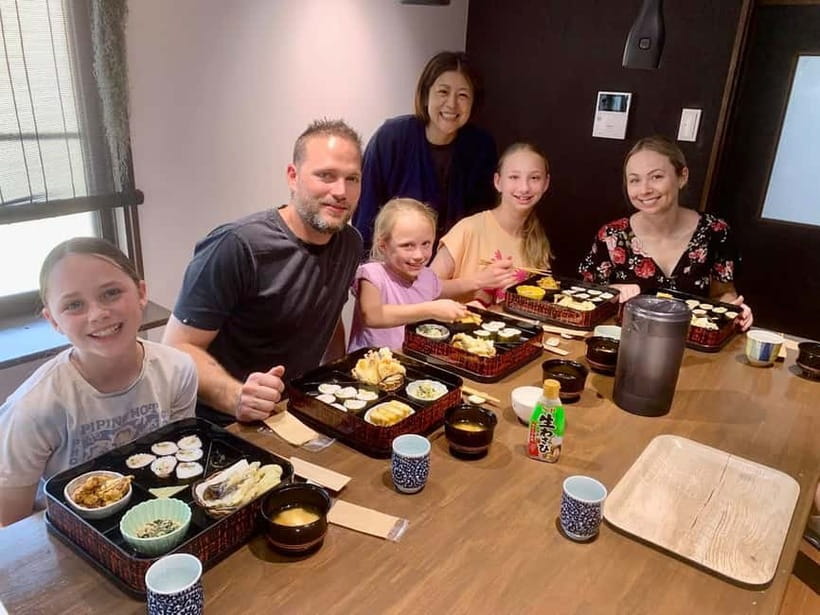
- Four dishes in one class: Prepare sushi rolls, tempura, tofu salad, and a Japanese rolled omelette.
- Small-group instruction: With no more than five people, you get room to handle ingredients and ask questions.
- Real Japanese techniques: Learn dashi stock, tempura frying, knife handling, and dashimaki tamago.
- Local chefs lead the class: Ai, Chef Rie, and Miyu are among the instructors praised for clear English and patient teaching.
- A filling final meal: You eat your completed bento together, and some sessions provide recipes for cooking at home.
- Easy Saiin meeting point: Meet at Kyoto Laundry Cafe, about five minutes from Saiin Station on the Hankyu Railway.
Making a Bento Near Saiin Station
This experience begins at Kyoto Laundry Cafe, a short walk from Saiin Station on the Hankyu Railway. The cafe is only a meeting point. On the day of your class, the chef comes to collect you there and takes you to the cooking location.
That detail matters. You should arrive early, find the cafe without rushing, and keep Google Maps open. The instructions specifically warn against using the map on Instagram. If you arrive more than 15 minutes late, the reservation is automatically canceled, and late arrival does not qualify for a refund or schedule change.
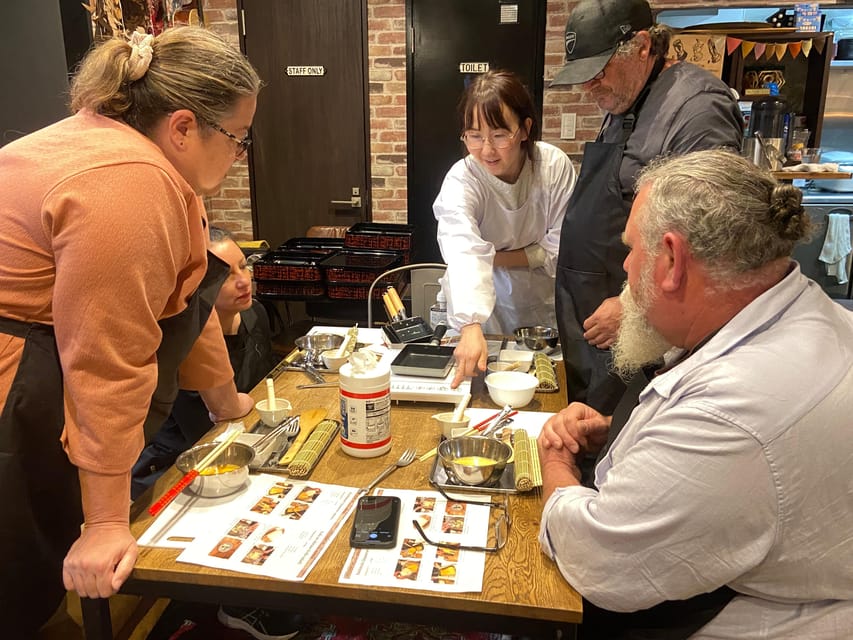
The class lasts 150 minutes, or two and a half hours. That is a useful amount of time for a meal with four separate elements. You are not simply watching a demonstration and eating a sample. You work through several techniques, with explanations along the way.
The group limit of five is one of the strongest features. A cooking class can become frustrating when one instructor has to serve a large crowd. Here, the format gives you a better chance to handle the knife, shape the omelette, roll sushi, and ask for help before a small mistake becomes a large one.
Other cooking classes in Kyoto

Understanding Washoku Through a Lunch Box
Washoku is not just a label for Japanese food. It describes an approach built around fresh, seasonal ingredients and a careful balance of taste, color, and texture. A bento makes those ideas easy to see because the meal is arranged as separate portions rather than served as one dish.
The box is portable, but it is not careless or plain. Each section has a job. The meal combines different cooking methods, colors, shapes, and flavors. Preparing the dishes yourself helps you see why the Japanese meal feels varied even when the portions are modest.
You also learn about the place of bento in Japanese life. Ai has been praised for explaining bento’s background and how its different parts are prepared and eaten in Japanese homes today. That makes the class more useful than a recipe lesson alone. You begin to understand the logic behind the food.
I especially like this kind of cultural lesson because it happens while your hands are busy. You hear about the food, then immediately chop, mix, fry, or roll it. The information has a practical anchor, so it is easier to remember after you leave Kyoto.
Dashi Comes First
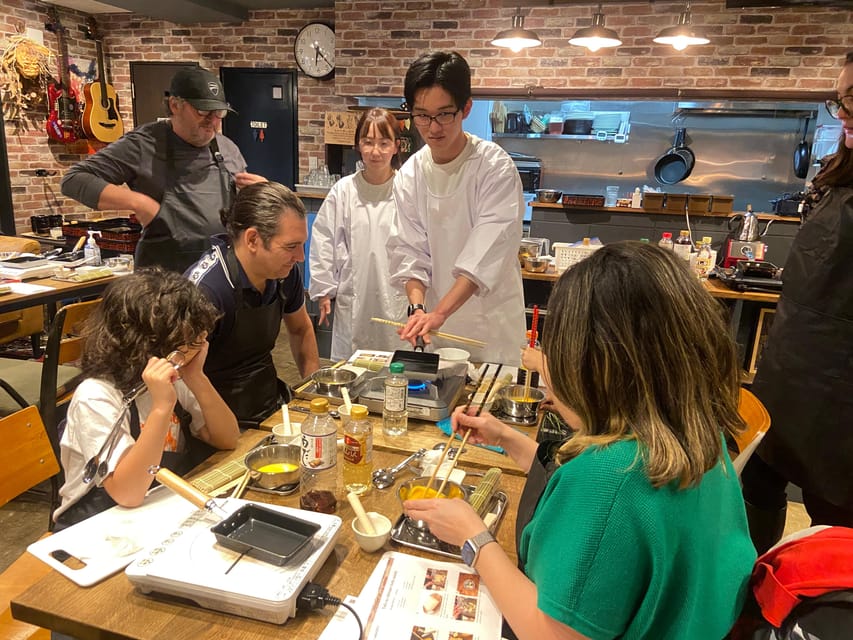
One of the most useful lessons is dashi, the stock that gives many Japanese dishes their savory base. The class shows you how to make it and explains its role in Japanese cooking.
Dashi may look simple, but it teaches an important point about washoku. Japanese food often depends on a few carefully handled ingredients rather than a heavy sauce. Learning the stock gives you a better grasp of the flavor behind the finished dishes.
This is also one of the lessons most likely to follow you home. One couple used the class method to make dashimaki and dashi for lunches after returning home. The experience includes techniques that can fit into an ordinary kitchen, rather than recipes that require a special trip to a Japanese market every time.
The class also covers knife handling in a Japanese style. You improve basic control and learn how ingredients should be cut for the dishes you are making. That may sound less exciting than tempura, but it is the sort of skill that changes your cooking over time.
Rolling Sushi and Making Dashimaki Tamago
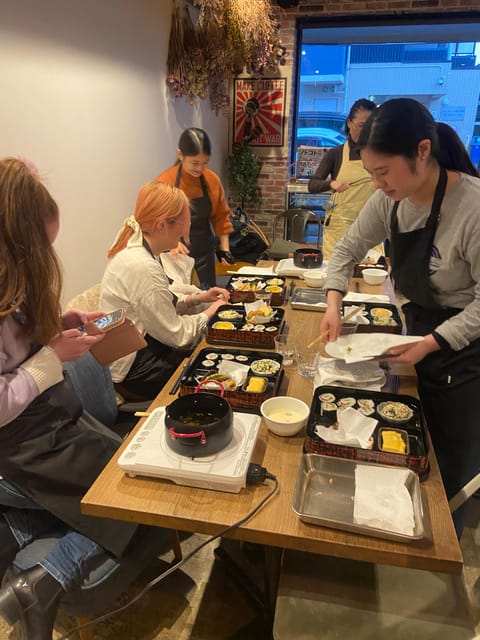
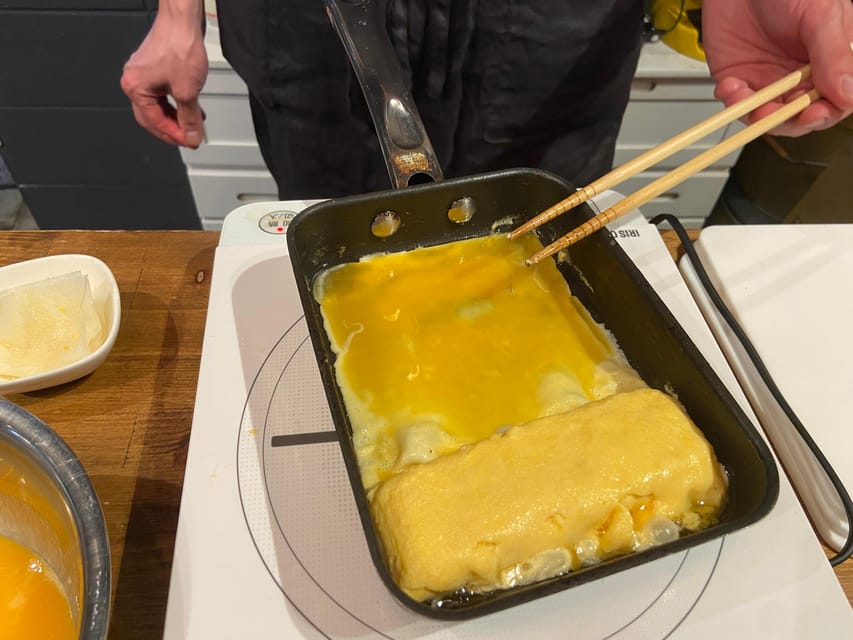
The bento includes sushi rolls and a Japanese rolled omelette, often called dashimaki tamago. The omelette is not simply scrambled egg folded once. It requires attention to texture, timing, and rolling technique.
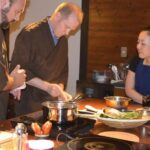
You get a chance to work through the process under guidance, rather than trying to copy a finished example. The instructors demonstrate the steps, then let you practice. Chef Rie has been singled out for being patient and encouraging, while Ai is praised for clear explanations and a friendly teaching style.
The sushi roll adds another hands-on task. It gives the class a familiar dish, but the focus remains on how it fits into a bento. You are making a portable meal with multiple components, not preparing a standalone restaurant course.
The result may not look perfect on your first attempt. That is part of the value. You see how Japanese cooks manage neat portions and presentation, and you leave with a better sense of how much care goes into an apparently simple lunch box.
Frying Tempura Without Guesswork
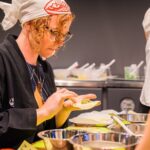
Tempura is the class’s most active cooking technique. You learn how to fry it, including the process and handling needed to produce a good result.
This is a useful lesson for anyone who enjoys Japanese food but has avoided tempura at home. Frying can feel intimidating, and a demonstration alone does not tell you how the technique feels. Here, you take part and can ask the chef about the steps as you work.
The activity information does not promise a particular vegetable or seafood selection, so you should expect the ingredients to depend on the class and season. The focus is on the method, not on a fixed shopping list. That fits the washoku approach, which gives fresh and seasonal ingredients an important role.
One practical point is worth noting for people with food restrictions. A shrimp allergy was accommodated with a substitution in one class, but you should still communicate any allergy or dietary need before booking. The available information does not promise that every restriction can be handled.
Other cooking classes in Kyoto
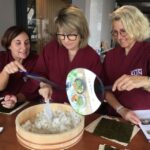
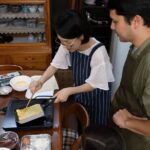
Tofu Salad and the Shape of a Complete Meal
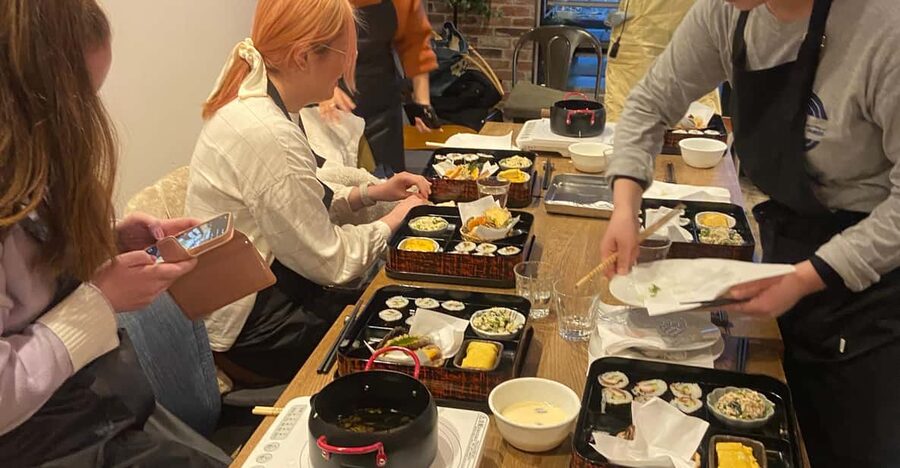
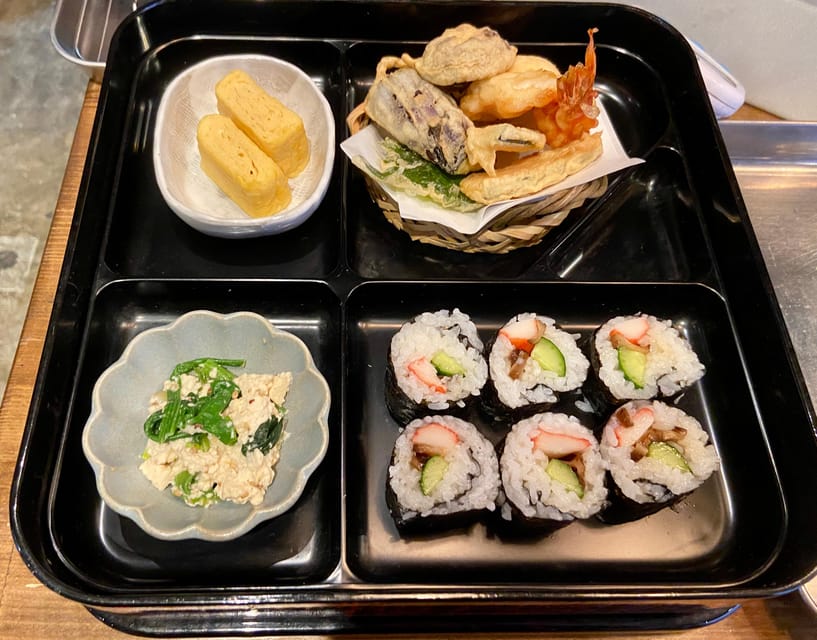
The tofu salad brings a different texture and preparation style to the box. Alongside the sushi, tempura, and omelette, it helps create the balance that makes a bento feel like a complete meal.
This is where the class’s four-dish structure earns its price. You are not spending $58 to learn one recipe. You are learning how a Japanese meal combines soft, crisp, savory, fresh, and egg-based elements in one compact serving.
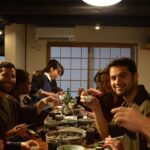
The amount of food is also substantial. Several participants have been surprised by how much they prepare and advise arriving hungry. You eat the completed bento at the end, chatting with the others and your chef.
Do not schedule this immediately before a large dinner. The final meal is a central part of the experience, and skipping it would remove the payoff after two and a half hours of work.
Meeting Ai, Rie, or Miyu
The class is led in English or Japanese. The instructors named in the available information include Ai, Chef Rie, and Miyu, with Nana and Lausa also assisting in some sessions.
Ai is repeatedly described as patient, clear, and easy to understand. Her explanations cover both the food and the culture behind it. Chef Rie is presented as warm, encouraging, and skilled at guiding people through unfamiliar techniques. Miyu is praised for making the class friendly, informative, and relaxed.
You should not assume a particular chef will lead your session unless the booking details confirm it. Still, the teaching style appears to be a key part of the experience. The class is designed for people who may not know Japanese cooking methods, so you do not need advanced kitchen skills.
The small format also helps families. One parent and a nine-year-old enjoyed preparing the meal together, and another family found the class comfortable for teenagers. At the same time, the activity is not suitable for children under four, babies under one, or wheelchair users according to the provided restrictions.
Is $58 Good Value?
At $58 per person, this class sits in a reasonable range for a 150-minute food experience in Kyoto. You receive the instructor, ingredients, apron, equipment, four dishes, and the meal you prepare.
The best comparison is not simply the cost of a lunch. A restaurant meal may cost less, but it will not teach you dashi, tempura, knife work, sushi rolling, and omelette preparation. A shorter demonstration class may also cost less, but it may give you less time to practice.
The value is strongest if you want a skill-based experience. You are paying for instruction, ingredients, equipment, cultural background, and a generous meal. Some sessions also provide recipes afterward, which adds practical value once you return home.
It is less compelling if you only want to eat and have little interest in cooking. You will spend much of the class preparing food, cleaning as you go, and following instructions. That is the point of the experience, but it may not suit someone looking for a quick tasting.
The reserve-now, pay-later option can help if your Kyoto plans are still moving around. Free cancellation is available up to 24 hours before the class for a full refund. The late-arrival rule remains strict, so flexibility does not extend to missing the meeting time.
Who Should Book This Kyoto Cooking Class?
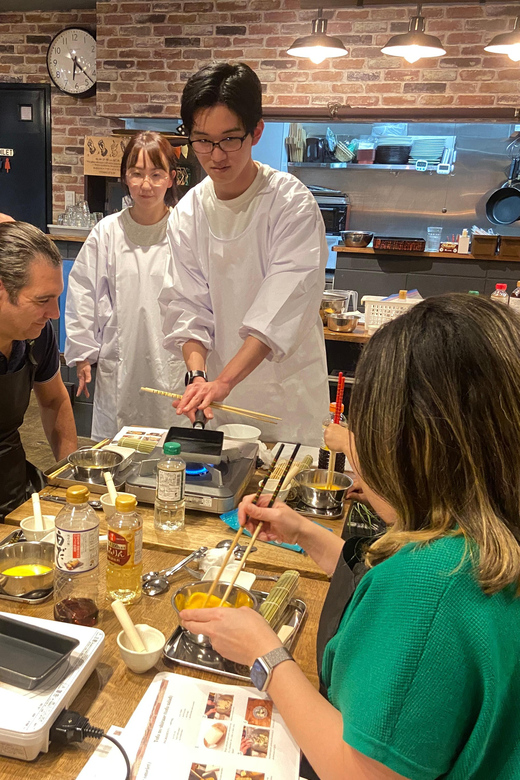
I would choose this class early in a Japan trip if you want a better understanding of everyday Japanese food. The lessons can shape how you read menus and notice ingredients during the rest of your holiday.
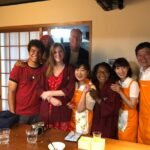
It also suits couples, families with older children, solo visitors, and small groups of friends. A maximum of five people creates a social setting without the scale of a large tour. You cook alongside others, then share the finished meal.
This is a good choice for first-time cooks because the chef demonstrates each technique and stays available for questions. It also suits experienced home cooks who want to learn specific Japanese methods, especially dashi and dashimaki tamago.
You should think twice if you have strict dietary needs, use a wheelchair, or dislike structured kitchen activities. The food is filling, the session is hands-on, and the class follows a set sequence. It is not a casual drop-in lunch.
Practical Details Before You Go
Wear something comfortable and arrive at Kyoto Laundry Cafe with enough time to locate the meeting point. The cafe is about five minutes from Saiin Station, but the chef needs to collect you there, so do not head directly elsewhere.
The class provides aprons and cooking equipment. Ingredients are included, and you prepare four dishes: sushi rolls, tempura, tofu salad, and Japanese rolled omelette. Dashi stock and Japanese knife technique are part of the instruction.
English and Japanese are available. The group is capped at five participants, and the session runs for 150 minutes. Check the available starting times when booking because the schedule can vary.
Children under four are not accepted, and the information also lists babies under one, children under two, and children under three among those not suited to the activity. Wheelchair users and people with diabetes are also listed as unsuitable.
Should You Book It?
Book this class if you want to understand Japanese food by making it yourself. The combination of four dishes, a full meal, cultural explanation, and a very small group gives you more substance than a simple food tasting.
I would rate it especially highly for anyone who wants recipes and techniques to use at home. Dashi, tempura, knife handling, sushi rolls, and dashimaki give you a useful set of skills, while the bento format explains how Japanese meals are put together.
Skip it if you want a quick, passive activity or if your schedule makes a firm meeting time difficult. For everyone else, $58 buys a practical Kyoto memory: not just a picture of Japanese food, but the ability to prepare part of it yourself.
FAQ
Where does the Kyoto bento cooking class meet?
You meet at Kyoto Laundry Cafe, also written as Kyoto Laundry Cafe in Japanese. It is about five minutes from Saiin Station on the Hankyu Railway.
How long does the cooking class last?
The class lasts 150 minutes, or two and a half hours.
How many people can join the class?
The class is limited to five participants, making it a small-group experience.
Which languages does the instructor speak?
Instruction is available in English and Japanese.
What dishes will I prepare?
You prepare sushi rolls, tempura, tofu salad, and a Japanese rolled omelette.
Will I learn how to make dashi stock?
Yes. Making dashi stock is one of the techniques covered during the class.
Are ingredients and cooking equipment included?
Yes. The price includes ingredients, aprons, other equipment, the instructor, the cooking class, and four dishes.
Do I eat the bento I make?
Yes. After cooking, you enjoy your own bento together with the people in the class.
What happens if I arrive late?
The chef comes to collect you at Kyoto Laundry Cafe. If you arrive more than 15 minutes after the scheduled meeting time, the reservation is automatically canceled, with no refund or same-day schedule change.
Can I cancel the booking?
You can cancel up to 24 hours in advance for a full refund. A reserve-now, pay-later option is also available.
More Workshops & Classes in Kyoto
More Cooking Classes in Kyoto
More Cooking Classes in Kyoto
More tours in Kyoto we've reviewed






Cooking Classes, compared.
 ★ 5.0Ramen Cooking Class at Ramen Factory in KyotoFrom $131
 ★ 4.9Kyoto: Ramen Cooking Class at a Ramen Factory with SouvenirFrom $1271h 30m
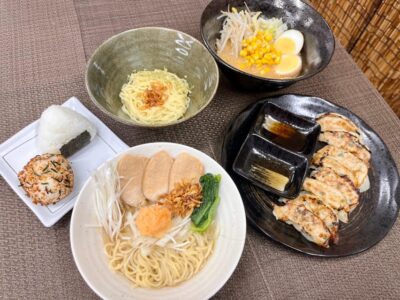 ★ 5.0Kyoto: Ramen, Gyoza, and Onigiri Cooking ClassFrom $901h 30m
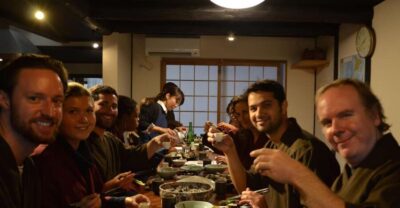 ★ 4.9Kyoto: Afternoon Japanese Izakaya Cooking ClassFrom $673 hours
 ★ 5.0Izakaya Style Cooking ClassFrom $71
 ★ 5.0Gyoza Cooking Class in Kyoto: Traditional Japanese DumplingsFrom $118