
Reviewed · ARASHIYAMA & BAMBOO TOURS
Private Customized 3 Full Days Tour Package: Discover Kyoto, Arashiyama and Nara
Kyoto’s greatest hits are spread across the city and beyond, but this private three-day tour gathers them into one carefully planned route. You’ll see gold-leaf temples, Zen gardens, thousands of red torii gates, Arashiyama’s bamboo paths, Gion’s old streets, and Nara’s free-roaming deer.
I like the customizable schedule, which lets you adjust the plan with your guide, and I like the small-group format, with only your party taking part. Guides Kingo and Ahmed have earned especially warm praise for being organized, friendly, and passionate. The main catch is cost: the $1,480 group price does not include transport, admission fees, meals, or public transit.
In This Review
- Key points to know before booking
- What this private Kyoto tour does well
- Day one: castles, gold leaf, Zen, and red torii gates
- Nijo Castle at 9:30 a.m.
- Kinkakuji, the Golden Pavilion
- Ryoanji and its famous rock garden
- Lunch and Nishiki Market
- Fushimi Inari Taisha at 3:30 p.m.
- Day two: Arashiyama bamboo, river views, and Gion
- The Bamboo Forest and Nonomiya Shrine
- Hozu-gawa River and Togetsu Bridge
- Monkey’s Park and lunch
- Kiyomizu-dera and Gion
- Day three: Nara deer, Buddhist monuments, and lanterns
- Nara Park and its deer
- Kofuku-ji and the Five-Storied Pagoda
- Todaiji and Kasuga Shrine
- Price, extra costs, and the value of a private car
- Who will enjoy this three-day plan?
- Practical details that matter
- Should you book it?
- FAQ
- How many people can join the private tour?
- Is transportation included in the $1,480 price?
- Are temple admission fees included?
- Are meals included?
- Where does the tour start and finish?
- Can the itinerary be changed?
- What happens if the weather is poor?
Key points to know before booking
- Three full sightseeing days: Kyoto’s major temples, Arashiyama, and Nara are divided into a sensible three-day plan.
- Private group of up to 10: You avoid a large coach group and can request itinerary changes with the guide.
- Kingo and Ahmed are named guides: Both are praised for careful planning, a pleasant manner, and strong enthusiasm for Kyoto.
- Transport is extra: A private car can be arranged, but you pay an additional transportation charge.
- Temple admissions add up: Listed admission fees total ¥8,250 per person for the temples on the plan.
- The pace is active: Expect several hours of walking each day, with early starts and fixed meeting times.
What this private Kyoto tour does well
This package is built for you if Kyoto is a first visit and you want a guide to handle the day’s structure. Instead of spending precious holiday time sorting out which temple belongs with which neighborhood, you move through a ready-made sequence covering central Kyoto, northern Kyoto, Fushimi Inari, Arashiyama, Gion, and Nara.
The private format is the big advantage. A group of two can ask for more time at a favorite temple, while a family or group of friends can make reasonable changes without waiting for strangers. The schedule is presented as a plan rather than a rigid rule, so discuss priorities with your guide before each day begins.
You may be assigned Kingo or Ahmed. Kingo is described as pleasant, professional, and well prepared, with a friendly manner that makes the day feel less formal. Ahmed is praised for his passion and organization. One useful point from Ahmed’s feedback is that a private car made the tour more comfortable and helped the group move without feeling rushed. That service costs extra, so include it in your budget from the start.
A few more Kyoto tours and experiences worth a look
Day one: castles, gold leaf, Zen, and red torii gates
Your first day begins at 9 a.m. in the Gion area. From there, the route moves through several of Kyoto’s best-known sights, each offering a different view of the city’s culture and past.
Nijo Castle at 9:30 a.m.
Nijo Castle is a strong opening stop because it shows Kyoto through the world of the shoguns rather than through temples alone. The Ninomaru Palace is the main attraction, with richly decorated rooms and Edo-period design. The gardens add breathing room after the palace interiors.
Plan on about an hour. Admission is not included, so you’ll need to pay separately. Ask your guide to point out the palace’s distinctive floorboards, commonly associated with their birdlike squeaks. The castle is not simply a grand building. It gives you a sense of political power in old Japan, a useful counterpoint to the quieter religious sites later in the day.
Kinkakuji, the Golden Pavilion
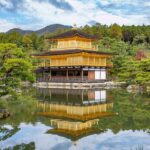
At 11 a.m., you reach Kinkakuji, often called the Golden Pavilion. Its gold-covered upper stories reflect in the pond, creating one of Kyoto’s most recognizable views.
The setting is made for photographs, but the popularity has a practical downside. The approach and viewing areas can feel crowded, especially during busy periods. You follow a set garden route rather than wandering freely, and one hour is enough for the main visit, though not for a slow, quiet study of every corner.
Admission is extra. I would keep your expectations realistic: Kinkakuji is worth seeing for its design and setting, but the visit is more about a striking scene than a long, contemplative temple experience.
Ryoanji and its famous rock garden
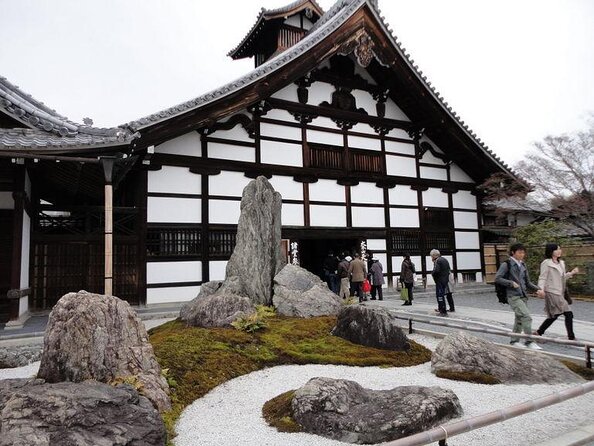
At noon, the tour reaches Ryoanji. This temple is home to Japan’s best-known Zen rock garden, a simple arrangement of stones and gravel that invites a short pause.
The garden works best when you sit for a few minutes instead of treating it as a quick photo stop. Its spare design also gives the day a change of mood after the bright, highly polished appearance of Kinkakuji.
You have about an hour here. Admission is not included. The garden is famous, so the building may not provide the quiet you imagined, but the stop remains worthwhile for its clean lines and calm setting.
A few more Kyoto tours and experiences worth a look
Lunch and Nishiki Market
The schedule places lunch around 2 p.m., followed by Nishiki Market. This timing is convenient for a full day, though it is later than many people usually eat. Tell your guide if anyone in your group needs an earlier break.
Nishiki Market is known as Kyoto’s Kitchen. More than a hundred stalls and shops fill a five-block stretch with seafood, prepared foods, local ingredients, sweets, and small gifts. Admission is free, but you pay for anything you eat or buy.
I like this stop because it connects Kyoto’s temples with everyday food culture. It is also a good place for a flexible lunch, since different members of your group can choose different snacks or dishes. Stay aware of the clock. The next stop is one of the most memorable sights of the trip.
Fushimi Inari Taisha at 3:30 p.m.
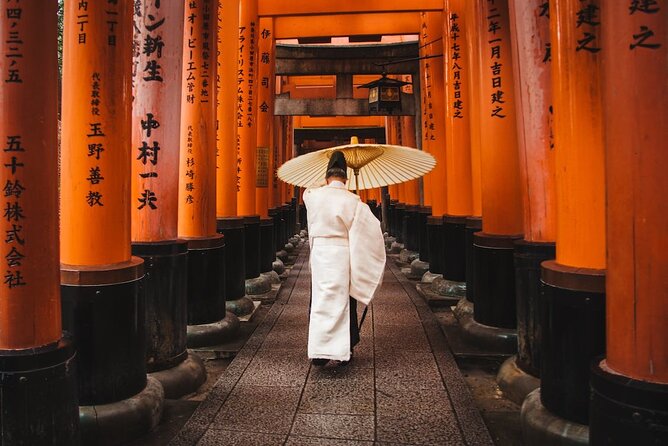
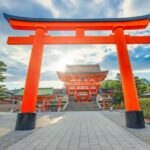
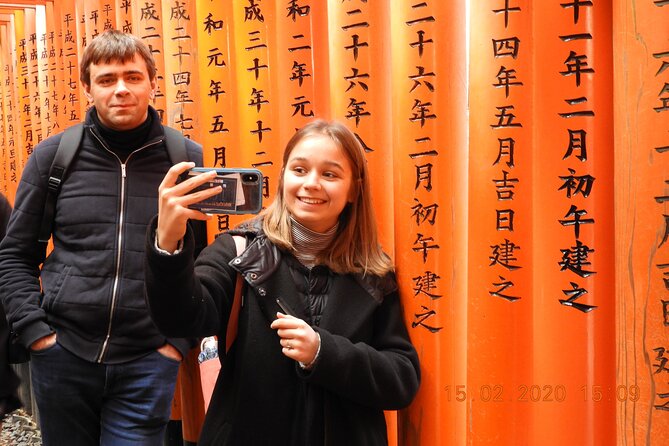
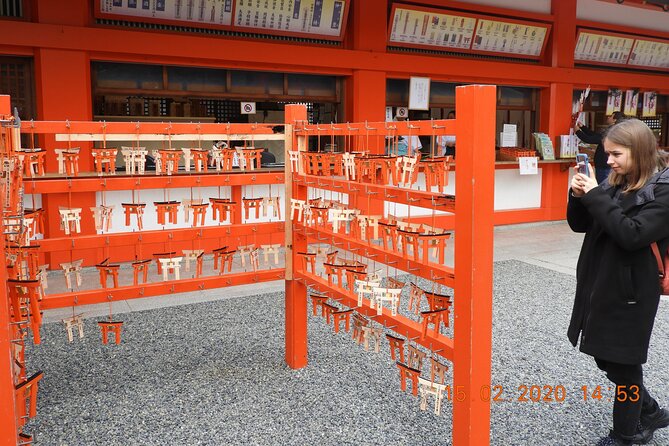
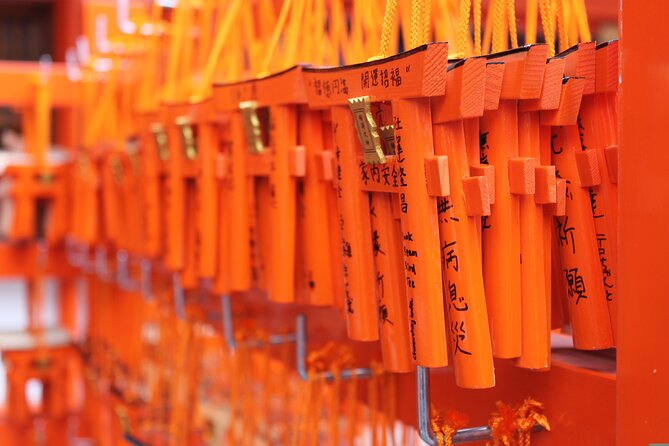
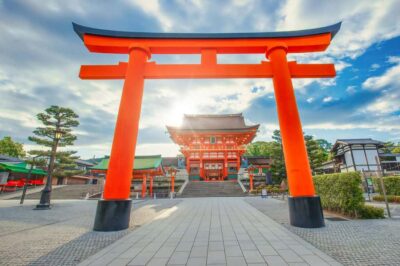
Fushimi Inari is famous for its thousands of orange-red torii gates, which line paths through the forested hills. The gates create a long, dramatic corridor and give the shrine a strong sense of movement.
The listed visit lasts about an hour. That is enough to experience the lower section and walk beneath a good run of gates, but not enough to explore every trail. If your group wants a longer walk, this is one of the clearest places to request extra time, perhaps by shortening another stop.
Admission is free. Wear comfortable shoes, since the shrine involves walking on sloping paths and steps. The day finishes around 5 p.m., back in the Gion area or at the agreed end point.
Day two: Arashiyama bamboo, river views, and Gion
The second day begins at 9 a.m. and focuses on western Kyoto. Arashiyama is a full half-day destination, and the plan gives it four hours before moving to Kiyomizu-dera and Gion.
The Bamboo Forest and Nonomiya Shrine
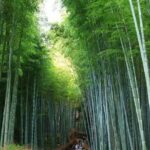
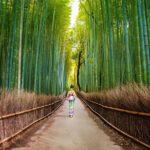
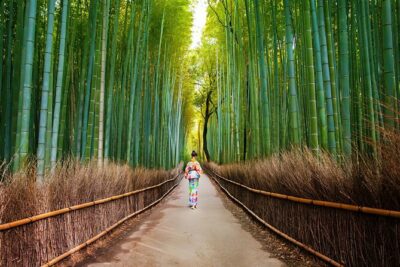
The Bamboo Forest is one of Kyoto’s most photographed places. Tall bamboo rises on both sides of the path, creating a narrow green corridor with a very different feel from the city streets.
The path is free, and the visit includes Nonomiya Shrine and the Tenryu-ji Temple Garden. Nonomiya is a small Shinto shrine with links to the traditional religious life of Arashiyama. Tenryu-ji adds a formal garden and temple setting to the morning.
The bamboo path itself is not huge, so the value comes from combining it with the shrine and garden rather than expecting a long wilderness walk. Go early, as the 10 a.m. arrival is already later than the quietest part of the day. Your private guide can help you move efficiently and explain what you are seeing without forcing you to stop at every corner.
Hozu-gawa River and Togetsu Bridge
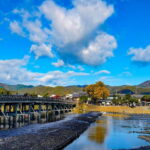
Around 11:30 a.m., you visit the Hozu-gawa River and Togetsu Bridge. The river was once used as a trade route and now forms one of Arashiyama’s most pleasant scenic areas.
Togetsu Bridge is a short visit, but it gives you a classic view of the river and surrounding hills. Boat trips are mentioned as an option, but they are not part of the tour price or the fixed schedule. If you are interested, ask in advance whether the timing and extra cost work for your group.
The bridge area can be busy, and it is not a hidden corner of Kyoto. Still, the combination of water, wooded hills, and traditional architecture gives Arashiyama a welcome change from temple courtyards.
Monkey’s Park and lunch
The morning also includes Monkey’s Park before lunch. The schedule does not specify a separate admission price, but you should ask the guide what is included before the day begins. The park adds a nature-focused stop to an otherwise cultural morning.
Lunch follows at about 2 p.m. As on day one, meals are not included. Your guide can help with the timing, but you pay for your own food.
Kiyomizu-dera and Gion
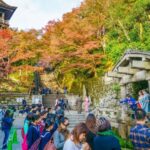
At 3:30 p.m., the tour moves to Kiyomizu-dera and the Gion district. Kiyomizu-dera sits on a hillside and is one of Kyoto’s most recognizable temples. Its elevated wooden structure gives you broad views over the city, while the surrounding lanes lead through one of Kyoto’s most atmospheric old areas.
Admission is extra. Allow for walking on slopes and through busy lanes. The temple visit is scheduled for one hour, followed by Gion, so you will see the main sights rather than cover every side street.
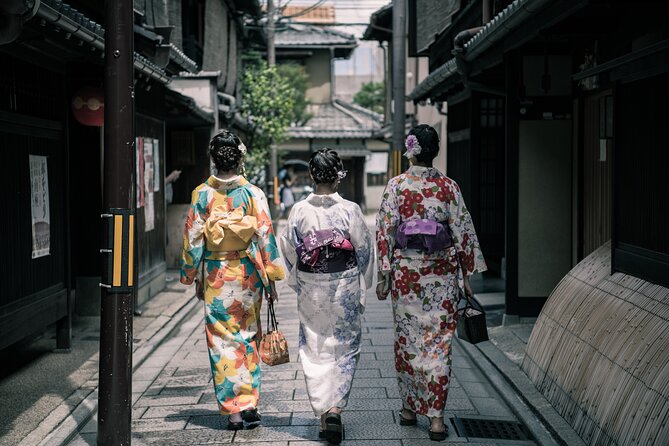
Gion is known for its wooden machiya houses, teahouses, and connection with geisha culture. Treat the district as a living neighborhood, not a stage set. Walk quietly, avoid blocking narrow lanes, and follow local rules about photography. The tour ends around 5 p.m.
Day three: Nara deer, Buddhist monuments, and lanterns
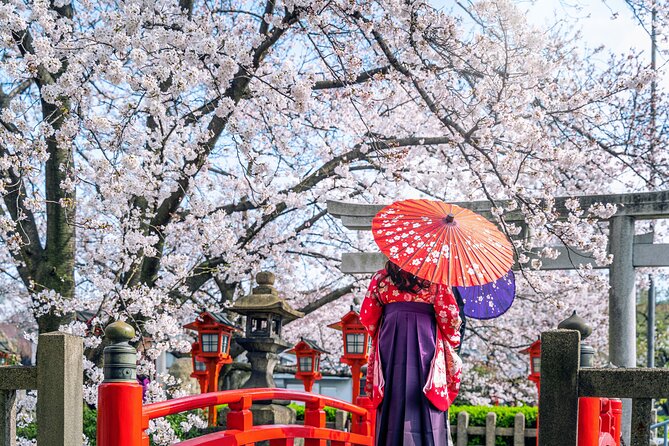
The third day leaves Kyoto for Nara. The plan has you reach Nara Station at about 10:15 a.m., then spend four hours among the city’s major sights before returning to Kyoto.
Nara Park and its deer
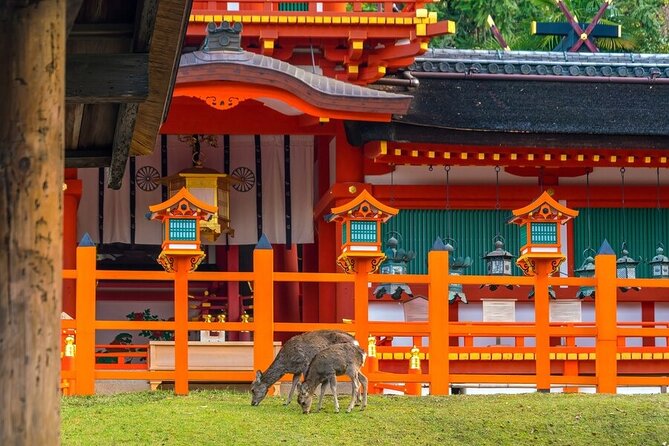
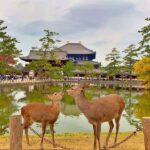
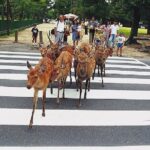
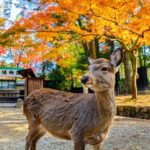
Nara Park is famous for deer that roam freely through the grounds. The park visit is scheduled for about 30 minutes, but the wider Nara section continues through nearby temples and shrines.
The deer are one of Japan’s most memorable encounters for families and first-time visitors. They also require common sense. Give them space, watch your belongings, and follow any posted guidance. The park itself is free, while food or other purchases are your responsibility.
Because the deer can be lively and unpredictable, this stop is best treated as an introduction rather than a long animal encounter. Your guide can help you continue toward the temples without letting the morning drift away.
Kofuku-ji and the Five-Storied Pagoda
Kofuku-ji comes next at about 11:30 a.m. Its Five-Storied Pagoda is one of Nara’s familiar architectural markers, and the temple adds another major Buddhist site to the trip.
The visit lasts about an hour. Admission is not included. This stop works well after the park because it shifts your attention from animals and open space to architecture and religious history.
Todaiji and Kasuga Shrine
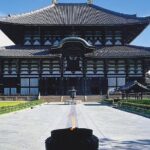
At 12:30 p.m., you visit Todaiji and Kasuga Shrine. Todaiji’s Great Buddha Hall houses one of the world’s largest bronze Buddha statues. The scale is the point: the building and statue are designed to make you feel small, and they succeed.
Kasuga Shrine provides a different experience. It is known for bronze and stone lanterns along paths through wooded grounds. Admission is extra for both listed temple and shrine visits, so confirm how the ¥8,250 total is being calculated for your group.
The schedule allows only about 30 minutes at each of Todaiji and Kasuga Shrine. That is enough for a focused introduction, but not a slow visit. If your group cares deeply about Buddhist art or Shinto ritual, ask about adjusting the day. The package is customizable, and Nara has more to offer than the standard highlights.
Lunch comes around 1:30 p.m., followed by the return to Kyoto. The stated finish is about 3 p.m. in Gion.
Price, extra costs, and the value of a private car
The price is $1,480 per group of up to 10 people. For a full three-day private program, that can be reasonable for a larger family or group of friends, especially when the convenience of a dedicated guide matters. For one or two people, the per-person price is much higher.
The quoted price covers tour guiding and management, pickup in Kyoto city, and arrangement of a car and driver. It does not cover the transportation cost itself. Temple admission, lunch, public transportation, and gratuities are also separate.
The listed temple admissions total ¥8,250 per person. Add meals and transport, then decide if the private structure fits your budget. A private car is the clearest comfort upgrade, particularly because Kyoto’s sights are spread across several districts. It can reduce transfers and help the group keep to the timetable, but it is an additional expense rather than a hidden inclusion.
Who will enjoy this three-day plan?
I would recommend this tour to first-time Kyoto visitors who want the major sights organized without joining a large group. It also suits families and groups of friends who value a private guide and want the option to alter the route.
The schedule is less ideal if you prefer slow mornings, long meals, or hours spent at one temple. Each day begins at 9 a.m., and the plan covers a lot of ground. Some stops receive only 30 minutes or one hour, so you should tell the guide your priorities before the first morning.
It is also a good match if you want Kyoto and Nara in one booking. The route gives you a broad first look at both cities, from grand monuments to markets and neighborhood streets. If you already know Kyoto well, ask for a more specialized plan rather than simply repeating every standard stop.
Practical details that matter
Pickup and return are listed in Gion, in Kyoto’s Higashiyama Ward. The area is near public transportation, and most people can participate. Since the schedule includes temple grounds, forest paths, slopes, and several hours of walking, comfortable footwear is a sensible choice.
Confirmation is provided at booking. Free cancellation is available up to 24 hours before the start time for a full refund. Changes made within 24 hours are not accepted, and poor weather can lead to a different date or a full refund because the experience requires suitable weather.
One detail deserves clarification before you pay: the duration field says 20 hours to 1 day, while the package itself is described as three full days. Treat the three-day itinerary as the meaningful description, but confirm the exact timing and transport arrangements with Ahmed Abu Tayeh before booking.
Should you book it?
Book this tour if you want a private guide, a ready-made route, and the freedom to make reasonable changes. The strongest reasons are the wide coverage, the small-group setting, and the chance to work with a guide such as Kingo or Ahmed, both praised for organization and personal attention.
Skip it if the $1,480 base price plus transport and admission fees feels too high, or if you prefer to explore independently at a slower pace. For a group of six to ten, the cost becomes easier to justify. For a couple, compare it carefully with booking individual guides or using Kyoto’s public transportation on your own.
FAQ
How many people can join the private tour?
Up to 10 people can participate in one private group. Only your group takes part in the activity.
Is transportation included in the $1,480 price?
No. Transportation costs are extra. The tour includes arranging a car and driver, but you pay the transportation charge separately.
Are temple admission fees included?
No. Entrance fees are separate. The listed admission total for the temples in the plan is ¥8,250 per person.
Are meals included?
No. Lunch is not included on any of the three days.
Where does the tour start and finish?
The listed meeting and ending area is Gion in Kyoto’s Higashiyama Ward.
Can the itinerary be changed?
Yes. The tour is private and can be customized in arrangement with the guide. Discuss your requested changes before or during the tour.
What happens if the weather is poor?
Because the experience requires good weather, the provider may offer a different date or a full refund if the tour is canceled for weather reasons.
More Private Tours in Kyoto
More Nara Day Trips in Kyoto
More Arashiyama & Bamboo Tours in Kyoto
More tours in Kyoto we've reviewed










Arashiyama & Bamboo Tours, compared.
 ★ 4.8Kyoto: Fushimi Inari, Kinkakuji, Bamboo Grove 1 Day Bus TourFrom $122510 minutes - 9 hours
 ★ 4.1Osaka/Kyoto:Kinkakuji,Arashiyama,FushimiInariShrine,NaraParkFrom $66
 ★ 4.7Kyoto/Osaka: Nara, Fushimi Inari Taisha, Arashiyama Bus TourFrom $529 - 10 hours
 ★ 5.0Kyoto Arashiyama Walking Tour: Bamboo, Monkeys, Gardens & SecretsFrom $65
 ★ 4.8Arashiyama Bamboo, Temple, Monkeys, or Secret Sake BreweryFrom $875 hours - 330 minutes
 ★ 4.4Osaka/Kyoto: Arashiyama, Nara & Fushimi Inari Shrine w/LunchFrom $61