
Reviewed · KYOTO
Kyoto; Craft Your Unique Japanese Name! Fun & Easy Keepsake
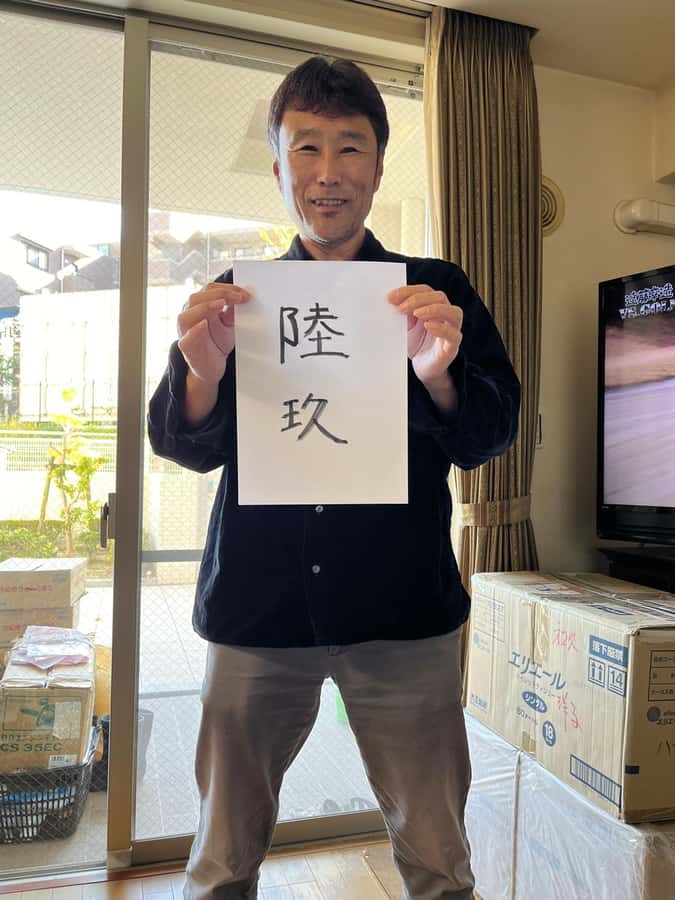
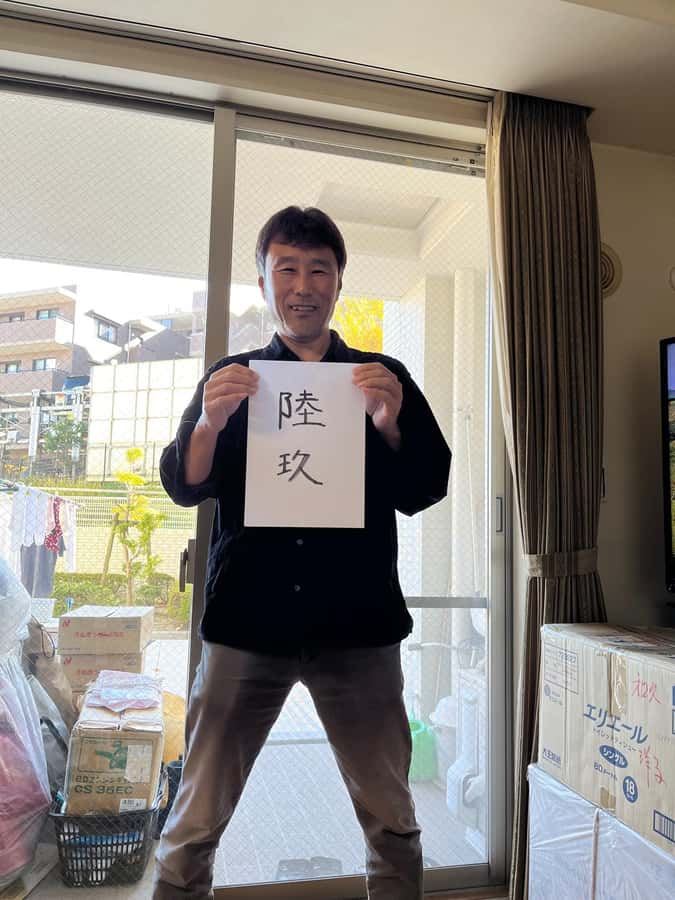
Your name becomes a small piece of Kyoto artwork in this relaxed café workshop. Instructor Kazuhisa Ashida, known as Kazu, helps you choose Kanji characters that fit your name’s sound and meaning, then guides you through writing it on traditional shikishi paper.
I like the easygoing format: you get a drink, learn useful greetings, and make a souvenir rather than simply buying one. I also like that the activity works in any weather and welcomes beginners. The main drawback is clear: this uses felt-tip pens, not brushes and ink, so it is not a traditional shodō calligraphy class.
In This Review
- Key points at a glance
- Turning your name into Japanese Kanji
- A café start with a drink and basic Japanese
- Kanji, Hiragana, and Katakana in one lesson
- Working with Kazu, your English and Japanese guide
- What makes the souvenir worthwhile
- Meeting at Takashimaya in central Kyoto
- How much value do you get for $33?
- Who should book this Kyoto workshop?
- Practical booking advice before you go
- Should you book it?
- FAQ
- Where does the workshop begin?
- How will I find the instructor?
- What languages are used during the activity?
- What will I write during the workshop?
- Is this a traditional Japanese calligraphy class?
- What is included in the price?
- Can I cancel if my plans change?
Key points at a glance
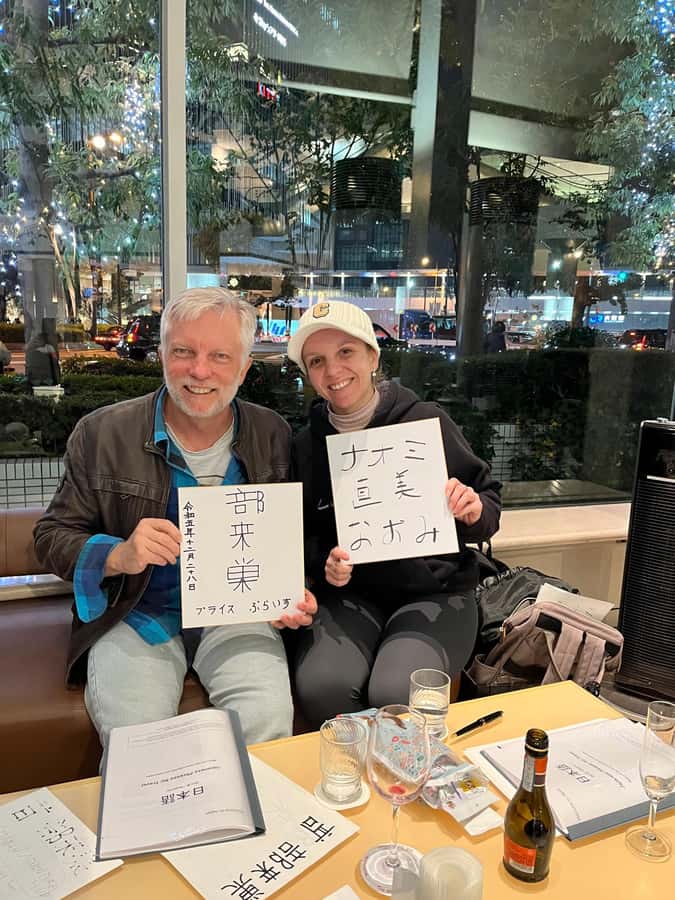
- Create your own personalized keepsake: Write your name in Kanji, Hiragana, and Katakana on shikishi paper.
- Meet Kazu at a Kyoto café: The workshop begins with a complimentary coffee, tea, or soft drink.
- Learn useful Japanese basics: Practice greetings, self-introductions, pronunciation, dates, and place names.
- Enjoy English and Japanese instruction: Kazu is fluent in both languages and can answer questions as you work.
- Plan for a casual art lesson, not brush calligraphy: Felt-tip pens make this accessible, but the result is different from shodō.
- Meet in central Kyoto: The clock outside Takashimaya is the landmark, at the southwest corner of Shijo-dori and Kawaramachi-dori.
Turning your name into Japanese Kanji
The central idea is simple and appealing: you leave Kyoto with your own name written in Japanese characters, rather than with another mass-produced souvenir.
Japanese names are normally written in Kanji, Hiragana, or Katakana, but foreign names do not always have a direct Kanji equivalent. Kazu selects characters that come close to the pronunciation and may also reflect a suitable meaning. That makes the finished piece personal, but it also means you should keep your expectations flexible. Your name will be interpreted creatively, not translated word for word.
You will practice writing the name yourself with felt-tip pens. This removes much of the pressure that comes with brush calligraphy. You do not need artistic training, knowledge of Japanese, or a steady calligrapher’s hand. The point is to learn, try, and take home something you helped make.
The finished work is written on shikishi, a traditional Japanese art board often used for calligraphy, drawings, and autographs. It gives your name a more special setting than ordinary notebook paper, while the marker-based approach keeps the session friendly and manageable.
If you're still narrowing it down, here are other tours in Kyoto we've reviewed.

A café start with a drink and basic Japanese
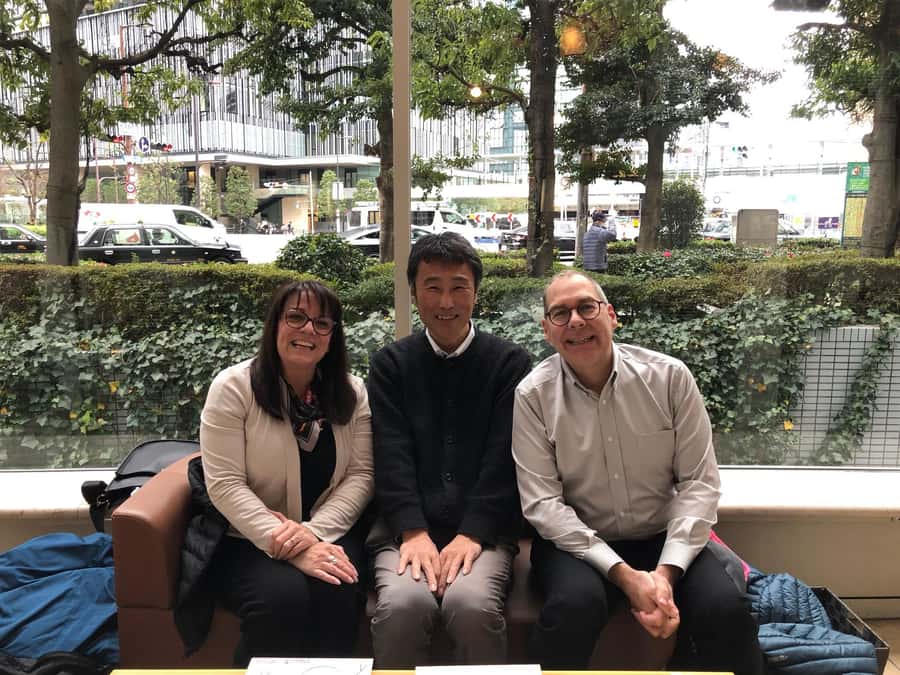
The meeting takes place at a cozy local café, where you receive one complimentary drink. You can choose coffee, tea, or a soft drink. This opening matters because it sets the tone for the whole activity. You are not walking into a formal language school or a silent art studio. You are sitting down for a friendly cultural exchange.
Kazu begins with a light introduction to Japanese greetings and self-introductions. You learn phrases that help you say hello, introduce yourself, and get a feel for Japanese pronunciation. The lesson is described as basic and casual, so you should not expect a full Japanese course. Instead, it gives you a few useful building blocks and helps you recognize how the language sounds.
I like this part because it connects the souvenir to the culture behind it. You are not merely copying unfamiliar symbols. You first hear some Japanese, practice a few phrases, and then use that setting to understand the writing better.
The café format also makes this a sensible choice for families, couples, and friends who want an indoor activity without committing to a long formal class. You can take a break from sightseeing, have a drink, and do something creative in the same sitting.
Kanji, Hiragana, and Katakana in one lesson
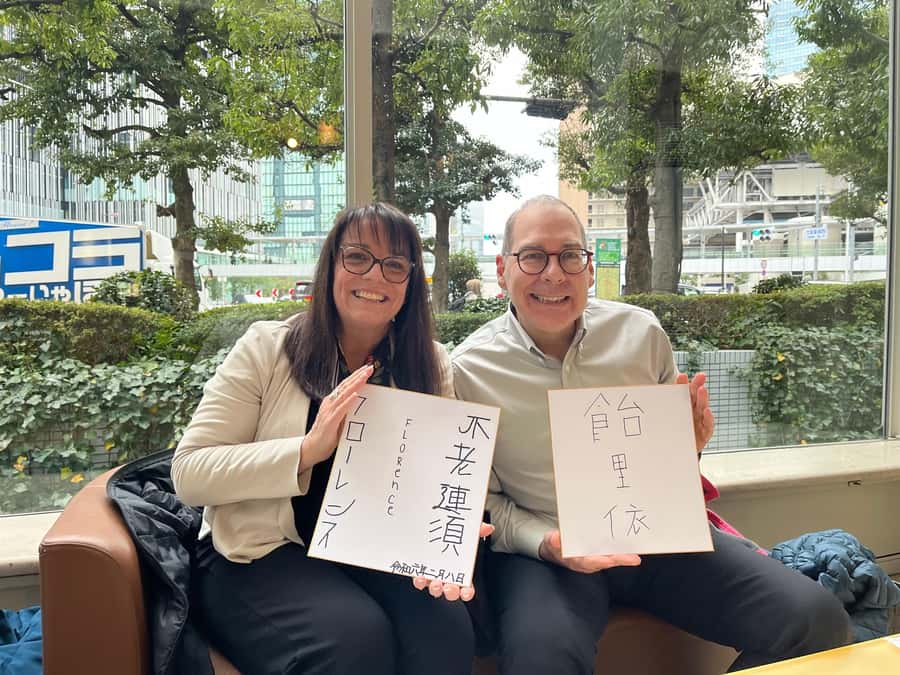
Japanese uses three writing systems, and this workshop introduces all three.
Kanji characters carry meaning and are often visually striking. Hiragana is a rounded script used widely for Japanese grammar and native words. Katakana has sharper forms and is commonly used for foreign words and names. You will practice your name in each of these scripts, which gives you a quick look at how Japanese writing works as a system.
You will also learn how to write Japanese-style dates and place names such as Kyoto. These are small details, but they help you see Japanese writing beyond your own souvenir. If you are curious about menus, signs, train information, or handwritten notes during your time in Japan, even a short introduction can make the characters feel less mysterious.
The lesson remains introductory. You should not expect to read a Japanese newspaper or write a long sentence by the end. Its value is more immediate: you learn what the scripts look like, how they differ, and how your own name can be represented.
Working with Kazu, your English and Japanese guide
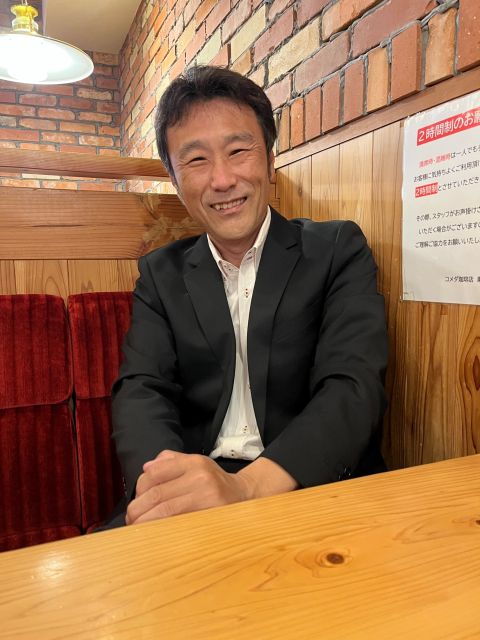
Kazu is the key to the experience. He teaches in both English and Japanese, so you can ask questions without struggling through a language barrier. He also helps with the part that is hardest for many English-speaking visitors, choosing Kanji that sounds reasonably close to a foreign name while carrying a suitable meaning.
The available feedback points to Kazu’s friendly manner, strong English, and willingness to answer questions. That is especially useful in a workshop like this, where the personal choices behind your characters matter as much as the writing practice. You may want to know why one character was selected, what it means, or how your pronunciation affects the result.
A good instructor also makes a difference for beginners who worry about making mistakes. Kazu’s role is not to judge your handwriting. It is to explain the forms, help you practice, and keep the lesson comfortable.
The activity is conducted in English and Japanese only. If you need instruction in another language, this is not the right match. The English support is strong, but the workshop still gives you room to hear and try Japanese directly.
What makes the souvenir worthwhile
A purchased souvenir can remind you of Kyoto, but a handmade one carries a different memory. You choose the name, practice the characters, and leave with a piece of artwork tied to the conversation you had at the café.
The shikishi board is also easy to understand as a keepsake. It is made to display art and writing, so your finished name can be placed on a shelf or wall after you return home. The materials are included, and you do not need to bring pens, paper, or art supplies.
This is a particularly nice choice if you are tired of shopping or want something that does not feel generic. It can work as a personal souvenir, a gift, or a shared project for a couple or family. The activity is lighthearted rather than solemn, which helps if you want culture without a heavy lecture.
There is one important distinction. The finished piece will be made with felt-tip pens, sometimes described as magic markers, rather than brush and ink. If you have imagined wearing a calligrapher’s apron and learning traditional shodō technique, this experience will not deliver that. If you want an approachable introduction to Japanese writing and a personalized artwork, the marker format is a practical advantage.

Meeting at Takashimaya in central Kyoto
The meeting point is easy to identify if you know the main Shijo-Kawaramachi intersection. Look for the clock in front of the Takashimaya main entrance, at the southwest corner of Shijo-dori and Kawaramachi-dori.
Kazu will be waiting with a red handkerchief or red sign. That visual marker is useful in a busy central area, but you should still arrive with enough time to find the correct corner. Late arrivals may not be accommodated, and transportation to the meeting point is not included.
The workshop ends back at the same meeting point. That makes it easy to continue sightseeing, shopping, or dining in central Kyoto after the lesson. It also means you are not dependent on a return transfer or a distant final stop.
You are responsible for getting there and for your personal belongings. The provider advises participants to carry their own travel or personal insurance, as the organizers are not liable for injury or lost property.
How much value do you get for $33?
At $33 per person, this sits in the affordable range for a guided cultural activity in Kyoto. The value comes from several parts working together: personal instruction, the café drink, all writing materials, practice in three scripts, and a finished name artwork to take home.
If you only want a cheap souvenir, you can spend less in a shop. That is not really the comparison, though. Here you are paying for Kazu’s help in selecting the characters, explaining the writing, and guiding your hand through the process. The personal attention gives the finished piece meaning that a ready-made item cannot provide.
The price makes the most sense if you enjoy hands-on activities. You are not paying for a long tour of Kyoto or admission to a major attraction. You are paying for a focused cultural lesson and a take-home object. If your main priority is temples, architecture, or traditional brush technique, put your money elsewhere.
The included drink adds a pleasant touch but should not be the reason you book. The real value is the interaction with Kazu and the chance to make something personal in a central Kyoto setting.
Who should book this Kyoto workshop?
I would recommend this activity to several types of people:
- First-time Japan visitors who want a simple introduction to Japanese writing.
- Families and children old enough to follow basic instruction who prefer a creative indoor activity.
- Couples and friends looking for a shared souvenir rather than another sightseeing stop.
- Language-curious visitors who want to practice greetings without enrolling in a serious class.
- Rainy-day planners who need a comfortable activity that does not depend on outdoor conditions.
- Shoppers who want something personal and would rather make a keepsake than buy one.
It is less suitable for someone looking specifically for traditional shodō. It is also not a full language lesson, and the limited language options may matter if you do not speak English or Japanese.
The activity should suit both seasoned visitors and first-time visitors because it does not require prior knowledge. The relaxed café setting lowers the barrier, while the personalized name gives the lesson a clear purpose.
Practical booking advice before you go
Check the meeting point carefully. Takashimaya is a large department store, and the landmark is the clock at the main entrance, not simply the building in general. Look for Kazu holding the red handkerchief or red sign.
Give yourself enough time to arrive. Late arrivals may not be accepted, and missing the start would mean losing the introduction, drink, and instruction that make the session worthwhile.
Wear or bring an attitude suited to experimentation. Your Kanji name is an artistic interpretation, and foreign names can be difficult to represent perfectly in Japanese characters. Kazu will make the best possible match for sound and meaning, but there may not be one exact answer.
You can reserve now and pay later, which helps if you are still arranging your Kyoto schedule. Cancellation is allowed up to 24 hours in advance for a full refund. The activity returns to the meeting point, but transport there and away from it is your responsibility.
Should you book it?
Book this workshop if you want a personal, easygoing Kyoto experience that combines a café break, basic Japanese phrases, and a handmade souvenir. The strongest reasons are Kazu’s fluent English and Japanese instruction, his help with the difficult Kanji selection, and the chance to leave with artwork made by you.
Skip it if your goal is formal Japanese calligraphy with brushes and ink, or if you want a longer language course. This is a casual introduction, not a traditional shodō lesson.
For $33, I think it is a fair choice for anyone who values a personal experience more than another shop-bought keepsake. Come ready to learn a few phrases, try unfamiliar scripts, and accept that your name’s Kanji version will be a thoughtful approximation rather than a perfect translation.
FAQ
Where does the workshop begin?
It begins at the clock in front of the Takashimaya main entrance, at the southwest corner of the Shijo-dori and Kawaramachi-dori intersection in Kyoto.
How will I find the instructor?
Kazuhisa Ashida, known as Kazu, will be waiting with a red handkerchief or red sign.
What languages are used during the activity?
The workshop is conducted in English and Japanese. Other languages cannot be accommodated.
What will I write during the workshop?
You will practice your name in Kanji, Hiragana, and Katakana. The lesson also covers Japanese-style dates and place names such as Kyoto.
Is this a traditional Japanese calligraphy class?
No. The activity is a casual introduction to Japanese writing and uses felt-tip pens. It does not teach traditional shodō with brushes and ink.
What is included in the price?
The price includes the hands-on writing and conversation workshop, instruction, all materials, traditional shikishi paper, a personalized name artwork, and one coffee, tea, or soft drink.
Can I cancel if my plans change?
You can cancel up to 24 hours in advance for a full refund. You may also reserve and pay later.
More tours in Kyoto we've reviewed




Kyoto, compared.
 ★ 5.0PERFECT KYOTO 1-Day Bus TourFrom $129
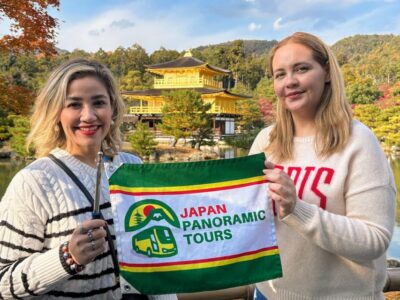 ★ 4.8Kyoto: Fushimi Inari, Kinkakuji, Bamboo Grove 1 Day Bus TourFrom $122510 minutes - 9 hours
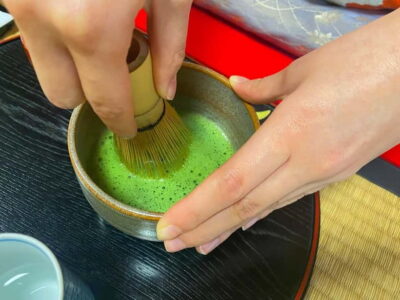 ★ 4.9Kyoto: Tea Ceremony in a Traditional Tea House in KiyomizuFrom $4945 min
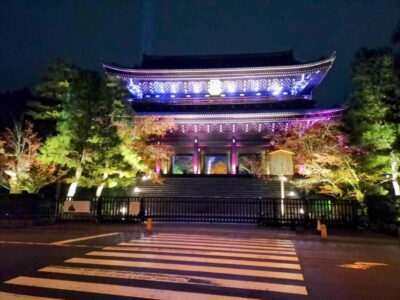 ★ 4.7Kyoto Geisha Walking Tour: Gion District & Hidden GemsFrom $252 hours
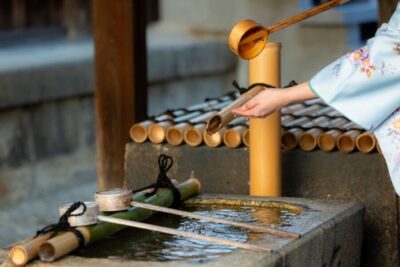 ★ 4.9Kyoto: Tea Ceremony Ju-An at Jotokuji TempleFrom $291h 10m
 ★ 4.3Kyoto: 45-Minute Tea Ceremony Lesson ExperienceFrom $2245 min