
Reviewed · FUSHIMI INARI TOURS
Kyoto: Fushimi, Arashiyama – Bamboo, Monkey, Torii & Secrets
Kyoto packs two very different worlds into this walking tour: the red torii tunnels of Fushimi Inari and the green hills, temples, river, and monkeys of Arashiyama. You begin at Inari Station and finish back there, with train travel between the areas at your own cost.
I like the way the tour mixes famous sights with quieter lanes. I also like that the guides, including Aron, Teri, Max, Marie, and Tim, are known for good pacing, local stories, photo help, and practical advice. The main caution is simple: this is a demanding walking day, with heat, rain, and a steep climb to Monkey Park all possible.
In This Review
- Key points at a glance
- Starting under Fushimi Inari’s red gates
- Moving from Fushimi Inari to Arashiyama
- Walking through Arashiyama’s bamboo
- Tenryuji Garden and its Zen calm
- Togetsukyo Bridge and the river views
- The climb to Iwatayama Monkey Park
- Quiet lanes, local tastes, and photo help
- How the $88 price measures up
- Weather, clothing, and group comfort
- Who should book this Kyoto walk?
- Should you book it?
- FAQ
- Where does the tour start?
- Where does the tour end?
- Are train fees included?
- Is food included?
- How long does the walking tour take?
- Is the tour suitable for wheelchair users or people with mobility impairments?
- What happens if only one person books?
Key points at a glance
- Two major Kyoto districts in one day: See Fushimi Inari and Arashiyama without arranging each stop yourself.
- A real uphill walk to Monkey Park: The climb is roughly 525 feet and can feel strenuous in hot weather.
- More than the usual bamboo photo stop: The route includes Tenryuji Garden, Togetsukyo Bridge, river views, shrines, quiet alleys, and lesser-known paths.
- Strong guide-led experience: Aron is often praised for his stories, photo tips, pacing, and easygoing manner. Other named guides include Teri, Max, Marie, and Tim.
- Good value for active sightseers: At $88 per person, the fee includes entry to Tenryuji Garden and Monkey Park, but not trains, food, or drinks.
- Plan for weather: Wear sturdy shoes, bring cash, and carry rain protection or sun protection depending on the forecast.
Starting under Fushimi Inari’s red gates
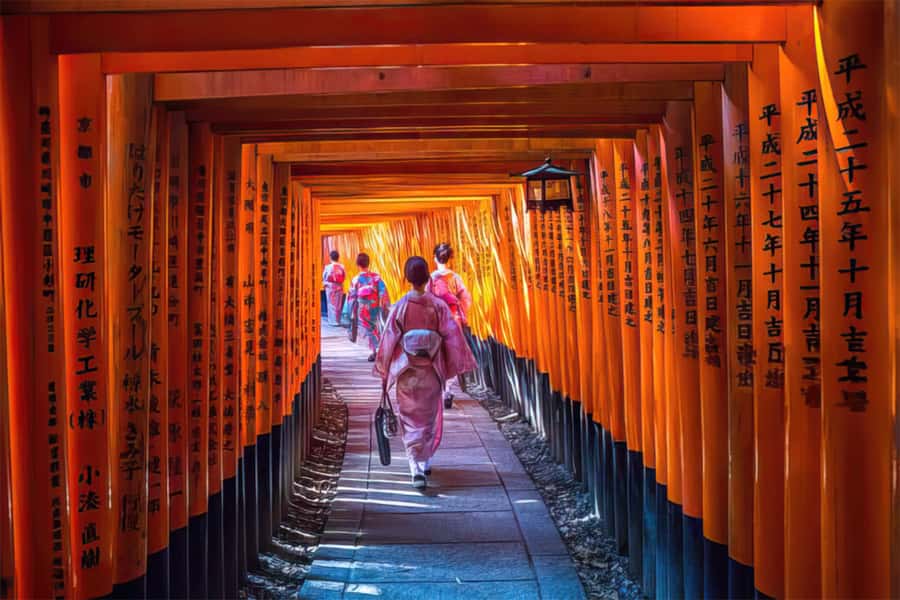
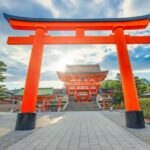
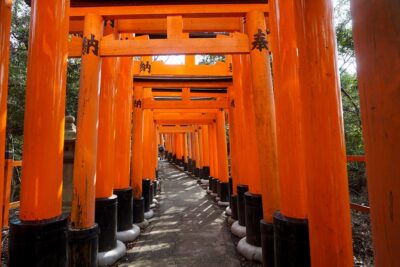
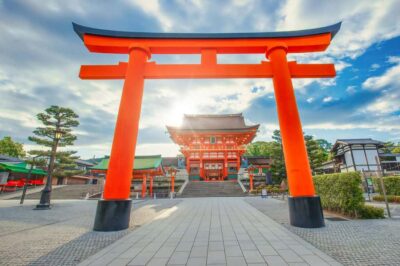
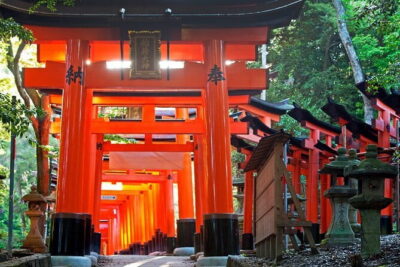
Your day starts in front of the gates of Inari Station, an easy meeting point for Fushimi Inari Taisha. This shrine is famous for its thousands of orange-red torii gates, which climb Mount Inari in long, shaded rows.
The gates are not a single flat corridor. They lead uphill through a sacred wooded area, and the mood changes as you walk. Near the bottom, the shrine can feel busy and photogenic. Farther up, the path becomes quieter, with stone markers, small shrines, and fewer people.
Your guide gives the gates context instead of treating them as a backdrop for a quick photograph. You can expect stories about the shrine, local traditions, and the meaning of the site. The route is also useful for keeping your attention on the details, since the repetition of the gates can otherwise blur into one long red tunnel.
The climb is not presented as a full mountain hike, but you should still arrive ready to walk uphill. Comfortable shoes matter here, especially because the rest of the day includes more steps and another climb in Arashiyama.
Fushimi Inari and Arashiyama are not next door to one another, so the transfer between them requires a train. Train fares are not included, and you need to handle that cost separately. Pickup and drop-off are also not provided, although the tour returns to the original meeting point at the end.
A few more Kyoto tours and experiences worth a look
Moving from Fushimi Inari to Arashiyama
The change from Fushimi Inari to Arashiyama is part of the practical tradeoff of this outing. You get two of Kyoto’s major sightseeing areas in one booking, but you also spend part of the day moving between them.
That arrangement works well if you have limited time in Kyoto or want a guide to manage the day’s sequence. It is less appealing if you prefer to linger at one shrine or temple for hours. The experience is built around variety and steady movement rather than a slow visit to one place.
The walk in Arashiyama begins with the district’s famous sights, but the guide also uses side streets and quieter routes. This is one of the strongest reasons to choose a guided walk rather than simply following a map from the bamboo grove to the bridge. You get help finding the best viewpoints and avoid spending the whole visit in the most crowded corridors.
The schedule can feel full, but the guides are expected to adjust the pace. Jane, a 60-year-old participant, especially appreciated that Max included several chances to stop and cool off during hot weather. That is worth noting if you are fit but not eager to race from one sight to another.
Walking through Arashiyama’s bamboo
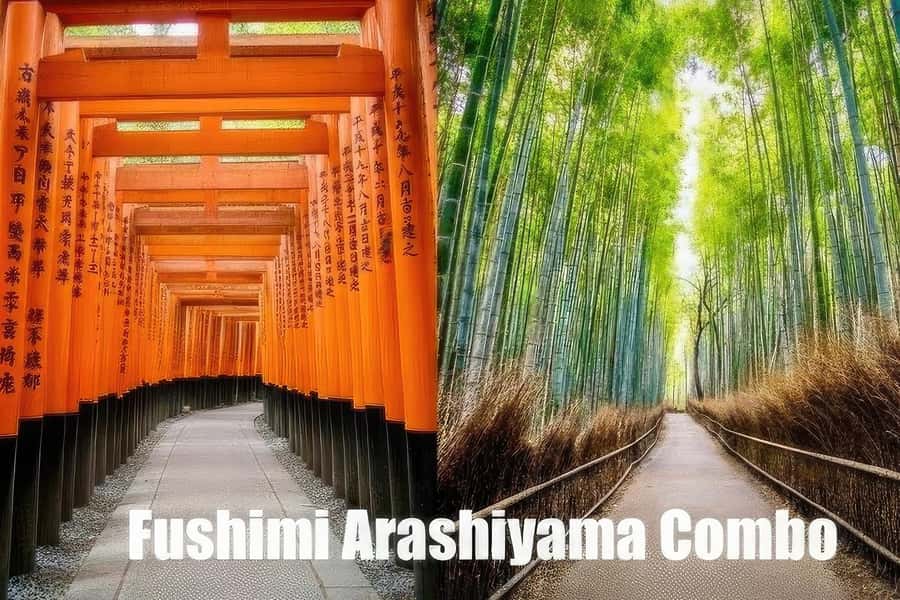
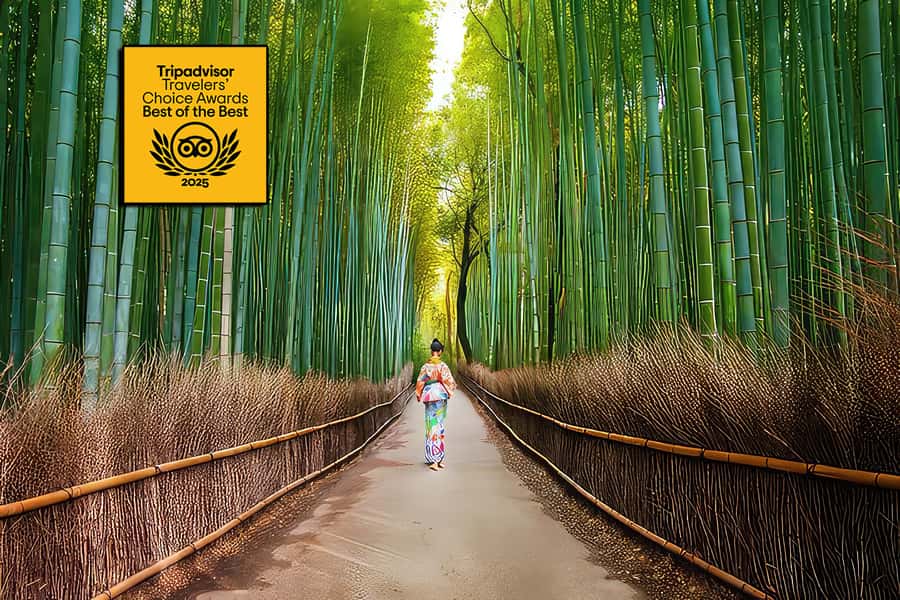
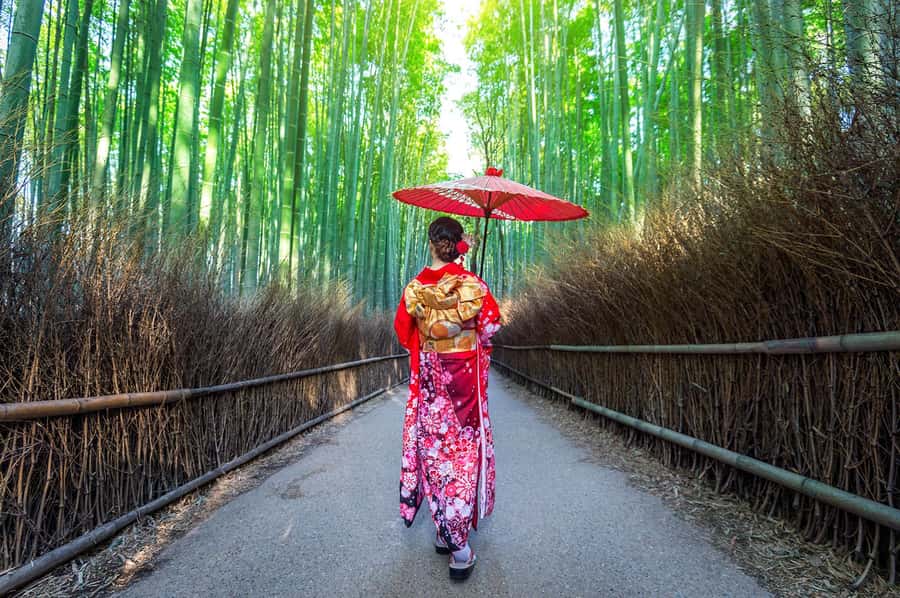
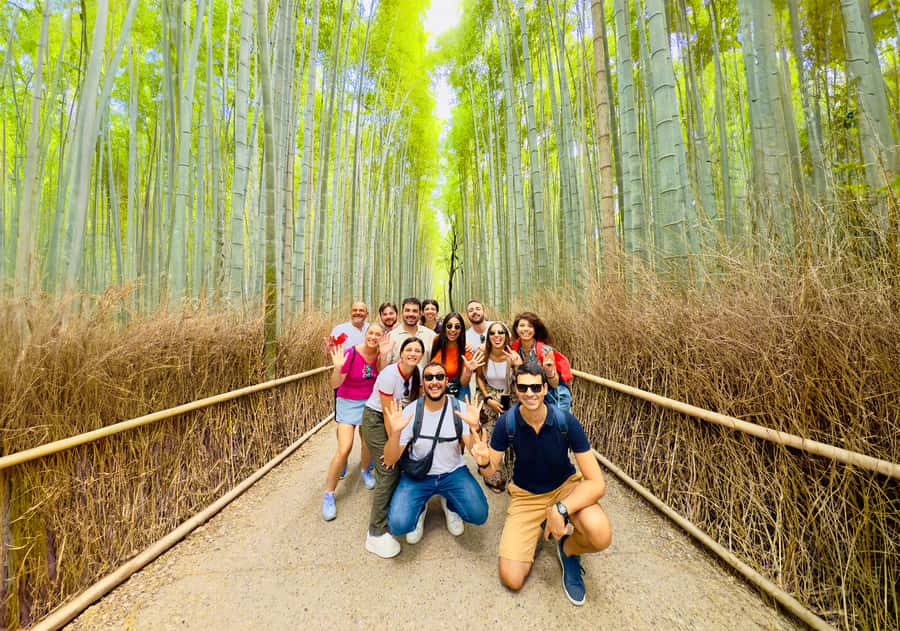
The Bamboo Grove is the visual centerpiece of Arashiyama. Tall bamboo rises on both sides of the path, and the sound of the stalks moving in the breeze gives the place a calm quality, even when the route is busy.
You should set your expectations correctly. This is one of Kyoto’s most photographed sights, so it is not a private woodland walk. At peak times, the narrow path can be crowded, and getting a clean photograph may take patience. One participant found the sheer volume of people overwhelming, even while appreciating the bamboo and gardens.
The guide adds value by taking you beyond the most obvious stretch. The advertised route includes hidden paths and quiet alleys, and several guides are praised for knowing good photo angles and less crowded spots. Aron is repeatedly singled out for helping with photographs, including iPhone tips, and for making sure the group did not stand around unnecessarily.
That practical help matters. The bamboo grove is easy to find, but a local guide can help you use your time better, especially if you want photographs without losing the rest of the day. You will still encounter crowds, but you are less likely to treat the grove as the entire Arashiyama experience.
Tenryuji Garden and its Zen calm
Tenryuji Temple provides a welcome change of pace. Its garden is included in the tour price and is known for a carefully arranged Zen design, with ponds, trees, rocks, and views toward the surrounding hills.
After the movement and crowds around the bamboo, the garden gives you room to slow down and look. The value here is not only the admission ticket. A guide can point out how the garden creates depth and balance, and can connect the temple to Kyoto’s religious and artistic traditions.
The grounds also offer some of the day’s best photo opportunities. You may find a clearer view across the garden than in the bamboo grove, and the temple setting helps explain why Arashiyama has remained such a major Kyoto destination.
The experience does not promise a long period of silent meditation. You are moving as part of a group and still have several stops ahead. Think of Tenryuji as a measured cultural visit within an active walking route, not as a private temple retreat.
Togetsukyo Bridge and the river views
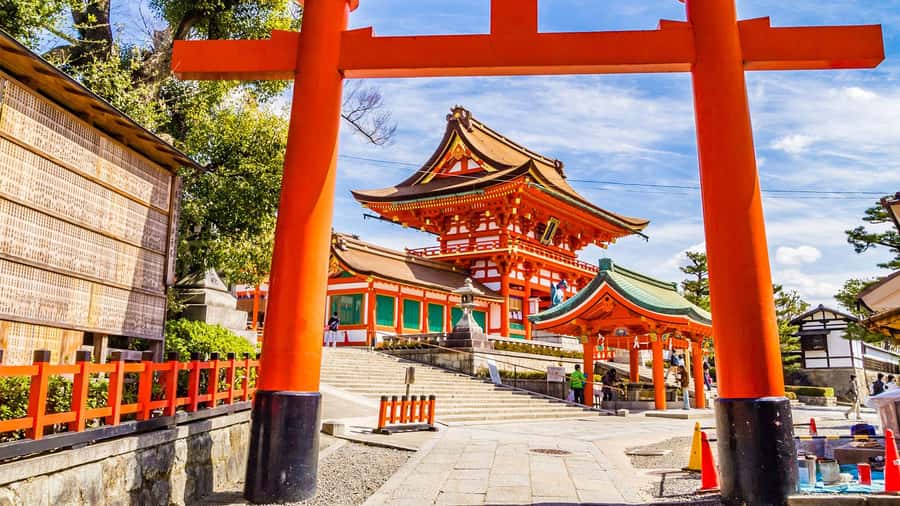
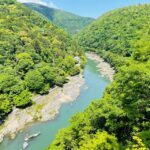
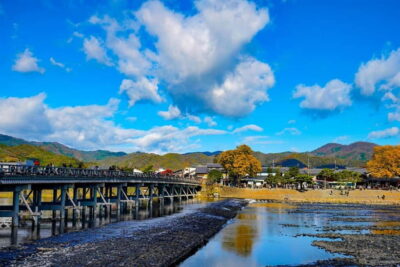
Togetsukyo, or Moon Crossing Bridge, is one of Arashiyama’s defining sights. The bridge crosses the river at the foot of the hills and gives you a broad view after the tighter paths of the bamboo grove and temple grounds.
The bridge itself is a useful orientation point. It helps you understand Arashiyama as a river district, not just a bamboo attraction. You can see the water, wooded slopes, and changing light across the valley, with plenty of space for photographs.
The route also includes nearby bridges, ponds, and riverside viewpoints. Guides such as Aron are praised for choosing strong angles and taking photographs for the people in the group. That can be especially handy when you are traveling alone or want everyone in your party in the picture.
This is still a walking tour, so the bridge stop is not a long rest break by default. Use the opportunity to drink water and check your energy before the climb to Monkey Park.
A few more Kyoto tours and experiences worth a look
The climb to Iwatayama Monkey Park
Monkey Park is the day’s most physical stop. The path rises toward the park, with a climb of about 525 feet. One participant described it as an energizing uphill walk, while another warned that it is quite steep and not for the faint of foot.
You should take that seriously. The route is not suitable for people with mobility impairments or wheelchair users, and non-folding wheelchairs, strollers, and baby carriages are not allowed. If your knees, balance, or stamina are limited, this is the stop most likely to make the tour uncomfortable.
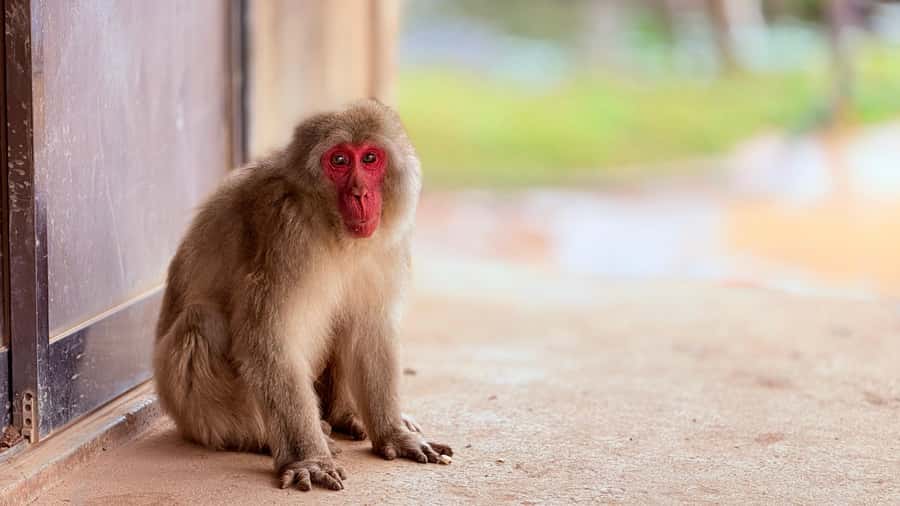
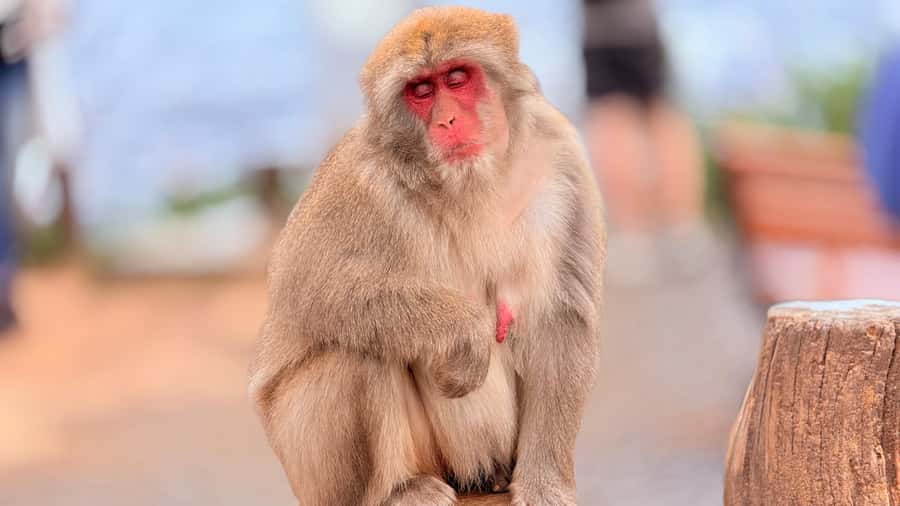
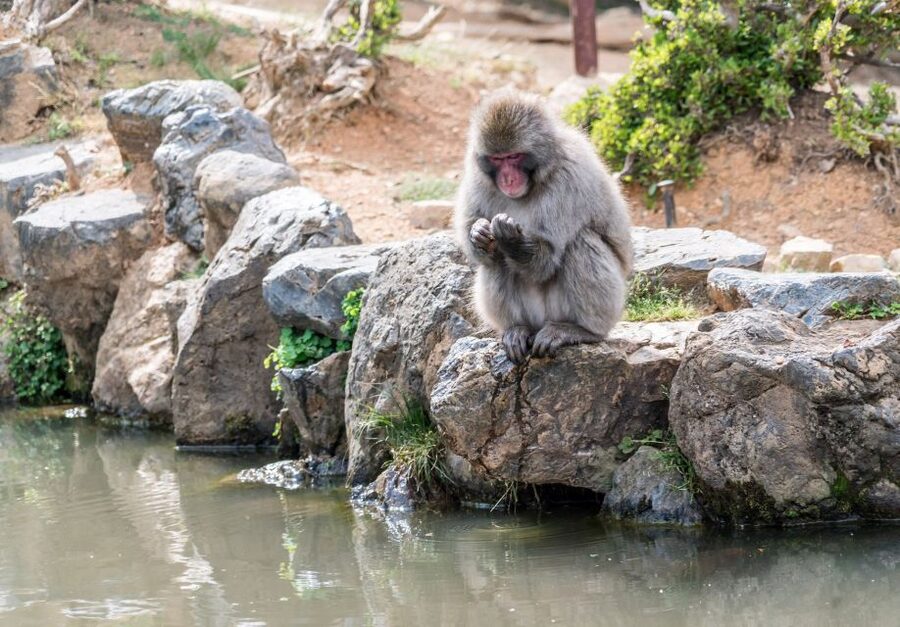
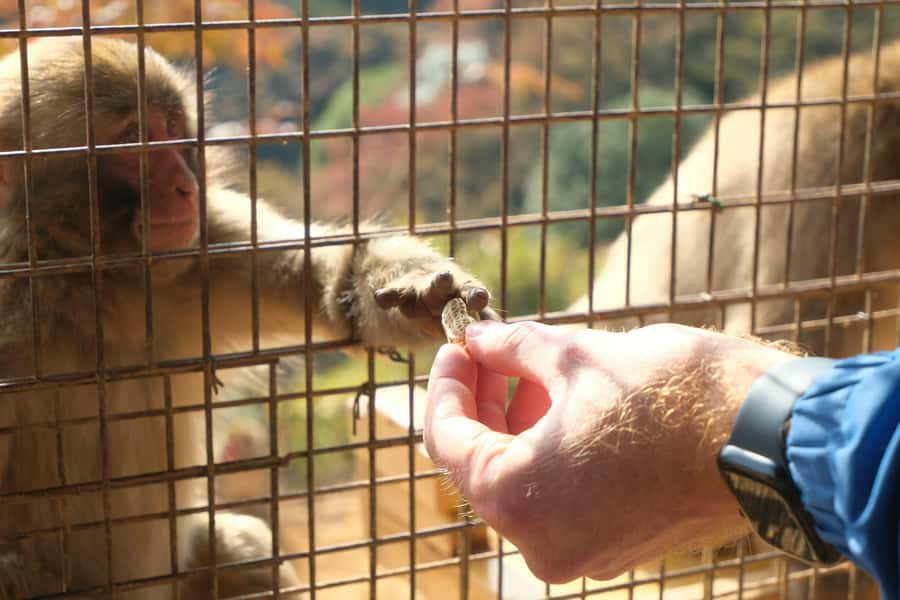
At the top, wild monkeys roam freely. You can feed them from the designated feeding area, but the animals are not in cages and should be treated as wildlife rather than as tame pets. The park also rewards the climb with wide views over Kyoto and the surrounding area.
This stop gives the day a different character. Fushimi Inari and Tenryuji focus on faith, design, and tradition. Monkey Park brings you into the hills, where the reward is both wildlife and a high view across the city.
Heat can make the climb much harder. Carry water, wear shoes with a secure grip, and pace yourself. The guides have shown flexibility with stops, and the comments about Max and Aron suggest that a good guide will keep the group moving without making you feel rushed.
Quiet lanes, local tastes, and photo help
The tour’s smaller details may be more memorable than another major landmark. Along the way, your guide may lead you through less crowded streets, point out tucked-away shrines, and explain local customs and legends.
There is also a lunch stop at a small food area with roughly four or five places to eat. Food is not included, so bring cash and plan to buy your own meal. This is useful information if you worry about joining a five-hour walking tour without a chance to eat.
Some guides add small tasting moments. Aron is praised for including sake tasting and a pecan chocolate treat, but you should not treat those extras as guaranteed on every departure. The included service is the guided walk and the specified admissions, not a meal or a tasting package.
The photography help is a real plus. Teri is praised for helping with photographs and recommendations, while Aron is noted for finding strong angles and offering phone-camera advice. If you are traveling alone, this can make a noticeable difference.
The guide also serves as a local sounding board. You can ask about shopping, food areas, daily life in Japan, and what else to see in Kyoto. That kind of practical conversation often makes a busy sightseeing day feel more personal.
How the $88 price measures up
At $88 per person, the tour is not the cheapest way to see Fushimi Inari and Arashiyama. You can reach both areas independently with a train pass or individual tickets, then visit public sights on your own.
The price becomes easier to justify if you value structure and local guidance. Entry to Tenryuji Garden and Monkey Park is included, as is an English-speaking local guide. You are also paying for route planning, historical explanation, help with tickets, photo assistance, and access to quieter paths that can be hard to identify on a first visit.
You still need to budget for train fares, lunch, drinks, and snacks. Cash is recommended, so do not arrive assuming every expense can be handled by card.
The best value comes when you want a full sightseeing day and do not want to assemble two separate itineraries. If you already know Kyoto well, prefer wandering alone, or want to spend half a day at only one shrine, the price may feel less attractive.
Weather, clothing, and group comfort
This experience is heavily affected by weather. On hot days, the combination of Fushimi Inari’s uphill gates, Arashiyama’s walking routes, and Monkey Park’s climb can be tiring. Take water, use sun protection, and choose breathable clothing.
Rain does not automatically ruin the day, but you need proper gear. One person completed the tour in heavy rain and still enjoyed it, while advising people to bring rain protection and shoes suited to wet ground. That is good advice. The bamboo can be beautiful in rain, but wet paths and soaked socks are no fun.
Wear comfortable walking shoes with a secure sole. Sandals or smooth city shoes are a poor choice for the uphill sections.
Group size is described as intimate, though the size can vary. The guides are praised for keeping a good pace, answering questions, and accommodating different needs. Still, you should expect a shared schedule, not a fully private tour.
The tour is offered in English. Guides named in the feedback include Aron or Aaron, Teri or Terri, Max, Marie, Tim, and Scott. Guide assignments can change, so book this for the itinerary and guiding format rather than for a promise of one particular person.
Who should book this Kyoto walk?
I would choose this tour if you want to cover two major Kyoto districts in one organized day, enjoy walking, and appreciate explanations that connect places to local culture. It is especially useful for first-time visitors, photographers, solo travelers who want company, and anyone who would rather not work out the best route through Arashiyama alone.
It suits active adults who can manage hills and several hours on foot. The positive comments about pacing suggest that a considerate guide can make the day comfortable, but this is not an easy-access sightseeing option.
I would be cautious if you dislike crowds, have trouble with steep paths, or want long, unhurried temple visits. The bamboo grove can be packed, and the Monkey Park climb is the clearest physical challenge.
Solo bookings are allowed, but at least two people must be booked for the tour to operate. If only one person books, the activity may be canceled, with rescheduling or a full refund offered. You can cancel up to 24 hours ahead for a full refund, and the reserve-now, pay-later option keeps your plans flexible.
Should you book it?
Book this tour if you want Kyoto’s major visual highlights plus a little local guidance: red torii gates, bamboo, a Zen garden, a historic bridge, river views, and wild monkeys in one day.
The strongest reasons to book are the capable guide style, photo help, quieter Arashiyama routes, and the convenience of having admissions and the day’s structure handled. The strongest reasons to skip are the train costs, possible crowds, and the steep walk to Monkey Park.
For an active visitor with limited time, $88 is a fair price for the combination. Bring good shoes, cash, water, and weather gear, and you will be prepared for the day Kyoto is offering rather than the easy stroll you might imagine from the photographs.
FAQ
Where does the tour start?
Meet in front of the gates of Inari Station.
Where does the tour end?
The activity ends back at the original meeting point.
Are train fees included?
No. You must pay the train fees separately.
Is food included?
No. Food and drinks are not included. The route includes a lunch stop with several places to choose from, so bring cash to buy your own meal.
How long does the walking tour take?
The experience is described as a five-hour walking tour.
Is the tour suitable for wheelchair users or people with mobility impairments?
No. It is not suitable for people with mobility impairments or wheelchair users. Non-folding wheelchairs, non-folding strollers, baby carriages, and electric wheelchairs are not allowed.
What happens if only one person books?
A minimum of two guests is required. If only one person books, the tour may be canceled, with rescheduling or a full refund offered.
More Arashiyama & Bamboo Tours in Kyoto
More Fushimi Inari Tours in Kyoto
More tours in Kyoto we've reviewed


Fushimi Inari Tours, compared.
 ★ 4.8Kyoto: Fushimi Inari, Kinkakuji, Bamboo Grove 1 Day Bus TourFrom $122510 minutes - 9 hours
 ★ 5.0Fushimi Inari Hidden Hiking Tour (Private Option Available)From $63
 ★ 4.7Kyoto/Osaka: Nara, Fushimi Inari Taisha, Arashiyama Bus TourFrom $529 - 10 hours
 ★ 4.4Osaka/Kyoto: Arashiyama, Nara & Fushimi Inari Shrine w/LunchFrom $61
 ★ 5.0Kyoto: Nijo, Kinkaku-ji, Arashiyama, Kiyomizu & Fushimi InariFrom $51
 ★ 5.0Kyoto Fushimi-Inari Night Walking TourFrom $43