
Reviewed · GION & GEISHA WALKS
Kyoto: Gion & Pontocho Food Tour with 13 Dishes
Kyoto’s best food stories often happen at a low table, not behind a museum display. This three-hour evening walk links Yasaka Shrine, Shirakawa Lane, Gion, and Pontocho with a generous tasting menu that can include sashimi, tempura, karaage, tonkatsu, tofu skin, and even stingray. The food is the main event, but the streets and cultural background give the meal its meaning.
I like the small group of up to eight, which leaves room for real conversation and personal help with unfamiliar dishes. I also like the two-stop format: an izakaya in Gion followed by another dining spot in Pontocho, with two included drinks and a sake tasting element. The only concern is pace and appetite. Thirteen dishes is a lot in three hours, and the $82 price makes sense only if you want a full dinner, guided context, and drinks rather than a quick snack crawl.
In This Review
- Key points at a glance
- Starting at Yasaka Shrine after dark
- Walking Shirakawa Lane and Gion
- Your first meal in a Gion izakaya
- Pontocho brings a different evening mood
- What the 13 dishes really mean
- The guides shape the experience
- Is $82 a fair price?
- Who should book this evening?
- Should you book the Gion and Pontocho food tour?
- FAQ
- Where does the tour meet?
- How long does the experience last?
- How many people are in the group?
- What food is included?
- Are drinks included?
- Is sake part of the experience?
- What language is the tour conducted in?
- Is the tour wheelchair accessible?
- Can I cancel the booking?
Key points at a glance
- Up to 13 dishes: Expect a broad meal, with examples including sashimi, tempura, karaage, tonkatsu, tofu skin, and regional specialties.
- Two distinct evening districts: Gion supplies shrine and geisha culture; Pontocho brings a different dining mood.
- Small English-speaking groups: With no more than eight people, you can ask questions and get help ordering or understanding etiquette.
- Two drinks included: Choose alcoholic or non-alcoholic drinks, with sake especially prominent during the second stop.
- A walking tour with dinner built in: You visit Yasaka Shrine and Shirakawa Lane before settling into two food venues.
- Strong guide element: Guides including Tomoko, Takuma, Kohtaro, Mia, Minori, and Haruka have been praised for warmth, clear explanations, and careful attention to allergies.
Starting at Yasaka Shrine after dark
Meet your guide in front of the main entrance of FamilyMart Gion, facing the main street. This is a practical starting point, but pay attention to the exact entrance because Gion has plenty of signs, side streets, and similar-looking convenience stores.
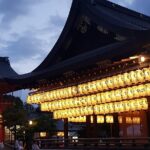
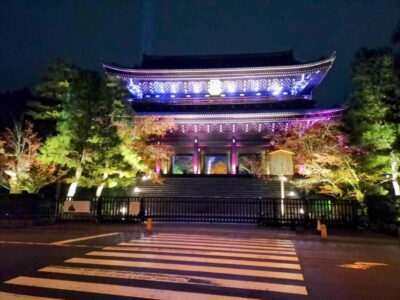
The first stop is Yasaka Shrine, visited briefly at the start of the evening. At night, the shrine is beautifully illuminated, and the setting gives your guide a useful way to explain Kyoto’s religious traditions and the importance of the Gion district.
Do not expect a long temple visit here. The scheduled stop is short, more of an introduction than a full sightseeing session. That works well if you want to get to the food, but anyone hoping for a detailed shrine tour should plan a separate daytime visit.
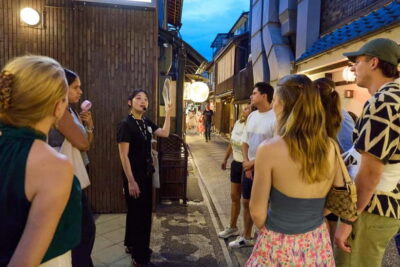
This opening also helps you understand the neighborhood before sitting down to eat. Gion is not simply a collection of photogenic lanes. It is a working district shaped by worship, entertainment, dining, and geisha traditions. Guides such as Tomoko and Takuma have been especially good at connecting those subjects to the streets around you.
A few more Kyoto tours and experiences worth a look

Walking Shirakawa Lane and Gion
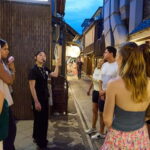
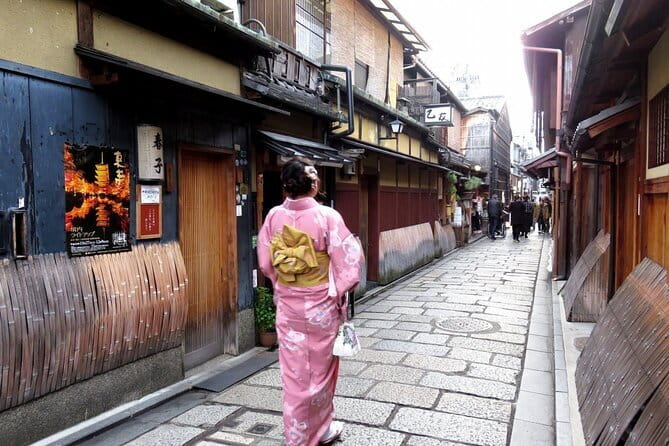
From the shrine, the route continues through Gion and the Shirakawa Lane area. The guided walk through Shirakawa lasts about 30 minutes, making it the main sightseeing portion of the experience.
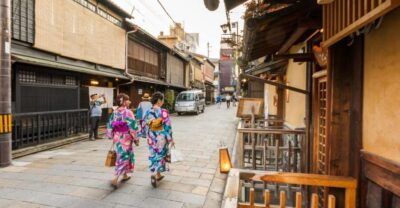
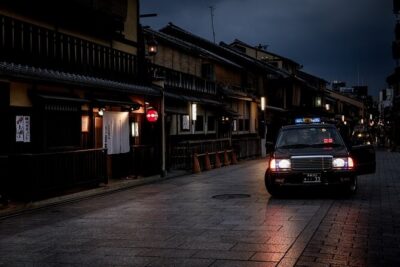
Shirakawa Lane is known for its narrow streets, traditional buildings, and canal-side atmosphere. At night, the area feels quieter and more atmospheric than Kyoto’s major daytime sightseeing sites. Your guide explains what you are seeing rather than simply leading you from one restaurant to another.
This is also where the geisha theme receives the most attention. The tour includes a visit to a shrine frequented by geishas, along with explanations of geiko culture and the customs of Kyoto’s historic entertainment districts. The language matters: geiko is the Kyoto term commonly used for a fully trained geisha, while maiko refers to an apprentice. Your guide can help place those traditions in context without reducing them to costume and photo opportunities.
Keep your camera respectful. Gion is a neighborhood, not a theme park, and people who work there deserve privacy. The experience promises cultural insight and a chance to see the district, not a guaranteed geisha sighting. One evening group happened to spot one near the second restaurant, but that was luck, not part of the schedule.
The walk is not long enough to feel like a strenuous hike. Still, you will spend part of the three hours outdoors, so comfortable shoes and weather protection are sensible. One guide kept the mood upbeat during heavy rain, and another continued the tour in snow. That is encouraging, but the route remains weather-dependent in comfort.
Your first meal in a Gion izakaya
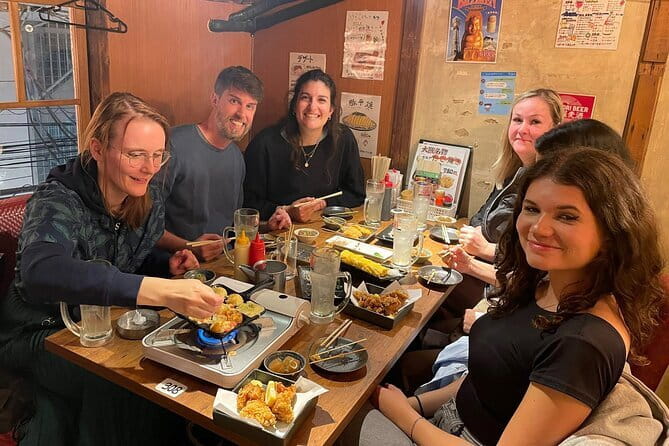
After the walking portion, you settle into a cozy izakaya in Gion. An izakaya is a Japanese drinking and dining place where small dishes are shared over drinks. It is a good setting for a food tour because you can sample more items than you could manage in a standard restaurant meal.
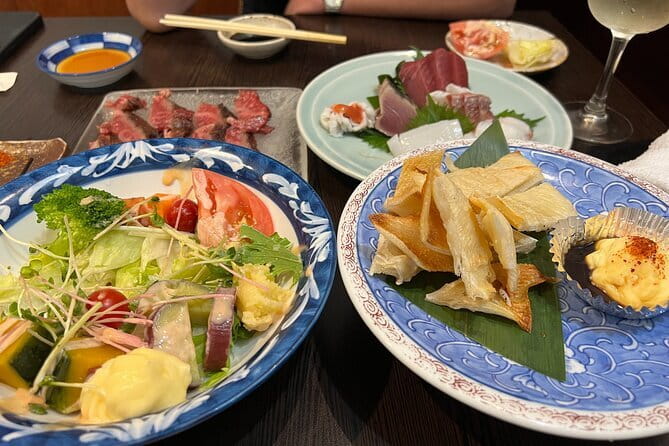
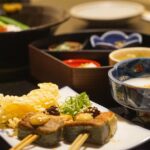
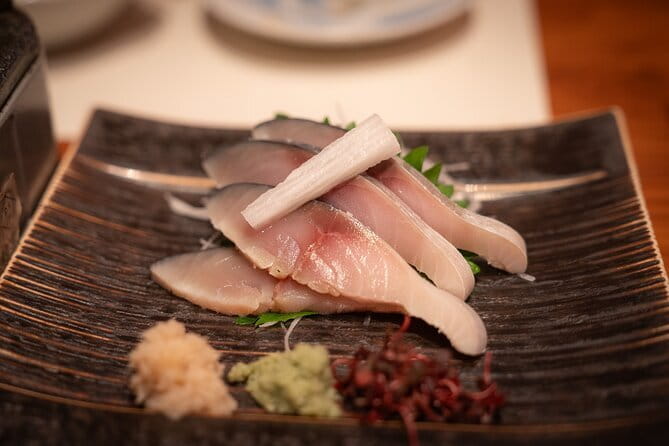
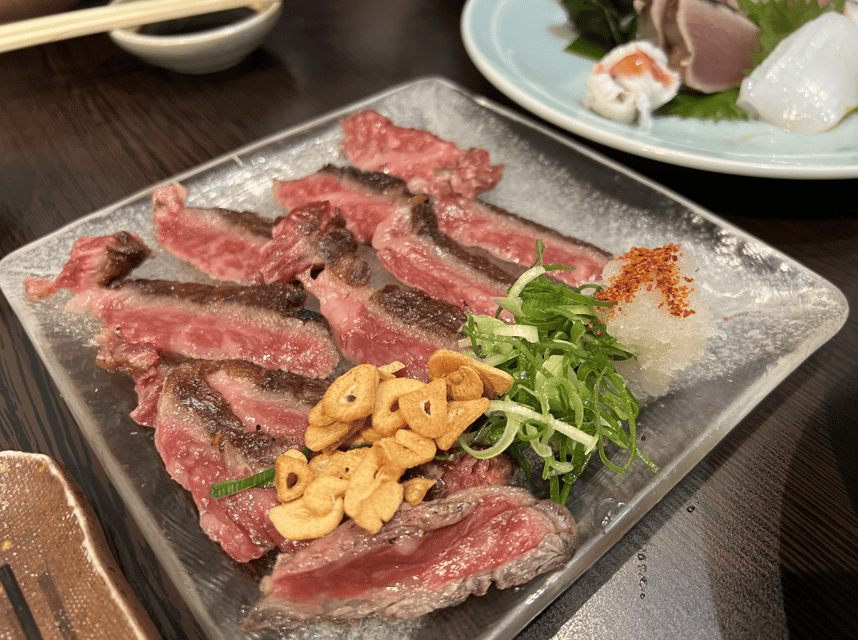
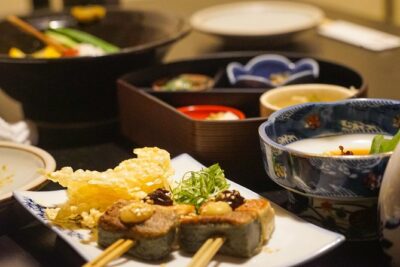
The menu can include karaage, Japanese fried chicken, tempura, and sashimi. Other dishes mentioned during the experience include tonkatsu, tofu skin, and regional items that many first-time visitors would not know how to order independently.
That variety is one of the tour’s strongest features. You are not receiving thirteen versions of the same familiar food. You can compare raw fish, fried dishes, tofu-based preparations, and items with very different textures. The guide explains what is in front of you and how it fits into Japanese dining customs.
The food arrives as a shared meal, so this suits people who are happy to try a little of many things. If you are cautious about unfamiliar textures, the small-group format helps because you can ask questions before taking a bite. The tour is also a useful choice for solo visitors, since the table naturally creates conversation with people from other countries.
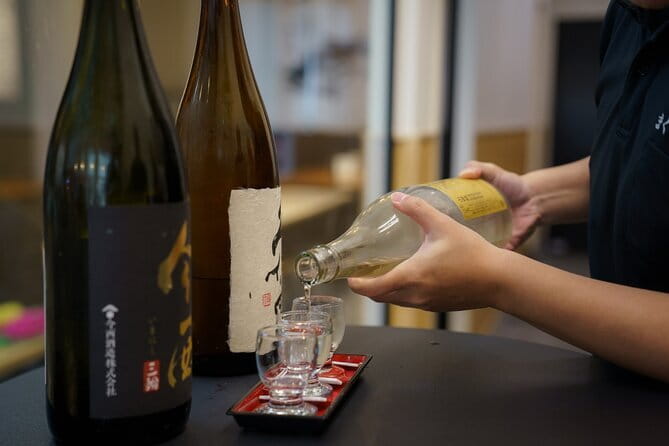
Two drinks are included across the experience, alcoholic or non-alcoholic. Sake is a major part of the evening, and guides have explained the differences between several varieties. That is more useful than simply being handed a cup, since you begin to understand why sake can vary in flavor and style.
Extra drinks cost more, so keep that in mind if you are planning a long night of drinking. The included allowance is reasonable for a dinner tour, but it is not designed for heavy drinkers.
Pontocho brings a different evening mood
The route then moves toward Pontocho, one of Kyoto’s best-known dining streets. The guided portion here lasts about 15 minutes before the final food stop.
Pontocho is a narrow lane packed with dining venues, and it feels different from Gion even though the two districts are close together. The tour presents the contrast rather than treating both neighborhoods as interchangeable. Gion supplies the shrine, traditional lanes, and geisha connections. Pontocho shifts the emphasis toward evening food and local dining culture.
The final stop is described as a hidden dining spot with a different feel from the Gion izakaya. Exact restaurants and dishes can vary, so you should think of the tour as a guided introduction to Kyoto eating rather than a fixed menu you can plan around dish by dish.
This second sitting lasts about an hour and includes dinner, food tasting, and drinks. It is also where the sake experience may receive more attention. One guide was particularly effective at showing several sake varieties and explaining their differences, while another answered questions about Japanese food and culture throughout the meal.
Because both restaurant visits are part of the same evening, you do not need to find your own dinner afterward. In fact, you may not want one. Several guests found the amount of food surprisingly large, and the tasting menu can amount to a complete dinner rather than a series of light samples.
What the 13 dishes really mean
The phrase up to 13 dishes sounds impressive, but it needs a little interpretation. Dish counts on food tours can include small shared portions, side dishes, and items served as part of a larger meal. You should expect plenty of variety, not thirteen full-size restaurant entrées.
That is still good value for an adventurous eater. The food can cover:
- Sashimi and other seafood
- Tempura
- Karaage
- Tonkatsu
- Tofu skin
- Regional Kyoto preparations
- Sake and other drinks
The exact combination is not guaranteed in the supplied details, so do not book this expecting a specific plate of stingray or a particular dessert. The useful promise is range. You get to taste dishes that may not be obvious to order on your own, while your guide explains ingredients, manners, and local connections.
I would tell you to arrive hungry. A light lunch or early snack makes more sense than trying to save room after a large late afternoon meal. The tour’s structure favors people who enjoy grazing across a broad menu, but it may feel excessive if you prefer one carefully chosen main course.
Food allergies should be raised when booking and again with the guide at the start. One group received careful attention for allergies, which is reassuring, but the available information does not promise that every dietary restriction can be accommodated. Ask before you commit if your needs are serious.
A few more Kyoto tours and experiences worth a look



The guides shape the experience
The route is fixed, but the guide determines how much you get from it. The listed English-speaking guides include Tomoko, Takuma, Kohtaro, Mia, Minori, Haruka, Taiga, Yuna, Ruko, and others. The strongest pattern is not a single personality. It is the combination of food explanations, cultural knowledge, and a friendly approach.
Tomoko has been praised for detailed explanations of geisha culture, sake, and Kyoto’s past. She has also helped with photographs and even written down answers to questions so one guest could remember the dishes and drinks later. Takuma has been described as warm, patient, and good at handling questions about Japan beyond the meal.
Kohtaro has received praise for clear English and for explaining both Gion and Pontocho in context. Mia has been noted for making groups feel comfortable, including during poor weather. Minori has been appreciated for her hospitality and conversations about Japanese culture, while Ruko has been especially effective at explaining etiquette and unfamiliar foods in clear English.
That range matters because this is not only a restaurant booking with a guide attached. You spend time walking, asking questions, and sharing a table. A guide who welcomes different ages, food preferences, and levels of Japan experience can make the difference between a good dinner and a useful Kyoto evening.
The group limit is eight. That is large enough for lively conversation but small enough for the guide to notice an allergy, explain a dish, or answer a question without shouting across the room. If your group is smaller, the experience can feel especially personal. One booking had only two people, which worked almost like a private tour.
Is $82 a fair price?
At $82 per person, this is not a bargain dinner. You can certainly eat more cheaply in Kyoto, especially if you choose a casual noodle shop, convenience-store meal, or single izakaya.
The price becomes easier to justify when you count what is bundled together: three hours, a local English-speaking guide, a guided walk through two major evening districts, food at two venues, up to 13 dishes, and two drinks. You are paying for access, explanation, and the confidence to order beyond the obvious choices.
The value is strongest for a first visit to Kyoto, solo visitors, and people who want one organized evening rather than researching restaurants in advance. It is also useful if sake, food etiquette, and geisha culture interest you.
The value is weaker for experienced Japan diners who already know Kyoto’s food neighborhoods and can comfortably order in Japanese. It may also feel expensive if you mainly want street food, since much of the meal takes place inside two dining venues rather than at many separate stalls.
One useful way to judge the price is to ask what you would otherwise pay for dinner, two drinks, and a private cultural orientation. If that combination appeals to you, $82 is reasonable. If you want the cheapest possible meal, choose independently.
Who should book this evening?
I would recommend it to you if you:
- Want a full dinner with many small tastings
- Prefer a guide to explain unfamiliar dishes
- Are curious about geiko culture without booking a formal cultural performance
- Like meeting people in a small group
- Want to explore Gion and Pontocho after dark
- Enjoy sake or want to try it with some context
- Are visiting Kyoto for the first time
I would hesitate if you dislike shared dishes, eat very lightly, or want a long sightseeing walk with only a few bites. The route includes only short visits at Yasaka Shrine and Pontocho, while the restaurant time takes up a large part of the evening.
The tour is wheelchair accessible, though the route includes historic streets and restaurant settings. If mobility details matter to you, confirm the specific route and venues before booking, since accessibility can vary between stops.
You can cancel up to 24 hours in advance for a full refund, and reserve now while paying later. Those policies are useful when your Kyoto schedule is still shifting, but the bigger practical choice is timing. Pick an evening when you can eat slowly and stay outdoors between stops.
Should you book the Gion and Pontocho food tour?
Book it if you want food, culture, and neighborhood context in one compact evening. The strongest part is the mix: illuminated Yasaka Shrine, Shirakawa Lane, geisha traditions, two distinct dining settings, a wide range of dishes, and sake explained by a local guide.
Do not book it simply because thirteen dishes sounds like a challenge. This is a substantial meal with walking and conversation, not a rapid-fire tasting crawl. Arrive hungry, wear comfortable shoes, tell the guide about allergies, and keep your expectations flexible about the exact menu.
For most first-time visitors who want a friendly introduction to Kyoto’s evening dining culture, I think the $82 is justified. If you already have favorite restaurants and want to explore at your own pace, spend the money on dinner and wander Gion and Pontocho independently.
FAQ
Where does the tour meet?
Meet in front of the main entrance of FamilyMart Gion, facing the main street.
How long does the experience last?
The tour lasts three hours, with starting times available according to the selected date.
How many people are in the group?
The group is limited to eight participants.
What food is included?
Food is provided at one restaurant and one izakaya, with up to 13 dishes. Examples include tempura, sashimi, karaage, tonkatsu, tofu skin, and other traditional Japanese dishes.
Are drinks included?
Yes. Two drinks are included, and you can choose alcoholic or non-alcoholic options. Extra drinks are not included.
Is sake part of the experience?
Yes. Sake is included as part of the evening, and the food stops can include a sake tasting or explanations of different sake varieties.
What language is the tour conducted in?
The live tour guide speaks English.
Is the tour wheelchair accessible?
Yes, the activity is listed as wheelchair accessible.
Can I cancel the booking?
You can cancel up to 24 hours in advance for a full refund. You can also reserve now and pay later.
More Food Experiences in Kyoto
More Kyoto Food Tours in Kyoto
More Gion & Geisha Walks in Kyoto
More tours in Kyoto we've reviewed



Gion & Geisha Walks, compared.
 ★ 4.7Kyoto Geisha Walking Tour: Gion District & Hidden GemsFrom $252 hours
 ★ 4.7Kyoto: Gion Geisha District Walking Tour – Stories of GeishaFrom $202 hours
 ★ 4.9Best of Kyoto: Gion, Geisha, Pagodas & CobblestonesFrom $242 hours
 ★ 4.5Night Walk in Gion: Kyoto’s Geisha DistrictFrom $211h 40m
 ★ 5.0Kyoto Night Foodie Tour in Gion (9+ dishes + 6 Sake tastings)From $163
 ★ 5.0Kyoto Gion Geisha District Walking Tour – The Stories of GeishaFrom $25