
Reviewed · TEA CEREMONY EXPERIENCES
Authentic Kyoto Tea Ceremony: Camellia Flower Teahouse
The most appealing part of Camellia Flower Teahouse is that you do not simply watch a formal tea ritual. You learn the purpose behind the gestures, then pick up the whisk and make your own bowl of matcha. That hands-on finish turns a quiet cultural lesson into something you can remember and repeat at home.
I like the small group limit of eight, which gives you room to ask questions without turning the ceremony into a stage show. I also like the practical welcome for different bodies and ages: floor seating is traditional, but chairs and tables are available. The main drawback is that the 45-minute session is a compact introduction, not a full study of tea ceremony, and the room may feel plain and small to anyone expecting a grand setting.
In This Review
- Key points to know before booking
- A calm pause in Kyoto’s Higashiyama Ward
- What happens when you arrive
- The room, utensils, and meaning of each gesture
- Watching the formal tea preparation
- Making your own frothy bowl of matcha
- Seating, accessibility, and comfort
- Is the $36.48 price fair?
- Who will enjoy this tea ceremony most?
- Practical booking advice for Higashiyama
- Should you book Camellia Flower Teahouse?
- FAQ
- How long does the Kyoto tea ceremony last?
- Where does the experience take place?
- Does the activity include transportation?
- How many people can join one group?
- Can children participate?
- Is the tea ceremony wheelchair accessible?
- Can I sit on a chair instead of the floor?
- Is kimono rental included?
- Can I cancel for a full refund?
Key points to know before booking
- You make your own matcha: Tea bowls, scoops, and whisks are supplied, with instruction from start to finish.
- English instruction comes first: Instructors explain the ritual, tools, room layout, and cultural meaning before the demonstration.
- The group stays small: A maximum of eight people keeps the lesson personal and manageable.
- A seasonal sweet is included: You taste a traditional sweet with the prepared tea.
- Chairs are available: You can request table seating instead of sitting on the floor.
- Kimono rental costs extra: It can be requested by message if you want a more dressed-up visit.
A calm pause in Kyoto’s Higashiyama Ward
Camellia Flower Teahouse is at 349-13 Masuyacho in Kyoto’s Higashiyama Ward, an area well suited to a cultural stop. The meeting point is also the ending point, so you do not have to coordinate a pickup or find your way to a second location afterward.
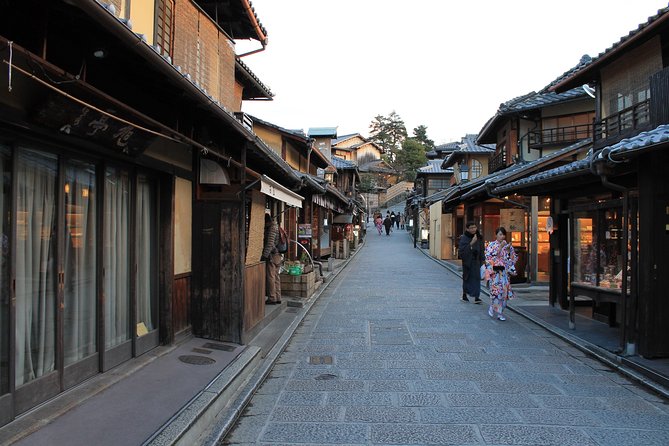
The setting matters. Higashiyama is one of Kyoto’s main sightseeing districts, and a tea ceremony fits naturally into a day spent exploring temples, lanes, and traditional architecture. After hours of walking, the slower pace can be a welcome change. You sit, listen, handle the utensils, and pay attention to small movements instead of rushing toward the next sight.
The activity lasts about 45 minutes. That is enough time to understand the basic sequence, watch a formal preparation, taste matcha with a sweet, and try whisking tea yourself. It is also short enough to add between other plans. I would not book it as your only cultural activity in Kyoto, but it works very well as a focused stop during a Higashiyama day.
A few more Kyoto tours and experiences worth a look
What happens when you arrive
Your instructor begins with a short introduction to matcha and the tea ceremony. This opening gives you a useful frame for everything that follows. Rather than treating the ritual as a string of mysterious hand movements, the host explains why the ceremony matters within Japanese culture and how it connects to Kyoto’s tastes, rooms, and traditions.
The instructors speak English fluently and come from one of Kyoto’s three main schools of tea ceremony. That does not mean you receive an advanced academic lecture. Instead, you get explanations designed for first-time participants, with time to pause and ask questions.
This open approach is one of the strongest parts of the experience. You are encouraged to ask about Japan, matcha, the utensils, and the ceremony itself. If you are curious about an unfamiliar gesture or the way tea is served, you do not have to quietly guess.
The atmosphere is intended to be welcoming rather than intimidating. Children age six and older can join, and the activity is suitable for all ages within that limit. That makes it a sensible choice for families, couples, and solo visitors who want a cultural activity without a long lecture or strict performance expectations.
The room, utensils, and meaning of each gesture
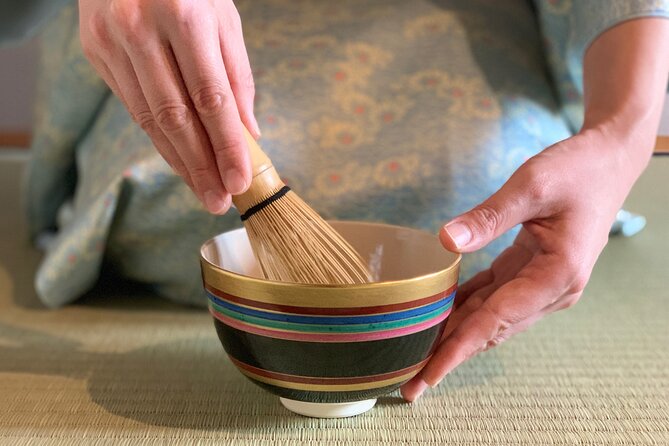
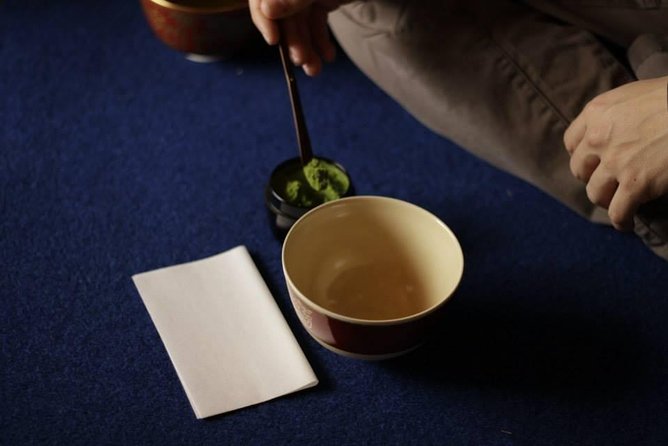
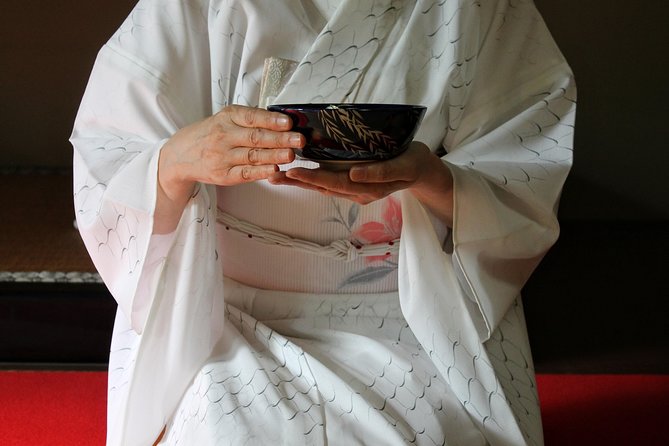
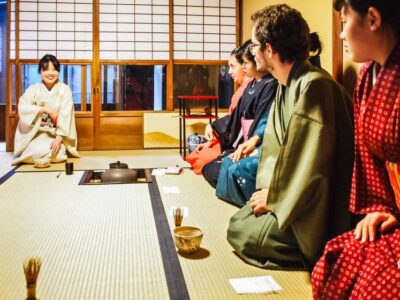
Before the tea is prepared, the instructor introduces the objects used in the ceremony. You will see the tea bowl, tea scoop, and bamboo whisk, then learn how each fits into the preparation.
The room’s decoration and layout also receive attention. In tea ceremony, the setting is not random. The arrangement helps create a feeling of respect, order, and awareness. The instructor explains the importance of the room and its design, giving you a better sense of why the ceremony pays such close attention to space and movement.
You will also hear about ideas such as cleansing the mind and showing respect to the person receiving the tea. These concepts help explain why the process can feel meditative even though it is practical. Water, cleaning, turning the bowl, and whisking are not treated as rushed chores. Each action has a place.
Photos and short videos are permitted, which is useful if you want to remember the whisking technique or share part of the experience later. Still, I would keep your phone away for most of the ceremony. The value here comes from noticing what is happening in the room, not from recording every movement.
Watching the formal tea preparation
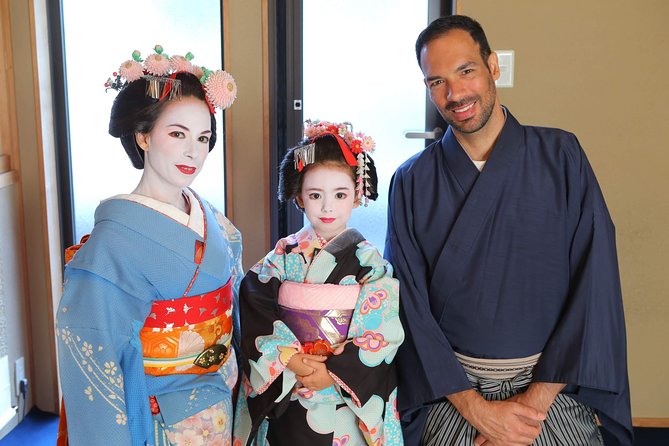
The instructor then performs an authentic tea ceremony and explains the steps as they unfold. You get to watch the rhythm of the preparation before trying it yourself, which makes the later practice easier to follow.
The demonstration is precise. The movements are controlled and deliberate, and the explanations show why tea ceremony takes training. Matcha may look simple: powdered tea, hot water, and a whisk. In practice, the texture depends on how you combine those elements, and the ceremony adds etiquette and care to the basic recipe.
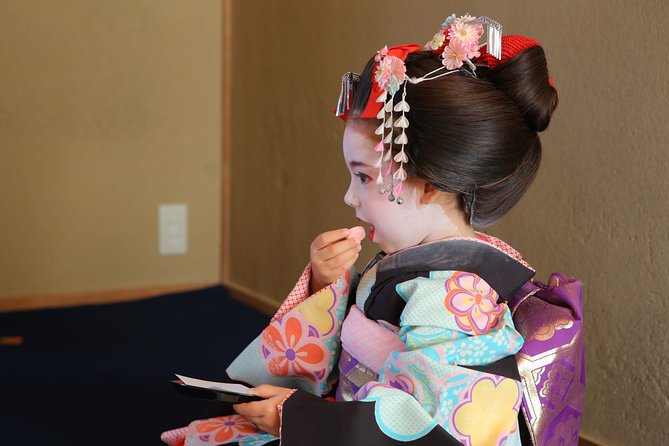
You receive matcha with a seasonal sweet. The sweet is not just a snack on the side. It helps balance the tea’s bitter, grassy taste and gives you another small connection to the season and the traditional serving style.
The tone is serious without being stiff. That balance is important for first-time visitors. You can appreciate the ritual without pretending you already know the rules. The instructors are there to guide you through the experience, not test your etiquette.
One practical point: the room may not match every visitor’s picture of a grand Kyoto tea house. Some people may find it small and plain. If the architecture and setting are your main reason for booking, keep your expectations modest. This activity focuses more on teaching and participation than on an elaborate backdrop.
Making your own frothy bowl of matcha
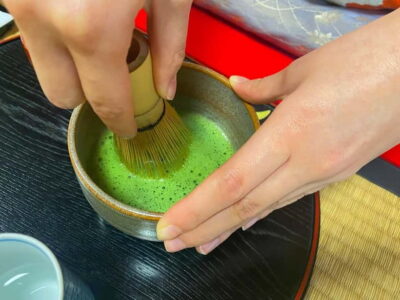
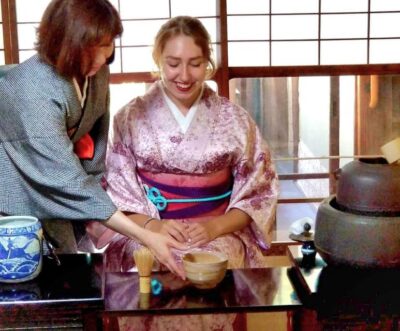
The session ends with the most engaging part: you prepare your own bowl of matcha. The tea bowl, scoop, and whisk are provided, so you do not need to bring equipment.
The instructor demonstrates the basic technique and then gives you the chance to practice. You learn how to handle the whisk and work the tea into a frothy drink. It is a simple task to describe, but the practice shows why trained tea makers make it look effortless.
This hands-on step gives the ceremony a useful finish. You are not left with only a memory of watching someone else work. You leave knowing the basic process and understanding a little more about the care involved.
I especially recommend paying attention here if you enjoy food and drink experiences. The activity is not a full matcha workshop, and you will not become a tea master in 45 minutes. But you will understand the difference between casually stirring powder into water and preparing matcha with intention.
It is also a good moment to ask questions. You can ask about the tools, the ceremony’s traditions, or how to approach matcha at home. The experience has enough conversation built in that you do not need to arrive with specialist knowledge.


Seating, accessibility, and comfort
Traditional tea ceremony often involves sitting on the floor. Camellia provides chairs and tables if you prefer not to sit that way, so tell the staff when you arrive or make your preference clear during booking.
The activity is not wheelchair accessible. That is an important limitation, particularly in an older-style cultural setting. Service animals are allowed, and the location is near public transportation.
The group maximum is eight people. A small group makes it easier to see the demonstration and hear the instructor, though the exact feel can change depending on the mix of people in your session. A private option may be worth asking about if your family wants more control over the pace, but the provided experience itself is a shared group session.
Children under six cannot participate. Older children can join, and the activity can work well for families because they get to do more than sit through an explanation. The practical whisking lesson gives younger participants a clear task.
Is the $36.48 price fair?
At $36.48 per person, this is a reasonable price for a short cultural activity in central Kyoto. You are paying for an English-speaking instructor, a guided explanation, a formal demonstration, matcha, a seasonal sweet, and the chance to prepare your own tea with supplied utensils.
The value depends on what you want. If you are seeking a long, private ceremony in an ornate tea room, this is not that product. The session is brief, the group can include up to eight people, and kimono rental is not included.
If you want a clear first introduction to matcha, the price makes more sense. You get context, etiquette, a demonstration, and practice in one compact visit. It is also easier to fit into a sightseeing day than a longer class.
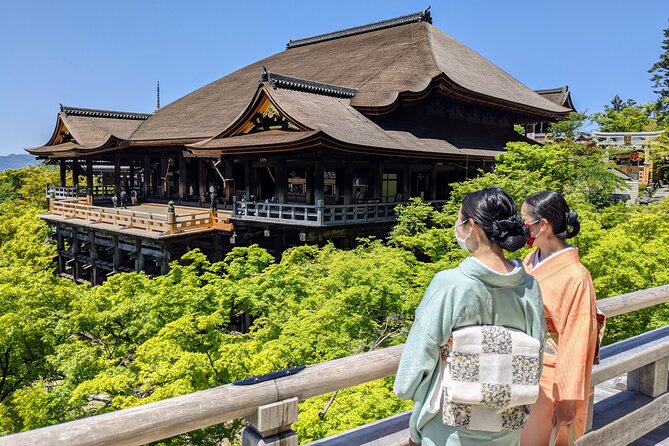
A kimono can be requested by message for an additional charge. Some visitors find that traditional clothing makes the occasion feel more special, particularly for photographs. I would treat it as an optional add-on, not a requirement. The ceremony itself does not depend on wearing one.
The experience has a 4.8 rating from 269 reviews and is recommended by 95 percent of past bookers. Those figures suggest strong consistency, especially in the areas that matter most here: friendly instruction, clear English, cultural explanation, and a welcoming tone.
Who will enjoy this tea ceremony most?
I would recommend Camellia to first-time visitors to Japan who want a gentle way into Japanese customs. You do not need prior knowledge of tea ceremony, matcha, or Japanese etiquette. The host explains the process before asking you to take part.
It suits couples looking for a quiet cultural activity, families with children six and older, and solo visitors who enjoy asking questions. It also works for anyone who has spent the morning rushing between sights and wants a calmer hour.
The experience may be less satisfying if you want a lengthy, highly formal ceremony or a lavish interior. The small room and short duration keep the activity accessible, but they also limit the sense of grandeur.
For the best fit, schedule it when you can slow down. Do not treat it as a box to check between two crowded appointments. The ceremony’s appeal comes from attention, patience, and small details.
Practical booking advice for Higashiyama
The meeting point is Tea Ceremony Camellia FLOWER at 349-13 Masuyacho, Higashiyama Ward, Kyoto, 605-0826. The activity ends there, and pickup and drop-off are not included, so plan your route to the teahouse using public transportation and your walking map.
Confirmation is provided at booking, and a mobile ticket is available. Since this is a popular activity, booking ahead is sensible, especially if you need a particular time for a family or small group.
The cancellation policy is flexible if your plans change early. You can cancel at least 24 hours before the start time for a full refund. Changes or cancellations inside that 24-hour window are not accepted for a refund.
The experience requires good weather. If poor weather causes a cancellation, you will be offered another date or a full refund. The policy is worth noting even though the ceremony itself takes place indoors.
Wear something comfortable and easy to sit in. If you want kimono rental, request it by message in advance and remember that it costs extra. Most importantly, arrive ready to participate. The ceremony is more rewarding when you handle the whisk and ask questions instead of only watching.
Should you book Camellia Flower Teahouse?
Book it if you want a well-paced introduction to matcha with clear English instruction, a seasonal sweet, and real hands-on practice. The 45-minute format is long enough to feel meaningful and short enough to fit into a busy Kyoto itinerary.
I would choose it for a first tea ceremony, a family activity with children over six, or a calm cultural break in Higashiyama. I would look elsewhere only if you need wheelchair access, want a private session, or expect a grand room and a longer formal ritual.
For most visitors, the strongest reason to book is simple: you learn what you are seeing, then make the tea yourself. That practical touch turns an unfamiliar custom into something personal, respectful, and easier to remember.
FAQ
How long does the Kyoto tea ceremony last?
The ceremony lasts approximately 45 minutes.
Where does the experience take place?
It takes place at Tea Ceremony Camellia FLOWER, 349-13 Masuyacho, Higashiyama Ward, Kyoto, Japan.
Does the activity include transportation?
No. Pickup and drop-off are not included. The experience begins and ends at the teahouse.
How many people can join one group?
The maximum group size is eight people.
Can children participate?
Children age six and older can join. Children under six cannot participate.
Is the tea ceremony wheelchair accessible?
No, the experience is not wheelchair accessible.
Can I sit on a chair instead of the floor?
Yes. Chairs and tables are available if you prefer not to sit on the floor.
Is kimono rental included?
No. Kimono rental is an optional extra that can be requested by message.
Can I cancel for a full refund?
Yes, if you cancel at least 24 hours before the experience start time. Cancellations or changes made less than 24 hours before the start time are not accepted for a refund.
More Tea Ceremony Experiences in Kyoto
More tours in Kyoto we've reviewed




Tea Ceremony Experiences, compared.
 ★ 4.9Kyoto: Tea Ceremony in a Traditional Tea House in KiyomizuFrom $4945 min
 ★ 4.9Kyoto: Tea Ceremony Ju-An at Jotokuji TempleFrom $291h 10m
 ★ 4.3Kyoto: 45-Minute Tea Ceremony Lesson ExperienceFrom $2245 min
 ★ 5.0World Heritage Kyoto & Nara Uji Authentic Matcha ExperienceFrom $129
 ★ 4.9Kyoto: Table-Style Tea Ceremony at a Kyo-MachiyaFrom $451h 30m
 ★ 5.0Kimono Tea Ceremony at Kyoto Maikoya, NISHIKIFrom $65