
Reviewed · KYOTO
Kyoto: Kaiseki Reservation at Hanasaki Manjiro
Hanasaki Manjiro gives you one of Kyoto’s best pairings: a seasonal kaiseki meal inside a 120-year-old machiya townhouse. The setting near Kodaiji Temple feels calm and old Kyoto, even though you are close to major sights. I especially like the private tatami rooms with garden views and the way the meal turns local ingredients into small, carefully arranged dishes.
I also like the location. You can visit Kodaiji, Chion-in, and Kiyomizu-dera around the meal, then step into a quieter lane along Higashiyama Sando. The main consideration is cost control: the $48 price covers the full course and water, but other drinks are extra, and the meal may be too generous if you prefer a light lunch or dinner.
In This Review
- Key points at a glance
- Entering a 120-year-old machiya near Kodaiji
- What the two-hour kaiseki meal feels like
- Why the food matters beyond presentation
- Tatami rooms, garden views, and Kyoto manners
- Building a temple day around the reservation
- Is $48 a fair price for Kyoto kaiseki?
- Who will enjoy Hanasaki Manjiro most?
- Practical advice before you book
- Should you book this Kyoto kaiseki experience?
- FAQ
- Where is Hanasaki Manjiro located?
- How far is the restaurant from Gion-Shijo Station?
- How far is it from Kawaramachi Station?
- How long does the dining experience last?
- What does the $48 price include?
- Are drinks included?
- Is a guide included?
- Can I arrange a maiko or geiko performance?
Key points at a glance
- 120-year-old machiya setting: Eat in a restored traditional townhouse rather than a modern dining room.
- Seasonal Kyoto cooking: The menu uses Kyoto vegetables and local ingredients, with dishes changing to suit the time of year.
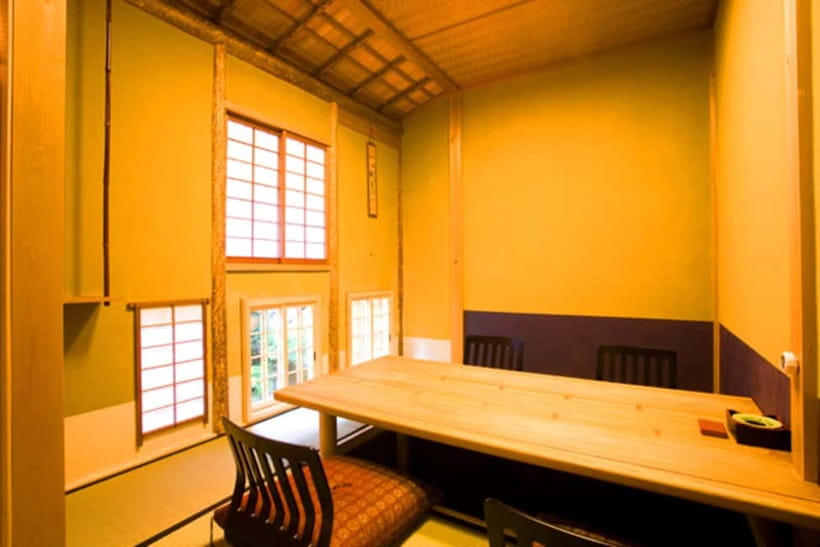
- Tatami rooms and garden views: The room adds a peaceful, distinctly Japanese setting to the meal.
- Near Higashiyama sights: Kodaiji Temple, Chion-in, and Kiyomizu-dera are all close by.
- A full two-hour meal: Allow enough time to enjoy the courses without rushing between sightseeing stops.
- Optional maiko or geiko performance: This can be arranged on request, but it is not part of the standard reservation.
Entering a 120-year-old machiya near Kodaiji
The first pleasure here is the building itself. Hanasaki Manjiro occupies a 120-year-old machiya, the narrow wooden townhouse style that helped shape old Kyoto. You are not simply eating traditional food in a restaurant designed to look traditional. The building gives the meal a sense of place before the first dish arrives.
The restaurant sits in Higashiyama, close to Kodaiji Temple and along the scenic Higashiyama Sando route. This area is one of the most rewarding parts of Kyoto for walking, with temples, old lanes, greenery, and traditional architecture packed into a manageable area.
I would plan the meal around sightseeing rather than treat it as an isolated stop. Kodaiji is nearby, Chion-in is within walking distance, and Kiyomizu-dera is also close. The restaurant is about a 10-minute walk from Gion-Shijo Station on the Keihan Main Line, or about 15 minutes from Kawaramachi Station on the Hankyu Kyoto Line.
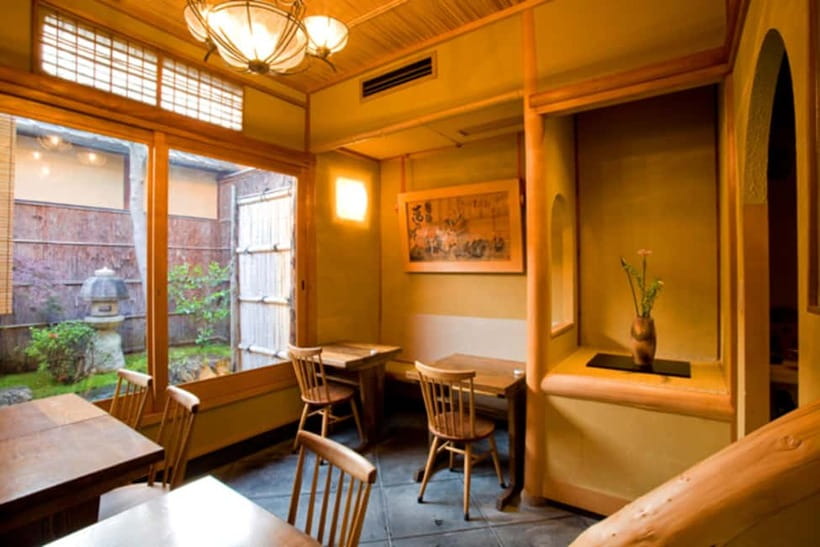
The setting should appeal to you if you want a break from Kyoto’s busy temple approaches. The restaurant is near popular sights, but the townhouse and garden create a quieter mood. That contrast is part of the experience: a short walk can take you from crowded sightseeing streets to a calm room with tatami flooring and a garden view.
If you're still narrowing it down, here are other tours in Kyoto we've reviewed.

What the two-hour kaiseki meal feels like
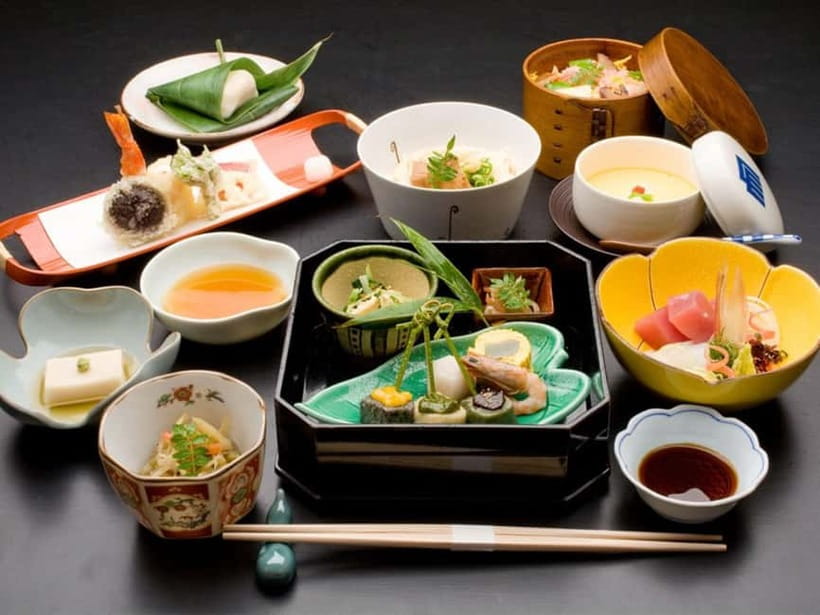
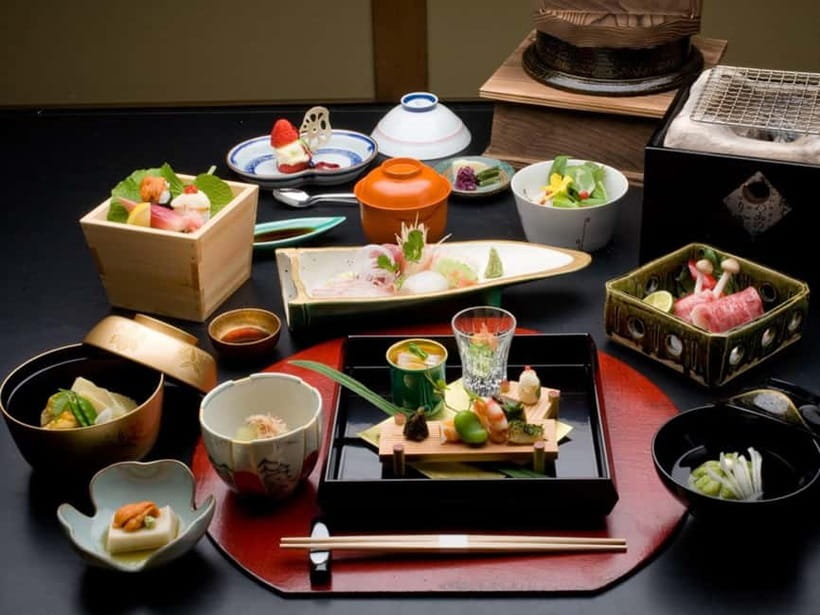
Kaiseki is not built around one large plate. It is a sequence of small courses, with each dish showing the season through ingredients, color, texture, and presentation. At Hanasaki Manjiro, the full course is designed as a complete meal, not a quick tasting stop.
You should expect the meal to unfold at an unhurried pace over about two hours. That timing matters. If you schedule a temple visit on the other side of Kyoto immediately afterward, you may spend the meal watching the clock. I would leave the rest of the period open for a walk through Higashiyama.
The exact menu changes with the season, so you should not book this expecting one fixed set of dishes. Kyoto vegetables and other local ingredients are central to the meal. The food is described as delicate, and the emphasis is on clean flavors rather than heavy sauces or large portions on a single plate.
The course has been served as nine dishes, though you should confirm the current option when booking. Examples described from the meal include refined appetizers, fresh shrimp, wagyu beef, and eel rice. The eel rice may even be packed to take away when the meal is more generous than you can finish.
That last detail is useful. Kaiseki can look light because each course is small, but the complete sequence can add up to a substantial meal. I would arrive hungry if you choose the full nine-course option. If you usually prefer a smaller dinner, ask about a lighter course rather than assuming the delicate presentation means a light meal.
Why the food matters beyond presentation
Kaiseki is often praised for looking beautiful, but the best reason to choose it is the attention paid to the season. A dish may be simple, yet the ingredient, serving style, and timing are meant to fit the point in the year.
At Hanasaki Manjiro, Kyoto vegetables and local products give the meal a regional focus. You are not just receiving generic Japanese dishes. The food is meant to express Kyoto through its ingredients and careful arrangement.
I would pay close attention to the opening dishes. The appetizers have been a particular highlight, with light textures and precise presentation. Fresh shrimp and wagyu beef may appear in the course, but the smaller vegetable and seafood preparations are likely to tell you more about the kaiseki style.
The meal also works well for people who enjoy trying foods they might not order on their own. One diner described tasting wagyu for the first time here, while another found the delicate seasonal flavors memorable. You do not need to be a food expert, but you should be open to a meal where the chef decides the sequence and the menu changes with the calendar.
At the same time, do not expect a casual, make-your-own-choice dinner. A full kaiseki course is more structured than ordering several familiar dishes from a menu. If you want a fast bowl of noodles or a flexible meal for picky eaters, this is probably not the right choice.
Tatami rooms, garden views, and Kyoto manners
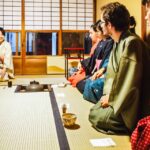
The private tatami rooms are a major part of the appeal. Sitting on tatami, looking toward a tranquil garden, and eating in a traditional townhouse gives the meal a sense of ceremony without requiring a separate cultural show.
The room also makes Hanasaki Manjiro a good choice for a special occasion or an intimate date. The atmosphere is quieter and more personal than a busy restaurant counter. You can focus on the food, the room, and the pace of the meal.
Service is another strong point. The staff explain the dishes and pay close attention to what you need. That matters with kaiseki, because the ingredients and preparation may be unfamiliar. A short explanation can turn a small plate from a mystery into a clear part of the meal.
The reservation information does not include a guide, so you should enter the restaurant directly at your reserved time. Do not expect a walking tour, temple commentary, or a host to meet you at the station. The cultural experience comes from the architecture, food, service, and setting.
Maiko or geiko entertainment can be arranged on request. Treat that as an optional addition, not a standard part of the $48 reservation. If that is important to you, ask about it before booking and confirm any added cost or conditions.
Building a temple day around the reservation
Hanasaki Manjiro works best as part of a Higashiyama day. You can visit Kodaiji first, walk through the nearby streets, and then settle into the meal. Chion-in and Kiyomizu-dera are also close enough to include in the same general plan, though you should allow time for the temple grounds and the walking between them.
The location is convenient, but Kyoto’s sightseeing areas can take longer to cross than a map suggests. I would not place this reservation between two far-flung attractions. Use the meal as your anchor in eastern Kyoto, and keep your schedule flexible before and after it.
The route from Gion-Shijo Station takes about 10 minutes on foot. From Kawaramachi Station, allow about 15 minutes. Since this is a restaurant reservation rather than a guided activity, check the route before leaving your hotel and arrive with enough time to locate the townhouse.
The area near Kodaiji can feel very different at different points in the day. The restaurant’s quiet interior gives you a pause from the temple crowds, but the walk to and from the door may still be busy. That is not a flaw in the restaurant. It is simply part of visiting Kyoto’s most popular historic district.

Is $48 a fair price for Kyoto kaiseki?
At $48 per person, the price is reasonable for a full-course kaiseki meal in a historic machiya, especially because the reservation includes the complete menu and sales tax. You are paying for more than the ingredients. The building, private room, garden view, service, and careful pacing all form part of the experience.
The value improves if you want one memorable cultural meal during your Kyoto stay. Instead of paying separately for a restaurant meal and a cultural performance, you receive a traditional setting and a meal that reflects Kyoto’s seasons in one two-hour visit.
The price does not include drinks other than water. That is the main extra to remember. If you order sake, beer, tea, or another beverage, your final bill will be higher than the advertised rate.
I would also compare the price with your own appetite. If you enjoy a long, multi-course meal, the nine-course option can feel generous and special. If you eat lightly, the meal may offer more food and ceremony than you want. A smaller course, if available, could provide better value for you.
Who will enjoy Hanasaki Manjiro most?
I would recommend this experience to you if you want:
- A traditional Kyoto setting rather than a modern restaurant interior
- A special meal during a first or repeat visit to Kyoto
- Seasonal Japanese food with local ingredients
- A quiet two-hour pause during Higashiyama sightseeing
- An intimate meal for a date, anniversary, or family celebration
- A chance to try dishes such as seasonal appetizers, shrimp, wagyu, or eel rice
You may want to choose something else if you need a fast meal, a fully flexible menu, or a lively evening with a large group. You should also think twice if you dislike sitting in traditional rooms or prefer strongly seasoned food.
The experience is wheelchair accessible, which makes it more workable for many visitors. Still, the supplied information does not explain the exact room layout or restroom arrangements, so you may want to confirm those details directly if they are important for your visit.
Practical advice before you book
Reserve Hanasaki Manjiro for the meal itself, not for a guided introduction to Kyoto. You will enter the restaurant at the reservation time, and no guide is provided. The staff explain the dishes, but the experience does not include temple admission, station pickup, or a walking route.
Keep two hours free. The meal is meant to be enjoyed at a measured pace, and rushing through kaiseki defeats much of its appeal. I would also avoid booking it immediately before a major timed attraction.
Ask about the current course when you reserve. The dishes change with the season, and the nine-course meal described in the available information may not be the only option. If you have a small appetite, ask about portion size or a shorter course.
You can cancel up to 24 hours in advance for a full refund. The reserve-now, pay-later option also helps if your Kyoto schedule is still changing. Those policies make it easier to hold a place without locking your entire itinerary too early.
Should you book this Kyoto kaiseki experience?
Book Hanasaki Manjiro if you want a meal that connects food, architecture, and place. The strongest reason to choose it is the combination of a 120-year-old machiya, tatami rooms, garden views, and seasonal Kyoto cooking near the city’s most atmospheric temples.
I would be especially happy to book it for a special evening or for the middle of a Higashiyama sightseeing day. The $48 price is fair for the full course and setting, as long as you budget extra for drinks and feel comfortable with a substantial, carefully paced meal.
Skip it if your priority is speed, low cost, or complete control over every dish. For everyone else, Hanasaki Manjiro offers a focused taste of old Kyoto, with enough food and ceremony to make the two hours feel like a real part of the trip rather than just another restaurant stop.
FAQ
Where is Hanasaki Manjiro located?
Hanasaki Manjiro is in Kyoto’s Higashiyama district, near Kodaiji Temple and along Higashiyama Sando. Chion-in Temple and Kiyomizu-dera are also nearby.
How far is the restaurant from Gion-Shijo Station?
The restaurant is about a 10-minute walk from Gion-Shijo Station on the Keihan Main Line.
How far is it from Kawaramachi Station?
It is about a 15-minute walk from Kawaramachi Station on the Hankyu Kyoto Line.
How long does the dining experience last?
The reservation lasts about two hours.
What does the $48 price include?
The price includes the full course menu, sales tax, and the restaurant reservation.
Are drinks included?
Water is included, but other drinks are not included in the price.
Is a guide included?
No. This is a restaurant reservation only. You enter the restaurant directly at your reserved time, and no guide is provided.
Can I arrange a maiko or geiko performance?
A maiko or geiko performance can be arranged upon request. It is not listed as part of the standard reservation, so you should ask about availability and any additional conditions before booking.
More tours in Kyoto we've reviewed

Kyoto, compared.
 ★ 5.0PERFECT KYOTO 1-Day Bus TourFrom $129
 ★ 4.8Kyoto: Fushimi Inari, Kinkakuji, Bamboo Grove 1 Day Bus TourFrom $122510 minutes - 9 hours
 ★ 4.9Kyoto: Tea Ceremony in a Traditional Tea House in KiyomizuFrom $4945 min
 ★ 4.7Kyoto Geisha Walking Tour: Gion District & Hidden GemsFrom $252 hours
 ★ 4.9Kyoto: Tea Ceremony Ju-An at Jotokuji TempleFrom $291h 10m
 ★ 4.3Kyoto: 45-Minute Tea Ceremony Lesson ExperienceFrom $2245 min