
Reviewed · GION & GEISHA WALKS
Kyoto: Gion Walking Tour, Geisha Show and Japanese Game
Gion’s biggest appeal is not simply seeing a maiko perform. It is the chance to meet one in a small room, hear about her life through an English-speaking guide, and join a traditional fan game afterward. This two-hour experience pairs a one-hour Gion walk with a one-hour maiko show, so you get both local context and a direct cultural encounter.
I like the small group limit of six, which gives you a real chance to ask questions rather than sit quietly in a large audience. I also like the balance of a dance, tea, a Japanese snack, and a playful activity. The main consideration is the price, $118 per person, which is a serious spend for two hours. You are paying for access to a small-scale meeting, not a long sightseeing tour.
In This Review
- Key points at a glance
- Starting above Gion Shijo Station
- The first hour: seeing Gion with context
- The second hour: a maiko dance and conversation
- Why the fan game matters
- Tea, snack, and the feel of the meeting
- Is $118 a fair price?
- What the small group changes
- Who will enjoy this most?
- Practical advice before you book
- Should you book the Gion maiko experience?
- FAQ
- Where does the tour begin?
- Where does the tour end?
- How long does the experience last?
- What language is the tour offered in?
- How many people can join the tour?
- Does a maiko perform during the tour?
- Can I ask the maiko questions?
- Is the traditional fan game included?
- Are tea and food included?
Key points at a glance
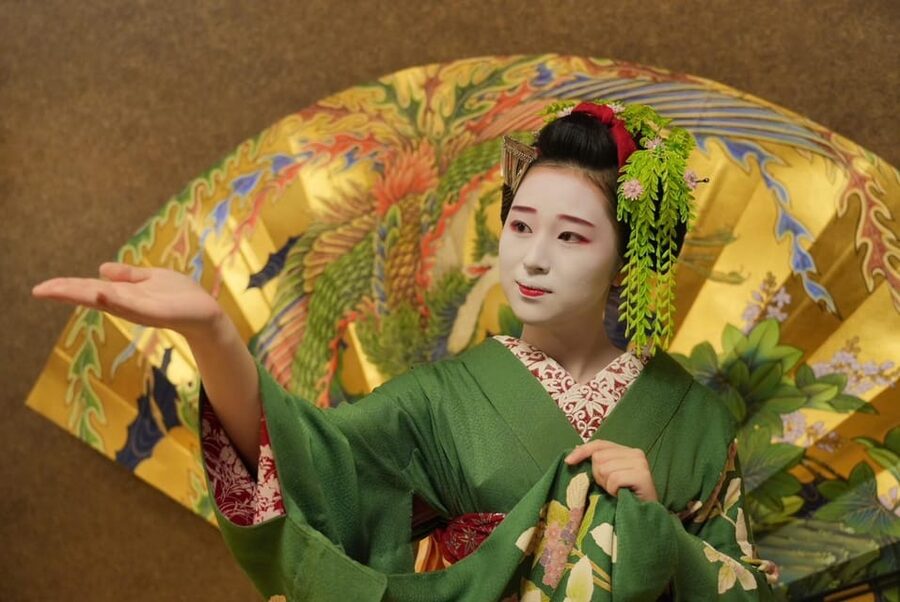
- A maiko performs a traditional dance: The second hour centers on a live show by a geisha apprentice.
- Questions are part of the experience: Your English-speaking guide helps you speak with the maiko and understand her answers.
- Groups are limited to six people: The small size allows for a more personal conversation and easier participation.
- Gion comes first: The opening walking tour gives you historical context before the performance.
- You join a traditional fan game: The activity offers a playful way to interact with the maiko, not just watch her.
- Tea and a Japanese snack are included: These small touches help make the meeting feel like a cultural visit rather than a stage show.
Starting above Gion Shijo Station
Your guide meets you directly above Gion Shijo Station, holding a white board marked GuideMe Japan. This is a useful meeting point because the station is easy to identify in central Gion, though you should still allow enough time to find the correct exit and reach the meeting spot without rushing.
The activity ends at the same meeting point. That makes planning simple: you do not need to arrange a taxi or figure out a new location after the show. You can continue exploring Gion on foot, have dinner nearby, or return to your hotel by the same station.
The tour runs for two hours, with one hour devoted to walking and one hour to the maiko meeting. Starting times vary, so check availability before you build the rest of your Kyoto day around it.
A few more Kyoto tours and experiences worth a look


The first hour: seeing Gion with context
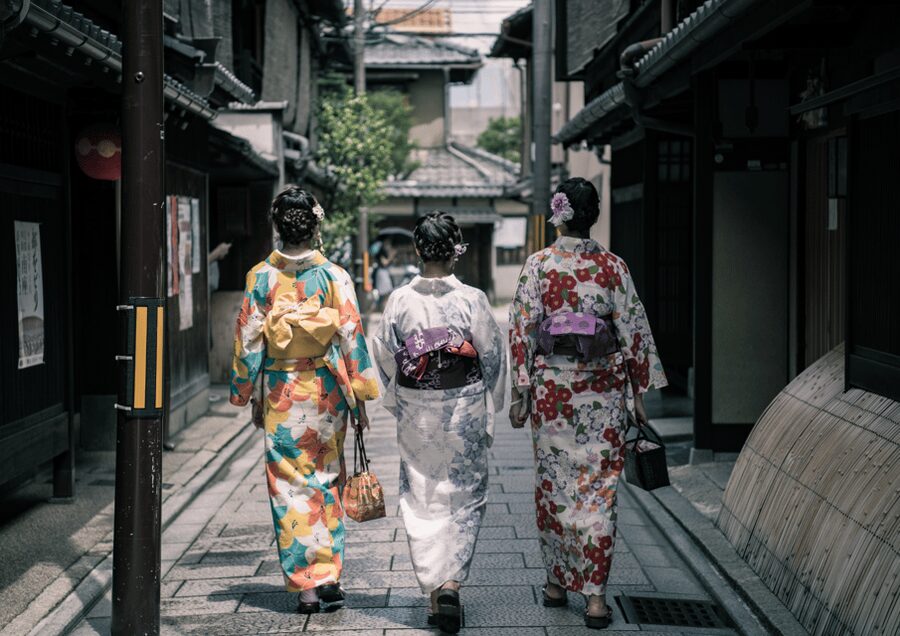
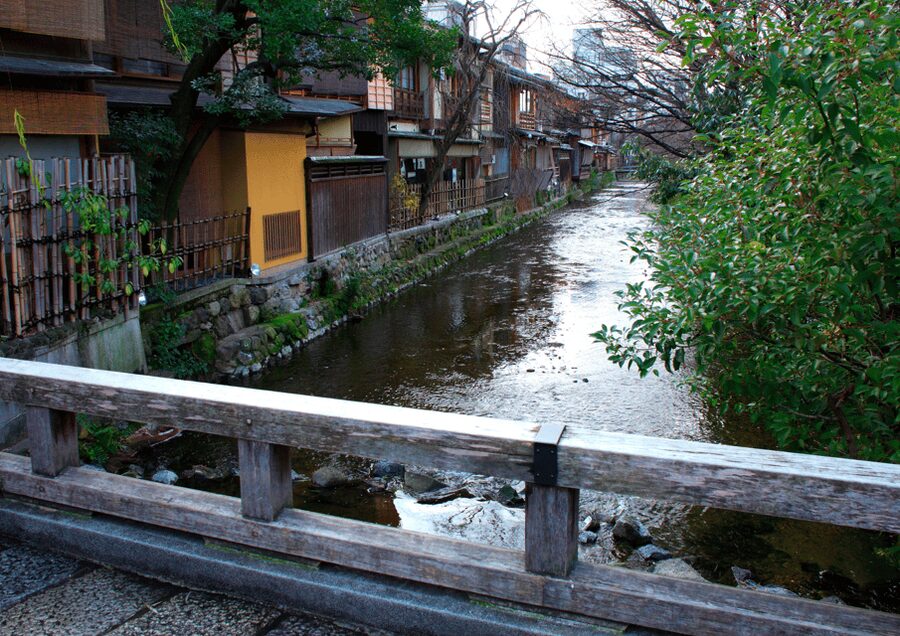
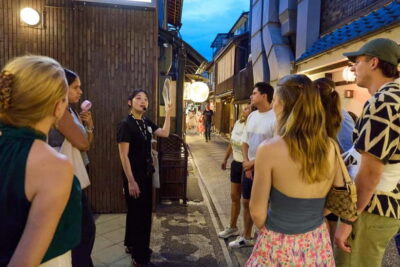
The walking portion covers the main area of Gion. You are not simply being led through streets and told where to take photographs. The guide explains the district’s background and the role it has played in Kyoto’s geisha culture.
That context matters. Gion can look like a collection of attractive traditional buildings if you do not understand what you are seeing. A guide helps connect the streets to the customs and working life associated with geisha and maiko.
I would treat this first hour as an orientation rather than a full city walking tour. The description promises a walk around Gion’s main area, not a long route through several neighborhoods or a detailed survey of every historic site. Its value is in preparing you for the second hour.
This is also the part of the experience that may suit a first-time visitor best. If you are unfamiliar with the difference between a maiko and a geisha, or unsure how the Gion entertainment district functions, your guide can provide a useful foundation before you meet the performer.
The second hour: a maiko dance and conversation
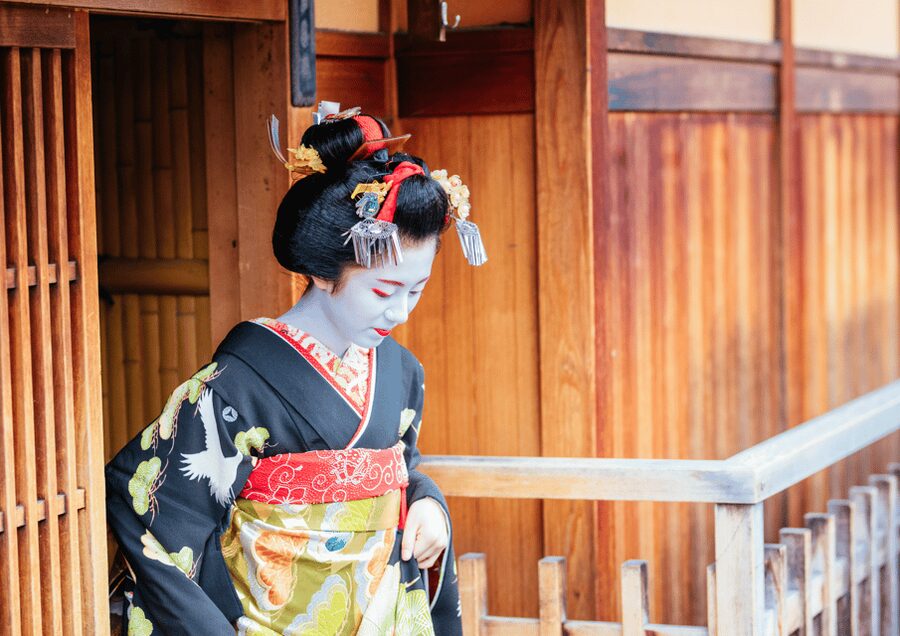
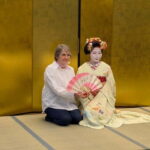
The highlight is the one-hour session with a maiko, a geisha apprentice. You watch her dance, then have time to ask questions about her current life. The combination is important. A performance alone can be beautiful but distant. A question-and-answer session gives you a better sense of the person and the demanding tradition behind the appearance.
Your guide provides English support throughout the conversation. That role is more important than it may first seem. The guide explains the maiko’s answers, helps the conversation move naturally, and makes it easier for you to ask respectful questions.
Past guide assignments have included Hikaru Kuroki and Tommy. Hikaru Kuroki was singled out for his polite manner and clear explanations, while Tommy was described as kind and easygoing. You should not assume one of them will lead your departure, but the experience depends heavily on the guide’s ability to explain cultural details and handle translation well.
The group limit of six is one of the strongest features here. In a large group, only a few people would get the chance to ask something, and the meeting could feel like a short stage presentation. With six or fewer, you have a better chance to take part in the conversation and the game without waiting through a long line of strangers.
Why the fan game matters
After the dance and questions, you play a traditional Japanese fan game with the maiko. The supplied details do not explain the rules, so you should expect to learn them on the spot rather than prepare in advance.
This changes the mood of the meeting. You are not only observing a formal performance. You are also sharing a simple activity, laughing together, and taking part in something that would be difficult to arrange independently.
The game may be especially appealing to families and small groups of friends. It gives children and adults a clear way to participate, even if they are not confident asking cultural questions. It also adds a lighter moment after the more formal dance.
Still, you should keep your expectations sensible. This is a short cultural activity, not a full lesson in traditional Japanese games. The value lies in the personal exchange and the chance to try something directly with the maiko.
Tea, snack, and the feel of the meeting
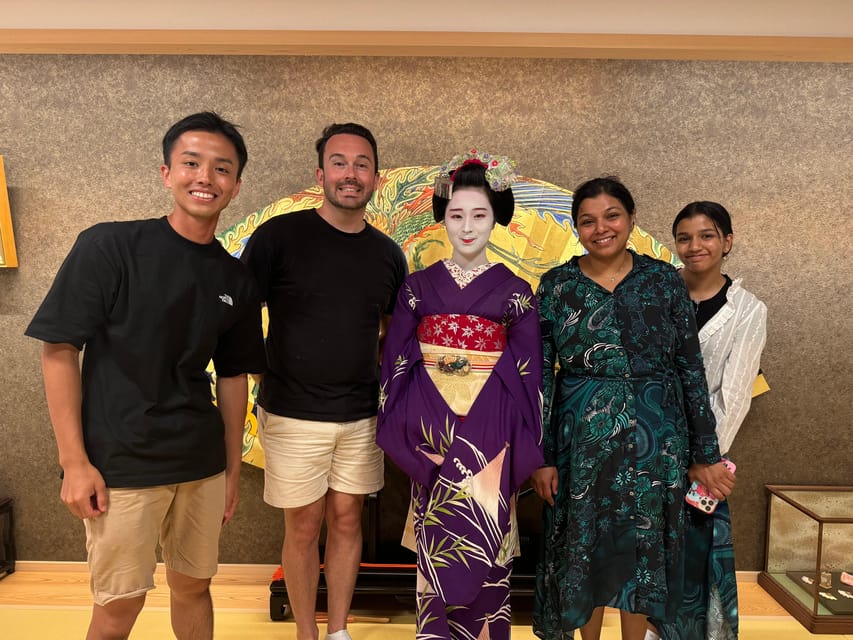
Tea and a Japanese snack are included. They are modest additions, but they help create a setting for conversation and make the hour feel less like a performance ticket.
Additional food is not included, so do not book this as a meal. If you are hungry, plan to eat before or after the tour. Gion offers plenty of places to continue your evening, but this activity itself only promises tea and a snack.
The small-group setup also affects the atmosphere. A private or nearly private meeting can feel more personal than a theater-style show, especially when the guide manages the questions carefully. At the same time, the experience remains structured. You are attending a planned cultural meeting, not dropping into ordinary daily life in Gion.
That distinction is worth keeping in mind. You can expect a respectful introduction to maiko culture, a dance, conversation, and a fan game. You should not expect unrestricted access to private areas or an unscripted look at every part of a maiko’s work.
Other walking tours we've reviewed in Kyoto





Is $118 a fair price?
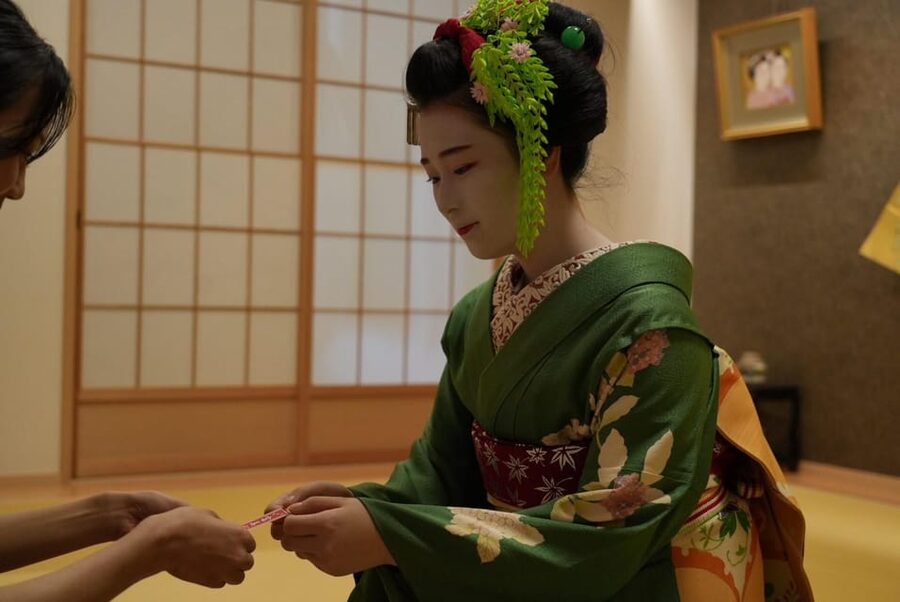
At $118 per person, this is one of those activities where the price depends on what you value. If you only want to see a short dance, the cost may feel high. Kyoto has many lower-cost cultural performances, and this tour is only two hours long.
The price makes more sense if you want a small-group meeting with a maiko, not just a public show. You receive a one-hour guided walk, an English-speaking guide, a one-hour performance and conversation, tea, a snack, and the fan game. The limited group size is the key value. It gives you personal time that a standard stage program usually cannot provide.
For a special occasion, a first visit to Kyoto, or a trip built around traditional arts, I can see the appeal. For budget-focused visitors who want to cover many sights in one day, the cost per hour may be harder to justify.
The tour also works best when you care about conversation. If you plan to sit back, take a few pictures, and leave, you will not get the full benefit. Think of the fee as paying for access, translation, explanation, and participation.
What the small group changes
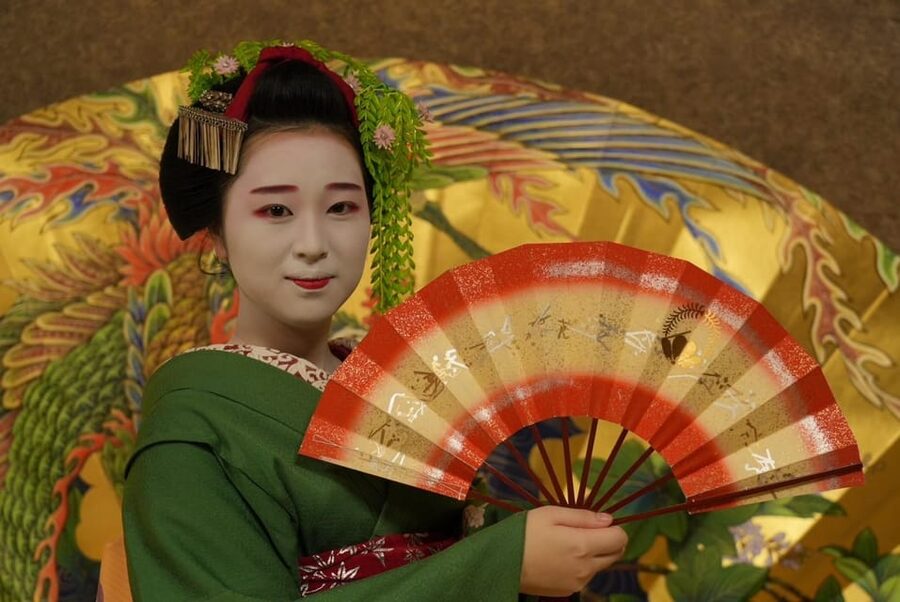
A maximum of six people is not just a marketing detail. It affects nearly every part of the experience.
You can hear the guide more easily during the Gion walk. You are less likely to lose the thread of the explanation. During the maiko meeting, you have a reasonable chance to ask more than one question and join the fan game without the activity becoming slow or crowded.
The small size may also make the cultural exchange feel more comfortable. A good guide can help you phrase questions with care and explain answers without interrupting the flow. That was an important part of the experience for people who praised the guide’s translation and gentle facilitation.
The tradeoff is availability. A six-person tour can fill quickly, especially at popular times. It may also be less flexible if you are traveling with a larger party, since your group may need more than one booking or may not fit together.
Who will enjoy this most?
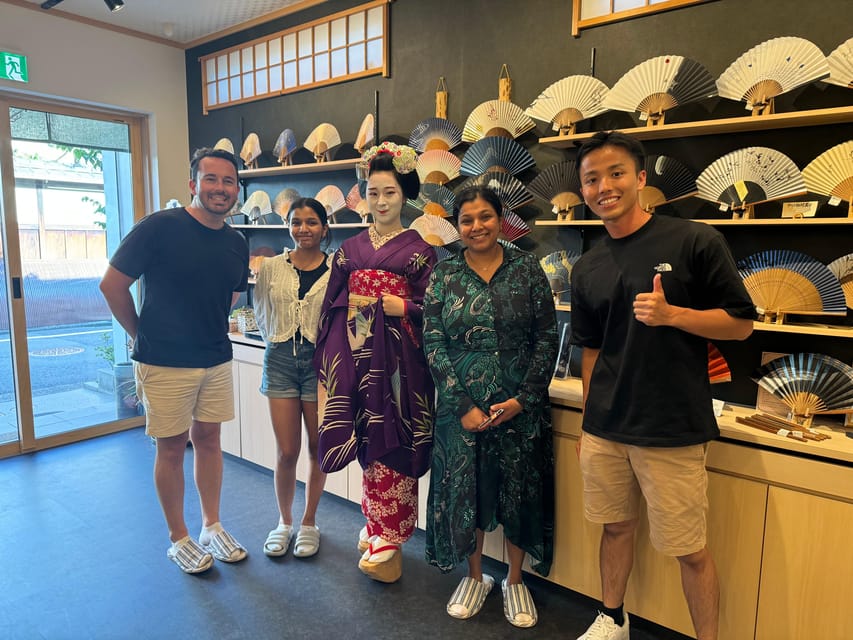
I would recommend this experience to you if you:
- Want a focused introduction to Gion and maiko culture
- Prefer small groups to large sightseeing crowds
- Enjoy asking questions and taking part in activities
- Are interested in traditional Japanese arts
- Are traveling with family or a small group of friends
- Have two hours available for a cultural experience rather than a long city tour
Families may find the fan game especially helpful because it gives everyone something to do. Adults interested in Kyoto’s performing arts will likely appreciate the chance to ask about the maiko’s current life rather than only watching a dance.
You may want to skip it if your main goal is a broad Gion tour, extensive sightseeing, or a low-cost evening activity. The walking section is limited to one hour, and the central focus is the maiko meeting.
Practical advice before you book
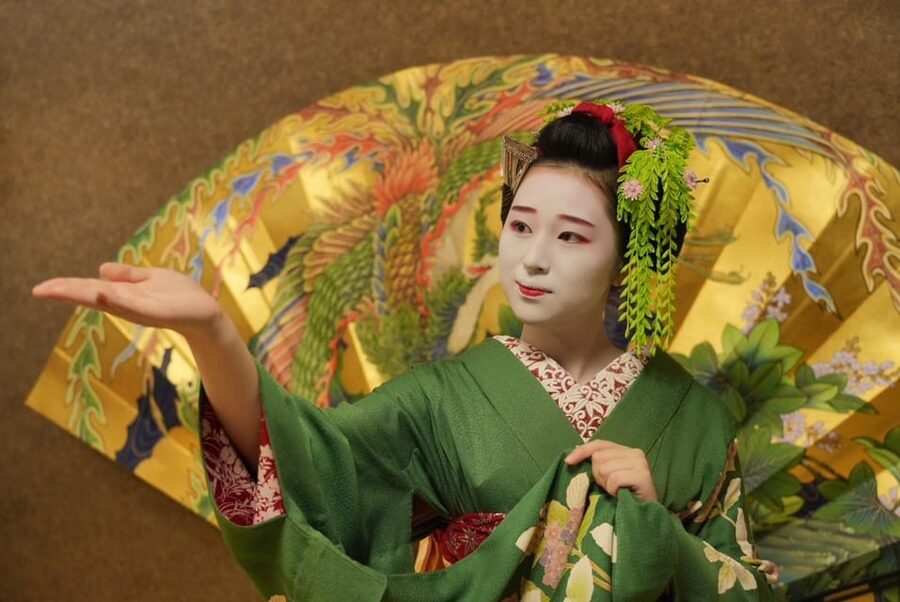
Wear comfortable shoes for the first hour, since the activity includes walking around Gion. You do not need special preparation for the fan game, as its rules are explained during the session.
Check the starting time carefully. The activity lasts two hours and returns to the original meeting point, but the exact departure time depends on availability. That makes it easy to fit into a day, provided you leave room around the booking.
The tour is offered in English with a live guide. If you want to ask questions, think ahead about what interests you. You might ask about training, daily life, performance traditions, or the difference between a maiko and a geisha. A small group gives you the chance to make those questions part of the visit.
You can cancel up to 24 hours in advance for a full refund. The reserve-now-and-pay-later option also lets you hold a place without paying immediately, which is useful while your Kyoto schedule is still changing.
Should you book the Gion maiko experience?
Book it if you want a close, carefully guided look at maiko culture and are happy to pay for a small group. The strongest parts are the personal questions, English translation, live dance, and fan game. The one-hour Gion walk adds useful context, but the maiko meeting is the reason to choose this tour over a basic neighborhood stroll.
Skip it if $118 feels too high for a two-hour activity or if you want a longer sightseeing route. This is a focused cultural encounter, not a full-day tour.
For the right visitor, it offers something difficult to arrange on your own: a chance to see a maiko perform, speak with her through a guide, and take part in a traditional game in a group of no more than six. That combination gives the experience its value.
FAQ
Where does the tour begin?
The meeting point is right above Gion Shijo Station. The guide will hold a white board marked GuideMe Japan.
Where does the tour end?
The activity ends back at the original meeting point above Gion Shijo Station.
How long does the experience last?
The tour lasts two hours. The first hour is a walking tour of Gion, and the second hour is the maiko show and cultural meeting.
What language is the tour offered in?
The tour is offered in English with a live English-speaking guide.
How many people can join the tour?
The group is limited to a maximum of six participants.
Does a maiko perform during the tour?
Yes. A maiko, who is a geisha apprentice, performs a dance during the second hour.
Can I ask the maiko questions?
Yes. You have time to ask questions about her current life, with help from the English-speaking guide.
Is the traditional fan game included?
Yes. The traditional Japanese fan game with the maiko is included.
Are tea and food included?
Tea and a Japanese snack are included. Additional food and other expenses are not included.
More Shows & Entertainment in Kyoto


More Walking Tours in Kyoto
More Gion & Geisha Walks in Kyoto

More tours in Kyoto we've reviewed





Gion & Geisha Walks, compared.
 ★ 4.7Kyoto Geisha Walking Tour: Gion District & Hidden GemsFrom $252 hours
 ★ 4.7Kyoto: Gion Geisha District Walking Tour – Stories of GeishaFrom $202 hours
 ★ 4.9Best of Kyoto: Gion, Geisha, Pagodas & CobblestonesFrom $242 hours
 ★ 4.5Night Walk in Gion: Kyoto’s Geisha DistrictFrom $211h 40m
 ★ 5.0Kyoto Night Foodie Tour in Gion (9+ dishes + 6 Sake tastings)From $163
 ★ 5.0Kyoto Gion Geisha District Walking Tour – The Stories of GeishaFrom $25