
Reviewed · COOKING CLASSES
Kyoto: Ramen Bowl Painting and Michelin Cooking Class
Kyoto has plenty of food classes, but this one gives you two souvenirs: a custom-painted ramen bowl or spoon and a meal made with ingredients from Musoshin’s Gion restaurant. Shin and his team keep the session friendly, hands-on, and easy for children to follow.
I like the calm painting period and the chance to have your bowl fired in a kiln for free. I also like that the ramen is not a token snack. Musoshin makes its noodles, broth, soy sauce, and roast pork in-house, with the soup cooked for 12 hours. The main drawback is that this is more of a ramen assembly class than a from-scratch cooking lesson.
In This Review
- Key points at a glance
- A Kyoto ramen class with a handmade souvenir
- Painting your bowl or spoon
- What the ramen portion really involves
- Why Musoshin’s ramen matters
- Shin and the teaching style
- Vegetarian, vegan, and gluten-free choices
- Timing, group size, and the best place in your itinerary
- The value of $64 per person
- Small drawbacks to keep in mind
- Who should book this Musoshin experience?
- FAQ
- How long does the Kyoto ramen and bowl painting class last?
- How much does the experience cost?
- Can I choose vegetarian, vegan, or gluten-free ramen?
- Do I paint a ramen bowl or a spoon?
- Can I use the ceramic item for meals?
- Does kiln firing cost extra?
- Is the class taught in English?
Key points at a glance
- Paint first, eat second: Create a personal bowl or ceramic spoon before making your meal.
- Restaurant-quality ingredients: Musoshin prepares handmade noodles, 12-hour broth, soy sauce, and roast pork in-house.
- Free kiln firing: Your painted ceramic can be fired for use, then picked up the next day.
- Good for families: Children as young as four have been able to take part with help from the patient instructors.
- Flexible ramen choices: Gluten-free, vegetarian, and vegan ramen options are available.
- Small-group atmosphere: Sessions can be intimate, even with only one booking.
A Kyoto ramen class with a handmade souvenir
The appeal here is simple: you make something, eat something excellent, and go home with a useful reminder of Kyoto. At $64 per person, the experience costs more than ordering a bowl of ramen at a restaurant, but you are paying for instruction, a creative activity, a meal, and the ceramic piece.
Musoshin Ramen began in Kyoto in 2022 and now has six restaurants in Kyoto and Toronto. The Toronto restaurant has received Michelin recognition through nominations for three consecutive years, and the Kyoto workshop uses the same recipe. That distinction matters. The meal is connected to a working ramen business, rather than being a tourist recipe created only for classes.
I especially like the balance between quiet and active time. Painting gives you a relaxed start. The ramen portion then becomes faster and more energetic, since noodles and toppings must be handled at the right moment. You get a small taste of the timing that makes a restaurant bowl work.
Other cooking classes in Kyoto

Painting your bowl or spoon
The class begins with the ceramic project. You can paint a ramen bowl, or choose a spoon if you want something smaller and easier to pack. The large ceramic spoons are proper keepsakes, not flimsy restaurant spoons, and they make a practical choice for children or anyone short on luggage space.
You should arrive with a rough design in mind. The painting time is limited, so deciding on a simple pattern, character, name, or travel symbol before you begin will help. One participant found the choice of paint colors a little limited, although the staff may be able to offer more if you ask.
This part is less about producing perfect pottery and more about making an object that belongs to your trip. Children can take part without needing artistic skill, while adults may find the work pleasantly quiet before the cooking starts. The instructors also take photographs during the activity, which can be a nice record of the process.
You can take the painted ceramic with you the same day as a decorative item. For a more useful souvenir, leave it to be fired in the kiln at no extra charge. It should be ready for pickup after the next day. If you prefer not to return, delivery to your next hotel may be possible, but shipping costs extra.
A practical note: the bowl takes more room and needs more care in your luggage. The spoon is the sensible choice if you are moving between several Japanese cities or traveling with a small bag.
What the ramen portion really involves
The class description calls this a cooking class, but you should picture guided ramen assembly rather than making every ingredient from scratch. Musoshin prepares the labor-intensive parts in advance. The broth cooks for about 12 hours, the noodles are made fresh each morning and rested overnight for use the next day, and the soy sauce and roast pork are handmade.
That preparation is not a weakness. It lets you eat a polished bowl within a 60 to 90 minute session. Making broth from scratch would take most of a day, and the result would not necessarily be as good without professional equipment and practice.
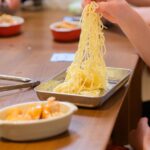
Shin explains how the ingredients are prepared and demonstrates the process before you take over. You put noodles into hot water, work with the toppings, and assemble the bowl in the correct order. One particularly hands-on step is blow-torching the meat. The cooking is quick, so listen closely and follow the timing.
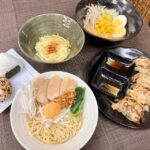
You also receive part of the ramen ingredients and cook them under guidance. The final bowl is yours to arrange, which makes the meal feel more personal than a standard restaurant order. The ramen is served in the bowl you have painted, adding a pleasing connection between the first and second parts of the class.
Some people may be hoping to learn the exact sauce recipe or recreate the broth at home. That is not what this class provides. The restaurant’s recipes remain proprietary, although the explanation of ingredients and preparation gives you a better sense of why good ramen takes time.
Why Musoshin’s ramen matters
The strongest part of the food experience is the quality of the base ingredients. Musoshin makes its noodles in-house, prepares its own broth, produces its soy sauce, and makes its roast pork. Ingredients are brought from the Musoshin Gion location to the workshop, so the class connects directly with the restaurant operation.
The broth is the star for many people. A 12-hour soup cannot be rushed, and you can taste the difference between a carefully prepared stock and a quick seasoning packet. The noodles also have a pleasant sense of purpose because they are made by the same business rather than purchased as a generic classroom ingredient.
The meal is not just a demonstration followed by a small tasting portion. You receive a satisfying bowl of ramen. Several people have described it as the best ramen they ate in Japan, though taste is personal and Kyoto offers plenty of competition.
The Michelin point needs a little care. Musoshin’s Toronto location has been nominated for Michelin for three consecutive years. The information provided does not say that the Kyoto workshop itself has a Michelin star. You are getting the same recipe and restaurant connection, not dining at a Michelin-starred Kyoto venue.
Shin and the teaching style
Shin is the main instructor named in the experience details, and his teaching style is one of the reasons this class works well. He explains the ramen process clearly, answers questions, and helps you through the fast cooking steps without turning the session into a lecture.
His manner seems particularly suited to families. Children are included in each stage where possible, and the pace allows young participants to help with painting, noodles, toppings, and presentation. Parents can expect some assistance rather than being left to manage the entire activity.
Other staff members named in the feedback include Sherry, Amir, Miki, and Mickey. The exact team may vary by date, but the common thread is a warm, attentive approach. The staff also take photographs throughout the class and can send them afterward, giving you pictures of the painting and ramen assembly without asking you to stop and manage your phone.
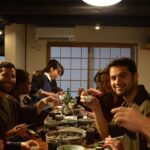
The class can remain intimate. One person who attended alone found the experience worthwhile even when they were the only participant. Small groups are available, and one group of nine still had enough room in the workshop to take part comfortably.
English and Japanese instruction is available. If you have dietary questions, tell the provider in advance so the suitable ramen option can be prepared.
Other cooking classes in Kyoto
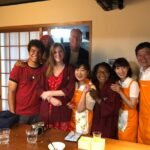
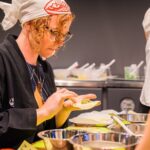
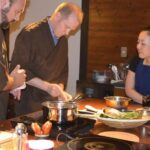
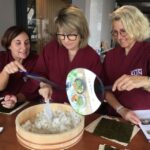
Vegetarian, vegan, and gluten-free choices
You do not need to eat pork or wheat-based ramen to consider this activity. Vegetarian, vegan, and gluten-free options are available. This is important for families and mixed groups, where one person’s dietary needs can otherwise determine the restaurant choice for everyone.
The standard ramen includes Musoshin’s prepared ingredients, including roast pork, but the alternative options give you a way to take part without simply watching others eat. Ask clearly about your needs when booking or before the class begins.
The supplied information does not spell out every ingredient in each alternative bowl, so do not assume that a vegetarian or vegan option is automatically gluten-free. Confirm the combination you need.
Timing, group size, and the best place in your itinerary
The experience lasts about one hour to 90 minutes. That makes it easy to fit between sightseeing stops, though you should avoid scheduling it so tightly that a small delay causes stress. Painting can take longer than expected if you are trying to create a detailed design, and the ramen assembly has a quick rhythm.
This is also a useful rainy-day or hot-weather activity. One family chose it during a heat wave and found the indoor class a welcome break from the afternoon sun. It gives you a meal and an activity in the same block of time, which is helpful when you are planning a busy Kyoto day.
The class suits families, couples, solo visitors, and small groups. Children as young as four have taken part, while teenagers have found the bowl painting engaging rather than childish. Adults will get more from the food explanation and ingredient preparation, so the activity does not feel like a children’s craft session.
Because the painted ceramic can be collected after the next day, plan your route carefully. If you are leaving Kyoto immediately after the class, ask about sending the piece to your next hotel. Delivery is not included in the price.
The value of $64 per person
At $64, this is not the budget way to eat ramen in Kyoto. A regular bowl costs far less, and you can find excellent ramen without a class attached. The question is what you want from the outing.
I think the price is reasonable if you value the full package: a guided cultural activity, a substantial meal, a ceramic souvenir, free kiln firing, and photographs. The bowl or spoon alone gives the class a lasting quality that a normal restaurant lunch cannot provide.
The value is also stronger for families. You are not paying for separate entertainment before and after lunch. Painting occupies the children, cooking gives everyone a role, and the meal finishes the activity in a natural way.
The value is weaker if your main goal is technical cooking instruction. You will not make the 12-hour broth, prepare the restaurant’s soy sauce, or receive a full recipe for reproducing the dish at home. For that kind of class, look for an experience that focuses on noodle making, broth preparation, or sauce production.
Small drawbacks to keep in mind
The biggest limitation is the wording cooking class. You will cook, but you will not build the ramen completely from raw ingredients. The broth and other important components are professionally prepared beforehand. You mostly handle the final cooking and assembly.
You also have limited time for detailed painting. A simple design will work better than an ambitious illustration. The paint selection may feel modest, and the bowl requires careful packing if you carry it around Japan.
Finally, the free kiln firing creates a second collection point. If you are staying in Kyoto for at least another day, this is easy. If your schedule is tight, the souvenir may require paid shipping to your next hotel.
These are manageable limits, but they are worth knowing before you book. They help you arrive with the right expectations and enjoy what the class actually does well.
Who should book this Musoshin experience?
I would recommend it most strongly to families with children, couples who want a shared activity, and solo visitors looking for a friendly food experience with a useful souvenir. It also works well for anyone who wants a break from temples and walking without giving up a connection to Japanese food culture.
Choose the spoon if luggage space is limited or if younger children are joining. Choose the bowl if you want the most memorable keepsake and can return for kiln pickup.
Book it if you want to understand how a serious ramen restaurant handles noodles, broth, toppings, and timing, while still enjoying a relaxed, social class. Skip it if you want to prepare every part of the ramen from scratch or if you are only looking for the cheapest meal in Kyoto.
For most visitors, the winning combination is the same: paint a personal design, assemble a carefully prepared bowl, eat it while it is hot, and collect a fired souvenir the next day. That is a satisfying use of 60 to 90 minutes in Kyoto.
FAQ
How long does the Kyoto ramen and bowl painting class last?
The experience lasts approximately one hour to 90 minutes. Starting times vary, so check availability when choosing your date.
How much does the experience cost?
The listed price is $64 per person.
Can I choose vegetarian, vegan, or gluten-free ramen?
Yes. Vegetarian, vegan, and gluten-free ramen options are available. Confirm your dietary needs when booking or before the class.
Do I paint a ramen bowl or a spoon?
The experience offers a Musoshin ramen bowl and a ramen spoon as options. A spoon takes less luggage space, while a bowl gives you a larger canvas for your design.
Can I use the ceramic item for meals?
Yes. You can take the painted ceramic home the same day for decoration, or have it fired in a kiln so it can be used for meals.
Does kiln firing cost extra?
No. The bowl or spoon can be fired without an additional charge. It is ready for pickup after the next day.
Is the class taught in English?
Yes. Instruction is available in English and Japanese. Small groups are also available.
More Workshops & Classes in Kyoto

More Cooking Classes in Kyoto
More Cooking Classes in Kyoto
More tours in Kyoto we've reviewed





Cooking Classes, compared.
 ★ 5.0Ramen Cooking Class at Ramen Factory in KyotoFrom $131
 ★ 4.9Kyoto: Ramen Cooking Class at a Ramen Factory with SouvenirFrom $1271h 30m
 ★ 5.0Kyoto: Ramen, Gyoza, and Onigiri Cooking ClassFrom $901h 30m
 ★ 5.0Kyoto: Japanese Washoku Bento Small Group Cooking ClassFrom $582h 30m
 ★ 4.9Kyoto: Afternoon Japanese Izakaya Cooking ClassFrom $673 hours
 ★ 5.0Izakaya Style Cooking ClassFrom $71