
Reviewed · KIMONO EXPERIENCES
Kyoto: Photoshoot in a Machiya(Townhouse) in Kimono
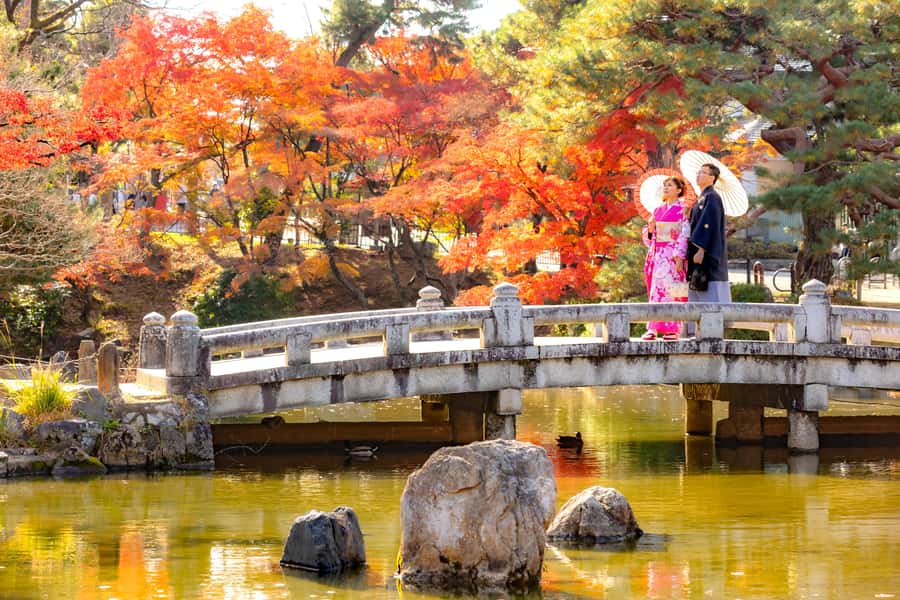
Kyoto’s 100-year-old machiya townhouse gives this photoshoot something a studio cannot: wooden rooms, traditional details, and a real connection to the city’s old way of life. You choose a kimono at Yumeyakata Gojo, travel by taxi to the nearby Oike Bettei, and pose with props such as a Japanese umbrella.
I like the chance to wear the kimono around Kyoto after the shoot, rather than changing straight back into ordinary clothes. I also like the small, private format, with one participant and an English-speaking photographer available. The main caution is photo delivery: the advertised number is not fully consistent, and one customer received only 16 images while another was still waiting after a month.
In This Review
- Key points at a glance
- Why the machiya setting matters
- Choosing your kimono at Gojo
- The taxi ride to Oike Bettei
- Learning to pose in traditional clothing
- Wearing your kimono beyond the photoshoot
- What the price includes, and what it does not
- Photo delivery is the main point to clarify
- Who will enjoy this Kyoto activity most
- My verdict on the machiya photoshoot
- FAQ
- Where does the kimono selection take place?
- Where does the photoshoot take place?
- How long is the photography session?
- Can I wear the kimono around Kyoto afterward?
- Is transportation included?
- How many digital photos are included?
- Are hair and makeup included?
- Who cannot take part in this experience?
Key points at a glance
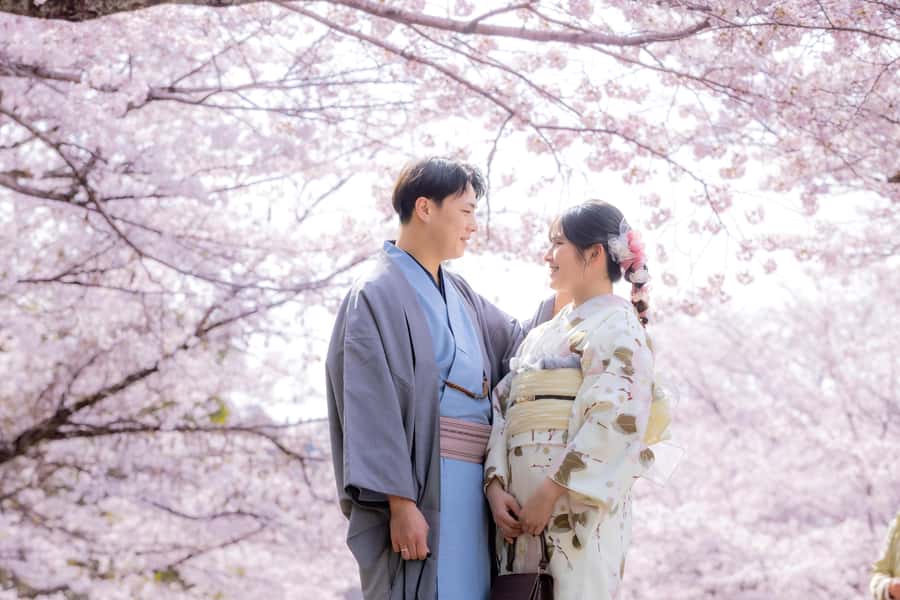
- A real machiya setting: Spend about 30 minutes taking photos inside a traditional townhouse said to be about 100 years old.
- Kimono choice comes first: Select a casual kimono from a broad range of colors, patterns, and sizes at Yumeyakata Gojo.
- Keep the look for Kyoto: After the photoshoot, you may continue wearing the kimono while exploring the city.
- Pose coaching is included: The photographer shows you how to sit, stand, and walk in a more traditional kimono style.
- Formal upgrades are available: Add hair styling, makeup, accessories, or a Houmongi, Furisode, or Montsuki Hakama.
- Check the photo package carefully: The information lists 50 included digital images, while the main description refers to 100, including an optional extra shoot.
Why the machiya setting matters
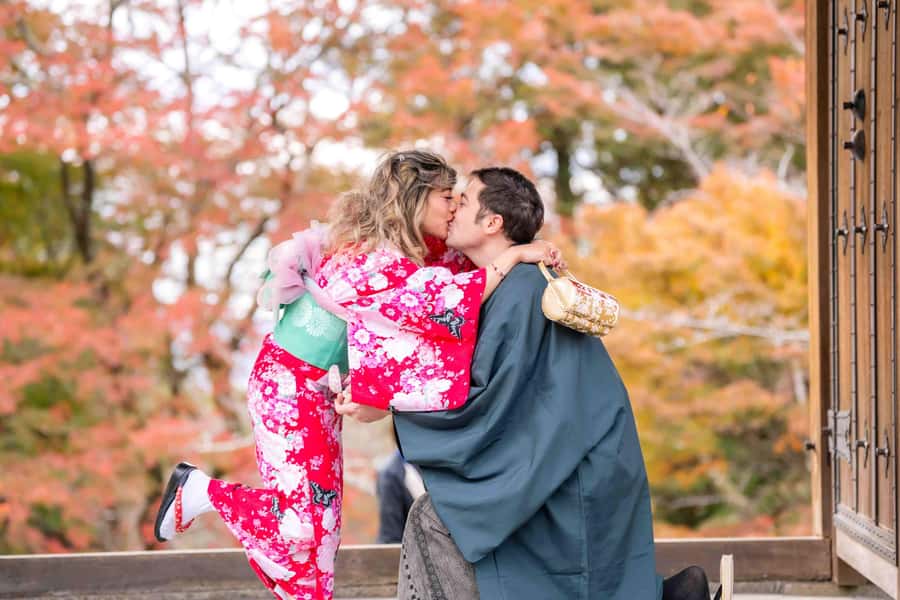
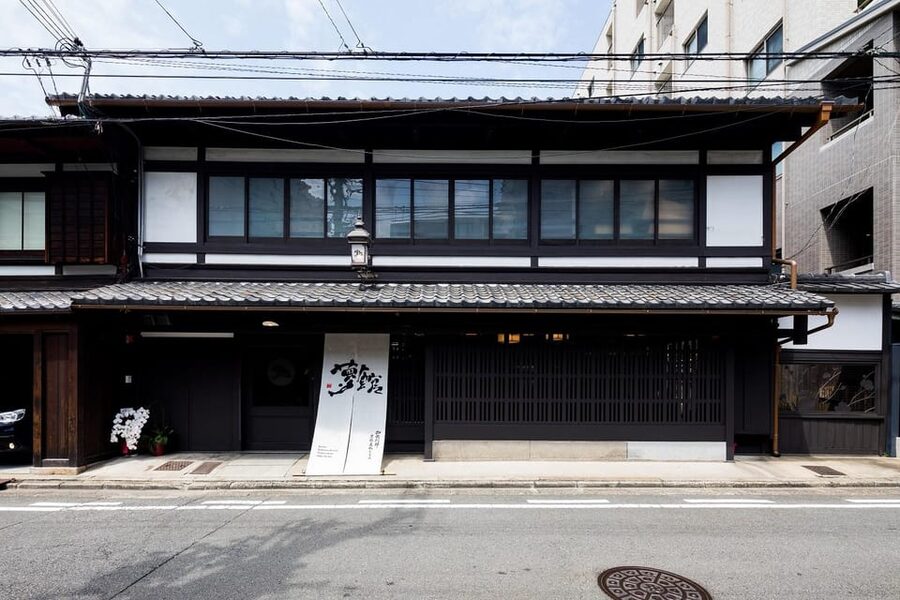
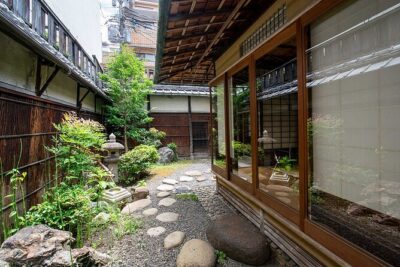
A kimono photo session can easily become a dressed-up portrait in a modern rental studio. This one has a more useful sense of place. Yumeyakata Oike Bettei is a traditional townhouse near Kyoto Gosho, also known as the Kyoto Imperial Palace area.
The house sits next to the former residence of Nijō Yoshimoto, a high-ranking court noble who lived during the Nanboku-chō period in the 14th century. He served as Daijō Daijin, or Grand Minister of State, and played an important role in the development of renga, Japan’s linked-verse poetry.
You do not need to know court poetry to appreciate the location. The point is that this part of Kyoto was tied to the imperial court and aristocratic life for centuries. Tea gatherings, poetry meetings, and artistic exchanges helped shape the polished customs that people now associate with Kyoto.
Inside a machiya, the setting itself does much of the work. Traditional rooms and wooden construction give your photographs a quieter, more distinctly Japanese background than a busy street can provide. You get portraits that record not only what you wore, but also the kind of architecture and atmosphere that make Kyoto different from other Japanese cities.
The time inside the house is short, about 30 minutes for the standard booking. That is enough for a focused portrait session, but it is not a long house tour or a full cultural class. You are paying for the setting and professional photography, not for hours of historical interpretation.
A few more Kyoto tours and experiences worth a look
Choosing your kimono at Gojo
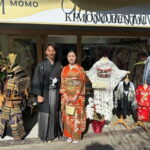
Your appointment begins at the Yumeyakata Gojo Shop. Arrive at the reserved time and select your kimono before dressing. The available range includes different colors, patterns, and sizes, but the standard package provides a casual kimono.
That distinction matters. A casual kimono is suitable for wearing around Kyoto and for relaxed portraits, but it is not the same as a formal garment used for ceremonies. If you want a more dressy look, women can pay to upgrade to a Houmongi or Furisode. A Montsuki Hakama is also offered as an upgrade option.
The clothing selection is one of the most personal parts of the experience. A bright pattern may show clearly in photographs, while a quieter design can suit the subdued wooden rooms of the machiya. If you are booking for a special anniversary or a formal portrait, ask about the upgrade options before you commit to the standard price.
Women can also add hair styling, makeup, and a hair accessory. These are not part of the basic booking unless selected as add-ons. Customized hairstyling costs an additional 1,100 yen on the spot, fake eyelashes cost 550 yen, and kimono decoration items begin at 220 yen.
The supplied information does not include a detailed menu of styles, so do not assume every hairstyle or accessory is included. If the exact finish matters to you, confirm the options when you arrive.
The taxi ride to Oike Bettei
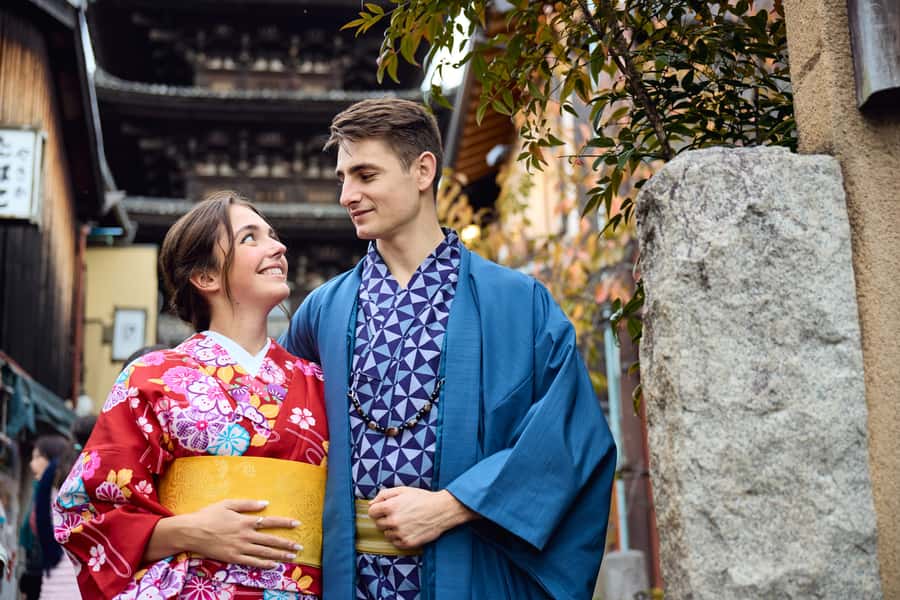
Once you are dressed, you travel from the Gojo Shop to Yumeyakata Oike Bettei by taxi. The fare is not included and is about 1,600 yen per taxi.
This is a simple transfer, but it affects your budget and timing. Since you are wearing a kimono, taking a taxi is more practical than trying to make your way on foot with a tight appointment schedule. The activity description does not specify the exact travel time, so allow room for the transfer and any traffic.
You return to the Gojo Shop after the day’s sightseeing, and the kimono must be returned by 5:30 PM. That deadline gives you time to walk around Kyoto after the shoot, but it does not mean you can keep the outfit into the evening.
Plan your route before leaving the shop. The townhouse is near Kyoto Gosho, so this area can fit well with a visit to the Imperial Palace grounds or nearby central Kyoto sights. The experience does not include transport between sightseeing stops, so your own itinerary needs to account for the return to Gojo.
Learning to pose in traditional clothing
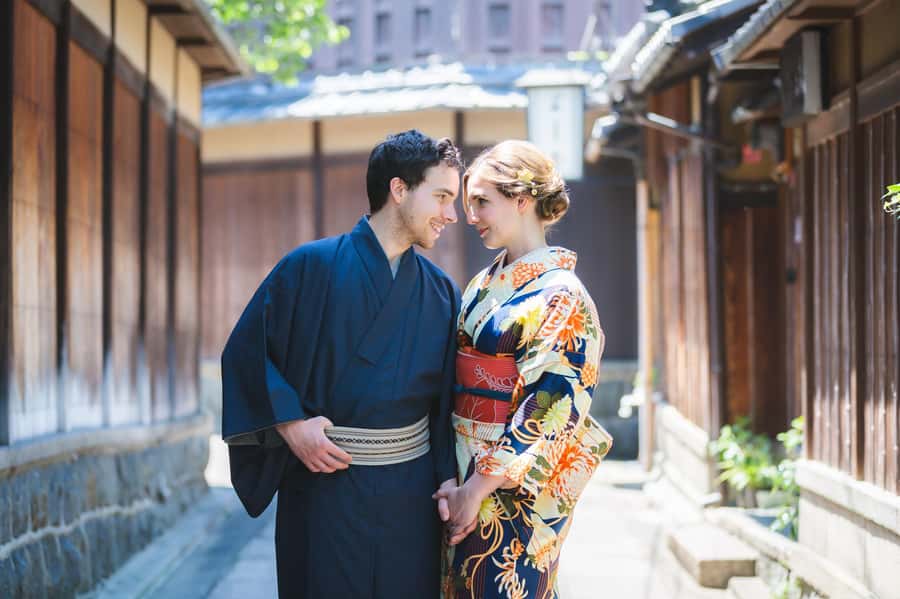
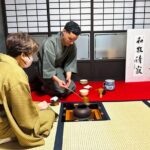
The photoshoot begins soon after you reach the townhouse. A professional photographer directs the session and shows you how to pose in a kimono. You may be taught how to stand, sit, and walk with the garment in a more traditional manner.
This guidance is useful because a kimono changes how you move. Long sleeves, layered fabric, and the obi belt make casual poses look awkward. A photographer who understands the clothing can help you avoid stiff arms, uneven posture, or a pose that hides the design.
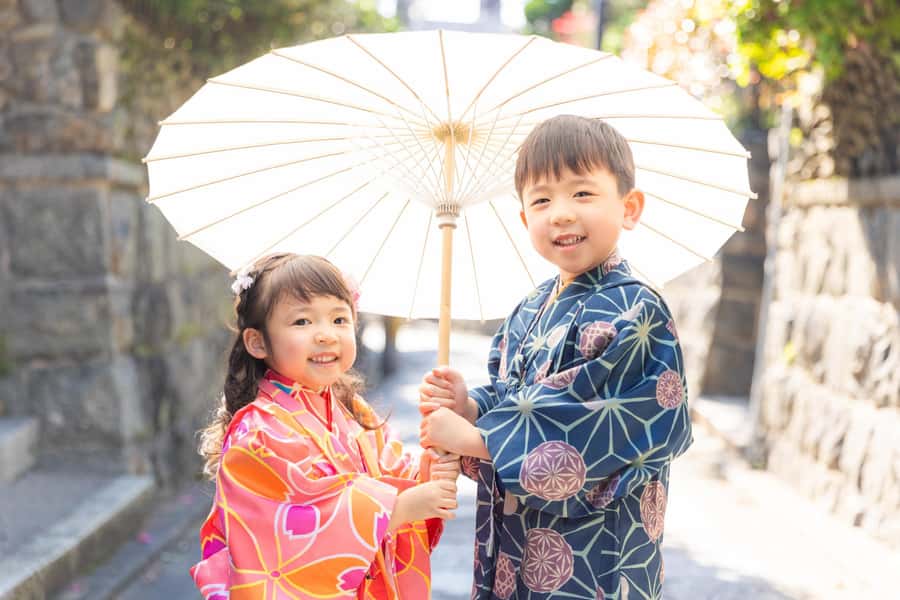
Props such as a Japanese umbrella add variety. They also give your hands something to do, which is helpful if you are not used to being photographed. Expect a structured portrait session rather than a free-form wander through the house.
The standard shoot lasts about 30 minutes. That is a good length for a traveler who wants a polished record without giving up half a day. It is also short enough that children or first-time kimono wearers may find it manageable, though the experience is not suitable for pregnant women, people with mobility impairments, or wheelchair users.
A 30-minute extension is available as an add-on. It includes 50 additional digital images. This may be worthwhile if you want more combinations of poses, props, or group arrangements, but the base session should be enough for a simple portrait set.
Wearing your kimono beyond the photoshoot
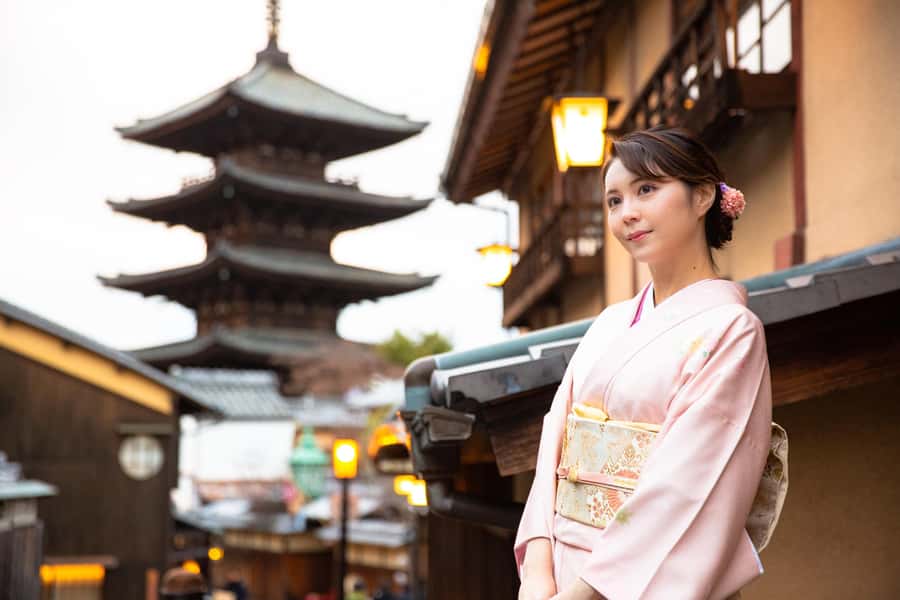
The most appealing practical feature is the chance to keep the kimono on after the photography. You can stroll around Kyoto before returning the outfit to the Gojo Shop by 5:30 PM.
This turns a studio appointment into part of your sightseeing day. You might use the time to visit the Kyoto Gosho area, walk through nearby streets, or stop for photographs of your own. The supplied rules prohibit food and drinks, so plan meals and refreshments with care while dressed in the rental.
You should also remember that a kimono is not ordinary street clothing. Walking for long periods, climbing stairs, or moving quickly may be tiring. The activity is best suited to a gentle half-day plan with limited backtracking.
The rental is a casual kimono, unless you pay for a formal upgrade. That makes it more practical for walking around Kyoto, but you should still treat the garment carefully. Smoking, strong fragrances, pets, costumes, and indoor smoking are not allowed.
Other photography tours in Kyoto
What the price includes, and what it does not
The listed price is $130 for a group of up to one participant. In practical terms, this is a private booking for one person, not a shared group activity. The price makes the most sense if you care about professional portraits and the chance to use the kimono for the rest of the day.
The basic package includes the casual kimono rental, dressing, about 30 minutes of photography, and digital images. However, the supplied details conflict on the number of images. One section says you receive 50 digital files, while another says you receive 100. The extra 50 images are clearly linked to the optional 30-minute extension, so confirm exactly what your booking includes before paying.
The cost does not include the taxi from Gojo to the townhouse. Add about 1,600 yen per taxi, along with any hair, makeup, formal kimono, accessory, or decoration upgrades you choose.
For a solo portrait session, the price is reasonable if the photos arrive on time and the package matches what you expect. It is less attractive if you mainly want to rent a kimono for walking around Kyoto and take your own pictures. In that case, a simple rental without professional photography may give you more time in the outfit for less money.
Photo delivery is the main point to clarify
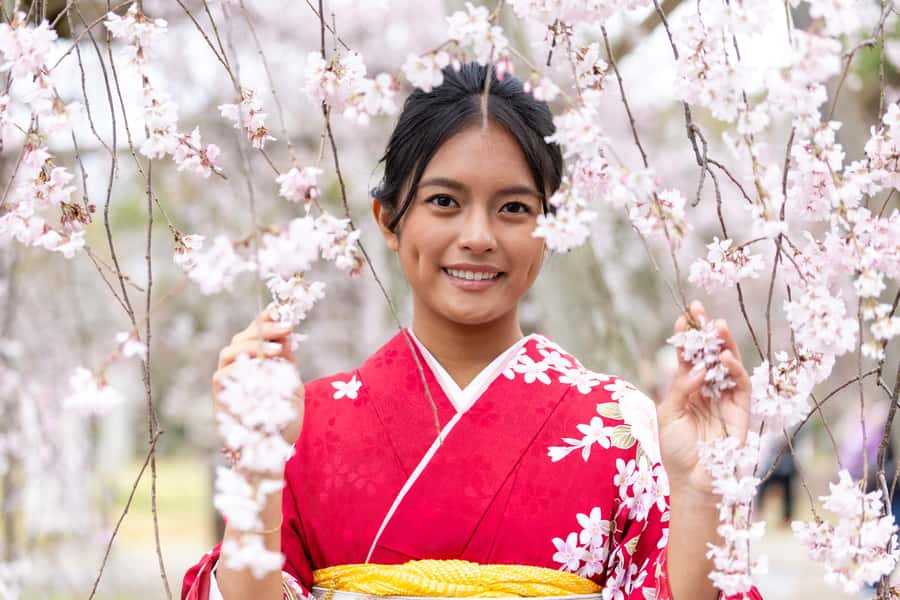
Edited photographs are sent by email about three to seven days after the session. That is the stated target, but you should not treat it as guaranteed.
One customer received only 16 photos, despite expecting more. Another reported waiting over a month without receiving the promised images, after being told to expect about two weeks. These are serious issues because the photographs are a central part of the purchase.
Before leaving the shop, confirm the email address and ask exactly how many edited files are included in your selected package. Keep your booking confirmation and check your spam folder during the delivery period.
If the images are needed for a specific date, such as a birthday, wedding announcement, or return flight, this experience carries some risk. You may still enjoy the dressing and session itself, but the final product is not fully in your hands.
Who will enjoy this Kyoto activity most
I would recommend this for a solo visitor who wants a polished, traditional portrait without arranging a full-day photography service. The one-person format gives the session a personal feel, and the English option makes the basic instructions easier to follow.
It also suits someone who wants both professional photos and a short kimono outing. You get more from the rental than a quick change of clothes because the outfit remains available after the shoot.
Couples and families should check the group limit carefully. The listed booking is limited to one participant, so do not assume that several people can join under the same price. The details provided do not explain how multi-person bookings work.
This is not a good choice if you use a wheelchair, have significant mobility limits, are pregnant, are taller than 200 centimeters, or weigh more than 95 kilograms. The experience also does not allow costume clothing, pets, smoking, food, drinks, or strong fragrances.
English and Japanese are available. Cancellation is free up to 24 hours before the booking, and you can reserve now and pay later, which helps if your Kyoto schedule is still shifting.
My verdict on the machiya photoshoot
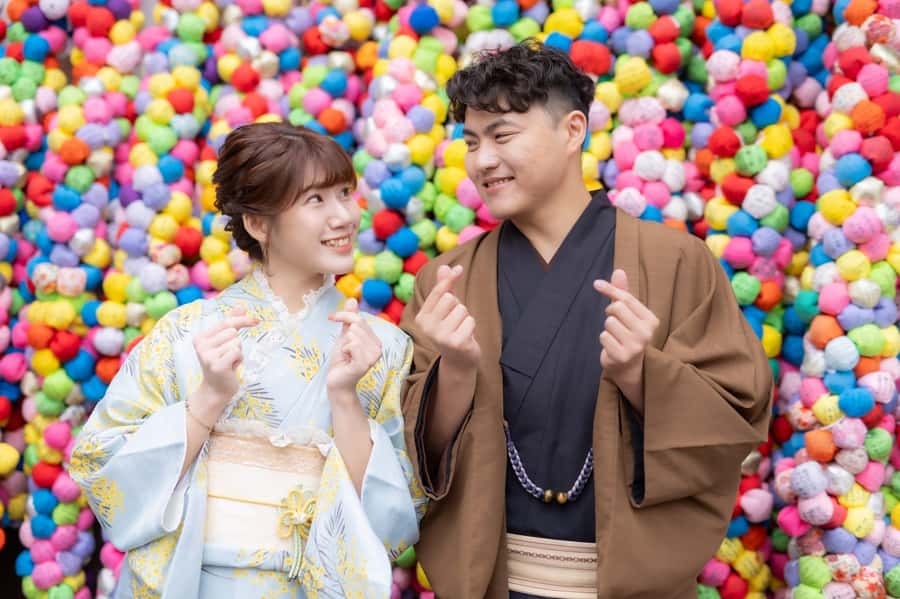
Book this if your priority is a traditional Kyoto portrait in an actual townhouse, with a kimono you can wear afterward. The setting, pose instruction, and private format give it more substance than a quick costume rental.
Before booking, confirm the exact image count and ask how photo delivery is handled. The difference between 50 and 100 files is important, and delayed delivery has caused genuine frustration.
I would choose the standard session for a compact Kyoto day, then spend the remaining time near Kyoto Gosho before returning the kimono. Add formal clothing, hair, or makeup only if the photographs are the main purpose of your trip. If you mainly want casual sightseeing in a kimono, compare the value with a basic rental first.
FAQ
Where does the kimono selection take place?
You select and rent your kimono at the Yumeyakata Gojo Shop in Kyoto.
Where does the photoshoot take place?
The photoshoot takes place at Yumeyakata Oike Bettei, a traditional machiya townhouse near Kyoto Gosho and the Kyoto Imperial Palace area.
How long is the photography session?
The standard photoshoot lasts about 30 minutes. A 30-minute extension is available as an add-on.
Can I wear the kimono around Kyoto afterward?
Yes. You may wear the kimono while sightseeing after the photoshoot, but you must return it to the Gojo Shop by 5:30 PM.
Is transportation included?
No. You arrange and pay for the taxi between the Gojo Shop and the townhouse. The fare is about 1,600 yen per taxi.
How many digital photos are included?
The details state 50 digital images in the included package, while another description refers to 100 images. The extra 50 images are associated with the optional 30-minute extension, so confirm the exact total when booking.
Are hair and makeup included?
Women’s hairstyling, makeup, and a hair accessory are included only if you select those add-ons. Customized hairstyling, fake eyelashes, and some kimono decorations cost extra.
Who cannot take part in this experience?
The activity is not suitable for pregnant women, people with mobility impairments, wheelchair users, people over 200 centimeters tall, or people over 95 kilograms. Pets, smoking, food, drinks, strong fragrances, and costumes are not allowed.
More Photography Tours in Kyoto
More Kimono Experiences in Kyoto
More tours in Kyoto we've reviewed
Kimono Experiences, compared.
 ★ 5.0Kimono Tea Ceremony at Kyoto Maikoya, NISHIKIFrom $65
 ★ 4.8Kyoto: Kimono Rental with Hairstyling and AccessoriesFrom $211 day
 ★ 5.0KYOTO Tea Ceremony with kimono near by Imamiya Jinjya ShrineFrom $99
 ★ 4.2Kimono & Tea Ceremony Experience in a Kyoto Cultural AssetFrom $126
 ★ 4.9Kyoto: Kimono Tea Ceremony with Matcha and SweetFrom $661h 30m
 ★ 4.7Enjoy Kyoto Summer in Traditional Kimono / YukataFrom $29