
Reviewed · TEA CEREMONY EXPERIENCES
Kyoto: Tea Ceremony with Kimono and Photoshoot
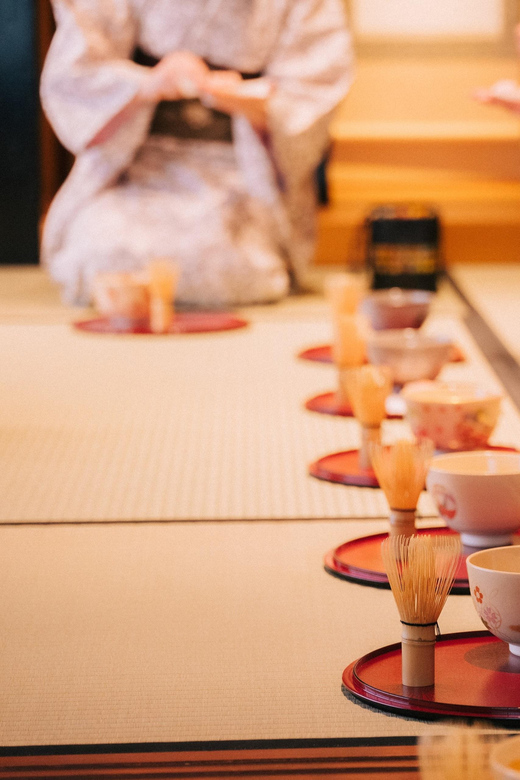
Kyoto’s tea ceremony tradition becomes much easier to appreciate when you are dressed for the part. This 90-minute experience takes you from kimono fitting to an English demonstration, then lets you whisk your own matcha and enjoy it with Japanese sweets. The ceremony is the heart of the visit, not just a backdrop for costume photos.
I like the chance to learn the meaning behind the gestures, including cleansing and blessing the tea, and I like that a professional photographer provides three finished photos. The small group, limited to 10 people, also gives the session a more personal feel. One thing to consider is timing: a 2 PM booking may not enter the tea room until about 3 PM, so do not schedule a tight afternoon plan afterward.
In This Review
- Key points to know before booking
- A proper tea ceremony, not only a dress-up session
- Choosing Nishiki Market or Gion
- Kimono fitting and the first photographs
- Entering the tea room in traditional dress
- Making matcha and tasting Japanese sweets
- The professional photos and your own camera time
- Is $127 a fair price?
- Practical planning for a comfortable visit
- Who will enjoy this Kyoto experience most?
- Should you book the kimono tea ceremony?
- FAQ
- How long does the Kyoto kimono tea ceremony last?
- Where does the experience take place?
- Is the tea ceremony conducted in English?
- What is included in the price?
- Can I wear the kimono outside after the ceremony?
- What information is needed before booking?
- What happens if I arrive late?
Key points to know before booking
- Two Kyoto locations: Choose either the Nishiki Market shop or the Gion shop, and double-check the address before setting out.
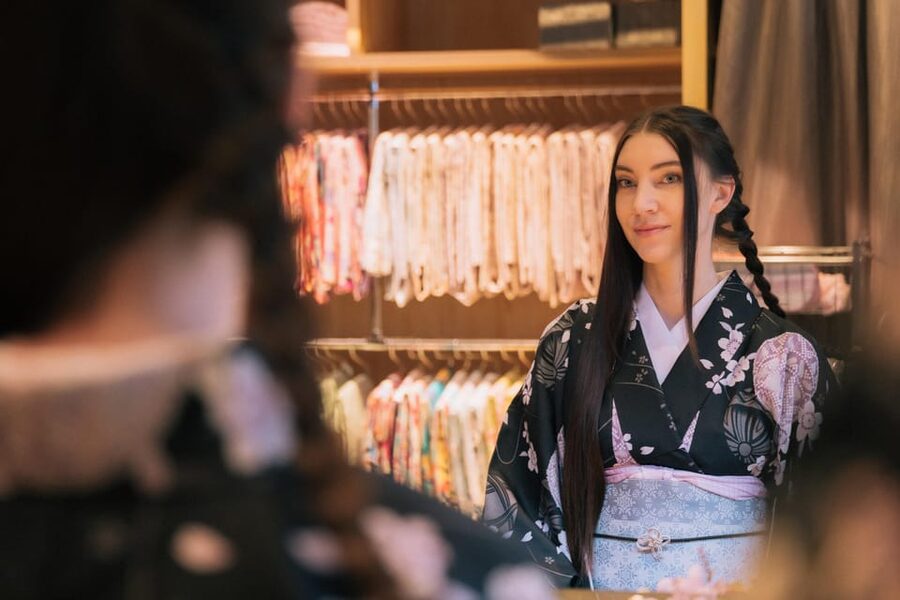
- Kimono fitting comes first: You choose the kimono color, and hair accessories are available for women.
- English tea ceremony: A tea master explains the customs and demonstrates the preparation in a relaxed way.
- You prepare your own matcha: The hands-on portion includes Japanese sweets, so tell the provider about food allergies beforehand.
- Three professional photos included: The photos are sent by email a few hours later, according to the activity details shared by one participant.
- You may stroll outside afterward: Return the kimono by 6 PM at Nishiki Market or 5 PM in Gion.
A proper tea ceremony, not only a dress-up session
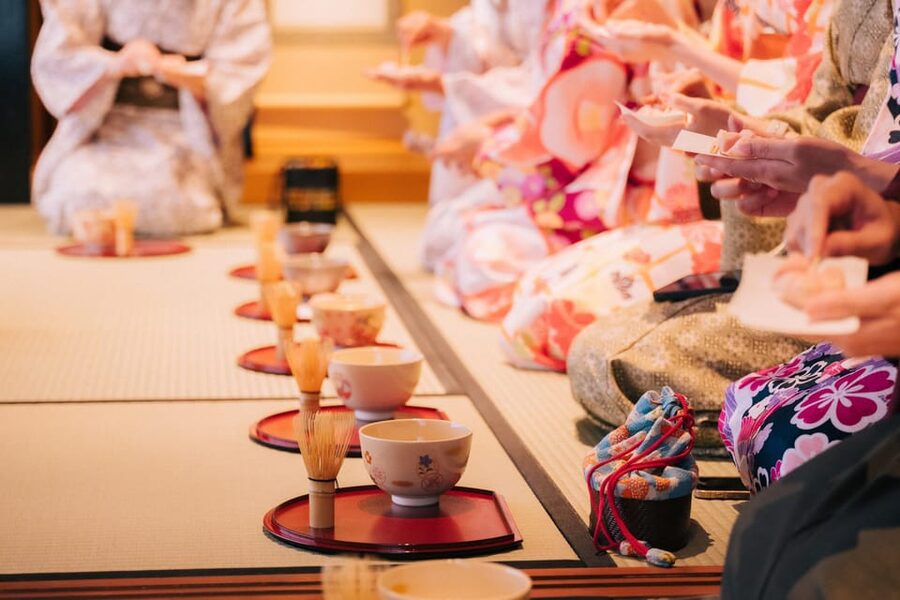
Many Kyoto costume activities begin and end with putting on traditional clothing. This one adds a cultural lesson, which makes the price easier to justify. You are not simply dressed in a kimono for pictures. You also sit through a tea ceremony demonstration in English and learn why the preparation follows such careful steps.
The tea master explains the ceremony in a friendly, relaxed manner. The focus is on understanding the customs rather than memorizing a long list of rules. You will see the preparation and purification process, then make your own matcha and drink it with Japanese sweets.
That balance is important. A formal tea ceremony can feel mysterious if you do not know what is happening. Here, the English instruction gives you a useful framework for the movements, objects, and manners. One guide named Mami has been praised for being kind and clear, and the staff are described as polite and attentive throughout the session.
I would not book this expecting a full-length study of Japanese tea culture. Ninety minutes is enough for an introduction, a fitting, and photographs, but not for a specialist course. For most visitors, that is the point. You get a taste of the tradition without giving up half a day of sightseeing.
A few more Kyoto tours and experiences worth a look
Choosing Nishiki Market or Gion
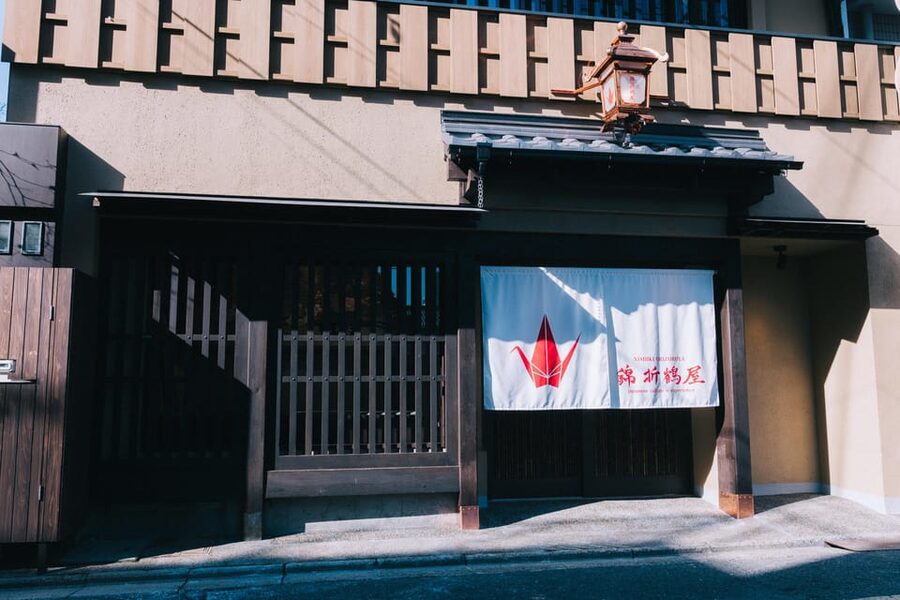
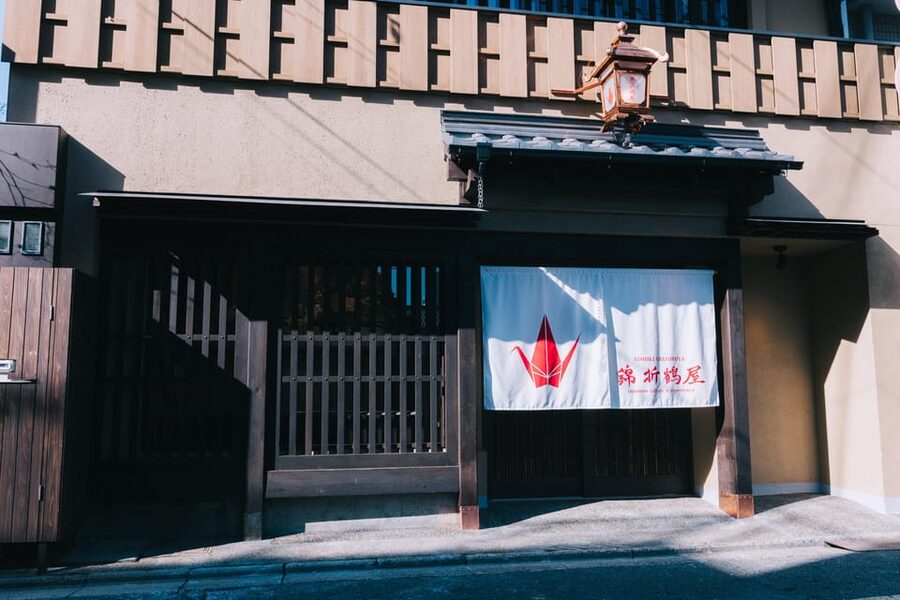
The booking offers two locations: Nishiki Market and Gion. The meeting point depends on the option you select, so this is not a detail to leave until the day of the activity.
Choose carefully. Arriving at the wrong shop means you cannot join the experience, even if you are in the right general part of Kyoto. I would save the exact meeting point on your phone, allow extra time for finding the shop, and aim to arrive well before the scheduled start.
The return times differ:
- Nishiki Market location: return the kimono by 6 PM
- Gion location: return the kimono by 5 PM
That difference matters if you hope to walk around Kyoto afterward. Nishiki Market gives you a later return time, while Gion may suit an earlier afternoon plan. The information provided does not promise a particular outdoor route or photo setting, so think of the stroll as extra time in costume rather than a guided walk.
Both areas are useful bases for sightseeing, but the experience itself takes place at the selected venue. You should not assume you can book one location and attend the other for convenience.
Kimono fitting and the first photographs
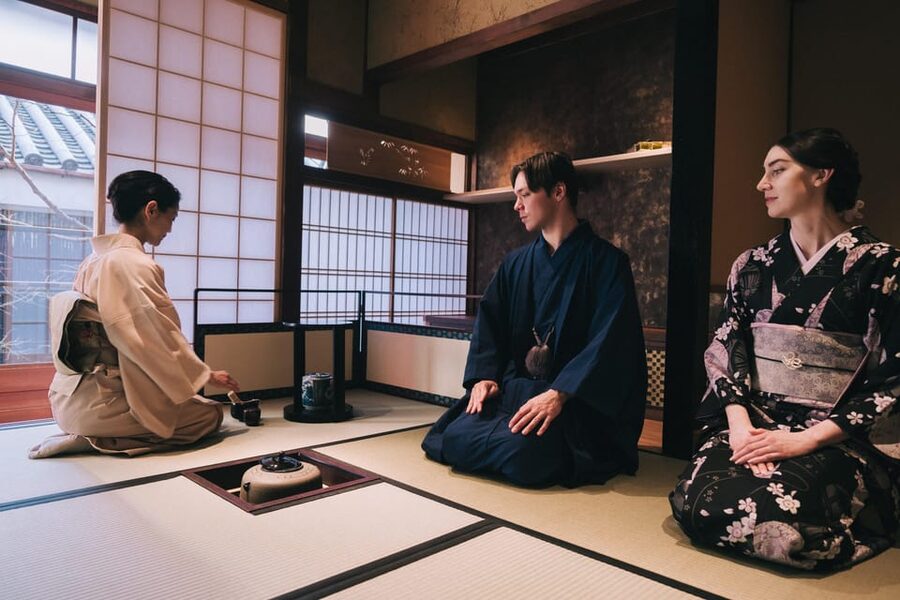
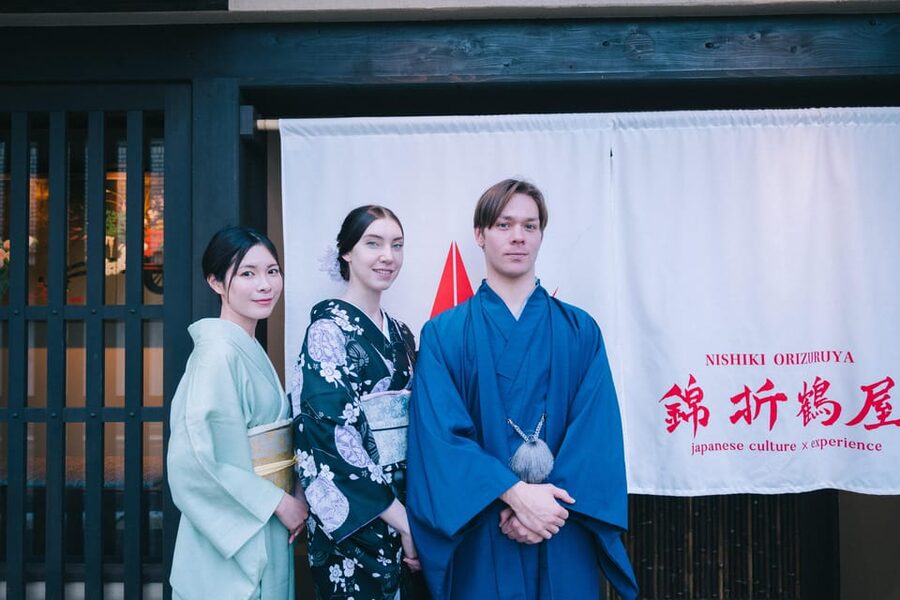
At the shop, you change into a kimono with help from the staff. The provider needs the height and gender of every participant in advance so the correct garments can be prepared. Give accurate information when booking, since this is part of making the fitting run smoothly.
One useful detail is the choice of color. You are not simply handed one outfit without input. A participant also described choosing hair accessories, adding a little personal style to the final look. The fitting is therefore part of the fun, but it is not a quick costume change. Traditional clothing can feel snug and structured, so plan to move at a slower pace once dressed.
After changing, you wait before entering the tea room. This is a good time to take your own pictures. You may also notice a delay between the booked start and the ceremony itself. One person arrived five minutes before a 2 PM reservation but waited until 3 PM for the tea ceremony. That may not happen every time, but it is a useful warning: the advertised 90 minutes describes the activity, not necessarily every minute from the moment you walk through the door.
If you have a full schedule, leave room on both sides of the booking. The strictest rule is lateness. Arriving more than 10 minutes after the start means you cannot join and will not receive a refund.
Entering the tea room in traditional dress
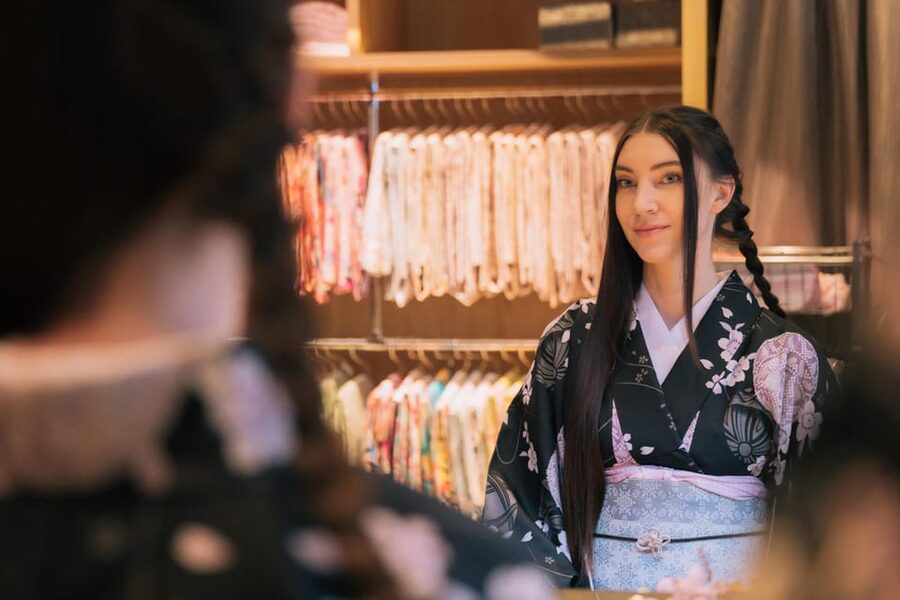
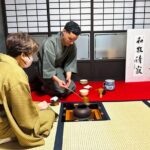
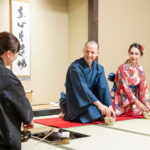
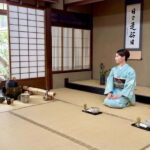
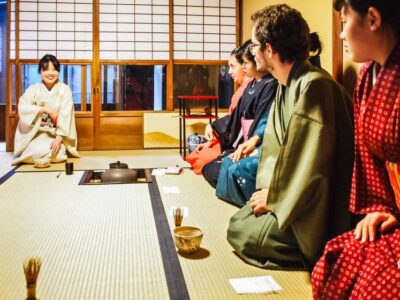
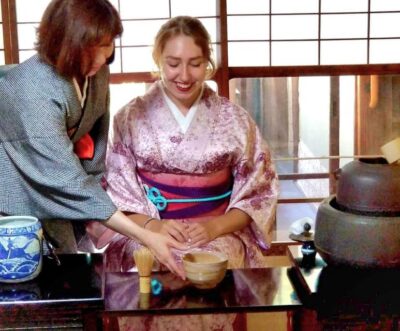
Once everyone is ready, you enter the tea room and watch the tea master demonstrate the ceremony in English. The setting gives the activity its sense of occasion. Even if you know little about Japanese tea customs, the explanation helps you follow the order of events.
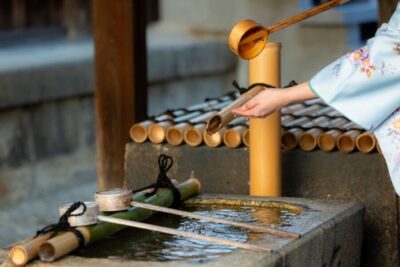
The ceremony includes attention to cleansing and blessing the tea. These gestures may seem small at first, but the explanation shows that the preparation is about care, respect, and concentration, not simply making a hot drink. You are given enough context to understand why the movements are deliberate.
The English instruction is a major strength for visitors who want more than a silent performance. You can listen, watch, and ask yourself how each step fits into the larger ritual. The session is designed to be relaxed, so it should work for first-time participants who might otherwise worry about making a mistake.
Shoes are not allowed indoors, and smoking is not allowed. Wear footwear that you can remove easily and expect to follow indoor Japanese customs. The activity is not suitable for wheelchair users, and children under five cannot take part.
Making matcha and tasting Japanese sweets
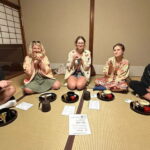
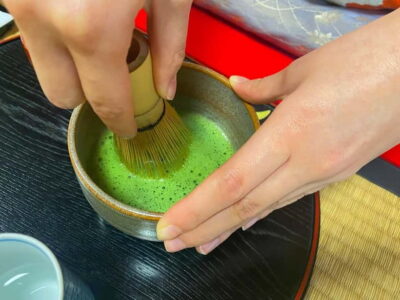
The most hands-on part comes after the demonstration. You prepare your own matcha green tea and drink it with Japanese sweets. This turns the ceremony from something you watch into something you do.
Matcha has a distinct taste that can be unfamiliar, and the sweets provide a traditional partner to the drink. The tasting is modest rather than a full meal, so you should eat beforehand if you need lunch or dinner. Food allergies should be reported in advance.
I like this part because it gives you a small skill to take home. The professional photos preserve the appearance of the experience, but making the tea gives you a memory tied to the process itself. You are more likely to recall the sound of whisking and the careful preparation than another quick snapshot in a costume.
The group size is limited to 10 people. That is still large enough for a shared activity, but small enough to keep the demonstration from feeling like a stage show for a crowd. The precise amount of personal instruction can vary, especially if the group is full.
A few more Kyoto tours and experiences worth a look
The professional photos and your own camera time
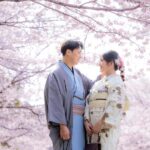
Three photos taken by a professional photographer are included. This is one of the clearest advantages over a basic kimono rental. You do not have to depend entirely on a companion’s phone skills, and you leave with finished images of the experience.
The photos are sent by email a few hours later, based on the stated timing for the activity. Make sure the email address you provide is correct and check your inbox later that day. The supplied information does not specify the exact background, poses, or editing style, so do not book this as a full fashion shoot.
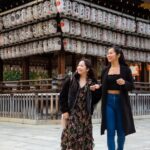
You also have time to take your own photos. The waiting area can be used for personal pictures, and you may go outside in the kimono after the ceremony if you return the clothing by the required deadline. This gives you more freedom than a tightly controlled photo session.
Keep track of time once you leave the shop. You are responsible for returning the kimono on time, by 6 PM at Nishiki Market or 5 PM at Gion. The kimono is part of the booked experience, not a garment you keep for the rest of the day.
Is $127 a fair price?
At $127 per person, this is not Kyoto’s cheapest kimono activity. The value comes from combining several services in one short booking: kimono dressing, an English tea ceremony demonstration, matcha and sweets, professional assistance, and three photos.
If you only want to wear a kimono and walk around for pictures, a simple rental may cost less and give you more time outside. If you want a cultural explanation as well, this activity offers more substance. You avoid arranging a separate dressing appointment, tea lesson, and photo session.
The 90-minute duration is both a strength and a limit. It fits neatly into a busy Kyoto day, especially near central sightseeing areas. On the other hand, the fitting, waiting period, ceremony, tasting, and pictures all compete for that time. A delayed start can make the schedule feel longer, so leave open space around it.
I see the best value for a first visit to Japan, a couple wanting matching holiday photos, or anyone who prefers a guided introduction instead of trying to understand tea customs alone. It is less useful for someone who has already taken a formal tea course or wants a long, highly ceremonial sitting.
Practical planning for a comfortable visit
Send the required height and gender information for all participants before arriving. This helps the shop prepare the kimono set and avoids a slower start.
Arrive early. The 10-minute late cutoff is strict, and the wrong location means you cannot take part. I would plan to reach the neighborhood with enough time to find the shop, rather than stepping off transport at the last possible minute.
Wear shoes that come off easily. Shoes are not permitted indoors, and you may be standing or walking in clothing that feels less familiar than your usual outfit. Choose comfort over complicated straps.
Tell the provider about allergies before the activity. Matcha and sweets are included, but the available alternatives are not stated, so advance notice is important.
The activity is available in English and is limited to 10 participants. It is not available as tea ceremony only or kimono dressing only. You must book the combined experience rather than selecting just one element.
Free cancellation is available up to 24 hours before the activity for a full refund. You can also reserve now and pay later, which is useful when your Kyoto schedule is still changing.
Who will enjoy this Kyoto experience most?
This is a strong choice if you want a clear introduction to Japanese customs without committing to a long formal ceremony. The English explanation, friendly staff, and hands-on matcha preparation make it approachable.
It suits solo visitors, couples, and small groups who want professional photos without arranging a separate photographer. It also works well for people who enjoy clothes, food, and cultural demonstrations in equal measure.
I would be cautious if you dislike structured clothing, have difficulty removing shoes, need wheelchair access, or cannot arrive early. Young children under five are not permitted, and the activity is not designed as a drop-in costume rental.
You should also decide how important outdoor time is. The chance to stroll in the kimono is appealing, but you must return it by a fixed hour, and the Gion deadline is earlier than the Nishiki Market deadline.
Should you book the kimono tea ceremony?
I would book it if you want three things in one compact Kyoto activity: a kimono fitting, a real explanation of tea ceremony customs, and polished photos to take home. The staff attention, English instruction, and chance to prepare your own matcha make this more useful than a dress-up appointment alone.
Book with care. Pick the correct location, submit accurate participant details, report allergies, and build in extra time in case the ceremony begins later than expected. If you want a long tea lesson or several hours wandering outdoors, choose a different format. For a short, well-organized cultural introduction with a strong photo component, this is a worthwhile Kyoto option.
FAQ
How long does the Kyoto kimono tea ceremony last?
The activity lasts 90 minutes. You should still allow extra time around the booking because one participant experienced a delay before entering the tea ceremony.
Where does the experience take place?
You can choose between a Nishiki Market location and a Gion location. The meeting point varies by the option you book, and you must arrive at the correct shop.
Is the tea ceremony conducted in English?
Yes. An English-speaking tea master demonstrates the ceremony and explains the customs in a relaxed way.
What is included in the price?
The experience includes kimono dressing, an English tea ceremony demonstration, matcha green tea, Japanese sweets, and three photos taken by a professional photographer.
Can I wear the kimono outside after the ceremony?
Yes. You may stroll outside in the kimono after the tea ceremony, but you must return it by 6 PM at the Nishiki Market location or 5 PM at the Gion location.
What information is needed before booking?
The provider needs the height and gender of every participant in advance so a kimono set can be prepared. You should also report any food allergies before the activity.
What happens if I arrive late?
If you arrive more than 10 minutes after the scheduled starting time, you cannot join the activity and no refund is available. You should also verify the location carefully because arriving at the wrong shop means you cannot participate.
More Photography Tours in Kyoto
More Kimono Experiences in Kyoto
More Tea Ceremony Experiences in Kyoto
More tours in Kyoto we've reviewed




Tea Ceremony Experiences, compared.
 ★ 4.9Kyoto: Tea Ceremony in a Traditional Tea House in KiyomizuFrom $4945 min
 ★ 4.9Kyoto: Tea Ceremony Ju-An at Jotokuji TempleFrom $291h 10m
 ★ 4.3Kyoto: 45-Minute Tea Ceremony Lesson ExperienceFrom $2245 min
 ★ 5.0World Heritage Kyoto & Nara Uji Authentic Matcha ExperienceFrom $129
 ★ 4.9Kyoto: Table-Style Tea Ceremony at a Kyo-MachiyaFrom $451h 30m
 ★ 5.0Kimono Tea Ceremony at Kyoto Maikoya, NISHIKIFrom $65