
Reviewed · TEA CEREMONY EXPERIENCES
Kyoto: Kimono Tea Ceremony with Matcha and Sweet
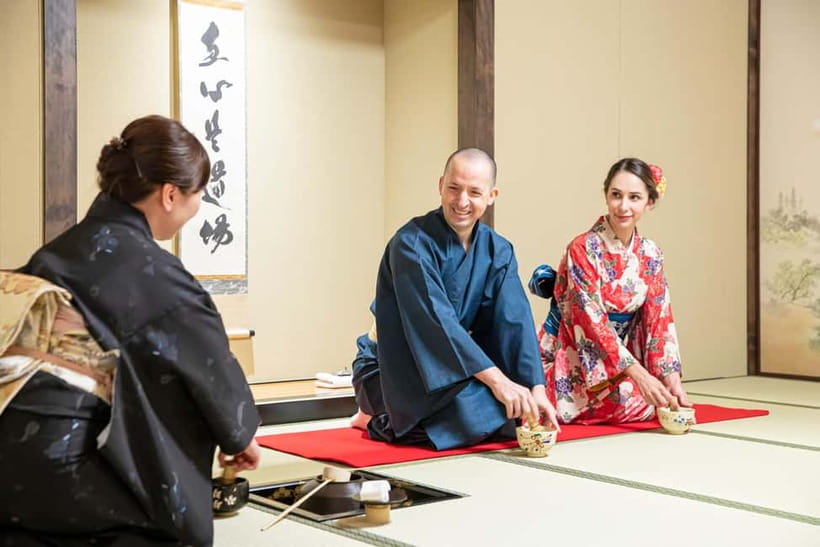
Kyoto’s kimono tea ceremony gives you two cultural experiences in one: first, you are dressed in traditional clothing, then you enter a tea room to learn how matcha is prepared and served. The ritual is explained in English, so you understand what each movement means rather than simply watching in silence.
I like the choice of kimonos and the patient dressing help, especially for first-time visitors. I also like that you make your own bowl of matcha and taste seasonal wagashi, instead of only sitting back while someone else performs the ceremony.
The main consideration is that this is a cultural workshop as much as a formal ceremony. You will prepare your own tea, and the group may include about 12 to 14 people. If you want a very private, highly formal tea gathering, this may feel more social and introductory than intimate.
In This Review
- Key points to know before booking
- Starting with the kimono fitting
- Entering the tea room
- Learning the ritual from an English-speaking tea master
- Making your own bowl of matcha
- Tasting seasonal wagashi
- What the 90-minute schedule feels like
- Is $66 a fair price?
- The main drawbacks to consider
- Who will enjoy this Kyoto experience most?
- Should you book the kimono tea ceremony?
- FAQ
- How long does the Kyoto kimono tea ceremony last?
- What is included in the price?
- Is the activity conducted in English?
- Do I get to choose my kimono?
- Is hair styling included?
- Do I have to sit on a tatami mat?
- Can children join the experience?
- How many people are in each session?
- Is transportation to the venue included?
- Can I cancel for a full refund?
Key points to know before booking
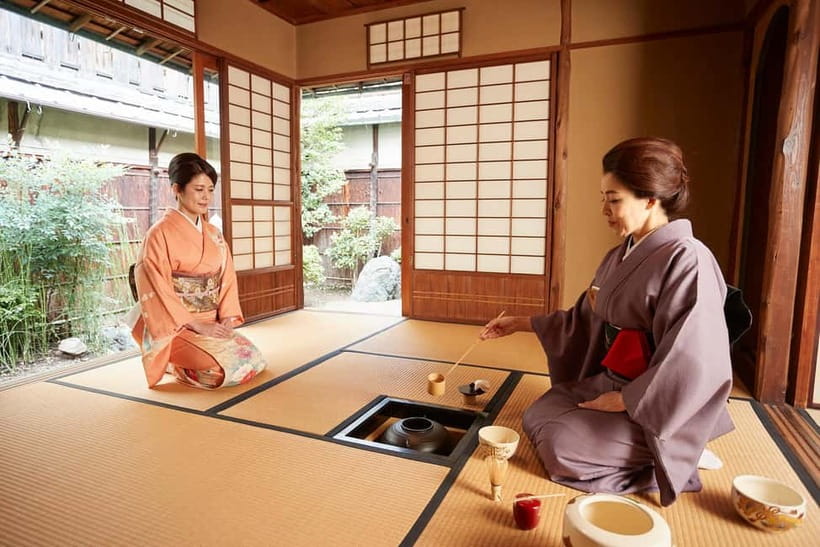
- Choose your own kimono: Staff help with the dressing, obi, socks, and finishing touches, with many styles and sizes available.
- English guidance throughout: The tea master explains the tools, movements, etiquette, and background in clear English.
- Make your own matcha: You learn the basic whisking process and prepare a bowl with premium matcha powder.
- Seasonal wagashi included: The Japanese sweets change in flavor, color, and shape as the seasons change.
- Tatami or bamboo chair: Sitting on the floor is customary, but chairs can be requested in advance.
- Plan for more than 90 minutes: The listed duration is 90 minutes, but the full experience can run from 90 to 120 minutes.
Starting with the kimono fitting
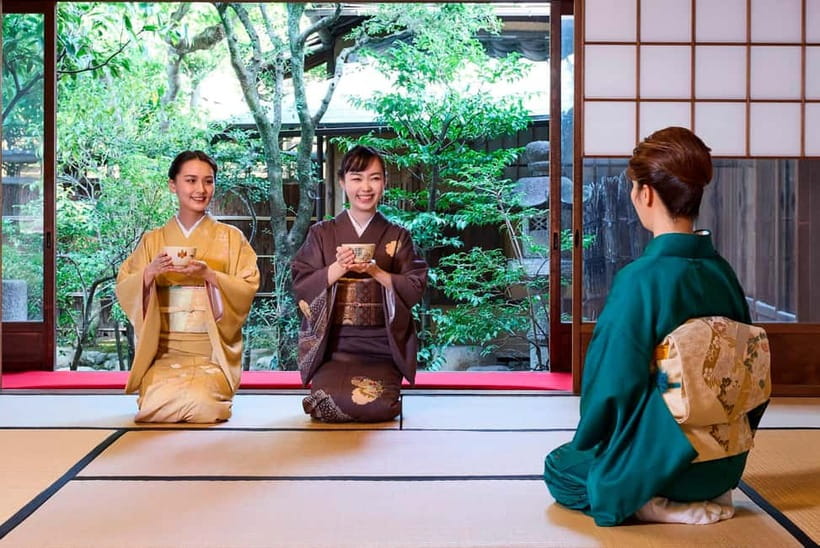
The experience begins with the kimono, not the tea. This is a smart order because the dressing takes time, and the clothing sets the tone for everything that follows.
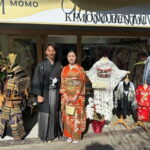
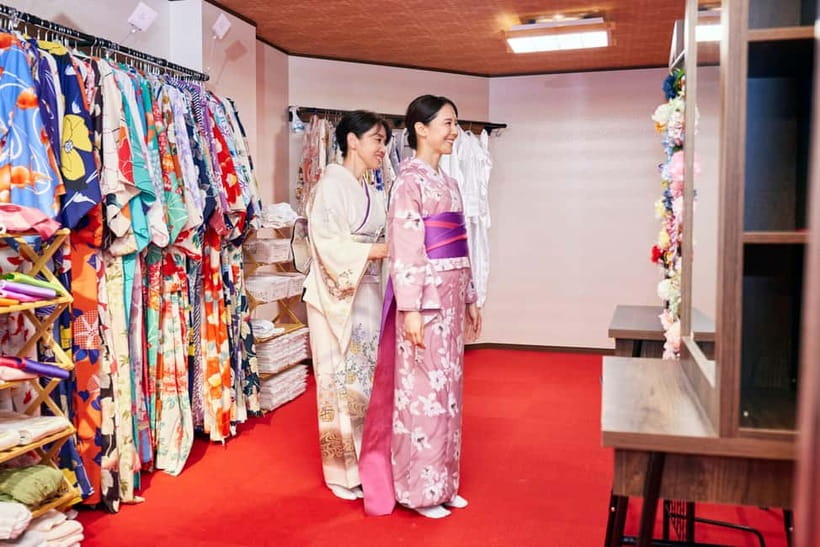
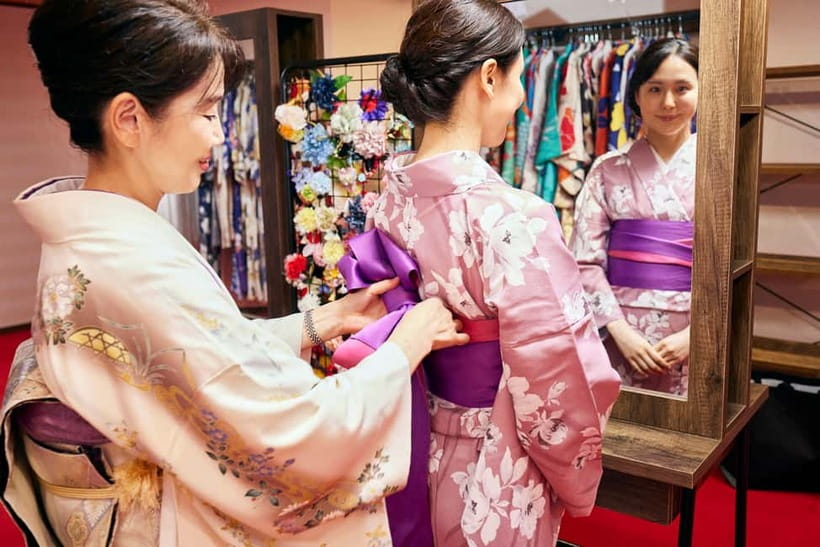
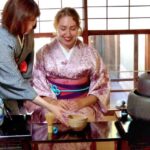
You choose from a selection of kimonos, then staff help you put on the layers and secure the obi, the broad sash worn around the waist. The fitting is meant for visitors, so you do not need to know how to dress yourself. The staff handle the precise work while you choose the colors and patterns you prefer.
Women with long hair can also receive hair styling. The finishing touches may include decorative flowers, and one useful detail is that the outfit is not treated as something you put on for only a few minutes. Some sessions allow you to wear the kimono for up to two hours after the ceremony, giving you time for photographs nearby.
I would arrive with your hair and makeup mostly ready. One participant found the dressing process quick enough that there was not much time left for makeup afterward. You may also want to wear simple clothing underneath, since the kimono is fitted over your own clothes.
The fitting is not a fashion lecture, and you should not expect a full explanation of every part of the garment. Its value is practical: you get dressed properly, look the part, and gain a better sense of how much care goes into traditional Japanese clothing.
A few more Kyoto tours and experiences worth a look
Entering the tea room
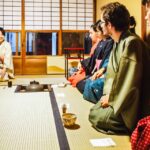
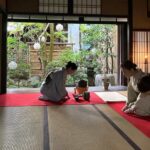
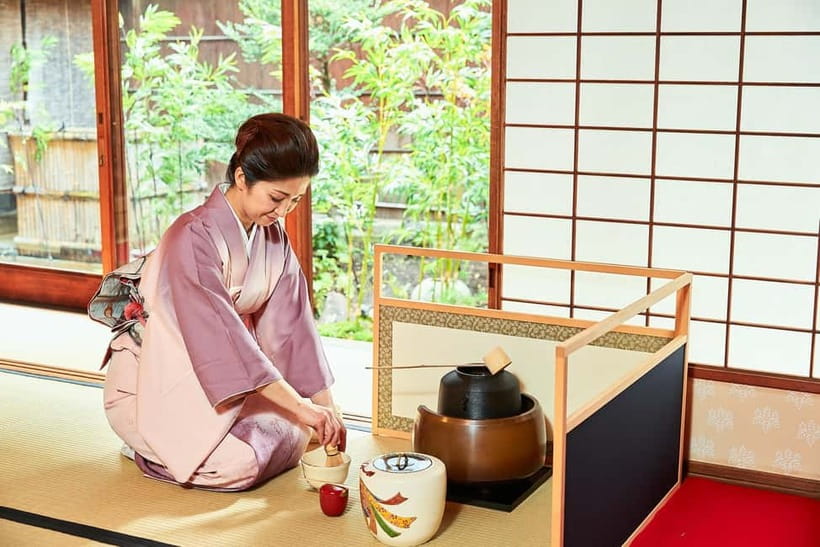
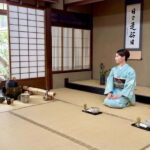
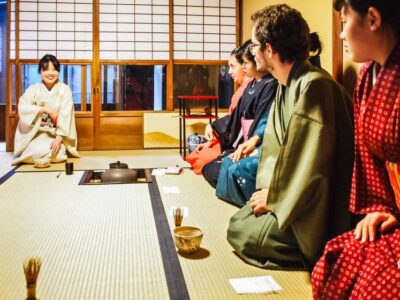
Once dressed, you move into a traditional tea room where the utensils are arranged for the ceremony. The setting uses tatami mats, which gives the experience a clear connection to Japanese custom.
Sitting on tatami can be uncomfortable if you have stiff knees, limited mobility, or simply are not used to sitting on the floor. Bamboo chairs are available by advance request, so ask for one when booking rather than waiting until you arrive. You can also sit in the way that feels manageable, since comfort is given priority.
This small point matters. A tea ceremony is supposed to encourage calm attention, not leave you focused on aching legs. If you need a chair, request it early and make sure the venue has noted it.
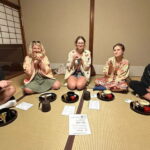
The group size is usually expected to be about 12 to 14 people because bookings from different platforms are combined. That is not a private ceremony. Still, the actual feel can vary by session, and some scheduled groups have been much smaller. If you want the quietest setting, an off-peak time may be worth considering, though no private group is promised.
Learning the ritual from an English-speaking tea master
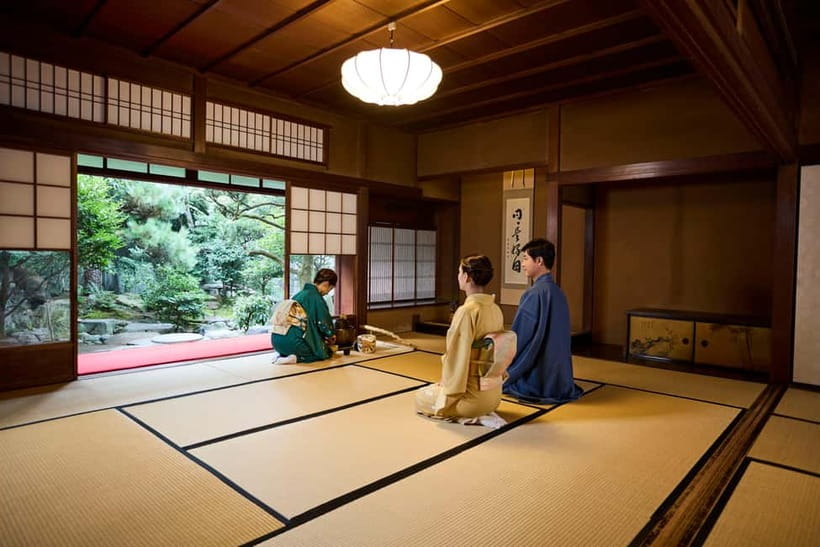
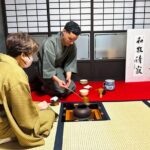
The tea master leads you through the ceremony and explains the purpose of the tools, the order of the movements, and the customs behind them. English guidance is included, and the hosts are used to speaking with an international audience.
The teaching style is important here. The goal is not to test you on Japanese etiquette. Instead, you learn why the bowl, scoop, whisk, and tea powder are handled in a careful sequence. Hosts such as Maki and Megumi have been praised for speaking clearly, moving at a comfortable pace, and encouraging participation.
You will hear about four ideas linked to the tea ceremony:
- Wa, harmony: creating a peaceful relationship between the people in the room
- Kei, respect: showing care toward the host, other participants, utensils, and setting
- Sei, purity: keeping the space and mind clear
- Jaku, tranquility: reaching a calm state through the ritual
These principles give the activity more weight than a simple costume session followed by a cup of green tea. The clothing, movements, quiet room, and shared sweets all become parts of one carefully ordered experience.
The ceremony is also a useful introduction to the idea of 一期一会, often translated as one time, one meeting. The phrase points to the value of treating each gathering as a unique moment. You do not need prior knowledge to appreciate the idea, but the explanation helps you notice the care in each step.
Making your own bowl of matcha
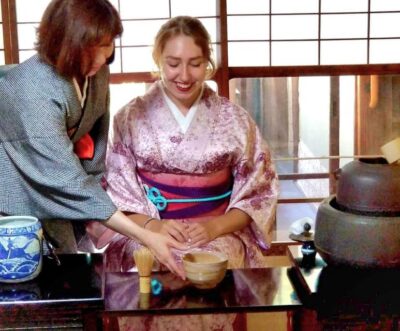
After watching the tea master, you prepare your own matcha using high-quality matcha powder. This hands-on part is likely to be the most enjoyable section for many people because you are not just receiving a demonstration.
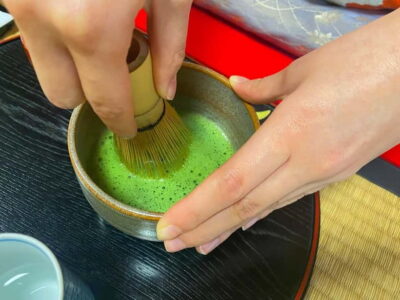
Matcha is whisked into hot water rather than steeped like ordinary tea. The whisking creates the familiar layer of foam, and the technique takes a little practice. You will be guided through the process, so a first attempt that is not perfectly frothy is part of the fun.
The activity does not present you as a trained tea practitioner. It gives you a controlled, friendly way to try the basic movements and understand the work involved. One practical benefit is that you leave with a clearer idea of why matcha has a different texture, taste, and preparation method from regular green tea.
If you strongly dislike powdered green tea, keep in mind that matcha has a concentrated flavor that can be grassy or bitter. The wagashi helps balance it. The sweets are not just a snack placed beside the tea. In Japanese tea practice, a small sweet prepares your palate for the tea and adds color and seasonality to the presentation.
Tasting seasonal wagashi
The wagashi changes with the season, including its flavor, color, and design. That means the sweet served during your visit may not be the same one offered at another time of year.
This is one of the details I value most. A fixed souvenir-style sweet would be easy to plan, but seasonal wagashi connects the activity to the Japanese habit of noticing the time of year. The design is often as important as the taste, and it gives you another detail to look at while the tea master explains the ritual.
The portion is part of a tea service, not a dessert course. If you are hungry, eat beforehand. The experience is designed around matcha, sweets, clothing, and instruction rather than a full meal.
A few more Kyoto tours and experiences worth a look
What the 90-minute schedule feels like
The advertised duration is 90 minutes, though the full visit may last 90 to 120 minutes. The extra time can matter because the experience starts with dressing, not with the first explanation in the tea room.
A typical flow is:
- Select a kimono and receive assistance with dressing.
- Add hair styling if you are a woman with long hair.
- Take photographs in the outfit before or after the ceremony.
- Enter the tea room and learn about the utensils and customs.
- Watch the tea master prepare matcha.
- Prepare your own bowl of matcha.
- Eat the seasonal wagashi and discuss the meaning of the ceremony.
You should avoid scheduling a train, restaurant reservation, or major attraction immediately afterward. The stated timing is clear enough for a flexible morning or afternoon, but not ideal for a tight itinerary.
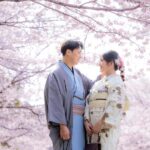
Photography is part of the appeal. You can take pictures in the kimono, and the venue or nearby area offers places suited to photographs. One useful tip from the experience is to consider a professional selfie studio down the road if you want more polished images. That would be an extra activity, not part of the $66 price.
Is $66 a fair price?
At $66 per person, the value depends on what you want from a Kyoto cultural activity. You are paying for more than a cup of tea: the price includes kimono dressing, the tea ceremony, hands-on matcha preparation, wagashi, bilingual staff assistance, and hair styling for women with long hair.
The kimono is the feature that makes the price easier to justify. A basic tea demonstration alone might feel brief, but adding the fitting, photographs, and cultural explanation gives you a fuller 90-minute visit. If you are already planning to rent a kimono elsewhere, compare the costs carefully. The advantage here is that the outfit and tea lesson are arranged together.
The activity is also useful early in a Kyoto trip. It gives you context for Japanese manners, seasonal presentation, and traditional clothing before you visit temples, gardens, or historic districts. You will not become an expert in tea ceremony in one session, but you will recognize more of the ritual and see it with greater respect.
Transportation is not included, so you need to make your own way to the venue. That is normal for a short city activity, but include local transport in your budget.
The main drawbacks to consider
The experience has a few limits that are worth weighing honestly.
First, the ceremony is designed for international visitors and includes a practical matcha workshop. Someone seeking a completely silent, formal ceremony performed only by a tea master may prefer a more specialized setting.
Second, the group may be larger than the phrase small group suggests. About 12 to 14 participants can make it harder to ask long personal questions or take uninterrupted photographs. The benefit is that the session has a friendly, relaxed energy, and the hosts are accustomed to keeping everyone involved.
Third, the kimono can feel restrictive after a while. That is part of wearing the clothing properly, but it may be tiring if you have mobility concerns. Request a bamboo chair in advance if sitting on tatami is difficult.
Finally, children under seven are not permitted. Families with older children can take part, and the activity can work well for couples, relatives, or a whole family group.
Who will enjoy this Kyoto experience most?
I would recommend it to first-time visitors who want a clear introduction to Japanese tea culture without needing Japanese language skills. It is also a strong choice if you want photographs in a kimono but would like the outfit to have cultural purpose rather than being only a dress-up rental.
Couples often have a good reason to choose it, especially if one person wants to surprise the other with the kimono fitting. It also suits parents with children aged seven and above, provided everyone can sit comfortably and follow a quiet presentation.
You should think twice if your priority is a private ceremony, a long academic discussion of tea practice, or a substantial meal. This is a welcoming cultural activity with instruction and participation. Its strength is the balance of clothing, ritual, tea, and seasonal sweets.
The overall rating is 4.9 from 249 reviews, and the praise is especially consistent in three areas: the friendly staff, the quality of the kimono fitting, and the clear explanations during the tea ceremony. Those are the parts that shape the experience most, and they are also the reasons I would place it high on a first Kyoto itinerary.
Should you book the kimono tea ceremony?
Book it if you want to wear a kimono, learn the meaning behind a tea ceremony, and make matcha yourself in one compact activity. The $66 price is reasonable when you count the clothing, dressing help, hair styling for eligible participants, tea, sweets, and English instruction.
Before booking, request a bamboo chair if needed, leave room in your schedule for up to two hours, and remember that transportation is separate. If you prefer a private and highly formal ceremony, choose another format. For most visitors seeking a friendly, well-organized introduction to Kyoto customs, this is a practical and memorable pick.
FAQ
How long does the Kyoto kimono tea ceremony last?
The listed duration is 90 minutes, but the tea ceremony and dressing process can take about 90 to 120 minutes in total.
What is included in the price?
The price includes kimono dressing, a traditional tea ceremony led by a tea master, hands-on matcha preparation, Japanese sweets, bilingual staff assistance, and hair styling for women with long hair.
Is the activity conducted in English?
Yes. English instruction is provided throughout the experience.
Do I get to choose my kimono?
Yes. You choose a kimono from the available selection, and staff assist you with dressing and the obi.
Is hair styling included?
Hair styling is included for women with long hair.
Do I have to sit on a tatami mat?
Tatami seating is customary, but bamboo chairs are available for people who request them in advance.
Can children join the experience?
Children under seven are not allowed to participate.
How many people are in each session?
Bookings from different sites are combined, so a session generally has about 12 to 14 participants.
Is transportation to the venue included?
No. You are responsible for transportation to and from the venue.
Can I cancel for a full refund?
Yes. You can cancel up to 24 hours in advance for a full refund. You can also reserve now and pay later, which keeps your plans flexible.
More Kimono Experiences in Kyoto
More Tea Ceremony Experiences in Kyoto
More tours in Kyoto we've reviewed







Tea Ceremony Experiences, compared.
 ★ 4.9Kyoto: Tea Ceremony in a Traditional Tea House in KiyomizuFrom $4945 min
 ★ 4.9Kyoto: Tea Ceremony Ju-An at Jotokuji TempleFrom $291h 10m
 ★ 4.3Kyoto: 45-Minute Tea Ceremony Lesson ExperienceFrom $2245 min
 ★ 5.0World Heritage Kyoto & Nara Uji Authentic Matcha ExperienceFrom $129
 ★ 4.9Kyoto: Table-Style Tea Ceremony at a Kyo-MachiyaFrom $451h 30m
 ★ 5.0Kimono Tea Ceremony at Kyoto Maikoya, NISHIKIFrom $65