
Reviewed · TEA CEREMONY EXPERIENCES
KYOTO Tea Ceremony with kimono near by Imamiya Jinjya Shrine
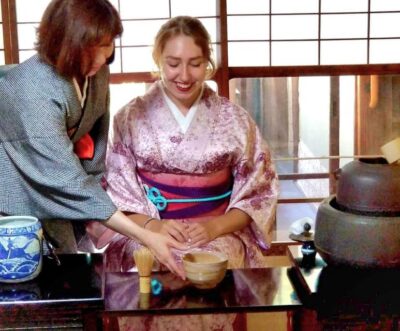
The most memorable part of this Kyoto experience is not simply drinking matcha. It is the careful process of choosing a Nishijin kimono, having it fastened layer by layer, and then entering the tea room dressed for the occasion. The setting near Daitoku-ji and Imamiya Jinjya Shrine gives the activity a fitting sense of place.
I like the patient explanation of tea manners, and I like that you do more than watch: you prepare a cup yourself. The main consideration is time. Ninety minutes passes quickly, and dressing, hair styling, photos, translation, and ceremony all share that window. Arrive ready to focus rather than rush.
In This Review
- Key points at a glance
- Choosing a kimono in Nishijin
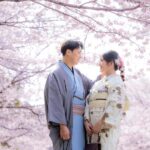
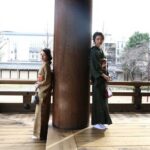
- Hair styling, accessories, and the photo session
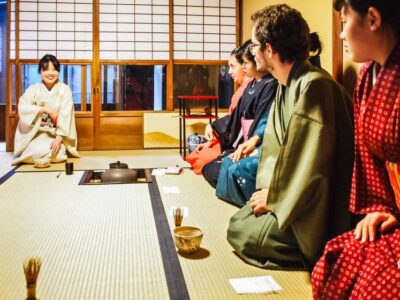
- Entering a tea room used for three generations
- Watching a tea master with three decades of practice
- Seasonal sweets and the first bowl of tea
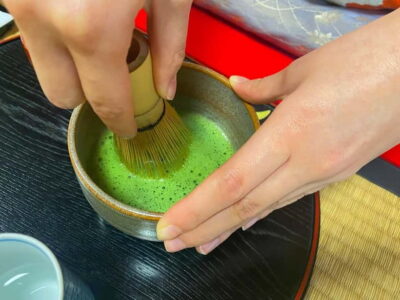
- Preparing your own matcha
- Why the kimono changes the experience
- Group size, pacing, and the real value of the price
- Who will enjoy this most
- Practical details before you book
- Should you book the Caren tea ceremony?
- FAQ
- How long does the tea ceremony experience last?
- Where does the activity begin and end?
- Is kimono rental included?
- Is hair styling included?
- Will I be able to take photographs?
- Can I prepare tea myself?
- How many people can join the activity?
- What is the cancellation policy?
Key points at a glance
- Traditional kimono dressing: Choose from a broad selection of colors and patterns, then receive help with the layered dressing process.
- Hair styling and photos: Women can have their hair arranged, and the staff help create memorable portraits before the ceremony.
- Tea master with 30 years of study: Watch a formal demonstration, then learn the meaning behind the movements and manners.
- Hands-on matcha preparation: You have the chance to whisk tea and serve it to another person.
- Small-group setting: The group is limited to 12 people, allowing room for questions and individual turns.
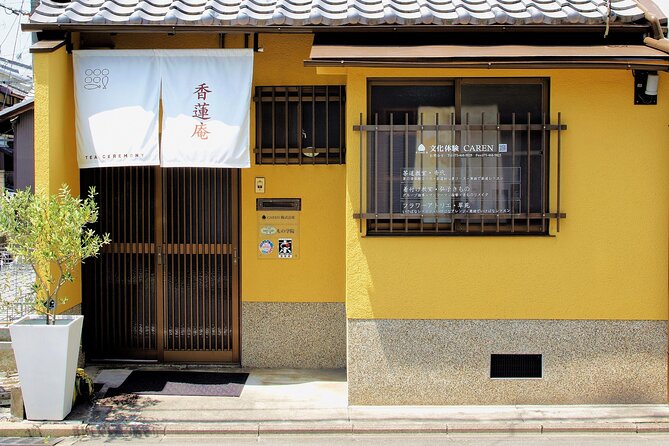
- Convenient cultural stop: The meeting point is at Tea Ceremony Caren, 74-4 Murasakino Daitokujicho, near public transportation and the Daitoku-ji area.
Choosing a kimono in Nishijin
Your visit begins at Tea Ceremony Caren, where you select a kimono from the collection. The choice is part of the fun, but you should be prepared to decide fairly quickly. If you already know whether you prefer bright colors, soft colors, floral patterns, or simpler designs, the dressing process will move more smoothly.
This is not a costume handed to you for a quick picture. The clothing is put on in several layers, with staff members adjusting each part. That detail matters. You begin to understand that wearing a kimono is a practiced skill, not just a matter of slipping into a robe.
The clothing can also change how you move. You will likely walk more carefully and sit with greater awareness. That is useful preparation for the tea ceremony, where posture, hand placement, and measured movements carry meaning.
The activity welcomes men and women. Several people have particularly appreciated that the staff dress everyone, not just women, and make the process feel complete for the whole group. If you are visiting with family, this works well as a shared activity rather than a separate photo session for one person.
A few more Kyoto tours and experiences worth a look
Hair styling, accessories, and the photo session
After selecting your kimono, the staff help arrange your hair. Hair styling is included for women, and it is done as part of the same efficient preparation. The best practical tip is to arrive with a general color choice in mind. The staff work quickly, especially if several people arrive at once.
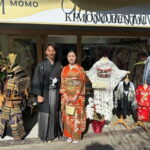
You then have time for photographs. This portion is more useful than a quick snapshot because the staff help with posing and make sure your kimono is sitting properly. The interpreter, identified as Akira in the experience, also assists with explanations and photos.
The photo session gives you a chance to enjoy the clothing before sitting formally in the tea room. It also helps settle first-time nerves. Many people worry that dressing up for a tea ceremony will feel silly or too staged. The careful fitting, hair arrangement, and traditional setting make the clothing feel connected to the activity instead of tacked on for decoration.
Still, keep your expectations sensible. This is a simple photo opportunity rather than a long professional portrait shoot. If taking pictures is your main goal, you may want to allow extra time elsewhere in Kyoto for more casual photos after the tour.
Entering a tea room used for three generations
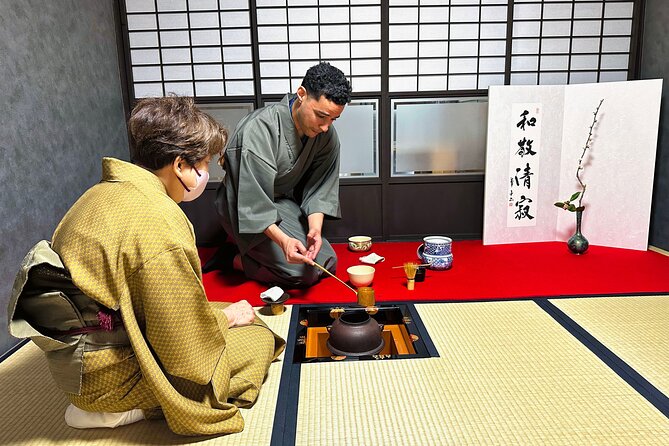
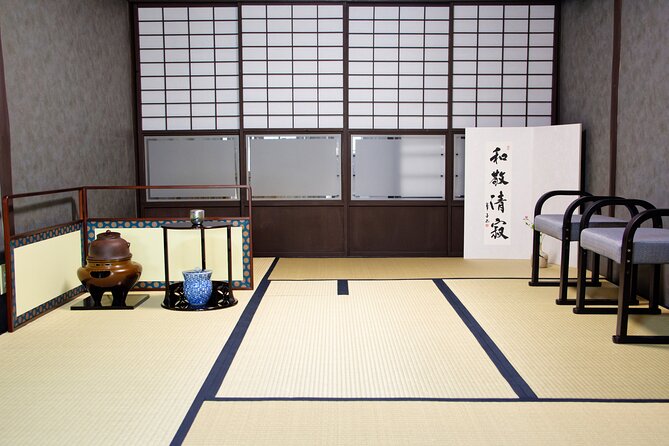
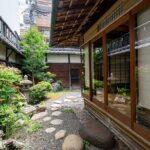
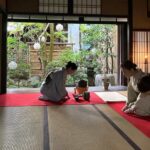
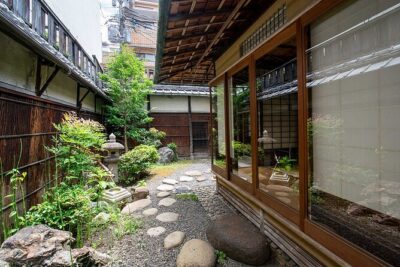
The tea room has been used by three generations, and its age is part of its character. You should expect an older, traditional space rather than a polished modern venue. That may mean the room feels modest, but it also gives the ceremony a stronger link to everyday continuity.
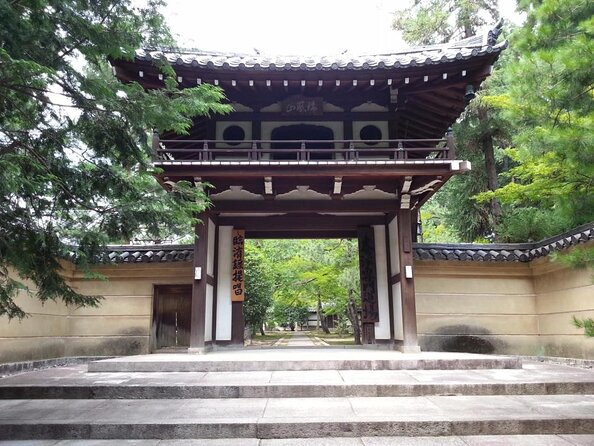
The location is near Daitoku-ji, an area closely tied to Kyoto’s tea culture. Imamiya Jinjya Shrine is also identified with the meeting area. No private transportation is included, so plan your route to the address in advance. The meeting point is near public transportation, but you should not assume that a car or shuttle will collect you.
The surroundings make this a good addition to a north Kyoto day. You can pair it with nearby sights if your schedule allows, but avoid booking another tightly timed activity immediately afterward. The dressing process and ceremony deserve a little breathing room.
Watching a tea master with three decades of practice
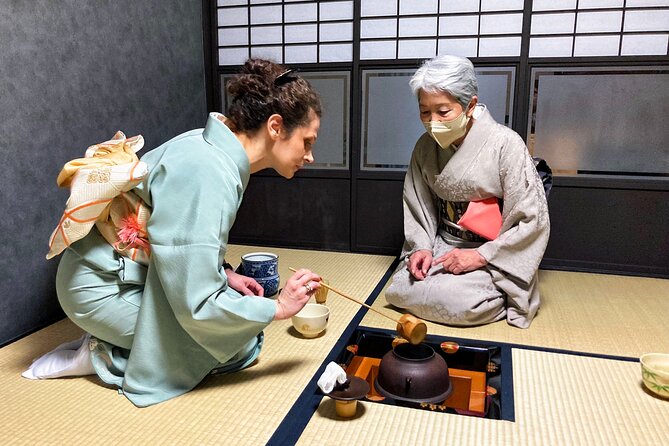
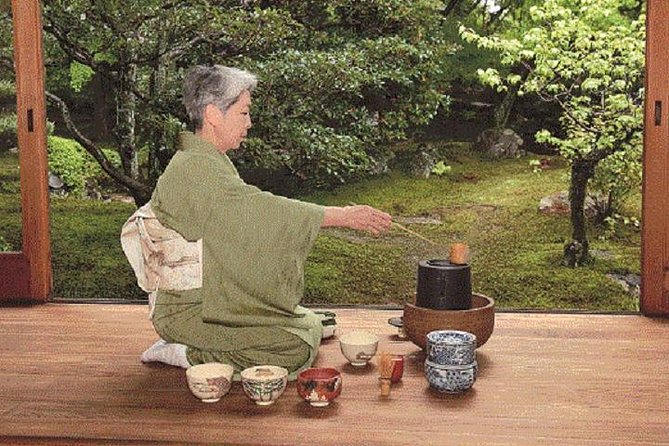
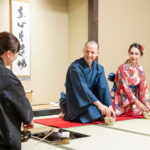
The formal demonstration is led by a tea master who has studied tea ceremony for 30 years. Watching first is important. The movements can look simple, but the order, pauses, turns of the utensils, and handling of the bowl all follow established customs.
Your guide explains the meaning behind the ceremony and discusses the development of tea practice in Japan. The presentation is delivered in Japanese with interpretation, which helps preserve the tone of the ceremony while keeping the content accessible.
This arrangement works better than a talk given entirely outside the ceremony. You hear about the customs while seeing them performed. That connection helps you understand why the ceremony feels deliberate rather than slow for the sake of being slow.
Expect explanations about manners and proper behavior. You will learn how to receive the tea, how to appreciate the seasonal sweet, and how to approach the bowl respectfully. The details are small, but they are the heart of the experience.
The tea master’s expertise is one of the strongest reasons to book this activity. A photo rental can put you in a kimono, but it will not necessarily explain why tea is prepared and received in this particular way.
Seasonal sweets and the first bowl of tea
After the demonstration, you receive tea with a seasonal sweet. The sweet is not just a snack. In the tea ceremony tradition, it balances the bitterness of matcha and gives the guest a moment to notice season and presentation.
The matcha flavor may surprise you if you normally drink sweetened tea. It is concentrated, grassy, and pleasantly bitter. The guide explains how to receive it, so you do not have to worry about making a social mistake.
This is a calm part of the program, but it is not passive. You are encouraged to pay attention to the bowl, the movements, and the setting. The activity offers a useful contrast to Kyoto’s crowded streets and busy sightseeing routes.
If you are looking for a quick taste of matcha with no ceremony, this may feel more formal than necessary. If you want to understand the customs around the drink, the structure is exactly the point.
A few more Kyoto tours and experiences worth a look
Preparing your own matcha
The hands-on portion is where the experience becomes personal. After watching the tea master, you have the chance to prepare tea yourself. You may make a cup for another participant, and the guide explains the steps as you work.
Do not expect your first bowl to look as precise as the tea master’s. That is not a problem. The value is in trying the sequence, handling the utensils, and noticing how much control the process requires. You learn through doing rather than simply copying a performance from a distance.
The activity is especially good for families and couples because participants can serve one another. It also works for solo visitors. One solo participant described receiving the same opportunity to prepare tea, rather than being left out of the group activity.
The tea master and assistants create an encouraging atmosphere, so beginners should not feel pressure to perform perfectly. The goal is understanding and participation, not examination.
Why the kimono changes the experience
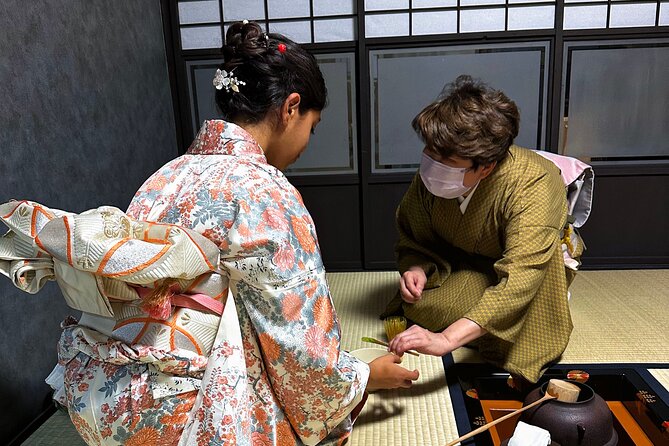
A tea ceremony can be meaningful in ordinary clothing, but the kimono changes your attention. The clothing encourages a more formal posture and makes the occasion feel separate from the rest of your sightseeing day.
The dressing process also teaches you something before the tea begins. Staff explain or demonstrate the practical details of wearing the garment, and you gain respect for the time and skill involved. The patterns and colors are not random decoration. Your guide discusses their meaning, giving the clothing more context.
There is also a small trade-off. A kimono can feel warm and restrictive, especially if you are not used to layered clothing. Sitting formally may be less comfortable than sitting casually. Wear clothing underneath that allows for dressing, and avoid planning strenuous walking during the activity.
The experience is best approached as a cultural lesson that includes photographs, not as a photo rental that happens to include tea.
Group size, pacing, and the real value of the price
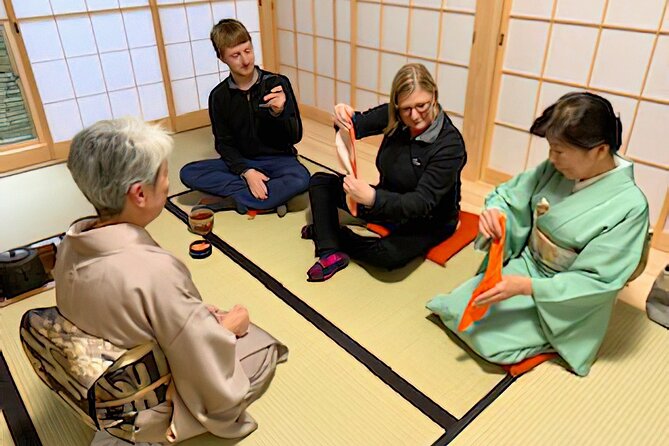
The price is $99.49 per person, and the program lasts about 90 minutes. That is not the cheapest way to have matcha in Kyoto, but the price covers several separate services: kimono use, assistance putting it on, hair styling for women, photographs, interpretation, a tea demonstration, seasonal sweets, and hands-on preparation.
The maximum group size is 12 people. That is small enough for questions and individual participation, though the room may feel active when everyone is dressing at once. Arrive a little early if possible. When a full group arrives at the same time, the preparation can become hectic.
For me, the value depends on what you want. If you only want a bowl of matcha, this is more than you need. If you want a guided introduction to kimono and tea ceremony in one compact session, the price is fair.
The strongest value comes from the staff attention. They help select clothing, arrange hair, take pictures, explain the ceremony, and guide your own tea preparation. You are paying for the organization and instruction as much as for the tea itself.
Who will enjoy this most
I would recommend this activity to first-time visitors who want a clear introduction to two important parts of Japanese culture. It is also a good choice for families, couples, and groups of friends who want photographs and a shared activity.
It suits you especially well if you:
- Want to wear a genuine kimono rather than simply view one
- Prefer a guided cultural activity with explanations
- Enjoy learning manners through hands-on practice
- Want a calm break from sightseeing
- Are comfortable sharing a small group setting
- Have about 90 minutes available near northern Kyoto
It may not suit you if you dislike formal sitting, layered clothing, group activities, or structured demonstrations. The ceremony is meant to be attentive and measured. It is not a loud, fast-moving entertainment show.
The activity is also less suitable if your schedule is packed from morning to night. Getting to the meeting point, dressing, taking photographs, and completing the ceremony all require you to be present for the full session.
Practical details before you book
The meeting point is Tea Ceremony Caren at 74-4 Murasakino Daitokujicho, Kita Ward, Kyoto, 603-8231. The activity ends at the same location. Private transportation is not included, but the meeting point is near public transportation.
You receive booking confirmation at the time of reservation, and the experience uses a mobile ticket. The group maximum is 12 people.
The cancellation policy is generous if you plan ahead. You can cancel at least 24 hours before the local start time for a full refund. Changes or cancellations inside 24 hours are not accepted and are not refunded.
The activity can also be canceled if poor weather affects the program or if the minimum number of participants is not reached. In those cases, you are offered another date or experience, or a full refund.
Because the program requires good weather, check the forecast before setting out. The supplied details do not describe special accessibility arrangements, so contact the provider before booking if you need specific assistance.
Should you book the Caren tea ceremony?
Book it if you want more than a quick cultural photo. The combination of kimono dressing, hair styling, careful photographs, interpretation, a seasoned tea master, seasonal sweets, and your own turn preparing matcha gives the 90 minutes real substance.
I would be most likely to recommend it early in a Kyoto visit if you want context for later encounters with tea, temples, and traditional dress. It also makes a fine final-day activity because it is calm, personal, and easy to remember.
Skip it if you want an informal café stop or dislike ceremonial manners. For everyone else, this is a thoughtful way to experience Kyoto culture without needing a full day or private guide. Arrive early, choose your kimono with confidence, and leave enough time to enjoy the quiet moments.
FAQ
How long does the tea ceremony experience last?
The experience lasts approximately 1 hour and 30 minutes.
Where does the activity begin and end?
It begins at Tea Ceremony Caren, 74-4 Murasakino Daitokujicho, Kita Ward, Kyoto, 603-8231. It ends back at the same meeting point.
Is kimono rental included?
Yes. You can choose a kimono from the collection and receive assistance putting it on.
Is hair styling included?
Hair styling is included for women as part of the preparation before the ceremony.
Will I be able to take photographs?
Yes. The program includes a simple photo session, and staff help take photographs and with posing.
Can I prepare tea myself?
Yes. After watching the tea master, you have the opportunity to prepare your own tea.
How many people can join the activity?
The experience has a maximum group size of 12 participants.
What is the cancellation policy?
You can cancel at least 24 hours before the local start time for a full refund. Cancellations or changes made less than 24 hours before the start time are not accepted and are not refunded.
More Kimono Experiences in Kyoto
More Tea Ceremony Experiences in Kyoto
More tours in Kyoto we've reviewed










Tea Ceremony Experiences, compared.
 ★ 4.9Kyoto: Tea Ceremony in a Traditional Tea House in KiyomizuFrom $4945 min
 ★ 4.9Kyoto: Tea Ceremony Ju-An at Jotokuji TempleFrom $291h 10m
 ★ 4.3Kyoto: 45-Minute Tea Ceremony Lesson ExperienceFrom $2245 min
 ★ 5.0World Heritage Kyoto & Nara Uji Authentic Matcha ExperienceFrom $129
 ★ 4.9Kyoto: Table-Style Tea Ceremony at a Kyo-MachiyaFrom $451h 30m
 ★ 5.0Kimono Tea Ceremony at Kyoto Maikoya, NISHIKIFrom $65