
Reviewed · KYOTO
Kyoto: Traditional Yuzen Dyeing Experience
Kyoto’s Yuzen dyeing is not a quick souvenir craft. Inside a traditional machiya in Nishijin, you work with a retired kimono artisan, choosing colors and painting a silk design under his careful eye. The setting is part of the lesson: you see his artwork, tools, and home studio while an interpreter explains each step.
I like the personal color guidance, since Master Shin’Ichiro mixes the dyes and helps you create a balanced palette rather than leaving you to guess. I also like the finished keepsake: your silk artwork is more meaningful than a shop purchase because you made it with an artisan’s help.
The main consideration is time and concentration. The class lasts two hours, may involve sitting on the floor, and the design choices are limited compared with a free-painting workshop. At $161 per person, it suits you best if authentic instruction and a one-of-a-kind souvenir matter more than a low-cost activity.
In This Review
- Key points at a glance
- Entering a Kyoto artisan’s machiya
- Choosing a phoenix, crane, or fan design
- Letting the master shape your color palette
- Painting silk with a light touch
- Understanding what Yuzen dyeing means
- Taking home a silk artwork
- Group size, comfort, and access
- Is $161 a fair price?
- Who should book this Kyoto activity?
- FAQ
- Where does the Yuzen dyeing experience take place?
- How long does the activity last?
- What do I make during the class?
- Can beginners take part?
- Who leads the experience?
- How many people can join?
- What should I wear?
- Are there any age restrictions?
- Is the activity wheelchair accessible?
- Should you book the Yuzen class?
Key points at a glance
- Work inside a Nishijin machiya: Enter a traditional Kyoto townhouse and see a private studio and display of Yuzen works.
- Learn from Master Shin’Ichiro: The artisan guides your hand, mixes colors, and explains how different shades will appear on silk.
- Paint a prepared silk design: Choose from outlined motifs such as phoenixes, cranes, and fans, then fill them with dye.
- Get close interpreter support: English and Chinese interpretation helps you follow both the technique and the cultural background.
- Keep your own finished artwork: You leave with a silk piece that reflects your color choices and the artisan’s advice.
- Expect a small, calm class: Groups are limited to six, though some sessions may be nearly private.
Entering a Kyoto artisan’s machiya
The experience takes place in Kyoto’s historic Nishijin district, an area closely tied to the city’s textile traditions. Rather than meeting in a large activity center, you step into the artisan’s own traditional machiya townhouse and home studio.
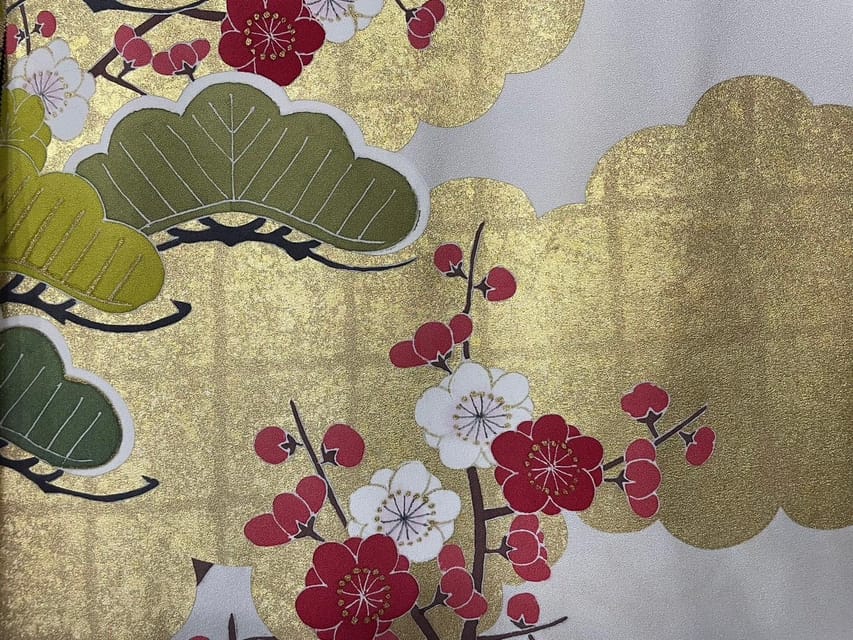
That change of setting matters. You are not simply learning a technique at a table. You are seeing where the artisan works and viewing completed Yuzen pieces in the place where the craft is practiced. The display gives you a useful reference before you begin, especially if you are unsure how color, pattern, and silk work together.
The atmosphere is quiet and personal. One session described a studio overlooking a Zen garden, while other accounts praised the calm of the old house. Details can vary with the room and group, but the central idea remains the same: this is a visit to an artisan’s working environment, not a loud, fast-moving class.
You should arrive ready to pay attention to the surroundings as well as the craft. The machiya is one of the experience’s strongest features, particularly if you have already seen Kyoto’s major temples and want something tied to daily artistic life.
If you're still narrowing it down, here are other tours in Kyoto we've reviewed.


Choosing a phoenix, crane, or fan design
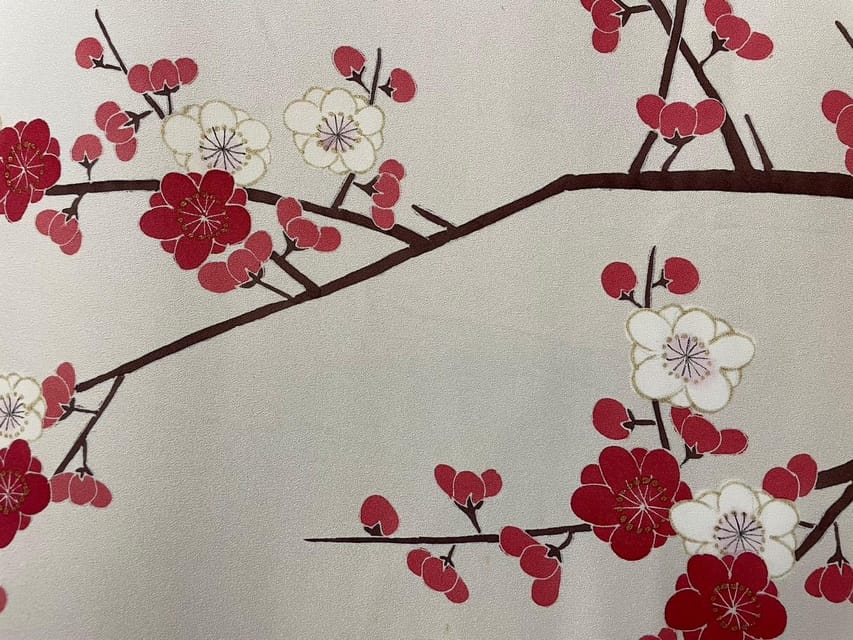
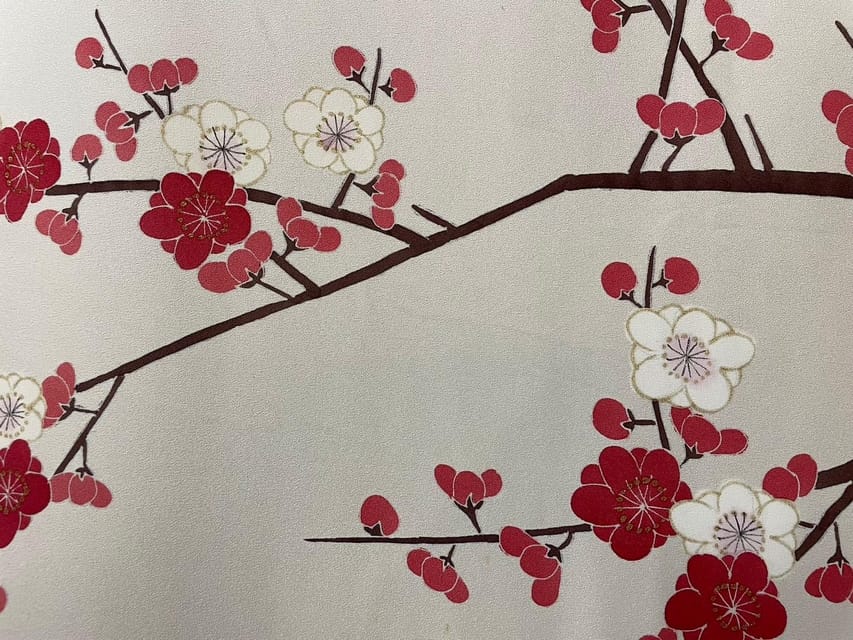
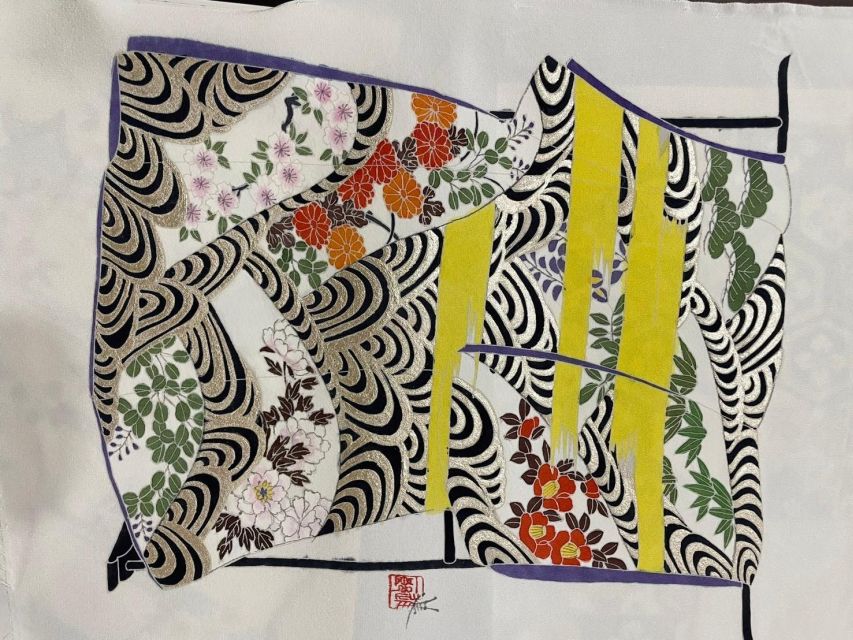
You begin by selecting a prepared design. The fabric already carries the golden outlines of the image, so you are not expected to draw the pattern yourself. Available motifs have included phoenixes, cranes, fans, and a phoenix set against a crescent moon.
This format keeps the activity approachable. You can focus on applying color and learning the feel of the dye instead of worrying about whether you can sketch. It is closer to painting within a carefully prepared silk design than to a standard tie-dye class or a casual T-shirt workshop.
The selection is not unlimited. One account found only three design choices, so you should not book this class expecting to create any image you want. If you need a completely open-ended art project, this may feel restrictive. If you prefer a clear starting point and a result that looks polished, the prepared outlines are helpful.
Take a little time to look at the samples, but do not spend your entire session deciding. You need enough working time for the actual painting. The displayed pieces are useful because they show how the same basic motif can change with different color combinations.
Letting the master shape your color palette
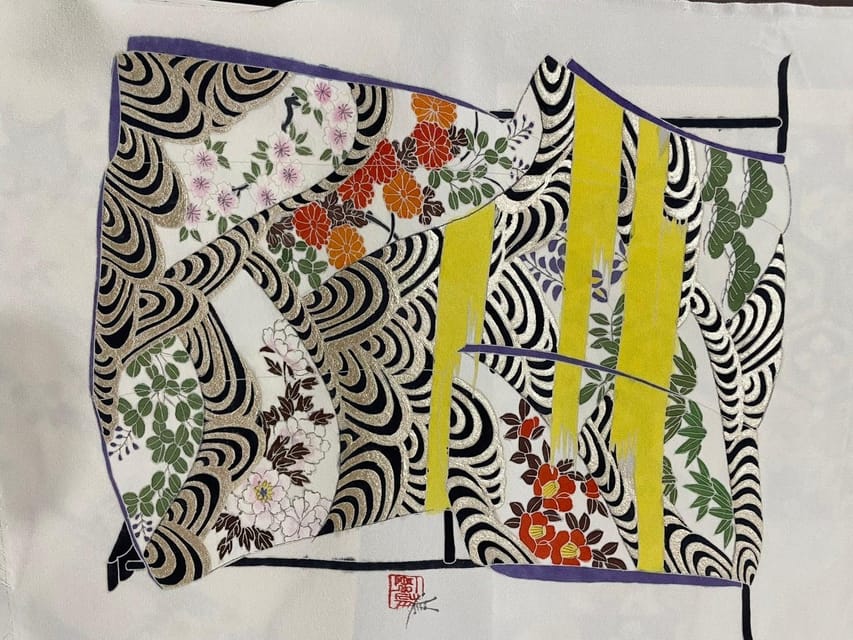
After choosing a design, you select one or two colors that appeal to you. Master Shin’Ichiro then helps select the remaining tones so the final piece has a harmonious balance.
This is where the class gains much of its value. You are allowed personal choice, but you also receive the benefit of an experienced artisan’s eye. If you want a particular background color or have a favorite shade in mind, you can say so. The master can then suggest colors that work with it.
The dye is mixed for you. One especially useful part of the process is seeing how the artisan judges the correct balance of paint and water. He can show you an example of how a shade will look on fabric, then prepare a similar mixture for your piece.
That guidance helps prevent a common beginner problem: choosing colors that look appealing in separate dishes but clash once placed beside one another. You still make the creative decisions, yet you do not have to solve every technical question alone.
The interpreter plays an important role here. Master Shin’Ichiro does not speak English fluently, so an interpreter explains his suggestions and answers questions. Ha has been identified as an interpreter for some sessions, and other participants have praised the clear, kind help provided by the language support.
Painting silk with a light touch
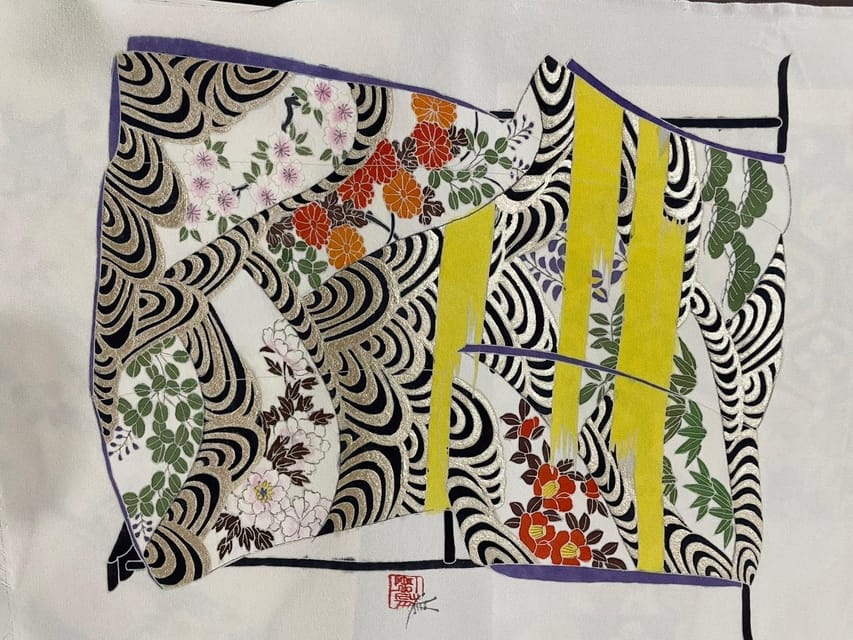
Once your colors are ready, you paint the outlined areas of the silk. The task is easy to follow, but it rewards a steady hand. You need to control how much dye sits on the brush and avoid overloading it, since excess liquid can bleed beyond the design.
This is a good activity for people who do not see themselves as artists. The basic method is simple enough for beginners, and the golden outlines give you a clear guide. At the same time, the material demands care. Silk is less forgiving than a heavy cotton T-shirt, and a rushed brushstroke can affect the finished look.
I would treat the painting as a slow, focused exercise rather than a race to finish. The artisan and interpreter can correct your approach, explain the amount of dye to use, and help you understand why one shade behaves differently from another.
The class is also quite meditative. You spend much of the two hours concentrating on small areas, watching the color spread, and making small adjustments. Several accounts described the mood as calming and therapeutic. That will appeal to you if you want a quiet break from Kyoto’s crowded sights.
The schedule may have some flexibility. One session ran about 30 minutes over, and another participant appreciated not being rushed. You should still keep an eye on the clock, especially if you have a dinner reservation or another timed activity afterward. Extra time cannot be guaranteed.
Understanding what Yuzen dyeing means
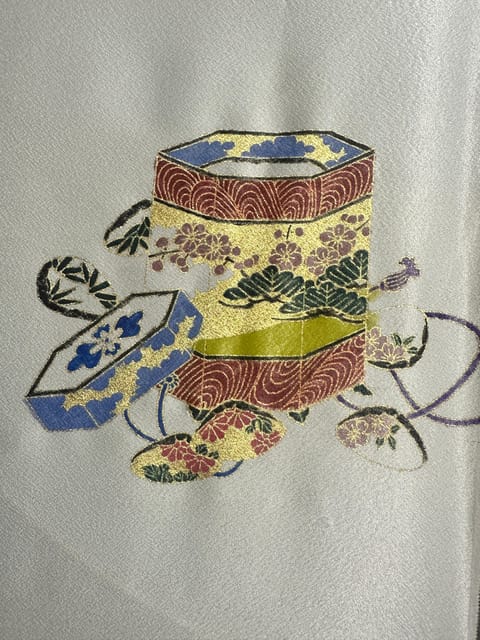
The instructor explains the history and cultural importance of Kyoto Yuzen as you work. Yuzen is closely linked with the decoration of kimono and with Kyoto’s long textile tradition. The class gives you a practical way to understand the craft, since you see the tools, materials, outlines, dyes, and finished artwork together.
The point is not to turn you into a professional dyer in two hours. Instead, you gain a basic sense of the precision behind the finished pieces. A bold image on silk may look effortless, but the process depends on controlled color, careful application, and decisions made in a particular order.
That context also makes the souvenir more valuable. You are not simply taking home a decorative square of fabric. You understand something about the work involved and can remember the setting, the artisan’s advice, and the colors you selected.
The experience also supports the continuation of a craft that faces pressure in the modern world. You get a direct connection with a working artisan rather than seeing only finished products in a store. For visitors interested in Japanese arts, that personal contact is a strong reason to choose this over a mass-produced souvenir.



Taking home a silk artwork
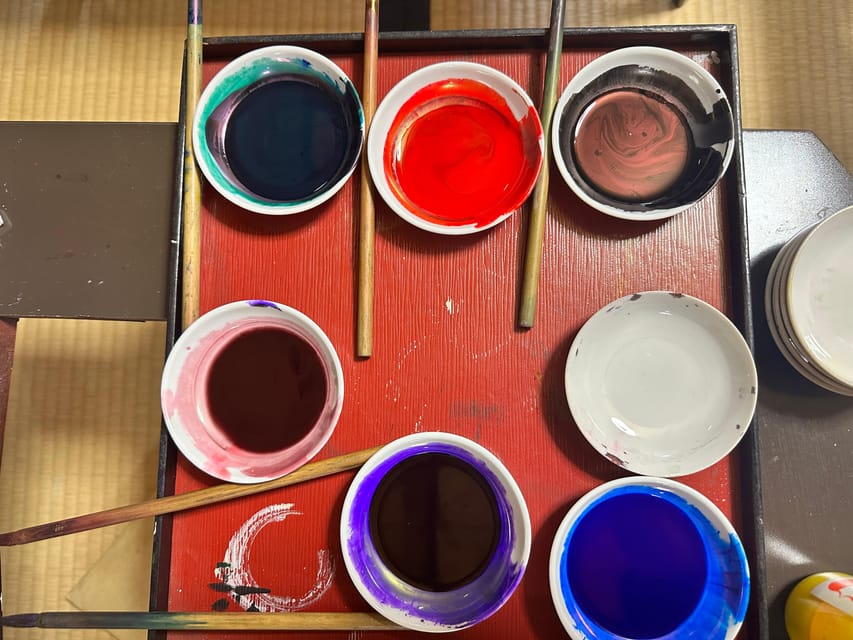
At the end, you take home the silk piece you painted. The artisan may iron the work to help dry and finish it, as one account described. You should think about how you will protect it in your luggage, since the supplied information does not specify packaging or a protective case.
The finished result will still show your hand. Do not expect every edge to look like the master’s work, and do not treat small variations as mistakes. The charm is that the piece combines your decisions with the artisan’s technical help.
You can also purchase additional works from the artisan, but those purchases are not included and may require cash. If you are interested in buying something, bring that possibility into your planning and ask about payment before committing to a purchase.
The take-home piece works especially well as a personal souvenir, a small wall decoration, or a gift for someone who values handmade arts. It is light compared with a large craft object, though the delicate silk still deserves careful packing.
Group size, comfort, and access
The class is limited to six participants, which keeps the instruction personal. A couple or solo visitor may find the session nearly private if no one else books the same time. Families and small groups can also attend, but children under 10 are not accepted, and babies under 1 are not suitable for the activity.
At least one participant noted that the class is not a good choice if you cannot sit on the floor for two hours. The activity is listed as wheelchair accessible, but because seating arrangements inside a traditional home can vary, I would raise any mobility needs in advance.
Wear clothes you do not mind getting dye on. This is the most useful clothing advice provided, and it is worth following even if you usually paint carefully. Avoid alcohol and drugs, fireworks, and party-style bookings. The tone is quiet, focused, and respectful of the home and the craft.
The activity may involve chemicals. Tell the provider in advance about allergies or sensitivities so they can address your concerns before the session begins.
Is $161 a fair price?
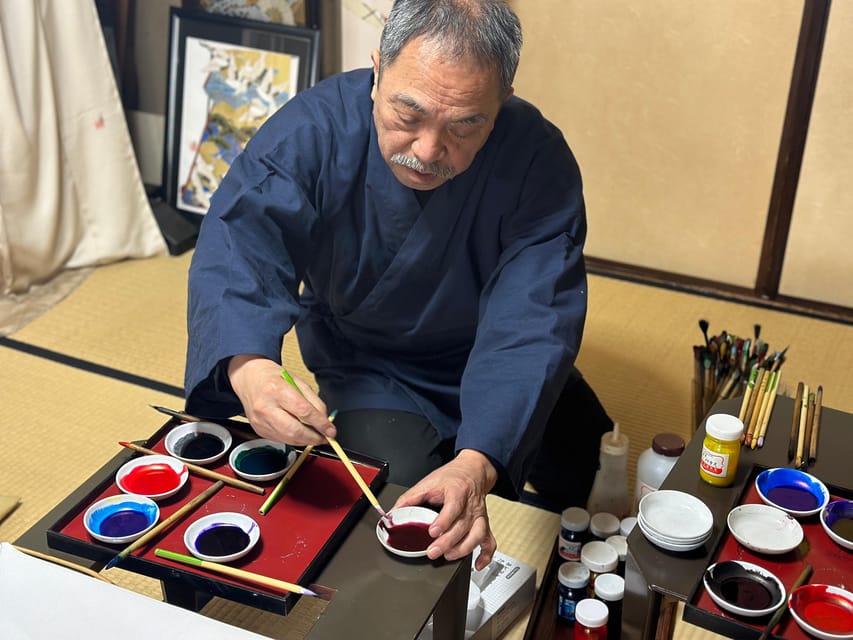
At $161 per person for two hours, this is not a budget craft class. The price makes more sense when you consider what is included: direct instruction from an artisan, an interpreter, the use of materials, access to the home studio, a view of finished Yuzen works, and your own silk artwork to take away.
You are paying for access and attention as much as for the finished object. A larger class could offer a cheaper introduction, but it would likely provide less personal guidance from the master. Here, the artisan helps select colors, mixes the dyes, demonstrates the right concentration, and watches your technique.
The value is strongest for you if you care about Japanese textile arts, want a personal meeting with a craftsperson, or prefer hands-on activities to sightseeing from a distance. It is weaker if you mainly want a quick souvenir or a low-priced family pastime.
The small group can improve the value further. With six or fewer people, you have a better chance to ask questions and receive corrections. If you happen to book a quiet time, the experience may feel almost one-to-one, though that level of privacy is not promised.
Who should book this Kyoto activity?
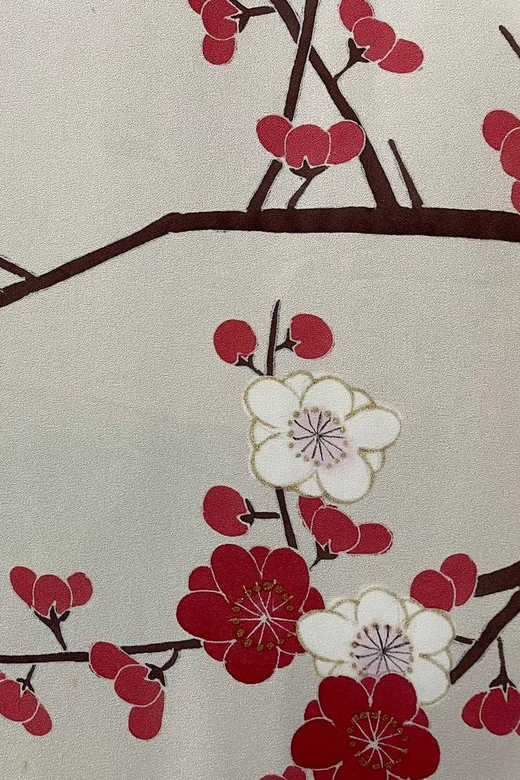
I would choose this for an adult or older child who enjoys making things and can work patiently within a prepared design. It suits couples, solo visitors, art lovers, hobbyists, and anyone looking for a calm morning or afternoon away from Kyoto’s busiest sights.
It is also a good pick if you want a souvenir with a story. You can remember the machiya, the master’s color advice, the interpreter’s help, and the moment the silk began to take shape.
I would hesitate if you want a broad range of designs, dislike careful handwork, cannot sit comfortably in the available setup, or have no interest in taking home a decorative silk piece. You should also allow a little schedule flexibility, since careful instruction and finishing may take longer than the stated two hours.
Free cancellation is available up to three days in advance for a full refund. Starting times vary, so check availability when you plan your day. English and Chinese interpretation is offered, and the small group makes this a more focused choice than a general sightseeing tour.
FAQ
Where does the Yuzen dyeing experience take place?
It takes place inside a traditional machiya townhouse in Kyoto’s historic Nishijin district, in the artisan’s home studio.
How long does the activity last?
The scheduled duration is two hours. Some sessions may run longer if participants need extra time to finish their artwork, but additional time is not guaranteed.
What do I make during the class?
You paint a prepared design on silk using Yuzen dyeing techniques. Designs have included phoenixes, cranes, fans, and a phoenix in front of a crescent moon.
Can beginners take part?
Yes. The silk already has the design outlines, and the artisan guides you through choosing colors, mixing dye, and painting. Minimal artistic skill is required.
Who leads the experience?
Master Shin’Ichiro, a retired kimono artisan, provides the craft instruction. An interpreter supports communication in English or Chinese.
How many people can join?
The group is limited to six participants.
What should I wear?
Wear comfortable clothes that you do not mind getting dye on.
Are there any age restrictions?
Children under 10 years old cannot take part, and babies under 1 year old are not suitable for the activity.
Is the activity wheelchair accessible?
The activity is listed as wheelchair accessible. Because the session takes place in a traditional home and one account noted floor sitting, contact the provider in advance to discuss your specific needs.
Should you book the Yuzen class?
Book it if you want a personal craft experience with a working Kyoto artisan, not just another item on a sightseeing checklist. The private-home setting, careful color advice, interpreter support, and finished silk artwork give the two hours a clear sense of purpose.
At $161, the price asks you to value instruction and cultural access. If that fits your travel style, this is a thoughtful way to spend time in Nishijin and bring home something tied to your own choices. If you prefer a cheap, quick, or fully free-form craft class, spend your money elsewhere.
More tours in Kyoto we've reviewed








Kyoto, compared.
 ★ 5.0PERFECT KYOTO 1-Day Bus TourFrom $129
 ★ 4.8Kyoto: Fushimi Inari, Kinkakuji, Bamboo Grove 1 Day Bus TourFrom $122510 minutes - 9 hours
 ★ 4.9Kyoto: Tea Ceremony in a Traditional Tea House in KiyomizuFrom $4945 min
 ★ 4.7Kyoto Geisha Walking Tour: Gion District & Hidden GemsFrom $252 hours
 ★ 4.9Kyoto: Tea Ceremony Ju-An at Jotokuji TempleFrom $291h 10m
 ★ 4.3Kyoto: 45-Minute Tea Ceremony Lesson ExperienceFrom $2245 min