
Reviewed · KYOTO
Let’s make only one original onigawara in the world!!
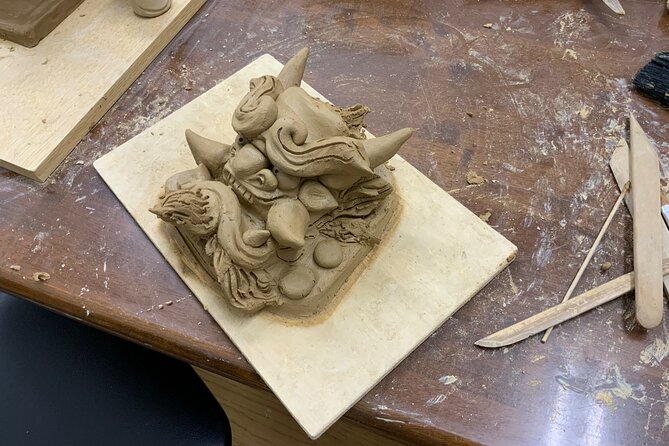
A lump of clay becomes a small Japanese roof guardian in this hands-on workshop at Kawarakoubouyouya. You shape the demon face piece by piece, then Yuya fires it in a kiln and sends the finished tile to your home after one to two months. You are making a real object, not just watching a craft demonstration.
I like the calm, careful teaching and the fact that Yuya’s method is built for beginners, children, and people who do not think of themselves as sculptors. I also like the lasting souvenir: the clay changes to the traditional silver color after firing. The main drawback is practical: shipping is extra, and you will not take the finished onigawara home that day.
In This Review
- Key points to know before booking
- Why an onigawara is more than a souvenir
- Meeting Yuya at Kawarakoubouyouya
- The first stage: turning clay into a face
- Building the monster, one piece at a time
- What happens after the two-hour class
- What the $90 price really covers
- Who will enjoy this workshop most
- Accessibility, language, and group size
- Small details that make the experience work
- Should you book this onigawara workshop?
- FAQ
- How long does the onigawara workshop last?
- How much does the experience cost?
- When will my finished onigawara arrive?
- Do I take the onigawara home immediately?
- Is shipping included in the price?
- Do I need sculpting experience?
- What languages are available?
- How many people can join one class?
- What should I wear?
Key points to know before booking
- You make a Japanese demon roof tile by hand, using clay and a step-by-step method developed by the workshop.
- Yuya guides the class in English and Japanese, with patient help as you shape and attach the separate parts.
- The finished onigawara is kiln-fired later, then shipped to your home after about one to two months.
- The group is limited to five people, making it easier to get individual help.
- The class lasts two hours and costs $90 per person, with shipping charged separately on the day.
- Wear clothes that can get dirty, since this is a clay-working session rather than a clean souvenir-painting class.
Why an onigawara is more than a souvenir
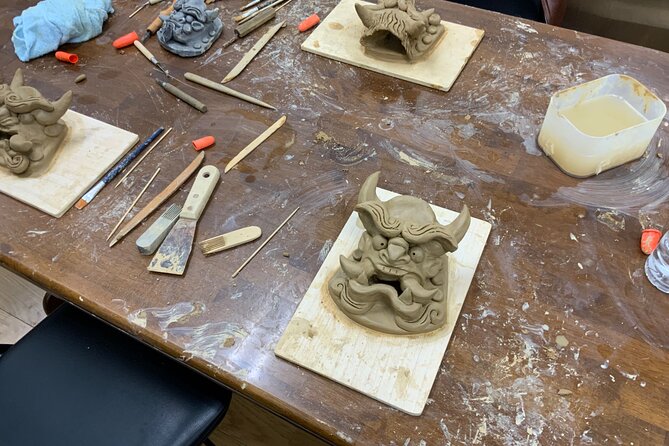
Onigawara are the fierce demon-faced tiles placed at the ends of traditional Japanese roof ridges. Their expressions can look comic, stern, or downright alarming, but their purpose is protective. They have been used to guard buildings from evil and help protect roof edges from rainwater.
The workshop places your small tile within a tradition that reaches back about 1,400 years. That context matters. You are not simply molding an amusing monster. You are taking part in a craft linked to Japanese architecture, folk belief, and the work of roof-tile makers who shaped buildings long before modern production methods.
I find this gives the class a better sense of purpose than many quick craft activities. You create something with a job to do, even if your finished piece will most likely sit at home as a keepsake rather than guard an actual roof.
The small format is also sensible. Traditional onigawara can be difficult to make, but this workshop uses a simplified process. Yuya has worked out a procedure that lets beginners build the face from manageable parts. You are still doing the work yourself, but you are not expected to arrive with professional carving skills.
If you're still narrowing it down, here are other tours in Kyoto we've reviewed.


Meeting Yuya at Kawarakoubouyouya
The meeting point is Kawarakoubouyouya, the host’s shop and workshop. You should search for the name on Google Maps before setting out and allow time to find the entrance.
One useful detail comes from the directions: the Google Maps pin may be off by roughly 40 meters. If you reach the marked point and do not see the workshop, move about 40 meters east. That small correction could save you a rushed start, particularly if you are unfamiliar with the area.
The class is limited to five participants. That is a good size for clay work. You can watch Yuya demonstrate a step, return to your own piece, and ask for help without trying to catch his attention across a crowded room.
English and Japanese are available. The activity depends partly on watching and copying hand movements, so you do not need to be fluent in either language to take part. Still, it is useful to pay close attention when Yuya explains how the clay should be handled and how each part fits together.
The atmosphere is described as friendly and relaxed, and the small group helps keep it personal. One session had only two participants, which allowed plenty of conversation and shared laughter. You should not assume every date will be that quiet, but the five-person limit keeps the class from becoming a factory line.
The first stage: turning clay into a face
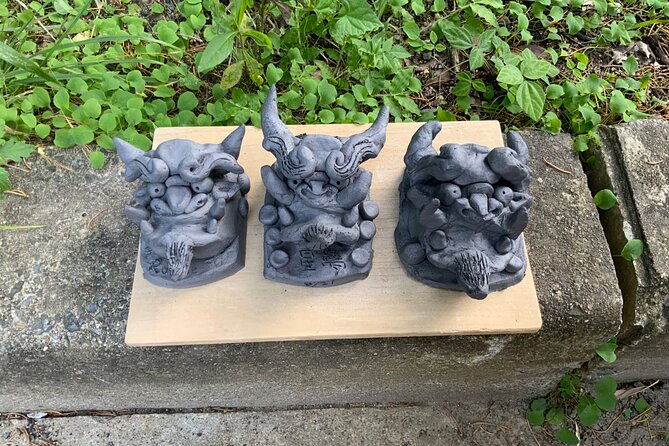
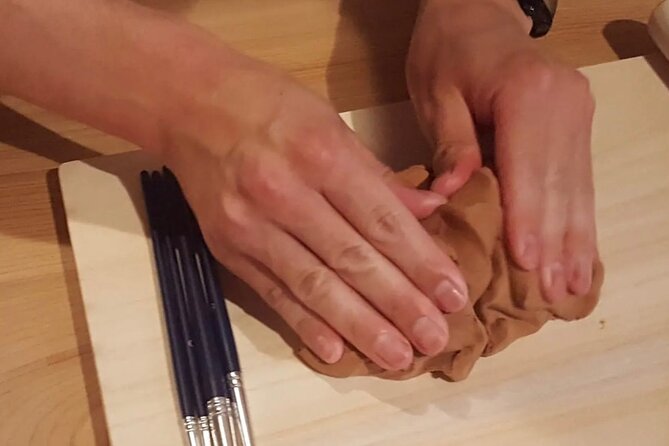
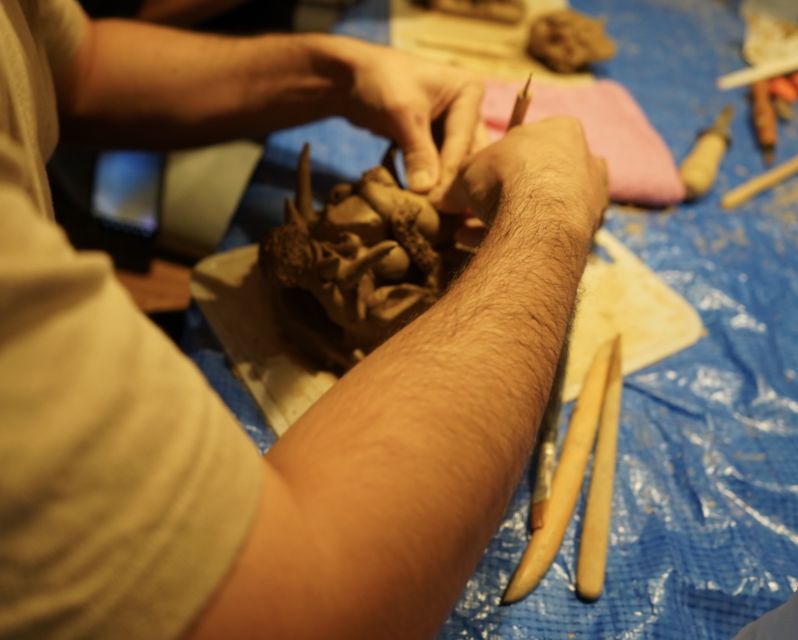
The class begins with clay prepared at your work station. Yuya takes you through the process one step at a time, showing you how to manipulate the material and form the different pieces of the onigawara.
This staged approach is important. An ogre face looks complicated when you see the finished form, but it becomes manageable when broken into smaller tasks. You focus on one feature, then another, rather than trying to carve an entire monster from a single block.
You will likely spend much of the class concentrating on proportion and placement. The eyes, mouth, brows, horns, and other facial elements need to meet the main form in the right order. Yuya’s role is not to make the tile for you. He helps you understand how to shape each part and how to correct it when the clay does not cooperate.
That hands-on pace is one of the best reasons to book this activity. You are not handed a finished mold and asked to decorate it. The character of your onigawara develops through your own choices and small mistakes.
The process also explains why the class can suit children. The work is divided into clear steps, and the goal is not perfect museum-quality carving. The important thing is to create a complete figure with your own hands. Children can take part while receiving guidance from Yuya, though an adult should decide what works best for each child.
Building the monster, one piece at a time
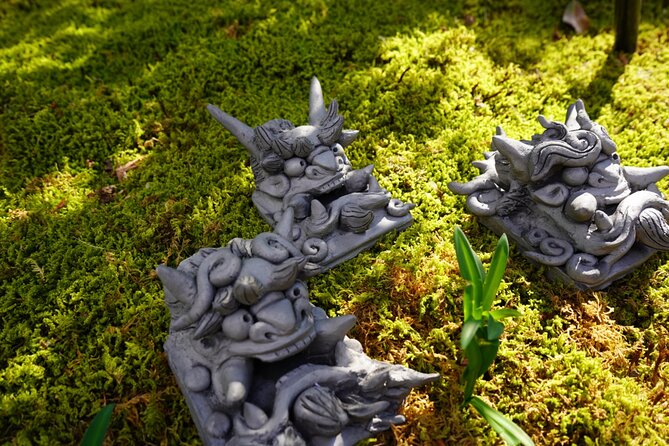
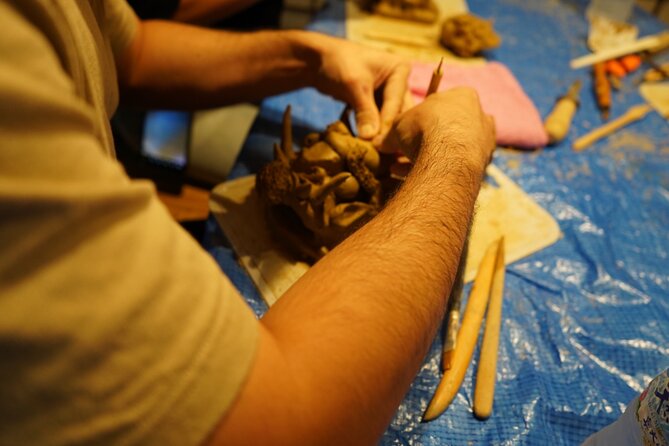
As the face takes shape, the workshop becomes less about raw clay and more about assembly. You attach the separate features and gradually give the figure its expression.
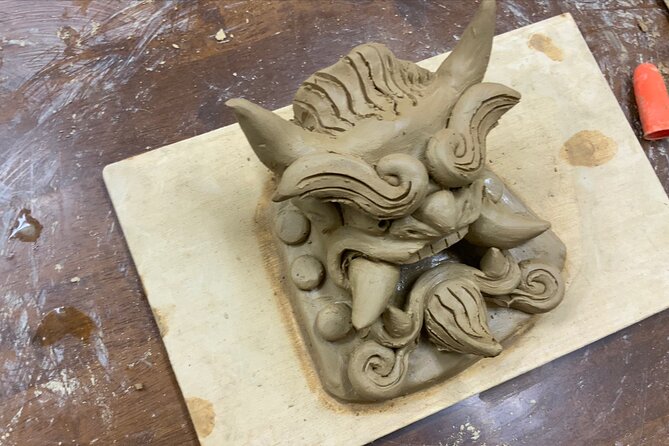
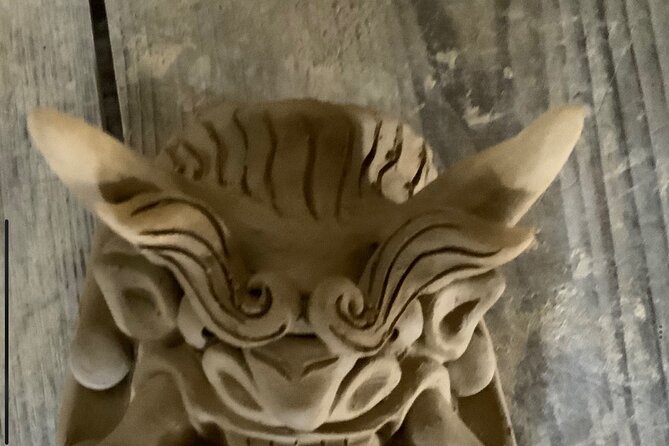
This is where patience pays off. A slightly uneven brow or a mouth set at a different angle can change the personality of the monster. You might create a fierce guardian, a grumpy character, or something that looks more playful than frightening. The format gives you room to make an original figure without requiring advanced sculpture technique.
I like that the craft has a clear visual result. By the end of the session, you can see the face you have made. That creates a satisfying finish even though the final firing still lies ahead.
The workshop also offers a welcome pause from sightseeing. For two hours, your attention stays on touch, shape, and detail rather than train schedules or crowded sights. One participant described the class as a chance to slow down during a busy holiday. That is a useful way to think about it: this is both a cultural activity and a quiet change of pace.
The clay can be messy, so dress accordingly. The instructions specifically ask you to wear clothes that may get dirty. This is not the place for your most delicate outfit or a jacket you need to keep spotless for dinner.
What happens after the two-hour class
You do not leave with a finished silver-colored tile. After you complete the clay figure, Yuya fires the onigawara in a kiln at the factory.
The waiting period is about one to two months. During firing, the piece changes from raw clay to the traditional silver color associated with these roof tiles. That delay is part of the experience, but it also affects how you should plan.
You need to provide a home address for delivery, and the finished piece is sent after firing. Shipping is not included in the $90 price. It is charged separately on the day, so ask Yuya about the current postage amount before you finish the booking or class.
This arrangement works well if you want a souvenir shipped home rather than carry another fragile item through Japan. It is less convenient if you are leaving for home soon and hoped to collect the tile in person. The workshop information says it will arrive after one to two months, so do not count on having it during the rest of your trip.
The delayed arrival can also make the souvenir more meaningful. You return home with the memory of making the figure, then receive the fired object later. It becomes a small reminder of Japan that arrives after the trip has ended.




What the $90 price really covers
At $90 per person, this is not a bargain activity if you measure value only by the amount of time involved. The class lasts two hours, and shipping costs extra.
I think the price makes more sense when you consider what is included in the experience: personal instruction, the clay-working session, kiln firing, and the finished handmade object. You are paying for access to a specialist workshop and for a piece that you create rather than select from a shop shelf.
The five-person limit improves the value. In a large class, you might spend much of the time waiting for help. Here, Yuya can guide you through the tricky parts and offer corrections while the clay is still workable.
The value is also strongest for people who care about process. If you want the cheapest souvenir or a quick activity between major sights, this may not be the right choice. If you want to understand a Japanese building tradition and make a personal object connected to it, the price is easier to justify.
Remember the extra postage. The advertised cost does not cover sending the fired tile home, and the shipping fee is paid separately on the day.
Who will enjoy this workshop most
This class is a good match for you if you like making things, prefer small groups, or want a cultural activity with a clear connection to Japanese history.
It works particularly well for:
- Families with children, since the simplified method lets young participants take part.
- First-time clay workers, because Yuya demonstrates each stage and does not require sculpting experience.
- Couples or friends, who can compare the different expressions their monsters develop.
- Visitors who want a quieter activity, especially after several days of sightseeing.
- People seeking a meaningful souvenir, since the finished piece is personal and arrives later by post.
- Architecture and craft enthusiasts, who will appreciate the link between roof tiles, protection, and traditional buildings.
You should think twice if you dislike getting your hands dirty, need a finished souvenir immediately, or have no reliable home address for delivery. The activity is also less suited to someone who wants a broad tour of Kyoto, since the focus stays on one craft in one workshop.
Accessibility, language, and group size
The activity is listed as wheelchair accessible. The workshop provides support in English and Japanese, and the practical nature of the class means that demonstrations are central to the teaching.
The small group size, limited to five participants, is helpful for accessibility as well as instruction. You can ask for clarification and receive attention while working. Still, specific mobility arrangements are not described in the available information, so you should confirm any particular access needs with the host before booking.
The class is listed as lasting two hours, though one participant felt the session passed so quickly that it seemed closer to three hours. I would plan for the stated two-hour duration and avoid scheduling something immediately afterward.
You can reserve now and pay later, which is useful if your Japan plans are still shifting. Free cancellation is available up to 24 hours in advance for a full refund.
Small details that make the experience work
The best part of this activity is the balance between guidance and personal effort. Yuya’s procedure gives you a reliable path, but your finished demon still comes from your own hands.
Patience is another key ingredient. You will work carefully through many small steps, and the face may not come together at once. That slower rhythm is not wasted time. It is how you learn what the craft requires.
The host’s manner also matters. Direct feedback describes Yuya as kind, gentle, honest, and patient. Those qualities are especially valuable when a handmade object does not look right on the first attempt. You want an instructor who helps you fix a feature without taking over.
The workshop is also suitable for mixed-age groups. One family-oriented session was praised as an activity for all ages, and children enjoyed making their own figures. The result will not be identical from person to person, which is part of its charm.
Finally, remember that raw clay can be deceptive. Your figure may look earthy and unfinished when you leave, then emerge from the kiln in the silver color associated with traditional onigawara. The final result is not visible on the day, so take a few photographs of the unfired piece if you want a record of the full process.
Should you book this onigawara workshop?
I would book it if you want a hands-on cultural experience, enjoy patient instruction, and like the idea of receiving a handmade Japanese roof guardian after you return home.
The strongest reasons are clear: Yuya’s beginner-friendly teaching, the very small group, and the fact that your clay figure is fired and shipped rather than discarded after the class. The traditional background gives the craft more meaning, while the simplified method keeps it approachable.
I would skip it if you need a quick, polished souvenir in your luggage or if the extra shipping cost bothers you. Also check the map carefully, wear clothes that can get dirty, and allow the one to two-month firing and delivery period.
For families, couples, craft lovers, and anyone who wants two quiet hours away from the usual sightseeing route, this is a thoughtful choice. Your onigawara may not look exactly like a professional roof tile, but that is the point. It will be your own small monster, made to protect your home in spirit.
FAQ
How long does the onigawara workshop last?
The activity is scheduled for two hours. You should allow some flexibility, since the hands-on work may feel absorbing and could take longer than expected.
How much does the experience cost?
The price is $90 per person. Shipping for the fired onigawara is not included and must be paid separately on the day.
When will my finished onigawara arrive?
After Yuya fires the piece, it is sent to your home. Delivery is expected after about one to two months.
Do I take the onigawara home immediately?
No. The clay figure is fired after the workshop, changes to a traditional silver color, and is then shipped to your home.
Is shipping included in the price?
No. Only the workshop price is included. The shipping fee is charged separately on the day.
Do I need sculpting experience?
No. The workshop uses a step-by-step procedure designed so that beginners, children, and people with clumsy hands can make an onigawara.
What languages are available?
The host or greeter can provide support in English and Japanese.
How many people can join one class?
The workshop is a small-group activity limited to five participants.
What should I wear?
Wear clothes that may get dirty because the activity uses soil and clay.
More tours in Kyoto we've reviewed








Kyoto, compared.
 ★ 5.0PERFECT KYOTO 1-Day Bus TourFrom $129
 ★ 4.8Kyoto: Fushimi Inari, Kinkakuji, Bamboo Grove 1 Day Bus TourFrom $122510 minutes - 9 hours
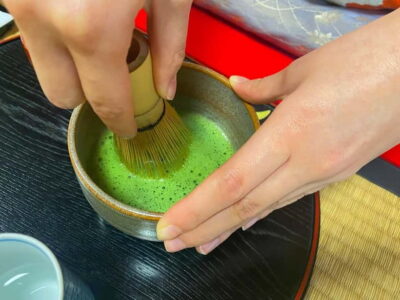 ★ 4.9Kyoto: Tea Ceremony in a Traditional Tea House in KiyomizuFrom $4945 min
 ★ 4.7Kyoto Geisha Walking Tour: Gion District & Hidden GemsFrom $252 hours
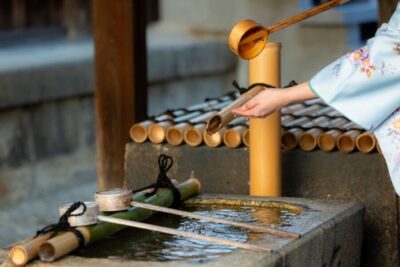 ★ 4.9Kyoto: Tea Ceremony Ju-An at Jotokuji TempleFrom $291h 10m
 ★ 4.3Kyoto: 45-Minute Tea Ceremony Lesson ExperienceFrom $2245 min