
Reviewed · NARA DAY TRIPS
Osaka & Kyoto & Nara Top Hightlights English Speaking Tour
Kyoto’s red torii gates and Nara’s friendly deer make this $54 full-day trip an easy way to cover several Japanese icons in one sweep. I like the guaranteed daily departure, even with just one person booked, and I like that the route includes both Kyoto temples and Nara Park rather than staying in one city. The catch is the pace: you spend much of the day walking, and the tour ends in Osaka rather than returning to Kyoto.
I also like the clean vehicle, fuel and tolls included, and the chance to meet guides such as Anna, Amy Ono, Lou, Yang, Jason, and Kou Ran, also called Kosa. Still, this is best viewed as a sightseeing sampler, not a deep cultural tour. Explanations can be brief, directions back to the bus have not always been clear, and traffic or crowded holiday periods can reduce your time at the sights.
In This Review
- Key points at a glance
- What this $54 Kyoto and Nara day is really offering
- Kiyomizu-dera and Kyoto’s old lanes
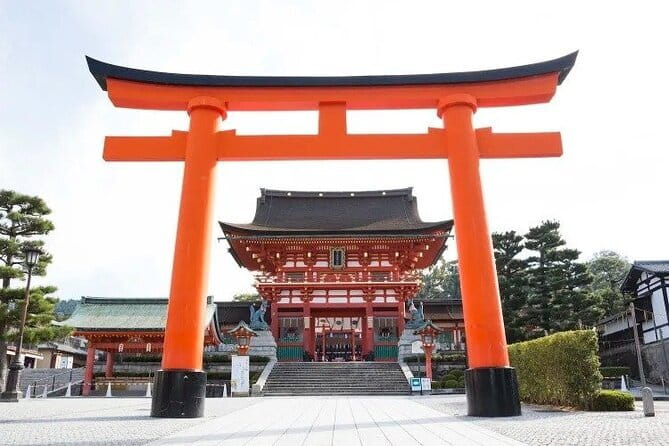
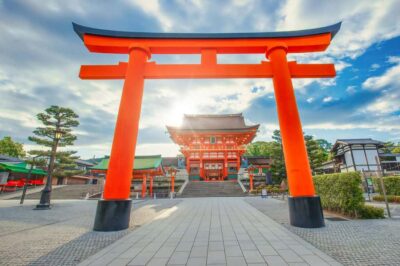
- Fushimi Inari’s Senbon Torii
- Nara Park and the deer
- Todai-ji and the Great Buddha
- Shinsaibashi is the finish, not a Kyoto return
- Guides, explanations, and how much help you receive
- The pace, vehicle, and walking demands
- What the price includes, and what it does not
- Who should book this day trip?
- Should you book the Osaka, Kyoto, and Nara highlights tour?
- FAQ
- Does the tour depart every day?
- How long does the tour last?
- Where does the tour start?
- Does the tour return to Kyoto?
- Are temple admission fees included?
- Is food included?
- Can I cancel for a refund?
Key points at a glance
- Five major stops in one day: Kiyomizu-dera, Kyoto’s historic lanes, Fushimi Inari, Nara Park, Todai-ji, and Osaka’s Shinsaibashi area.
- A guaranteed departure: The tour runs daily with a minimum of one person.
- Free time is central: You explore many sites on your own after the guide gives instructions.
- Nara’s deer are the star: You have about 90 minutes in the park, with Todai-ji nearby.
- Osaka is the final stop: The group finishes around Shinsaibashi and Nihonbashi, not back in Kyoto.
- Plan for a long walking day: Some parking areas may be far from the attractions, with up to about 20 minutes of walking reported in Nara.
What this $54 Kyoto and Nara day is really offering
This is a transport-and-sightseeing solution for a packed Kansai day. You board in Osaka, ride toward Kyoto, continue to Nara, then return to Osaka. The vehicle, driver, guide, fuel, and highway tolls are covered, while meals, temple admission, and personal purchases are yours to handle.
At $54, the value is clear if you want to see famous places without working out several train connections, bus routes, and walking paths yourself. Kyoto and Nara are close on a map, but fitting both into one day takes planning. This tour handles the broad movement between them.
The tradeoff is depth. You cannot properly explore every temple, lane, shrine, and museum on this route in one day. You get a first look, a practical orientation, and time to take photos and walk around. If you have several days in Kyoto, you may prefer to visit the sights independently and give each one more attention.
The group can reach as many as 45 people. That matters. A large coach can keep the price low, but it can also make boarding, head counts, and meeting instructions more important. Stay close to the guide’s directions and return to the pickup point early.
A few more Osaka tours and experiences worth a look

Kiyomizu-dera and Kyoto’s old lanes
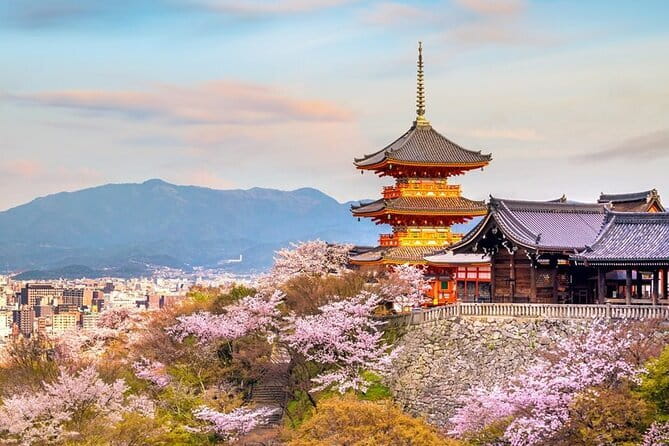
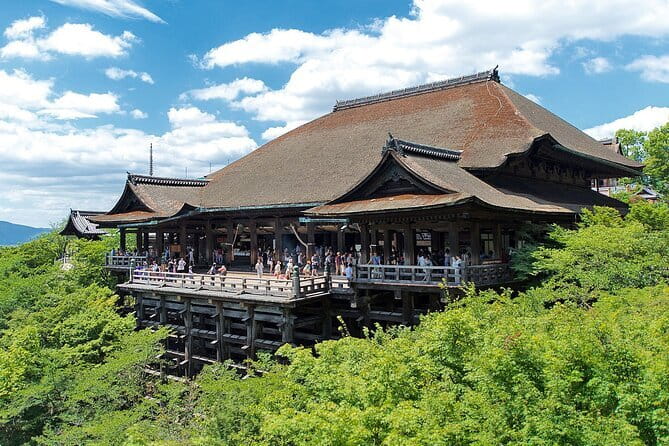
The first major visit is Kiyomizu-dera, with roughly two and a half hours including lunchtime. The temple admission fee is not included, so keep some money ready for entry and food.
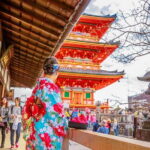
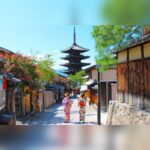
The temple itself is only part of the appeal. The route takes you through Nineizaka and Sanneizaka, two atmospheric streets lined with traditional-style buildings, shops, and places to pause for snacks. Ishibei-koji Alley offers a quieter contrast, while Hanamikoji Street and Yasaka Shrine add more of Kyoto’s old-city feel.
This is probably the most varied section of the day. You are not simply dropped at one gate and sent back to the coach. You get a series of connected streets and landmarks, though the exact amount of guided walking can vary.
The guide may provide an introduction, then give you free time. That arrangement works well if you like setting your own pace. You can browse, take pictures, sample local food, or focus on the temple. It works less well if you expect a continuous explanation at every turn.
Wear shoes that can handle slopes and stone paving. This area is scenic, but it is not flat or effortless. Add lunch and crowds, and the two and a half hours can pass quickly.
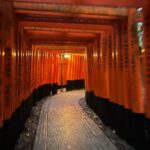
Fushimi Inari’s Senbon Torii
Fushimi Inari-taisha receives about 70 minutes of free time, and admission is included because the shrine grounds are free to enter. The famous feature is the long run of orange torii gates, known as Senbon Torii, or thousands of torii.
You do not need to walk the entire mountain route to enjoy the shrine. The lower gates provide the signature view, and your limited time makes it sensible to concentrate there. If you walk too far uphill, you risk spending your whole visit on the trail and missing the meeting time.
This stop is visually powerful but can feel hurried. You will want a few minutes to take in the shrine buildings, then time for the gates and the walk back. Listen carefully to the return instructions. Some less favorable experiences came from people having to find their own way back to the bus using a map link.
Fushimi Inari is also a place where an early start would help, but this tour’s departure and traffic conditions determine your arrival. You should expect crowds, especially on weekends and public holidays.
Nara Park and the deer
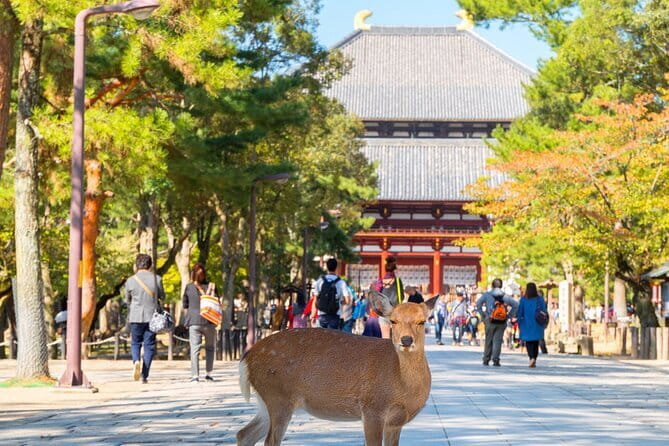
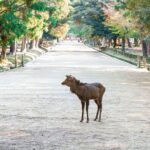
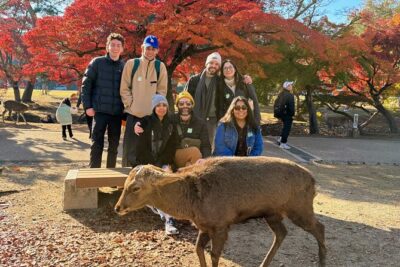
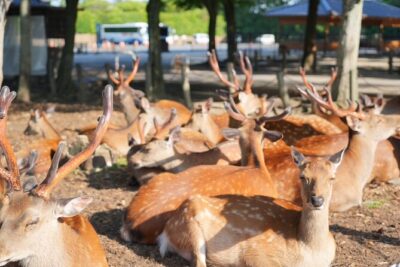
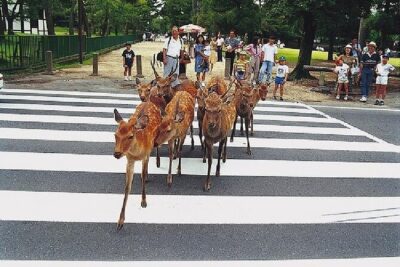
Nara Park gets about 90 minutes of free time. For many people, this is the day’s most memorable stop. Deer roam through the park, and you can interact with them in a way that feels very different from temple sightseeing.
The park also gives you access to major landmarks at the foot of Mount Wakakusa, including Todai-ji and Kasuga Taisha. The schedule, however, does not allow a broad visit to every site. Treat the park time as a chance to see the deer and choose one main direction rather than trying to cover all of Nara.
You can buy deer crackers if they are available near your route, but the tour information does not promise that they are supplied or that the guide will lead you to a particular vendor. If feeding the deer matters to you, ask the guide as soon as you arrive and keep the crackers visible only while you are ready to feed. The deer can be eager.
There is an important practical issue here. Parking may be as much as 20 minutes on foot from Todai-ji, depending on traffic rules and where the coach can stop. That can shrink your actual sightseeing time. One report described having only about 30 minutes at the temple after the walk, so do not assume the full Nara allocation will be spent inside Todai-ji.
Todai-ji and the Great Buddha

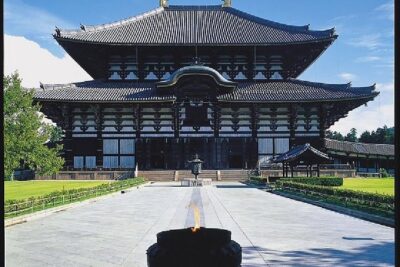
Todai-ji is listed as a short stop of about 20 minutes, with admission excluded. The temple is famous for housing the Great Buddha, one of Nara’s defining sights.
Twenty minutes is enough for a quick look if the group can move directly from the parking area. It is not enough for a leisurely temple visit, extended photography, and a slow walk around the grounds. The admission fee also means you need to decide if the interior visit fits your budget and schedule.
This stop shows the tour’s basic compromise. You gain access to a famous place, but you are not being given the time normally needed to appreciate a large temple complex. If Todai-ji is high on your personal list, plan to make it your priority in Nara and keep shopping or wandering to a minimum.
Your guide’s instructions matter here. Parking restrictions and group timing can make the return walk longer than expected. Begin heading back before the final minute, even if you have not seen every corner.

Shinsaibashi is the finish, not a Kyoto return

The final stop gives you about an hour in Shinsaibashi, Osaka. This is a useful ending if you want shopping, food, or an easy transition into an evening in Namba.
The listed meeting point is at 1-chōme-3-6 Nipponbashi, Chuo Ward, Osaka. The tour finishes in the Shinsaibashi area at Osaka Nihonbashi Exit 2, and the group does not return to Kyoto.
This point deserves special attention because it has caused confusion. If you board in Kyoto, you still finish in Osaka. You must arrange your own train ride back to Kyoto, with no return shuttle to the original Kyoto area described here. Make that extra journey part of your day before booking.
For someone staying in Osaka, the ending is convenient. You can leave the group in the Shinsaibashi area and continue with dinner or shopping. For someone staying in Kyoto, it adds time, cost, and one more transport decision after an already long day.
Guides, explanations, and how much help you receive
The tour is sold as English-speaking, and the guide quality can shape the day. Strong guide experiences have included Anna, Amy Ono, Lou, Yang, Jason, Liu, Eigai, and Kou Ran, also called Kosa. Specific praise has focused on friendly personalities, clear instructions, cultural information, and useful hints about what to see at each stop.
Amy Ono has been noted for answering historical questions with detailed descriptions and for managing the schedule well. Anna has been described as friendly, funny, and informative. Yang has been appreciated for clear help, while Jason has been praised for his English and attentive manner. These examples suggest that the experience can be warm and useful when the assigned guide takes an active role.
But you should not count on a lecture at every temple. Several accounts describe the tour as closer to a drop-off service, with limited explanations and unclear directions back to the bus. The safest approach is to read a little about Kiyomizu-dera, Fushimi Inari, Nara Park, and Todai-ji before you go. That small effort can turn a quick visit into a more meaningful one.
A kimono experience is available as an option, but you must reserve it in advance. The tour details do not say how much time it adds or where it takes place, so ask before booking if this is a major reason for joining.
The pace, vehicle, and walking demands
The stated duration is about nine hours and 20 minutes. The remaining hours outside the stop times cover driving and lunch, so you should expect a full day rather than nine hours of sightseeing.
The vehicle service is one of the better reasons to consider this trip. Fuel and highway tolls are included, and several accounts describe the bus as clean, punctual, and comfortable. The driver is expected to provide reliable service, though one summer report found the air conditioning on a particular bus weak and uncomfortable.
Traffic can affect the schedule, especially on weekends and public holidays. New Year’s Day can be especially difficult. Crowds at temples may be so heavy that access and movement change, and one poor experience came from trying to visit during the New Year period when worshippers filled the sites.
You will walk a lot. Kiyomizu-dera’s slopes, Kyoto’s lanes, Fushimi Inari’s paths, Nara Park, and the walk from parking can add up. Comfortable shoes, water, and a small day bag are more useful than a large suitcase.
Luggage is discouraged. One piece per person is allowed only if you clearly register it when booking. An extra charge of 100 yuan per piece may apply if you fail to note it or bring more than one piece. A foldable stroller may be carried, but you must tell customer service in advance, or the driver may refuse boarding.
What the price includes, and what it does not
At $54 per person, this is inexpensive for a day that links Osaka, Kyoto, and Nara by road. You are paying for transport across several destinations, the driver, guide service, fuel, tolls, and the convenience of a prepared route.
You still need money for food and drinks, temple admission, and personal purchases. Kiyomizu-dera and Todai-ji list admission as excluded. Fushimi Inari and Nara Park are free to enter, but you may spend money on lunch, snacks, souvenirs, or deer crackers.
The price is strongest for first-time visitors who want a broad introduction and do not want to plan every connection. It is weaker for repeat visitors, photographers, temple enthusiasts, or anyone who dislikes fixed schedules. Those people may get more from choosing one Kyoto district or one Nara route and staying longer.
Who should book this day trip?
I would choose this tour if you have only one open day, are staying in Osaka, and want to see Kyoto and Nara’s headline sights with transport handled for you. It also suits people who like a social coach trip, a firm timetable, and free time rather than a guide walking beside them at every moment.
Families can join, but children occupy a seat and are charged at the adult rate on a small-group tour. On a bus tour, children aged 0 to 2 are free if they are carried and do not occupy a seat.
I would hesitate if you are based in Kyoto and assumed you would finish there. The Osaka ending is clear in the supplied details, but the pickup arrangements for Kyoto need careful checking before you pay. I would also avoid New Year’s Day and consider a weekday if you are worried about traffic.
Confirmation arrives at booking. The night before, you should receive an email with the vehicle registration number, guide contact details, and pickup time. Guides do not initiate contact, so you need to wait at the stated location and time rather than expect a personal call.
Should you book the Osaka, Kyoto, and Nara highlights tour?
Book it for breadth, price, and convenience. For $54, you can see Kiyomizu-dera, Fushimi Inari, Nara’s deer, Todai-ji, and Shinsaibashi in one demanding day. Good guides such as Anna, Amy, Lou, Amy Ono, Yang, Jason, and Kosa can add warmth and useful context.
Do not book it expecting long temple visits or a fully narrated tour. Prepare for crowds, plenty of walking, possible traffic delays, and some self-guided time. Most important, remember that the day ends in Osaka. If that suits your plans, this is a practical introduction to Kansai’s biggest sights. If you want calm exploration or a Kyoto return, take the trains and visit fewer places on your own.
FAQ
Does the tour depart every day?
Yes. The tour has daily departures and is guaranteed to operate with a minimum of one person.
How long does the tour last?
The stated duration is approximately 9 hours and 20 minutes. Driving and lunch take up the remaining time beyond the scheduled sightseeing stops.
Where does the tour start?
The listed Osaka meeting point is 1-chōme-3-6 Nipponbashi, Chuo Ward, Osaka, 542-0073, Japan. The departure email sent the night before provides the pickup time and vehicle registration number.
Does the tour return to Kyoto?
No. The tour ends in Osaka, around Osaka Nihonbashi Exit 2 in the Shinsaibashi and Namba area. Anyone who needs to return to Kyoto must arrange their own train journey.
Are temple admission fees included?
No. Admission to Kiyomizu-dera and Todai-ji is excluded. Fushimi Inari-taisha and Nara Park are listed as free to enter.
Is food included?
No. Food and drinks are not included. Lunch takes place during the Kiyomizu-dera portion of the day, so you should budget separately for it.
Can I cancel for a refund?
You can cancel at least 24 hours before the experience start time for a full refund. Cancellations or changes made less than 24 hours before the start time are non-refundable and not accepted.
More Nara Day Trips in Osaka
More tours in Osaka we've reviewed




Nara Day Trips, compared.
 ★ 5.0World Heritage Kyoto & Nara Uji Authentic Matcha ExperienceFrom $129
 ★ 4.7Kyoto/Osaka: Nara, Fushimi Inari Taisha, Arashiyama Bus TourFrom $529 - 10 hours
 ★ 4.4Osaka/Kyoto: Arashiyama, Nara & Fushimi Inari Shrine w/LunchFrom $61
 ★ 5.0Nara Early Morning Tour (Kyoto or Osaka Departure Available)From $61
 ★ 4.5Kyoto and Nara Day Trip from KyotoFrom $194
 ★ 4.5Nara Afternoon Tour from Kyoto or OsakaFrom $102