
Reviewed · KYOTO
TAIKO, Japanese Drum Experience from Kyoto
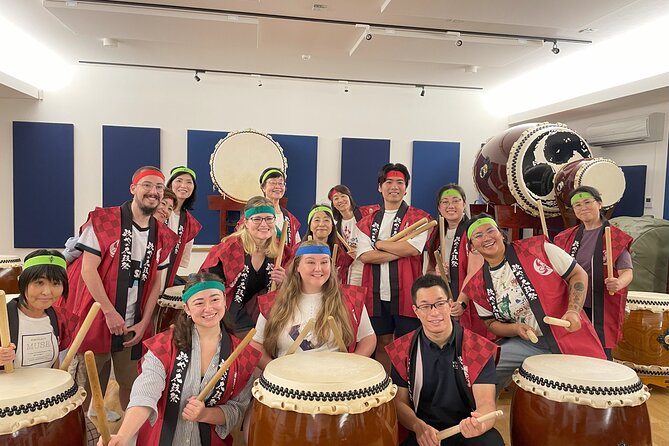
The best part of this Kyoto activity is simple: you do not just watch Japanese culture, you make noise with it. After a short train ride and taxi transfer, you’ll enter a professional taiko studio, learn the basic movements, and play a short piece with the group under the guidance of an experienced instructor.
I like the small-group format, which gives you room to follow the instructor rather than disappear in a crowd. I also like the thoughtful extras: writing your wishes in kanji on a hachimaki, watching a live taiko demonstration, and finishing with a photo in a happi coat and headband.
The main drawback is the meeting time. Kyoto Station is large, and the group cannot wait for late arrivals because of the train schedule. You need to arrive 15 minutes early, find the correct Central Exit meeting point, and leave enough time for the return trip, which can take about 2.5 to 3 hours in total.
In This Review
- Key Points to Know Before Booking
- Why This Taiko Class Feels Different From a Stage Show
- Getting From Kyoto Station to the Studio
- Starting With Taiko’s Place in Japanese Culture
- The Professional Demonstration Sets the Bar
- Learning the Basic Taiko Movements
- Playing a Group Piece and Taking the Final Photo
- What the $115.62 Price Buys You
- Timing, Fitness, and Other Practical Details
- Who Will Enjoy This Most
- Should You Book the Kyoto Taiko Experience?
- FAQ
- Where does the taiko experience begin?
- How do I get to the taiko studio?
- Is transportation included?
- Do I need previous drumming experience?
- Is the activity offered in English?
- How long does the full activity take?
- Can children participate?
- Can someone attend without playing the drums?
- What happens if I arrive late?
Key Points to Know Before Booking
- You play from the first session: No musical background is needed, and the instructor adjusts the lesson to your ability and fitness level.
- The journey leaves Kyoto: You take a JR train for about 12 minutes to Takatsuki, then continue by taxi to the studio.
- The class includes more than drumming: You’ll learn about taiko, write kanji on a traditional headband, watch a professional performance, and pose for a commemorative photo.
- English support is provided: An English-speaking guide explains the process and helps translate during the lesson.
- The group can reach 15 people: This is still more personal than a large stage show, but it is not a private lesson.
- Plan your whole afternoon carefully: The schedule includes transport, and leaving the class early is not recommended.
Why This Taiko Class Feels Different From a Stage Show
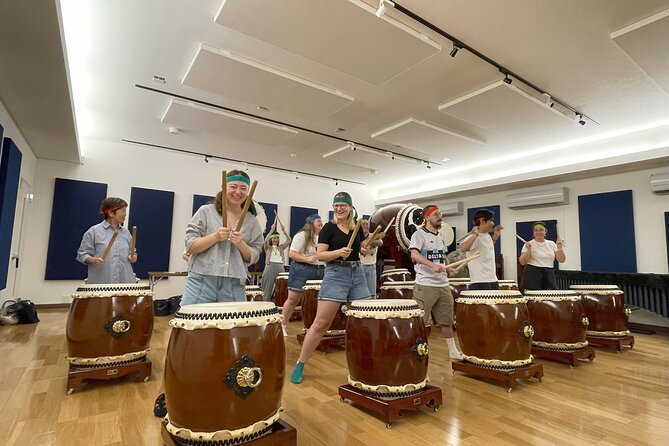
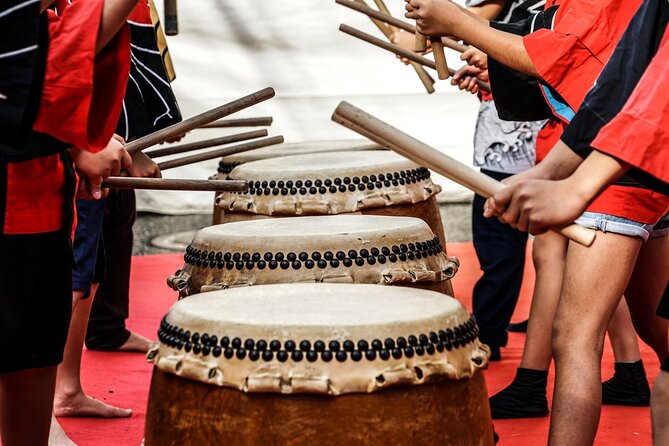
Kyoto offers many cultural activities where you sit quietly and watch. This one asks you to stand, grip the drumsticks, follow a rhythm, and put your own energy into the performance.
That matters because taiko is a physical art. You are not simply tapping a drum with your wrists. The basic movements involve posture, arm motion, timing, and a clear striking technique. Even a short practice piece gives you a better sense of the focus and coordination required by professional performers.
The session begins with an introduction to the role of taiko in Japanese culture. You’ll hear how the drums have been used and why they carry such importance in traditional performance. The explanation is brief enough to keep the class moving, but it gives the activity a useful cultural frame before you start playing.
You’ll also have a chance to write simple calligraphy on a hachimaki, the traditional headband worn for the final photo. This is a small detail, but it gives you something personal to take from the session. Writing your own wish or chosen characters makes the headband more than a costume prop.
If you're still narrowing it down, here are other tours in Kyoto we've reviewed.

Getting From Kyoto Station to the Studio
The meeting point is at Kyoto Station, near the Central Exit area. Do not confuse this with the Shinkansen Central Ticket Gate. Kyoto Station can be confusing even when you are not carrying luggage, so check the route in advance and allow more than the minimum 15 minutes.
Your English-speaking guide meets you at the station before leading the group onto a JR train. The ride to JR Takatsuki Station takes about 12 minutes. From there, a taxi takes you to the studio, with transport arranged as part of the activity.
This route is much more sensible than taking a taxi directly from central Kyoto. A direct taxi can take more than an hour, and traffic can increase both the journey time and the fare. The train keeps the first part of the transfer quick and predictable.
The taxi cost is described as about 2,000 yen, with up to four people sharing one cab. A one-way JR ticket to Takatsuki is also included. Since this is an off-center studio rather than a venue near Kyoto’s main sightseeing districts, the transport arrangement is an important part of the value.
During the train ride, your guide may also point out local places and explain more about the area. Guides named in connection with the activity include Michiko, Kumi, Akemi, Akayo, and Akiko. The exact guide depends on the date, but English assistance is part of the experience.
Starting With Taiko’s Place in Japanese Culture
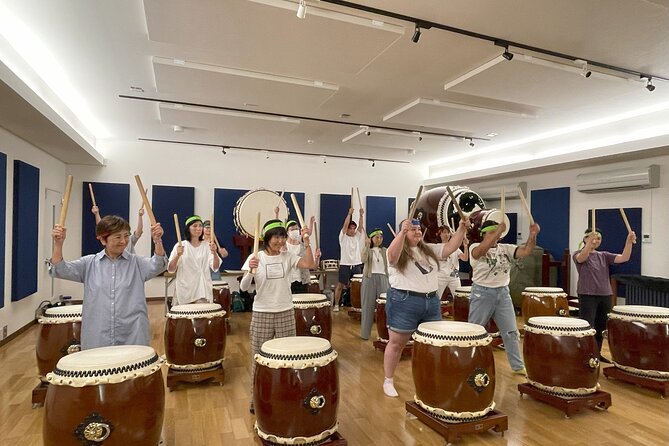
At the studio, you first receive a short explanation of taiko and its role in Japan. This opening helps you understand that the drum is not simply a large musical instrument brought out for tourists.
The introduction also gives you a few facts to listen for during the demonstration. Taiko performance depends on more than rhythm. The stance, the movement of the arms, the force of each strike, and the visual shape of the performance all matter.
Next comes the hachimaki activity. You write simple calligraphy on your headband, usually connected to a personal wish or idea. You do not need previous calligraphy skills, and the activity is designed as a straightforward creative addition rather than a formal lesson in Japanese writing.
I like this ordering. You learn a little, make something, and then see the instrument played at a professional level. The demonstration gives you a clear target before you pick up the sticks yourself.
The Professional Demonstration Sets the Bar
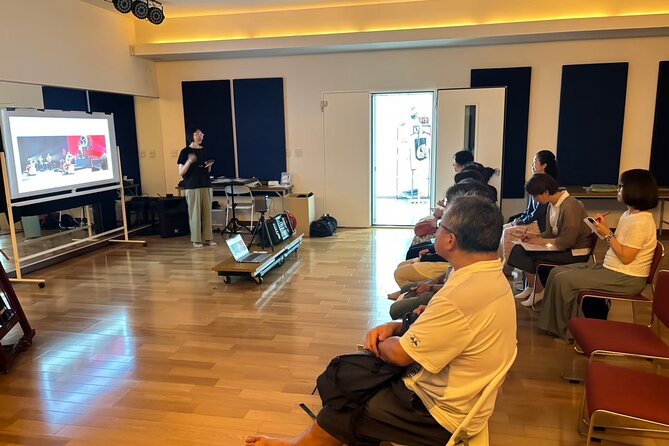
The instructor’s demonstration is one of the strongest moments of the session. Taiko has a physical power that is difficult to understand from a photograph or short video. In the studio, the sound and movement give you a much clearer sense of the instrument.
A professional musician such as Aoi or Mr. Sakurai may lead the teaching, depending on the session. Aoi is specifically praised for an impressive demonstration and patient instruction. The performance may include a live drummer working alongside recorded video in some sessions, so you should not assume the demonstration will always use several live musicians.
That detail is worth noting because the demonstration is not the same as attending a full evening concert. It is a short part of a hands-on class, designed to show technique and energy before you begin. Still, it adds real value. You see the precision behind the sound, then try to copy a much simpler version.
Learning the Basic Taiko Movements
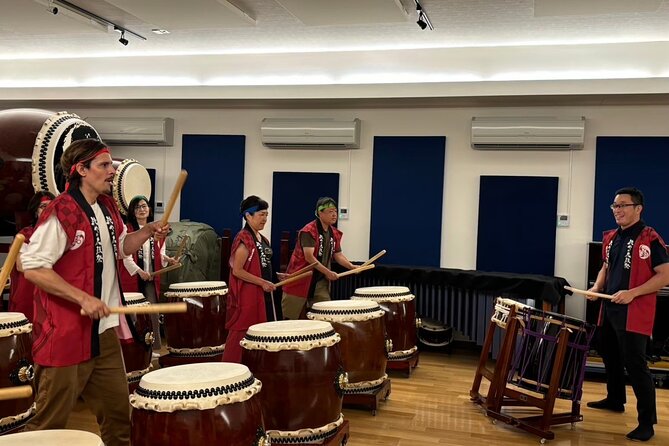
After the demonstration, the instructor breaks the playing down into manageable steps. You learn how to hold the sticks, how to position your body, and how to strike the drum. The lesson is aimed at beginners, so you are not expected to read music or have previous drumming experience.
The rhythm work is taught in short sections. You practice basic measures, repeat them, and gradually join them into a simple piece. The structure helps you keep going even if your timing is not perfect at first.
This is where the small group helps. A maximum of 15 participants is allowed, so the class is not an intimate one-on-one lesson. But it is small enough for the instructor and guide to watch the group, offer encouragement, and help people who lose the beat.
The guides also support communication. Michiko, Kumi, Akemi, Akayo, and Akiko are among the English-speaking hosts connected with sessions described by participants. The guide’s role is especially useful when the instructor is demonstrating a movement quickly or explaining a cultural point that could otherwise be lost.
You should expect some physical effort. One participant described the session as good cardiovascular exercise when performed with energy and for long enough. The activity is not presented as a workout, but taiko does ask you to use your arms, posture, and concentration.
The lesson is adjusted to your skill and fitness level. That makes it suitable for beginners who are unsure about their ability, but you should still tell the instructor if you need to work at a gentler pace.


Playing a Group Piece and Taking the Final Photo
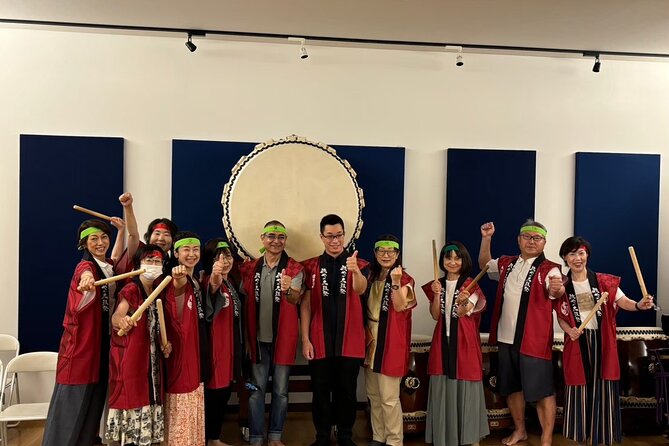
The class ends with a simple group performance. You play the rhythm you have practiced with the other participants, creating the satisfying moment when individual attempts become one piece of music.
Do not expect a long concert or a technically difficult composition. The goal is to give you a real taste of playing taiko together. Even a short final piece can feel rewarding because you have learned it during the session rather than simply watching professionals perform.
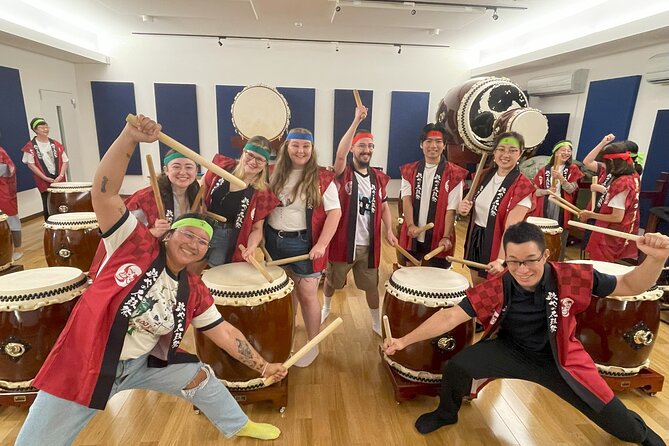
Afterward, you take a commemorative photograph in traditional clothing, including a happi coat and your hachimaki. The photo brings together the main parts of the activity: the writing, the costume, and the drumming.
Families can enjoy this final section, but children under seven are not allowed to participate. Older children can take part, and the activity has worked well for children aged eight and eleven according to the supplied experience details. Parents should still decide based on their child’s ability to follow instructions and manage a physical lesson.
What the $115.62 Price Buys You
At $115.62 per person, this is not the cheapest cultural activity you can add to a Kyoto itinerary. The price makes more sense when you count what is included: the English-speaking guide, the JR train ticket to Takatsuki, taxi transport to and from the studio, the taiko lesson, the instructor, the hachimaki, and the final photograph in traditional dress.
You are also paying for access to a professional studio and a guided lesson rather than a quick demonstration in a tourist district. The trip outside central Kyoto takes extra time, but it is also why the class can use a dedicated taiko space.
The value is strongest if you want to participate. You are paying for instruction and a personal cultural activity, not just admission to a show. If you only want to watch, the operator lists a separate observer charge of 9,000 yen per person, payable in cash at the studio. You must notify the operator in advance if someone plans to observe, since transport may not be arranged without notice.
For a couple, family, or small group, the price can be reasonable because the activity fills a substantial part of an afternoon and includes transport. For a solo participant, check the date carefully. On certain days, single-person bookings are not available, and you may need to book and pay for two places.
Timing, Fitness, and Other Practical Details
The advertised duration is about 2 hours and 30 minutes, including transport. In practice, you should plan to be back at Kyoto Station roughly 2.5 to 3 hours after the start time. Train schedules can shift the timing slightly.
Do not schedule a temple visit, meal reservation, or long-distance train immediately afterward. The operator advises against leaving the class early, and the return time is not exact enough for a tight connection.
The activity is near public transportation, and most people can participate. The lesson is beginner-friendly, but taiko is active rather than passive. Wear something that allows comfortable movement, and avoid building a packed schedule around the class.
The mobile ticket is convenient, but it does not solve the meeting-point problem. Kyoto Station has several major exits and ticket gates. If you get turned around, ask station staff for the Central Exit, specifically not the Shinkansen Central Exit.
Free cancellation is available up to 24 hours before the start time for a full refund. Changes or cancellations inside that window are not accepted for a refund. The activity may also be canceled because of poor weather, in which case you can choose another date or receive a full refund.
Who Will Enjoy This Most
I would choose this class if you want a Kyoto activity that is active, social, and tied to a real Japanese art form. It works especially well for:
- First-time visitors who want more than sightseeing
- Couples looking for a shared activity
- Families with children aged seven or older
- People interested in music, rhythm, or Japanese performance
- Anyone visiting Kyoto who also has time to explore beyond the city center
You do not need to be musical. The instruction is built for beginners, and the final piece is simple enough for people who have never played a drum.
I would be more cautious if you dislike group activities, have very limited time in Kyoto, or want a long professional performance. The class can include up to 15 people, and the journey to the studio takes planning. It is also not a drop-in activity. Missing the meeting time means missing the train and losing the booking, even if you call ahead.
Should You Book the Kyoto Taiko Experience?
Book it if you want to feel the rhythm rather than simply hear an explanation about Japanese culture. The combination of train travel, calligraphy, professional demonstration, guided practice, group performance, and traditional costume gives you a full two-and-a-half-hour activity without requiring previous skill.
I especially like it for families and first-time visitors because the lesson has a clear shape and plenty of support. The strongest hosts are warm and punctual, and English translation helps keep the cultural explanation and instruction clear.
Skip it if your Kyoto schedule is already packed or if you want a private lesson. The meeting point demands care, the studio is outside central Kyoto, and the group may be as large as 15 people. But if you arrive early and allow room in your schedule, this is a fair-priced, memorable way to take part in a Japanese tradition instead of watching it from the sidelines.
FAQ
Where does the taiko experience begin?
It begins at Kyoto Station, near the Central Exit area in Higashishiokoji Kamadonocho, Shimogyo Ward.
How do I get to the taiko studio?
You take a JR train from Kyoto Station to Takatsuki Station, a journey of about 12 minutes. A taxi then takes you from Takatsuki to the studio.
Is transportation included?
Yes. The experience includes a one-way JR ticket to Takatsuki and car transport to and from the studio. The taxi costs about 2,000 yen, and up to four people can share one cab.
Do I need previous drumming experience?
No. The lesson is suitable for beginners and all skill levels. The instructor teaches the basic movements and techniques step by step.
Is the activity offered in English?
Yes. An English-speaking guide is included and helps explain the history, instructions, and activities.
How long does the full activity take?
The stated duration is about 2 hours and 30 minutes. You should expect to return to Kyoto Station about 2.5 to 3 hours after the start time.
Can children participate?
Children under seven years old are not allowed to participate. Older children may join, and the activity is suitable for most participants who can follow the lesson.
Can someone attend without playing the drums?
Yes, but observers pay 9,000 yen per person in cash at the studio. You must notify the operator in advance so transportation can be arranged.
What happens if I arrive late?
The group cannot wait because of the train schedule. If you miss the start time, you cannot participate, even if you contact the operator, and no refund is issued.
More tours in Kyoto we've reviewed





Kyoto, compared.
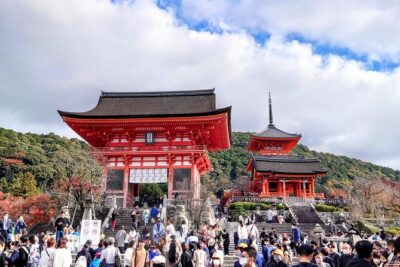 ★ 5.0PERFECT KYOTO 1-Day Bus TourFrom $129
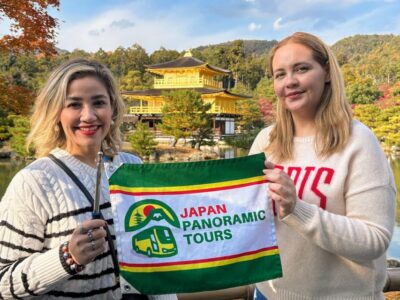 ★ 4.8Kyoto: Fushimi Inari, Kinkakuji, Bamboo Grove 1 Day Bus TourFrom $122510 minutes - 9 hours
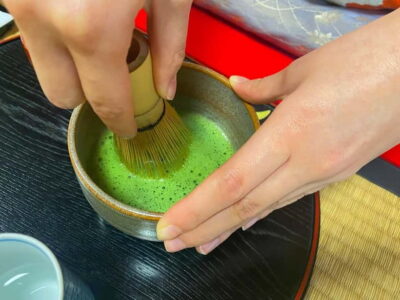 ★ 4.9Kyoto: Tea Ceremony in a Traditional Tea House in KiyomizuFrom $4945 min
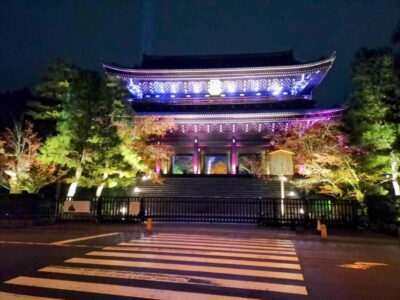 ★ 4.7Kyoto Geisha Walking Tour: Gion District & Hidden GemsFrom $252 hours
 ★ 4.9Kyoto: Tea Ceremony Ju-An at Jotokuji TempleFrom $291h 10m
 ★ 4.3Kyoto: 45-Minute Tea Ceremony Lesson ExperienceFrom $2245 min