
Reviewed · CYCLING TOURS
KIYOTO’s Private E-cycling: Highlights & Hidden Gems
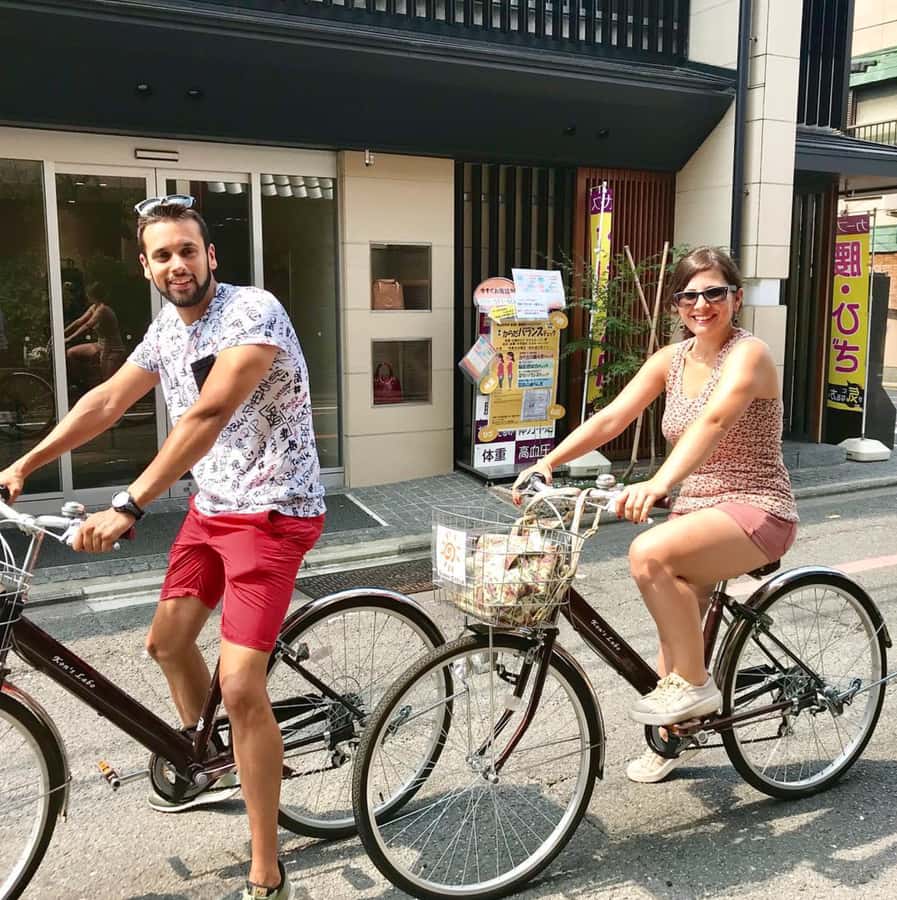
Kyoto opens up differently from a bicycle seat. On this private e-cycling tour, you move from Nijo Castle and the Imperial Palace to quiet temple grounds, neighborhood sweets shops, Gion lanes, and the Philosopher’s Path without spending the day on crowded buses. The route covers a lot, but your guide can also shape the ride around your interests.
I like the personal guiding and the chance to ask questions as Kyoto appears around you. I also like the local stops, especially Demachi Futaba for sweets and the opportunity to find small shops, snacks, and family-run places that are easy to miss on a standard sightseeing route.
The main caution is that you need to be comfortable riding a bicycle. Some streets carry traffic, and the tour runs in rain unless severe weather makes a change necessary, so this is not a good pick if you want a fully relaxed, vehicle-free outing.
In This Review
- Key points to know before booking
- Why an electric bike works so well in Kyoto
- Starting at Sunny Cycle and setting off
- Nijo Castle and the Imperial Palace
- Demachi Futaba and a taste of local Kyoto
- Shimogamo Shrine and the quieter northern route
- Two eastern temples: Konkai Komyo-ji and Shinnyo-do
- The Philosopher’s Path and Nanzenji
- Heian-jingu, Gion, and the Kamo-area streets
- What the guide adds to the ride
- The practical points that affect your decision
- Who should book this Kyoto e-cycling tour?
- Should you book it?
- FAQ
- Where does the Kyoto private e-cycling tour start and finish?
- How long does the tour last?
- Is the tour private?
- Which languages are available?
- Are e-bike rental fees included?
- Are food and drinks included?
- Are entrance fees included?
- What happens if it rains?
Key points to know before booking
- Electric bikes make a wide Kyoto route practical, linking temples, shrines, Gion, and the Philosopher’s Path in three to five hours.
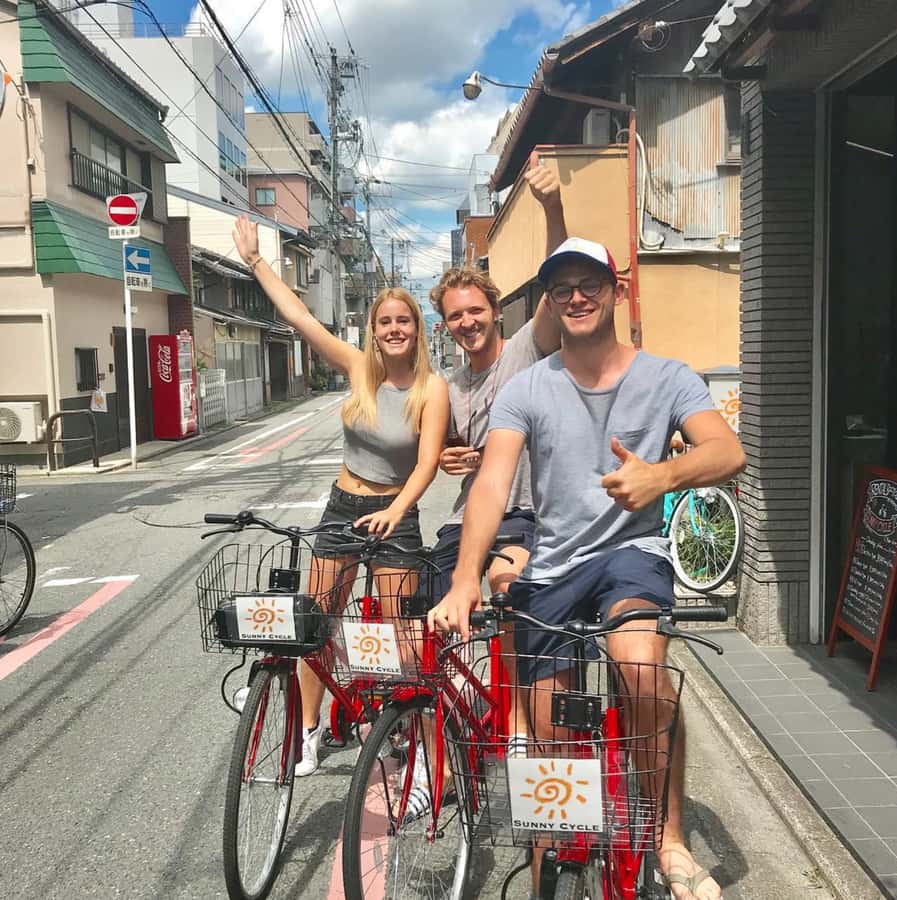
- The tour is private, so you can ask questions, request photo stops, and discuss food or neighborhood interests with your guide.
- Named guides include Kiyoto, Takuma, Rika, and Paren, all praised for friendly service, clear explanations, and flexibility.
- Local food is part of the fun, with wagashi, street sweets, and possible shop or restaurant suggestions, but food and meals cost extra.
- You see both famous sights and quieter corners, including Konkai Komyo-ji, Shinnyo-do, Suirokaku, and Miyagawasuji.
- Traffic and weather matter: you must be able to ride, bring suitable clothing and rain gear, and carry cash.
Why an electric bike works so well in Kyoto
Kyoto’s sights are spread across a broad central area. Nijo Castle sits west of the Imperial Palace, Shimogamo Shrine is north of the river, and the eastern temples continue toward Nanzenji and Gion. Walking between all of these places would take far too long, while public transport often leaves you with extra walking and transfers.
An electric bike gives you a useful middle ground. You cover more ground than on foot, yet you still notice shopfronts, small lanes, bridges, and daily life at street level. The electric assistance also helps on longer stretches, though it does not remove the need to steer carefully or share roads with traffic.
The advertised duration is three to five hours. That difference matters. A three-hour ride can provide a fast overview, while five hours gives your guide more room for temple visits, snack stops, photos, and questions. One guest who took the shorter option wished they had booked five hours, which is useful advice if you want to stop often rather than simply pass by.
The price is $225 per person. That is not a budget bicycle rental, but it includes the e-bike and a private guide for the tour. You are paying for route planning, local context, navigation, and the ability to adjust the outing to your pace. For a couple, family, or small private group that wants a focused first look at Kyoto, the cost can make sense. It is less appealing if you only want to rent a bike and explore independently.
Other cycling tours in Kyoto
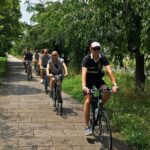
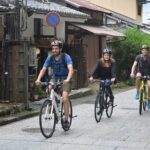
Starting at Sunny Cycle and setting off
The meeting point is Sunny Cycle Bicycle Rent. The ride begins and ends there, which keeps the logistics simple. You do not need to arrange a second pickup point or figure out how to return a bike across town.
The guide is also part photographer. Photos and videos can be taken during the day, giving you a record of the ride without asking a stranger at every stop. Guides such as Kiyoto, Takuma, Rika, and Paren have different personalities, but the service described for each is consistent: friendly conversation, clear explanations, patience, and a willingness to respond to individual requests.
Before setting off, use the time to tell your guide what interests you. The route already includes a strong mix of temples, shrines, old streets, sweets, and major photo spots, but a private tour is most useful when you explain what you want from it. Food, architecture, customs, history, and local shopping can all become part of the conversation.
Nijo Castle and the Imperial Palace
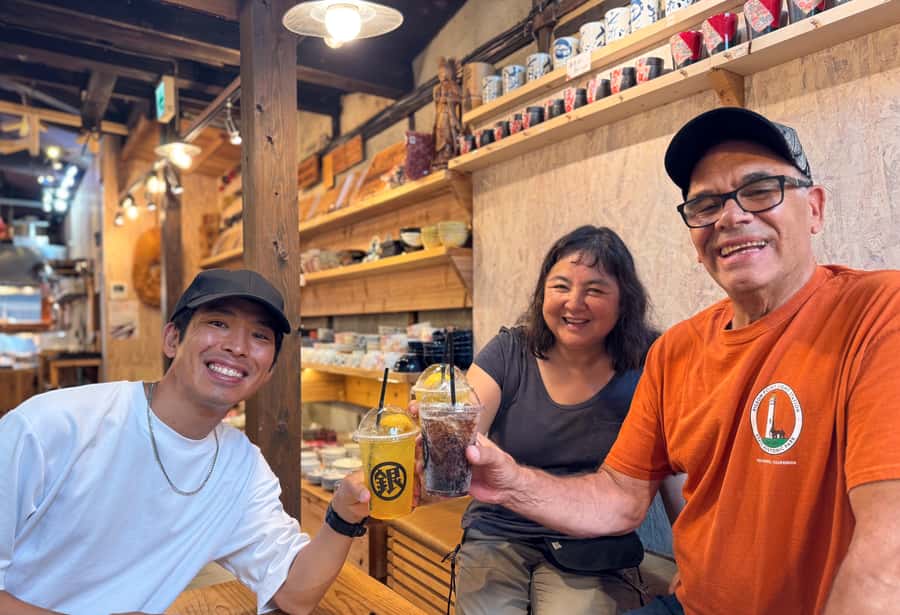
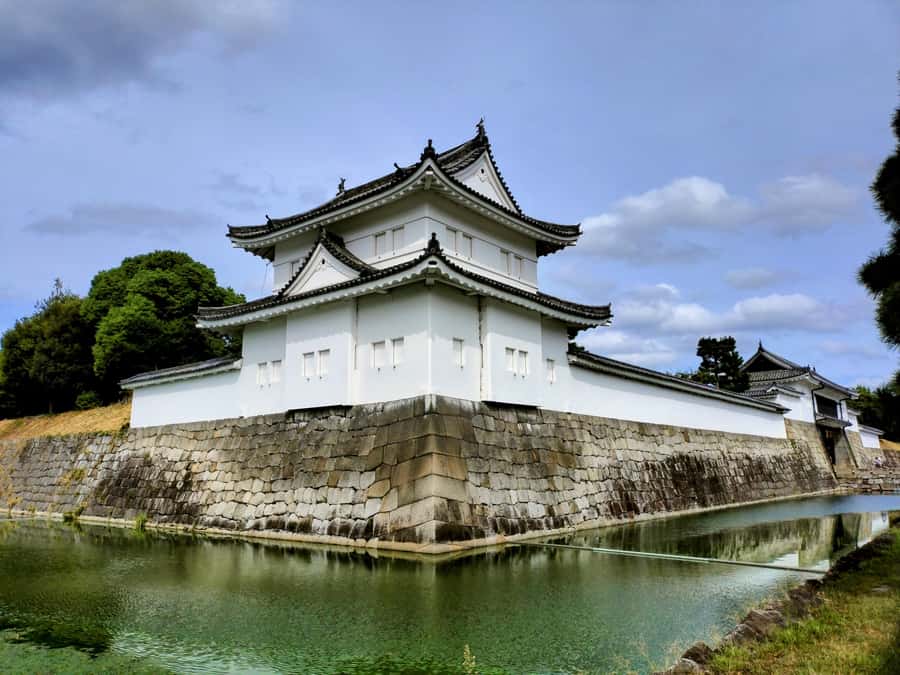
Nijo Castle is first, with about five minutes listed for a photo stop and short visit. That makes it an introduction rather than a full castle tour. You should expect an exterior look and a quick explanation, not time to explore every building or garden.
Next comes the Kyoto Imperial Palace, with around 20 minutes for a guided visit and bike tour. This is a useful contrast to Nijo Castle. The palace area gives you a sense of Kyoto’s role as Japan’s imperial capital, while the open grounds offer a change from narrow streets and dense sightseeing areas.
The short timing at both early stops reveals the basic design of the outing. This is a moving overview of Kyoto, not a series of long indoor visits. If you want to study Nijo Castle or the Imperial Palace in detail, plan a separate return visit.
Demachi Futaba and a taste of local Kyoto
Demachi Futaba is scheduled as a 15-minute break for local snacks. This is one of the tour’s most appealing details because wagashi, Japanese sweets, are tied closely to Kyoto’s food culture. A small stop like this can tell you more about local habits than another quick photograph outside a major monument.
Food is not included in the tour price, so bring cash. The itinerary also lists later snack and shopping pauses, but no food or drinks are covered. That keeps your choices open, though you should budget separately if you want to sample several items.
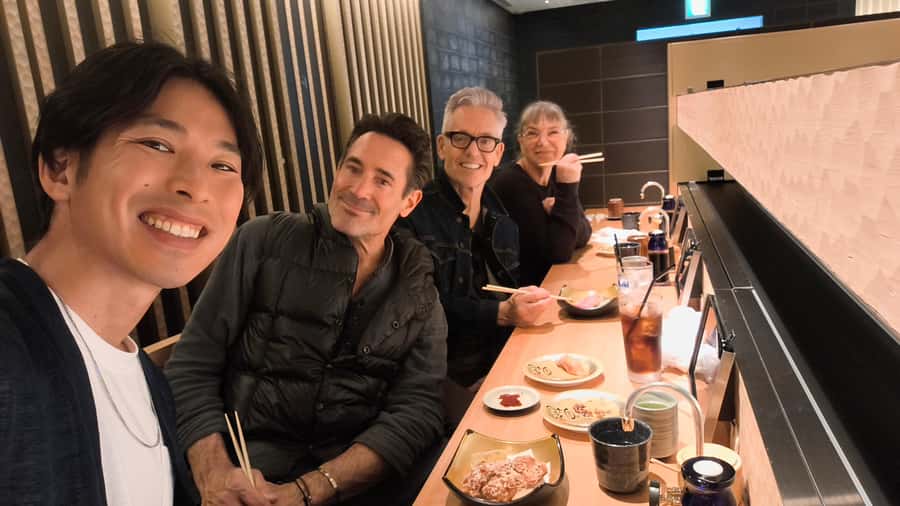
The food stops are also a good reason to ask your guide questions. You can learn what you are looking at, how it is eaten, and which treats might travel well. If you have dietary needs, mention them early. Rika, for example, helped a vegan participant find a restaurant with suitable food, showing the practical value of having a private guide rather than following a fixed group route.
Shimogamo Shrine and the quieter northern route
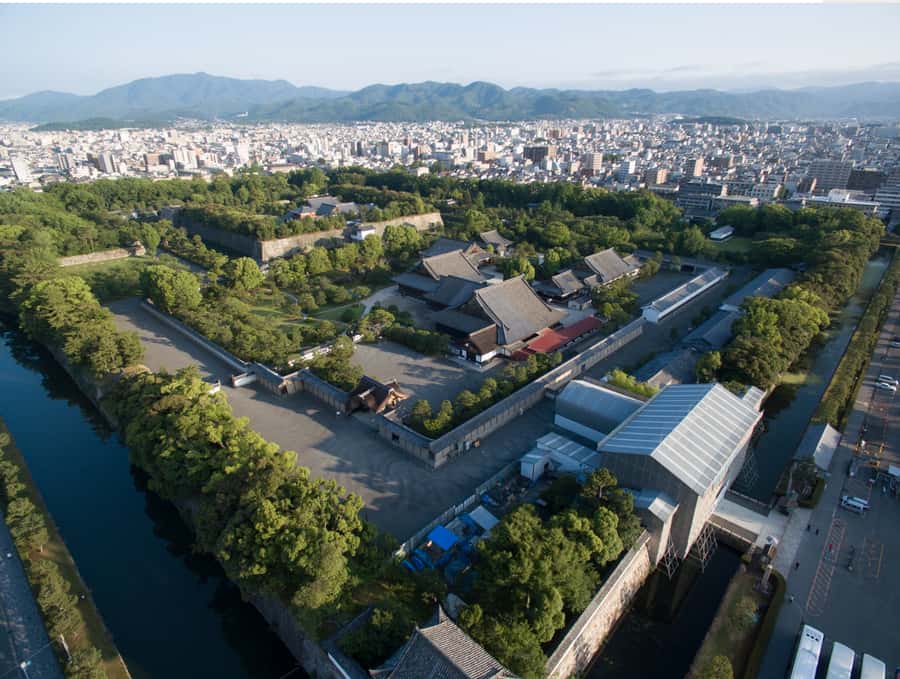
Shimogamo-jinja Shrine receives about 20 minutes for a visit and short walk. Its setting provides a calmer counterpoint to Kyoto’s headline sights. The stop gives you time to look around and hear the guide explain customs and history without turning the tour into a formal lecture.
After this shrine, the route includes a 10-minute break and another brief shopping or food stop later on. The exact details of those pauses are not specified, so think of them as flexible breathing spaces rather than promised attractions. They may be useful for a drink, a small purchase, or a quick rest.
This portion of the route is especially helpful if you want to see how Kyoto feels beyond the main tourist corridors. You are still visiting important cultural sites, but the bicycle lets you connect them through ordinary streets instead of viewing each one as an isolated stop.
Other private tours in Kyoto
Two eastern temples: Konkai Komyo-ji and Shinnyo-do
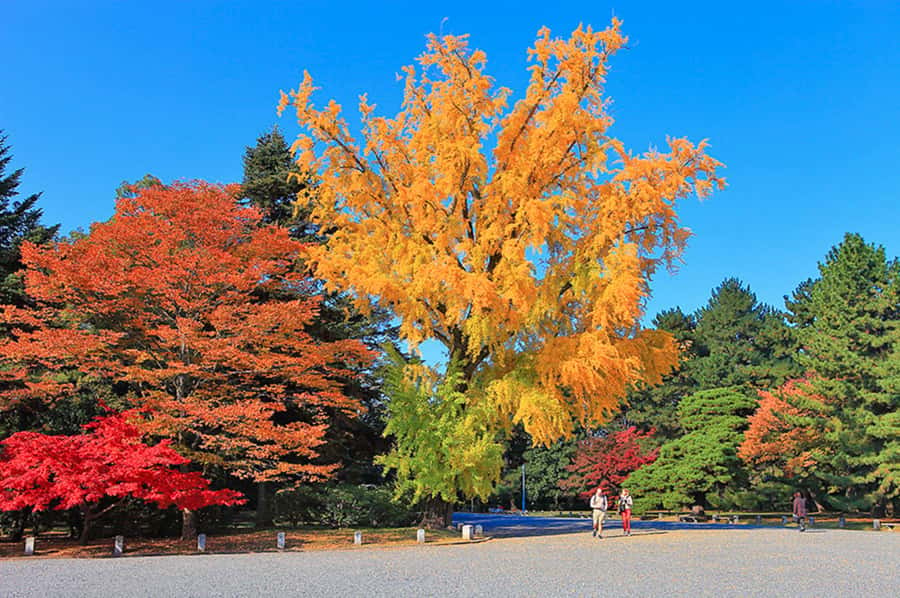
Konkai Komyo-ji Temple is scheduled for about 20 minutes. It is followed by Shinsho Gokuraku-ji, commonly called Shinnyo-do, also with about 20 minutes for a guided visit.
These stops are valuable because they broaden the temple experience. Kyoto has no shortage of famous temple names, but a guide can help you notice the differences in layout, religious purpose, gates, gardens, and atmosphere. You do not need to be an expert in Buddhism to benefit from the explanation. Ask direct questions, and the private format gives you room to follow your curiosity.
The time allotment remains fairly brisk. You will likely see the key areas and hear the story behind them, but you may not have time for a long, quiet wander. If temple architecture is your main reason for visiting Kyoto, tell the guide you prefer fewer stops with more time at each one.
The Philosopher’s Path and Nanzenji
The ride then reaches the Philosopher’s Path, one of Kyoto’s best-known walking and cycling corridors. The tour allows around 20 minutes for sightseeing and a guided bike ride. The route is particularly attractive because the bicycle connects the path with nearby temples instead of making you retrace your steps.
You should expect a scenic ride rather than a long stop. Conditions can vary, and you still need to control the bike around other people and road users. Keep your speed sensible and listen to your guide’s directions.
Nanzenji Temple follows, with another 20-minute visit. It is a major eastern Kyoto sight, and the guide’s explanation helps you understand why this area matters. The nearby Suirokaku Waterway Bridge receives about 10 minutes for photos and a visit. Its brick structure adds a striking change of style after the traditional temple grounds.
The waterway is also a fine example of how Kyoto’s old religious sites and later public works share the same area. You get a more complete picture of the city by seeing both, rather than spending the whole day inside temple compounds.
Heian-jingu, Gion, and the Kamo-area streets
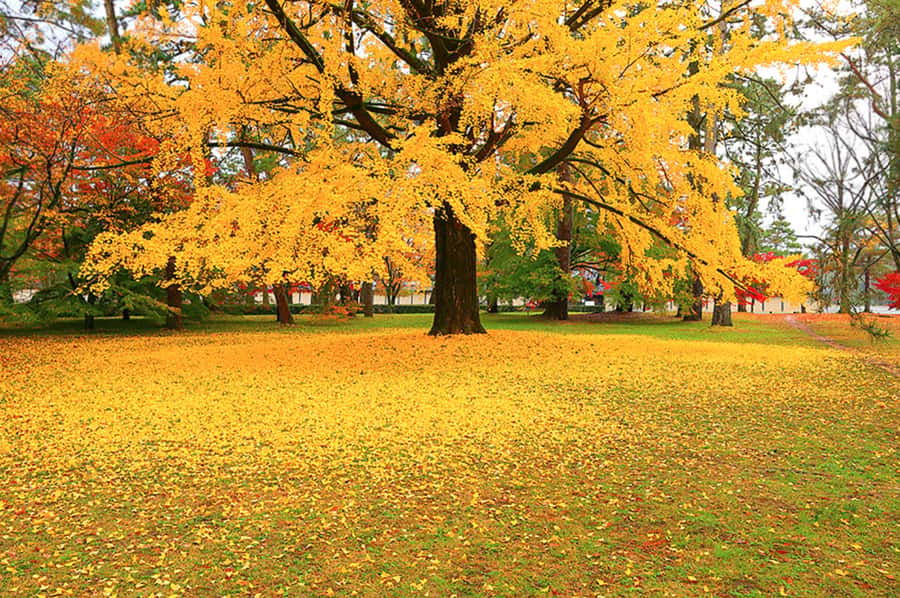
The grand torii of Heian-jingu is a five-minute photo stop. You do not enter the shrine as part of the listed plan, so this is mainly about the scale and position of the gate. It is a quick but useful landmark as the route moves south and east.
Gion-Shirakawa receives about 15 minutes for photos. This is the kind of place where a guide adds practical value. You can learn how to look around respectfully, especially in a historic entertainment district where people live and work. The short stop allows you to take in the canal, traditional streets, and architecture without treating the area as a stage set.
Miyagawasuji follows with around 10 minutes for a visit and guided look. The route then reaches Takasegawa for another 10-minute photo stop and bike segment. These waterways and side streets help connect the grand sights with Kyoto’s older neighborhoods.
You will not get a full evening in Gion or a long meal in the area. Instead, you receive a compact introduction and a list of places that may deserve a return visit. That is one of the tour’s strengths for a first day in Kyoto: it helps you decide where to spend more time later.
What the guide adds to the ride
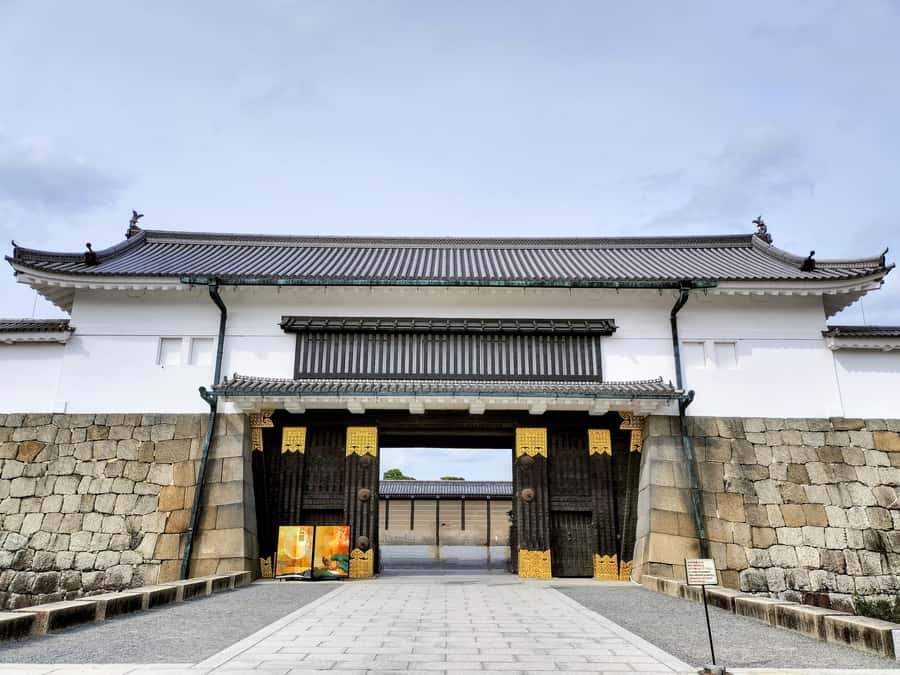
A bicycle can show you Kyoto, but it cannot explain it. The guide fills that gap by pointing out details you might otherwise pass without noticing and by answering questions as they arise.
Kiyoto is described as especially focused on giving a broad preview of the city, explaining the history and key features of the places you visit, and suggesting budget-friendly shops and restaurants. Takuma received praise for his friendly manner and strong explanations during the three-hour route. Paren contacted his group before the tour, confirmed the plan, and added requested spots.
That flexibility is important. A private ride is not just a smaller version of a group tour. You can ask to spend more time on food, temples, photography, or local neighborhoods. You can also tell the guide if the pace feels too fast.
The photo service is another practical benefit. A guide who knows the route can choose useful viewpoints and take pictures or short videos while you enjoy the ride. Do not expect a professional photo shoot, but it is a thoughtful extra for couples, families, or anyone who wants a visual memory of the day.
The practical points that affect your decision
You must be able to ride a bicycle. This is not suitable if you are uncomfortable steering, braking, or riding near traffic. One useful warning is that some parts of the route share streets with vehicles, so novice riders should take extra care and avoid assuming the electric motor makes the outing effortless.
The tour runs rain or shine. Bring comfortable shoes, cash, and suitable clothing. Rain gear is specifically recommended. If severe weather is expected, the operator says it will notify you by the day before. You may also discuss changing the bicycle tour to a walking tour.
Entrance fees are not included. If you choose to enter a facility that charges admission, you pay your own fee and the guide’s fee. Most listed admission charges range from 300 to 800 yen, but the tour is designed so that paid entries are optional rather than required.
Meals are also not part of the schedule. Snack stops are included in the route, but you pay for what you buy. If you want a proper meal break, you cover the cost for yourself and the guide. This is worth remembering when comparing the $225 price with the full cost of the day.
The tour is offered in English and Japanese and is arranged for a private group. Cancellation is free up to 24 hours before the start, and the reserve-now, pay-later option gives you some flexibility while your plans are still changing.
Who should book this Kyoto e-cycling tour?
I would choose this tour early in a Kyoto stay. The route provides a useful city overview, and the guide can point you toward places to revisit on foot or explore at greater length. It is especially good for first-time visitors who want context instead of a checklist of monuments.
It also suits repeat visitors who have already seen the biggest sights and want more neighborhood time. The sweets shop, quieter temples, local streets, and food suggestions add a more personal layer to the usual Kyoto plan.
Families and couples can benefit from the private format, provided everyone can ride safely. The ability to adjust the route and stop for photos is much easier when you are not trying to keep up with a large group.
I would hesitate if you dislike riding in traffic, want long indoor visits, or prefer a slow temple day. The tour covers many places, and its value comes from connecting them efficiently. You will see a lot, but several stops last only five to 20 minutes.
Should you book it?
Book it if you want an active introduction to Kyoto with a private English or Japanese guide, local snacks, useful food tips, and a route that reaches far more than you could comfortably walk in half a day. Ask for five hours if you want generous time at the temples and food stops.
Skip it if you want a fully independent ride, a long sit-down meal included, or detailed visits inside every major monument. For confident cyclists who value personal explanations and a broad view of Kyoto, the e-bike, private route, and flexible guiding make the $225 price easier to justify.
FAQ
Where does the Kyoto private e-cycling tour start and finish?
The tour starts at Sunny Cycle Bicycle Rent in Kyoto and ends back at the same meeting point.
How long does the tour last?
The experience lasts three to five hours. Starting times vary, so check availability when booking.
Is the tour private?
Yes. The activity is arranged as a private group tour.
Which languages are available?
The live guide service is available in English and Japanese.
Are e-bike rental fees included?
Yes. E-bike rental fees are included, and a rental-for-the-day option is available.
Are food and drinks included?
No. Food, drinks, snacks, and meal expenses are not included. You pay for anything you choose to buy.
Are entrance fees included?
No. If you decide to enter a facility that charges admission, you must pay your own fee and the guide’s admission fee. Most such fees range from 300 to 800 yen.
What happens if it rains?
The tour operates rain or shine, so bring suitable clothing and rain gear. In severe weather, the operator will notify you by the day before. You can also ask about changing the bicycle tour to a walking tour.
More Private Tours in Kyoto
More Cycling Tours in Kyoto
More tours in Kyoto we've reviewed

Cycling Tours, compared.
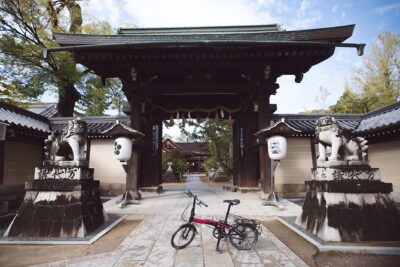 ★ 5.0Hidden Kyoto E-Biking tourFrom $116
 ★ 5.0Bike Tour Exploring North Kyoto plus LunchFrom $106
 ★ 5.0Arashiyama Bamboo Forest & Hidden Gems Bike Tour (Early Bird)From $106
 ★ 5.05 Top Highlights of Kyoto Full Day Bike Tour (E-bike option)From $172
 ★ 5.0Full Day Biking Tour Exploring the Best of KyotoFrom $119
 ★ 5.0E-Bike Tours of the highlights of Kyoto!!!From $109