
Reviewed · KYOTO
Zen Meditation for Life in Kyoto
Kyoto’s Zen tradition is often reduced to quiet temple gardens and a few minutes of sitting. This private workshop goes further. In a traditional machiya near Nishi Honganji, Brian Victoria, an academic and Buddhist cleric, explains the ideas behind Zen before guiding you through seated and walking meditation.
I like the small private format, since your group can ask direct questions and set the pace. I also like the useful mix of theory and practice: you learn correct posture, then try two 20-minute periods of zazen with walking meditation between them. The main consideration is that Brian’s wide-ranging discussion can feel like a lot of information, especially if you came expecting only a short meditation lesson.
In This Review
- Key points to know before booking
- A thoughtful introduction to Zen, not a quick photo stop
- What happens near Nishi Honganji
- Two periods of zazen and walking meditation
- Why the private format makes a difference
- Tea, a Kyoto sweet, and time to think
- Who will get the most from this afternoon
- Practical timing, transport, and comfort
- Is the $108 price fair?
- Should you book Zen Meditation for Life in Kyoto?
- FAQ
- Where does the Zen meditation activity begin?
- How far is the meditation hall from Kyoto Station?
- Is this a private activity?
- How long is the meditation session?
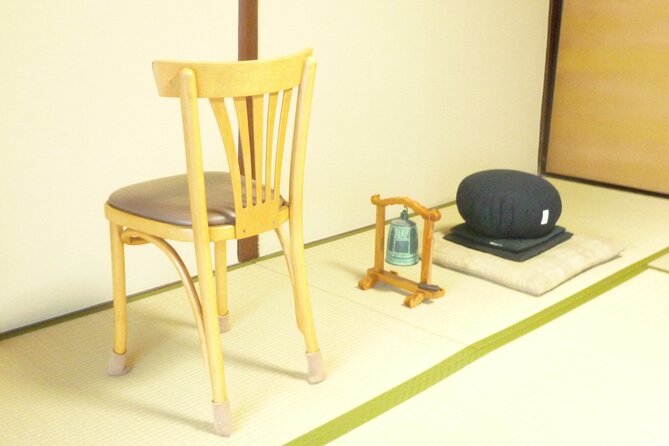
- Can I meditate on a chair?
- Are tea and refreshments included?
Key points to know before booking
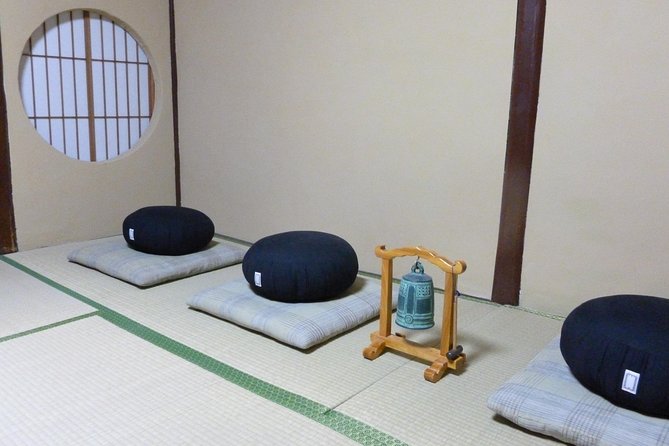
- Private workshop in a Kyoto machiya: Only your group takes part, in a traditional home near Nishi Honganji.
- Brian Victoria leads the session: He combines Buddhist practice, religious history, and personal instruction.
- Three forms of learning are combined: You hear the theory, practice seated meditation, and try walking meditation.
- Chairs are available: You can use the lotus or half-lotus posture, or meditate on a chair.
- Tea closes the afternoon: Green tea and a traditional Kyoto sweet are included, with time for questions.
- Allow most of an afternoon: The listed duration is about 4 hours 30 minutes, and public transport costs ¥240 per person.
A thoughtful introduction to Zen, not a quick photo stop
This is best understood as a private lesson in Zen meditation rather than a temple sightseeing tour. You meet at the Central Entrance of Hotel Granvia Kyoto, by Kyoto Station, at 1 pm. From there, the meditation hall is about a five-minute bus or taxi ride away, near Nishi Honganji.
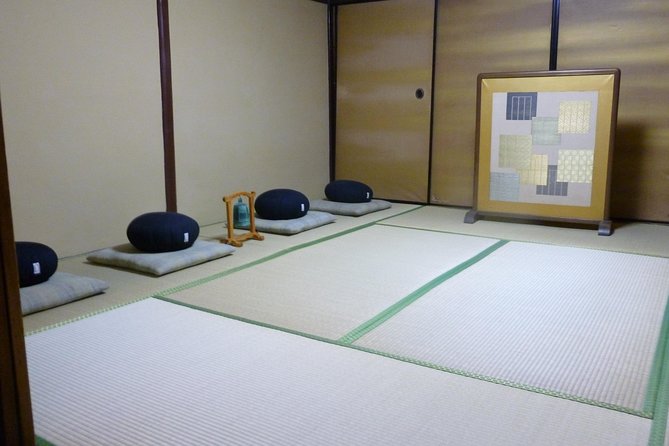
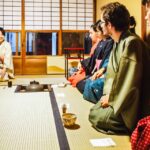
That short transfer matters. You are not spending the afternoon moving between far-flung sights. The focus stays on one place, one teacher, and the practice itself. The setting is a traditional Kyoto machiya, which gives the session a more personal feel than a large hotel room or a crowded tour group.
The afternoon is built around a simple question: how do you actually meditate in the Zen tradition? Brian explains the purpose of the practice, then deals with the physical side that many beginners overlook. Your posture, breathing, and handling of the mind all matter here. You are not simply told to sit still and relax.
That makes this a good choice if you want context. It also means the experience may feel demanding if you prefer a short, quiet introduction with little conversation. Brian has been praised for connecting meditation with Buddhism, Japanese religious practice, and wider questions about life. If you are curious and willing to listen, that extra material can give the sitting practice more meaning.
If you're still narrowing it down, here are other tours in Kyoto we've reviewed.

What happens near Nishi Honganji
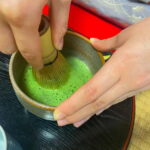
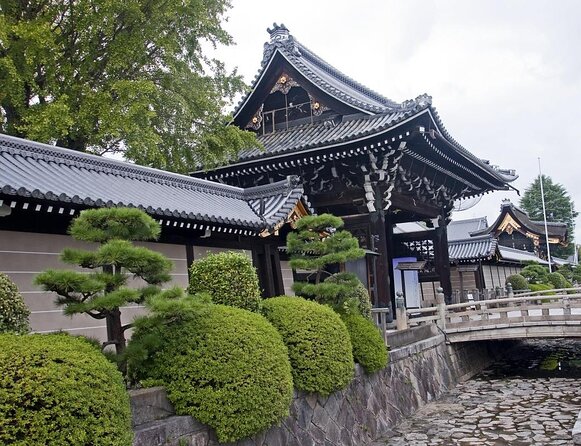
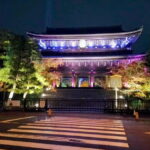
The activity description lists Nishi Honganji as the stop, but the main workshop takes place in a private meditation hall inside a traditional home nearby. The temple area helps place the lesson in Kyoto’s religious setting, yet this is not presented as a full temple tour.
You begin with about 90 minutes of instruction. This section covers both theory and practice, with special attention to the posture used for Zen mindfulness meditation. Brian also explains breath and mind control, two basic elements of the practice.
For a first-time meditator, the posture lesson is especially useful. Sitting comfortably is not the same as sitting correctly for zazen. The lotus and half-lotus positions are available, but you do not have to force your legs into a shape that causes pain. A chair is offered for anyone who finds that more suitable.
That practical flexibility is important. Meditation sessions can become uncomfortable when beginners feel they must copy an advanced posture. Here, you can focus on breathing and attention without treating the floor position as a test of toughness.
The first teaching period may feel dense. One person described the amount of information as a little overwhelming, while still finding the afternoon worthwhile. I would take that as a fair warning. Come ready to listen, and do not expect every Buddhist idea to settle into place at once.
Two periods of zazen and walking meditation
After the introduction, you try the practice itself. The format includes two 20-minute periods of seated meditation, known as zazen. Between them comes a 10-minute period of walking meditation, called kinhin.
That structure is well suited to beginners. Twenty minutes can feel long when you are new to meditation, but the walking period gives your body a change of position. You get to notice how attention works while sitting, then see how it changes when you move slowly.
The point is not to produce a dramatic spiritual moment. You are learning the mechanics of practice: posture, breath, awareness, and the steady return of the mind when it wanders. Brian’s role is to help you understand what you are doing and why.
I appreciate that the workshop does not stop after a short demonstration. You receive enough time to try the method more than once. The second sitting can be useful because you have already learned what the first period feels like. You may adjust your posture, settle your breathing, or simply become more aware of distractions.
Do not book this expecting a spa treatment. Zen meditation can be quiet, but it is not always easy or relaxing in the ordinary sense. You may spend part of the session noticing restlessness, stiffness, or a busy mind. That is part of the lesson, not a sign that you are doing it wrong.
Why the private format makes a difference
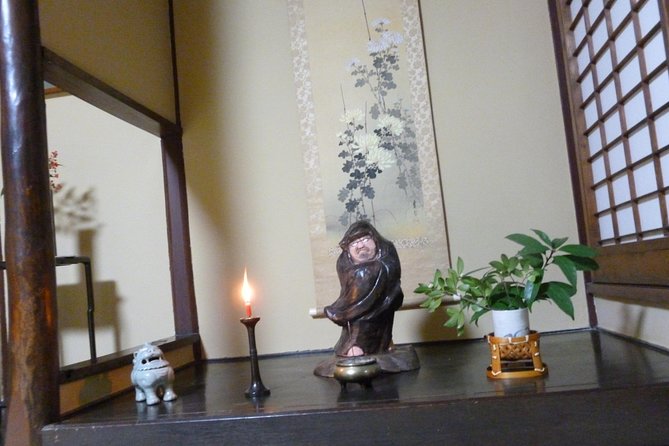
The activity is private, so only your own group participates. This is one of its strongest features. You can ask questions without speaking in front of a large room, and Brian can respond to the interests of your group.
That flexibility seems to have shaped several especially memorable sessions. One afternoon connected well with an 18-year-old participant through a discussion of different religions. Another group appreciated the chance to explore a temple, learn posture, and then practice sitting and walking meditation in the same visit.
A private setting also makes this suitable for mixed experience levels. One person may be completely new to meditation, while another may already have a regular practice. You can use the question period to clarify the parts that matter most to you.
The tradeoff is price. At $108, this is not a cheap add-on to a day of sightseeing. You are paying for a private, roughly half-day lesson rather than a group tour with a fixed script. For one person, the cost may feel high. For a couple, family, or small group that values direct conversation, the private arrangement gives the price more weight.
The listed public transportation cost is separate, at ¥240 per person. The meeting point is easy to find at Kyoto Station, and the return is to that same meeting point. You should still allow enough time for the bus or taxi transfer and for an afternoon that may run close to the full stated length.
Tea, a Kyoto sweet, and time to think
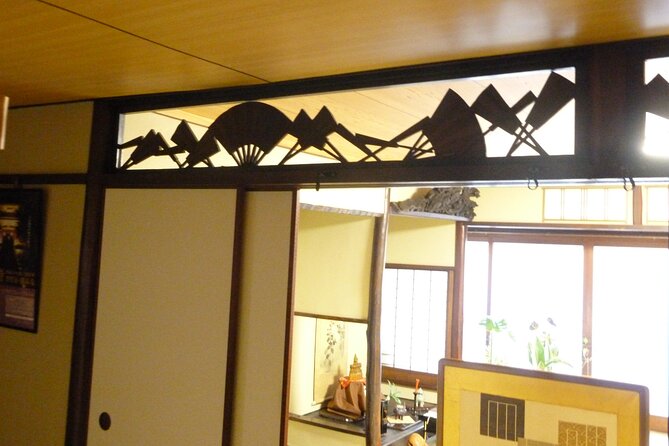
The workshop ends with about 30 minutes for green tea and a traditional Kyoto sweet. Coffee and tea are included, so this is more than a quick refreshment stop. It gives you a calm window to ask questions after the formal meditation ends.
This final conversation is a key part of the experience. The earlier lesson may raise questions about Buddhist practice, Japanese religion, or how to continue meditating at home. You can bring those questions to Brian while the material is still fresh.
The sweet is a small detail, but it fits the afternoon well. You have spent hours dealing with posture and attention, so a simple closing ritual helps the session end at a natural pace. It also gives the group time to shift back into ordinary sightseeing mode.
Several people have described leaving with new ideas to consider rather than a single tidy answer. That is the right expectation here. The goal is to leave with enough understanding and confidence to continue practicing on your own if you choose.

Who will get the most from this afternoon
I would recommend this for a curious visitor who wants more than a scenic temple visit. You do not need prior meditation experience, and most people can participate. The chair option also removes one common barrier for beginners.
It suits you particularly well if you enjoy asking questions and connecting religious practice with history and daily life. Brian’s teaching has been described as clear, personal, and story-driven, with discussion that can range beyond meditation itself.
It may be less suitable if your Kyoto schedule is packed with temples, markets, and evening plans. The workshop uses most of an afternoon, and the content is not rushed. It is also not the right pick if you want a silent retreat. There is substantial explanation before the meditation, followed by conversation over tea.
Families and small groups should think about attention spans. The session worked well for at least one parent and teenage child, but the 90-minute introduction requires patience. A group made up of people who all want to learn will get much more from it than a group dragged along by one enthusiastic participant.
Practical timing, transport, and comfort
The listed start time is 1 pm at Hotel Granvia Kyoto’s Central Entrance. The hall is described as a five-minute bus or taxi ride from Kyoto Station, near Nishi Honganji. Public transport is not included and costs ¥240 per person.
The official duration is about 4 hours 30 minutes. One account describes an afternoon running from approximately 1:30 to 6 pm, so I would keep your schedule open until early evening. The activity ends back at the meeting point.
Wear something that allows you to sit comfortably. The provided information does not set a dress code, but tight or restrictive clothing would not help during two 20-minute seated periods. You can use a chair if lotus or half-lotus posture is uncomfortable.
Tea and a traditional Kyoto sweet are included at the end. Coffee is also available, according to the activity details. Confirmation arrives when you book, and free cancellation is available if you cancel at least 24 hours before the start time. Changes or cancellations inside that window are not accepted for a refund.
Is the $108 price fair?
The value depends on what you want from Kyoto. If you are looking for a low-cost meditation class, the price may seem steep. If you want private instruction from a Buddhist cleric, a traditional setting, historical context, practical posture coaching, two seated sessions, walking meditation, and a closing question period, the price is easier to justify.
The session also avoids some common problems with large group activities. You are not waiting for dozens of people to settle down, and your questions do not need to fit a general audience. The private format is the main reason this costs more than a standard introductory class.
I would not pay $108 simply for the setting. The machiya and nearby temple area add atmosphere, but the real value comes from Brian’s teaching and the amount of time devoted to practice. If your interest is limited to taking a few photographs near Nishi Honganji, spend the money elsewhere.
Should you book Zen Meditation for Life in Kyoto?
Book it if you want a serious, personal introduction to Zen meditation and can give an entire afternoon to the subject. You will learn how to sit, how walking meditation works, and why posture, breath, and attention are central to the practice.
Skip it if you want a fast cultural stop, a silent retreat, or a broad tour of Kyoto temples. The discussion can be information-heavy, and the experience asks you to stay engaged for several hours.
For the right person, this is the kind of Kyoto activity that keeps working after you leave. You may remember the machiya, the tea, and the quiet sitting, but the more lasting part is the chance to think differently about attention and daily life.
FAQ
Where does the Zen meditation activity begin?
It begins at the Central Entrance of Hotel Granvia Kyoto, at JR Kyoto Station, at 1 pm.
How far is the meditation hall from Kyoto Station?
The private meditation hall is about a five-minute bus or taxi ride from Kyoto Station, near Nishi Honganji.
Is this a private activity?
Yes. Only your group participates in the activity.
How long is the meditation session?
The activity lasts approximately 4 hours 30 minutes. It includes about 90 minutes of instruction, two 20-minute seated meditation periods, a 10-minute walking meditation period, and about 30 minutes for tea and questions.
Can I meditate on a chair?
Yes. You may use the traditional lotus or half-lotus posture, or sit on a chair if that is more comfortable.
Are tea and refreshments included?
Green tea and a traditional Kyoto sweet are included. Coffee and tea are also provided during the visit. Public transportation, listed at ¥240 per person, is not included.
More tours in Kyoto we've reviewed

Kyoto, compared.
 ★ 5.0PERFECT KYOTO 1-Day Bus TourFrom $129
 ★ 4.8Kyoto: Fushimi Inari, Kinkakuji, Bamboo Grove 1 Day Bus TourFrom $122510 minutes - 9 hours
 ★ 4.9Kyoto: Tea Ceremony in a Traditional Tea House in KiyomizuFrom $4945 min
 ★ 4.7Kyoto Geisha Walking Tour: Gion District & Hidden GemsFrom $252 hours
 ★ 4.9Kyoto: Tea Ceremony Ju-An at Jotokuji TempleFrom $291h 10m
 ★ 4.3Kyoto: 45-Minute Tea Ceremony Lesson ExperienceFrom $2245 min