
Reviewed · TEA CEREMONY EXPERIENCES
Cycling Tour at Uji’s Matcha Green Tea Fields and Heritage
Uji’s best moments are often away from its busiest temple paths. This 270-minute Brompton bicycle tour takes you from the tea jar-shaped post outside JR Uji Station to quiet river stretches, wooded routes, old shrines, and the celebrated Byodoin Phoenix Hall.
I like the easy pace and the personal guiding, especially for anyone who wants more than a quick look at the main sights. I also like the mix of tea culture and everyday Uji, with time for local snacks and matcha shopping rather than a rushed temple checklist.
The main consideration is that this is still a four-and-a-half-hour outing on a bicycle. The route is described as gentle and slow, but you should be comfortable riding for several hours. Temple and tea-center entrance fees, snacks, and optional insurance cost extra.
In This Review
- Key points to know before booking
- Why cycling is a smart way to see Uji
- Starting at Uji’s tea jar post
- Chazuna and Uji’s tea culture
- Uji Shrine and Ujigami Shrine
- Kosho-ji Temple and the wooded route
- The quiet Uji River and Tō-no-shima Island
- Byodoin Phoenix Hall, Uji’s grand finale
- Matcha snacks before returning to the station
- Is $160 a fair price?
- Who will enjoy this Uji ride most?
- Practical details that affect your day
- Should you book this Brompton tour?
- FAQ
- Where does the cycling tour meet?
- How long does the Uji bicycle tour last?
- Is the tour offered in English?
- How many people can join the tour?
- Are bicycles and helmets included?
- Are entrance fees and food included?
Key points to know before booking
- Brompton bicycles keep the ride stylish and manageable: All bicycles and riding equipment are supplied, including helmets and wheeled transport bags.
- The quiet Uji River section is a major highlight: You ride along less crowded stretches that many first-time visitors miss.
- Takashi provides a flexible local route: The course can be adjusted around your interests and requests.
- Byodoin Phoenix Hall gives the tour a major cultural anchor: The UNESCO World Heritage Site receives about an hour of the schedule.
- The group is limited to six people: That makes conversation and route changes easier than on a large bus tour.
- Matcha is part of the experience, not just a souvenir: You visit a specialty tea shop and can stop for local snacks or a matcha drink.
Why cycling is a smart way to see Uji
Uji sits south of Kyoto and is closely tied to Japanese tea. It is also a city of old shrines, temples, river views, and former aristocratic retreats. Walking between these places can take time, while a standard sightseeing vehicle misses the smaller roads and riverside paths.
A bicycle gives you a better middle ground. You cover more ground than on foot, but you still move slowly enough to notice tea shops, wooded lanes, bridges, and changes in the river scenery. The Brompton bicycles are compact and distinctive, and the tour provides the bike, helmet, bags, and other riding equipment.
You do not need to arrive with cycling gear. That matters for visitors already carrying luggage or moving between Kyoto and another destination. The supplied equipment also keeps the outing simple, although you should still dress for the weather and wear comfortable clothes.
The pace is intended to be relaxed. That is good news if you are not especially fit or if you want a sightseeing day rather than a workout. One participant specifically appreciated the guide’s patience with a slower rider, which gives you a useful sense of the tour’s tone. Still, slow cycling is not the same as no exertion. Four and a half hours can feel long if you rarely ride.
A few more Kyoto tours and experiences worth a look
Starting at Uji’s tea jar post
The meeting point is easy to identify: look for the navigator with a Brompton bicycle in front of the tea jar-shaped post just outside JR Uji Station. This is a practical meeting place because you do not have to search through a large station complex or walk to a distant rental shop.
Your guide handles the bicycle setup and route introduction. The small-group format, capped at six people, should make it easier to ask questions, request photo stops, or explain what you most want to see. The route can be arranged around your wishes, although the exact balance between tea stops, temples, and riding will depend on the day’s plan.
Takashi is the guide name most often associated with this experience. The guiding style described by the tour information is attentive and easygoing, with English and Japanese available. If you have a strong interest in tea production, temples, photography, or quiet river paths, say so at the beginning.
Chazuna and Uji’s tea culture
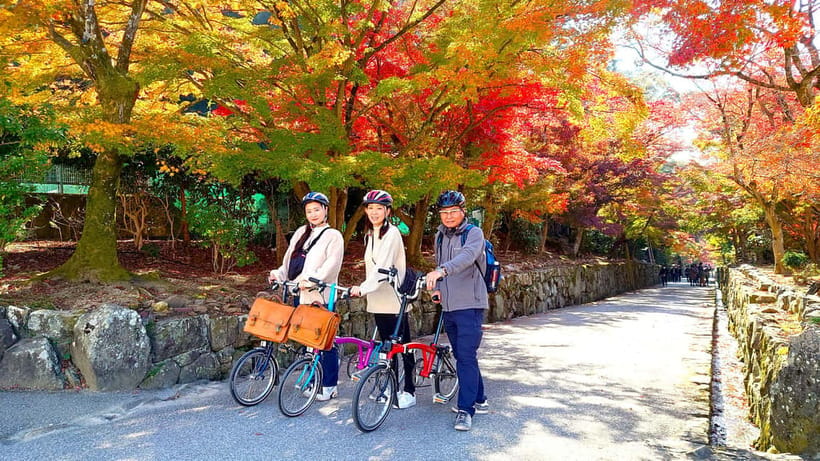
The first planned stop is Chazuna, the Tea and Uji Town Exchange Centre. The bicycle ride here takes about 30 minutes. This is where the tour begins to explain why Uji is more than a place to buy green tea-flavored sweets.
Uji is famous for matcha, the powdered tea used in drinks, sweets, and traditional tea preparation. The tour connects the product with the town that produces and celebrates it. You can choose to pay the optional 600 yen entrance fee for Chazuna, giving you a closer look at the local tea story.
That fee is not included in the $160 tour price, so decide in advance if the tea-center visit is a priority. If you mainly want to cycle and sample matcha, you may prefer to save that money for a drink or snack. If you want context about tea processing and the difference between matcha and other tea products, the extra visit adds useful depth.
One of the most appealing parts of the experience is the chance to stop at specialty shops. The guide can suggest places based on what you want to eat. You might choose a light local snack, a matcha drink, or tea powder to take home. The food is not included, but the guide’s local suggestions are a practical advantage over wandering into the first shop you see.
Uji Shrine and Ujigami Shrine
The next sections of the route visit Uji Shrine and Ujigami Shrine, with about 20 minutes of cycling assigned to each. These stops shift the focus from tea to religion and older local traditions.
Uji Shrine is a peaceful place to pause, and Ujigami Shrine is especially important as one of the area’s ancient religious sites. Together, they help explain why Uji developed as a place of culture and worship as well as a tea center.
Do not expect long guided lectures at each shrine. The schedule gives the tour room to see several places, but it also means the stops are compact. That works well if you like variety and movement. It may feel brief if you want to study every architectural detail or spend a long time photographing the grounds.
The bicycle makes these shrine visits more satisfying than a simple station-to-temple walk. You are not limited to the most direct tourist route, and the guide can lead you through quieter sections between the main sights. The point is not just to arrive at a famous gate. It is to understand how the river, woods, temples, and neighborhoods fit together.
Kosho-ji Temple and the wooded route
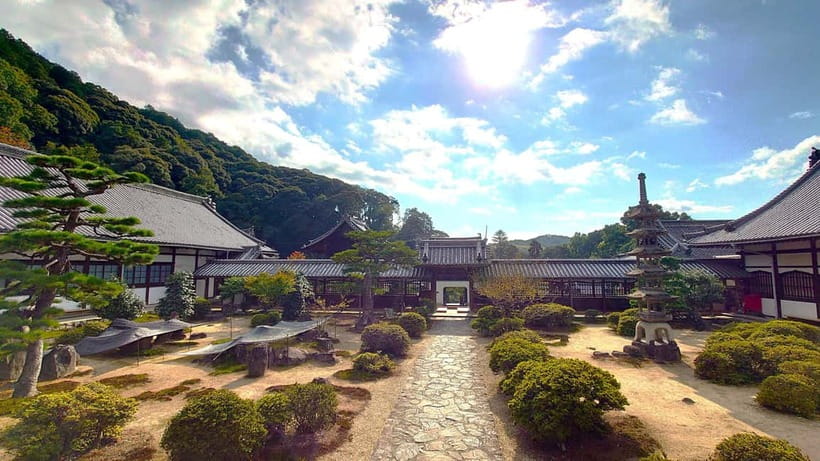
Uji Kosho-ji Temple receives another 20-minute cycling segment. The temple is known for its calm setting, and the route around it adds a wooded side of Uji to the day.
This is one of the places where a bicycle tour can show you something a standard walking plan may leave out. The ride gives you a chance to move through quieter surroundings before returning toward the river and central sights.
The schedule is not designed for a long private meditation session. You will have time to look around and take photographs, then continue. If you are drawn to temples for architecture and atmosphere rather than a complete religious study, the timing should feel balanced.
Bring a camera, but do not turn the whole day into a photo stop. The tour has several scenic sections, and stopping too often could make the later schedule feel hurried. Takashi can help choose the better pauses.
A few more Kyoto tours and experiences worth a look
The quiet Uji River and Tō-no-shima Island
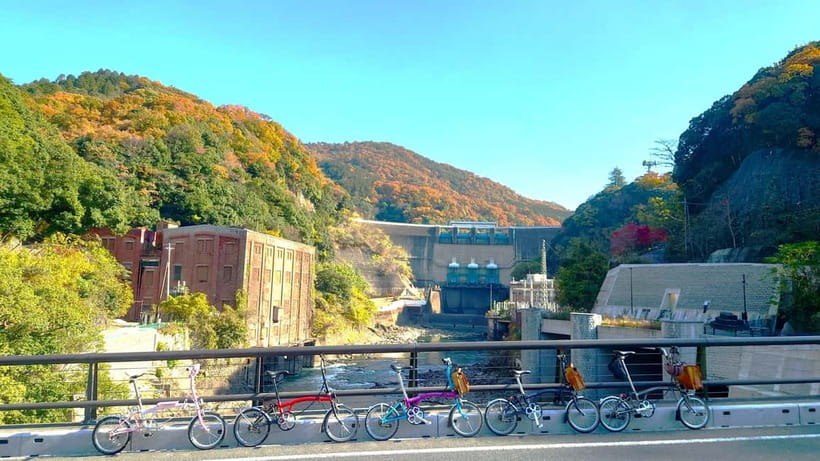
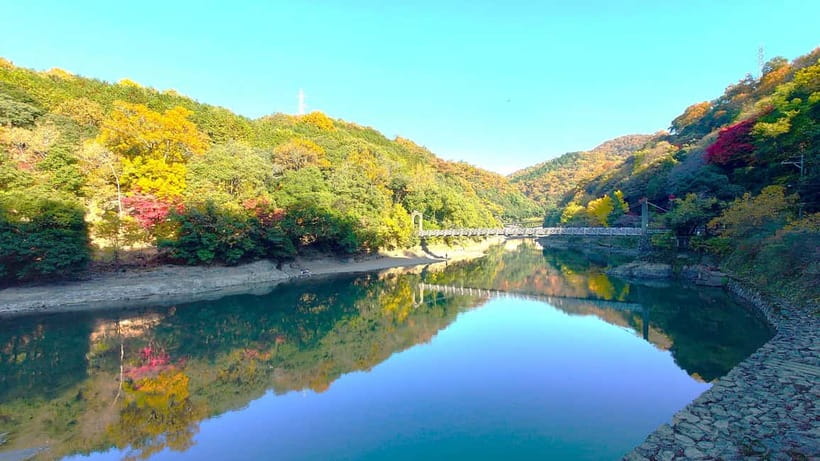
The Uji River is the heart of the ride. About 30 minutes are set aside for cycling along it, followed by another 30 minutes around Tō-no-shima Island. These are likely to be the most relaxing parts of the day.
The route uses quieter sections of the river that are not always part of a first visit to Uji. You can expect open views, water, bridges, and a slower rhythm than you get around the busiest temple approaches. Several people singled out the river ride as a favorite part, particularly because it offers calm scenery and good photo opportunities.
Tō-no-shima Island adds a different angle on the river. Rather than simply looking at the water from one bank, you move through the island area and see how the river shapes Uji’s setting. The tour information calls this a quiet course unknown to many tourists, but that should not be read as a promise of complete solitude. Conditions vary by season and time of day.
This section also shows why riding with a local navigator has value. A map can point you toward the river, but it will not necessarily reveal which paths feel calmer or how to connect the island, temples, and town without backtracking. The guide takes care of that practical work.
Byodoin Phoenix Hall, Uji’s grand finale
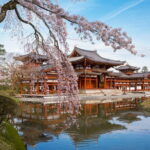
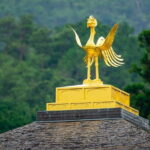
Byodoin Temple receives about an hour, making it the longest single stop. The Phoenix Hall is a UNESCO World Heritage Site and one of Uji’s defining sights.
You should treat the entrance fees as part of your planning. Entry to the Byodoin Phoenix Hall costs an optional 700 yen and is not included in the tour price. The main temple grounds and any separate access arrangements may follow their own rules, so confirm what the fee covers when booking or at the start of the tour.
An hour gives you enough time to appreciate the temple without having to rush straight back to the station. It also balances the quieter, less formal parts of the route with a major cultural sight that many people come to Uji specifically to see.
The drawback is simple: Byodoin can be the most popular stop on the route, so the atmosphere may feel less quiet than the river paths or smaller shrines. That contrast is useful. You get both the peaceful side of Uji and its headline attraction in one outing.
Matcha snacks before returning to the station
The final stop is in Uji for local snacks, with about 30 minutes before you return to the tea jar post. This is a good place to turn the tea lesson into something edible.
Snacks are not included, and the guide suggests restaurants or shops according to your preferences. Tell the guide if you want a proper meal, a small sweet, a matcha drink, or tea to carry home. One outing included a carefully chosen lunch spot and a good matcha café, while another visitor found a favorite matcha drink and bought powdered tea for home.
That flexibility is more useful than a fixed restaurant reservation for many people. You can choose based on appetite and budget. The tradeoff is that the final food cost is not predictable, so allow extra yen beyond the tour price.
This is also your chance to buy matcha products with some guidance. If you are unsure how to use powdered tea at home, ask about the product before purchasing. The experience does not promise a formal tea ceremony, so book it for tea culture, local tasting, and sightseeing by bicycle rather than for a ceremonial demonstration.
Is $160 a fair price?
At $160 per person, this is not the cheapest way to see Uji. You are paying for more than a bicycle rental. The price covers the bicycle, riding equipment, a private navigator, and an English guide, with a group limited to six people.
The value is strongest if you want a route that links the river, island, shrines, temple, tea center, Byodoin, and food stops without planning the connections yourself. You also gain a local person who can adjust the course and help you avoid spending the entire day on the busiest paths.
It is less compelling if your only goal is Byodoin Temple. You could visit the major temple independently for less money, and the optional entrance costs still come on top of the tour fee. The same is true if you already know Uji well or prefer long visits at one or two temples.
For a first visit, the price makes more sense. You get a broad introduction to Uji in one half-day, plus the freedom of a small group and a bicycle. Add roughly 500 yen for optional insurance, 600 yen for Chazuna if you choose to enter, 700 yen for Byodoin Phoenix Hall, and money for snacks or drinks.
Who will enjoy this Uji ride most?
I would choose this tour if you want to see Uji beyond the station-to-Byodoin route. It suits couples, families with confident older children, solo visitors who like company, and anyone who wants gentle activity mixed with culture.
It is particularly useful for:
- Slow cyclists: The guide can adjust the pace, and the route is intended to be easy rather than athletic.
- Tea lovers: You get local context, specialty-shop time, and the chance to buy matcha products.
- Photographers: The river, island, wooded paths, shrines, and Brompton bicycles create varied scenes.
- Repeat Kyoto visitors: Uji offers a quieter change from central Kyoto.
- Independent-minded visitors: You get a planned route but can request changes.
I would hesitate if you dislike bicycles, need a fully sedentary tour, or want a long, detailed visit at every temple. The experience has several short riding legs, and the day works best when you enjoy moving between places.
You should also remember that all equipment is supplied, but the information does not promise special adaptations for mobility needs. Ask the provider directly if you have concerns about cycling, balance, or the route.
Practical details that affect your day
The tour lasts 270 minutes, or four and a half hours. Starting times depend on availability, so check the schedule before building it into a larger Kyoto day.
The meeting point is outside JR Uji Station at the tea jar-shaped post. Arrive ready to identify the guide and Brompton bicycle. Since you return to the same point, the activity is convenient if you arrive by train and continue your sightseeing afterward.
English and Japanese guiding are available. Free cancellation is offered up to 24 hours in advance, and you can reserve now and pay later. Those terms help if your Kyoto plans are still shifting, but you should still check the booking conditions attached to your chosen date.
The overall rating is 5 from 10 reviews, with repeated praise for the calm pace, river scenery, shrine visits, and Takashi’s friendly, considerate guiding. The strongest pattern is not one single landmark. It is the way the guide links small, quiet places with Uji’s major sights.
Should you book this Brompton tour?
Book it if you want a relaxed, personal introduction to Uji rather than a quick temple visit. The river paths, tea stops, flexible route, and small group are the real reasons to choose it. Byodoin supplies the famous name, but the quieter parts of the ride are what make the day feel different.
Skip it if you only want the lowest-cost route to Byodoin, or if cycling for several hours sounds tiring. For everyone else, the $160 price is reasonable when you value local navigation, supplied equipment, and a route that combines tea, temples, water, food, and less crowded corners of Uji.
FAQ
Where does the cycling tour meet?
The guide meets you in front of the tea jar-shaped post just outside JR Uji Station. Look for the navigator with a Brompton bicycle.
How long does the Uji bicycle tour last?
The tour lasts 270 minutes, or four and a half hours. Starting times depend on availability.
Is the tour offered in English?
Yes. Live guiding is available in English and Japanese.
How many people can join the tour?
The group is limited to six participants.
Are bicycles and helmets included?
Yes. The bicycle rental fee and riding equipment are included. Equipment listed includes helmets and bags for wheeled transport.
Are entrance fees and food included?
No. Snacks are extra. Chazuna has an optional 600 yen entrance fee, and Byodoin Phoenix Hall has an optional 700 yen entrance fee. Optional insurance costs 500 yen.
More Cycling Tours in Kyoto


More Uji & Matcha Trips in Kyoto
More Tea Ceremony Experiences in Kyoto
More tours in Kyoto we've reviewed


Tea Ceremony Experiences, compared.
 ★ 4.9Kyoto: Tea Ceremony in a Traditional Tea House in KiyomizuFrom $4945 min
 ★ 4.9Kyoto: Tea Ceremony Ju-An at Jotokuji TempleFrom $291h 10m
 ★ 4.3Kyoto: 45-Minute Tea Ceremony Lesson ExperienceFrom $2245 min
 ★ 5.0World Heritage Kyoto & Nara Uji Authentic Matcha ExperienceFrom $129
 ★ 4.9Kyoto: Table-Style Tea Ceremony at a Kyo-MachiyaFrom $451h 30m
 ★ 5.0Kimono Tea Ceremony at Kyoto Maikoya, NISHIKIFrom $65