
Reviewed · PRIVATE
Private Japanese Sound Bath in Kyoto
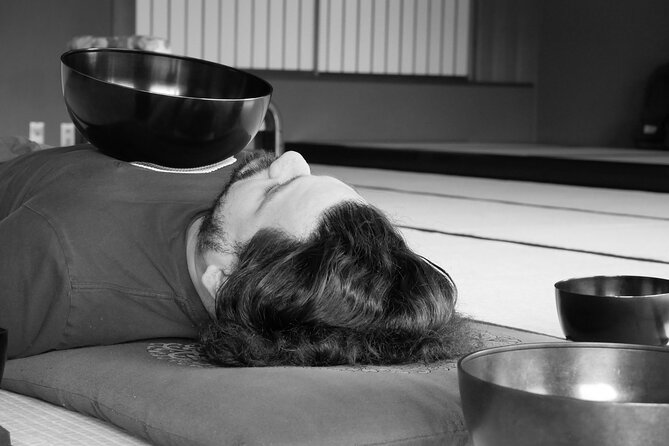
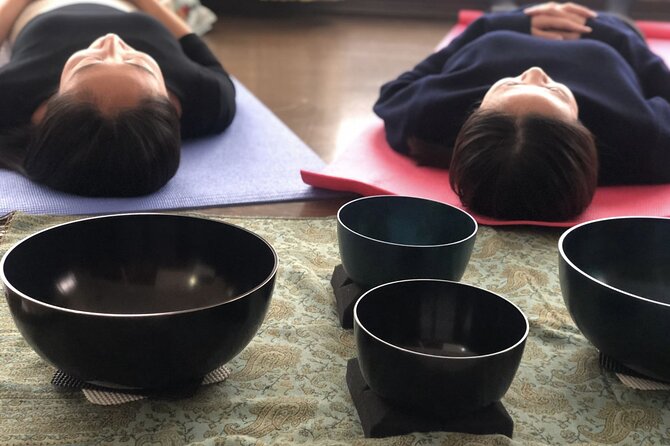
Kyoto has plenty of temples, gardens, and crowded lanes. This experience offers something different: 60 quiet minutes lying down while Japanese sound surrounds you. Junichiro guides the session with Singing Ring instruments, handmade by Japanese artisans, and may place the vibrating bowls directly on your body.
I like the complete privacy, with no other people added to your time slot, and the thoughtful setup of a heated mat, blanket, and eye mask. I also like that Junichiro explains the instruments instead of treating the session as a mysterious ritual. The main consideration is simple: at $97.73 per person, this is a premium hour of relaxation, and the separate tatami-room option requires careful attention to the meeting instructions.
In This Review
- Key points to know before booking
- Why this Kyoto sound bath feels different
- Meeting Junichiro near Kyoto Station
- Settling onto the heated mat
- The 60-minute sound session
- The Japanese craftsmanship behind the sound
- Choosing the traditional tatami-room option
- Is $97.73 per person good value?
- Who will enjoy this most?
- Timing, transport, and cancellation
- Should you book the Kyoto sound bath?
- FAQ
- Where does the private Japanese sound bath meet?
- Where does the activity end?
- How long does the sound bath last?
- How many people can join?
- Can three people attend?
- Is the traditional tatami room at the meeting point?
- What is the cancellation policy?
Key points to know before booking
- A fully private session: Your group of up to two people has the room to itself.
- Japanese Singing Ring instruments: The session centers on distinctive instruments crafted by Japanese artisans.
- Body-level vibration: Junichiro may place the bowls on your body so you feel the sound as well as hear it.
- Comfort comes first: Expect a heated mat, blanket, and eye mask during the lying-down portion.
- About 80 minutes total: The sound bath itself lasts 60 minutes, within an experience listed at roughly 1 hour 20 minutes.
- A separate tatami-room option: The traditional Japanese room is at another venue, so read the post-booking directions closely.
Why this Kyoto sound bath feels different
A sound bath is not a concert. You do not sit in rows and watch someone perform. You lie down, close your eyes, and let the sound move through the room.
That makes this a useful break in a Kyoto schedule. After a morning of temples or an afternoon spent on your feet, you may want an experience that asks very little of you. There is no long walk, difficult climb, or packed timetable. Your main task is to get comfortable and pay attention to what you hear and feel.
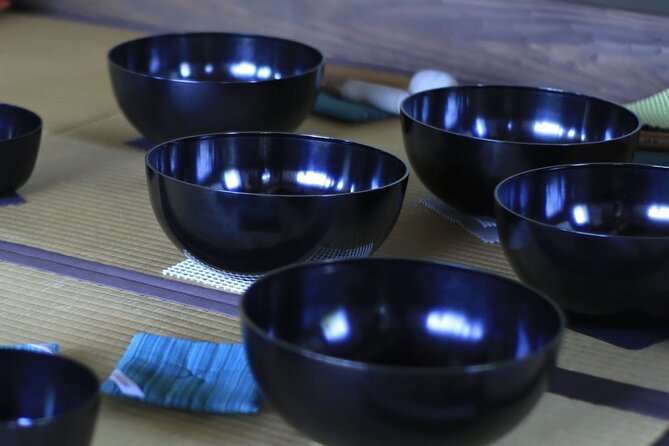
The special feature here is the use of Japanese Singing Ring instruments. The session is presented as a form of Japanese sound unlike a standard sound bath, with instruments made one at a time by local craftspeople. The sound is not just background music. It is the entire activity.
Junichiro leads the session and explains what is happening. That matters if you have never tried a sound bath. You are not expected to know how to meditate or understand the instruments before arriving. The clear introduction helps you settle in rather than wonder if you are doing something wrong.
Other private tours in Kyoto


Meeting Junichiro near Kyoto Station
The listed meeting point is Little Granmy Kyoto at 85-10-203 Koinaricho, in Kyoto’s Shimogyo Ward, postal code 600-8208. The activity ends back at the meeting point.
The area is near public transportation, which makes this fairly easy to fit into a Kyoto day. Still, small Kyoto addresses can be hard to spot, especially when you are arriving tired or using a phone map in a busy neighborhood. One especially useful touch is that Junichiro has met people at a nearby FamilyMart so they would not get lost. If you are unsure of the exact entrance, use the guidance sent after booking rather than relying only on a general map pin.
Confirmation arrives within 48 hours, subject to availability. Since the experience is booked an average of 38 days ahead, I would not leave it until the last minute if the timing matters to you.
The standard session is for up to two people. Once your booking is confirmed, no unrelated person is added to your time slot. That makes this a good choice for a couple, two friends, or a parent and older child who want to try something quiet together.
Settling onto the heated mat
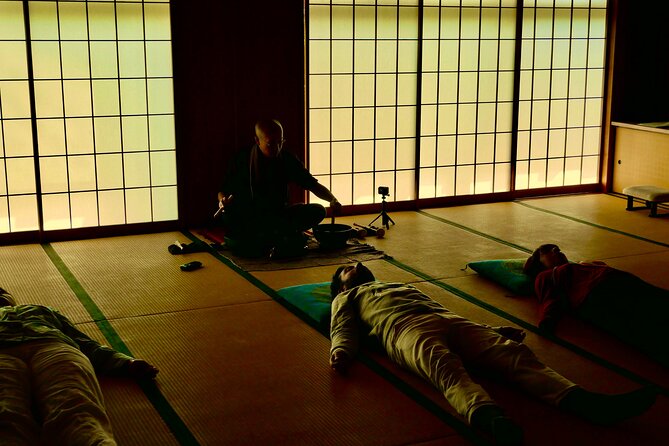
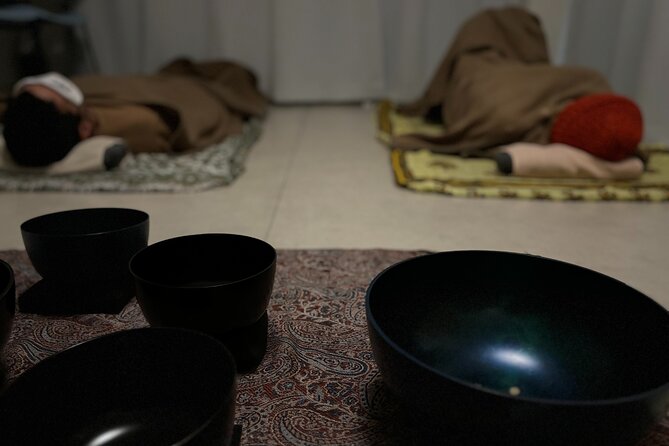
The practical setup is one of the best parts of the experience. You lie on a heated mat, with a blanket and eye mask available. This turns the hour into a proper rest period rather than simply sitting in a room listening to instruments.
The warmth is useful after a cool day outdoors, but you should still dress for comfort. The activity involves lying down for a sustained period, so restrictive clothing or anything that makes it hard to relax would work against the purpose.
The eye mask helps remove visual distractions. Kyoto is a city full of things to look at, but here the point is to stop looking for a while. With your eyes covered, small changes in tone and vibration become easier to notice.
You do not need prior experience with sound baths. The session has been enjoyed by people trying one for the first time, including a 16-year-old who was initially reluctant to take part. That does not mean every teenager will love it, but it does suggest the activity is not limited to experienced meditation students.
The 60-minute sound session
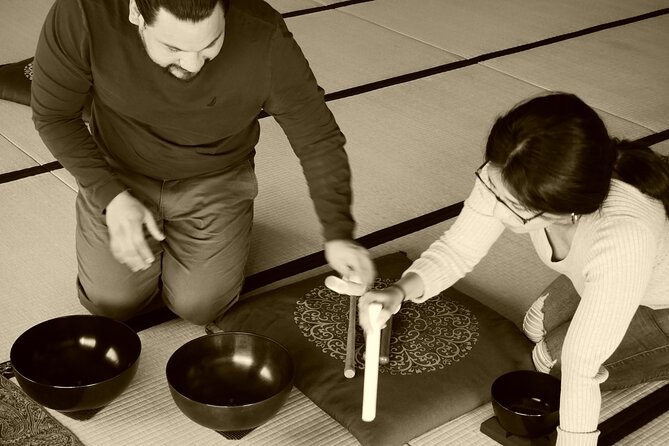
The sound bath itself lasts about 60 minutes. Junichiro begins by playing the instruments near you, allowing the tones to fill the space without immediately placing anything on your body.
This gradual start gives you time to adjust. Some people find unfamiliar sounds distracting at first. Others settle quickly once the session becomes repetitive and calm. You can expect the experience to be quiet and inward-looking rather than social or energetic.
The Singing Ring instruments are the heart of the session. Their purpose is not simply to create pleasant notes. The sounds are designed to give you something steady to focus on while your body rests. You may notice lingering tones, changing resonance, and vibrations that feel different depending on where the instrument is played.
At points, Junichiro places a bowl on your body. This is the detail that sets the experience apart from a sound bath where all instruments remain at a distance. You hear the sound in the room, but you also feel the vibration directly.
That physical element will appeal to some people and may feel unusual to others. If you are sensitive to touch or vibration, ask Junichiro about the process before the session begins. The activity is private, so there is room to communicate clearly about comfort.
The session is described as a form of stress release and meditation. It is best to treat those claims as the intended purpose, not as a medical promise. You may finish feeling calmer, more grounded, or simply well rested. The experience should not replace medical or mental health care.
The Japanese craftsmanship behind the sound
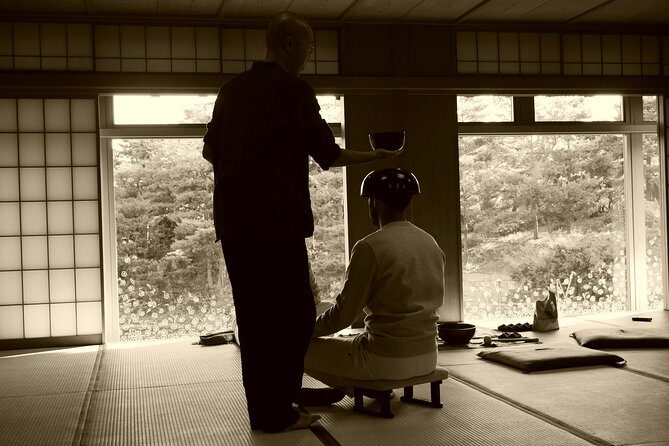
The instruments are handmade by Japanese artisans, one by one. That detail gives the session a stronger connection to Japan than a generic relaxation class.
You are not only hearing sound used for meditation. You are being introduced to a particular object, made through a local craft tradition, and shown how its form affects the sound and vibration. Junichiro is proud of the instruments and takes time to explain them, which gives the experience an educational side without turning it into a lecture.
This is also why the session may appeal to people who have already tried sound baths elsewhere. The format is familiar, but the instruments and the way they are used create a different experience. In particular, the contact vibration from a bowl placed on the body adds a physical layer that many standard sessions do not include.
The cultural connection is modest but genuine. You are not visiting a famous shrine or learning a long history of Japanese religion. Instead, you are spending time with Japanese-made instruments in a quiet setting, guided by someone eager to share his craft.

Choosing the traditional tatami-room option
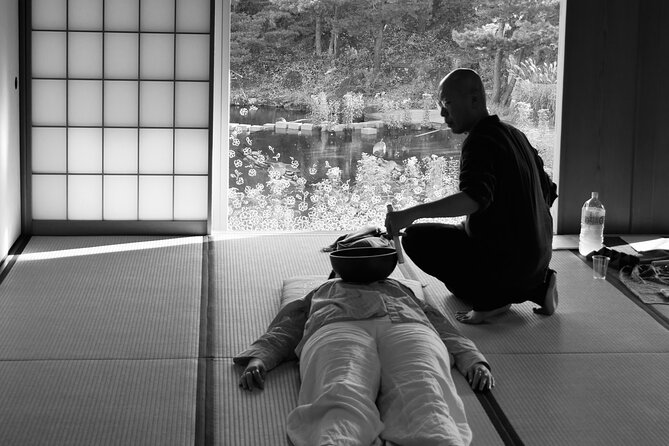
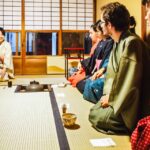
A traditional tatami room is available as an option, but it is at a separate venue. This is important. The regular meeting point and the tatami-room location are not the same, and the location cannot be set directly on the supplied map.
After booking, read the guidance message carefully. Do not assume that the first address you see is the correct place for every option. If the traditional room is a priority, confirm the instructions before setting out.
The tatami setting may suit you if the room itself is part of what you want from a Japanese experience. It adds a stronger sense of place than a simple studio or private room. One detail to note is capacity: the optional tatami room may accommodate up to three people, but you need to contact the provider after booking to ask about it.
The standard arrangement is still limited to two people, which helps preserve the quiet atmosphere. If you are traveling as a larger family or group of friends, this is not a drop-in activity where everyone can be added automatically.
Is $97.73 per person good value?
At $97.73 per person, this is not a budget activity. For two people, the cost is about $195.46 before any other expenses. You are paying for a private session, a full 60 minutes of guided sound work, a specialized Japanese instrument experience, and personal attention from Junichiro.
I think the price makes the most sense in three cases. First, you want a private experience rather than a large group class. Second, you are curious about Japanese sound and handmade instruments, not just looking for a generic nap. Third, you have a special occasion or a tightly planned Kyoto visit and want one quiet hour that feels unlike sightseeing.
The value is weaker if you only want a cheap way to rest. You can sit in a park or return to your hotel for far less. You should also know that the activity is simple by design. There are no multiple stops, elaborate demonstrations, or long cultural talks to fill the time.
That simplicity is either the point or the drawback. If you like guided relaxation and unusual sensory experiences, the private format supports the price. If you expect a busy itinerary with several attractions, this may feel expensive for an hour spent lying down.
Who will enjoy this most?
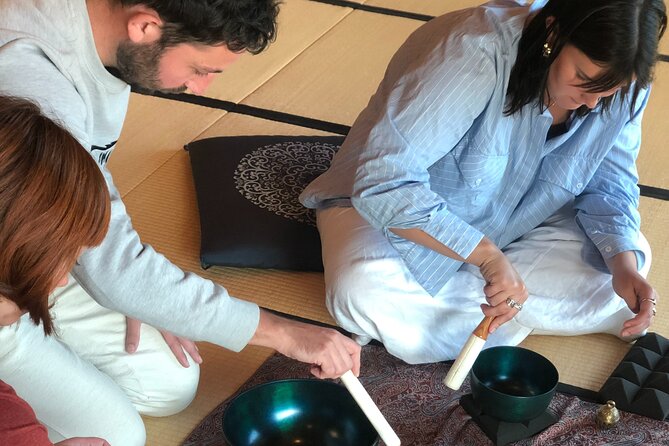
I would recommend it to couples and friends who want a calm shared experience. The private room gives you a chance to relax without worrying about strangers, conversation, or keeping up with a group.
It also works well for a parent and older child. The reported experience with a 16-year-old is useful here, though very young children may find the quiet format difficult. The activity is suitable for most people, according to the provided details, but lying still for an hour is worth considering before you book.
First-time sound bath participants are welcome. Junichiro explains the process, so you do not need to arrive with meditation skills or knowledge of Japanese instruments.
This may not suit you if you want active sightseeing, a hands-on craft lesson, or a formal tour of Kyoto culture. It is also not the right pick if you dislike being touched or are uncomfortable with the idea of a bowl being placed on your body. Ask about that part before beginning.
Timing, transport, and cancellation
The experience lasts approximately 1 hour 20 minutes, with the sound session itself lasting 60 minutes. Leave extra time to find the meeting point, especially if you have a train or dinner reservation afterward.
The meeting point is near public transportation, but the exact directions deserve care. This is particularly true for the optional traditional tatami room, which is at another venue. Keep the post-booking guidance available on your phone.
Mobile tickets make the booking easy to carry, and confirmation is sent within 48 hours when space is available. Free cancellation is allowed up to 24 hours before the start time for a full refund. Cancellations or changes made within 24 hours are not accepted, and the cut-off follows Kyoto local time.
Should you book the Kyoto sound bath?
Book it if you want a private, low-effort experience built around Japanese instruments and physical vibration. The heated mat, blanket, eye mask, and personal guidance from Junichiro make the session feel carefully prepared rather than improvised.
I especially like it for a Kyoto itinerary that has become too full. This is a chance to stop moving, listen, and leave with a clearer head. Just match your expectations to the format: it is one quiet hour, not a sightseeing tour, and the $97.73 price reflects privacy and specialized guidance.
If the traditional tatami room appeals to you, confirm its separate location after booking. If you are comfortable lying down and curious about a sound bath unlike the usual Western-style session, this is a thoughtful choice.
FAQ
Where does the private Japanese sound bath meet?
The listed meeting point is Little Granmy Kyoto, 85-10-203 Koinaricho, Shimogyo Ward, Kyoto, 600-8208, Japan.
Where does the activity end?
The activity ends back at the meeting point.
How long does the sound bath last?
The sound session lasts 60 minutes. The full experience is listed as approximately 1 hour 20 minutes.
How many people can join?
The standard private session allows up to two people. No unrelated people are added after a booking is confirmed.
Can three people attend?
The optional traditional tatami room may accommodate up to three people. You must contact the provider after booking to ask about this option.
Is the traditional tatami room at the meeting point?
No. The traditional tatami room is at a separate venue. Follow the guidance message sent after booking because the location cannot be set directly on the supplied map.
What is the cancellation policy?
You can cancel up to 24 hours before the start time for a full refund. Cancellations or changes made less than 24 hours before the start time are not accepted, and cut-off times use local Kyoto time.
More Private Tours in Kyoto
More tours in Kyoto we've reviewed




Private, compared.
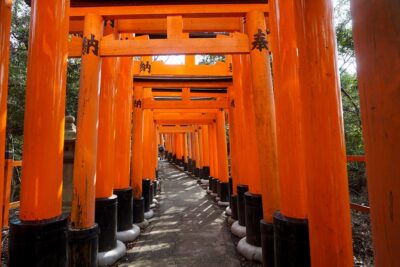 ★ 5.0Fushimi Inari Hidden Hiking Tour (Private Option Available)From $63
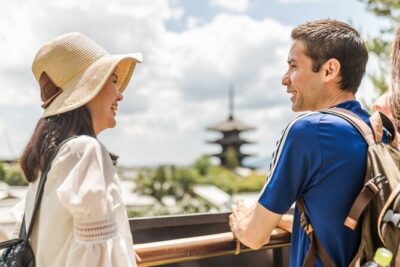 ★ 5.0Private Kyoto Tour with a Local, Highlights & Hidden Gems, PersonalisedFrom $102
 ★ 5.0Kyoto 6hr Private Tour with Government-Licensed GuideFrom $155
 ★ 5.010 Must-see Spots in Kyoto One Day Private Tour (up to 7 people)From $179
 ★ 5.0Kyoto 4hr Private Tour with Government-Licensed GuideFrom $109
 ★ 4.8Kyoto: Private Tour with Local Licensed GuideFrom $1064 - 8 hours