
Reviewed · NISHIKI MARKET TOURS
Kyoto:Seasonal Kaiseki Reservation at Hanasaki Nishiki
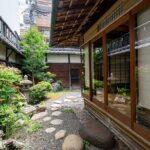
The most appealing part of Hanasaki Nishiki is the setting: a traditional machiya townhouse tucked near Kyoto’s central shopping and business district. You get a calm garden view and tatami or horigotatsu seating, yet you are only about five minutes from Shijo or Karasuma Station.
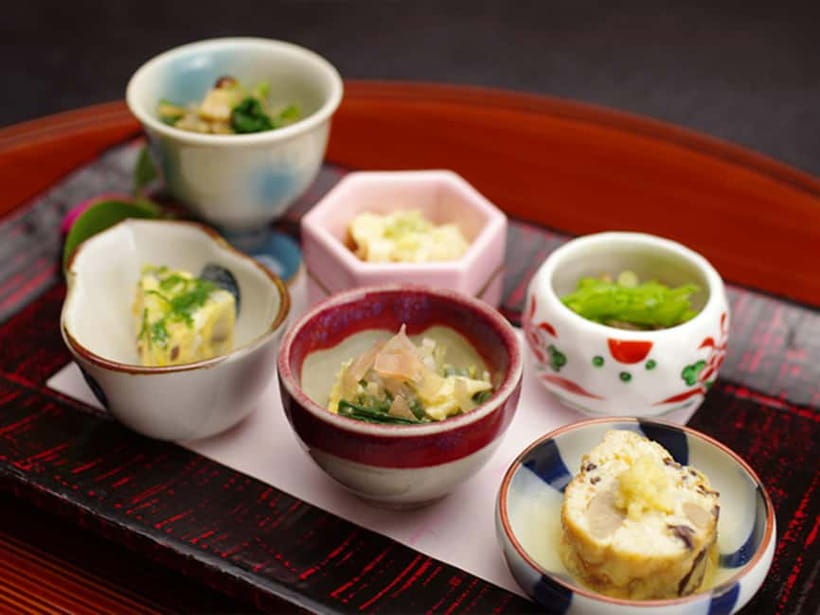
I like the monthly changing menu, which lets the meal follow Kyoto’s seasons, and I like that the staff can explain each dish in English. The food centers on Kyoto vegetables, tofu, seasonal seafood, and other local ingredients, with presentation treated as seriously as flavor.
The main thing to consider is that this is a restaurant reservation, not a guided cultural activity. Drinks cost extra, the exact menu changes, and the $39 price is for the full course only. If you want a long evening with many extras, you may need to budget more.
In This Review
- Key points to know before booking
- A Kyoto meal hidden in the middle of the city
- What the two-hour kaiseki meal includes
- Why the changing menu matters
- Tatami rooms, garden views, and comfort
- Optional maiko and geiko performances
- Location near Shijo-Karasuma
- Is $39 a good value?
- Who will enjoy Hanasaki Nishiki most?
- Practical tips for a smooth reservation
- Should you book Hanasaki Nishiki?
- FAQ
- Where is Hanasaki Nishiki located?
- How long does the meal last?
- What is included in the price?
- Does the reservation include a guide?
- What kind of food is served?
- Does the menu change?
- Is English available?
- Can maiko or geiko performances be arranged?
- Is the restaurant wheelchair accessible?
- What is the cancellation policy?
Key points to know before booking
- Seasonal Kyoto cooking: The full course changes monthly and uses local vegetables, tofu, seafood, and other ingredients tied to the time of year.
- Quiet townhouse setting: Hanasaki Nishiki occupies a traditional machiya with a peaceful inner garden.
- Tatami and horigotatsu seating: You can enjoy a traditional Japanese room while avoiding the discomfort of sitting fully on the floor if your room has a recessed floor section.
- Central location: The restaurant is about a five-minute walk from both Karasuma Station and Shijo Station.
- English help at the table: Staff explained dishes in English during one dining experience, useful if you want more than a silent parade of small plates.
- Optional traditional entertainment: Maiko and geiko performances can be arranged upon request, though they are not described as part of the standard meal.
A Kyoto meal hidden in the middle of the city
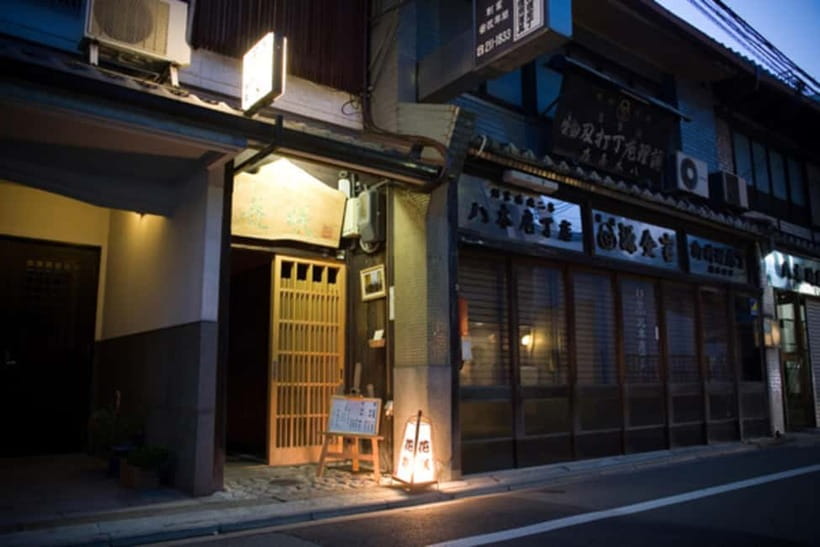
Hanasaki Nishiki gives you a useful Kyoto contrast. Step away from Shijo-Karasuma, one of the city’s main commercial areas, and you enter a quieter world of wood, tatami, and a small inner garden.
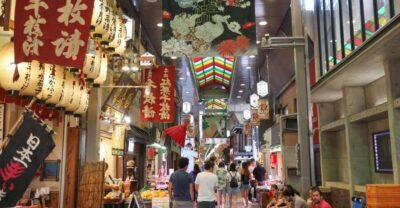
That change of mood matters. You do not need to travel out to a remote neighborhood for a traditional meal. You can pair this reservation with time at Nishiki Market, shopping around Shijo, or a business meeting in central Kyoto. The location saves time while still giving the meal a clear sense of place.
The restaurant’s traditional townhouse setting also changes the pace of dinner. Kaiseki is not designed as a quick meal, and the two-hour duration gives the courses room to arrive gradually. You are there to notice the arrangement, colors, textures, and seasonal details, not simply to eat until full as fast as possible.
The setting is intimate rather than grand. That will suit you if you prefer a quiet room and attentive service over a large dining hall. It may feel too formal if you want an energetic, casual meal or a menu you can choose one item at a time.
A few more Kyoto tours and experiences worth a look
What the two-hour kaiseki meal includes
Your reservation includes a full kaiseki course, sales tax, and the table reservation itself. Water is included, but other drinks are not, so check the drink list and prices before ordering if you are keeping a close eye on your spending.
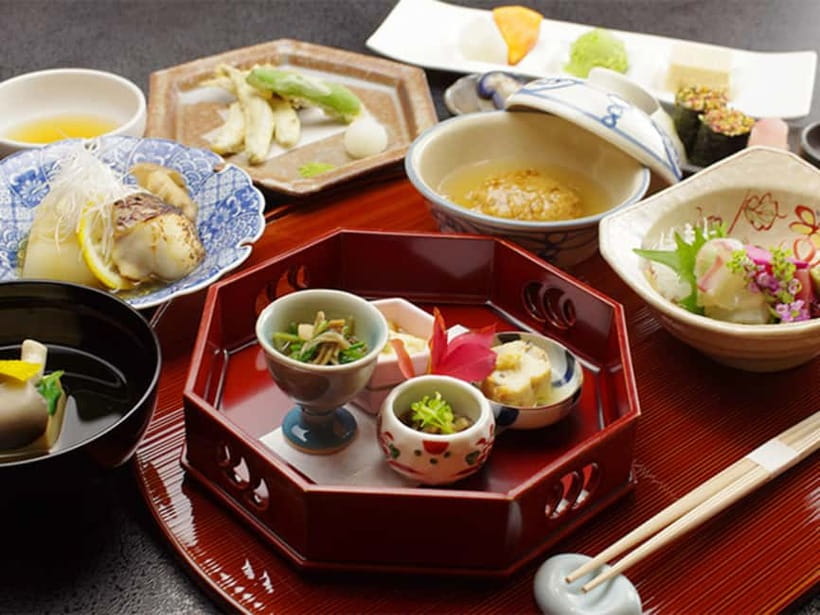
The supplied details do not specify a fixed number of courses or name every dish. That is normal for a seasonal kaiseki meal, since the menu changes each month. You can expect the meal to be built around the ingredients available at that point in the year, with careful attention to appearance and balance.
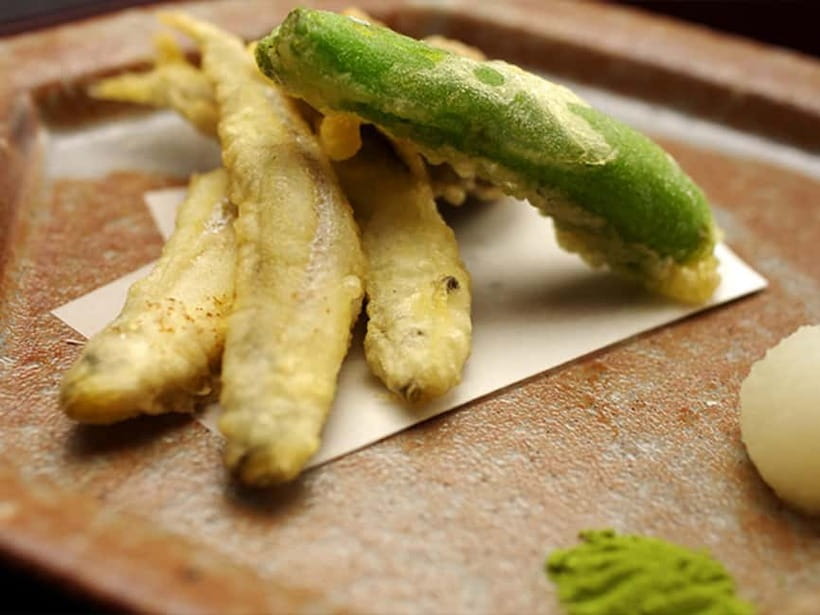
Kyoto vegetables are a central part of the experience. These ingredients are not simply side dishes. In washoku cooking, vegetables can provide color, texture, sweetness, and a sense of the season. Tofu, seasonal seafood, and other fresh local ingredients add variety without turning the meal into a heavy feast.
Kyoto beef was also served during one dining experience, showing that the menu can include more substantial items alongside the delicate vegetable and seafood courses. Do not assume that exact dish will appear during your visit, since the restaurant changes its menu monthly.
The important point is that the meal is not just a collection of expensive ingredients. Kaiseki places value on how each dish fits with the next one. A plate may be small, but it can still offer several textures or a visual reference to the season. If you enjoy noticing details, this style of dining gives you plenty to consider.
Why the changing menu matters
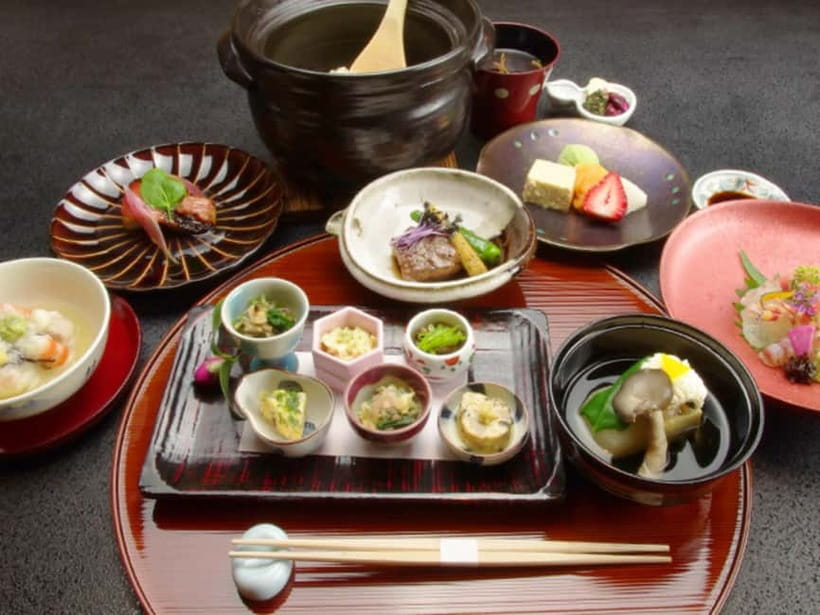
A monthly menu gives you a reason to view Hanasaki Nishiki as a seasonal experience rather than a one-time checklist item. The food in spring will not be identical to the food in autumn, and the restaurant’s use of local ingredients is meant to reflect that change.
This approach is especially helpful if you are new to kaiseki. Instead of ordering from a long menu and trying to guess what represents Kyoto, you receive a planned sequence chosen around the current ingredients. The tradeoff is less control. If you have strong food preferences, allergies, or dislikes, you should ask about them before confirming the meal.
The menu’s changing nature also means I would not book this place because of one particular dish. Book it for the overall format: a seasonal course, a traditional room, careful presentation, and a calm setting. The exact food is part of the surprise.
One dining experience included explanations in English for each dish. That is a meaningful advantage for international diners. Without some context, a small bowl or carefully arranged plate can be attractive but mysterious. English explanations help you understand what you are eating and why it belongs in the course.
Still, this is not advertised as a full cooking class or food lecture. The explanations support the meal; they do not turn it into a guided lesson.
Tatami rooms, garden views, and comfort
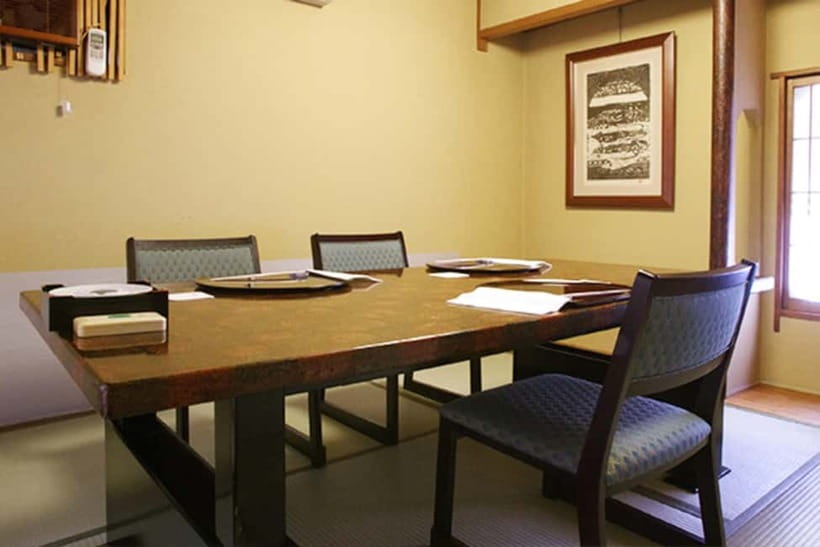
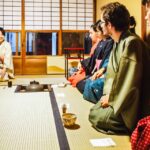
The dining rooms offer private tatami or horigotatsu seating and look onto a peaceful inner garden. This is the part of the experience most likely to make the meal feel distinctly Japanese.
Tatami rooms ask you to slow down. The room itself becomes part of the meal, and the garden provides a quiet view between courses. Horigotatsu seating is worth noting because it has a recessed area for your legs, making it more comfortable than sitting directly on your heels for a long period.
The information provided does not specify which seating arrangement every reservation receives. If floor seating is a concern, ask the restaurant or booking provider about the available setup before you go. The activity is listed as wheelchair accessible, but the exact room arrangement and route into your assigned space are not described.
The atmosphere suits a special occasion, a business lunch, or a meal when you want to give Kyoto food your full attention. It is also a good choice for cultural dining without the pressure of a formal performance.
Optional maiko and geiko performances
Hanasaki Nishiki can arrange maiko and geiko performances upon request. This adds a traditional entertainment element to the meal, but you should treat it as an option that needs advance arrangement, not as a standard part of the $39 reservation.
If this matters to you, ask clearly what is available, how much it costs, and whether the performance can be arranged for your date. The supplied booking information confirms the possibility of arranging one, but it does not give a fee, duration, or performance schedule.
I would not choose the restaurant solely for this feature unless you have confirmed the details. The meal itself is the dependable core of the experience. The performance is an extra that may make a special occasion more memorable when properly arranged.


Location near Shijo-Karasuma
Hanasaki Nishiki is easy to reach from central Kyoto. It is about a five-minute walk from Karasuma Station on the Hankyu Kyoto Line and about five minutes from Shijo Station on the Kyoto Municipal Subway Karasuma Line.
That makes the reservation practical on a packed sightseeing day. You can spend time near Nishiki Market, continue through the Shijo shopping area, and reach the restaurant without a long cross-city journey. The central location also works well for a business lunch or dinner.
Allow a few extra minutes to find the entrance. The restaurant is described as being down a quiet alley, and townhouse entrances can be less obvious than those of a large hotel or modern dining building. Since no guide meets you, you need to enter the restaurant directly at your reservation time.
This is an important distinction. You are booking a place at the table, not joining a group walk or being escorted through the neighborhood. Save the address and directions on your phone before setting out.
Is $39 a good value?
At $39 per person, the reservation offers a full seasonal kaiseki course with tax included. For a meal in a traditional Kyoto townhouse, that is a reasonable price to consider, especially if you want a planned introduction to seasonal Japanese cooking rather than a basic restaurant meal.
The value depends on what you want from dinner. You are paying for more than ingredients. The price also covers the setting, the preparation of a multi-course meal, the presentation, and the chance to eat food chosen around the season.
Drinks are not included except for water. This is the main extra cost stated in the booking details. If you add several drinks or request a maiko or geiko performance, your final bill will be higher than the advertised price.
I also recommend checking the current menu before booking if portion size is important to you. Kaiseki often emphasizes variety and refinement over large servings, and the information here does not promise a particular amount of food. You should expect a carefully arranged course meal, not an all-you-can-eat dinner.
The reservation includes sales tax, which keeps the base price easier to understand. You still need to plan for drinks and any personal purchases.
Who will enjoy Hanasaki Nishiki most?
I would point this experience toward you if you want a first taste of Kyoto kaiseki in a setting that feels traditional but is easy to reach. It works well for couples, business diners, and anyone marking a special occasion.
It is also a strong choice if you care about the seasonality of food. The monthly menu, Kyoto vegetables, tofu, seafood, and careful presentation give you a clear introduction to the principles of washoku.
The meal may be less suitable if you want a casual, fast dinner, a fixed menu you can study far ahead of time, or a fully guided activity. It is also not the best pick if your main goal is a guaranteed performance, since maiko and geiko entertainment requires a separate request.
English explanations are a useful advantage. You can ask about the dishes and follow the meal more easily than you might at a restaurant where every course arrives without context. Service has been described as attentive without being intrusive, which is exactly the right balance for a quiet meal.
Practical tips for a smooth reservation
Arrive at the correct station area with enough time to walk. Both nearby stations are listed as roughly five minutes away, but the final approach through an alley may take a little attention.
Dress in a way that makes you comfortable in a traditional dining room. The information does not set a dress code, so you do not need to assume formal evening wear, but a neat outfit fits the setting and the special-occasion feel.
Tell the restaurant about dietary concerns before the meal if you have them. The course changes monthly, and the exact ingredients are not listed in advance here. Early notice gives the restaurant the best chance to explain what can be adjusted.
Remember that the reservation does not include a guide. You enter the restaurant yourself, enjoy the course, and leave after the meal. That simplicity is useful, but it also means you should not expect neighborhood commentary, transportation, or help interpreting Kyoto beyond what the restaurant staff explains.
Free cancellation is available up to 24 hours in advance for a full refund, and you can reserve now and pay later. Those terms give you some flexibility while planning a Kyoto itinerary.
Should you book Hanasaki Nishiki?
I would book Hanasaki Nishiki if you want a calm, traditional meal near central Kyoto and you are happy to let the season shape the menu. The strongest reasons are the machiya setting, the garden-facing rooms, the changing local ingredients, and the English explanations available at the table.
The $39 price makes it worth considering for a cultural meal, but remember that drinks are extra and the exact dishes are not fixed. Ask about food restrictions, seating, and any maiko or geiko performance before you commit.
Skip it if you want a guided tour, a casual drop-in meal, or complete control over every dish. For a measured two-hour introduction to Kyoto kaiseki in a convenient location, though, this reservation offers a thoughtful balance of atmosphere, food, and ease.
FAQ
Where is Hanasaki Nishiki located?
Hanasaki Nishiki is near Shijo-Karasuma in central Kyoto. It is about a five-minute walk from Karasuma Station on the Hankyu Kyoto Line and Shijo Station on the Kyoto Municipal Subway Karasuma Line.
How long does the meal last?
The reservation lasts about two hours. Starting times depend on availability when you book.
What is included in the price?
The price includes the full course menu, sales tax, and the restaurant reservation. Water is included, but other drinks are not.
Does the reservation include a guide?
No. This is a restaurant reservation only. At the reservation time, you enter the restaurant directly, and no guide is provided.
What kind of food is served?
The kaiseki course uses seasonal ingredients, including Kyoto vegetables, tofu, seasonal seafood, and other fresh local products. Kyoto beef may also appear, but the menu changes monthly.
Does the menu change?
Yes. The kaiseki menus change each month to reflect the season and the ingredients available at that time.
Is English available?
Staff explained each dish in English during one dining experience, so English help may be available at the table. The activity information does not list specific language guarantees beyond that dining detail.
Can maiko or geiko performances be arranged?
Yes. Maiko and geiko performances can be arranged upon request. The provided details do not state the extra cost or performance length, so ask when making the request.
Is the restaurant wheelchair accessible?
Yes. The activity is listed as wheelchair accessible. Specific details about the route, room assignment, or seating arrangement are not provided, so contact the restaurant if you need particular access arrangements.
What is the cancellation policy?
You can cancel up to 24 hours in advance for a full refund. The reservation can also be made with payment later, which keeps your plans more flexible.
More Nishiki Market Tours in Kyoto
More tours in Kyoto we've reviewed











Nishiki Market Tours, compared.
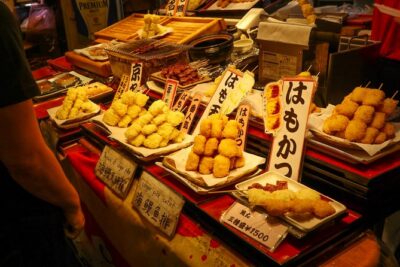 ★ 5.0Nishiki Market Brunch Walking Tour (7 Tastings + Brunch)From $68
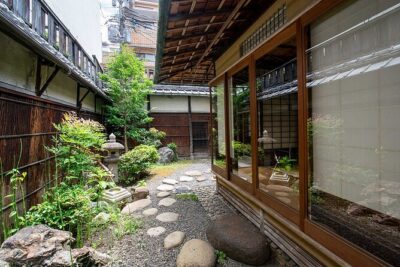 ★ 5.0Kimono Tea Ceremony at Kyoto Maikoya, NISHIKIFrom $65
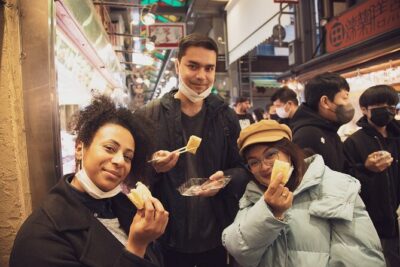 ★ 5.0Kyoto Nishiki Market Food and Culture Walking TourFrom $80
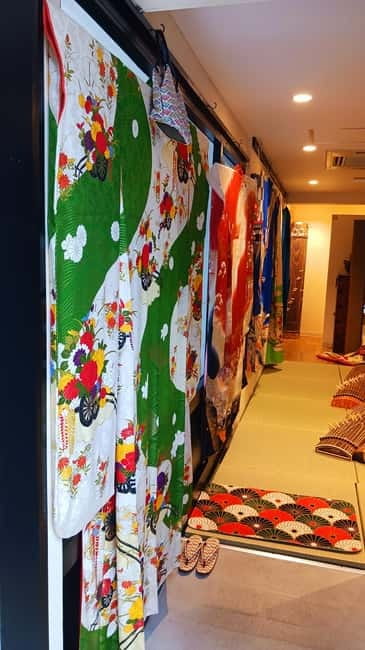 ★ 4.8Kyoto: Nishiki Market Tea Ceremony with Koto PerformanceFrom $561 hour
 ★ 4.8Kyoto: Nishiki Market Brunch Walking Tour-7 Tastings+BrunchFrom $663 hours
 ★ 4.7Kyoto: Local Food Tasting Tour at the Nishiki MarketFrom $783 hours - 270 minutes