
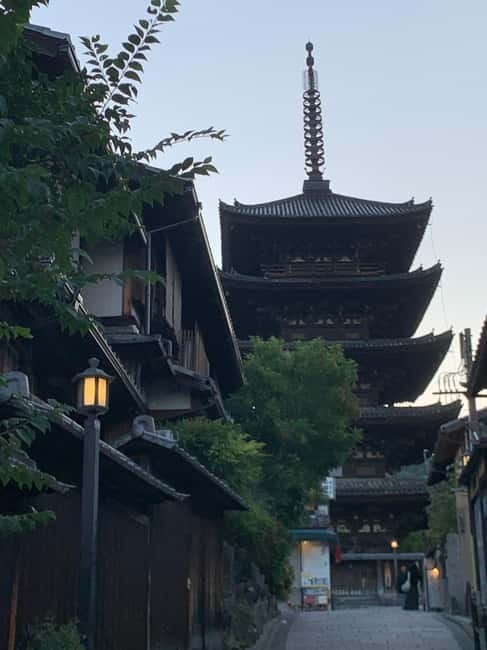
Reviewed · GION & GEISHA WALKS
Gion Night Walk:Discover Geisha Culture in Kyoto
Gion after dark is less about checking off sights and more about learning how to look. This walk takes you through Kyoto’s historic geisha district with a local English-speaking guide who explains the customs, history, and present-day life behind the painted faces and elegant streets. I like the focus on real geisha culture, not just pretty night photographs, and I like that the route includes both well-known spots and quieter corners. The main drawback is simple: seeing a geisha is possible, not promised, and the tour does not include a visit inside a geisha house.
At $27 per person, I find this a fair price for an approximately two-hour introduction to Gion, especially with a photo shoot included. I would, however, choose your time carefully. One participant joined at 8 p.m. and wished the tour had been scheduled earlier, noting that performances were advertised at 6 and 7 p.m. If geisha sightings are your top goal, timing matters.
In This Review
- Key points to know before you book
- Walking into Gion after dark
- What the route can show you
- Learning what geisha culture really means
- The question of seeing a geisha
- Respectful photography in a working district
- Why the local guide matters
- Is $27 a good value?
- Practical details for a comfortable walk
- Who will enjoy this Gion walk
- Should you book this experience?
- FAQ
- How much does the Gion Night Walk cost?
- What language is the tour offered in?
- Where does the tour begin?
- Where does the tour finish?
- Will I definitely see a geisha?
- What should I bring?
Key points to know before you book
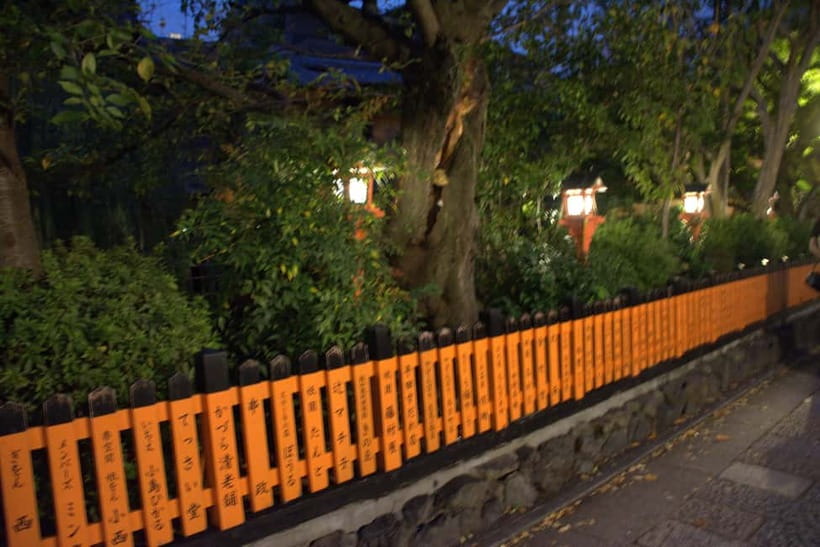
- Gion after sunset: Walk among historic wooden houses and narrow streets when the district takes on its most atmospheric look.
- Geisha culture explained: Learn about geisha, the Gion district, and the current situation of working geisha today.
- A sighting is not guaranteed: The tour is timed for when geisha may appear, but you could finish without seeing one.
- Local details beyond the internet: The guide shares lesser-known information and answers questions during the walk.
- Respect comes first: You receive advice about proper behavior and photography if you encounter a geisha.
- Simple meeting point: Start at the man’s stone statue near Exit 5 of Keihan Railway, then return there at the end.
Walking into Gion after dark
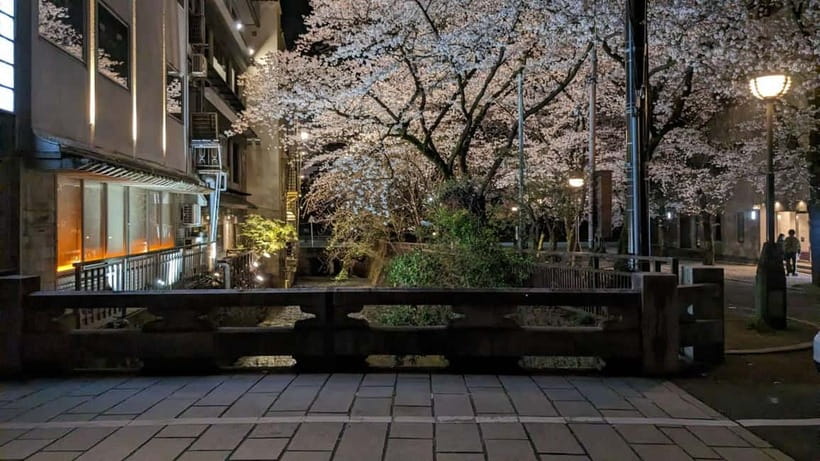
Gion is one of Kyoto’s most recognizable districts, but a quick stroll through its lanes tells you only part of the story. The charm comes from the traditional houses, carefully maintained streets, and the contrast between a working entertainment district and a place that now receives many curious visitors.
This tour gives you a local guide to explain what you are seeing. That matters because much of Gion’s meaning is easy to miss. A wooden facade may look like an ordinary old house to you, while the guide can explain its place in the district and how the area connects with geisha culture.
The walk is built around observation rather than a staged performance. You will look at historic Japanese houses and streets, hear about the development of Gion, and learn how geisha culture functions today. The setting supplies the atmosphere, while the guide supplies the context.
I like this approach. You get a more useful visit when someone explains the difference between a postcard image of Gion and the living district behind it. The tour also aims to share facts that are not easy to find online, giving you a chance to ask questions instead of simply reading dates from a sign.
A few more Kyoto tours and experiences worth a look


What the route can show you
The meeting point is the man’s stone statue by Keihan Railway’s Exit 5. This is a practical starting place if you are arriving by train, but give yourself time to find the statue and gather there before the walk begins.
From there, the tour enters the Gion area and the geisha district. The supplied details do not name every stop, so you should not expect a fixed list of temples, tea houses, or private buildings. Instead, the experience centers on the streets themselves and the guide’s explanations of the places you pass.
You can expect a mix of famous Gion landmarks and less obvious corners. That balance is one of the better features of the walk. The famous streets help you recognize the district, while the quieter sections give you room to notice details without treating Gion as a film set.
The guide may point out traditional Japanese houses and explain how the neighborhood developed. You will also hear about the meaning of the geisha district, the work associated with geisha, and the current situation of actual geisha. The information is intended to go beyond the usual online summary.
At the end, you return to the original meeting point. There is no separate transportation, transfer, or complicated finish to manage. Plan on walking for roughly two hours, based on the stated experience of one participant, and wear shoes that will not bother you on paved streets.
Learning what geisha culture really means
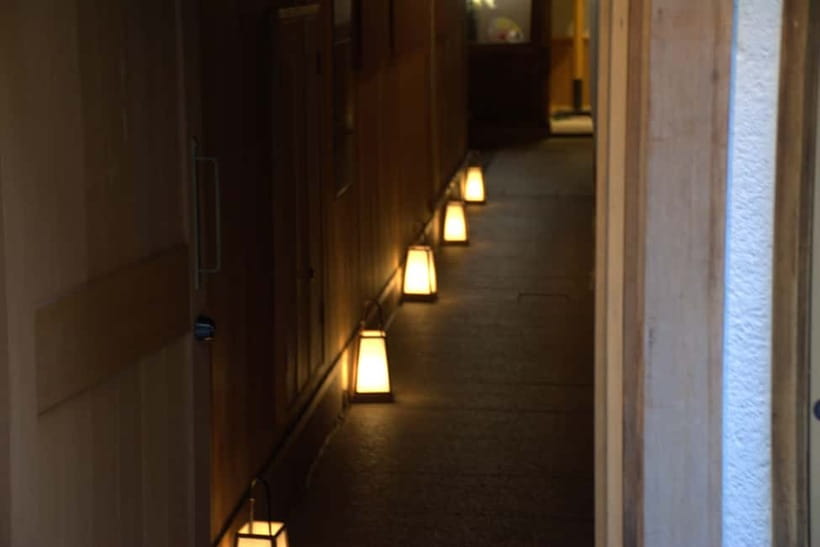
Many visitors arrive in Gion with a blurry idea of geisha culture. They may know about music, dance, formal dress, and tea houses, but not how the district works or why the traditions remain private and carefully guarded.
This walk gives you a chance to ask direct questions. The guide explains the history of geisha and also discusses the present day, which is important. Gion is not simply a preserved picture of old Kyoto. It is a working district with residents, businesses, and strict expectations about conduct.
I especially value the promise of information about actual geisha today. The subject can easily be reduced to costumes and photographs, but the tour aims to explain the people and the profession with more care. You may come away with a clearer idea of why a geisha sighting should be treated as a brief encounter, not as a photo opportunity to chase.
The exact amount of detail will depend on your guide and your questions. The experience is in English, and a particularly strong part of the tour is its conversational nature. One participant described the guide as friendly and inclusive, with clear answers that made the two hours feel like a walk with a good friend. That tells you something useful about the tone: this is meant to be an approachable discussion, not a formal lecture.
The question of seeing a geisha
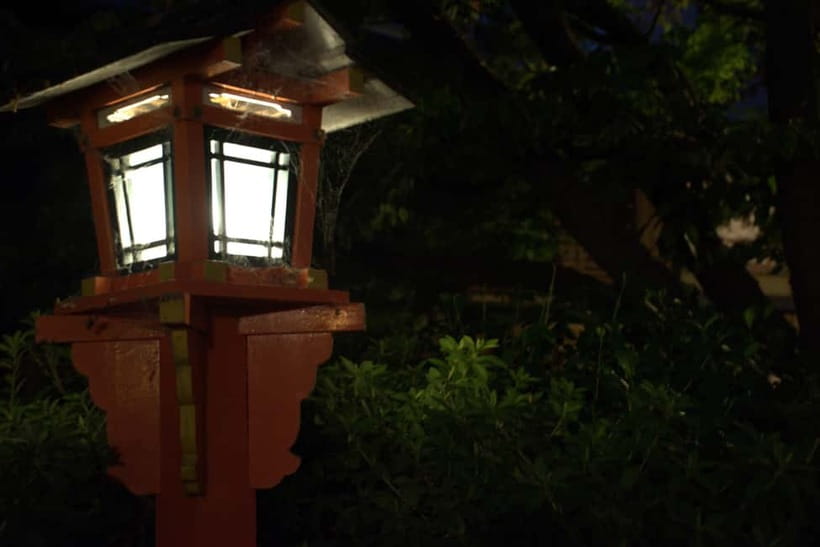
The tour is timed for a period when geisha are more likely to be seen. That improves your chances, but it cannot guarantee a sighting. Geisha may be working, using a different route, or simply not appear while your group is walking.
You should book this with the right expectation. You are paying for a guided walk through Gion and an explanation of its culture. A geisha sighting is an extra possibility, not the product being promised.
Timing deserves special attention. One participant took the tour at 8 p.m. and found it disappointing not to see any geisha or enter a house. That person also noticed a poster advertising performances at 6 and 7 p.m. If those times are still relevant on your visit, an earlier tour could be the wiser choice, though the supplied information does not promise entry to a performance or a guaranteed sighting at any hour.
I would contact the operator, ENSHI KYOTO, before booking if a geisha sighting is the main reason you are going. Ask which available departure gives you the best chance. If the answer is uncertain, accept that uncertainty before you pay.
Respectful photography in a working district
Photography is included through a photo shoot, which adds value to the $27 price. The information does not specify the number of photographs, the photographer’s equipment, or how and when the photo shoot takes place, so you should not assume a professional portrait session of a particular length.
The more important photo advice concerns geisha encounters. The guide explains precautions to take if you are lucky enough to see one. This is not a minor detail. Gion has become famous partly because of photographs, but people who live and work there should not be treated as moving souvenirs.
Listen closely to the guide’s instructions. Do not block a narrow street, follow someone, touch clothing, or use a camera in a way that ignores personal space. The tour’s value is higher when it helps you understand why those rules matter, rather than simply telling you to obey them.
The included photo shoot is a pleasant bonus, but I would not choose this tour only for pictures. The stronger reason to go is the explanation of Gion. Your photographs will be better when you know what you are looking at and how to behave around it.
A few more Kyoto tours and experiences worth a look




Why the local guide matters
A guide makes a noticeable difference in a district where many signs and buildings offer little explanation. You will see the same streets on your own, but you may not understand their role in the geisha world or know which small details deserve attention.
This tour also claims to share little-known facts that are not readily available online. That promise cannot be measured in advance, but it gives the walk a clear purpose. You are not simply joining a photo stroll. You are going to ask questions and hear explanations shaped by someone familiar with Gion.
The strongest praise for this experience focuses on the guide’s friendliness, clear answers, and ability to include people in the conversation. That is important for a two-hour walk. A guide who welcomes questions can adjust the discussion to your interests, whether you want more history, cultural background, or practical advice about a possible geisha encounter.
No guide name is provided, so I cannot tell you who will lead your particular departure. The quality may depend on the individual guide’s style. Still, the format favors a personal, question-friendly experience rather than a scripted audio tour.
Is $27 a good value?
At $27 per person, this is a modestly priced cultural walk in one of Kyoto’s most sought-after districts. You receive an English-speaking guide, roughly two hours of walking and discussion, access to local explanations, and a photo shoot.
The price is good if you want orientation before exploring Gion on your own. It is also reasonable if you enjoy asking questions and prefer a guide who can explain current customs rather than simply point out old buildings.
The value is weaker if you are paying mainly for a guaranteed geisha sighting, a performance, or entry into a traditional house. None of those is included. You may see a geisha, but you may not. You will walk past historic houses, but the tour does not promise access inside them.
That distinction should guide your choice. At this price, I see the tour as an introduction to Gion, not an exclusive backstage visit. For many people, that is exactly the right level of access. You get useful context without paying for a private cultural show.
Practical details for a comfortable walk
Wear comfortable shoes and clothes. The experience is on foot, and your attention will be better if you are not thinking about sore feet or restrictive clothing.
The tour is offered in English. It begins at the man’s stone statue near Keihan Railway Exit 5 and ends back at the same meeting point. No transportation is included or needed during the walk.
The activity is not suitable for wheelchair users, according to the supplied information. It is also marked as not suitable for people with altitude sickness, although Gion itself is not presented as a high-altitude destination. If either note concerns you, confirm the conditions with ENSHI KYOTO before reserving.
You may reserve now and pay later, which helps if your Kyoto schedule is still changing. Cancellation is allowed up to 24 hours in advance for a full refund. Drones, alcohol, and drugs are not allowed.
Who will enjoy this Gion walk
I would recommend this tour to a first-time Kyoto visitor who wants a clear introduction to Gion without spending a great deal. It suits anyone curious about how geisha culture works today, especially if you prefer conversation and local explanation to a large sightseeing group.
It also works well for people who have already seen Gion by day and want to understand the district at night. The historic streets look different after dark, and the timing may give you a chance to see the district during its working hours.
You should think twice if you need a guaranteed geisha appearance. The same is true if you want to enter a geisha house or attend a confirmed performance. This walk does not promise either.
I would also choose your departure with care. An 8 p.m. start may be too late for your goals if you hope to catch activity linked to earlier evening performances. Ask about timing before you reserve, and treat any geisha sighting as luck rather than a guarantee.
Should you book this experience?
Book it if you want a thoughtful introduction to Gion, a local English-speaking guide, and useful advice about geisha culture and respectful behavior. The combination of historic streets, lesser-known information, current cultural context, and a photo shoot makes $27 a sensible spend.
Skip it if your priority is a guaranteed geisha sighting, a house visit, or a formal performance. For the best chance of seeing activity, ask ENSHI KYOTO about earlier start times rather than automatically choosing a late evening slot.
The tour’s strongest feature is its guide-led explanation of a place that can otherwise feel mysterious and closed off. Go to understand Gion better. If you happen to see a geisha along the way, consider it a fortunate moment, not the entire reason for the walk.
FAQ
How much does the Gion Night Walk cost?
The tour costs $27 per person.
What language is the tour offered in?
The tour is offered in English.
Where does the tour begin?
Meet at the man’s stone statue near Exit 5 of Keihan Railway.
Where does the tour finish?
The activity ends back at the original meeting point.
Will I definitely see a geisha?
No. The tour is timed for a period when geisha are more likely to be seen, but a sighting is not guaranteed.
What should I bring?
Wear comfortable shoes and comfortable clothes. Drones, alcohol, and drugs are not allowed.
More Walking Tours in Kyoto


More Night Walks & Ghost Tours in Kyoto
More Gion & Geisha Walks in Kyoto
More tours in Kyoto we've reviewed











Gion & Geisha Walks, compared.
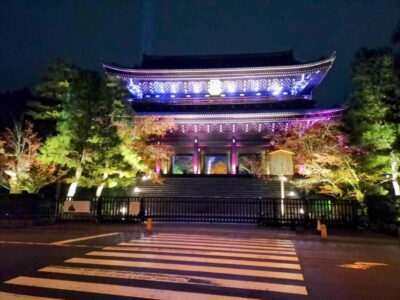 ★ 4.7Kyoto Geisha Walking Tour: Gion District & Hidden GemsFrom $252 hours
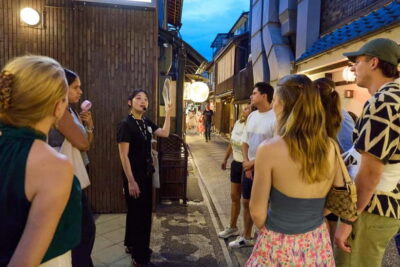 ★ 4.7Kyoto: Gion Geisha District Walking Tour – Stories of GeishaFrom $202 hours
 ★ 4.9Best of Kyoto: Gion, Geisha, Pagodas & CobblestonesFrom $242 hours
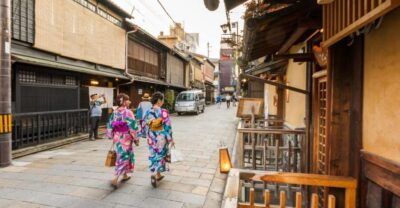 ★ 4.5Night Walk in Gion: Kyoto’s Geisha DistrictFrom $211h 40m
 ★ 5.0Kyoto Night Foodie Tour in Gion (9+ dishes + 6 Sake tastings)From $163
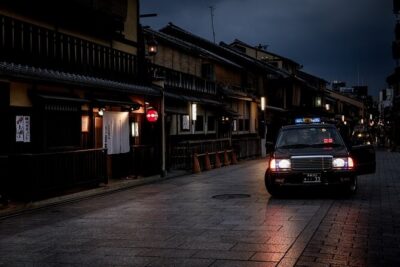 ★ 5.0Kyoto Gion Geisha District Walking Tour – The Stories of GeishaFrom $25