
Reviewed · FUSHIMI INARI TOURS
Japanese Sake Breweries Tour in Kyoto Fushimi
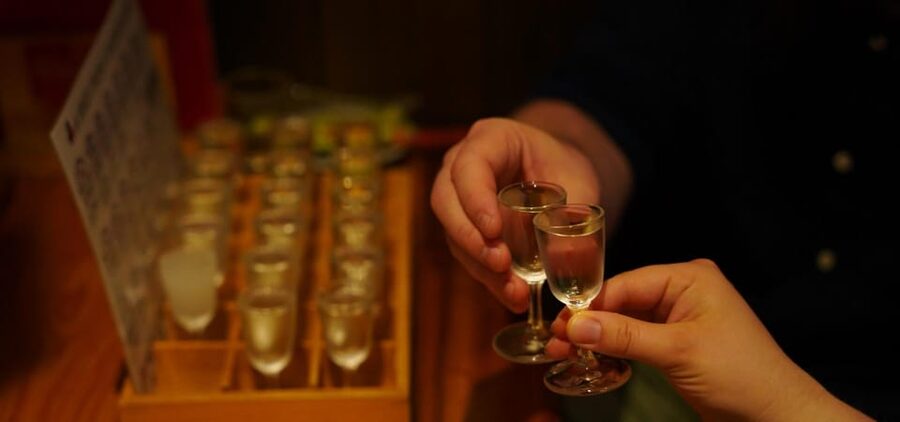
Fushimi is one of Japan’s best-known sake districts, and this three-hour walking tour gives you a taste of its old breweries, canals, tasting rooms, and Edo-period trade routes. The most useful part is the chance to compare six types of sake in different settings, from the Gekkeikan museum to a traditional sake shop.
I like the tour’s mix of history and drinks, especially the visit to Gekkeikan, a brewery founded in 1637. I also like the small extras: a commemorative sake cup, Kyoto beer, sake ice cream, and a walk through old Fushimi. The main concern is guide quality. Some guides, including Musaki, also called Bob, have offered warm, personal explanations, while one booking reported that the guide did not arrive and another found the commentary too thin for the price.
In This Review
- Key points to know before booking
- Why Fushimi is a smart place to learn about sake
- Meeting the guide at Chushojima Station
- Gekkeikan Sake Museum and the 1637 story
- Kizakura Kappa Country and Kyoto beer
- Fushimi Saka Gura Kouji and the 17-brewery setting
- Fushimi Yume Hyakushu in a former Gekkeikan office
- Ginjo Shubo Aburacho and the final three sakes
- What the six included sake samples are worth
- Guide quality can make or break the afternoon
- Is $80 good value for three hours?
- Who should book this Fushimi walk?
- Should you book the Japanese Sake Breweries Tour?
- FAQ
- Where does the tour meet?
- How long does the tour last?
- Which languages are available?
- How much sake is included?
- Are people under 20 allowed to join?
- Is the Jukkokubune boat ride included?
Key points to know before booking
- Gekkeikan dates to 1637: The museum gives the tour a strong historical anchor, with a guided visit and three sake samples.
- Six sake samples are included: You taste three types at Gekkeikan and three more at Ginjo Shubo Aburacho.
- Fushimi is explored on foot: The route links breweries, former offices, cafes, and old transport sites in short five-minute walks.
- The extras go beyond sake: You receive a brewery cup, Kyoto beer, and sake ice cream.
- The guide matters: Musaki, known as Bob, has brewing experience, but the level of explanation may vary.
- The boat ride costs extra: The Jukkokubune cruise is not included and costs 1,500 yen at the dock.
Why Fushimi is a smart place to learn about sake
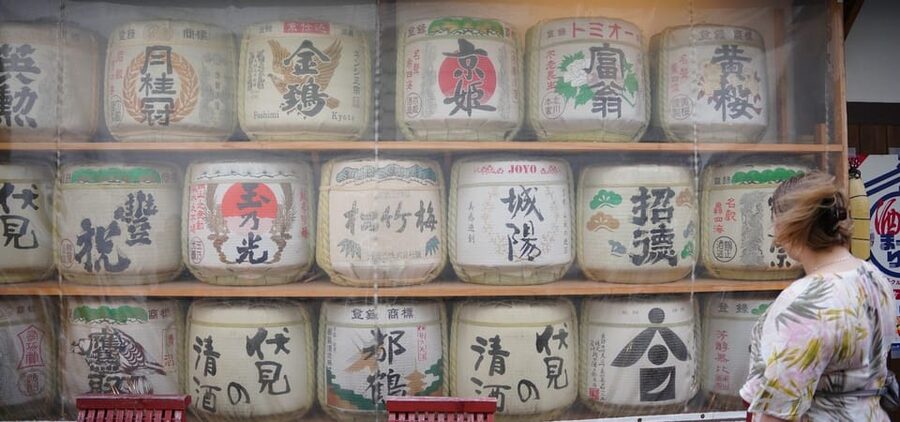
Fushimi is not just a collection of tasting rooms. It is a working historic district shaped by water, rice, trade, and brewing. The area once served as a transport link between Fushimi and Osaka, carrying people, sake, rice, and other goods by boat.
That setting gives the tour more substance than a simple bar crawl. You walk between old buildings and brewery-related sites while learning how sake helped shape the town. The short distances also keep the pace easy. Most walks between stops take about five minutes, so you spend your time in the district rather than on buses or trains.
The experience costs $80 per person. That is not cheap for three hours, but the price includes admission to the Gekkeikan Sake Museum, six sake samples, a Kyoto Beer, sake ice cream, and the guide. If you value an English-language explanation and want several tastings arranged for you, the cost can make sense. If you mainly want to drink sake, you may find better value by visiting Fushimi independently.
A few more Kyoto tours and experiences worth a look
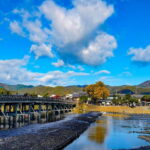
Meeting the guide at Chushojima Station
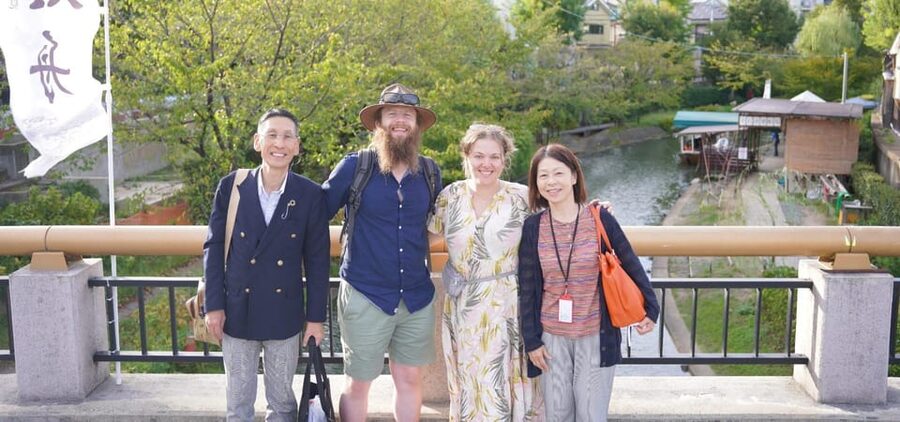
The tour begins outside the north exit ticket gate at Chushojima Station. Look for the sake barrel object and a guide holding a sign marked 888. Take care here, since JR Sumiyoshi Station has the same station name in another location.
This meeting point is practical because the tour starts in the Fushimi area itself. You do not need to make your way to central Kyoto first. Once the group gathers, the walk to Gekkeikan takes about five minutes.
Group size is not specified, so you should not assume a private outing. One booking had only one participant, which created a very personal experience, but group sizes can vary. If you want detailed answers about brewing, the guide’s skill and willingness to explain will matter as much as the stops themselves.
The available languages are English, Chinese, and Japanese. If sake is new to you, an English guide with brewing experience can make a real difference. Musaki, also called Bob, has previously worked in sake brewing and has received warm praise for knowing both the product and the neighborhood.
Gekkeikan Sake Museum and the 1637 story
The first major stop is the Gekkeikan Ōkura Sake Museum, where you spend about 35 minutes on a guided visit. Gekkeikan was established in 1637, so this is the place to connect modern sake with centuries of brewing tradition.
The museum is also where the tour gives you its first tasting set: three types of Japanese sake. A commemorative Gekkeikan sake cup is included, giving you a small souvenir that is tied directly to the brewery rather than a generic tour item.
This stop should be especially useful if you are new to sake. You can compare the samples while the guide explains what makes one sake different from another. Pay attention to aroma, sweetness, dryness, and texture, and ask questions as you taste. The stated goal is to help you understand the difference with your tongue, not simply learn a list of brewing terms.
The quality of this part depends heavily on the guide. One experienced guide may explain the process clearly, while a less talkative guide may mainly lead you from display to display. If you want a lesson in how sake is made, ask direct questions about rice, fermentation, polishing, and flavor differences rather than waiting for a long presentation.
Kizakura Kappa Country and Kyoto beer
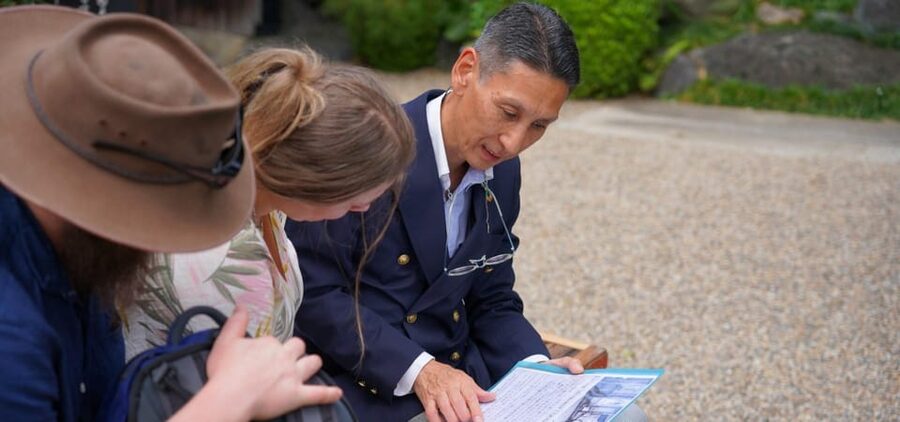
The next stop is Kizakura Kappa Country, reached after another five-minute walk. The listed guided visit lasts about five minutes, so think of it as a short introduction rather than a full brewery tour.
Kizakura is notable here because it made the first local beer in the area. You receive one glass of Kyoto Beer as part of the tour, which breaks up the sake tasting and lets you compare two Japanese brewing traditions in one afternoon.
This is a small but useful change of pace. Sake and beer are made in different ways, and tasting both helps you notice how grain, fermentation, and serving style affect the final drink. The brief stop will not satisfy someone hoping for a long production visit, but it adds variety without taking much time.
Fushimi Saka Gura Kouji and the 17-brewery setting
After another short walk, the group reaches Fushimi Saka Gura Kouji for about 25 minutes. This sake brewery alley was created with support from 17 breweries belonging to the Fushimi Sake Brewers Association.
The value of this stop is variety. Instead of seeing one producer’s approach throughout the afternoon, you get a sense of Fushimi as a wider brewing community. The space also helps explain why the district has such a strong sake identity.
The tour information says additional eating and drinking expenses at each brewery or restaurant are not included. That means you should not assume every drink or dish you see is covered by the tour price. Your included samples are specified, while any extra purchases are yours to pay for.
I would treat this stop as a chance to look around and ask the guide which breweries or styles are most distinctive. If you are already familiar with sake, you may want to use this time to focus on regional differences. If you are a beginner, simply note which flavors you prefer before the final tasting.
Other sake brewery and tasting tours in Kyoto

Fushimi Yume Hyakushu in a former Gekkeikan office
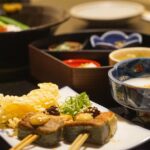
Fushimi Yume Hyakushu occupies the former Gekkeikan head office, built during the Taisho period. You spend about 35 minutes here, and the included treat is sake ice cream.
This stop adds architecture and atmosphere to the day. You are not only sampling drinks in a modern tasting room. You are also seeing how an old brewery organization used its headquarters and how the sake trade left its mark on Fushimi’s buildings.
The sake ice cream is a playful change from the liquid tastings. It is also helpful if you need a pause between samples. The tour involves several tastings in a short period, so the snack gives the afternoon a little balance.
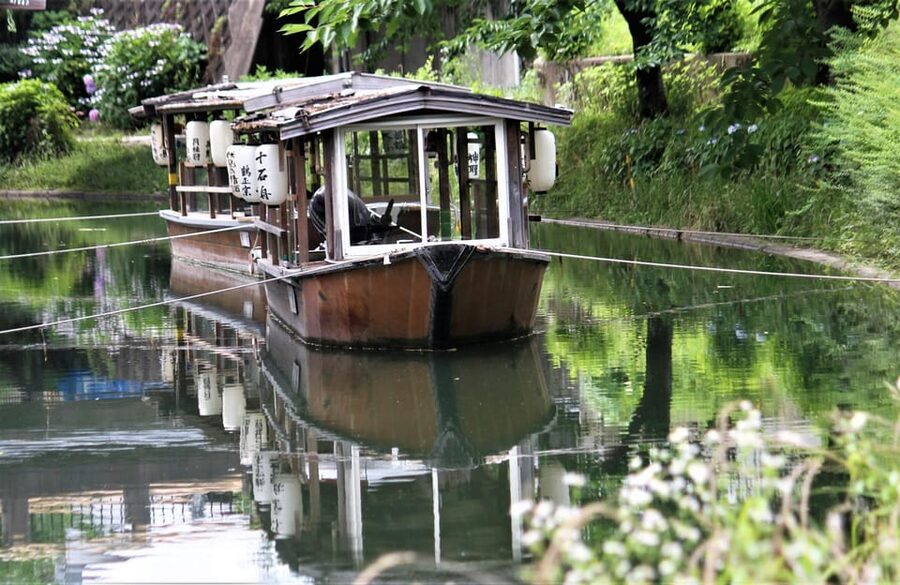
The area is linked to Fushimi’s former role as a logistics hub. During the Edo period and into the Meiji era, boats moved between Fushimi and Osaka, carrying sake, rice, and people. The nearby Jukkokubune boat ride relates to this story, but it is not part of the included price. If you want to board, pay 1,500 yen at the dock. The boat ride is optional, and the tour does not include the fee.
Ginjo Shubo Aburacho and the final three sakes
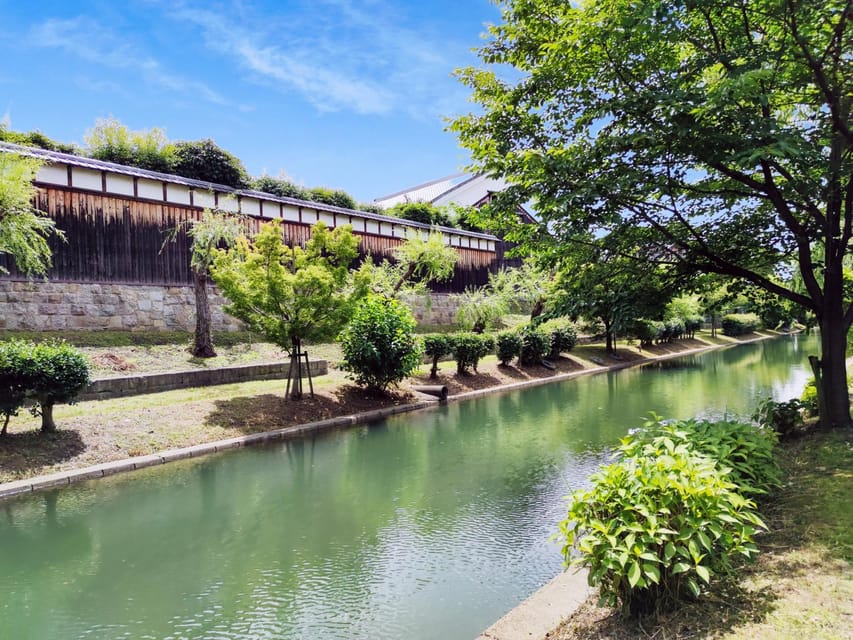
The final stop is Ginjo Shubo Aburacho, also called Aburacyo in the tour details. You spend about 40 minutes here and taste another three types of Japanese sake.
This is the longest stop, which makes sense. By now, you have seen a major museum, learned about Kizakura, walked through a brewery alley, and visited a former brewery office. The last tasting gives you a chance to compare what you have learned.
The important thing is to ask what each sample is before drinking it. One criticism of the experience was that the three final samples were poured without enough explanation. That is a fair concern, especially for someone paying $80 to learn about sake. You should ask about the brewery, style, sweetness, dryness, and recommended serving temperature.
The tour ends here, so you are free to continue exploring Fushimi afterward. Since the final stop is a sake shop and tasting room, you may also find something you want to buy, though purchases and extra food are not included.
What the six included sake samples are worth
Six samples can sound modest, but they are enough for a useful comparison if the guide gives each one context. You taste three at Gekkeikan and three at Aburacho, which lets you compare sake from more than one setting.
I would not judge the experience by the number of pours alone. The real value lies in learning why they differ. A good explanation should help you notice:
- How dry or sweet each sake feels
- How strong the aroma is
- Whether the texture is light or full
- How the finish changes from one sample to the next
- Which style you prefer
The tour description also mentions a set of 17 kinds of drinks associated with a popular social media image. However, the included items specifically list three sake samples at Gekkeikan and three at Aburacho. You should confirm what is included when booking if the 17-drink set is important to you.
People under 20 may join, but Japanese law prohibits them from drinking alcohol. Non-alcoholic drinks and juices are available. This makes the tour possible for families or mixed-age groups, though the central subject remains sake.
Guide quality can make or break the afternoon
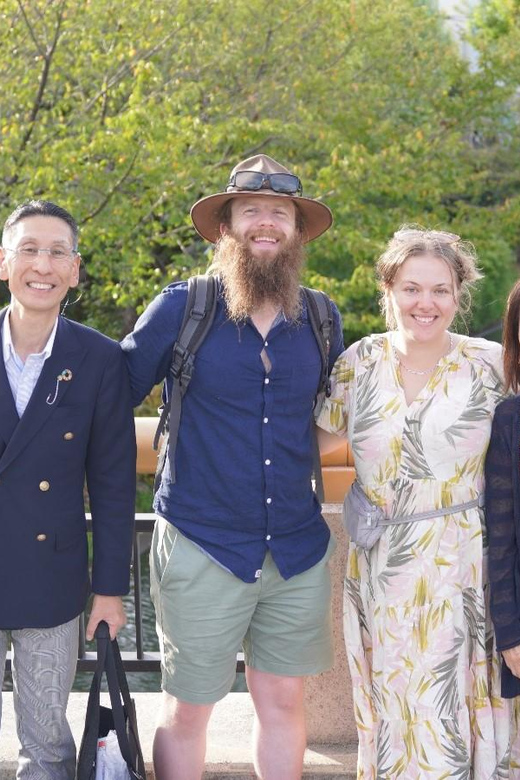
The strongest personal praise has gone to the guide Musaki, also called Bob. He has worked in sake brewing and knows the Fushimi area, which gives him the background to explain both production and local history. A small group can also lead to personal attention and a more relaxed exchange.
Still, you should book with realistic expectations. The guiding style may be quiet rather than lively. One booking described a guide who mainly walked between stops and did not explain enough about brewing, history, or flavor profiles. Another reported that the guide did not show up at all, which is a serious service problem.
That does not mean every departure will have the same result. It does mean you should confirm the meeting details carefully and arrive at the correct station. If your guide is not clearly explaining the samples, ask questions early. The tour is most valuable when you take an active part in the tasting.
Is $80 good value for three hours?
At $80, this is a mid-to-high priced short tour. The included items have real value: museum admission, six sake samples, a souvenir cup, Kyoto Beer, and sake ice cream. You also receive a guided walk through a district that can be confusing to understand on your own.
The price is harder to justify if the guide provides little commentary. You can walk through Fushimi independently, visit the museum, and pay for tastings as you go. The tour earns its price through interpretation, organization, and access to a useful sequence of stops.
I think the tour is best value for first-time sake drinkers who want someone to explain what is in the glass. It is less compelling for experienced sake fans who already know how to compare styles and are comfortable arranging their own visits.
Cancellation is free up to 24 hours before the start, and you can reserve now and pay later. The stated duration is three hours, with start times available according to the date you select.
Who should book this Fushimi walk?
I would recommend this experience to you if you enjoy local food and drink, want a manageable walking route, and would like history tied to what you taste. The five-minute walks make it easy to follow, and the route includes more than one brewery-related setting.
It also suits people who want a gentle introduction rather than a technical brewing class. The museum, beer stop, alley, former office, and final tasting create a pleasant range of experiences.
You may want to skip it if you are expecting a large working brewery production tour, a guaranteed highly animated guide, or a full boat excursion. The Jukkokubune ride costs extra, the Kizakura visit is brief, and the quality of the explanations can vary.
The activity is not suitable for people over 80. Anyone under 20 can attend but must choose the available non-alcoholic drinks or juice.
Should you book the Japanese Sake Breweries Tour?
Book this tour if you want an organized introduction to Fushimi sake and can see the value in having a guide connect the buildings, breweries, and tastings. The combination of Gekkeikan’s 1637 origins, six included sake samples, Kyoto Beer, sake ice cream, and the old canal district gives you plenty to work with in three hours.
I would be more cautious if your main goal is expert-level sake education. Before committing, make sure you are comfortable with the possibility of a quiet guide and ask plenty of questions during the tastings. For a first look at Fushimi, especially with a strong guide such as Musaki, this can be a memorable and practical afternoon. The experience succeeds when the commentary is as carefully poured as the sake.
FAQ
Where does the tour meet?
Meet at the sake barrel object just outside the north exit ticket gate at Chushojima Station. Your guide will hold a sign marked 888. Do not confuse this station with JR Sumiyoshi Station, which has the same station name.
How long does the tour last?
The tour lasts three hours. The listed start times depend on availability for your chosen date.
Which languages are available?
Live guiding is available in English, Chinese, and Japanese.
How much sake is included?
The included tastings are three types of Japanese sake at Gekkeikan Sake Brewery and three types at Ginjo Shubo Aburacho.
Are people under 20 allowed to join?
Yes. People under 20 may attend, but drinking alcohol is illegal under Japanese law. Non-alcoholic options and juices are available.
Is the Jukkokubune boat ride included?
No. The boarding fee is separate, and you pay 1,500 yen at the boat dock.
More Sake Brewery Tours in Kyoto
More Sake Brewery Tours in Kyoto
More Fushimi Inari Tours in Kyoto
More tours in Kyoto we've reviewed
Fushimi Inari Tours, compared.
 ★ 4.8Kyoto: Fushimi Inari, Kinkakuji, Bamboo Grove 1 Day Bus TourFrom $122510 minutes - 9 hours
 ★ 5.0Fushimi Inari Hidden Hiking Tour (Private Option Available)From $63
 ★ 4.7Kyoto/Osaka: Nara, Fushimi Inari Taisha, Arashiyama Bus TourFrom $529 - 10 hours
 ★ 4.4Osaka/Kyoto: Arashiyama, Nara & Fushimi Inari Shrine w/LunchFrom $61
 ★ 5.0Kyoto: Nijo, Kinkaku-ji, Arashiyama, Kiyomizu & Fushimi InariFrom $51
 ★ 5.0Kyoto Fushimi-Inari Night Walking TourFrom $43