
Reviewed · PRIVATE
Kyoto: 1.5 hours Private Japanese Sound Bath Experience
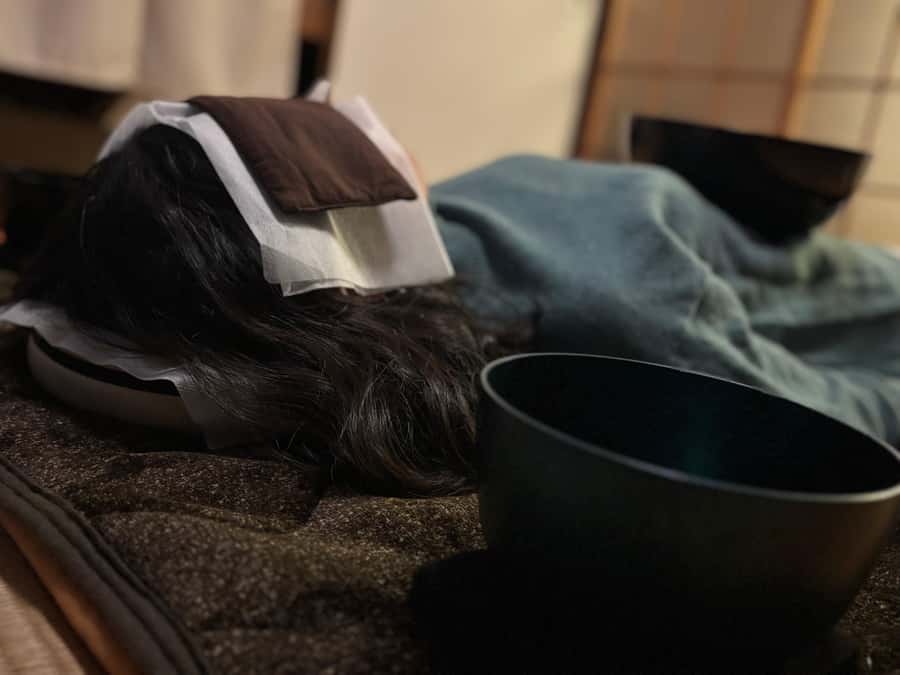
Kyoto’s most unusual quiet-time activity may be this private Japanese sound bath, where Junichiro Ono plays handmade Singing Ring instruments around you as you lie back and listen. Their layered harmonics create a gentle, physical sound experience unlike a standard temple visit or music performance.
I like two things right away: the tiny group size, capped at two people, and the hands-on workshop after the hour-long session. You can also feel some of the instruments directly on your body, and the water demonstrations give you a clear look at how sound creates visible movement. The main drawback is that the venue and start time can change, so you must check the organizer’s follow-up email carefully.
In This Review
- Key points about the Kyoto sound bath
- A quiet Kyoto experience built around sound
- Meeting Junichiro Ono near Kyoto Station
- What happens during the 60-minute sound bath
- Seeing sound move through water
- Why Singing Ring instruments feel different
- The setting, timing, and practical trade-offs
- Is $91 per person fair value?
- How to prepare for the session
- Should you book the Japanese sound bath?
- FAQ
- How long does the Japanese sound bath experience last?
- How many people can join?
- Where does the activity meet?
- Can the venue change?
- What languages are available?
- Is food included?
- Can I cancel for a full refund?
Key points about the Kyoto sound bath
- Singing Ring instruments: Hear Japanese-made acoustic instruments designed to produce many overlapping harmonics.
- Private format: The experience is limited to two people, making it a quiet choice for couples, friends, or solo visitors.
- Sixty-minute sound session: Lie down and listen as the tones move from soft, delicate notes to lower vibrations.
- Hands-on workshop: After the sound bath, play the bowls and learn how different tools shape the sound.
- Near Kyoto Station: The listed meeting point is about a five-minute walk from the station, though the exact venue can change.
- Flexible scheduling: The host coordinates the start time with you between 10 a.m. and 9 p.m.
A quiet Kyoto experience built around sound
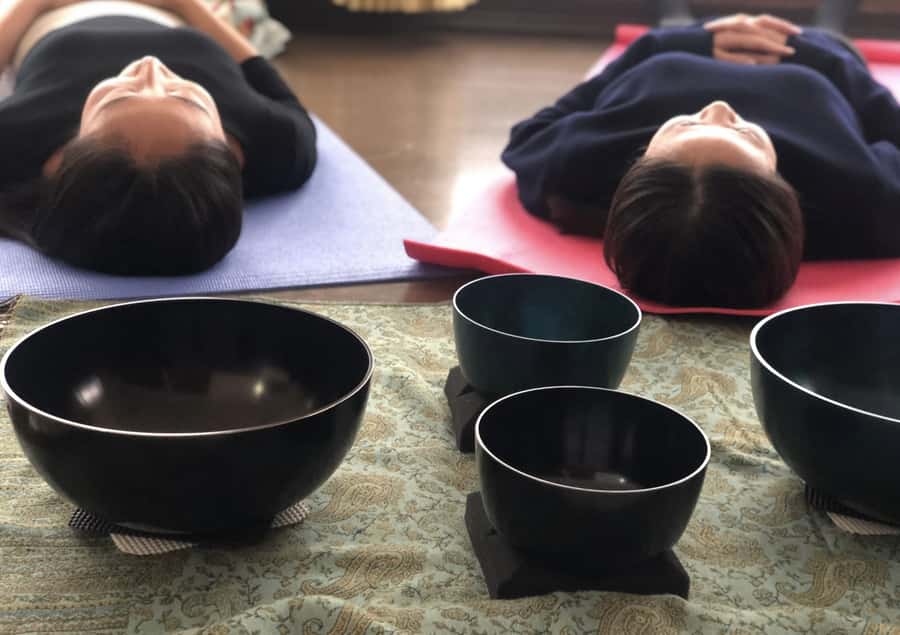
This is not a concert where you sit upright and watch a performer. The main event asks you to lie back, close your eyes if you wish, and let the sound fill the room. Junichiro Ono uses Japanese Singing Ring instruments to create long, sustained tones and layered overtones.
The instruments are made with traditional Japanese craft techniques. Their appeal is not just visual. The Singing Ring is designed to produce a large number of harmonics, giving the sound a full, ringing quality that changes as each note fades.
You may feel the tones as well as hear them. During parts of the session, instruments can be placed on the abdomen or below the ribs, creating low vibrations through direct body contact. This is one reason the experience feels different from simply listening to recorded meditation music.
Keep your expectations sensible. A sound bath is a relaxation activity, not medical treatment, and the effects vary from person to person. Some people may feel sleepy, still, or unusually grounded. Others may simply enjoy an hour of careful listening in a quiet Japanese room.
Other private tours in Kyoto
Meeting Junichiro Ono near Kyoto Station
The listed meeting point is Little Granmy Kyoto, at 85-10-203 Koinaricho in Kyoto’s Shimogyo Ward. It is described as roughly five minutes on foot from Kyoto Station, with the room on the second floor, room 203.
The exact location may change. After your reservation is confirmed, Junichiro sends information about the time and venue, so check your email before setting out. This matters more than usual because the booking does not have one fixed public start time.
Junichiro coordinates the appointment with you based on both schedules. The operating window is 10 a.m. to 9 p.m., which gives you useful room to fit the session around sightseeing, a late breakfast, or an evening meal.
Communication is available in English and Japanese. Junichiro has used written cards to explain parts of the session in English, and clear instructions are provided. Still, one practical improvement would be a fuller explanation before the sound bath begins, including how to settle in and how the session will finish.
The room itself is part of the appeal. Expect a traditional Japanese setting with the instruments arranged on the floor. One session included a view toward a garden with a small waterfall, adding a soft background sound to the room. That feature may depend on the venue, so treat it as a possibility rather than a guarantee.
What happens during the 60-minute sound bath
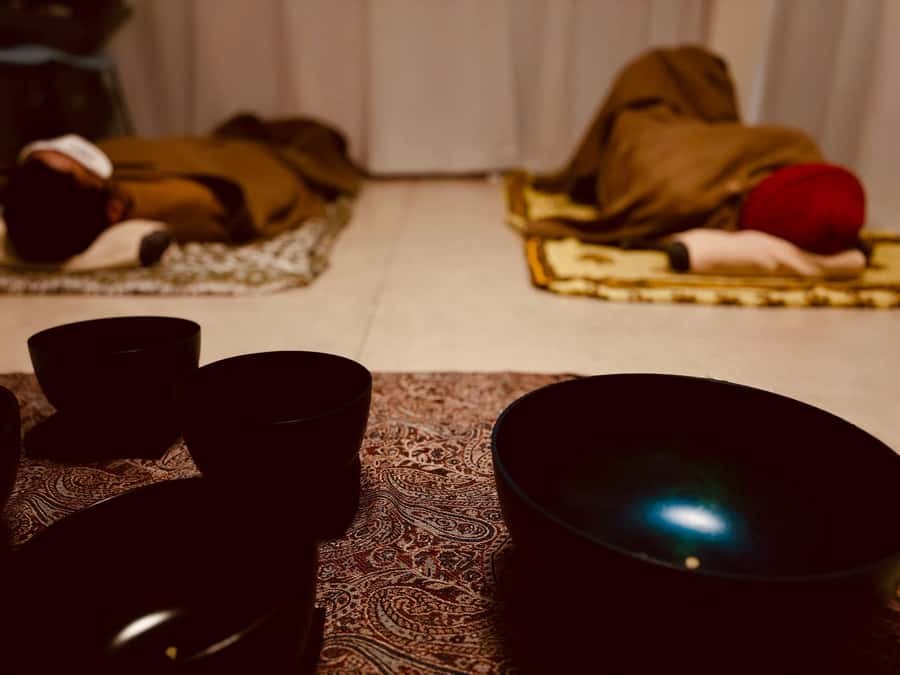
The sound session lasts about one hour, within a total experience of 90 minutes. You lie down while Junichiro works with the Singing Ring instruments at measured intervals, building a sequence of tones rather than playing a conventional melody.
The sound is described as delicate and solemn, with a distinctly Japanese character. Instead of a tune to follow, you hear ringing notes, overtones, pauses, and changing levels of intensity. That lack of a traditional beginning, middle, and end can be freeing, but it may feel unfamiliar if you prefer a structured musical performance.
Some tones are light and bright. Others have a lower vibration that you can sense through your body. The pace is designed to help you relax, and several people have reported drifting between wakefulness and sleep. Snoring is not treated as a problem here. It can simply mean your body has let go for a while.
The private setting helps. With only two people allowed, there is no large group to distract you, and you do not have to compete for the instructor’s attention. For a couple or two friends, the format offers a shared activity without turning it into a social event.
At points, Junichiro may place a Singing Ring instrument on your abdomen or below your ribs. This produces a more direct vibration than listening from across the room. If that kind of contact does not appeal to you, ask about it before the session begins so you understand what to expect.
The strongest part of the experience is the combination of sound and physical sensation. You hear the note in the room, then notice the vibration through your body. The result is quiet and personal, not dramatic or theatrical.
Seeing sound move through water
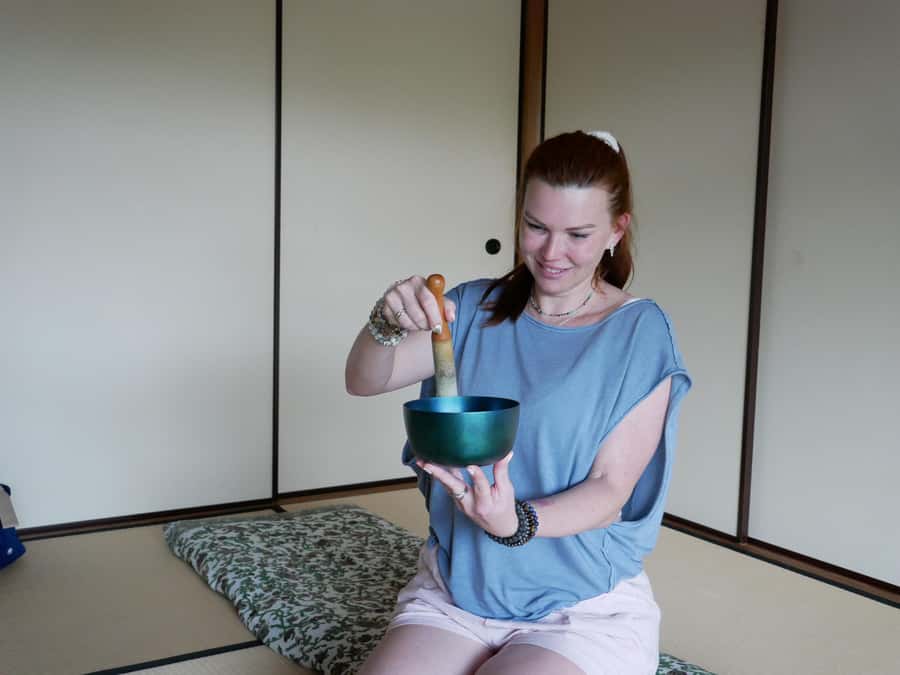
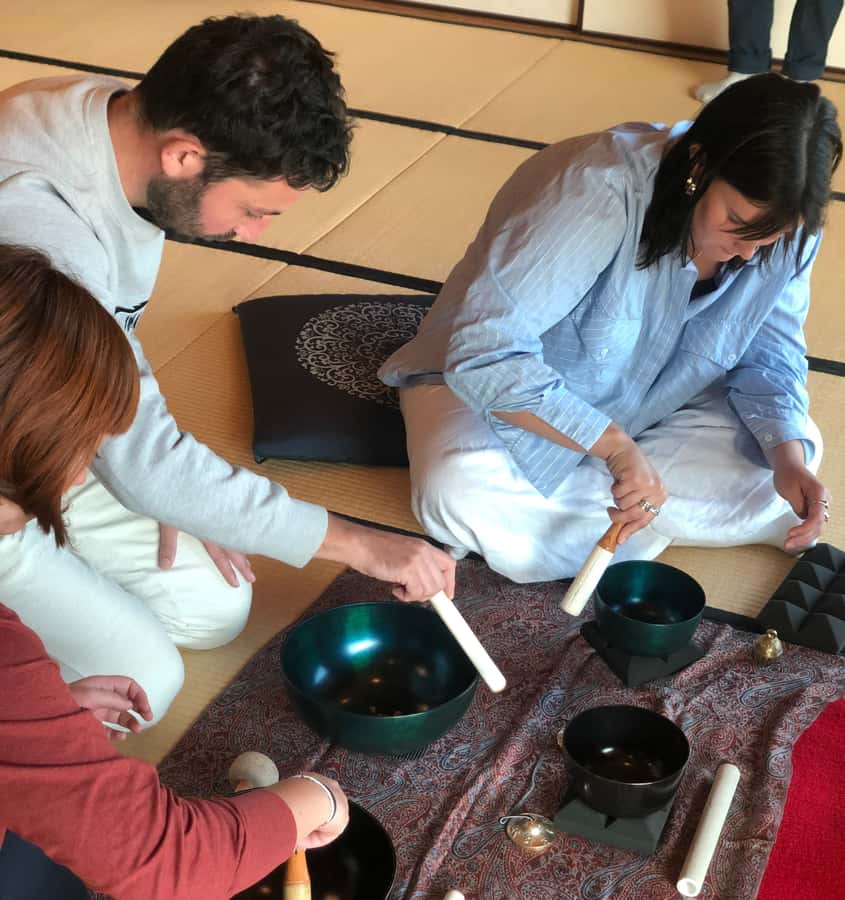
After the sound bath, Junichiro explains how the instruments work and lets you try them. This is more than a quick photo opportunity. You can handle the bowls, test the playing tools, and hear how different sizes and techniques change the note.
One especially interesting demonstration uses water. When the instrument sounds, the surface forms moving patterns and shapes. The effect gives you something visible to connect with the invisible sound waves, and it makes the basic physics easier to understand.
You may also get to create the water patterns yourself. This is a fine reason to choose this experience over a normal meditation class. You are not only resting, you are learning how the sound is made.
The workshop also makes the 90-minute length feel worthwhile. Without it, the session would be an hour of listening and then a quick goodbye. Here, the final 30 minutes let you ask questions, take pictures, and explore the instruments at your own pace.
Photography is possible during the instrument portion, according to the available experience details. Be respectful of the room and ask before taking pictures of the instructor or other person in the session.
Why Singing Ring instruments feel different
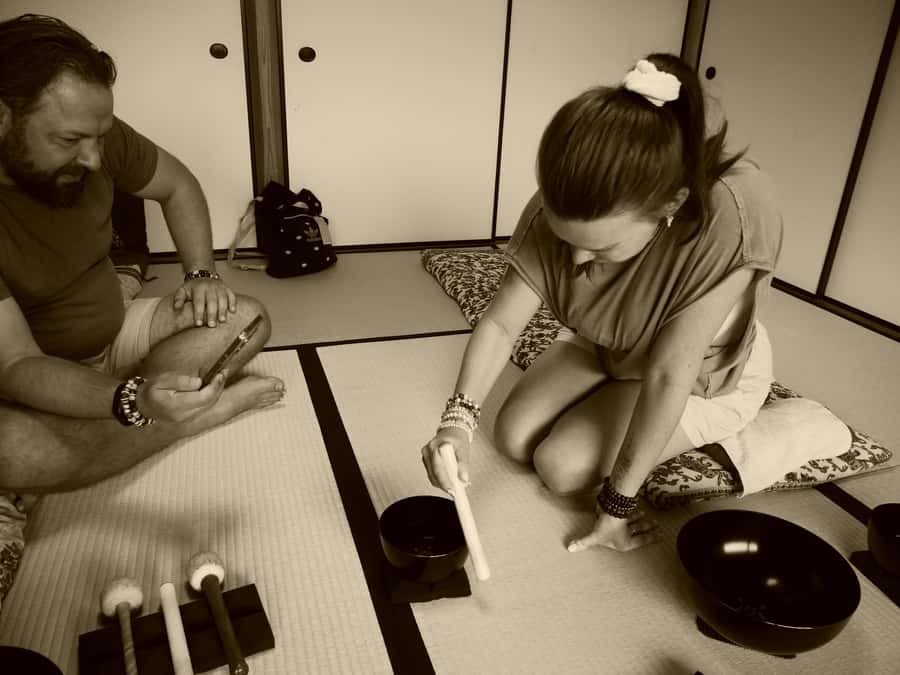
Japanese sound culture includes many instruments built around resonance, vibration, and controlled tone. The Singing Ring used here is unusual because it produces numerous harmonics that overlap within a single sound.
You do not need a music background to notice the difference. A single strike or movement can continue ringing after the initial sound, with higher tones floating over a lower note. This creates the sensation of a sound that keeps opening and changing, even though the instrument itself is simple to watch.
Junichiro also explains how the tools affect the result. Two different bowl sizes and three types of playing tools are used in the demonstration. Each choice changes the sound’s pitch, strength, or texture.
This explanation gives the experience some substance. You are not asked to accept vague claims about vibration. You can listen, observe the water, and try the instrument yourself. If you enjoy the meeting point between traditional craft and basic physics, the workshop may be the most memorable part.
The setting, timing, and practical trade-offs
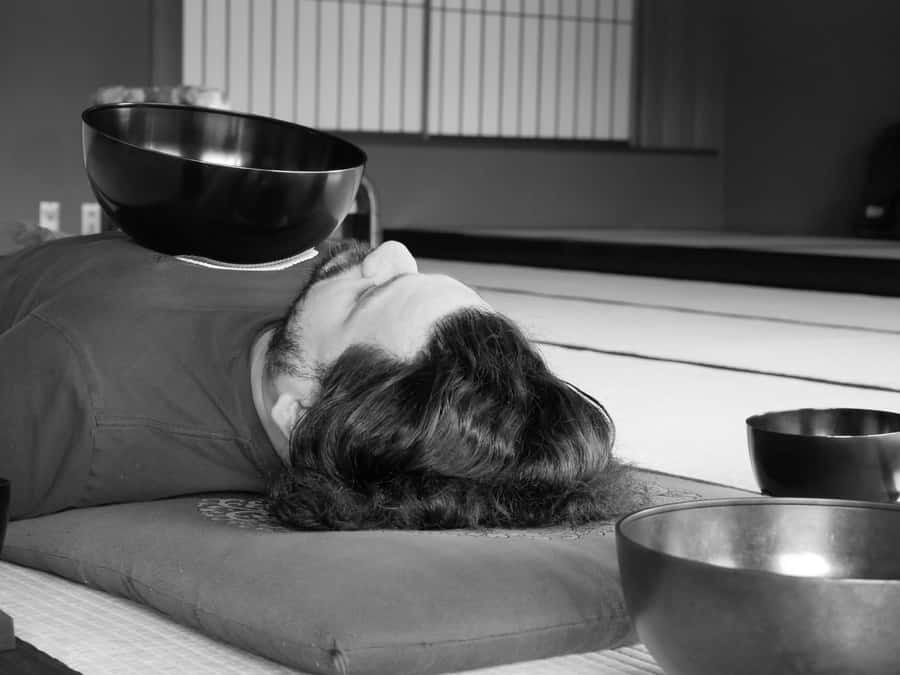
The activity takes place indoors, which makes it a useful rainy-day option in Kyoto. It also gives you a break from crowded temples, busy shopping streets, and long days on your feet.
The setting is intimate rather than grand. You are not visiting a famous historic building or attending a large cultural performance. The value comes from the atmosphere, the private instruction, and the unusual instruments.
The flexible timing is helpful, but it requires a little effort from you. Do not assume that a standard departure time will appear in your daily schedule. Confirm the appointment, then check the organizer’s message again before leaving your hotel.
The venue may be close to Kyoto Station, but the exact location can change. Build in enough time to find the room, especially if you have luggage or are arriving by train. The listed room is on the second floor, though that detail may also depend on the confirmed venue.
After the session, you finish back at the meeting point. There is no meal included, so plan food separately. One possible add-on near a venue used for the experience was a garden with a small entrance fee. A railway museum was also nearby, though your confirmed location may differ, so do not build a full afternoon around those places without checking first.
Is $91 per person fair value?
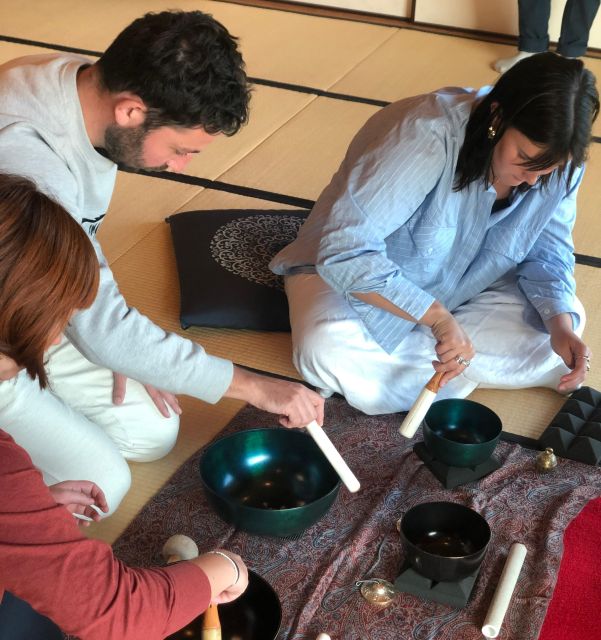
At $91 per person, this is not a budget activity. You are paying for a private appointment, a one-hour sound bath, a personal workshop, and the use of specialized Japanese instruments.
The price makes more sense if two people book together. A private sound session for a maximum of two gives you far more personal attention than a large class. You also receive direct explanations, time to play the instruments, and the chance to ask questions about the craft and sound.
It is less compelling if you want a broad sightseeing tour or a long cultural program. There are no meals, transportation services, temple visits, or other stops included. The experience is focused tightly on sound, relaxation, and the instrument workshop.
I would compare it with the cost of another private cultural lesson in Kyoto. If you value calm, unusual activities and want something that does not feel like a repeat of standard sightseeing, the price can be reasonable. If you are mainly looking for a cheap way to rest for an hour, a quiet hotel room or public garden will cost less.
The perfect audience is someone who enjoys meditation, acoustic music, Japanese craft, or gentle sensory experiences. It also suits a couple or two friends who want an activity they can share without joining a large group.
How to prepare for the session
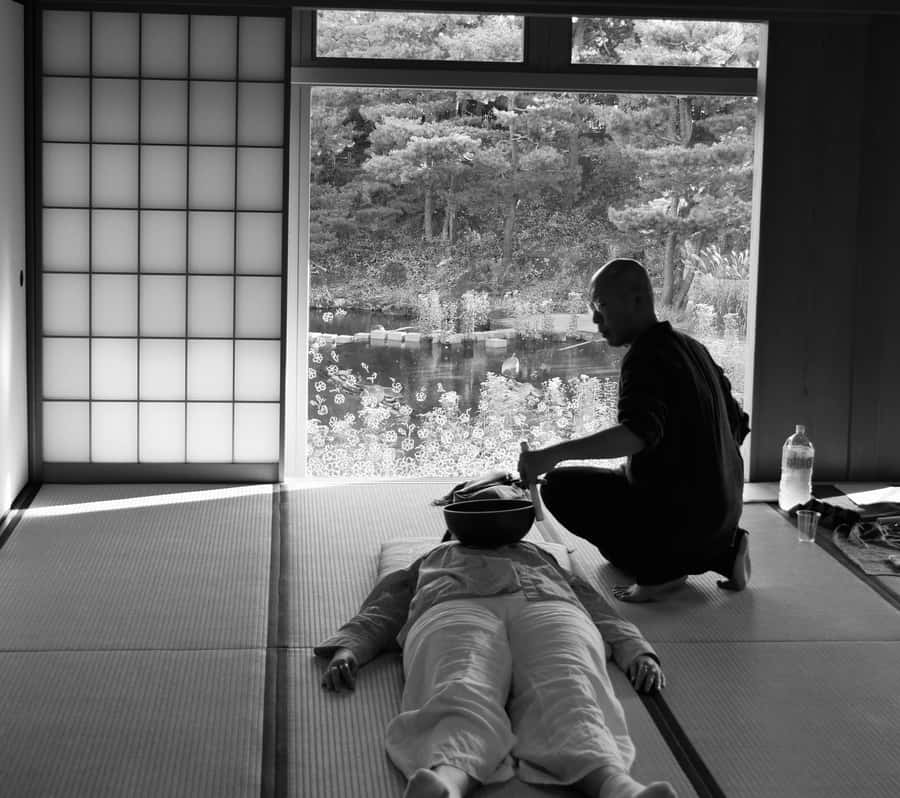
Wear clothing that lets you lie comfortably for about an hour. The supplied information does not specify a dress code, special equipment, or a required fitness level, so you do not need to prepare like you would for a hike or sports activity.
Arrive with an open mind about silence. The point is not to analyze every note as it happens. Let the tones pass, and save your questions for the workshop afterward.
Tell Junichiro at the beginning if you have concerns about instruments touching your body. The session can include direct contact on the abdomen or below the ribs, and knowing this in advance helps you make a comfortable choice.
Plan your day so you do not have to rush straight into a major sightseeing stop. You may feel relaxed or sleepy after the session. A garden visit, an easy meal, or a gentle walk near the station makes more sense than immediately racing across Kyoto.
The activity is limited to two people. Infants can be added to a reservation under the stated booking conditions, but the available information does not explain how an infant participates in the sound bath. Ask the organizer directly if this applies to your group.
Should you book the Japanese sound bath?
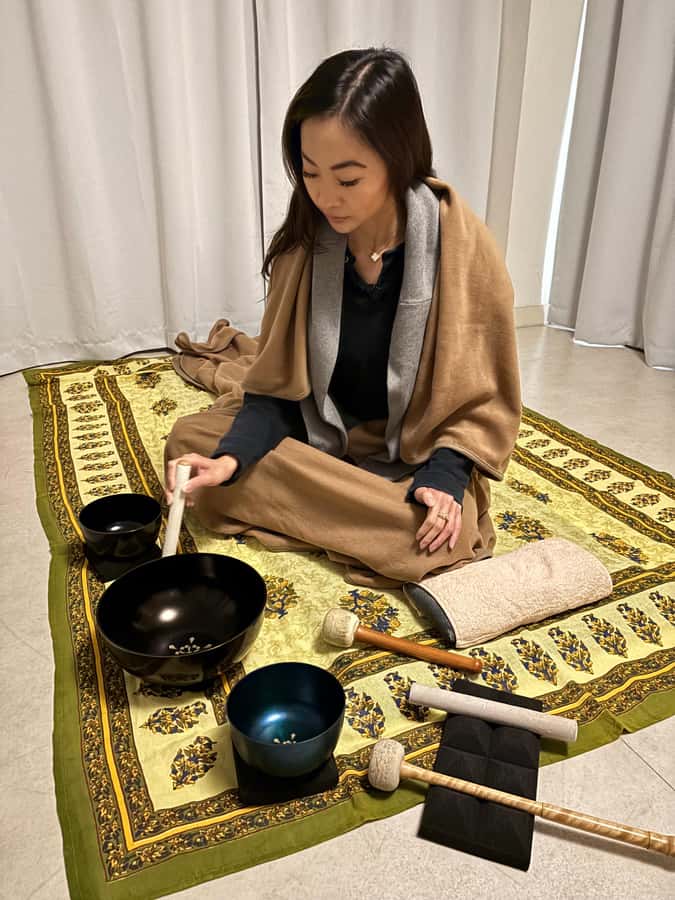
Book it if you want a calm, private Kyoto experience with a strong Japanese connection and you are curious about sound as both art and physical sensation. Junichiro Ono’s guidance, the water demonstration, and the chance to play the Singing Ring instruments give the session more depth than a simple hour of background music.
I would especially recommend it for a rainy day, a recovery day between major sightseeing outings, or the final days of a busy Japan trip. It offers a pause from crowds and a memory built around sound rather than another famous view.
Skip it if you need a fixed timetable, dislike lying still, or want an activity packed with sightseeing. The flexible appointment and possible venue change require attention, and the benefits are personal rather than guaranteed.
For most people who enjoy quiet cultural experiences, $91 buys a distinctive 90 minutes and rare one-to-one attention. Confirm the venue, allow time to get there, and let the workshop be part of the experience, not an afterthought.
FAQ
How long does the Japanese sound bath experience last?
The total experience lasts 1.5 hours. The sound bath itself takes about 60 minutes, followed by a hands-on instrument playing workshop.
How many people can join?
The maximum group size is two people. Infants may be added to a reservation under the stated booking conditions.
Where does the activity meet?
The listed meeting point is Little Granmy Kyoto, Kyoto, Shimogyo Ward, Koinaricho, 85-10-203. It is described as about a five-minute walk from Kyoto Station, with the room on the second floor, room 203.
Can the venue change?
Yes. The venue may change, so check the organizer’s email after your reservation is confirmed. The same message provides the confirmed time and venue details.
What languages are available?
The experience is available in English and Japanese.
Is food included?
No meals are included. Plan food separately before or after the session.
Can I cancel for a full refund?
You can cancel up to 24 hours in advance for a full refund. Booking is also available with payment later, so you do not have to pay at the time of reservation.
More Private Tours in Kyoto
More tours in Kyoto we've reviewed

Private, compared.
 ★ 5.0Fushimi Inari Hidden Hiking Tour (Private Option Available)From $63
 ★ 5.0Private Kyoto Tour with a Local, Highlights & Hidden Gems, PersonalisedFrom $102
 ★ 5.0Kyoto 6hr Private Tour with Government-Licensed GuideFrom $155
 ★ 5.010 Must-see Spots in Kyoto One Day Private Tour (up to 7 people)From $179
 ★ 5.0Kyoto 4hr Private Tour with Government-Licensed GuideFrom $109
 ★ 4.8Kyoto: Private Tour with Local Licensed GuideFrom $1064 - 8 hours