
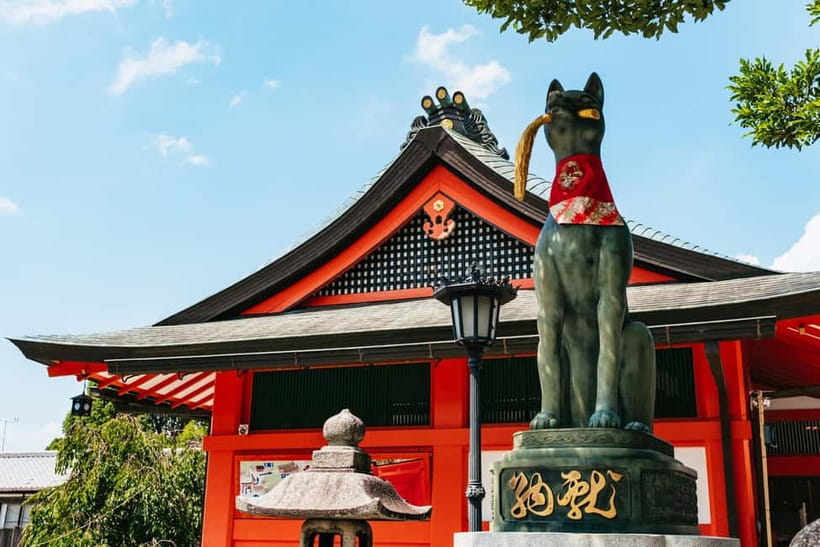
Reviewed · FUSHIMI INARI TOURS
Kyoto: 3-Hour Fushimi Inari Shrine Hidden Hiking Tour
Fushimi Inari is famous for its endless red torii gates, but the best part of this tour comes before you reach the postcard view. You leave the crowds near Tofukuji Station and climb forest trails, bamboo groves, old altars, and quiet mountain paths that most shrine visitors never see.
I like two things here: you approach the shrine from the back, and you get a guide who can explain how to enter a torii, make an offering, and understand the small religious sites along the way. I also like the small-group format, capped at nine people, which leaves room for questions and photo stops.
The catch is simple: this is a moderate mountain hike, not a gentle stroll. The route covers about 7 kilometers, with stairs, uneven ground, and steep sections. Rain can turn parts of the trail muddy and slippery, so bring proper clothes and shoes.
In This Review
- Key points to know before booking
- Why this route changes Fushimi Inari
- Tofukuji Station and the first ten minutes
- The first forest trail and bamboo grove
- Joining the vermilion torii gates
- Climbing Mount Inari to the summit
- The forested descent and second bamboo grove
- Arriving at Fushimi Inari’s famous front area
- What the guides add
- Price, group size, and overall value
- Who should book this hike
- Should you book the Fushimi Inari hidden hiking tour?
- FAQ
- Where does the Fushimi Inari hiking tour meet?
- How long is the tour?
- How far do you walk?
- Is the tour difficult?
- Is the tour suitable for people with limited mobility?
- What should I wear?
- Are food and drinks included?
- Can I bring luggage?
- Is the tour available in English?
Key points to know before booking
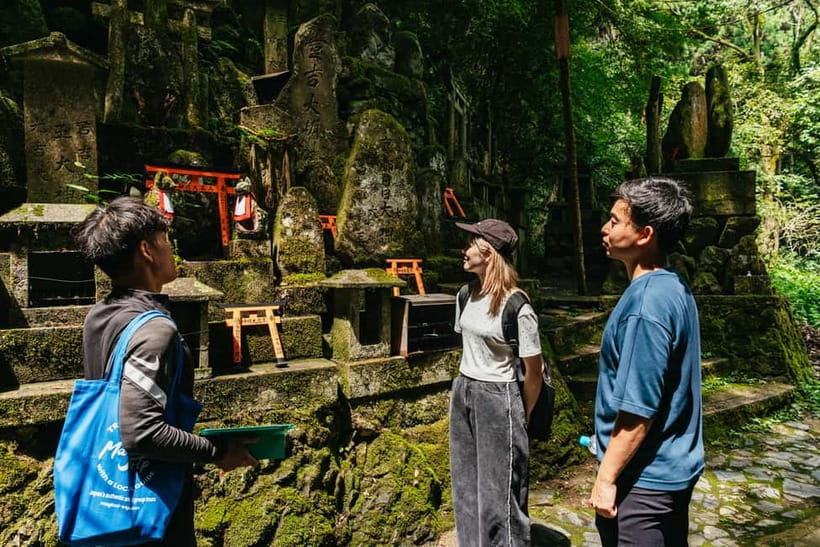
- Quiet approach from Tofukuji: Begin away from Fushimi Inari’s main entrance and reach the shrine through less-used paths.
- Two bamboo groves: One appears on the way up, and another comes during the descent through the forest.
- About 7 kilometers in three hours: You will climb Mount Inari, stop often, and work up a sweat.
- Around 1,500 torii gates: The route includes secluded gates as well as the famous sections packed with visitors.
- English-speaking local guides: Guides such as Hina, Naru, Shiori, and Yuto provide cultural explanations and take photos.
- Small groups of up to nine: A good size for a personal pace, though private groups may also be available.
Why this route changes Fushimi Inari
Fushimi Inari Taisha can feel like two different places. Near the main shrine and the first torii gates, people gather for photos, offerings, and the famous walk beneath the vermilion arches. Higher up, the crowds thin. On the forest trails away from the main route, you may have the mountain almost to yourself for long stretches.
This tour makes that contrast the point. Instead of beginning at the busy front entrance, you meet outside FamilyMart Nakai Tofukuji, next to Exit 2 of Tofukuji Station. From there, you walk through a quieter neighborhood and pass small shrines before reaching Mount Inari.
I like this start because it gives you a gradual transition from city to mountain. You are not dropped straight into the busiest photo spot. You get time to settle into the walk, ask questions, and learn what you are seeing before the famous gates take over.
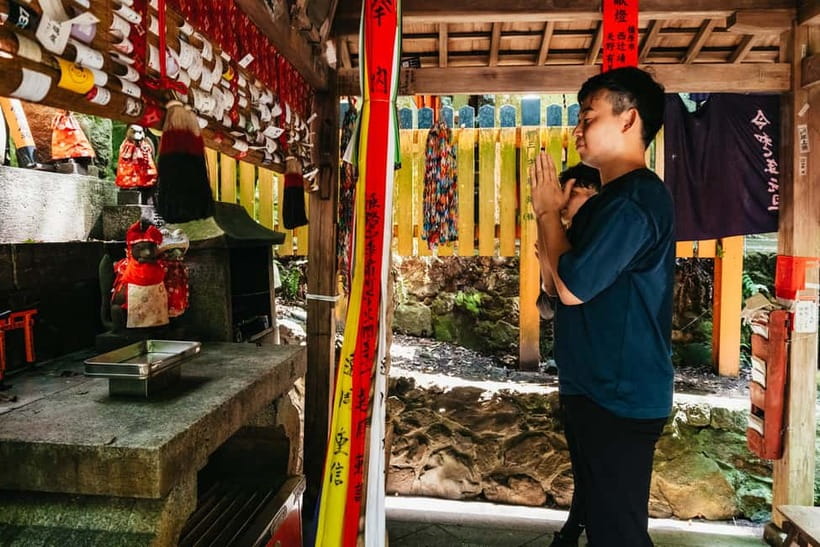
The route is also useful for visitors who want more than a quick photograph. Your guide can explain Shinto customs, the purpose of shrine altars, the meaning of offerings and amulets, and proper behavior around torii gates. Several guides, including Jimmy, Hina, Naru, and Shiori, have been praised for making these details clear and personal.
A few more Kyoto tours and experiences worth a look

Tofukuji Station and the first ten minutes
Your meeting point is the FamilyMart outside Tofukuji Station Exit 2. This is a practical place to meet because both JR and Keihan trains serve Tofukuji.
On the JR line, rapid and local trains can be used. On the Keihan line, choose a sub-express, semi-express, or local train. Do not use an express train for this meeting point.
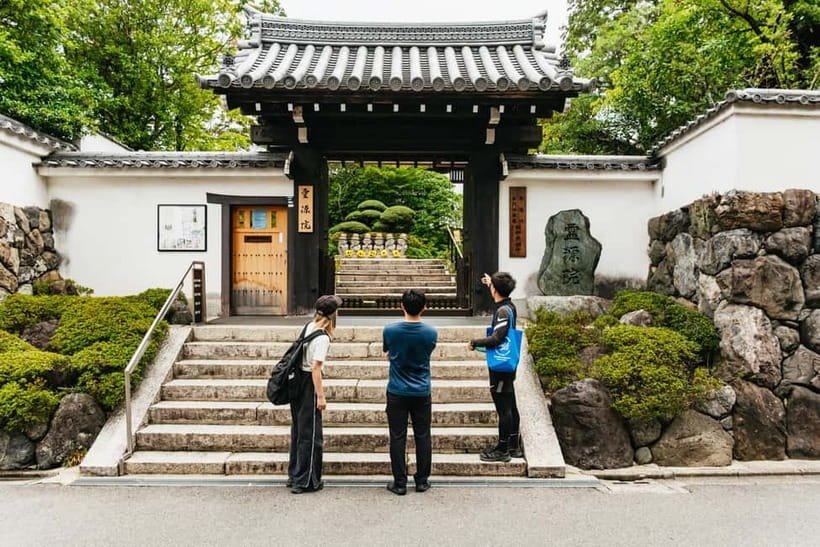
The tour includes a short visit to Tofukuji Temple, listed at about ten minutes. The temple is not the main event, but it helps set the tone. You begin among Kyoto’s temples and neighborhood streets, then move toward the wooded slopes connected with Fushimi Inari.
Bring water before you start. The information provided for this tour does not include food or drinks, and the route is long enough that you will want to manage your own refreshments.
The first forest trail and bamboo grove
After the neighborhood walk, you leave paved paths for actual forest trails. This is the section that most clearly separates the tour from a standard Fushimi Inari visit.
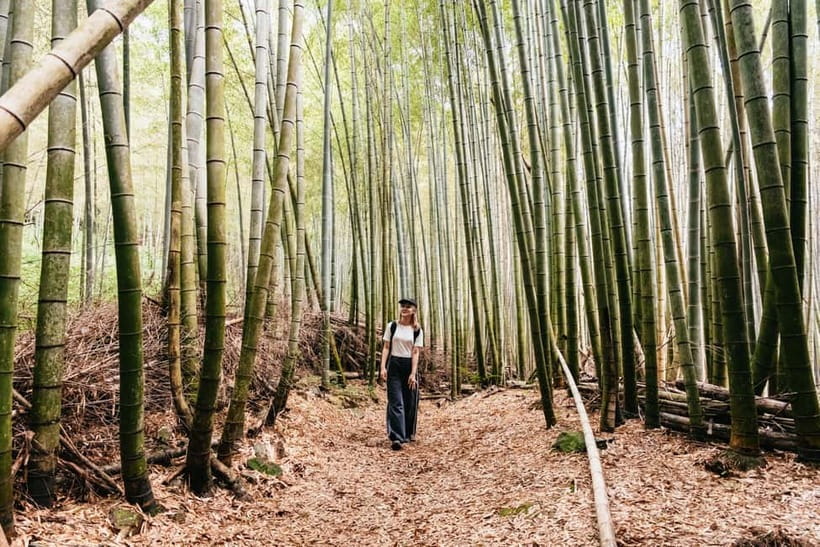
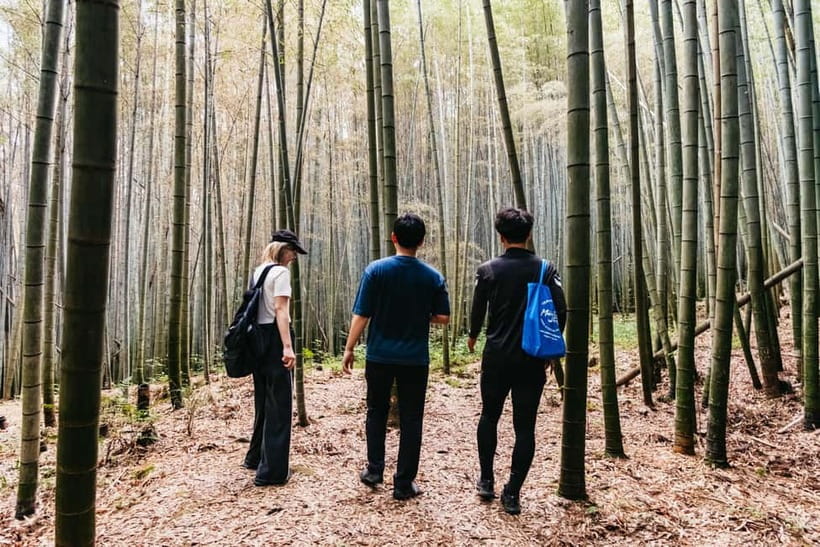
The trail leads to a bamboo grove, with evergreens and shaded paths around it. About half of the tour takes place in the forest, so you get a break from direct sunlight. That shade is welcome in warm weather, though the wooded setting also means mosquitoes and other insects are possible.
Wear long pants and a long-sleeved shirt. This is not just advice for modesty or comfort. It protects you from bugs, brush, and changing weather. Sturdy walking shoes are also a sensible choice, especially after rain.
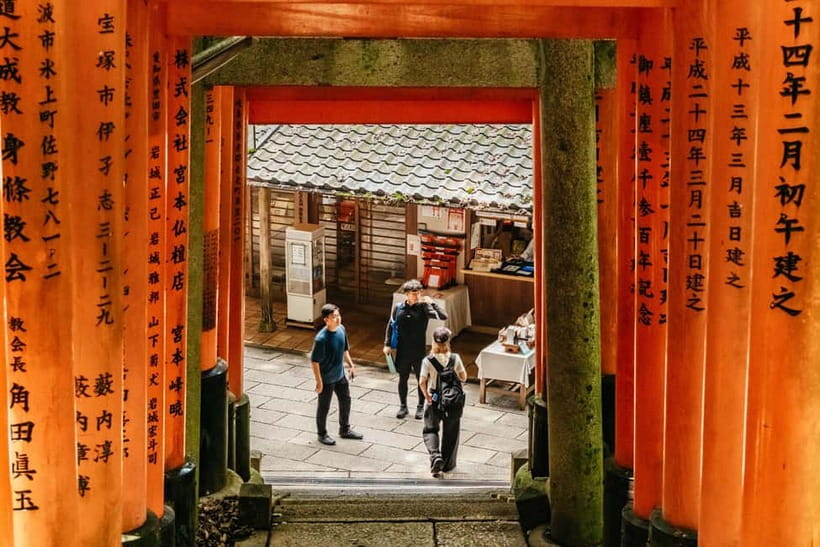
The bamboo grove offers a calmer photo setting than the famous gates at the shrine entrance. Your guide can take pictures during the tour, and the small group makes it easier to stop without blocking a busy path.
The route is not fully paved or flat. Some sections are rocky, and several parts climb or descend the mountain. If you are in regular walking condition, the hike should feel manageable with the scheduled pauses. If you have trouble walking or rarely exercise, the three-hour duration may be more demanding than the word tour suggests.
Joining the vermilion torii gates
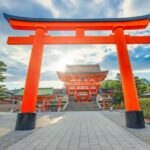
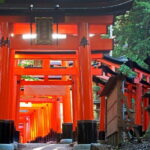
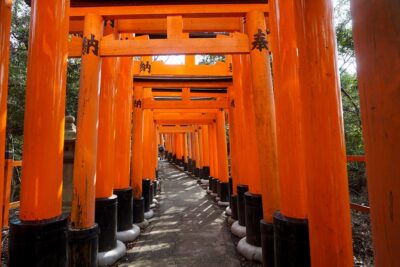
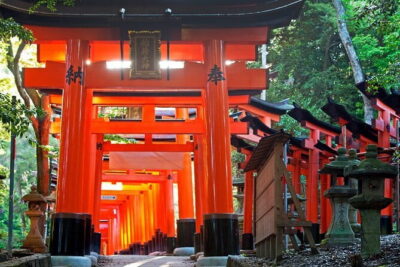
The forest path eventually connects with Fushimi Inari’s main torii route. This is where you encounter the sight most people come to Kyoto to see: rows of vermilion gates climbing through the trees.
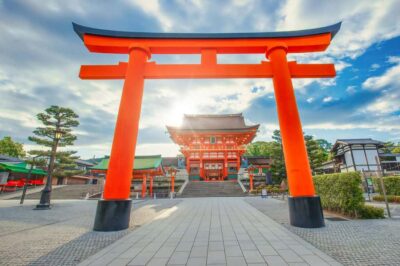
A torii marks the entrance to sacred space. Guides on this tour can show you how to pass through respectfully and explain why the gates were donated. The cultural guidance matters here because it turns a familiar photograph into a place with religious meaning.
You will not avoid people for the entire tour. The route becomes busier as you reach the most famous parts of Fushimi Inari, especially on the way toward the main shrine. The advantage is that you spend the first half in quiet surroundings and reach the crowded areas after you have already seen a less familiar side of the mountain.
One useful feature is the direction of travel. Several people have found the approach from the back more comfortable than starting at the front and walking straight into the longest climb. That does not make the route easy, but it can spread the effort more naturally.
Climbing Mount Inari to the summit
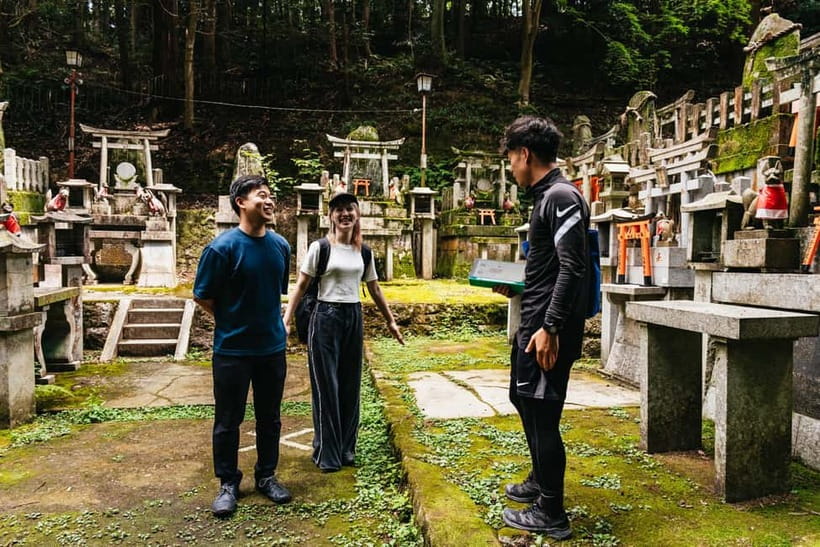
The schedule allows about an hour for a viewpoint and the climb toward the summit. Mount Inari is covered with small altars and sacred markers, and the higher sections feel quite different from the busy base.
Expect stairs, uneven ground, and uphill stretches. One person recorded roughly 50 flights climbed, which gives you a fair sense of the effort involved. The hike is described as not super difficult, but that should not be confused with easy.
Your guide will make regular stops, and you can ask for extra pauses when needed. This makes the tour more flexible than walking the route alone with a fixed pace. In a small group, though, you still need to keep moving so the schedule works for everyone.
The summit itself is not only about a grand view. The small altars and forest setting are part of the appeal. You see how Fushimi Inari continues beyond the famous gate tunnel, with worship sites spread across the mountain.
This is also where a guide can add the most value. Without help, you might walk past a small altar without understanding its role. Guides such as Naru, Matthew, May, and Yukari have been praised for combining route guidance with explanations about Shinto and everyday customs in Japan.
Other hiking tours in Kyoto


The forested descent and second bamboo grove
After reaching the upper part of the mountain, you descend by a forest trail and visit smaller shrines along the way. The descent offers a different challenge from the climb. Uneven ground can be harder on the knees, and wet weather can make the route slippery.
A second bamboo grove appears on this part of the route. The combination of bamboo, evergreens, torii gates, and small altars gives you several types of scenery within one morning or afternoon. It is a good choice if you want nature as much as shrine architecture.
Rain deserves special attention. One person found the trail muddy but still enjoyable on a rainy day, while another noted that recent rain made the hike more challenging. The tour can be canceled in extreme weather, and you can also cancel if rain catches you without suitable clothing. Check the forecast and avoid smooth-soled shoes.
The forest also provides shade, but it can feel humid and enclosed. Long sleeves protect you from insects, yet you should choose breathable clothing in warm months. The tour information specifically recommends long sleeves and long pants.
Arriving at Fushimi Inari’s famous front area
The second bamboo grove leads toward the best-known section of Fushimi Inari. Here you can take the classic photographs beneath the closely spaced vermilion gates.
This final approach gives you both sides of the shrine: quiet trails most people miss and the iconic scene everyone recognizes. It is a smart structure for photography because your guide can help at the popular spots after finding less crowded backgrounds earlier in the route.
The route description says the tour finishes at the main shrine at the base of the mountain, where you can buy local street food afterward. The schedule also lists FamilyMart Nakai Tofukuji as the return point, so confirm the exact ending arrangement when you book. Either way, you should have time to continue sightseeing in Kyoto after the three-hour activity, but do not assume food is included.
The front area can be crowded. That is not a flaw in the route so much as a reality of Fushimi Inari. The tour reduces your time in the crush, but it cannot remove crowds from the shrine’s most popular entrance.
What the guides add
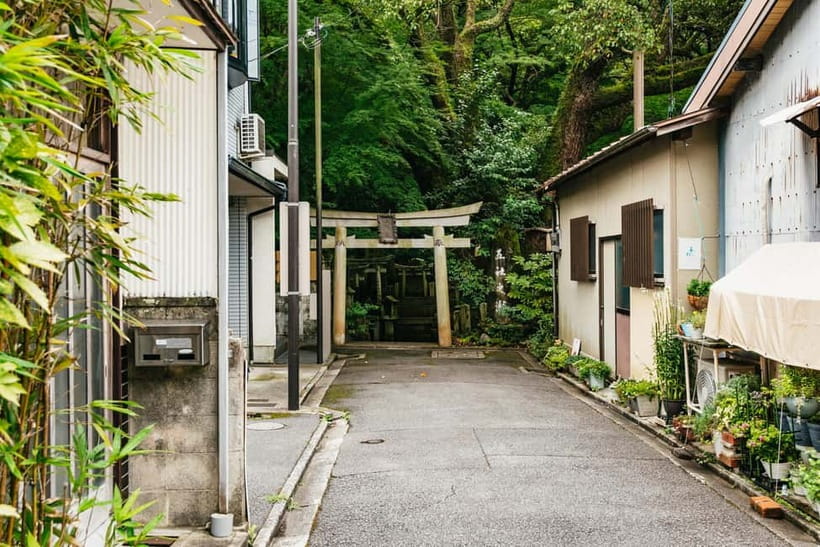
The guide is the difference between this being a hard walk and a meaningful cultural outing. The advertised language is English, and the available format includes private or small groups.
Guide quality appears to vary by person, as it does on any group activity. Names praised for friendliness, clear explanations, patience, and photography include Hina, Naru, Shiori, Yuto, Yukari, Matthew, Hikari, Nina, Makoto, and Nick.
One useful caution is that English ability may not be identical for every guide. One person found explanations brief because the guide’s English was limited. If detailed historical discussion is central to your plans, you may want to confirm the language level and group format in advance.
At their best, the guides explain how to behave at shrines rather than simply point out objects. They may show you how to make an offering, interpret amulets, and understand the role of torii gates. They also take photos during the tour, a practical benefit when you are traveling without someone else to handle the camera.
Price, group size, and overall value
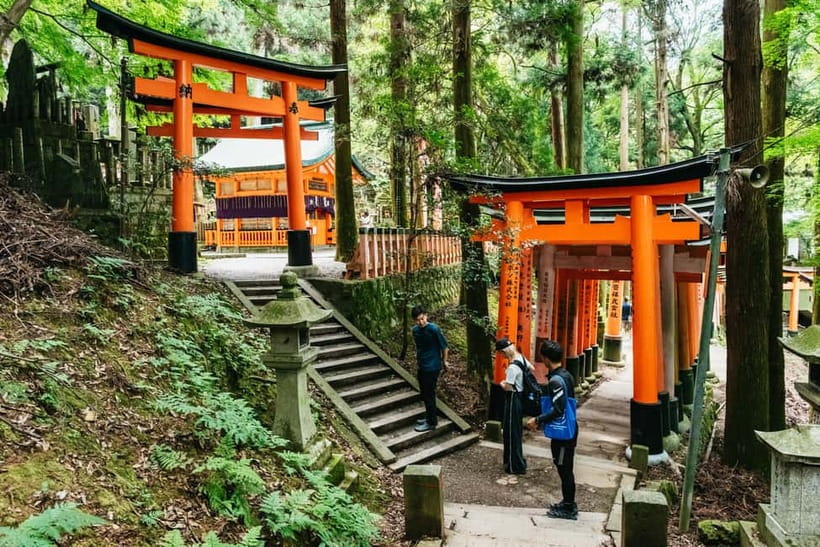
At $72 per person, this is not the cheapest way to see Fushimi Inari. You can visit the shrine on your own for the cost of local transportation, and the main torii gates are free to enter.
The value comes from access and interpretation. You get a local guide, a planned route through forest trails, photo help, and a small group of no more than nine people. For a first visit during a crowded season, avoiding the busiest approach for much of the hike can justify the price.
I would compare it with what you actually want from Fushimi Inari. If your goal is one famous photo and a short walk beneath the first gates, book a self-guided visit. If you want to climb the mountain, understand the religious setting, and find bamboo groves and altars away from the main flow, the fee is more reasonable.
The three-hour length also fits well into a Kyoto schedule. You can pair it with other sights around southern Kyoto, but remember that the hike itself is active. It may not be wise to place it between two demanding walking tours.
The free cancellation policy allows a full refund if you cancel at least 24 hours before the starting time. You can also reschedule free of charge up to 24 hours beforehand, subject to availability, and reserve now while paying later.
Who should book this hike
I would choose this tour if you:
- Want a quieter approach to one of Kyoto’s busiest sights
- Enjoy walking in forests and climbing mountain paths
- Prefer a guide who can explain shrine customs
- Want photos taken during the outing
- Are comfortable with about 7 kilometers of walking
- Like small groups and the chance to ask questions
Families with older children can also enjoy it. Children under eight are not suitable for the tour, and children younger than eight require parent or guardian permission before booking. The route is not recommended for people with limited mobility.
Do not book it if you want a relaxing, flat walk or if you dislike stairs, rocks, mud, bugs, and changing weather. The hike is not extreme, but several people found it more strenuous than expected. Regular stops help, yet they do not remove the physical demands.
Do not bring luggage or a large bag. Carry only what you need for the hike, and wear clothing that covers your arms and legs.
Should you book the Fushimi Inari hidden hiking tour?
Book it if you want Fushimi Inari with fewer crowds, more forest, and a better sense of the mountain’s religious side. The bamboo groves, quiet altars, back trails, and guide-led explanations give you far more than a quick walk through the first torii gates.
Skip it if your fitness is limited or your Kyoto plans call for a light morning. At $72, the tour earns its price through the route, guide, and photos, not through exclusive admission to the shrine. For an active visitor who wants a different side of Fushimi Inari, it is a strong choice.
FAQ
Where does the Fushimi Inari hiking tour meet?
Meet outside FamilyMart Nakai Tofukuji Store, next to Tofukuji Station Exit 2.
How long is the tour?
The tour lasts three hours.
How far do you walk?
The hike is approximately 7 kilometers in total.
Is the tour difficult?
It is described as a moderate hike rather than a simple walk. Expect stairs, unpaved and rocky paths, uphill sections, and regular stops.
Is the tour suitable for people with limited mobility?
No. The tour is not recommended for people with mobility impairments or people who have trouble walking.
What should I wear?
Wear a long-sleeved shirt and long pants. These clothes are recommended because mosquitoes and other bugs may be present on the mountain.
Are food and drinks included?
No. Additional food and drinks are not included.
Can I bring luggage?
Large bags and luggage are not allowed on the tour.
Is the tour available in English?
Yes. The tour has a live English-speaking guide. Private and small-group options are available.
More 3-Hour Experiences in Kyoto



More Hiking & Trekking Tours in Kyoto
More Fushimi Inari Tours in Kyoto

More tours in Kyoto we've reviewed


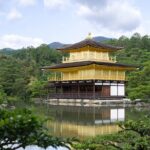

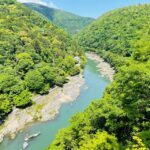


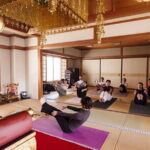
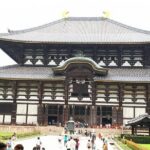

Fushimi Inari Tours, compared.
 ★ 4.8Kyoto: Fushimi Inari, Kinkakuji, Bamboo Grove 1 Day Bus TourFrom $122510 minutes - 9 hours
 ★ 5.0Fushimi Inari Hidden Hiking Tour (Private Option Available)From $63
 ★ 4.7Kyoto/Osaka: Nara, Fushimi Inari Taisha, Arashiyama Bus TourFrom $529 - 10 hours
 ★ 4.4Osaka/Kyoto: Arashiyama, Nara & Fushimi Inari Shrine w/LunchFrom $61
 ★ 5.0Kyoto: Nijo, Kinkaku-ji, Arashiyama, Kiyomizu & Fushimi InariFrom $51
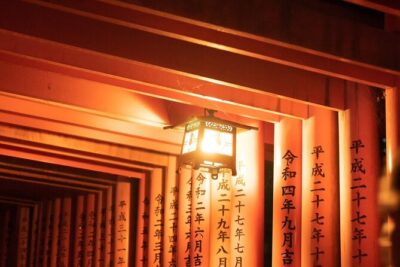 ★ 5.0Kyoto Fushimi-Inari Night Walking TourFrom $43