
Reviewed · 3-HOUR EXPERIENCES
Kyoto: Private Flexible 3 hours tour with a local guide
Kyoto is easiest to enjoy when you stop trying to see everything at once. This private, flexible tour lets you choose one to three places, then spend your limited time with a local guide who can explain customs, sort out navigation, and adjust the pace for your group.
I like the freedom to build a route around your interests, and I like that the tour is truly private rather than shared with strangers. Guides such as Steven, Toshiki, Nanako, and Teppei have helped families, food lovers, first-time visitors, and people with only a few hours in town. The main catch is time: at two to three hours, you must choose carefully, and transportation costs are extra.
In This Review
- Key points to know
- Building your Kyoto route in two or three hours
- Fushimi Inari and its thousands of red gates
- Kiyomizu-dera and the streets above Kyoto
- Gion, traditional streets, and a slower Kyoto pace
- Arashiyama, markets, and other possible choices
- What the guide adds beyond directions
- Getting around and keeping the timing realistic
- Is $131.38 per person a fair price?
- The main weakness: flexibility needs good planning
- Who should book this Kyoto tour?
- Should you book it?
- FAQ
- How long is the Kyoto private tour?
- Is the tour private?
- Can I customize the itinerary?
- Which places can I visit?
- Is transportation included?
- Is admission to Kiyomizu-dera included?
- Are food and drinks included?
- Can the guide help with travel tasks?
- What is the cancellation policy?
Key points to know
- Choose one to three sights: Build your time around Fushimi Inari, Kiyomizu-dera, Gion, Arashiyama, a market, or other agreed stops.
- Private from start to finish: Only your own party takes part, which makes it easier to ask questions or change the pace.
- Local guidance matters: Your guide can explain shrine customs, help with photos and translation, and assist with practical needs such as taxis or SIM cards.
- A walking and transit experience: A private car and driver are not included, and transportation fees are extra.
- Best for short visits: The format works well when you have only a few hours in Kyoto and need help choosing priorities.
- Highly rated, but not flawless: The overall rating is 4.8 from 18 reviews, with 94 percent recommending it, though one poor experience points to the need for clear planning.
Building your Kyoto route in two or three hours
This is not a fixed sightseeing circuit. You tell the guide what matters to you, then agree on a practical route.
That flexibility is useful in Kyoto, where the major sights are spread across different parts of the city. Fushimi Inari is south of the central area. Kiyomizu-dera and Gion sit closer together, while Arashiyama lies well to the west. Trying to force all of them into a short visit can leave you spending more time moving than looking.
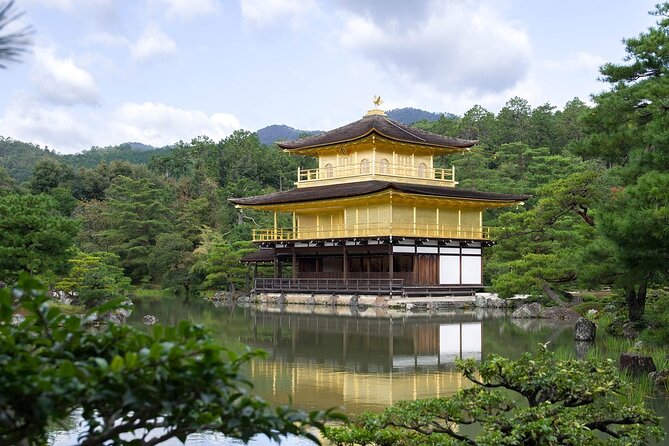
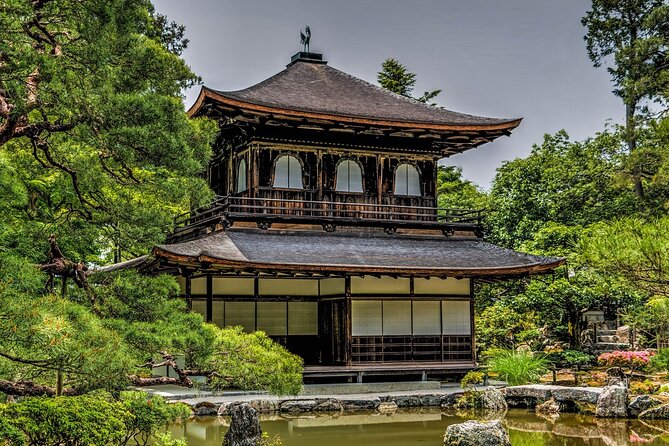
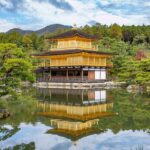
You can select one to three locations, with Fushimi Inari Taisha Shrine, Kiyomizu-dera Temple, and Gion forming the sample route. Other experiences have included Kinkaku-ji, the bamboo forest, local markets, ramen, and several temples and shrines.
I would treat the advertised two to three hours as a focused introduction, not a full Kyoto day. The sample stops are each described as roughly one hour, so visiting all three means keeping the walking and transport between them efficient. If you want a relaxed visit, choose two nearby areas, such as Kiyomizu-dera and Gion.
The guide can also shape the outing around children, food interests, traditional architecture, photography, or a particular question about Japanese culture. One family-focused visit included train rides and walks that worked for children aged eight and eleven. That is the practical value of a private guide: you do not have to match the speed or interests of a larger group.
Other guided tours in Kyoto

Fushimi Inari and its thousands of red gates
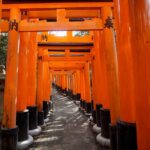
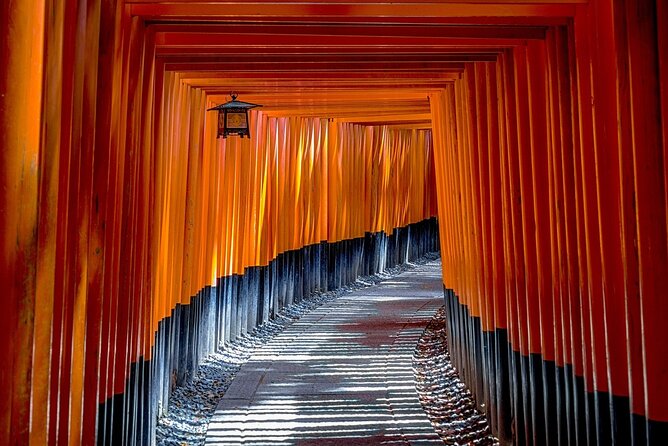
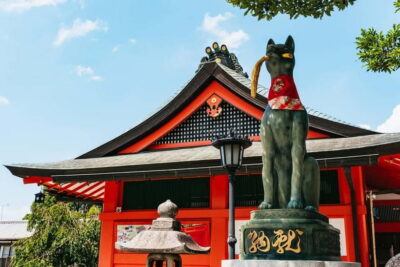
Fushimi Inari Taisha is one of Kyoto’s most recognizable sights. Its path climbs Mount Inari beneath thousands of red torii gates, creating the famous tunnel-like walk seen in photographs.
The important thing to know is that this is not a flat shrine visit. You are walking uphill, and the full mountain route takes far longer than an hour. A short tour can give you the striking first section and a taste of the climb, but it cannot cover the entire mountain at an easy pace.
The shrine admission is free. A guide is especially useful here because the torii gates are more than a photo backdrop. You can ask about shrine etiquette, the meaning of the site, and how to behave respectfully around worshippers. The guide can also help you decide how far to walk before turning back.
Fushimi Inari suits you if you want a major Kyoto symbol, a strong photo opportunity, and some exercise. It is less suitable if steep walking is difficult or if you want to spend a quiet hour indoors. On a very hot day, the uphill route can be demanding. One guide, Kyoichi, helped a visitor cope with extreme heat by carrying cooling wipes, but you should still plan for warm-weather walking and bring water.
For a short visit, I would choose Fushimi Inari as your main stop rather than adding it casually between several distant locations. Its location and uphill path can make the schedule tighter than it first appears.
Kiyomizu-dera and the streets above Kyoto
Kiyomizu-dera is one of Kyoto’s essential temple visits. The temple complex is known for its large wooden structure and its views across the city, while the surrounding streets provide a traditional setting for walking and browsing.
Admission is not included, so budget for the temple ticket separately. The tour price covers the guide and customization, not entrance fees, transportation, food, or drinks.
This stop works well for visitors who want a mix of temple architecture, city views, and old-style streets. You can spend part of the hour at the temple, then use the remaining time to walk around the area before or afterward. The nearby streets are also a good fit for photos and small shops, though the guide’s role here is not simply to point out buildings. You can ask about customs, local life, and the details you might otherwise pass without noticing.
Kiyomizu-dera pairs naturally with Gion because the two areas can form a more compact outing than combining either one with Arashiyama or Fushimi Inari. If you want less rushing, I would select these two areas and let the guide adjust the exact order.
Gion, traditional streets, and a slower Kyoto pace
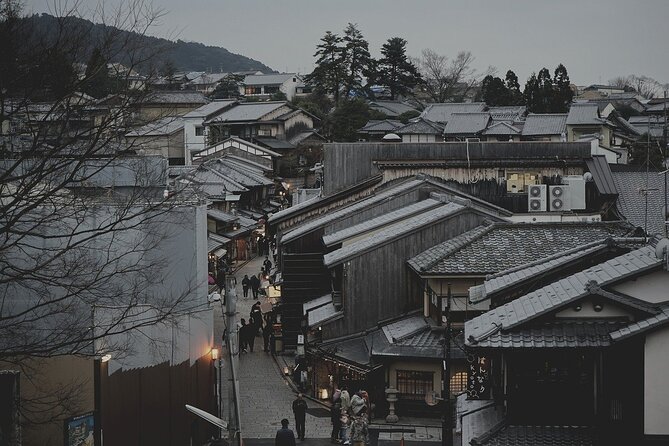
Gion is one of Kyoto’s oldest districts, with traditional buildings, shops, and narrow streets. The appeal is not a single monument. It is the chance to walk through an older urban setting and see how Kyoto’s traditional character fits into a living neighborhood.
Your guide can help you understand proper behavior around private property and explain the difference between a sightseeing area and a stage set for photographs. You can browse, take pictures where appropriate, and ask questions as you go.
Gion is a particularly good choice if you want a gentle walking route without the uphill climb at Fushimi Inari. It also makes sense for families or anyone with a short afternoon. One family group visited only Fushimi Inari and Gion during a limited stay, and the guide kept the train rides and walking manageable for the children.
Food can also be built into the outing. One highly praised experience included a local market and food selected by the guide, while another included ramen during a city tour. Food is not included in the listed price, so treat this as an optional addition and pay for your own meal or snacks.
If you want to see Gion at a quiet pace, do not overload the tour with distant temple stops. Gion rewards wandering and conversation more than rushing from one photo point to the next.
Arashiyama, markets, and other possible choices
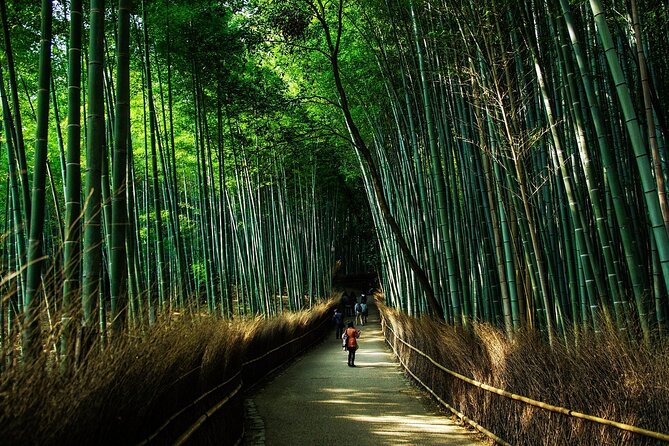
Arashiyama Bamboo Forest is one of the suggested choices, but its distance from central Kyoto makes it a poor match for a packed route. It can work well as the main focus of a short tour, with another nearby stop if the timing allows.
The bamboo grove is popular and can feel busy, so a guide’s value here comes from helping you fit it into a sensible plan rather than treating it as a quick box to tick. Ask the organizer or guide how much time remains for travel before adding another district.
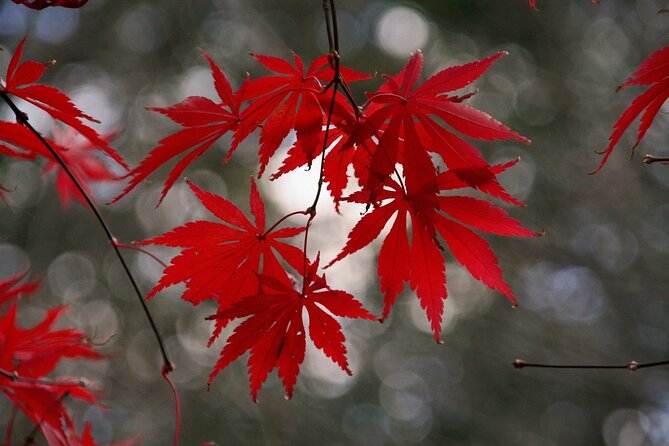
Some outings have also included Kinkaku-ji, local markets, several shrines and temples, traditional neighborhoods, and a church visit requested by the client. That range shows how broad the customization can be, but it also reinforces a basic rule: tell the organizer exactly what you want before the start.
If food is your priority, say so clearly. If you care more about architecture, gardens, children’s pacing, shopping, or religious customs, say that instead. The guide can only tailor the experience well when your priorities are clear.
Other private tours in Kyoto
What the guide adds beyond directions
The guide is not just there to keep you from missing a train. The strongest part of this experience is the chance to ask questions in real time.
Guides have helped with temple and shrine customs, translation, photos, taxi bookings, SIM card purchases, and general travel support. Those tasks may sound small, but they save time and reduce the friction that can make a short Kyoto visit tiring.
The named guides receive especially strong praise for warmth and flexibility. Steven is described as friendly, patient, and able to pack a great deal into a short visit. Toshiki is praised for answering questions before and during the tour, adjusting plans around personal interests, and sharing the perspective of a Kyoto native. Nanako led a well-received walking tour, while Teppei was praised for kindness and professionalism.
You should not assume you will receive a particular guide unless the booking confirms it. Still, these examples give you a useful sense of the service style to request: a local guide who listens, explains, and helps you make realistic choices.
The experience can also feel personal in a way a standard sightseeing bus cannot. One visitor compared it to exploring with a local friend, while another appreciated help with translation and photos. That does not mean every guide will be a specialist in every subject, so ask questions early and make your interests known.
Getting around and keeping the timing realistic
A private car and driver are not included. Transportation fees are also extra, so you should expect to use Kyoto’s public transportation or arrange a taxi at your own cost.
The tour includes support with booking a taxi and other travel needs, which is helpful when timing matters. A guide who knows the city can help you avoid an impractical sequence, but the tour does not remove the need to pay for trains, buses, taxis, or other transport.
The meeting and end points are listed simply as Kyoto, Japan. Confirm the exact meeting place with the operator before the day, especially if you are arriving from another part of Japan or have a train to catch.
I would also leave a margin after the tour. Kyoto transportation can take longer than a map suggests, and a private guide cannot control delays or crowds. If you are visiting before a flight or long-distance train, avoid scheduling the tour right up against departure.
The private format helps with pacing, but it does not make the city compact. Choose nearby sights when possible. A Kiyomizu-dera and Gion route is likely to feel more relaxed than Fushimi Inari, Arashiyama, and central Kyoto in the same short session.
Is $131.38 per person a fair price?
At $131.38 per person, this is not the cheapest way to walk around Kyoto. Its value depends heavily on your group size and how much help you need.
For a first-time visitor with only a few hours, the price can make sense because you are paying for planning, local context, navigation, language help, and the ability to change direction. A private guide is also useful for families, couples with different interests, and anyone nervous about using Kyoto’s transport system.
The value improves when you use the customization well. A generic route wastes money if you already know which temples you want to see. Before booking, prepare a short list of priorities and ask the organizer to explain what fits within two or three hours.
Group discounts are offered, but the discount amount is not specified. Since this is a private activity for your own party, ask how the per-person price changes as your group grows.
Remember the extra costs. Temple admission at Kiyomizu-dera is not included, and you pay separately for transportation, food, and drinks. A private car and driver are not part of the standard inclusions. One experience described using a private vehicle, so confirm the exact transport arrangement if a car is important to you.
The main weakness: flexibility needs good planning
The flexible format is the tour’s best feature, but it can also create its biggest problem.
You are not buying a tightly scripted route with every minute fixed. That gives you room to adapt, but it means the result depends on the guide’s planning and communication. One poor experience described missed trains, weak execution, and a tour that felt more like basic navigation than guided sightseeing.
You can reduce that risk by sending clear requests before the start. Name your must-see location, your preferred pace, any mobility concerns, the ages of children, and your interest in food or shopping. Ask how many stops are realistic and what transportation will cost.
Also ask who your guide will be, where you will meet, and whether any private vehicle option is available. These questions are especially important because the listing does not include a car or driver by default.
Most of the available feedback is strongly positive, with a 4.8 rating from 18 reviews and a 94 percent recommendation rate. The praise centers on personalized planning, friendly communication, local insight, and the ability to make a short visit feel worthwhile. That is encouraging, but the mixed experience is a useful reminder to set expectations rather than assume flexibility guarantees a perfect day.
Who should book this Kyoto tour?
I would recommend it most strongly to people in one of these situations:
- You have only a few hours in Kyoto and need help choosing.
- You are traveling with children and want the pace adjusted.
- You want to ask personal questions about customs, food, or daily life.
- You prefer a private guide to a fixed group itinerary.
- You want help with trains, taxis, translation, photos, or practical errands.
- You have a specific interest, such as markets, ramen, traditional streets, temples, or architecture.
It is less suitable if you want a full-day sightseeing schedule, a private car included in the price, or a specialist-led academic tour. It is also not ideal if you want to cover every major Kyoto sight in one short outing.
Service animals are allowed, the tour is near public transportation, and most people can participate. The operator provides confirmation at booking when possible, though bookings made within one day of travel are subject to availability and may be confirmed later.
Cancellation is free up to 24 hours before the start time. Cancel inside that window and you receive no refund, and changes made within 24 hours are not accepted.
Should you book it?
Book this tour if you value personal attention and practical help more than a low-cost, fixed route. The guide can make Kyoto easier to navigate and help you turn a short visit into a focused introduction, especially around Gion, Kiyomizu-dera, or Fushimi Inari.
Before paying, decide on one or two priorities and confirm the transport plan. If you do that, the $131.38 per-person price can be reasonable for a private introduction. If you want three distant areas, a car, and a full survey of Kyoto in three hours, choose a longer tour or a more structured service instead.
FAQ
How long is the Kyoto private tour?
The experience lasts approximately two to three hours.
Is the tour private?
Yes. Only your own group participates, so you do not share the tour with other people.
Can I customize the itinerary?
Yes. You can create a route around one to three locations and discuss your interests with the local guide.
Which places can I visit?
Possible locations include Fushimi Inari Taisha Shrine, Kiyomizu-dera Temple, Gion, Arashiyama Bamboo Forest, and other Kyoto sights agreed with the guide.
Is transportation included?
No. Transportation fees are not included, and a private car and driver are not included in the standard tour.
Is admission to Kiyomizu-dera included?
No. The entrance ticket for Kiyomizu-dera is not included. Fushimi Inari Taisha Shrine and Gion are listed with no admission charge.
Are food and drinks included?
No. Food and beverages are not included, though food or market stops may be arranged as part of a customized outing.
Can the guide help with travel tasks?
Yes. Included support can cover needs such as booking a taxi or buying a SIM card.
What is the cancellation policy?
You can cancel for a full refund up to 24 hours before the experience start time. Cancellations or changes made less than 24 hours before the start are not accepted and are not refunded.
More 3-Hour Experiences in Kyoto



More Private Tours in Kyoto
More Guided Tours in Kyoto

More tours in Kyoto we've reviewed




3-Hour Experiences, compared.
 ★ 5.03-Hour Kyoto Insider Sake Brewery Tour with Tastings & PairingsFrom $84
 ★ 4.9Kyoto: 3-Hour Fushimi Inari Shrine Hidden Hiking TourFrom $723 hours
 ★ 4.5Kyoto Imperial Palace & Nijo Castle Guided Walking Tour – 3 HoursFrom $55
 ★ 4.5Kyoto: 3-Hour Night Foodie Tour in GionFrom $173
 ★ 4.8Kyoto: Arashiyama Bamboo Grove 3-Hour Guided TourFrom $48
 ★ 4.4Kyoto : 3-Hour Bar Hopping Tour in Pontocho Alley at NightFrom $131