
Reviewed · HIKING & TREKKING
Kyoto Hiking Tour: The Nature and Legends of Kurama and Kibune
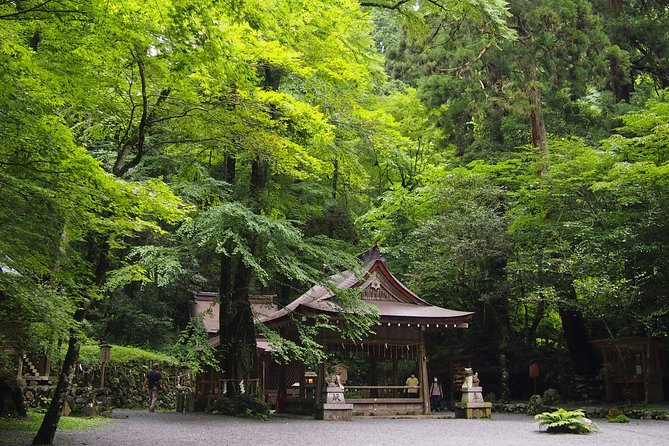
Mount Kurama gives you a very different Kyoto: cedar woods, mountain shrines, old legends, and a trail that leads from Kurama to Kibune. The route includes Yuki Shrine, Kurama-dera, the mysterious Okunoin Maoden, and Kifune Shrine, with a private guide to explain what you are seeing.
I like the door-to-door hotel pickup and the fact that temple admission is already covered. I also like the personal pace. Guides such as Mariko, Ryoma, Yuki, Miyo, Akari, and Yoji have been praised for adjusting the walk, explaining religious customs clearly, and finding quieter details along the way.
The catch is simple: this is not a flat stroll. You will face many stairs, uneven ground, and sections that require steady footing. The tour lasts about eight hours, lunch costs extra, and bad weather can change or cancel the forest walk.
In This Review
- Key points at a glance
- Why Mount Kurama feels far from central Kyoto
- Yuki Shrine and the old cedar tree
- Climbing Mount Kurama through the forest
- Kurama-dera, a temple reached on foot
- Okunoin Maoden and the darker legends
- Crossing from Kurama to Kibune
- Kifune Shrine and the God of water
- Lunch, transport, and the real price of the day
- What the guides add
- Who should book this hike
- Should you book the Kurama and Kibune tour?
- FAQ
- How long does the Kurama and Kibune hiking tour last?
- Is hotel pickup included?
- Is this a private tour?
- Is lunch included in the price?
- How difficult is the hike?
- What happens if bad weather affects the tour?
Key points at a glance
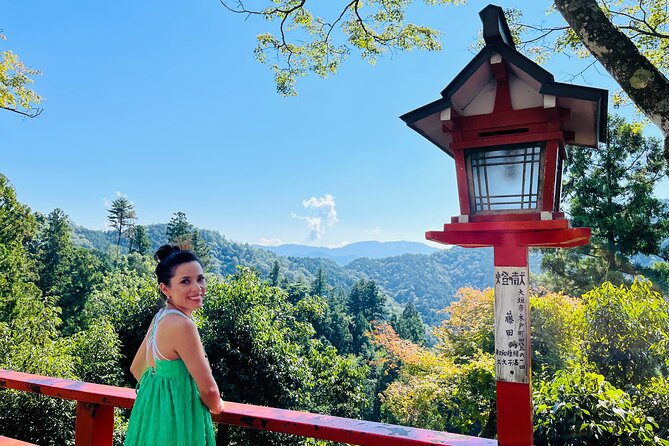
- A forest route between two mountain villages: Walk from the Kurama side toward Kibune, rather than simply visiting one temple by bus.
- Reiki connection on Mount Kurama: Learn about Mikao Usui’s 21-day meditation on the mountain and the place’s link with Reiki.
- Four included cultural sites: Admission covers Yuki Shrine, Kurama-dera, Okunoin Maoden, and both listed stops at Kifune Shrine.
- A genuinely private day: Only your group takes part, so your guide can slow down, stop often, or adjust the plan when needed.
- A serious stair workout: The route is manageable for people with moderate fitness, but frequent steps and uneven surfaces demand care.
- Hotel pickup in Kyoto’s urban area: You avoid finding a remote meeting point, though private taxis, cars, buses, or similar transport cost extra.
Why Mount Kurama feels far from central Kyoto
Kyoto is famous for its temples, but the city center can feel crowded and tightly packed. Kurama changes the mood quickly. The mountain is wrapped in forest, and the religious sites appear along paths rather than behind wide urban gates.
The appeal is not one spectacular viewpoint alone. It is the steady change from village lanes to wooded trail, then from ordinary forest to places tied to centuries of worship and local folklore. You get a full day outside the city without giving up the cultural detail that makes Kyoto special.
The tour begins at 9:00 a.m. with hotel pickup from the Kyoto urban area or the Kurama area. That is useful if you do not want to work out the route to a mountain trailhead first thing in the morning. The day runs about eight hours, so plan it as one of your main Kyoto outings, not as a quick morning activity squeezed between major downtown temples.
The private format matters here. A guide can match your walking speed and explain a carved gate, sacred tree, or local custom while you are standing beside it. One guide, Yoji, was particularly praised for keeping a steady pace for a 66-year-old participant, while Michiko adjusted a plan for a guest recovering from an injury. Those examples point to the best use of a private tour: tell the guide about your interests and limits before setting out.
Other hiking tours in Kyoto

Yuki Shrine and the old cedar tree
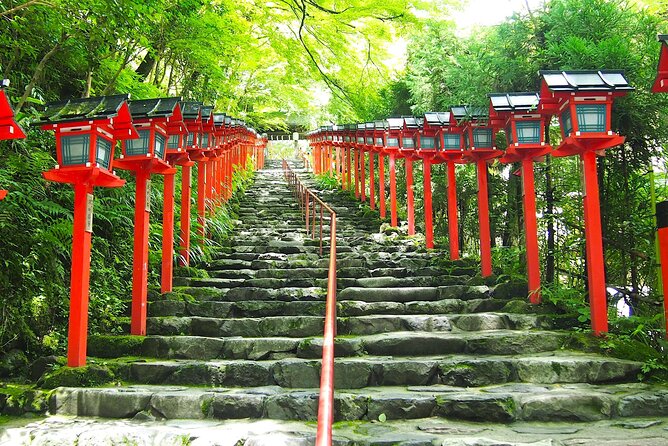
Yuki Shrine is the first stop, with about 20 minutes set aside and admission included. The shrine was built in central Kyoto and moved to Kurama in 940 AD to protect the area from mysterious evil.
That story gives the visit a useful sense of place. This is not simply a pretty shrine in the woods. Its location reflects the old belief that mountains could guard communities, hold spiritual power, and serve as a boundary between the human world and unseen forces.
The 800-year-old cedar tree is the main detail to watch for. You will have time to look closely, take photos, and ask your guide about the shrine’s role in local belief. The short stop also helps you ease into the day before the longer forest walk.
Do not expect a large museum-style visit. Yuki Shrine is a compact stop, and the value comes from the setting and the explanation rather than a long list of displays. If you like architecture, sacred trees, and Japanese folklore, it is a strong opening.
Climbing Mount Kurama through the forest
Mount Kurama is the physical and spiritual center of the tour. About an hour is devoted to the mountain, and the walk through the woods takes roughly 25 minutes between Yuki Shrine and Kurama-dera.
The trail is beautiful, but the word hiking needs to be taken seriously. You will encounter many stairs, some uneven surfaces, and both uphill and downhill sections. Several people have found the route quite manageable because the guide pauses and adds explanations, but others have made the same point clearly: it is not a park stroll.
I would wear shoes with reliable grip and bring water. The supplied information calls for moderate physical fitness, which is a fair description. You do not need to be an athlete, but you should be comfortable walking for much of a day and climbing repeated flights of steps.
Mount Kurama is also linked with Reiki. Mikao Usui, identified as the founder of Reiki, is said to have meditated on the mountain for 21 days in the early 1900s and received Reiki healing energy there. Your guide can place that tradition within the broader setting of Japanese mountain spirituality and explain why Kurama attracts people looking for more than scenery.
You do not need to practice Reiki to enjoy this part of the tour. The useful point is that the mountain has several layers: natural beauty, Buddhist and Shinto traditions, local stories, and modern spiritual interest. That mixture makes the walk more rewarding than a simple forest hike.
Kurama-dera, a temple reached on foot
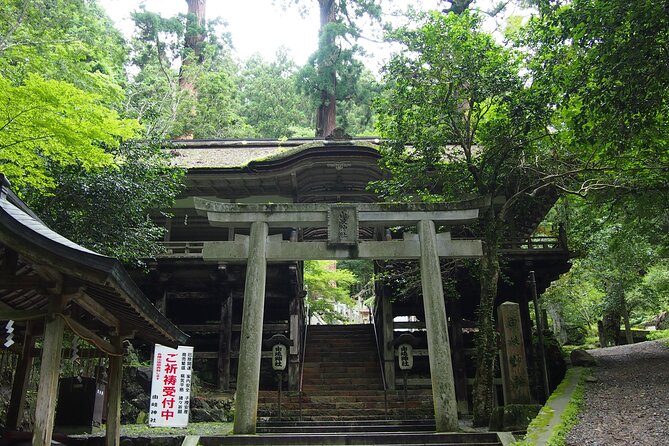
Kurama-dera is the best-known religious site in the area and receives about 45 minutes of the schedule. Founded in the eighth century, the temple is associated with worship of the mountain and its spiritual forces.
The approach is part of the visit. You do not simply step off a vehicle and enter a temple courtyard. You reach it by walking through the trees, with the mountain shaping the experience. That physical effort also explains why the guide’s role matters. Without context, you might remember only gates and steps. With a guide, you can connect the temple to the beliefs and legends that made this remote place important.
Admission to Kurama-dera is included, so you do not need to keep stopping for entrance fees. The 45-minute visit should allow time to see the main areas without turning the day into a rushed photo stop.
The temple is not the end of the climb. You may still have more stairs and uneven ground ahead, so use this pause to catch your breath. The day works best when you treat the trail and temples as one experience rather than trying to race from one named stop to the next.
Okunoin Maoden and the darker legends
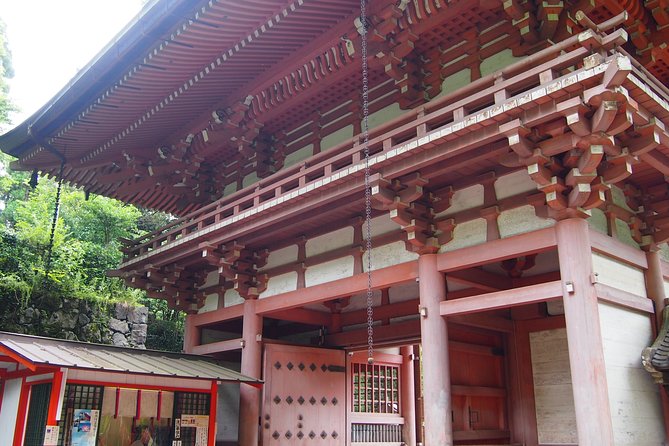
Okunoin Maoden is a short 10-minute stop deep in the mountains. Its name and setting carry a more mysterious tone than the larger temple visits. Local tradition says this is a place where demons reign.
That story is part of the fun, particularly if you enjoy the less polished side of Japanese folklore. The stop is brief, but the atmosphere gives the route some variety. After the open religious spaces and more familiar shrine forms, you enter a quieter place with a darker legend.
Do not expect a long guided visit or a major building complex. The value lies in the forest setting and the story your guide tells. This is a good moment to pay attention to sound, trees, and the feeling of the path rather than rushing to take another photograph.

Crossing from Kurama to Kibune
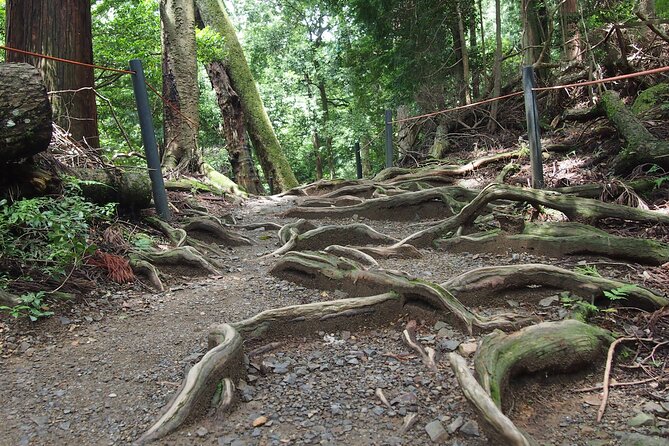
The route links the Kurama and Kibune areas, giving the day a sense of movement that you miss on a standard temple circuit. You are not merely visiting isolated attractions. You are traveling through a mountain corridor shaped by religious practice, water, and village life.
The change in scenery is one reason the tour takes a full day. The walk itself is not described as extremely long, but the stairs make it demanding. You will want to keep your pace conservative early on. A private guide can help you avoid turning the first climb into a test of willpower.
Season matters here. Spring blossoms can add color to the woods, and autumn leaves can make the mountain especially striking. Summer brings hot conditions, though the mountain air may feel cooler than central Kyoto. Rain is the main concern. The experience requires good weather, and heavy rain can lead to a safer shrine-focused plan or cancellation with a new date or full refund.
That weather policy is practical rather than a minor footnote. Forest steps and slick surfaces are a poor combination. If rain is forecast, ask about the likely plan before you set out and bring clothing that can handle changing conditions.
Kifune Shrine and the God of water
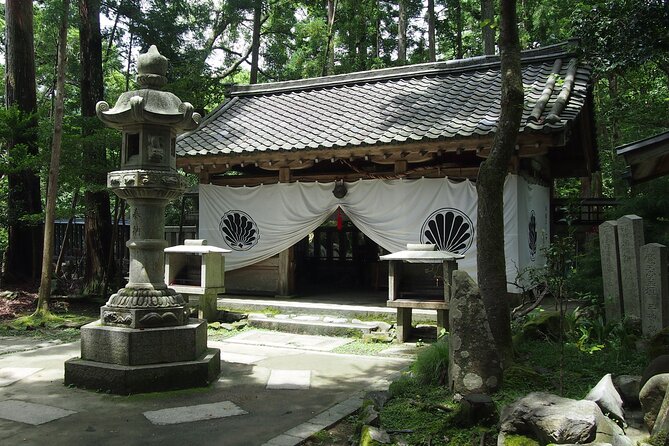
Kifune Shrine, also spelled Kibune in many English references, is given about 30 minutes. It is dedicated to the God of water and rain, and sailors have traditionally visited to pray for safe and lucky voyages.
The connection with water makes sense once you reach the mountain valley. You can drink the shrine’s pure mountain water, a small but memorable detail that ties the religious story to the physical setting around you.
This stop shifts the mood again. Yuki Shrine protects against evil, Kurama connects with mountain spirituality and Reiki, and Kifune turns toward rain, rivers, and travel by water. A good guide helps you see these as distinct traditions rather than treating every shrine as the same.
The final listed stop is another 25-minute visit at Kifune Shrine. This inner shrine is linked to a legend about a goddess who traveled from Osaka by boat up the river into the mountains. The boat she supposedly rode in is housed there.
The short timing means you should not expect an exhaustive visit to every part of the shrine grounds. You will get the key story, time for photographs, and a chance to ask questions. If mythology interests you, this may be one of the most memorable parts of the day.
Lunch, transport, and the real price of the day
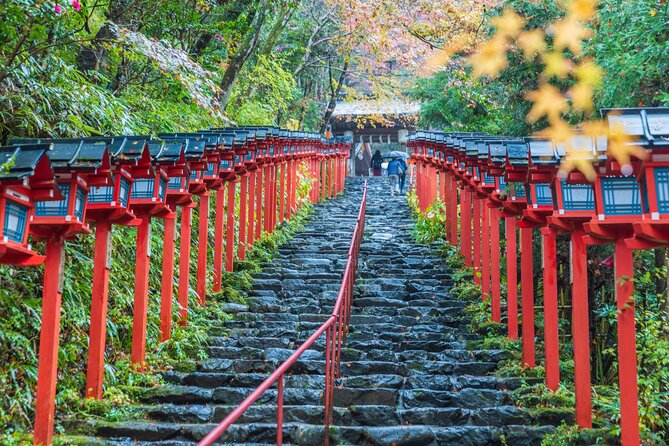
The price is $191.60 per person. That is a substantial amount, but this is a private eight-hour outing with hotel pickup and drop-off, an English-speaking guide, photos of participants, taxes, and temple admission included.
The value depends on how you would otherwise reach Kurama and Kibune. If you are comfortable planning mountain transportation, following the trail, paying entrance fees, and learning the cultural background on your own, you can spend less independently. You are paying here for time, organization, and personal guidance as much as for admission.
Lunch is not included. Some guides may help you find a soba meal or a picturesque place in the mountain town, but you should budget for that separately. That flexibility is useful because you can choose what suits your appetite and schedule, yet it means the advertised price is not the whole day’s cost.
Private transportation by taxi, private car, or bus is also available for an extra fee. Hotel transfers are included from the stated Kyoto urban and Kurama areas, but do not assume that every vehicle transfer during the day is covered. Clarify the transport arrangement if your group has limited walking ability or wants to avoid public transit.
The group discount feature may improve the price for larger parties, though the exact reduction is not provided. Since only your group participates, this tour can make better financial sense for several people sharing a private guide than for one person booking alone.
What the guides add
The strongest part of this outing is the guide, not simply the list of stops. Guides such as Mariko, Ryoma, Yuki, Etsuko, Miyo, Akira, Miki, Mizuho, Michiko, Akari, and Yoji have been recognized for clear English, patience, cultural explanations, and thoughtful pacing.
That matters because Kurama’s religious sites can be easy to misread. A guide can explain the difference between shrine and temple traditions, place the Reiki story in context, and point out why a particular tree, spring, or mountain location matters.
You also get a degree of flexibility that a large group tour cannot offer. A guide can pause for photographs, spend more time on history, or focus on religion, food, and everyday Japanese life. One guide found an early cherry tree in bloom for a guest, while another suggested a different cultural site when heavy rain canceled much of the forest walk.
The guide cannot remove the stairs, and a private tour does not turn the route into an easy one. It does, however, make the effort more manageable and less stressful. You are less likely to miss a turn or walk past a small point of interest.
Who should book this hike
I would choose this tour if you want a full day combining nature and culture, and if you prefer a personal guide to a fixed group schedule. It suits people who want to leave central Kyoto behind for a while, hear local legends, and walk between several significant sites.
It is also a good choice for older walkers who are reasonably active but want the reassurance of a guide who will match their speed. The experience can work well for families or friends because the private format lets you stop when needed.
I would hesitate if you want a gentle stroll, dislike stairs, or have an injury that makes uneven ground difficult. A private guide may adapt the plan, but the central character of the outing is still a mountain walk.
The same advice applies to anyone with only a few hours in Kyoto. Eight hours is a major commitment. You should value forests, shrines, folklore, and a slower day more than checking off several central Kyoto landmarks.
Free cancellation is available up to 24 hours before the 9:00 a.m. start. Changes made inside that window are not accepted, and poor weather can bring a rescheduled date or full refund.
Should you book the Kurama and Kibune tour?
Book it if you want Kyoto’s quieter mountain side, not another downtown temple loop. The combination of forest trails, Kurama-dera, Yuki Shrine, Reiki lore, demon legends, water worship, and a private English-speaking guide gives the day real substance.
Skip it if your idea of hiking is a level path with occasional benches. The many stairs are the one issue you cannot negotiate away. For everyone else, especially people willing to trade crowded city streets for mountain air and old stories, this is a well-organized and personal way to see an important corner of Kyoto.
FAQ
How long does the Kurama and Kibune hiking tour last?
The tour lasts approximately eight hours and starts at 9:00 a.m.
Is hotel pickup included?
Yes. Hotel pickup and drop-off are included from the Kyoto urban area and the Kurama area.
Is this a private tour?
Yes. Only your group participates in the private activity.
Is lunch included in the price?
No. Lunch is not included. You should pay separately if you choose to eat during the day.
How difficult is the hike?
The tour requires moderate physical fitness. Expect many stairs, uphill and downhill walking, and some uneven surfaces.
What happens if bad weather affects the tour?
The experience requires good weather. If it is canceled because of poor weather, you will be offered a different date or a full refund.
More Hiking & Trekking Tours in Kyoto
More tours in Kyoto we've reviewed




Hiking & Trekking, compared.
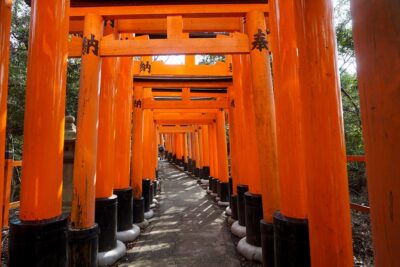 ★ 5.0Fushimi Inari Hidden Hiking Tour (Private Option Available)From $63
 ★ 4.9Kyoto: 3-Hour Fushimi Inari Shrine Hidden Hiking TourFrom $723 hours
 ★ 5.0Kyoto: Hike and Hot Springs in KuramaFrom $804 hours
 ★ 5.0Kyoto Arashiyama Bamboo Forest Hiking Tour(Hidden Temples)From $52
 ★ 5.0Kyoto: Arashiyama Bamboo Forest Hiking TourFrom $693 hours
 ★ 5.0Ninja Trekking half-day tour at Mt.Daimonji KyotoFrom $347