
Reviewed · SAMURAI & KENDO EXPERIENCES
Ninja Trekking half-day tour at Mt.Daimonji Kyoto
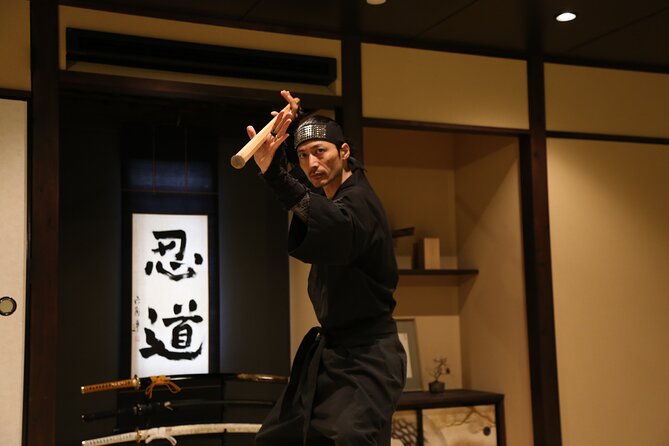
Mt. Daimonji is more than a Kyoto lookout. On this private trek, you learn how to breathe, walk, focus, and move through the hills using ideas drawn from ninjutsu, a broad survival practice rather than a stage show. Guide Izo Sensei leads the route from Keage near Nanzenji toward Daimonji and down toward Ginkakuji.
I like the practical side of the outing: breathing and efficient movement can make a climb feel less punishing. I also like the quiet, reflective elements, including meditation, mountain etiquette, and Kuji-in hand practices. The main caution is the $347.48 price per person, which makes sense only if you value private guiding and instruction more than a standard Kyoto hike.
In This Review
- Key points at a glance
- What this Kyoto ninja trek really is
- From NINJA DOJO and STORE KYOTO to Keage
- Learning to walk like a ninja
- The climb from Keage toward Mt. Daimonji
- Kuji-in, meditation, and mountain manners
- Descending toward Ginkakuji
- Is $347.48 per person good value?
- What to bring and how to prepare
- Who should book this experience?
- Should you book the Mt. Daimonji ninja trek?
- FAQ
- How long does the Ninja Trekking tour take?
- Where does the tour start?
- Where does the trekking route go?
- Is this a private tour?
- What is included in the price?
- What happens if the weather is poor?
Key points at a glance
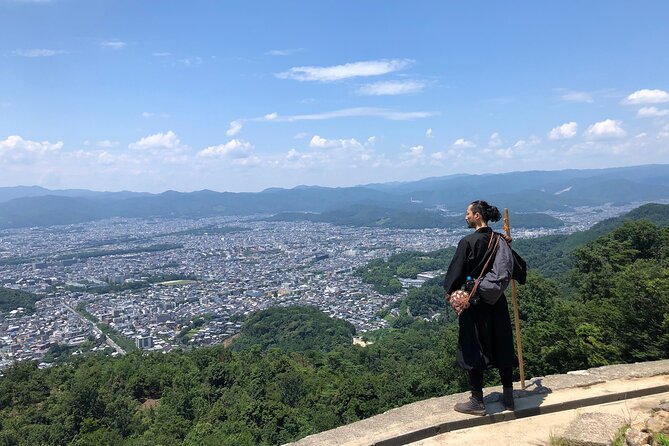
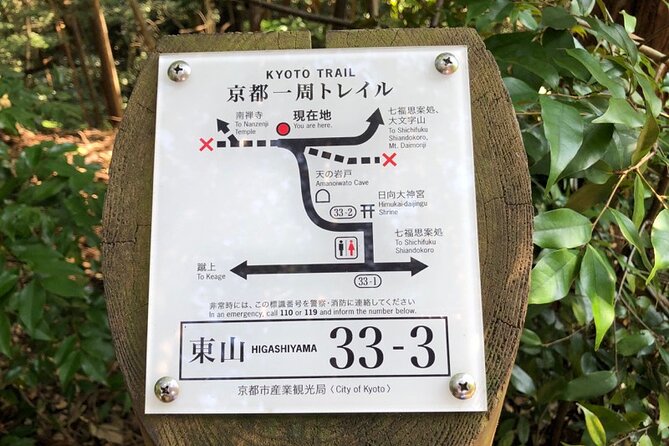
- A 7.5 km route through Kyoto’s eastern hills: Start near Keage and Nanzenji, climb toward Nyoigatake and Mt. Daimonji, then descend toward Ginkakuji.
- Ninja skills with a practical purpose: Expect instruction in breathing, body movement, walking technique, meditation, survival ideas, and mountain customs.
- Izo Sensei may lead your group: His instruction includes ways to walk more efficiently and manage your breathing on the climb.
- Designed for beginners with moderate fitness: The route is described as fairly gentle and safe, but it is still a mountain trek with a sustained climb.
- Private group format: Your own group participates, which allows the pace and explanations to suit your party better than a large public tour.
- Bring your own supplies: Snacks, bottled water, transportation, and restroom access on board are not included.
What this Kyoto ninja trek really is
This is best understood as a guided mountain walk with ninja instruction, not a costume adventure or a short lesson followed by a photo stop. Ninjutsu is presented here as a complete survival art. Its subjects include breathing, body control, mental training, meditation, mountain walking, and ways to respond to the natural world.
That distinction matters. You are not simply hiking to a famous Kyoto viewpoint while someone tells a few ninja stories. The guide uses the walk itself as the classroom. A steep section becomes a lesson in foot placement or breathing. A shrine approach may bring a reminder about bowing and proper conduct. A pause in the woods may be used for concentration or a hand gesture practice.
The route covers about 7.5 kilometers. It normally takes around three hours at ordinary walking speed, but this version allows about four hours so the guide can teach along the way and keep the pace manageable. The full activity is advertised at four to five hours, which gives you a useful buffer for instruction, rest, and the descent.
You should arrive with a moderate level of physical fitness. The course is called relatively gentle and safe, and one participant described the climb as strenuous but not too long. That is a fair way to think about it. You do not need to be an expert hiker, but you should be comfortable walking several kilometers uphill and downhill.
A few more Kyoto tours and experiences worth a look

From NINJA DOJO and STORE KYOTO to Keage
The stated meeting point is NINJA DOJO and STORE KYOTO, at 528 Hakurakutencho, 2F, in Kyoto’s Shimogyo Ward. The start time is 10:00 am, and the location is near public transportation.
The mountain route itself begins at Keage, near Nanzenji. The supplied details do not explain how the group moves from the dojo to Keage, and private transportation is not included. That is the one practical point I would confirm before booking. The activity information also says the experience ends back at the meeting point, while the route description says the trek descends to Ginkakuji. Ask the operator to clarify both the transfer to Keage and the final return arrangement.
This does not make the trek a poor choice. It simply affects your morning plans. If you have a temple visit booked at Nanzenji or Ginkakuji, confirm the exact sequence first. Kyoto’s eastern side is easy to explore on foot in sections, but you will want to know where the guided portion truly begins and ends.
Learning to walk like a ninja
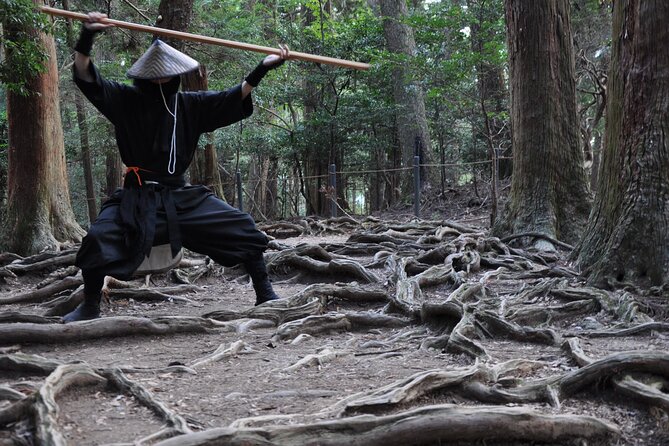
The most useful part of the experience may be the least theatrical. Instead of treating ninja skills as secret tricks, the guide teaches methods for moving with less wasted effort. Breathing and efficient walking are especially relevant on a mountain trail.
I would pay close attention to how I place my feet, how I hold my body, and how I match breathing to the slope. These small adjustments can make a difference on a climb. They also give the trek a clear purpose beyond reaching the top.
Izo Sensei is named in the experience feedback as the guide who led instruction in breathing, walking, Kuji-in protection, and related practices. One first-time mountain climber found his lead helpful when learning how to walk on the trail. That detail is important if you are new to hiking. A guide who controls the pace and demonstrates movement can help you avoid rushing the first uphill section.
The word ninja can create inflated expectations, so keep them in check. The available information does not promise combat training, weapons practice, or a theatrical performance during this half-day route. It points instead to survival methods, mental discipline, body control, and mountain wisdom. If that quieter approach interests you, the content should feel more grounded.
The climb from Keage toward Mt. Daimonji
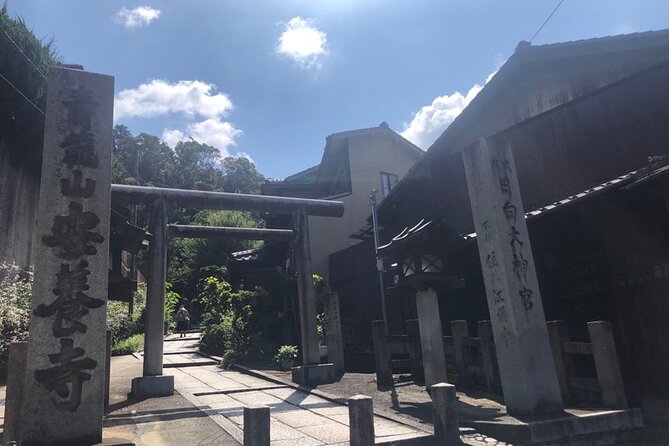
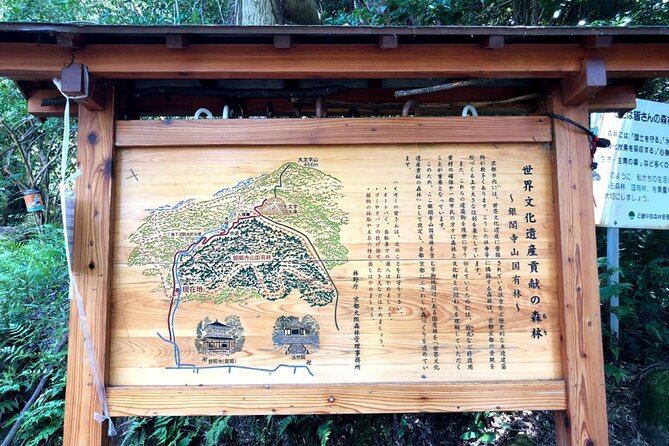
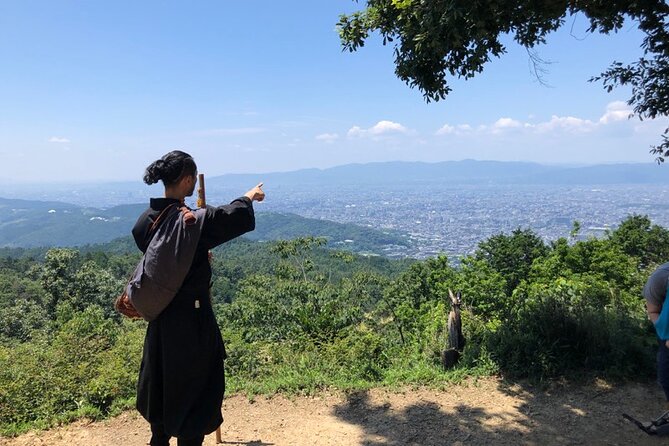
Starting near Keage and Nanzenji places you on Kyoto’s eastern side, where temple grounds give way to wooded mountain paths. The goal is Mt. Daimonji, also described as Nyoigatake, one of the peaks in Kyoto’s eastern 36-peak range.
The mountain is closely tied to Kyoto’s famous Daimonji fire ceremony, but the experience here is about walking through the area rather than attending that seasonal event. You get a different view of Kyoto than you would from the city’s streets and temple courtyards. The point is not only the destination. The route lets you see how quickly the city gives way to hills.
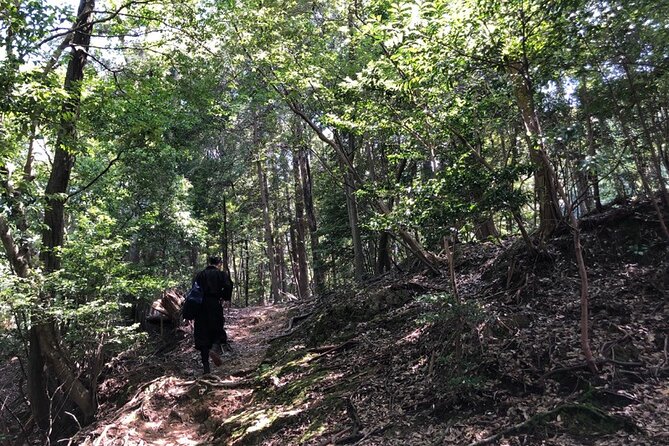
The climb is the physically demanding heart of the outing. Four hours may sound short, but a 7.5-kilometer route with elevation gain requires proper shoes, water, and a steady pace. You should not treat this as a casual stroll between sightseeing stops.
The guide’s breathing instruction can be especially useful here. A calm rhythm helps you avoid the common mistake of walking too fast at the beginning. If you are visiting Kyoto with teenagers or a family group, the private setup also gives the guide more room to adjust the pace than a fixed large-group excursion.
The phrase power spot is part of the experience’s framing. You may find the combination of forest, altitude, quiet, and traditional practice meaningful, but the spiritual effect is personal. The guide can explain the customs and exercises. You decide how seriously or symbolically to take them.
Kuji-in, meditation, and mountain manners
The reviews describe lessons in Kuji-in, a set of protective hand gestures associated with Japanese esoteric practice, along with meditation and mountain etiquette. You may also learn how to bow before a torii and how to mark your entry into a sacred area.
These details give the walk a cultural layer that a normal hike would not provide. They also require a respectful attitude. This is not just a chance to copy dramatic hand signs for a photograph. The practices are presented as part of a wider way of thinking about attention, protection, discipline, and conduct.
I like that the instruction appears to connect the physical and mental sides of the walk. You are asked to manage your breath, use your body carefully, and pay attention to where you are. That combination can make a familiar idea, such as slowing down in a forest, feel more deliberate.
Still, the experience will suit some people better than others. If you want constant action, elaborate ninja demonstrations, or a fast sightseeing itinerary, the reflective pauses may feel slow. If you enjoy martial arts, meditation, Japanese customs, or learning through physical activity, those same pauses are likely to be the reason to book.
Other hiking tours in Kyoto
Descending toward Ginkakuji
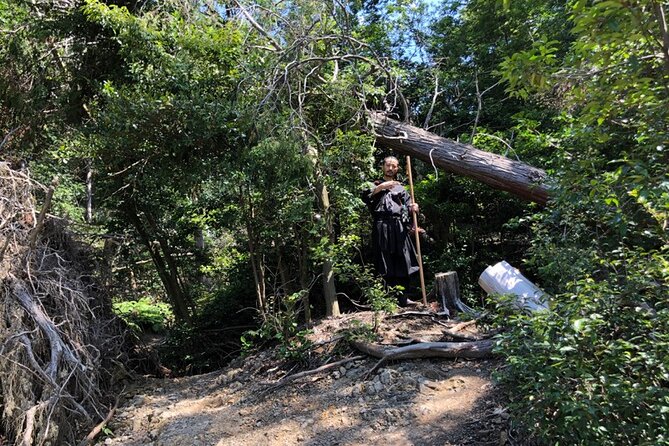
After reaching the Daimonji and Nyoigatake area, the course descends toward Ginkakuji, the Silver Pavilion district. The descent is often easier on the lungs than the climb, but it can be harder on knees and ankles. Take care on uneven ground, especially if the trail is wet.
The route’s ending creates a useful contrast. You begin in Kyoto’s urban temple area, pass into the wooded hills, and finish near one of the city’s best-known cultural sites. That gives the tour a strong sense of place without requiring a full-day excursion outside Kyoto.
The information provided says the activity ends back at the original meeting point, so you should confirm whether the group returns from Ginkakuji by public transport or another arrangement. Private transportation is not included. This is a small but important planning issue, especially if you have afternoon reservations.
The route description also calls the course relatively safe and gentle. That should not be read as a guarantee of easy footing. Conditions can change with rain, and the operator says the activity requires good weather. If poor weather cancels the outing, you are offered another date or a full refund.
Is $347.48 per person good value?
At $347.48 per person, this is not priced like a normal guided walk. The value comes from the private format and the specialist teaching. Only your group takes part, and you receive several hours of instruction rather than a short introduction at a shop.
For a family of four, a martial arts enthusiast, or a small group that wants a lesson shaped around its interests, the cost may be reasonable. The experience has also been described as a highlight of a longer Japan trip and as worthwhile even during a short Kyoto stay. Those are strong signs that the combination of personal attention and unusual subject matter can justify the price for the right audience.
For a solo visitor or a couple mainly seeking views, the calculation is harder. You can walk in Kyoto’s hills for far less, and the included features do not cover food, drinks, or private transportation. Group discounts may improve the cost for larger parties, but the exact savings are not given.
I would book this for the instruction, not simply for access to Mt. Daimonji. If your main goal is a mountain walk, choose a regular hiking route. If you want a private guide to connect breathing, movement, meditation, and Japanese mountain customs, the price has a clearer purpose.
What to bring and how to prepare
You should bring bottled water and snacks because neither is included. There is no restroom on board, and this is a trail activity rather than a vehicle-based tour, so use facilities before setting out.
Wear footwear suitable for a 7.5-kilometer mountain route. The supplied information does not specify a dress code or equipment list, but ordinary city shoes would be a poor choice for an uphill and downhill walk. Bring any regular medications you need, as the operator specifically asks participants to do so.
Plan for four hours, not just the three-hour walking estimate. The extra time is used for teaching and a more measured pace. That makes the experience friendlier for beginners, but it also means you should avoid scheduling a tight appointment immediately afterward.
The tour is private, yet the listing also mentions group discounts. If you are traveling with friends or family, ask how the discount applies to your party and whether the entire group remains together from the dojo to the trailhead.
Who should book this experience?
I would recommend it to:
- People interested in martial arts beyond fighting techniques
- First-time or occasional hikers who want guidance on pacing and breathing
- Families with older children or teenagers who enjoy active cultural experiences
- Visitors who want a quieter Kyoto activity away from the main temple crowds
- People curious about meditation, Kuji-in, Japanese etiquette, and mountain practice
- Small private groups willing to pay more for personal instruction
I would hesitate if you have limited mobility, dislike hills, or want a relaxed half-day with little physical effort. The tour requires moderate fitness, and the climb is still a climb even if the route is described as gentle.
I would also hesitate if your idea of a ninja experience is a dramatic show. The emphasis here is on survival art, movement, breathing, discipline, and spiritual practice. That can be far more interesting than a costume performance, but only if it matches what you want.
Should you book the Mt. Daimonji ninja trek?
Book it if you want to learn while walking and are happy to pay for a private, specialist-led experience. The strongest reasons are the practical breathing and movement lessons, Izo Sensei’s attentive trail guidance, the chance to connect with Kyoto’s eastern mountains, and the unusual attention to manners and meditation.
Skip it if you only want a viewpoint, need a cheap hike, or have a packed Kyoto schedule. Before paying, confirm the transfer from the 10:00 am meeting point to Keage and clarify whether the tour ends at Ginkakuji or returns to the dojo. Once those details are clear, this can be a memorable way to spend half a day in Kyoto, with skills and ideas that may stay useful long after your legs recover.
FAQ
How long does the Ninja Trekking tour take?
The activity lasts approximately four to five hours. The route itself is about 7.5 kilometers and normally takes around three hours, but the tour allows about four hours for instruction and a measured pace.
Where does the tour start?
The stated meeting point is NINJA DOJO and STORE KYOTO, 528 Hakurakutencho, 2F, in Kyoto’s Shimogyo Ward. The start time is 10:00 am.
Where does the trekking route go?
The route is described as starting at Keage near Nanzenji, climbing toward Mt. Daimonji, also called Nyoigatake, and descending toward Ginkakuji.
Is this a private tour?
Yes. Only your group participates in the activity. Group discounts are also listed, though the exact discount amount is not provided.
What is included in the price?
All fees and taxes are included. Private transportation, snacks, bottled water, and restroom access on board are not included.
What happens if the weather is poor?
The experience requires good weather. If the operator cancels because of poor weather, you are offered a different date or a full refund. Free cancellation is also available if you cancel at least 24 hours before the start time.
More Half-Day in Kyoto

More Hiking & Trekking Tours in Kyoto
More Samurai & Kendo Experiences in Kyoto
More tours in Kyoto we've reviewed


Samurai & Kendo Experiences, compared.
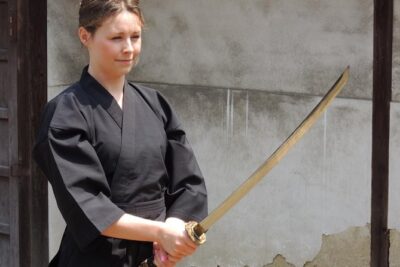 ★ 5.0Kyoto Samurai ExperienceFrom $119
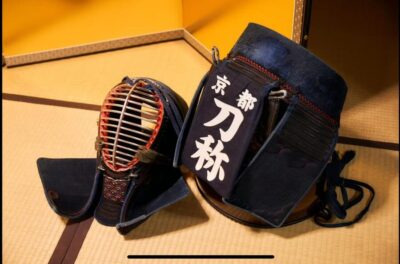 ★ 4.9Kyoto: Kendo and Samurai Experience with Uniform and GearFrom $1032 hours
 ★ 4.5Skip the lines Basic Ticket at SAMURAI NINJA MUSEUM KYOTOFrom $28
 ★ 4.9Kyoto: Samurai Class, Become a Samurai WarriorFrom $70
 ★ 5.0Ninja 1-hour Hands-on Lesson by Japanese master in Kyoto -EntryFrom $80
 ★ 4.8Kyoto: Ninja Weapon Forging ExperienceFrom $1482h 30m