
Reviewed · MORNING
Kyoto: Early Morning Tour with English-Speaking Guide
Kyoto’s best-known sights are much easier to appreciate before the crowds arrive. This early start takes you from Fushimi Inari’s red torii gates to Arashiyama’s bamboo forest and Kinkaku-ji, then gets you back to Kyoto Station around lunchtime.
I like two things right away: the small group, capped at eight people, and the fact that your guide handles the trains and bus. Guides such as Aya, Haruki, Hina, Rin, and Genki have been praised for clear English, local tips, and taking useful photos. The tradeoff is simple: you must walk, rise early, and keep to the schedule.
In This Review
- Key points
- Why this five-hour route works in Kyoto
- Meeting at Kyoto Station before the city wakes up
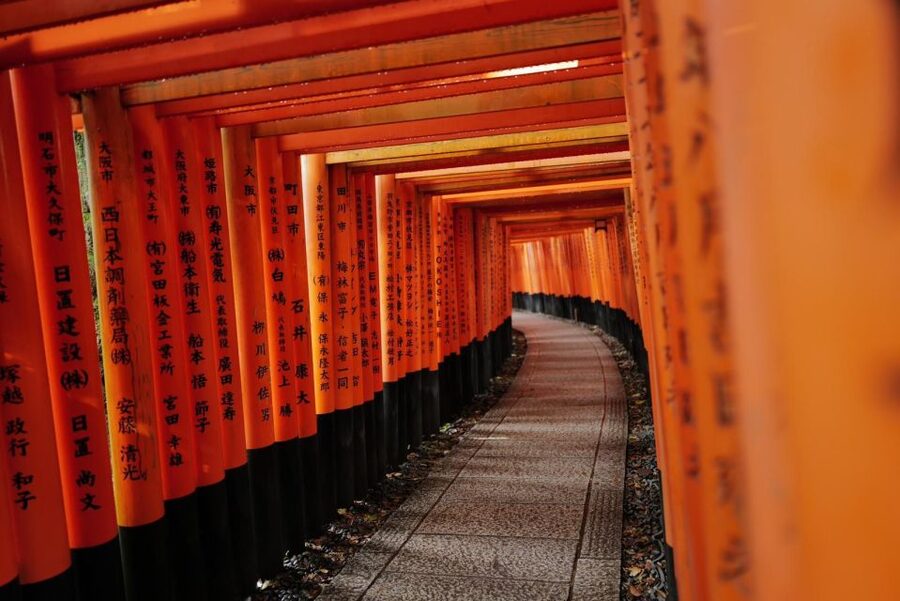
- Fushimi Inari and the first red gates
- Arashiyama’s bamboo forest and western Kyoto
- Kinkaku-ji, Kyoto’s Golden Pavilion
- What the transportation adds, and what it demands
- The guide can make or break the morning
- Is $101 a fair price?
- Who should book this morning tour?
- Should you book it?
- FAQ
- Where does the tour meet?
- How early should I arrive?
- How long does the tour last?
- Is this a private tour?
- Does the tour use a bus or private vehicle?
- What entrance fee must I pay?
- Which languages are available?
- Is the tour wheelchair or stroller accessible?
Key points
- Three major Kyoto sights in one morning: Visit Fushimi Inari, Arashiyama, and Kinkaku-ji without spending a full day on the circuit.
- Early access matters: Fushimi Inari is first, before the main wave of visitors reaches the shrine.
- Public transportation is part of the lesson: Ride trains and a bus while learning how to get around Kyoto.
- Small but not private: The group can include up to eight people, so the guide can still answer questions and help with photos.
- Extra costs are modest but real: Bring about 1,240 yen for transportation and 500 yen for Kinkaku-ji admission.
- A serious walking morning: Comfortable shoes are essential, and the tour is not suitable for wheelchair users or strollers.
Why this five-hour route works in Kyoto
Kyoto spreads its headline sights across different parts of the city. Fushimi Inari is south of central Kyoto, Arashiyama lies to the west, and Kinkaku-ji is farther northwest. Seeing all three independently in one morning requires careful timing and confidence with trains and buses.
This tour removes much of that planning burden. You meet at Kyoto Station, ride public transportation with your guide, visit each main stop, and return to the station. It is not a sightseeing bus, so you get a more useful feel for ordinary Kyoto transport, but you also need to walk between stations, stops, and attractions.
The schedule lasts about 330 minutes, or five and a half hours on paper. The operator says the actual finish can vary by roughly 30 minutes in either direction. That matters if you have a train reservation, a cooking class, or a flight connection later in the day.
The group limit of eight is a good middle ground. You do not get the privacy or flexibility of a private guide, but a guide can still speak with each person and adjust explanations to the group. Several guides, including Hinano Yoshida, Chihiro, Suzuka, Toshiya, and Ramu, have been singled out for patience, humor, strong English, and helpful recommendations beyond the official stops.
Other guided tours in Kyoto
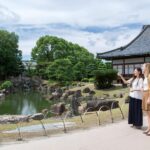
Meeting at Kyoto Station before the city wakes up
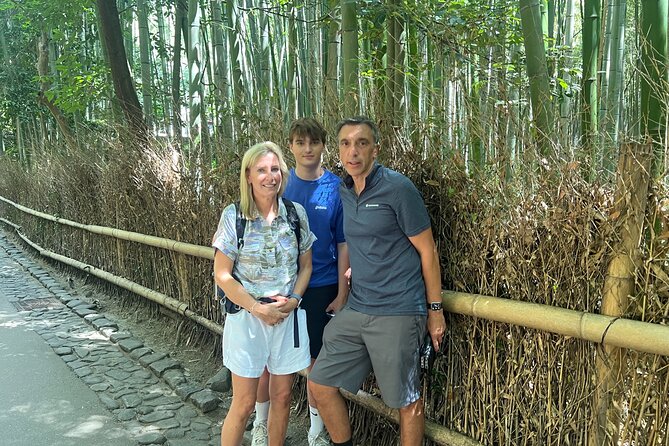
The meeting point is at the Central Ticket Gate inside Kyoto Station. Look for the large gate near the Kyoto Tower side of the station and the nearby 7-Eleven. The guide carries a board marked GuideMe Japan.
Kyoto Station is large, so do not treat this as a place to arrive at the last second. You should be at the meeting point five to ten minutes early. The group leaves on time, and a late arrival cannot join or receive a refund.
You also need WhatsApp installed before the tour. The guide uses it to contact you about the meeting details, which is useful in a huge station where a small change in meeting position can save confusion. Give a phone number that works in Japan and is connected to WhatsApp. If you are arranging the booking for someone else, use the participant’s number rather than an agency number.
The early start is the whole point of the experience. Exact departure times depend on availability, but the tour is designed to finish before lunch. That leaves your afternoon open for Nishiki Market, Gion, a museum, or simply a slower walk beside the Kamo River.
Fushimi Inari and the first red gates
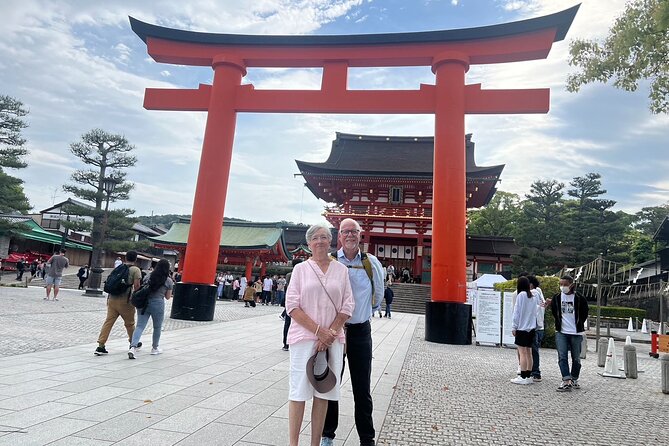
The first ride from Kyoto Station takes about ten minutes. That short trip brings you to Fushimi Inari Taisha, one of Kyoto’s most recognizable Shinto shrines.
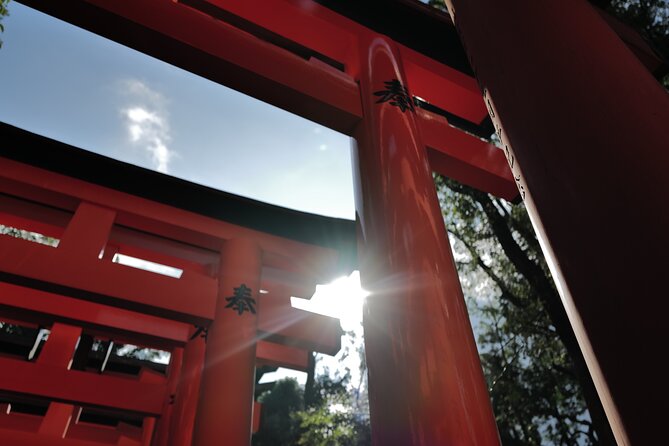
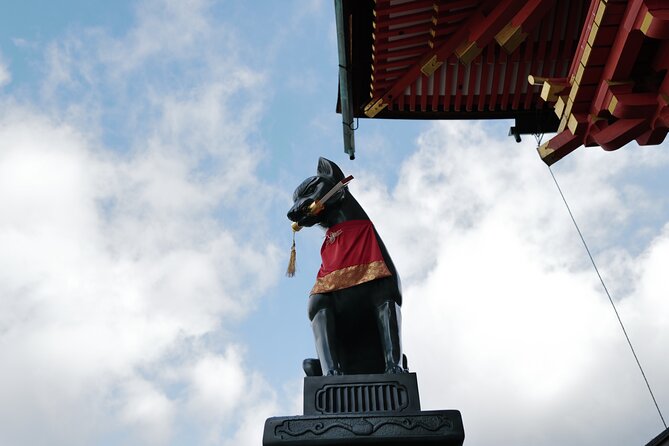
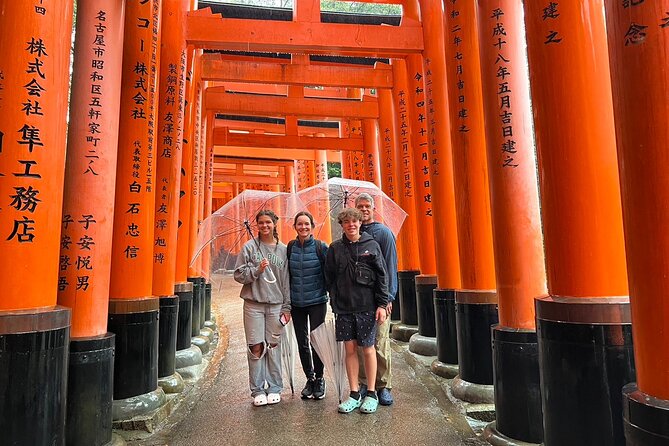
You spend about 70 minutes here with the guide. The main draw is the long run of vermilion torii gates, donated by individuals and businesses and extending up Mount Inari. The gates create the famous tunnel effect, but the shrine is more than a photo stop. Your guide can explain the Shinto setting, the role of Inari, and why fox figures appear around the grounds.
Arriving first gives you a real advantage. The lower shrine area and the first torii sections can become packed later in the morning. Early light also makes the gates easier to photograph, and you can pause for quiet observation instead of moving at the pace of a crowd.
Seventy minutes is enough for an introduction, the main shrine area, and a meaningful walk beneath the gates. It is not enough to explore every upper trail on the mountain. If your dream is to hike all the way to the summit, this tour will feel too brief. The guide needs to keep the group moving so the other two sights remain possible.
Fushimi Inari is also the most physically demanding stop for some people. The route includes walking and may involve steps or uphill sections. The operator does not recommend the tour for people who use a cane, and it is not wheelchair or stroller accessible.
Arashiyama’s bamboo forest and western Kyoto
After Fushimi Inari, you take a train ride of about 30 minutes toward Arashiyama. The distance between these districts is one reason a guide helps. You can make the connection alone, but a small error with the right platform or route can eat into a short morning.
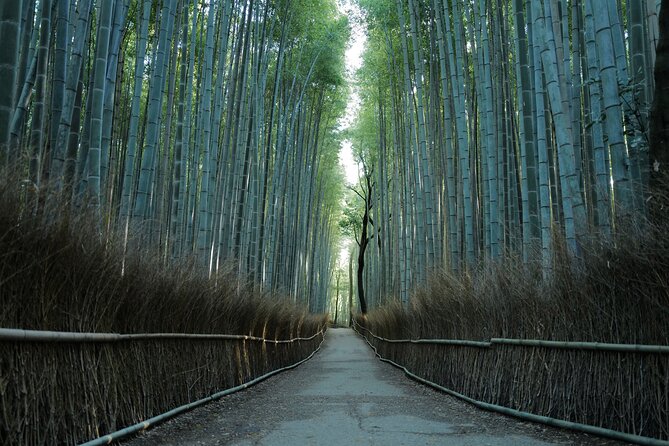
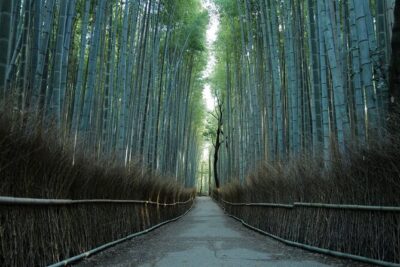
Arashiyama is allotted about one hour. The bamboo grove is the star, with tall green stalks rising on both sides of the path. It is a striking place, but the famous central path is also one of Kyoto’s most photographed spots. The early schedule helps, though Arashiyama may already have more people than Fushimi Inari by the time you arrive.
Your guide adds context that a quick photo stop cannot provide. Aya, for example, was praised for explaining the history and culture behind the sites, while other guides have helped families and first-time visitors understand what they were seeing. A good guide can also point out where to frame photographs and explain how the area fits into Kyoto’s wider story.
The hour goes quickly. You should expect a focused visit rather than free time to browse every lane, shop, garden, or temple in Arashiyama. If you want to spend half a day in the district, ride the scenic railway, or visit several temples, plan a separate visit.
The public-transport format is especially useful here. You learn how Kyoto’s trains and buses connect the city, which can make the rest of your stay less intimidating. Guides have also offered food and sightseeing suggestions for later in Kyoto and, in some cases, Osaka.
Kinkaku-ji, Kyoto’s Golden Pavilion
The final major stop is Kinkaku-ji, commonly called the Golden Pavilion. From Arashiyama, the route includes another train ride of about 15 minutes followed by a bus ride of roughly 20 minutes.
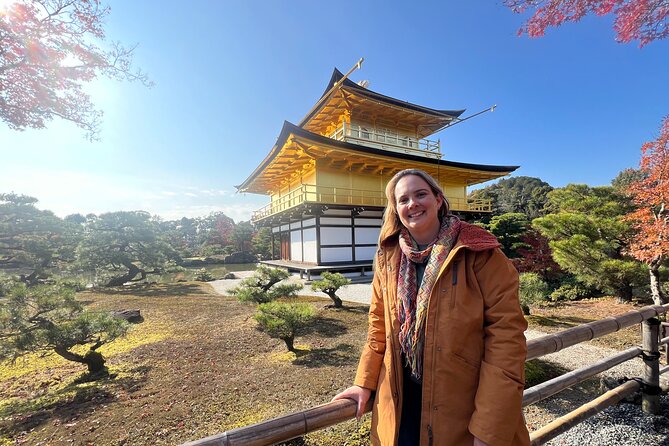
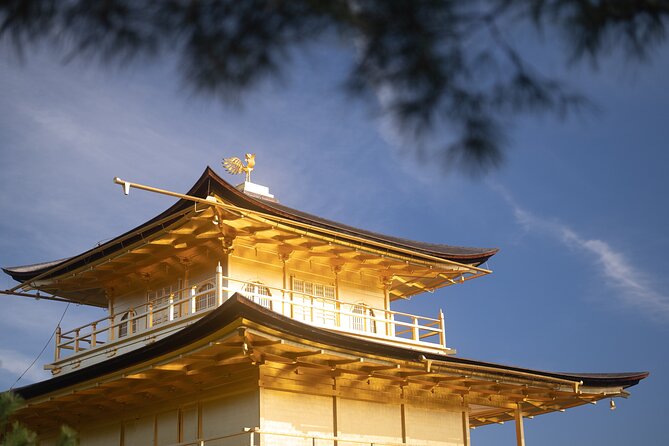
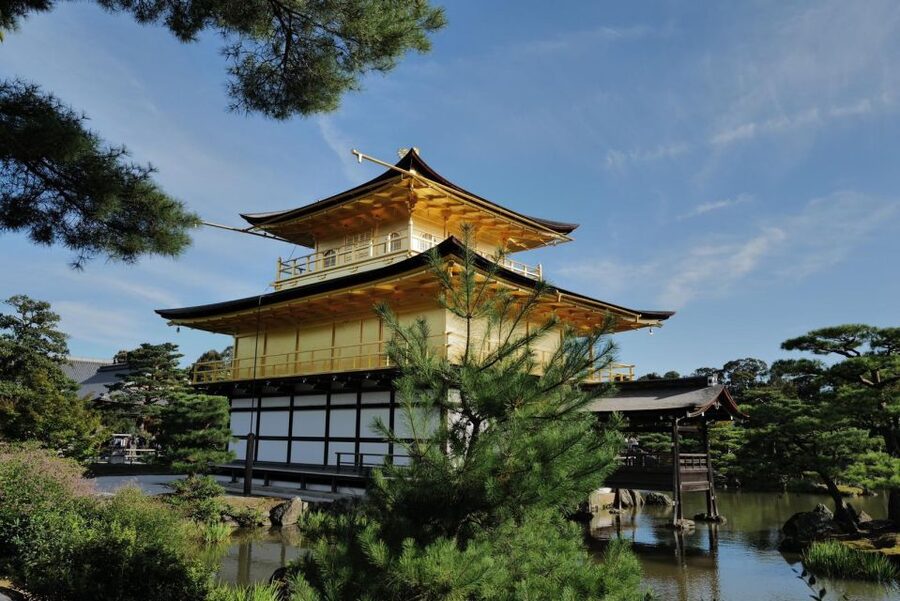
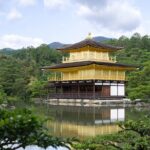
Kinkaku-ji is a Zen Buddhist temple set beside a pond, with its upper levels covered in gold leaf. The pavilion’s reflection, the surrounding garden, and the contrast between the bright building and the greenery make this one of Kyoto’s most memorable views.
The guided visit lasts about one hour. Your guide can explain the Buddhist setting, the building’s purpose, and the important distinction between seeing a beautiful structure and understanding its religious place. The official name is Rokuon-ji, while Kinkaku-ji refers to the Golden Pavilion itself.
This stop can be the least predictable part of the morning because bus traffic varies. One account of a winter visit described a bus problem that the guide handled by arranging a taxi. Another noted longer waits on a Sunday in December, when many people were visiting and fewer buses were running. You should allow for some flexibility here.
The 500 yen entrance fee is not included. Bring cash, since the tour also recommends carrying money for transport. The admission cost is small, but you should know about it before setting out.
Snow can make Kinkaku-ji spectacular, as one January visit showed, but snow also draws extra crowds. The early start reduces the pressure, yet it cannot guarantee an empty site. Weather and seasonal interest still affect conditions.
A few more Kyoto tours and experiences worth a look


What the transportation adds, and what it demands
The tour uses trains and buses rather than a private coach. Transportation costs about 1,240 yen and are separate from the booking price. You should bring an IC card such as Suica, ICOCA, or PASMO, or use a JR Pass where applicable.
This arrangement has a practical benefit. You see how Kyoto actually works, rather than viewing the city through a bus window. Guides have helped participants understand the transit system, and that can pay off for the rest of your trip.
There is also a cost in comfort. You may stand on a train, wait for a bus, walk through busy station corridors, and keep track of the group. The route covers a lot of ground in one morning. It is efficient, but not leisurely.
That is why shoes matter more than a polished outfit. Bring water, keep your hands free, and carry cash. The operator does not allow baby strollers and does not recommend the tour for babies under one year, people with heart problems, or people over 95.
The guide can make or break the morning
The sights are strong enough to attract attention on their own, but the guide determines how much you take away. The most praised qualities are clear English, friendly conversation, historical explanations, photo help, and practical advice for the rest of the trip.
Haruki has been praised for native-level English, respect for Japanese traditions, and an ability to include children in the conversation. Chihiro was noted for patience and useful suggestions. Hinano Yoshida, Hina, Aya, Rin, Genki, Suzuka, and Ramu have all been described as warm, organized, and well informed.
You cannot normally choose a specific guide when booking, so treat these names as examples of the service style rather than a promise. The important point is that the tour uses live English-speaking guides, with Korean also available. If you care about language, confirm the available option when you check the date.
Small groups also help with questions. You can ask about shrine customs, Buddhist symbols, food, transport, or where to go next. Some guides have provided restaurant lists and advice for Osaka, which adds value for a short Japan visit.
Is $101 a fair price?
At $101 per person, this is not the cheapest way to see Kyoto’s major sights. You still pay about 1,240 yen for transport and 500 yen to enter Kinkaku-ji, and lunch is not included.
The value comes from the amount of organization packed into one morning. You reach three separate districts, use several forms of public transportation, get English explanations at each sight, and avoid spending your own time planning connections. For a first visit or a short stay, that can be worth more than the raw cost of tickets.
I would compare it with the cost of a taxi-heavy day and the value of your time. Going alone may cost less, but you need to research routes, watch the clock, and explain each place to yourself. A private tour would offer more control but generally costs more. This small-group option sits between those two choices.
The price makes the most sense if you have only one or two days in Kyoto, want the famous sights quickly, or feel uneasy using Japanese public transportation. It makes less sense if you prefer slow temple visits, dislike early mornings, or already know Kyoto’s train and bus system well.
Who should book this morning tour?
I would choose this for a first-time Kyoto visitor who wants the headline sights without giving up an entire day. Couples, families with older children, solo visitors, and friends who enjoy a social group can all fit the format.
It is also useful during busy seasons, when Fushimi Inari, Arashiyama, and Kinkaku-ji can become hard to enjoy later in the day. The early start does not remove every crowd, but it gives you your best chance at calmer paths and better photographs.
I would not choose it for anyone seeking a private experience or a flexible schedule. You cannot arrive late, skip one stop for an hour of shopping, or turn the Arashiyama visit into a long independent afternoon. Mobility concerns are also important because this is a walking tour using public transportation, not an accessible coach excursion.
Cancellation is free up to 24 hours before the start, and you can reserve now and pay later. Those policies help if your Japan plans are still shifting, but they do not change the strict same-day departure rule.
Should you book it?
Book this tour if you want three major Kyoto sights before lunch, prefer having a guide manage public transportation, and value cultural background over wandering without a plan. The strong rating of 4.9 from 1,128 bookings fits the experience described by the details: efficient routing, personable guides, and plenty of help with photographs and food advice.
Skip it if your ideal Kyoto day is slow, private, or centered on one district. For everyone else, the mix of Fushimi Inari, Arashiyama, and Kinkaku-ji gives you a strong first look at Kyoto, with enough afternoon left to explore on your own.
FAQ
Where does the tour meet?
It meets at Kyoto Station’s Central Ticket Gate, near Kyoto Tower and a nearby 7-Eleven. Look for a guide holding a GuideMe Japan board.
How early should I arrive?
Arrive five to ten minutes before the scheduled start. The tour leaves on time, and late participants cannot join or receive a refund.
How long does the tour last?
The advertised duration is 330 minutes, or about five and a half hours. The actual finish may vary by around 30 minutes before or after the estimated time.
Is this a private tour?
No. It is a small-group tour with up to eight participants.
Does the tour use a bus or private vehicle?
No. It is a walking tour using public trains and buses. Transportation costs are separate and total about 1,240 yen.
What entrance fee must I pay?
Kinkaku-ji admission is not included and costs 500 yen. Lunch is also not included.
Which languages are available?
Live guiding is available in English and Korean.
Is the tour wheelchair or stroller accessible?
No. The tour is not wheelchair or stroller accessible, and baby strollers are not allowed. It is also not recommended for people who use a cane.
More Morning in Kyoto
More Guided Tours in Kyoto

More tours in Kyoto we've reviewed


Morning, compared.
 ★ 5.0Kyoto Early Morning Tour with English-Speaking GuideFrom $68
 ★ 5.0Nara Early Morning Tour (Kyoto or Osaka Departure Available)From $61
 ★ 4.6From Kyoto: Nara Guided Morning TourFrom $774 hours
 ★ 4.6Kyoto: Gion Night or Morning Walking Tour with Local SnacksFrom $46
 ★ 4.0Kyoto Morning Tour from Kyoto or OsakaFrom $87
 ★ 5.0Kyoto: Morning Japanese Bento Cooking ClassFrom $673 hours