
Reviewed · VIP
Kyoto Day Tour with Certified Tour Guide & Luxury vehicle
Kyoto is hard to see well in one day, but this private tour gives you a smart way to cover a lot of ground without wrestling with train changes or city buses. You can shape the day around temples, shopping, photography, or cultural sights, then let your driver-guide handle the road.
I like the private van and flexible plan, especially for families or groups of friends. I also like the chance to get practical help from guides such as Dhanush, Nomi, Sam, and Ashir, who have been praised for history, photography, restaurant suggestions, and finding quieter side spots.
The main catch is the phrase luxury vehicle. One booking arrived in an older Nissan minivan, so you should confirm the vehicle standard before paying if a polished car matters to you. The day is also packed, with eight major stops on the suggested route.
In This Review
- Key points at a glance
- A private way to cover Kyoto’s big sights
- Arashiyama: bamboo, river views, and a busy start
- Kinkaku-ji: Kyoto’s golden landmark
- Fushimi Inari: torii gates and a choice about distance
- Kiyomizu-dera: hillside views and traditional Kyoto
- Gion: a short walk through Kyoto’s famous district
- Ginkaku-ji: a quieter contrast to the Golden Pavilion
- Nishiki Market: food, shops, and the final hour
- What the guides add to the day
- The vehicle question matters
- Is $490 a good value?
- Who should book this Kyoto day tour?
- FAQ
- How long is the Kyoto private tour?
- How many people can join the private group?
- Where can pickup and drop-off take place?
- Which languages are available?
- Are entrance tickets included?
- Are food and drinks included?
- Can I cancel the booking?
- Should you book it?
Key points at a glance
- Eight major Kyoto stops in one day: Arashiyama, Kinkaku-ji, Fushimi Inari, Kiyomizu-dera, Gion, Ginkaku-ji, and Nishiki Market form the core route, with time for an extra stop if the day runs efficiently.
- Private group of up to six: You travel with your own party rather than joining a large coach group.
- Pickup from four cities: Pickup and drop-off options are listed for Kyoto, Osaka, Nara, and Kobe. Confirm Kobe arrangements when booking because the detailed notes focus mainly on the other three cities.
- Strong guide feedback: Dhanush and Nomi receive special praise for history, flexibility, photography, and quieter stops. Sam is noted for professionalism and a comfortable ride.
- Extra time for traffic delays: If Kyoto traffic slows the schedule, additional time is promised at no extra charge.
- Tickets and meals cost extra: The $490 price covers the group, vehicle, guide, and transport, but not food, drinks, or entrance fees.
A private way to cover Kyoto’s big sights
This is less a fixed sightseeing circuit than a full-day vehicle with a plan attached. The suggested route covers the city’s famous eastern, northern, and western sights, but your guide can adjust the order or swap stops to suit your interests.
That flexibility matters in Kyoto. A temple-heavy day can feel very different from a day built around food, crafts, shopping, or photographs. If you have already visited one or two major sites, you can ask to spend more time elsewhere.
The group limit is six people, so the $490 cost works out to about $81.67 per person if you fill the van. For two people, it is $245 each, which is a much bigger spend than public transport. The value improves when you want door-to-door service, need help coordinating a large family, or have only one day for Kyoto.
You should also remember that this is a driving tour, not a private walking tour. Kyoto roads can be slow, and some stops involve a fair amount of walking. The vehicle saves time between districts, but it cannot remove the crowds or the hills at the sights themselves.
Other guided tours in Kyoto
Arashiyama: bamboo, river views, and a busy start
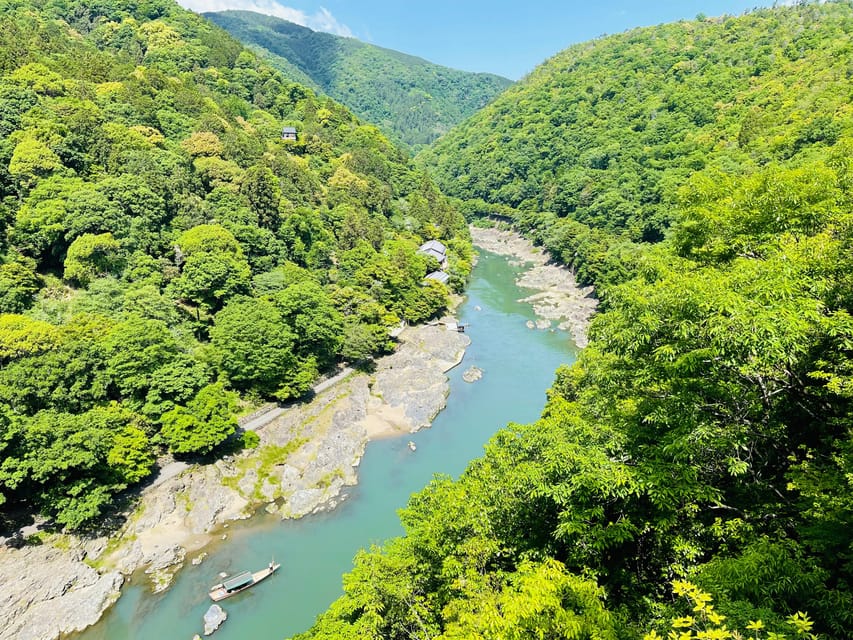
The day begins with a drive of about 35 minutes to Arashiyama. You have roughly 90 minutes here for photographs, a guided visit, shopping, walking, scenic views, and possibly a panoramic train ride or wildlife viewing.
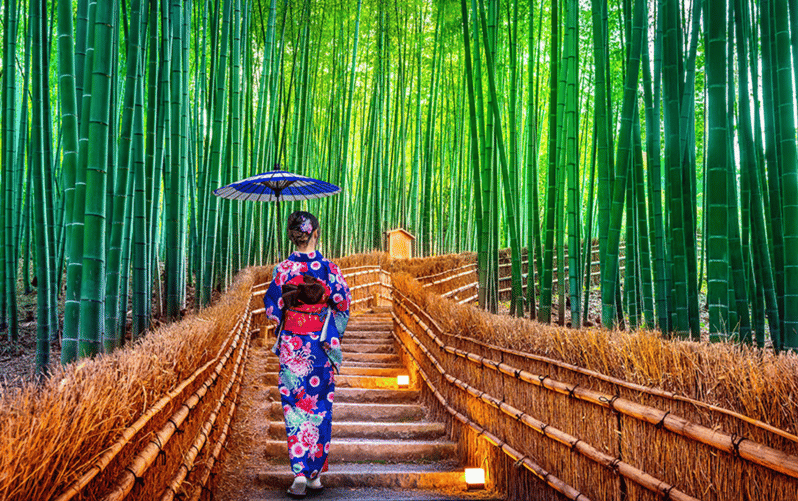
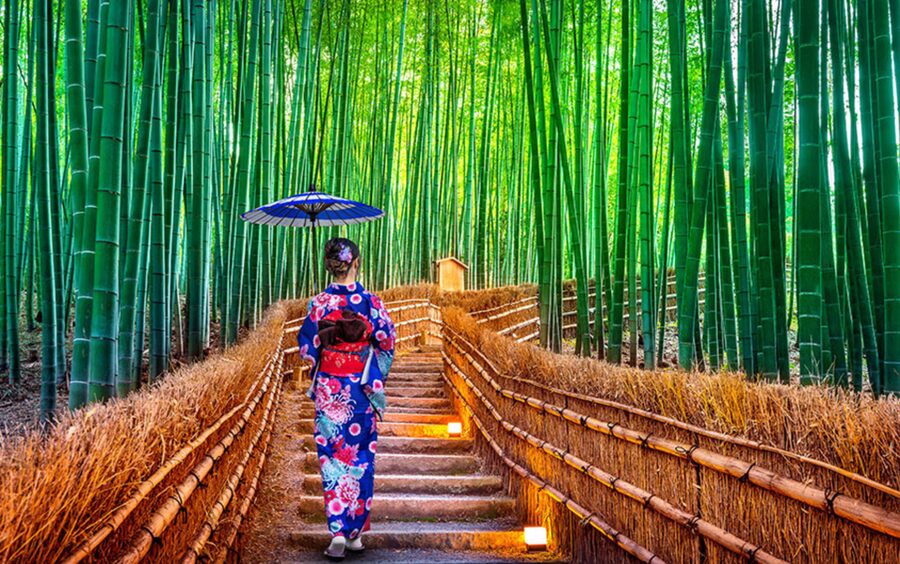
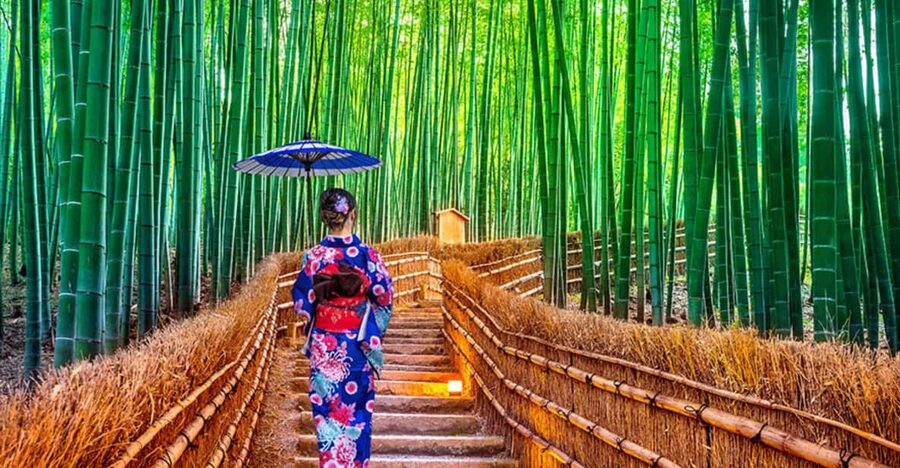
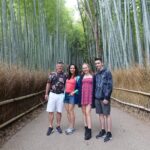
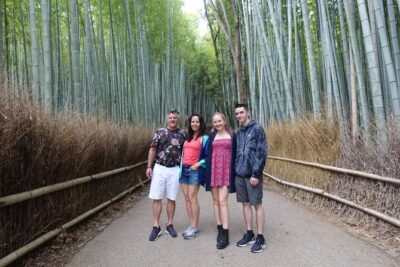
Arashiyama is one of Kyoto’s most recognizable areas. The bamboo grove makes an obvious photo stop, while the wider district gives you river scenery, traditional streets, and small shops. Your guide can help you decide how much time to spend in the grove versus the surrounding sights.
Ninety minutes is enough for a focused visit, but not enough for every option listed. If the panoramic train is important to you, ask how it fits into the day before setting out. The suggested itinerary includes several later stops, so lingering in Arashiyama may mean trimming time elsewhere.
This is also where a guide with a good eye for photographs can help. Nomi and Dhanush have been praised for taking pictures of couples and families, including especially good shots around the bamboo forest. That service can be useful when you want everyone in the frame instead of handing your phone to a stranger.
Kinkaku-ji: Kyoto’s golden landmark
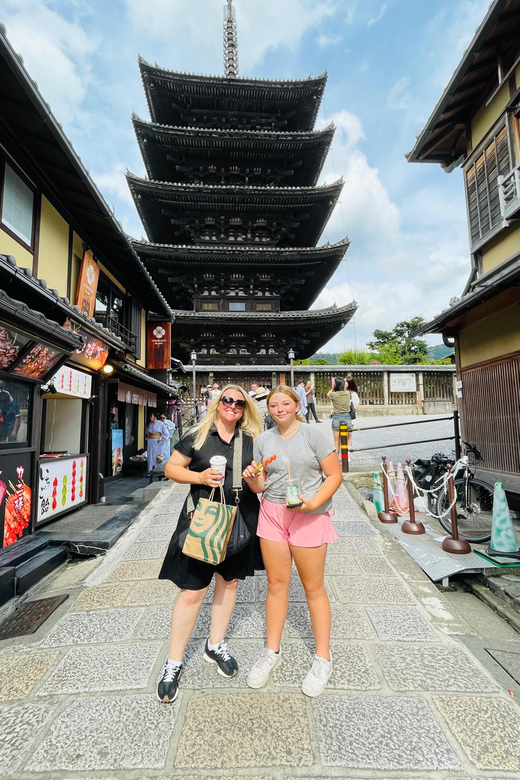
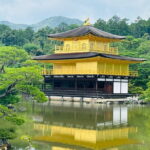
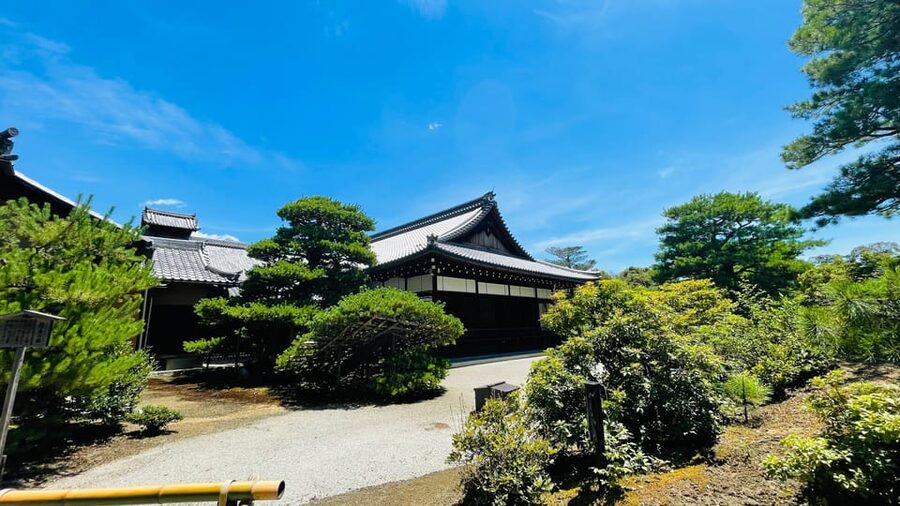
After another drive of about 35 minutes, you reach Kinkaku-ji, the Golden Pavilion. The planned visit lasts one hour and includes sightseeing, a guided explanation, scenic views, and an arts and crafts market visit.
The pavilion is famous for its gold-covered exterior reflected in the pond. It is a short, focused stop rather than a place where you can wander freely for half a day. Your guide adds value here by explaining the setting and the cultural background instead of leaving you to take a quick picture and move on.
The route can feel tight if you want time for the market as well as the temple grounds. Keep your expectations realistic: this is a good overview stop, not a slow study of every garden path. Entry tickets are not included, so keep money available for admissions.
Fushimi Inari: torii gates and a choice about distance
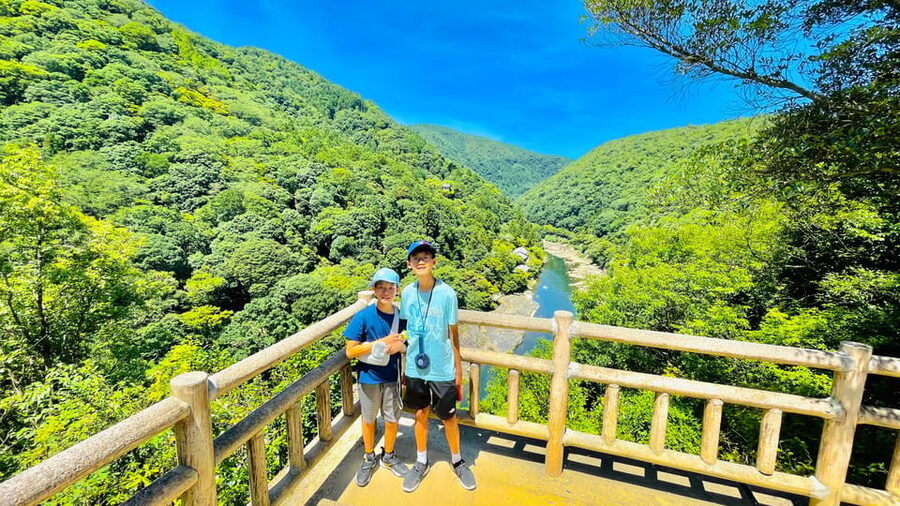
The van then takes about 38 minutes to Fushimi Inari Taisha, with one hour set aside for a guided visit and walk.
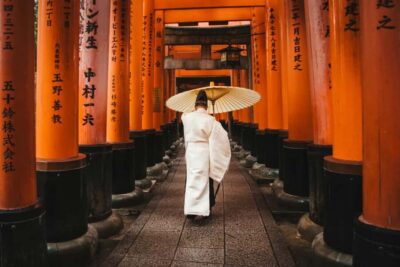
Fushimi Inari is known for its long tunnel of orange torii gates climbing the wooded slopes behind the shrine. You do not need to walk the entire route to understand the place. With only an hour, you will likely focus on the lower section and choose how far to continue based on your energy and the rest of the schedule.
This stop is a good example of the tour’s private format. You can tell the guide if you want a short photo-focused visit or a longer walk. If you are traveling with children, older relatives, or anyone with limited stamina, that choice is more useful than being locked into a group pace.
The route is popular, and the lower gates can be crowded. A guide can help you make the most of the time, but a private vehicle cannot guarantee empty paths.
Kiyomizu-dera: hillside views and traditional Kyoto
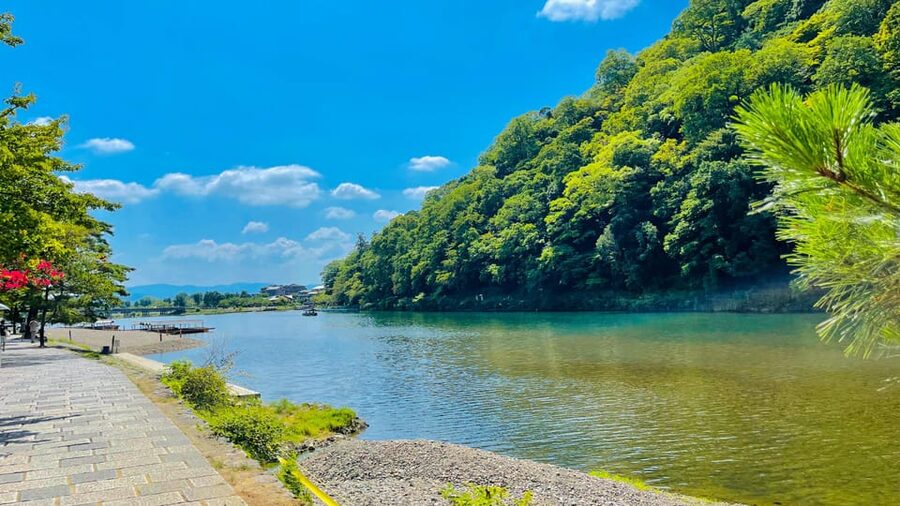
About 30 minutes later, the tour reaches Kiyomizu-dera for another hour. The plan includes a photo stop, guided sightseeing, walking, scenic views, and a class or cultural activity if arranged as part of the day.
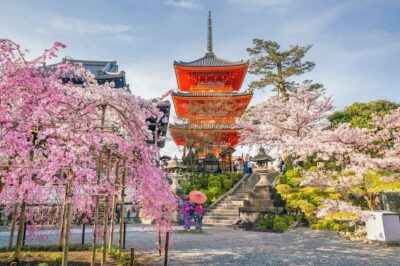
Kiyomizu-dera sits on a hillside and is one of Kyoto’s essential temple visits. Its elevated wooden stage gives you broad views over the city, while the approach roads are lined with shops and traditional storefronts. This is a place where you should wear comfortable shoes and allow time for inclines and foot traffic.
An hour gives you a useful introduction, though the approach itself can take up part of the visit. If your main goal is the temple view, tell your guide early. If shopping and local crafts interest you more, you may prefer to spend more time along the approach.
The tour does not include entry tickets, food, or drinks. That is worth remembering here, since the surrounding area offers plenty of chances to buy snacks and small souvenirs.
A few more Kyoto tours and experiences worth a look
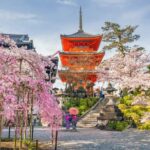
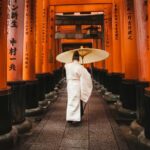
Gion: a short walk through Kyoto’s famous district
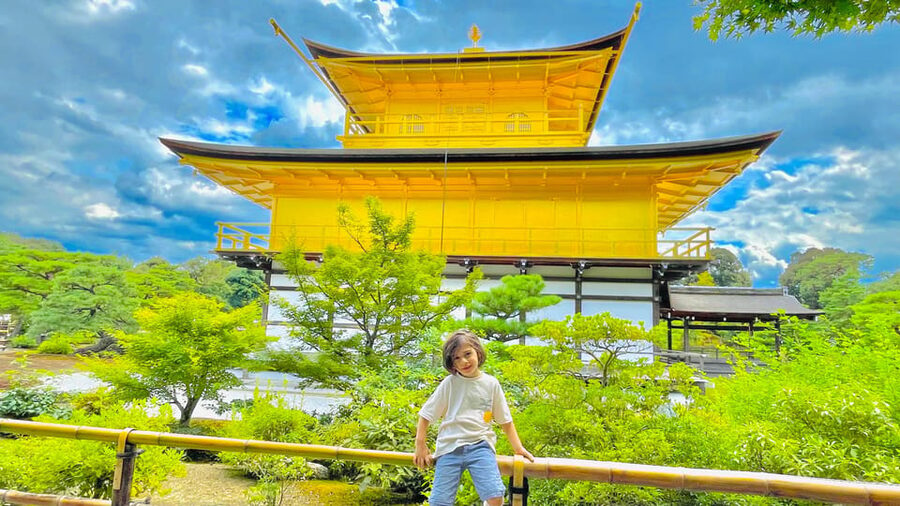
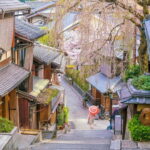
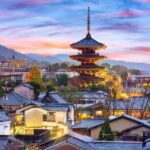
The next stop is Gion, with about 45 minutes for photographs, a guided walk, scenic views, and a class or cultural activity where applicable.
Gion is Kyoto’s best-known traditional entertainment district, with narrow lanes and preserved-looking wooden buildings. A short visit lets you get your bearings and see the character of the area, but 45 minutes is brief if you hope to explore every lane or stop for a long cultural activity.
Your guide can provide useful context about the district and help you behave respectfully. Keep your camera ready, but remember that Gion is a working neighborhood, not a stage set. A polite, low-key walk is the right approach.
This is one stop you might ask to extend if you care more about old streets and traditional culture than checking off another temple. The advantage of a private day is that such a request can be discussed on the spot.
Ginkaku-ji: a quieter contrast to the Golden Pavilion
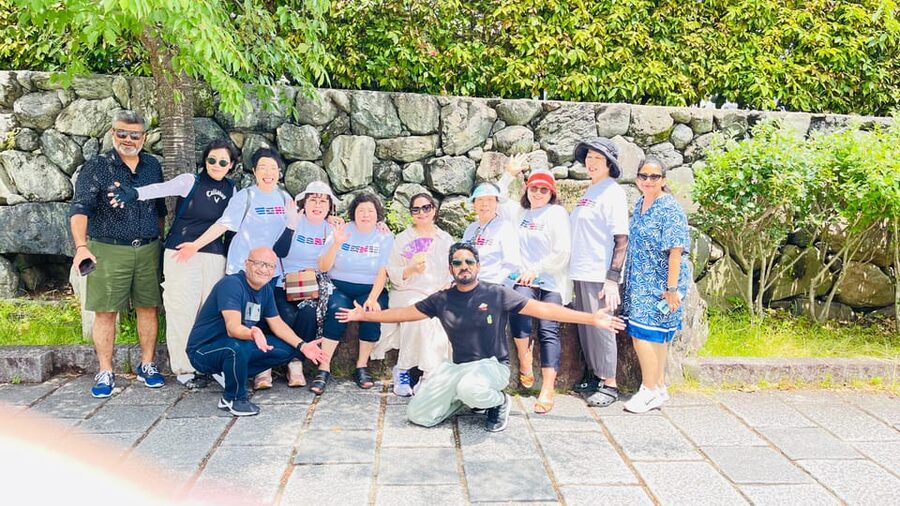
The suggested schedule allows about an hour at Ginkaku-ji Temple, reached after roughly 30 minutes by van. The visit includes photographs, a guided walk, scenic views, and possibly sunset light depending on the timing.
Ginkaku-ji is often called the Silver Pavilion, though its restrained appearance is very different from Kinkaku-ji’s bright gold. The gardens and carefully arranged grounds are a major part of the visit. This stop gives the day a calmer, more reflective change of pace after the busier sights.
The timing may shift with traffic and the length of earlier visits. Sunset is listed as a possible feature, not a guarantee, so do not book this tour solely for sunset photography. Ask your guide what time the stop is likely to fall on your date.
Nishiki Market: food, shops, and the final hour
The final major stop is Nishiki Market, with about an hour for photographs, walking, guided sightseeing, and a class or food-related activity if included in the day’s arrangement.
Nishiki is a useful place to end because it brings together snacks, food stalls, kitchen goods, and small shops. You can use the hour to sample something, browse for gifts, or ask your guide what local foods are worth trying. Food and drinks are not included, so purchases here are your responsibility.
One hour passes quickly in a market. If eating is a priority, say so before arrival. If you would rather have a sit-down lunch, guides have helped with restaurant choices in the past, and one booking specifically praised a guide for taking the group to a very good restaurant. Restaurant arrangements are not promised, though, so treat that as a possible benefit rather than part of the package.
What the guides add to the day
The quality of this experience depends heavily on the individual guide. Recent bookings have praised Dhanush for his explanations and photography, Nomi for history, flexibility, side streets, and useful recommendations, and Sam for professional service and a comfortable vehicle. Ashir was praised for working hard to fit in an extra stop when the group moved efficiently.
Ravi and Sami have also been praised for making the day accommodating and easy to manage. These names give you a sense of the team, but you should not assume you can choose a particular guide unless the operator confirms it.
English, Hindi, Japanese, and Urdu are listed as available languages. One English-speaking guide received a lower score because his accent was difficult for the customer to follow. That is a fair reminder that language comfort can vary by guide, even when the tour is advertised in English.
The photography help is a particularly nice extra when available. Several bookings praised guides for taking strong pictures, which can make a real difference for couples and families. It is not listed as a formal inclusion, so ask rather than count on a dedicated photography service.
The vehicle question matters
The tour is sold as using a luxury vehicle, and the included transport is air-conditioned and private. Most of the feedback about the ride is positive, with Sam receiving praise for a comfortable vehicle and professional driving.
Still, one customer expected a more upscale car and received an older Nissan minivan instead. That complaint is specific and important. If you are booking this for comfort, a special occasion, or a group with lots of luggage, contact Japan Travel and Tour and ask exactly what vehicle is assigned.
A minivan can be practical for six people, but luxury is a different promise. Confirm seating, luggage space, and vehicle type before you book. The driver handles pickup and drop-off, and you are asked to wait in your hotel lobby 10 minutes before the scheduled pickup.
Is $490 a good value?
At $490 per group for 10 hours, the price is easiest to justify with four to six people. A full group pays less than $82 each for private transport, a guide, and pickup and drop-off. You also avoid paying separate train or taxi fares between far-flung areas, though you still pay for temple tickets and food.
For a couple, the price is harder to defend unless you place a high value on convenience or have limited time. Public transport can cost less, and Kyoto rewards slow exploration. But public transport also means navigating crowds, transfers, and fixed schedules, which can consume a large part of a single day.
Traffic is the other value question. The route involves several drives of 30 to 38 minutes, and Kyoto can slow down. The promise of extra time for traffic delays helps, but the day still has many stops. I would choose this tour for broad coverage, not for long, quiet visits at each site.
Free cancellation up to 24 hours before departure and reserve-now, pay-later terms make planning less risky. The tour is also listed as wheelchair accessible, though you should discuss your exact mobility needs before booking because several stops include walking and hillside areas.
Who should book this Kyoto day tour?
I would recommend it to a family, a group of friends, or anyone staying in Osaka, Kyoto, or Nara who wants to see Kyoto’s major sights in one concentrated day. It is especially useful if you dislike changing trains, have limited mobility, or want a guide to explain what you are seeing.
It also suits photographers and first-time visitors who want help choosing good viewpoints. Nomi and Dhanush have been praised for taking photographs, while several guides have adjusted the schedule around personal requests.
I would hesitate if you want a slow temple day, a guaranteed luxury car, or long meals and unhurried walks. The route is ambitious, and eight stops can feel like a checklist. You should also confirm the vehicle and the pickup city before booking, especially if you are counting on Kobe service.
FAQ
How long is the Kyoto private tour?
The tour lasts 10 hours. Starting times depend on availability.
How many people can join the private group?
The price covers one private group of up to six people.
Where can pickup and drop-off take place?
The listed pickup and drop-off cities are Kyoto, Osaka, Nara, and Kobe. The detailed pickup notes focus on Kyoto, Osaka, and Nara, so confirm Kobe service before booking.
Which languages are available?
Live guide service is listed in English, Hindi, Japanese, and Urdu.
Are entrance tickets included?
No. Entry tickets are not included in the price.
Are food and drinks included?
No. You pay separately for food and drinks.
Can I cancel the booking?
You can cancel up to 24 hours in advance for a full refund. Reserve-now, pay-later booking is also available.
Should you book it?
Book this tour if your priority is seeing a wide spread of Kyoto with your own group and a guide who can adjust the day. The strongest reasons are the private transport, broad route, helpful guide team, and chance to add a stop when time allows.
Before paying, confirm two things: the exact vehicle and the stops you care about most. If you accept a busy schedule and a possible standard minivan, this can be an efficient first look at Kyoto. If you want luxury-car polish or a slow, intimate temple experience, another tour may suit you better.
More VIP Experiences in Kyoto
More Guided Tours in Kyoto
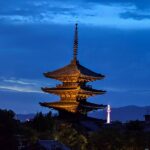
More tours in Kyoto we've reviewed










VIP, compared.
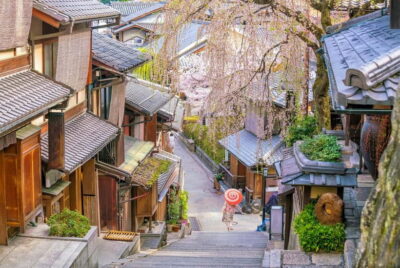 ★ 4.6Kyoto: Private Highlights Tour with Guide and Luxury VehicleFrom $38310 hours
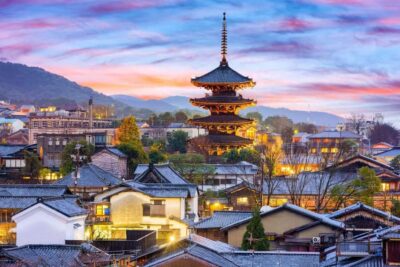 ★ 4.8Kyoto:Private Tour/Luxury Vehicle with Guide & photographerFrom $407
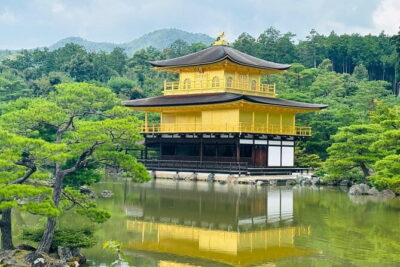 ★ 4.5Private Kyoto Customizable Tour With Guide and Luxury vehicleFrom $525
 ★ 5.0The Kyoto VIP Experience!From $492
 ★ 2.9Kyoto: Private Customizable Guided tour with Luxury VehicleFrom $6131 day
 ★ 4.8Kyoto & Nara Private Luxury Car Tour: Encounter with DeerFrom $435