
Reviewed · GUIDED
Kyoto 6hr Private Tour with Government-Licensed Guide
Kyoto’s great strength is also its main challenge: its famous sights are scattered across the city. This private six-hour tour gives you one guide, a flexible plan, and public transportation to connect places such as Fushimi Inari, Kiyomizu-dera, Nijo Castle, and Gion. I like the chance to shape the day around your interests, and I like learning how to use Kyoto’s trains and buses instead of sitting in a private van. The main catch is simple: you must choose only three or four sites from a long menu, and admission fees, lunch, and transportation costs are extra.
I especially like the guide-led approach for a first day in Kyoto. Guides including Yuka, Yuji, Noriko, Rie, Kazuhiko Goto, and Kiyoshi have helped visitors build sensible routes, adjust the pace, and explain everything from Shinto shrines to Zen gardens. Still, six hours can pass quickly, and one poor guide match or an overambitious plan can make the day feel rushed. Plan carefully before you arrive.
In This Review
- Key things to know before booking
- A six-hour plan for Kyoto’s far-flung sights
- Fushimi Inari and Kyoto’s eastern approach
- Nijo Castle and the center of old Kyoto
- Gion, Pontocho, and the etiquette of historic streets
- Kinkakuji, Ryoanji, and the western temple route
- Arashiyama’s bamboo, gardens, and river views
- Northern mountains, Uji, and special-interest routes
- The guide makes or breaks the day
- Who gets the best value from this Kyoto tour
- Should you book the Kyoto private tour?
- FAQ
- How long is the Kyoto private tour?
- Is the tour private?
- How many attractions can I choose?
- Is transportation included?
- Are admission tickets included?
- Is lunch included?
- Where does pickup take place?
- Can I cancel for a full refund?
Key things to know before booking
- Choose three or four main sites: The long list is a menu, not a promise to visit every location.
- Travel like a local: The tour uses walking and public transportation, not a private vehicle.
- Ask for a tailored route: Guides can suggest a practical order based on your interests and pace.
- Expect extra costs: Temple and castle admissions, meals, and transport are not included.
- Use the guide to learn Kyoto’s systems: Several guides help explain trains, subways, buses, and local customs.
- Reserve early: Booking at least two weeks ahead is requested, especially for popular dates.
A six-hour plan for Kyoto’s far-flung sights
At $155.86 per person, this is not a bargain sightseeing stroll. It is a private guide service, so the value depends on how much help you want with planning, interpretation, and getting around.
The fee covers a licensed local English-speaking guide and a private experience for your group. It does not cover a private car, lunch, personal spending, transportation fares, or entry tickets. If two people book, the per-person price may feel high. For a family or larger party, group discounts can make the arrangement more appealing.
The most important detail is the three-to-four-site limit. The advertised menu includes nearly every major corner of Kyoto, from the Golden Pavilion and Arashiyama to Uji’s Byodoin Temple and the northern mountain town of Kurama. Those places are spread widely apart. You cannot sensibly see all of them in six hours.
I would decide on a theme before booking. An eastern Kyoto day could combine Fushimi Inari, Sanjusangendo, Kiyomizu-dera, and Gion. A western route could pair Kinkakuji, Ryoanji, and Arashiyama. A history-focused plan might include Nijo Castle, the Imperial Palace, and Nishiki Market, with Pontocho or Gion added if time allows.
Your guide can help prevent a bad route. One visitor worked with Kazuhiko Goto to arrange temples, a bamboo grove, and a useful first look at Kyoto. Another planned a day with Rie and managed to reach every chosen stop. That kind of advance conversation matters more here than the sheer number of places on the menu.
Other guided tours in Kyoto
Fushimi Inari and Kyoto’s eastern approach
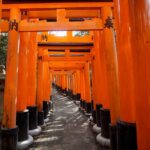
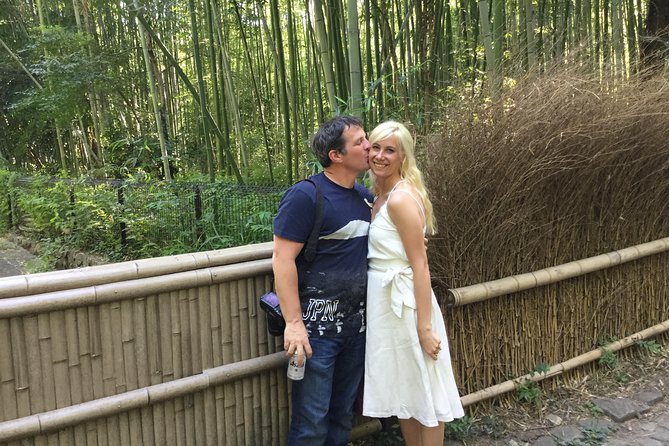
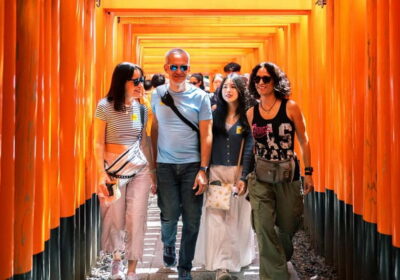
Fushimi Inari-taisha is often the right opening act. Its famous vermilion torii gates climb through wooded slopes, creating long corridors that feel very different from a formal temple courtyard.
You do not need to walk the entire mountain route to appreciate the shrine. Your guide can explain the meaning of the gates, the role of Inari worship, and the stories connected with the shrine while helping you decide how far to walk. The shrine grounds are free, but the walk includes stairs and uneven surfaces.
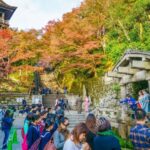
Pairing Fushimi Inari with Kiyomizu-dera creates a strong eastern Kyoto day. Kiyomizu-dera is one of the city’s best-known temples, with broad views over Kyoto and a long approach through the preserved Higashiyama streets.
A one-hour guided visit here gives the temple more shape than a quick photo stop. You can ask about Buddhist practice, the temple’s name, and the cultural meaning of the surrounding streets. Admission is extra, and the area can require steady walking through lanes, steps, and crowded approaches.
Sanjusangendo is another good eastern choice. Its hall is famous for 1,001 statues of Kannon, the Buddhist figure associated with mercy. The scale and repetition make this a powerful indoor stop, especially if you want a break from outdoor walking.
Tofukuji, also in southeastern Kyoto, is known for its Zen buildings and autumn color. It can suit visitors who want a quieter temple setting, though admission is not included. Toji, near Kyoto Station, offers another useful option, with its long connection to the city’s early Heian period and large Buddhist statues.
Nijo Castle and the center of old Kyoto
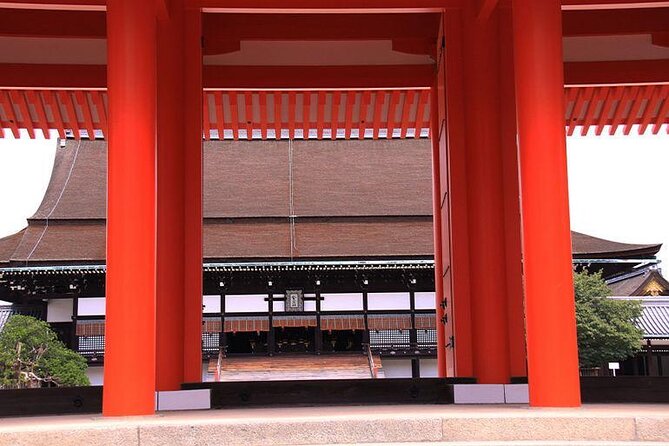
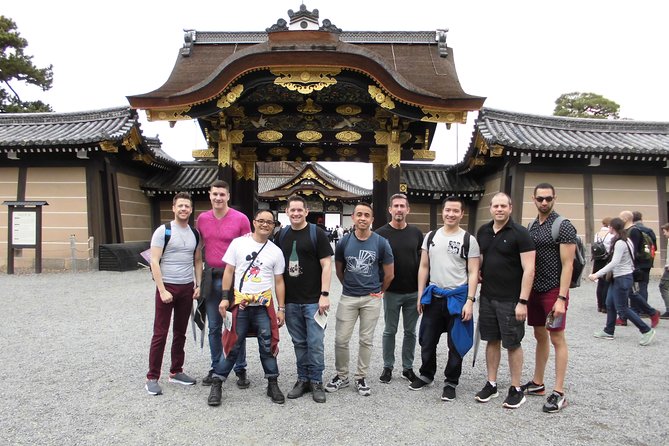
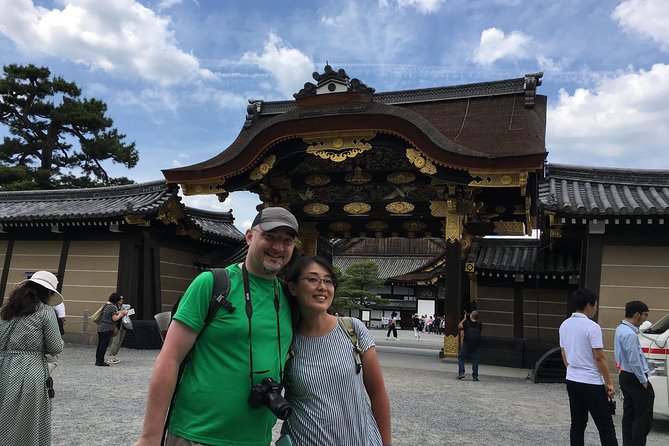
Nijo Castle gives the day a different flavor. Rather than a shrine or temple, it presents the power of the Tokugawa shoguns through grand gates, decorated rooms, and the famous nightingale floors.
Your guide can explain why the castle was built and how its design projected authority. Admission is extra, and you should allow enough time to appreciate the interiors rather than treating the castle as a quick outside stop.
The Kyoto Imperial Palace offers a broader sense of the former capital. The Imperial family lived here until 1868, when the emperor and capital moved to Tokyo. The palace sits within spacious Kyoto Gyoen, a welcome contrast to the narrow streets of Gion or Nishiki Market.
A palace visit works well for travelers interested in court life, political change, and the long transition from imperial Kyoto to modern Japan. Check the route with your guide beforehand, since combining the palace with distant western Kyoto sights can eat up much of your six hours.
Nishiki Market is best approached with an appetite and a little patience. The narrow, roughly five-block shopping street is lined with more than one hundred shops and restaurants and is known as Kyoto’s Kitchen.
I would use Nishiki as a food and culture stop, not as a place to rush through. You might find pickles, seafood, sweets, kitchen goods, and other local specialties, but the market is narrow and can be crowded. Lunch is not included, so ask your guide to suggest a sensible place to eat or plan a short food break in advance.
Gion, Pontocho, and the etiquette of historic streets
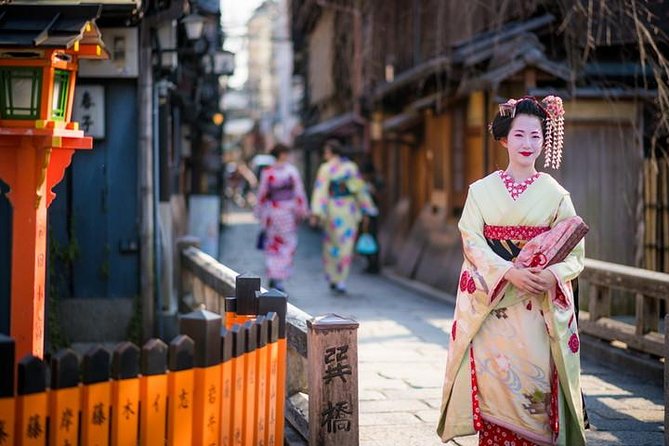
Gion is one of Kyoto’s most atmospheric districts, with traditional wooden buildings, narrow lanes, tea houses, and a long connection with geisha culture. A guide is useful here because the district is easy to misunderstand if you only follow the busiest street.
You can learn about the area’s traditions, architecture, and changing role in modern Kyoto. Your guide can also point out the difference between a public street and a private establishment. Keep your camera respectful, avoid blocking doorways, and do not treat people working in the district as photo props.
Pontocho gives you another view of old Kyoto. This narrow dining lane runs between Shijo and Sanjo, close to the Kamogawa River, and is packed with restaurants. It is most useful as a walking stop or a place to consider dinner after the tour.
Kenninji Temple sits close to Gion and offers a calmer setting, with dry gardens and broad temple grounds. It is a good substitute if you want Zen design without adding a long trip across the city. Admission is extra.
Higashiyama, the historic district along the lower eastern mountains, connects naturally with Kiyomizu-dera and Gion. Its preserved streets are attractive, but the walking can be tiring. I would not combine every eastern option in one day unless your group is comfortable moving at a brisk pace.
Kinkakuji, Ryoanji, and the western temple route
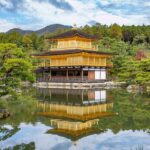
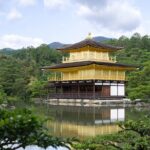
Kinkakuji, the Golden Pavilion, is one of Kyoto’s essential sights. The top two floors of this Zen temple are covered in gold leaf, and the building reflects across its pond in a carefully arranged garden setting.
It is a memorable first stop for many people, but it is also a place where crowds can slow you down. You follow a set route through the grounds rather than wandering freely, and admission is extra. Your guide adds value by explaining the site’s connection with shogun Ashikaga Yoshimitsu and the villa’s later religious role.
Ryoanji is famous for Japan’s best-known rock garden. Its spare design invites quiet attention, though it can be difficult to understand why the garden matters without some context about Zen aesthetics and how the stones are arranged.
The two temples make a logical pairing. Add Arashiyama only if you accept a quick visit or have a very early start. Myoshinji, a large Zen complex with about fifty subtemples, can suit visitors who prefer a less famous and more spacious temple area. Daitokuji offers another large Zen complex in northern Kyoto, with numerous subtemples and a strong connection to the Rinzai tradition.
Ninna-ji, a World Heritage temple and head temple of the Omuro school of Shingon Buddhism, adds imperial and religious history. It is worthwhile, but like the other temple choices, admission and extra walking may affect the day’s pace.
Other private tours in Kyoto
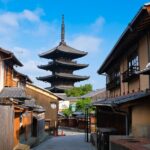
Arashiyama’s bamboo, gardens, and river views
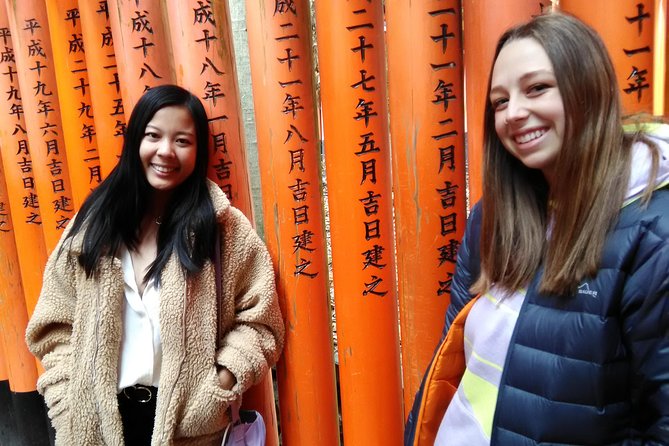
Arashiyama is not one attraction but a whole district. The Togetsukyo Bridge, bamboo groves, Tenryuji Temple, and hillside temples each offer a different reason to come.
The bamboo paths are photogenic, but they are not a quiet secret. The walk is relatively short, and the experience depends heavily on timing and crowd levels. Tenryuji, the district’s leading Zen temple, combines temple buildings with garden views and is a sensible anchor for an Arashiyama visit. Admission is extra.
The Togetsukyo Bridge is the district’s best-known landmark, crossing the Katsura River. It makes an easy outdoor stop and helps you understand Arashiyama’s setting. Okochi Sanso Garden, the former villa of actor Okochi Denjiro, offers gardens and buildings at the back of the bamboo area, though entry costs extra.
If you want quieter temple paths, Jojakkoji, Nisonin, Gioji, Adashino Nenbutsuji, and Otagi Nenbutsuji are options. Jojakkoji and Nisonin have hillside paths, trees, and a restrained atmosphere. Gioji is noted for moss and a small thatched-roof hall. Otagi Nenbutsuji is known for about 1,200 stone rakan figures, each with a different expression.
These northern Arashiyama sites are not a quick add-on to Kinkakuji and central Kyoto. I would choose one or two, not attempt the entire list. The same advice applies to Daikakuji, an impressive temple in the Saga area that began as Emperor Saga’s detached palace.
Northern mountains, Uji, and special-interest routes
Some choices on the menu require much more travel than others. Kibune and Kurama lie in Kyoto’s northern mountains. Kibune developed around Kifune Shrine in a forested valley, while Kurama is known for Kurama-dera and its hot spring.
These places can give you a cooler, rural side of Kyoto, but they are poor companions for Arashiyama, Fushimi Inari, or Uji in a six-hour plan. Kurama is less than an hour from central Kyoto, yet the journey still takes time from sightseeing.
Shugakuin Imperial Villa offers gardens and architecture from the seventeenth century. It is managed by the Imperial Household Agency and includes upper, middle, and lower villas. If you want to visit, ask about arrangements early, since the site has special administrative requirements and should not be treated as a casual last-minute stop.
Katsura Imperial Villa is another specialist choice. Its architecture and garden design date largely to the seventeenth century, and it suits visitors with a particular interest in Japanese design. Again, do not pair it with half the city.
Byodoin Temple is in Uji, outside central Kyoto. Its Phoenix Hall is a National Treasure and part of a World Heritage site, but extra travel time is expected. I would build the whole six-hour plan around Uji rather than trying to squeeze it between Fushimi Inari and Nijo Castle.
The guide makes or breaks the day
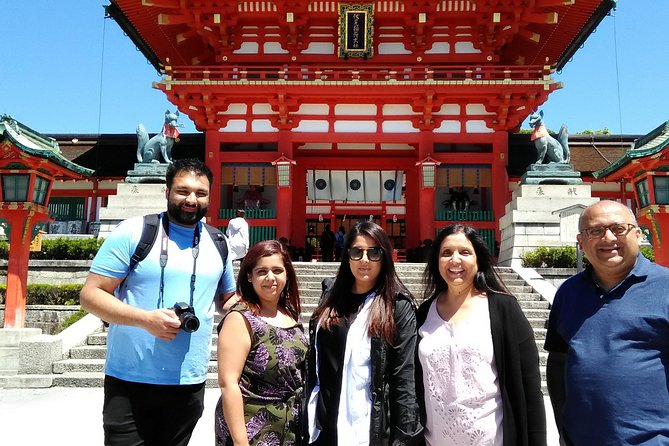
The strongest part of this experience is the human element. Guides such as Yuka, Yuji, Noriko, Emi, Andy, Kazuo, Kaeko, Yasu, and Kiyoshi are praised for adjusting pace, answering questions, and helping with route planning.
You should contact the provider with clear priorities before the day. Tell the guide if you care most about Buddhism, gardens, food, imperial history, photography, shopping, or using public transportation. Also explain your walking pace and who is in your group.
Several guides have helped families and older couples keep a comfortable pace. One guide used photographs and diagrams to make difficult historical details easier to follow. Another helped a group become more confident with the subway and trains. These are practical gains that can continue helping you after the tour ends.
English ability may vary by guide. The overall record is strong, with a 4.9 rating from 1,369 ratings and 98 percent recommendation, but one poor experience included trouble following the guide, separation from the group, and no lunch break. That is a useful warning, not a reason to reject the tour. Confirm your guide, meeting plan, language needs, and meal expectations ahead of time.
The tour meets on foot within a designated area of Kyoto. Pickup and drop-off are also on foot, and no private vehicle is provided. Most people can participate, and service animals are allowed, but the amount of walking, stairs, and public transportation makes a realistic route essential.
Who gets the best value from this Kyoto tour
I would recommend this for a first-time visitor with only one main day in Kyoto, a family that wants a flexible schedule, or anyone uneasy about linking distant temples by train and bus.
It also works well if you want to ask constant questions. A private guide can explain why one gate is Shinto, another site is Buddhist, and how Kyoto’s imperial and shogunal past shaped the city you see today.
I would be more cautious if you want a slow temple visit, a long market lunch, or detailed time at more than four attractions. The format favors a smart overview, not a leisurely examination of every building.
The tour is also a good first-day orientation. After six hours with someone like Noriko or Kazuhiko Goto, you may feel more prepared to explore on your own. You learn the city’s layout, transportation basics, and which districts deserve a second visit.
Free cancellation is available up to 24 hours before the start time. Changes or cancellations inside that window are not accepted for a refund. Reserve at least two weeks ahead, as requested, and leave room for the guide to shape the route.
Should you book the Kyoto private tour?
Book it if you value flexibility, local transport help, and personal explanation more than a low headline price. At $155.86 per person, the cost is easiest to justify for families or groups that can use group discounts and would otherwise spend hours planning connections.
Before paying, choose three or four sites and ask the guide to test the route. For a first visit, I would favor Fushimi Inari, Kiyomizu-dera, Gion, and either Nijo Castle or Nishiki Market. For a western Kyoto day, choose Kinkakuji, Ryoanji, Arashiyama, and one nearby temple.
If you want a private car, included meals, or admission bundled into the fee, this is not the right product. If you want a thoughtful local guide and a manageable introduction to Kyoto’s huge menu of sights, it can be money well spent.
FAQ
How long is the Kyoto private tour?
The experience lasts approximately six hours.
Is the tour private?
Yes. Only your group participates, and multiple tour groups cannot be combined.
How many attractions can I choose?
The included service allows you to customize the tour around three or four sites from the available choices.
Is transportation included?
A private vehicle is not included. The tour is conducted on foot and by public transportation, and transportation costs are not included in the tour price.
Are admission tickets included?
No. Admission fees for places such as Kiyomizu-dera, Nijo Castle, Kinkakuji, Ryoanji, and other ticketed sites are extra.
Is lunch included?
No. Lunch is not included, so discuss a meal stop with your guide while planning the route.
Where does pickup take place?
You meet the licensed guide on foot within a designated area of Kyoto. Pickup and drop-off are also conducted on foot.
Can I cancel for a full refund?
Yes, if you cancel at least 24 hours before the experience start time. Cancellations or changes made less than 24 hours before the start time are not accepted for a refund.
More Private Tours in Kyoto
More Guided Tours in Kyoto

More tours in Kyoto we've reviewed


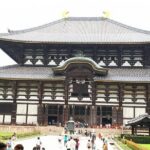
Guided, compared.
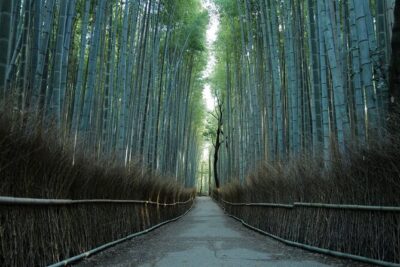 ★ 5.0Kyoto Early Morning Tour with English-Speaking GuideFrom $68
★ 4.9Kyoto: Early Morning Tour with English-Speaking GuideFrom $1015h 30m
★ 5.0Kyoto Early Morning Tour with English-Speaking GuideFrom $68
★ 4.9Kyoto: Early Morning Tour with English-Speaking GuideFrom $1015h 30m
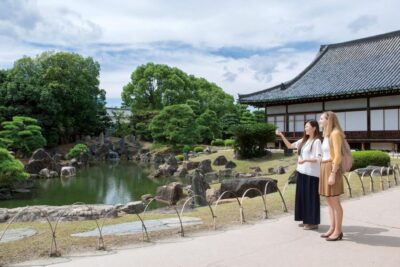 ★ 4.7Kyoto: Nijo-jo Castle and Ninomaru Palace Guided TourFrom $161 hour
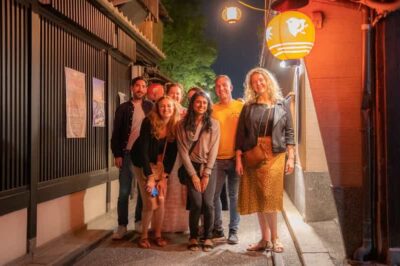 ★ 4.9Kyoto: Izakaya Bars Guided Walking TourFrom $253 hours
 ★ 5.0Kyoto Gion Night Walk & Geisha District Guided TourFrom $18
 ★ 4.5Kyoto: Full-Day English Guided Tour of Kyoto’s HighlightsFrom $88