
Reviewed · GION & GEISHA WALKS
Kyoto: Gion Magical Night Walking Tour
Gion is best understood after the tour buses thin out and the lanterns begin to glow. This walk takes you through famous lanes, quiet corners, shrines, pagodas, and traditional streets while your guide explains the world of geiko and maiko. I like the small-group format, which keeps the outing calm and makes it easier to ask questions. I also like the blend of cultural explanation and real sightseeing, rather than a walk that simply points at pretty buildings.
The main drawback is the walking. You will cover slopes and stairs, and one hour 40 minutes can feel long after a full day in Kyoto. The group size is advertised as no more than eight in the main description, though the additional information allows up to 10, so confirm the final size when booking.
In This Review
- Key Points
- Why Gion Works Best at Night
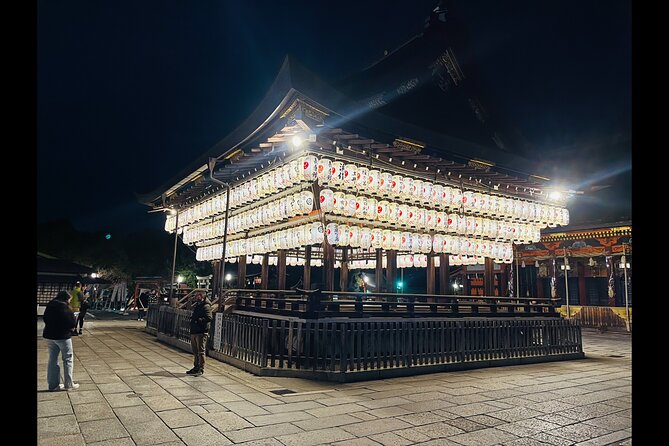
- Meeting at Minamiza Theater
- Gionmachi Minamigawa: The Classic Gion Streetscape
- Yasui-Konpiragu and Kyoto’s Relationship Shrine
- Sannenzaka and Ninenzaka: Kyoto’s Famous Uphill Lanes
- A Large Kannon Memorial
- The Four-Century-Old Temple Garden
- Yasaka Shrine and Gion-san
- Guides and the Quality of the Explanation
- Group Size, Pace, and Physical Effort
- Is $29.60 a Fair Price?
- Who Should Book This Gion Walk?
- Should You Book It?
- FAQ
- How long does the Gion Magical Night Walking Tour last?
- How much does the tour cost?
- Where does the tour begin?
- Where does the tour finish?
- What places are included?
- Is the tour suitable for people who do not walk easily?
- Can I see a maiko or geiko?
- How large is the group?
- Can I cancel for a full refund?
Key Points
- Gion after dark: See the district when its streets are quieter and its shrines and lanterns have a different mood.
- Geisha culture explained: Learn about geiko, maiko, their social role, and basic etiquette from your guide.
- Small-group setting: The tour is designed for no more than eight people, with a stated maximum of 10 in the booking details.
- Several major sights: The route includes Gionmachi Minamigawa, Yasui-Konpiragu, Sannenzaka and Ninenzaka, Yasaka Shrine, and additional temple and memorial stops.
- Good photo potential: Night lighting, pagodas, shrine lanterns, and nearly empty lanes give you plenty to photograph.
- Practical length: At about 100 minutes, the walk offers a useful introduction without taking up an entire evening.
Why Gion Works Best at Night
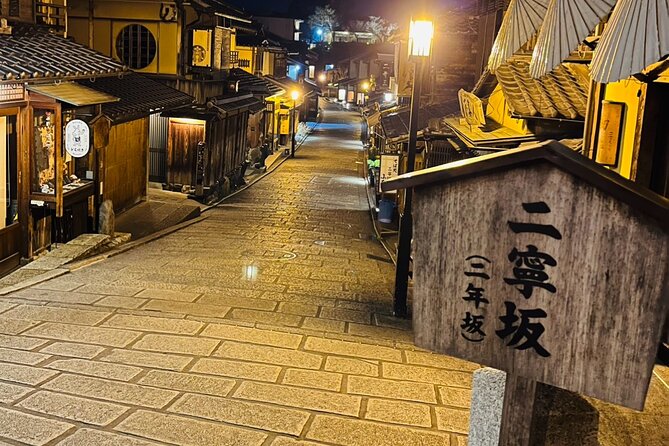
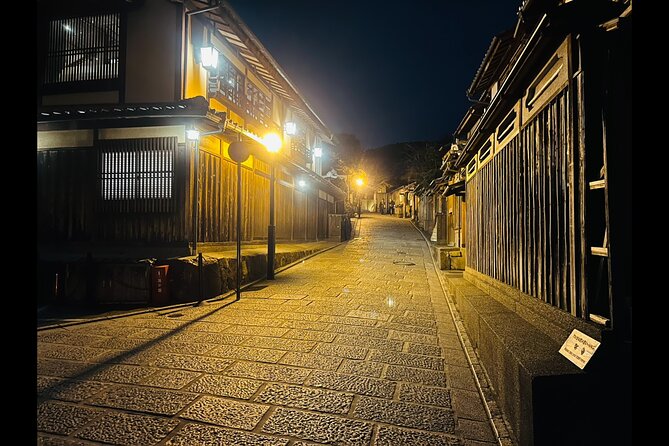
Gion can feel crowded and self-conscious in daylight, especially around its famous streets. At night, the district changes. Streetlights pick out wooden facades, shrine lanterns cast a softer glow, and the pace becomes more suitable for looking around rather than squeezing past groups.
That quieter setting is the chief reason to book this walk. You still see the signature parts of Gion, but the guide can also lead you toward places that are easy to miss when you are following a map on your own. Several people who took the walk found the evening streets peaceful, with far fewer crowds around the shrines and temple approaches.
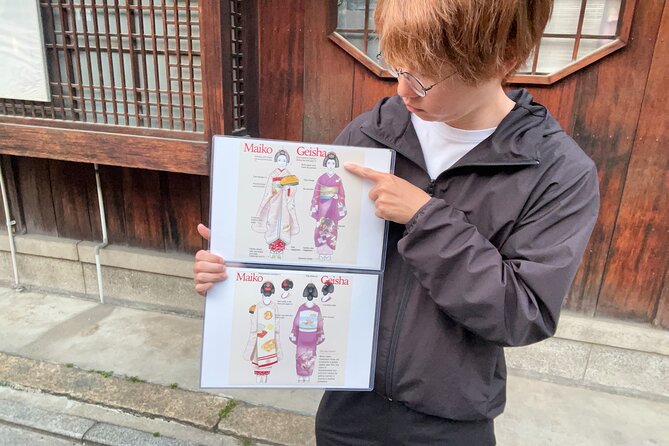
The tour is also a useful introduction to geisha culture. Your guide explains the difference between a maiko and a geiko, how they fit into Kyoto society, and the manners expected around them. This matters because Gion is not a theme park. It is a working neighborhood, and a little context helps you behave respectfully.
If you happen to see a maiko or geiko, the advice is simple: greet her with a smile and say Konnichiwa. Do not treat her as a photo prop. The emphasis on etiquette is one of the more valuable parts of the experience.
A few more Kyoto tours and experiences worth a look

Meeting at Minamiza Theater
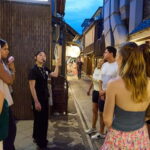
The walk begins at Minamiza Theater, beside the eastern end of Shijo Bridge in Kyoto’s Higashiyama Ward. The listed meeting point is on the second-floor west lobby, so do not assume the group will be waiting directly on the street outside the theater.
Arrive with enough time to find the lobby and check your mobile ticket. The tour includes a mobile ticket, and confirmation is supplied at booking. Since one person missed the tour after failing to connect with the operator and not finding the group, I would take the meeting instructions seriously and arrive early.
The route ends at Gionmachi Kitagawa. That is useful because you finish inside Gion rather than returning to the starting theater. You can continue exploring, find dinner nearby, or make your own way back to your hotel or station.
Gionmachi Minamigawa: The Classic Gion Streetscape
The first stop is Gionmachi Minamigawa, one of Kyoto’s best-known streets. This is the kind of place many people picture when they imagine Gion: traditional facades, narrow lanes, and a strong connection to the city’s geisha districts.
You may see a maiko or geiko here, but there is no guarantee. That uncertainty is part of the point. The tour should not be judged by whether a particular person appears at a particular time. The guide’s explanation of the district gives the street meaning even when it is empty.
Allow about 10 minutes at this stop. That is enough for an introduction and a few photos, but not enough for a long architectural discussion. I like the restraint. The route keeps moving instead of turning one street into a lecture.
The nighttime setting helps with photographs, though you should expect lower light. A phone may handle the lanterns well, but avoid blocking the pavement while you take pictures. This is a place where good manners matter as much as a good camera.
Yasui-Konpiragu and Kyoto’s Relationship Shrine
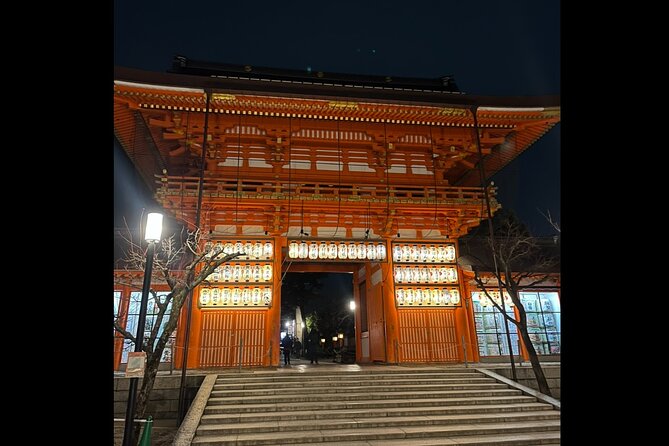
The next stop, Yasui-Konpiragu, offers a different kind of cultural story. The shrine is associated with meeting a suitable partner and cutting off harmful relationships. For couples, its blessing is also said to strengthen an existing bond.
That makes the stop more than another attractive shrine gate. It gives you a glimpse of how religious sites in Japan often serve very specific personal hopes: love, luck, protection, health, or a fresh start.
The visit lasts about 10 minutes and admission is free. Your guide can explain the customs and meaning, but the short stop means you should not expect an extended ceremony or a long period for private prayer.
At night, a shrine like this can feel especially intimate. You will need to stay aware of the group and follow the guide’s instructions, since slopes and steps appear on this part of the route and elsewhere along the walk.
Sannenzaka and Ninenzaka: Kyoto’s Famous Uphill Lanes
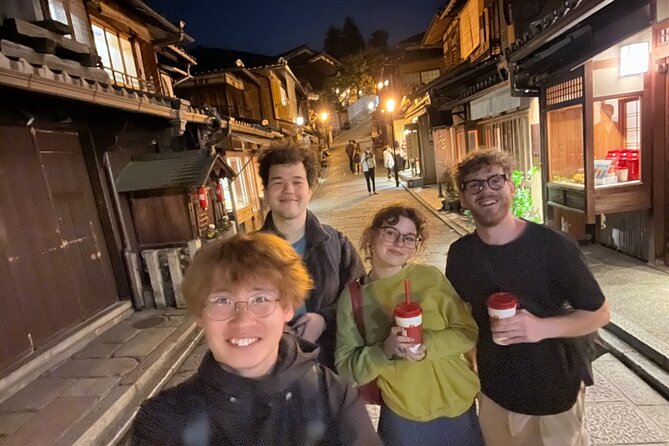
The walk then reaches Sannenzaka and Ninenzaka, two traditional streets leading toward Kiyomizu-dera Temple. The route includes about 20 minutes here, making this one of the longer sightseeing stops.
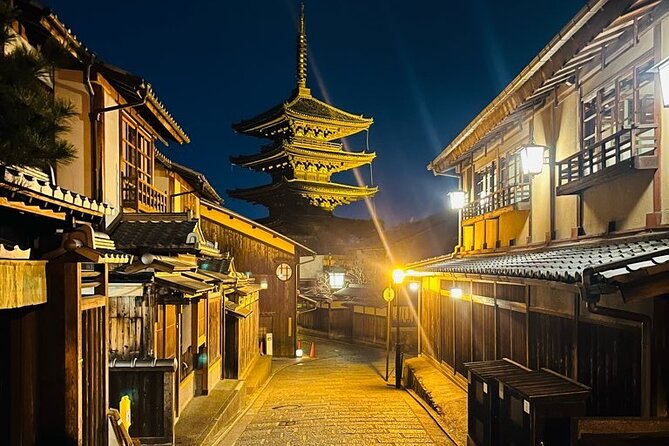
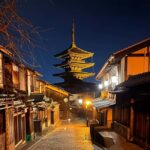
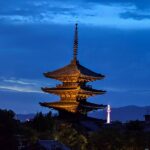
These lanes are known for their preserved Kyoto townscape and views toward Yasaka-no-to, also called Yasaka Pagoda. The pagoda is one of the area’s most recognizable sights, and nighttime lighting can make it a particularly strong photo subject.
This is also where the physical side of the tour becomes clear. The streets rise and fall, and their stone surfaces can be uneven. Comfortable shoes are essential. If you are not comfortable walking uphill or using stairs, this is not the right Kyoto activity for you.
The route does not appear to include admission to Kiyomizu-dera itself. You see the approach and surrounding streets, not a full temple visit. That is worth knowing before you book. If Kiyomizu-dera is your main goal, plan a separate visit during its opening hours.
The benefit is that you cover several famous views without spending half a day inside one major temple complex. The guide also helps tie the buildings and lanes to the wider story of Gion, so you are not simply collecting another set of photographs.
A few more Kyoto tours and experiences worth a look


A Large Kannon Memorial
The route includes an additional stop at a memorial built in 1955 to honor the souls of people who died in World War II. Its central feature is a very large statue of Kannon.
This stop adds a sober note to the walk. Gion is often presented as lanterns, old streets, and geisha culture, but Kyoto’s religious sites also carry memories of war, mourning, and personal loss. A large Kannon figure gives the guide a chance to explain a more modern form of remembrance alongside the older shrines.
The available details do not specify the stop’s name or how long the group remains there. Treat it as a brief outdoor sightseeing point within the walking route rather than a full museum visit.
The Four-Century-Old Temple Garden
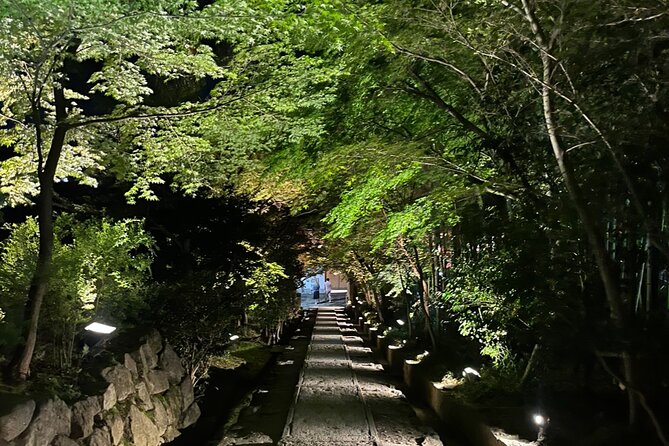
Another stop is a temple built about 400 years ago by a shogun’s wife to mourn her husband. The grounds include a garden, a 400-year-old tea ceremony house, and a bamboo grove.
This is likely to be one of the more atmospheric portions of the evening. Bamboo, garden paths, and old tea architecture give you a different view of Kyoto from the busier Gion lanes. The setting also connects private grief, Buddhist practice, tea culture, and garden design.
The information provided does not name this temple or state whether the tour enters every part of the grounds. I would not assume that the full garden, tea house, or bamboo grove is open during the walk. Ask your guide what you can see on the date of your visit.
Even with a short visit, this stop makes the route feel broader. You are not spending the whole evening on geisha lore. You are also seeing the religious and architectural traditions that shape the Higashiyama area.
Yasaka Shrine and Gion-san
The final listed stop is Yasaka Shrine, the head shrine of roughly 2,300 related shrines across Japan. In Kyoto, it is widely known as Gion-san.
The shrine is associated with protection from bad luck, good fortune, and beauty. Its location also helps explain the close connection between Yasaka Shrine and the surrounding Gion district. The name Gion is not simply a label for an entertainment quarter. Religious life and traditional arts have long occupied the same part of the city.
You spend about 10 minutes here, with no admission fee. At night, the lanterns and illuminated shrine structures create some of the walk’s strongest visual moments. The setting is also calm enough for your guide to answer questions without competing with a large group.
This is a good final stop because it brings the cultural themes together. You have seen the streets associated with geiko and maiko, learned about personal wishes at Yasui-Konpiragu, walked the historic slopes toward Kiyomizu-dera, and ended at one of Kyoto’s major shrines.
Guides and the Quality of the Explanation
The guide can make or break a short walking tour, and this one has received especially strong marks for warmth, clear explanations, and personal stories. Guides named in the feedback include Karen, Ricky, May, Hina, Pam, and Sho Hamada.
Karen is particularly noted for answering questions, keeping a comfortable pace, and handling questions from children well. Ricky is praised for explaining Kyoto’s past and present, including the relationship between maiko, geiko, and local society. Hina is described as engaging and able to add personal family insight.
Sho Hamada is recognized for enthusiasm and a strong connection to Kyoto. One guide named Sho was still learning English, and a participant found that some questions were not always understood. If detailed English discussion is important to you, it would be sensible to confirm the guide language and current assignment before booking.
The common strength is interaction. A group of eight or so lets you ask a question without holding up a large crowd. That matters on a cultural walk, since the best information often comes from a quick exchange about etiquette, family traditions, shrine customs, or the difference between what you see in films and what happens in real life.
Group Size, Pace, and Physical Effort
The small-group promise is one of the tour’s best features. The main description says a maximum of eight, while the additional details state a maximum of 10. Either size is far more manageable than a large walking group, but the discrepancy is worth noting.
The tour lasts about one hour 40 minutes. Some descriptions round it down to about 90 minutes, so allow the full stated duration and a little flexibility around the finish. The route includes many stops, but it is still a steady walk rather than a sequence of long sit-down talks.
You should wear shoes suited to slopes, steps, and uneven streets. One person found the amount of walking substantial, while others felt the pace was comfortable. That difference likely depends on your fitness, the weather, and how much sightseeing you have already done that day.
Most people can take part, and service animals are allowed. Still, the tour is not recommended for anyone uncomfortable with hills or stairs. Rain can also affect the experience. Bring an umbrella if the forecast looks uncertain, since a gentle shower may not cancel the walk but will change how comfortable the streets feel.
Is $29.60 a Fair Price?
At $29.60 per person, this is a modestly priced guided experience for Kyoto. There are no admission fees at the listed stops, so you are mainly paying for the guide, route planning, cultural context, and the convenience of seeing several important areas in one evening.
I think the price works best for a first visit. You can walk through Gion alone, but it is easy to see only the most photographed streets and miss the meaning behind them. A guide gives you a framework for understanding geisha culture, shrine customs, and the relationship between Gion’s religious and traditional arts districts.
The value is also strong for a short evening. You do not lose an entire day, and the end point leaves you in Gion for your own dinner plans. If you already know Kyoto well or prefer slow, independent wandering, you may find the organized pace less appealing.
The 4.8 rating from 136 reviews and 96 percent recommendation rate suggest a reliable experience, but no tour is perfect. One person reported missing the group because of communication and meeting-point problems, while the operator said the walk ran as scheduled and that a platform notification was not received. Use the exact meeting instructions, arrive early, and do not rely on last-minute messages.
Who Should Book This Gion Walk?
I would recommend it to first-time Kyoto visitors who want a quick introduction to Gion without committing to a full-day cultural tour. It suits couples, families with older children, and photographers who want lantern-lit streets and pagoda views.
It is also a good choice if you have already wandered through Gion in daylight. The guide can give familiar streets a clearer meaning and lead you toward less obvious corners.
You should think twice if you dislike walking uphill, need frequent seating, or want guaranteed geisha sightings. The tour can explain where geiko and maiko work and how to act respectfully, but no responsible guide can promise that you will see one.
The cancellation policy is flexible up to 24 hours before the start time, when you can receive a full refund. Within 24 hours, changes and refunds are not accepted. Poor weather or failure to meet the minimum number of participants may lead to a new date or a full refund.
Should You Book It?
Book this tour if you want a well-priced, compact introduction to Gion with real cultural explanation rather than a simple photo walk. The quiet evening timing, shrine stops, traditional lanes, and small group create a good balance of atmosphere and information.
Skip it if you want a private tour, a guaranteed encounter with geiko or maiko, or a slow visit inside Kiyomizu-dera and the area’s major temple grounds. For most visitors with comfortable shoes and about 100 minutes to spare, it is an efficient way to see Gion after dark and understand what you are looking at.
FAQ
How long does the Gion Magical Night Walking Tour last?
The stated duration is approximately one hour and 40 minutes. Some descriptions refer to the walk as about 90 minutes, so allow roughly 90 to 100 minutes.
How much does the tour cost?
The listed price is $29.60 per person.
Where does the tour begin?
The meeting point is Minamiza Theater in Kyoto’s Higashiyama Ward, at the eastern end of Shijo Bridge. The instructions specify the second-floor west lobby.
Where does the tour finish?
The walk ends at 625 Gionmachi Kitagawa in Kyoto’s Higashiyama Ward.
What places are included?
The route includes Gionmachi Minamigawa, Yasui-Konpiragu, Sannenzaka and Ninenzaka, Yasaka Shrine, a World War II memorial with a large Kannon statue, and a temple with a garden, tea ceremony house, and bamboo grove.
Is the tour suitable for people who do not walk easily?
The tour is not recommended for people who are uncomfortable with slopes and stairs. Most travelers can participate, but you should wear comfortable walking shoes.
Can I see a maiko or geiko?
You might see a maiko or geiko, especially around Gionmachi Minamigawa, but sightings are not guaranteed. If you do see one, greet her with a smile and say Konnichiwa.
How large is the group?
The main description gives a maximum of eight people. The additional information states that the activity can have up to 10 travelers, so the final size may vary.
Can I cancel for a full refund?
Yes. You can cancel at least 24 hours before the start time for a full refund. Cancellations or changes made within 24 hours are not refunded, and poor weather or failure to meet the minimum group size may result in an alternative date or a full refund.
More Walking Tours in Kyoto

More Night Walks & Ghost Tours in Kyoto
More Gion & Geisha Walks in Kyoto
More tours in Kyoto we've reviewed





Gion & Geisha Walks, compared.
 ★ 4.7Kyoto Geisha Walking Tour: Gion District & Hidden GemsFrom $252 hours
 ★ 4.7Kyoto: Gion Geisha District Walking Tour – Stories of GeishaFrom $202 hours
 ★ 4.9Best of Kyoto: Gion, Geisha, Pagodas & CobblestonesFrom $242 hours
 ★ 4.5Night Walk in Gion: Kyoto’s Geisha DistrictFrom $211h 40m
 ★ 5.0Kyoto Night Foodie Tour in Gion (9+ dishes + 6 Sake tastings)From $163
 ★ 5.0Kyoto Gion Geisha District Walking Tour – The Stories of GeishaFrom $25