
Reviewed · NISHIKI MARKET TOURS
Kyoto: Local Food Tasting Tour at the Nishiki Market
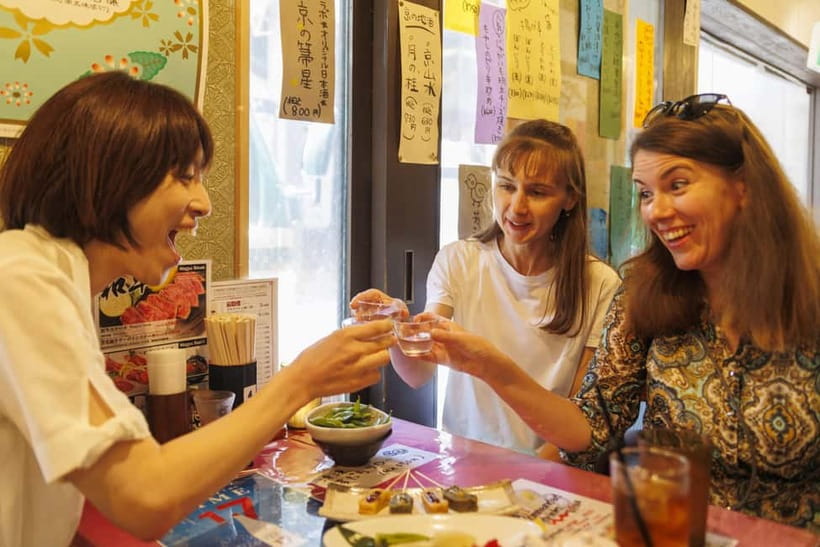
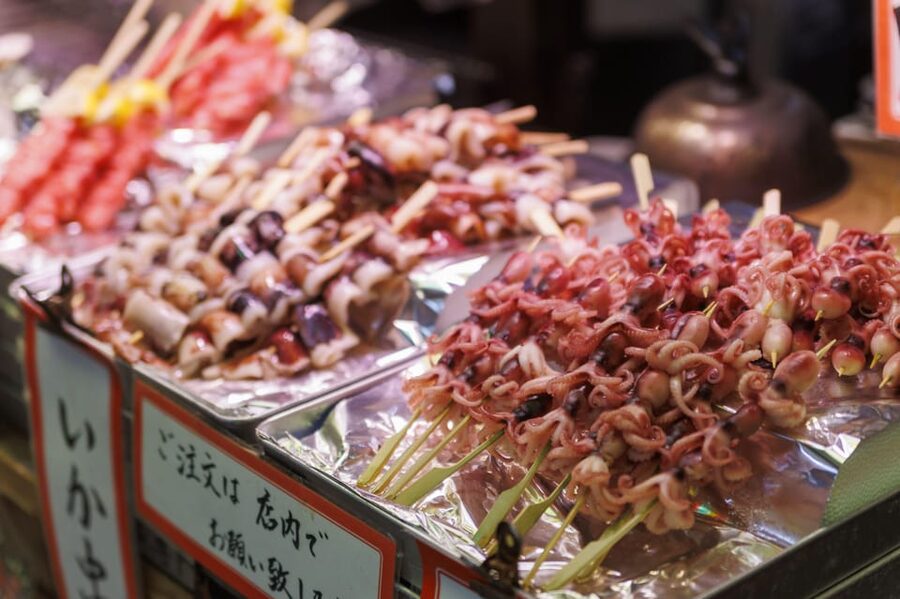
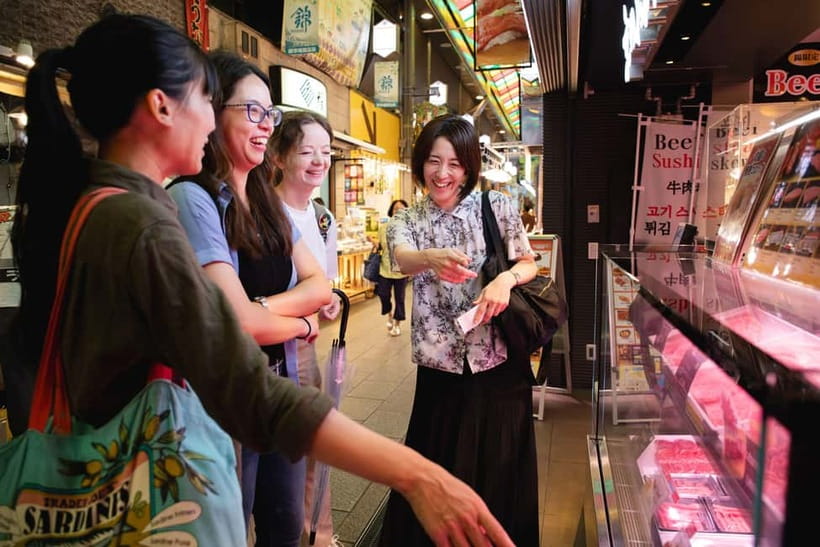
Nishiki Market is easiest to enjoy when someone else handles the choices. This 400-year-old food street has about 130 stalls, and a good guide can lead you past the obvious tourist snacks to yuba, obanzai, hamo tempura, wagyu steak, Kyoto seasonings, and other small tastes. I like the mix of eating and local stories, and I like the small group, limited to six people. The main catch is that this is a tasting walk, not a full meal, and dietary restrictions cannot be accommodated.
I also like how the route keeps going after the market. Nishiki-Tenmangu Shrine, Shinkyogoku Shopping Arcade, a quieter stop, and Teramachi Street give you a useful first look at central Kyoto. Meeting points vary by booking, so check yours carefully, and leave large bags behind since the narrow market lanes are not suited to luggage.
In This Review
- Key points before you book
- Why Nishiki Market works best with a guide
- Five tastings that show Kyoto beyond sushi
- The 90-minute market walk
- Nishiki-Tenmangu Shrine adds a change of pace
- Shinkyogoku and Teramachi: shopping after the food
- What the guide adds to the day
- Price, timing, and the real value
- The optional tea ceremony after the market
- Who should book this Kyoto food tour
- Practical tips for enjoying Nishiki Market
- Should you book the Nishiki Market food tour?
- FAQ
- How long does the Nishiki Market food tour last?
- How many people are in the group?
- What foods are included?
- Is the tour conducted in English?
- Is this a full meal?
- Can the tour accommodate dietary restrictions?
- Is the route suitable for wheelchair users?
- What should I bring?
- What is included in the tea ceremony option?
Key points before you book
- Five local food tastings: Expect yuba, obanzai home cooking, hamo tempura, wagyu steak skewers, and other selected samples.
- A small group of six or fewer: The format leaves room for questions and makes crowded market lanes easier to manage.
- A walking tour with several districts: The route combines Nishiki Market, a shrine, two shopping areas, and a lesser-known stop.
- English-speaking local guides: Guides such as Takuma, Ayu, Toshi, Saki, and Miho have helped visitors understand food, customs, and Kyoto life.
- Optional tea ceremony: A separate 90-minute experience includes kimono dressing, tea instruction, and time for photographs.
- Come ready to walk and sample: Comfortable shoes and rain gear are sensible. Wheelchair users and people with mobility limits should choose another activity.
Why Nishiki Market works best with a guide
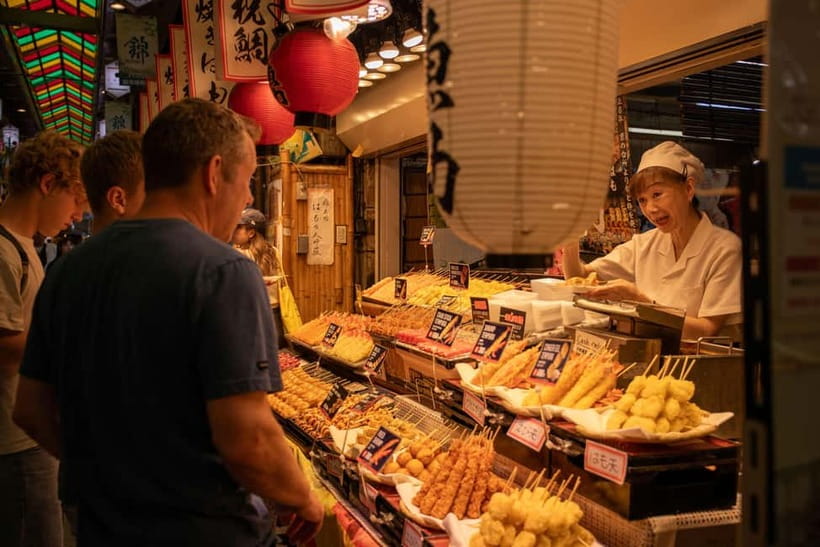
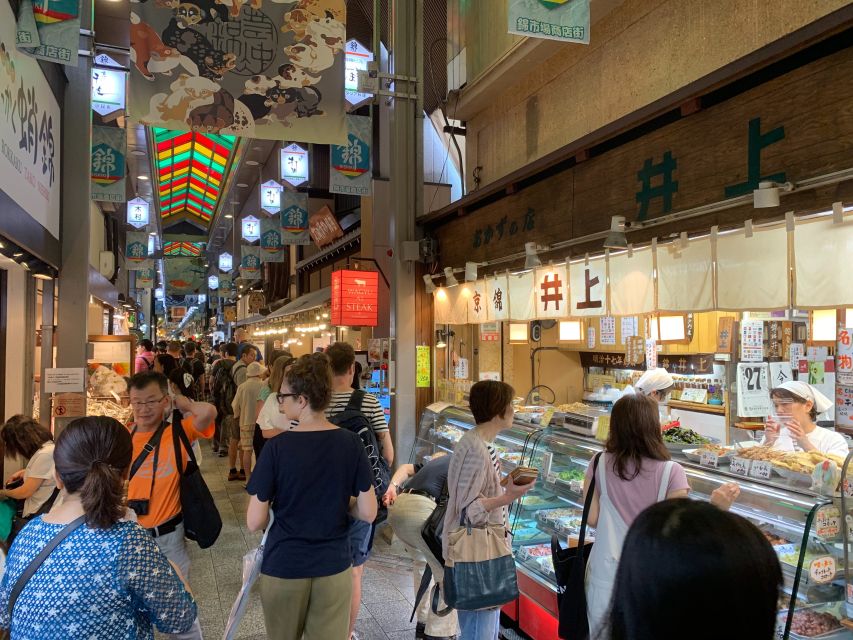
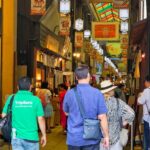
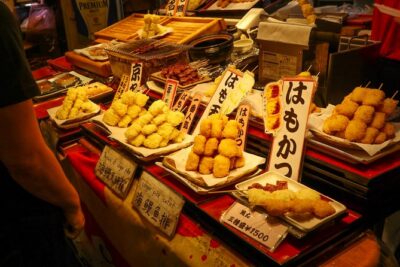
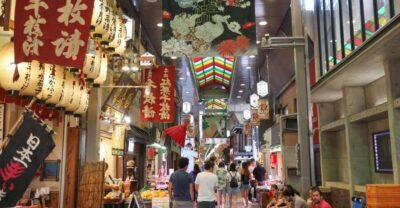
Nishiki Market is called Kyoto’s Kitchen for good reason. It runs through central Kyoto as a long shopping lane packed with food stalls and specialty shops, but it is not laid out like a simple food court. Some shops sell ingredients for home kitchens, some offer ready-to-eat samples, and others focus on sweets, pickles, seafood, tofu products, or seasonings.
That can make a first visit fun but confusing. You may see something appealing without knowing how it is prepared, when it is eaten, or how to order it. A local guide gives the food a setting and a story, then helps you taste without committing to a full serving at every stop.
The group size matters here. With no more than six participants, you can usually hear the guide and ask questions without turning the walk into a private tour price. Several guides, including Saki, Miho, and Takuma, have been praised for explaining dishes clearly and adjusting the pace to the people in the group.
You should still expect other shoppers around you. Nishiki is a working market as well as a sightseeing stop, and its lanes can feel tight. Keep your belongings close, avoid bringing a large suitcase, and be prepared to stand while eating. The tour is not designed for sitting down at every tasting.
A few more Kyoto tours and experiences worth a look
Five tastings that show Kyoto beyond sushi
The food selection is one of the strongest reasons to book this experience. The included items are not limited to one kind of snack. You get a small tour through Kyoto cooking, from tofu-based foods to meat and fried seafood.
Yuba is made from the thin skin that forms on the surface of simmering soy milk. It has a delicate texture and is closely tied to Kyoto’s vegetarian temple and home-cooking traditions. You might not choose it on your own, especially if you are more familiar with sushi or ramen, but it is exactly the sort of local food a guide can make easier to understand.
Obanzai refers to traditional Kyoto home cooking. It is usually associated with simple seasonal dishes rather than flashy restaurant presentation. Sampling obanzai gives you a better sense of everyday food culture than eating only the famous restaurant specialties.
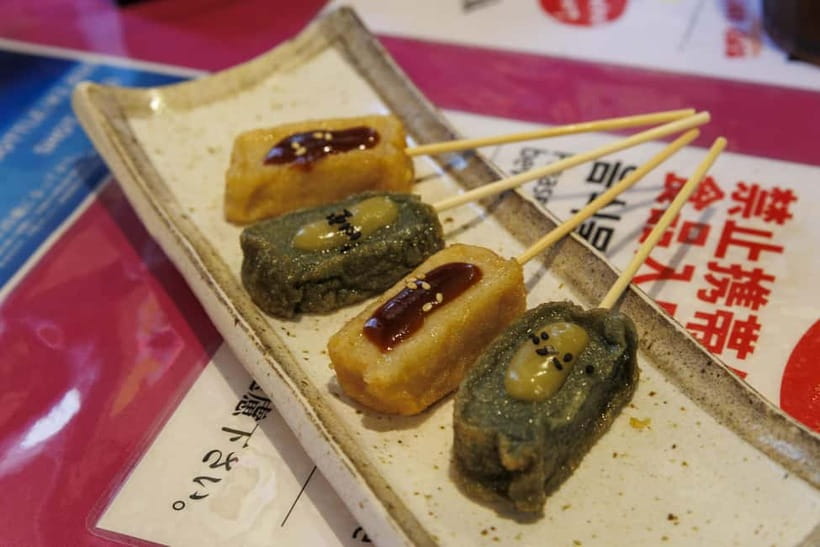
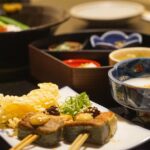
Hamo tempura is another useful introduction. Hamo, often translated as pike conger, has long been associated with Kyoto cooking. Prepared as tempura, it offers a crisp outside and a mild seafood taste. Several people singled it out as a memorable part of the experience.
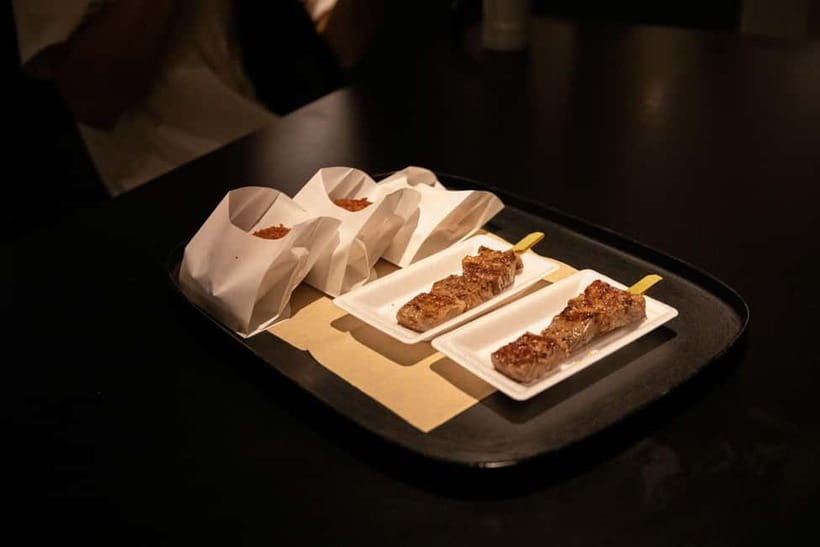
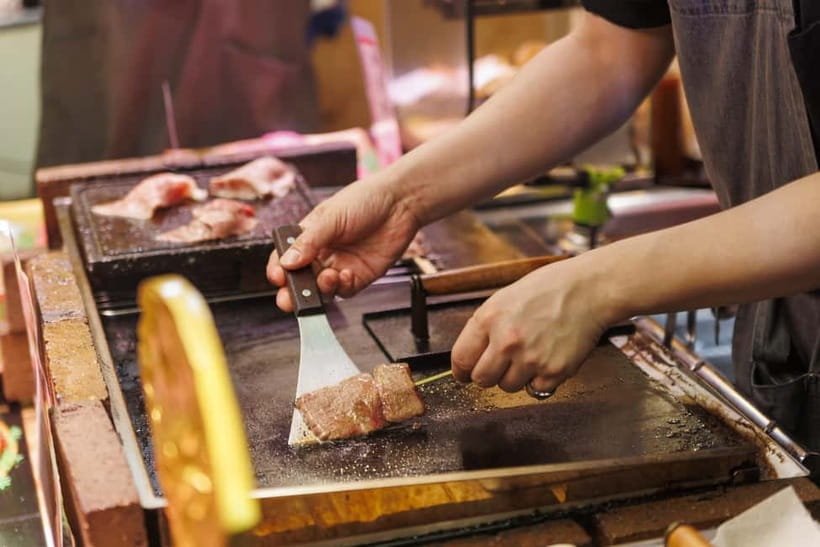
The tour also includes wagyu steak skewers, which provide a richer, more familiar bite. This is a good contrast to yuba and obanzai, since the tastings move between subtle, home-style flavors and indulgent street food.
Other samples may include Kyoto seasonings, crackers, Japanese-flavored honey, and similar small tastes. The exact selection can vary, since market stalls and seasonal foods change. That is useful to remember: you are paying for a guided set of samples, not a fixed restaurant menu.
The portions are intended for tasting. Older comments describe the food as plentiful enough that you may want only a light breakfast beforehand. I would not count on this replacing dinner, but it can take the place of a substantial lunch for many people.
The 90-minute market walk
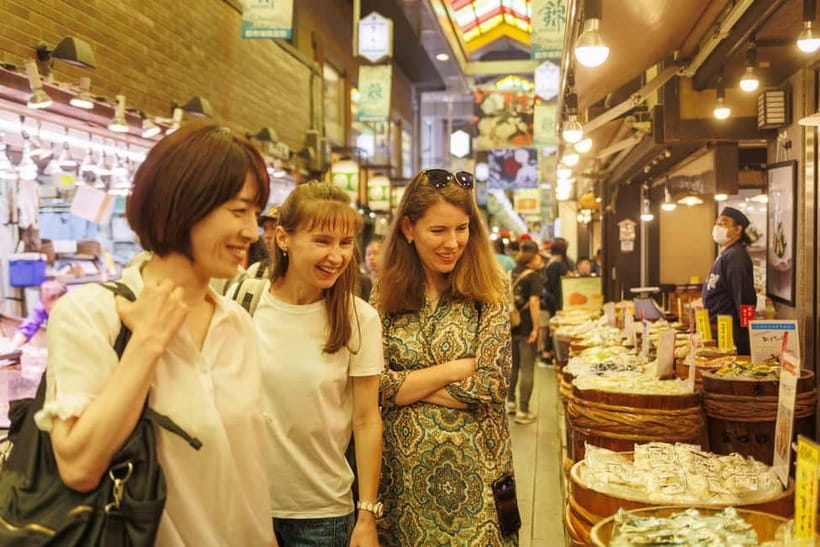
The Nishiki Market portion is scheduled for about 90 minutes. That is enough time to visit several shops without trying to cover every stall, which would be tiring and unrealistic.
Your guide leads the way, points out selected foods, and explains how the market fits into Kyoto life. The most useful part is often the translation of small details: what an ingredient is, how it is normally eaten, or why a particular item is associated with Kyoto.
The experience also helps you return later by yourself. After learning how the market works, you can come back with more confidence and make your own purchases. One especially useful pattern from the tour is the guide’s willingness to suggest foods you might otherwise pass over, including tofu skin and unfamiliar seafood preparations.
Do not expect a quiet or slow-paced food seminar. This is a walking tour through a public market. You will be moving between stalls, pausing for samples, and making room for other people. If you dislike crowds or prefer a long seated meal, this may not be the right food experience.
Nishiki-Tenmangu Shrine adds a change of pace
After the market, the route includes about 10 minutes at Nishiki-Tenmangu Shrine. This short stop gives your feet and palate a break, while adding a cultural layer to the outing.
The shrine visit is not a long formal tour, but guides use it to explain Japanese customs and local religious life. Several guides have also answered broader questions about shrines, temples, and Kyoto traditions during this part of the walk.
Ten minutes goes quickly, so keep your expectations in proportion. This is an introduction rather than a detailed shrine visit. If the shrine interests you, you can return later on your own, especially since the tour ends near central shopping areas.
Shinkyogoku and Teramachi: shopping after the food
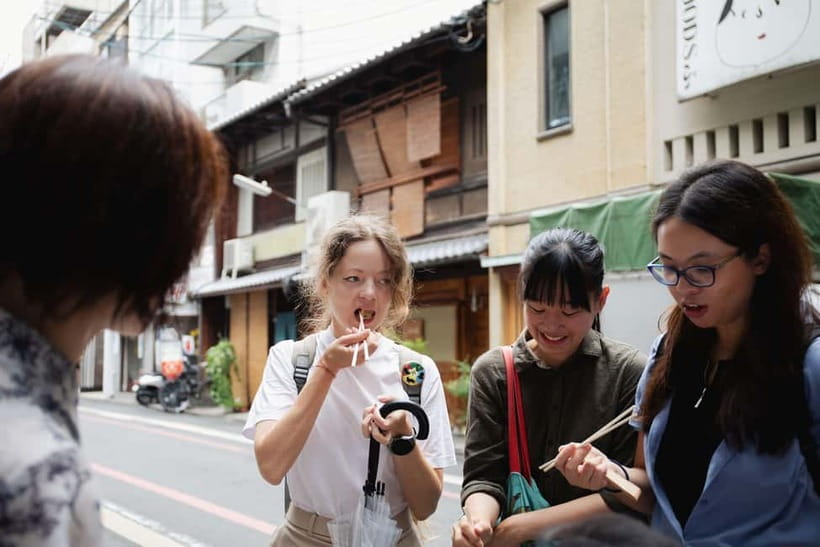
The itinerary then moves into Shinkyogoku Shopping Arcade for about 45 minutes. This is a different side of central Kyoto, with shops and sightseeing mixed into a covered commercial route. The change helps break up the food stops and gives you time to browse.
You may find souvenirs, small gifts, snacks, and everyday shopping here. The tour does not force you to buy anything, and the guide can help explain what you are seeing. Some people have enjoyed stopping to shop a little too much, so keep an eye on your bags and remaining time.
Next comes Teramachi Street Shopping District, scheduled for about 30 minutes. Together, Shinkyogoku and Teramachi show how Kyoto’s central shopping streets connect food, local commerce, and visitor interests.
The itinerary also includes a 10-minute stop described as a quieter or less obvious point along the route. The exact character of this stop is not specified, so I would treat it as a brief guide-led discovery rather than a major landmark. Its value is in seeing more than the market’s main lane.
A few more Kyoto tours and experiences worth a look
What the guide adds to the day
The strongest part of this activity is the person leading it. The company uses different guides, so your exact experience depends partly on who is assigned. Names that appear repeatedly in the supplied information include Ayu, Takuma, Toshi, Saki, Miho, Annie, Yume, Satomi, and Nao.
The useful qualities are clear from the descriptions of those guides. Ayu has been praised for combining food stops with cultural background. Takuma has helped families with children and encouraged them to try unfamiliar dishes. Saki has been noted for finding foods that matched participants’ tastes while also explaining the market and nearby shrines.
Miho’s calm manner was particularly helpful in crowded lanes, while Toshi has been described as friendly, patient, and good at explaining dishes. Annie has been praised as a gentle teacher who encouraged new tastes without pressure.
That personal element matters because Nishiki can overwhelm you at first. A guide can answer the questions that signs do not, keep the group moving, and point out food you might miss. Guides have also offered suggestions for things to do later in Kyoto, though this should be treated as a pleasant extra rather than a formal trip-planning service.
The small-group limit of six makes conversation much easier than on a large coach tour. Some bookings may feel nearly private if few people reserve the same time. You should not assume a private tour, but the format gives you a fair chance to ask about food, shrines, customs, and the rest of your Kyoto plans.
Price, timing, and the real value
At $78 per person, this is not the cheapest way to browse Nishiki Market. You could walk through the area without paying a guide fee and buy individual snacks as you go.
The value comes from the combination of five included specialties, English guidance, cultural explanation, and a route that continues beyond the market. If you would feel unsure ordering unfamiliar foods, the guide’s help may justify the cost. You also save the time and guesswork involved in choosing several stalls.
The published duration is described as three hours, with the activity information also giving 270 minutes. Past experiences have sometimes lasted around three and a half hours or longer, but you should plan around the stated maximum of 270 minutes rather than assume extra time.
The start point can be one of three locations around Shijo Street, and the end can be at one of three central drop-off points, including the starting area, Nishiki Orizuruya, or Kyoto Takashimaya S.C. Check the exact option you book because the meeting location may change.
Cancellation is free up to 24 hours before the activity for a full refund, and you can reserve now and pay later. Those terms are helpful if your Kyoto schedule is still shifting.
The optional tea ceremony after the market
Some bookings add a tea ceremony after the food tour. This is not held as part of the market walk. The tea ceremony begins at 2:00 PM, and you must make your own way to the venue near Nishiki Market.
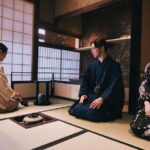
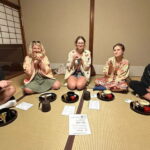
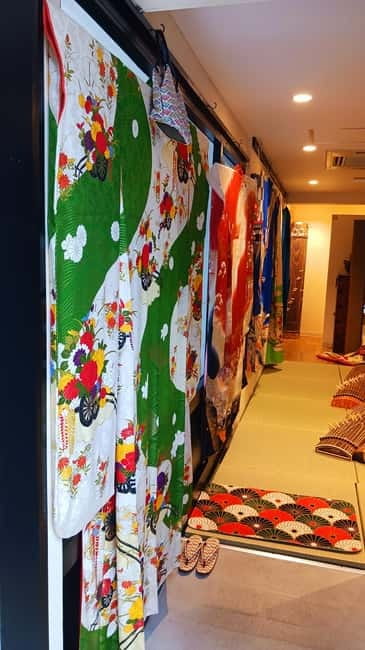
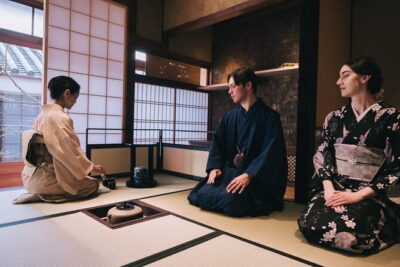
The session lasts 90 minutes. It begins with professional kimono dressing, followed by a traditional tea ceremony led by a tea master. You learn the meaning behind the movements and gestures, then have time for commemorative photographs in a traditional setting.
This option suits you if you want a more structured cultural activity after the informal market walk. It also creates a long food-and-culture block, so check the timing before adding it to a busy sightseeing day.
Choose the tea ceremony option when booking. It is not something you can simply expect to join after purchasing the standard market tour.
Who should book this Kyoto food tour
I would recommend this experience most strongly for first-time visitors, solo visitors, couples, families with older children, and anyone who wants an easy introduction to Japanese food.
It works especially well early in your Kyoto stay. You can learn the names of ingredients, see how a central market operates, and gather ideas for later meals. Families have found the format suitable for children, including an 11-year-old who enjoyed trying new foods, though young children still need to manage the walking and market crowds.
Solo visitors also gain something from the small group. The guide gives you company without requiring the expense of a private tour, and the food format makes conversation natural.
This is less suitable if you need vegetarian, halal, kosher, gluten-free, or allergy-safe food. The operator says dietary restrictions cannot be accommodated, so do not book it hoping the guide can simply swap dishes at each stop.
It is also not suitable for wheelchair users or people with mobility impairments. The route is a group walking tour through market lanes, shopping arcades, streets, and shrine areas. Wear comfortable shoes and bring rain gear, but do not bring luggage or a large bag.
Practical tips for enjoying Nishiki Market
Eat lightly before you arrive. Five tastings plus extra samples can add up, and you want room to try foods rather than rush through them.
Ask questions. The guides are there to explain not just what is on the plate, but how food connects to Kyoto customs and daily life. If you have a preference for seafood, tofu, meat, or sweets, mention it early, even though the tour cannot accommodate formal dietary restrictions.
Keep your purchases manageable. Shinkyogoku and Teramachi offer plenty of chances to shop, but carrying large bags through the rest of the walk is awkward.
Plan your afternoon around the finish. The central drop-off points put you near more shopping and sightseeing, while the tea ceremony option begins at a fixed time. Leave room in your schedule instead of booking a distant attraction immediately afterward.
Finally, check the meeting point twice. One person had trouble finding the correct location, although the guide waited. That is a good reminder to arrive early and use the precise starting point shown for your chosen option.
Should you book the Nishiki Market food tour?
Book it if you want more than a walk through food stalls. The best reason to go is the chance to taste foods such as yuba, obanzai, hamo tempura, and wagyu while someone explains what makes them part of Kyoto cooking.
Skip it if you are comfortable choosing everything yourself, need strict dietary control, or want a full restaurant meal. For most first-time visitors who enjoy small bites, local stories, and a manageable walking route, $78 is a fair price for the guidance and included tastings. Add the tea ceremony only if you want a separate 90-minute cultural activity and can reach the venue near Nishiki Market by 2:00 PM.
FAQ
How long does the Nishiki Market food tour last?
The activity is described as three hours, with the duration also listed as up to 270 minutes. Plan for as much as four and a half hours when organizing the rest of your day.
How many people are in the group?
The tour is limited to six participants, making it a small-group walking experience.
What foods are included?
The included tastings feature yuba, obanzai local home cooking, hamo tempura, wagyu steak skewers, and other selected foods. Additional samples may include Kyoto seasonings, crackers, and Japanese-flavored honey.
Is the tour conducted in English?
Yes. The tour includes a live English-speaking guide.
Is this a full meal?
No. It is a tasting walk with several food samples rather than a sit-down meal. The amount may be enough for a light lunch, but you should not treat it as a formal restaurant meal.
Can the tour accommodate dietary restrictions?
No. The operator cannot accommodate vegetarian, halal, kosher, gluten-free, or allergy-related requests.
Is the route suitable for wheelchair users?
No. The experience is not suitable for wheelchair users or people with mobility impairments.
What should I bring?
Wear comfortable shoes and bring rain gear. Do not bring pets, luggage, or large bags.
What is included in the tea ceremony option?
The optional 90-minute tea ceremony includes professional kimono dressing, instruction from a tea master, an explanation of the ceremony’s movements and gestures, and time for commemorative photographs. It begins at 2:00 PM at a venue near Nishiki Market, and you must travel there yourself.
More Shopping Tours in Kyoto
More Food Experiences in Kyoto
More Nishiki Market Tours in Kyoto
More tours in Kyoto we've reviewed



Nishiki Market Tours, compared.
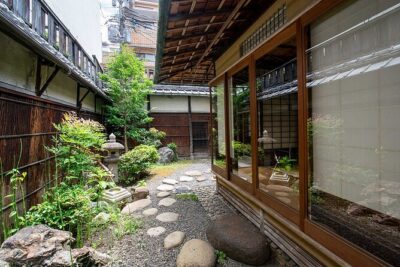
 ★ 5.0Nishiki Market Brunch Walking Tour (7 Tastings + Brunch)From $68
 ★ 5.0Kimono Tea Ceremony at Kyoto Maikoya, NISHIKIFrom $65
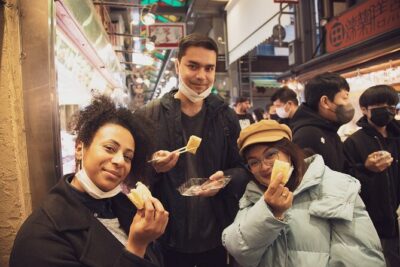 ★ 5.0Kyoto Nishiki Market Food and Culture Walking TourFrom $80
 ★ 4.8Kyoto: Nishiki Market Tea Ceremony with Koto PerformanceFrom $561 hour
 ★ 4.8Kyoto: Nishiki Market Brunch Walking Tour-7 Tastings+BrunchFrom $663 hours
 ★ 5.0Kimono Tea Ceremony Experience at Kyoto Oritzuruya, NishikiFrom $50