
Reviewed · GION & GEISHA WALKS
Kyoto: Gion Morning/Night Walking Tour
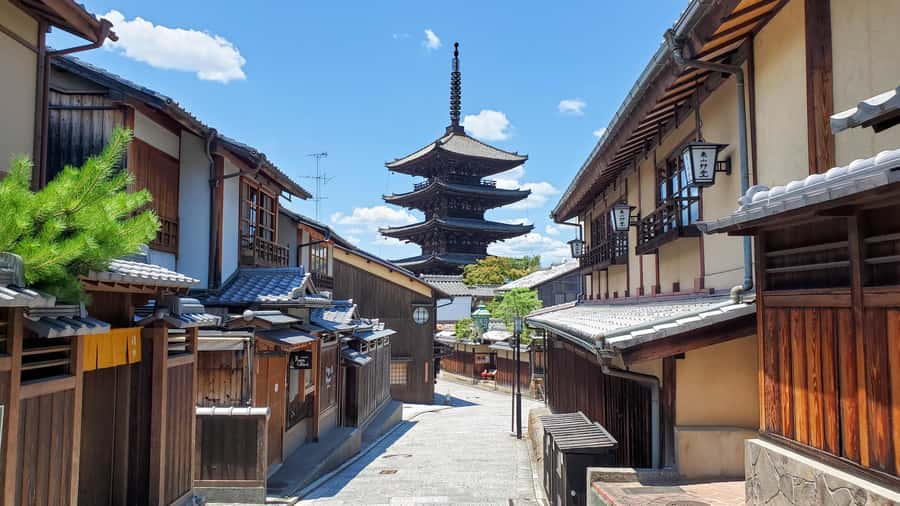
Gion is at its best when the streets are quiet. This walking tour takes you past traditional wooden houses and tea houses, with a local guide explaining how the district developed and how its customs still shape Kyoto today. Choose a morning outing for calm streets, or go at night for a more atmospheric walk.
I like the peaceful early start and the chance to see Gion on foot rather than from a passing bus. I also like that guides such as Kimu have adapted the route to personal interests, including lesser-known spots and seasonal sights such as early cherry blossoms.
The main drawback is simple: you are not promised a geisha sighting, and one participant found the English explanations hard to follow. This tour is best for cultural context and street-level atmosphere, not celebrity spotting or formal attraction entries.
In This Review
- Key points to know before booking
- Why a quiet walk reveals more of Gion
- Morning streets before Kyoto wakes up
- A nighttime Gion with a different mood
- Traditional houses, tea houses, and the stories between them
- What the $40 price really buys you
- How to prepare for the walk
- Who will get the most from this Gion tour
- Meeting point, inclusions, and practical limits
- Should you book this Gion walk?
- FAQ
- Where does the tour begin?
- Where does the tour end?
- Is the tour offered in English?
- Can I choose a morning or nighttime walk?
- Is hotel pickup included?
- Are meals and drinks included?
- Are entrance fees included?
- What should I bring?
- Can I cancel for a full refund?
Key points to know before booking
- Morning Gion is the quietest choice: You can walk before the crowds arrive and take in the lanes at an easier pace.
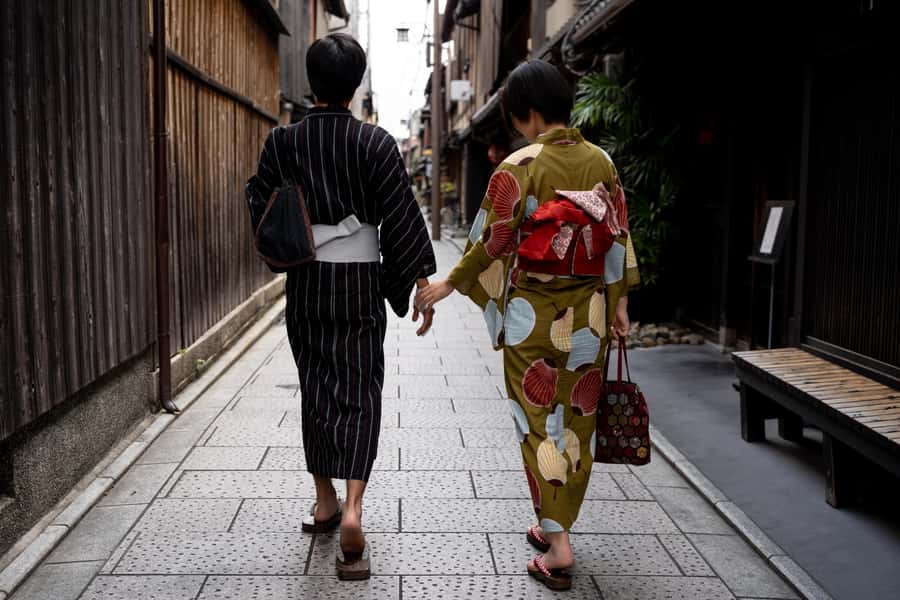
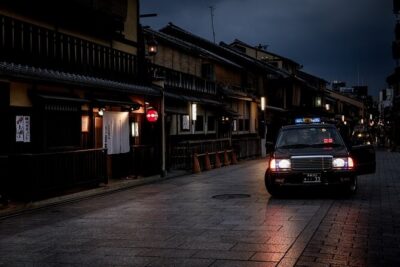
- Night adds atmosphere: Rainy streets, wooden facades, and softly lit lanes can make the district feel especially memorable.
- The tour stays outdoors: Expect a guided walk rather than meals, indoor attraction visits, or hotel transportation.
- Kimu has tailored the route: One particularly strong experience included a personal itinerary and stories about lesser-known places.
- Geisha sightings are not part of the deal: Gion is associated with geisha culture, but the tour cannot guarantee that you will see one.
- Bring the basics: Comfortable shoes, water, a camera, and clothing for changing weather will serve you well.
Why a quiet walk reveals more of Gion
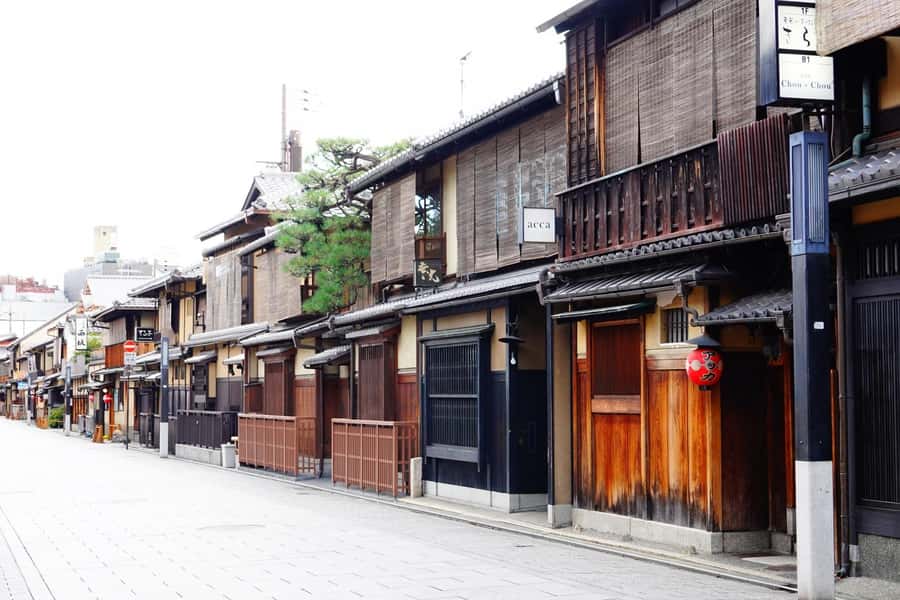
Gion is not one single attraction with a gate and a ticket. It is a historic Kyoto district made up of narrow streets, traditional houses, tea houses, and places where local customs continue. That makes a guided walk useful. The details are easy to miss when you simply wander, especially if you do not know which buildings and lanes matter.
The tour begins at Exit 4, where you meet your English-speaking guide on the ground. From there, you set off on foot and return to the same meeting point at the end. Hotel pickup is not included, so you will need to make your own way to the start.
I like this simple arrangement because it keeps the focus on Gion itself. You are not spending part of the morning in a vehicle or waiting for a transfer. The tradeoff is that you need to arrive at the meeting point on time and be ready to walk from the first minute.
The exact duration and group size are not provided, so I would not plan another tightly scheduled activity immediately afterward. Give yourself room for a relaxed walk and for the practical delays that can come with meeting a guide in a busy city.
A few more Kyoto tours and experiences worth a look

Morning streets before Kyoto wakes up
The morning option is the clearest choice if you want quiet. The tour is designed to reach Gion before the main crowds arrive, when the streets can feel more peaceful and the traditional architecture is easier to appreciate without constant foot traffic.
You will walk through the district’s narrow lanes and see wooden houses and tea houses from the outside. These buildings are part of what gives Gion its distinctive character. Their restrained appearance can be easy to overlook, but a guide can explain how the streets and buildings connect to local culture and the district’s past.
This is not a museum tour. You will not be entering a list of formal attractions, and no entrance fees are included. Instead, the value comes from seeing the district in place, hearing the stories behind the streets, and understanding why ordinary-looking details matter.
I would choose the morning tour if you enjoy photography, architecture, or unhurried walks. Early light can also make the wooden facades and quiet lanes easier to photograph. Bring water, even if the weather feels mild, and wear shoes that can handle an extended walk over city streets.
The morning visit can also suit first-time visitors who want to get their bearings in Gion. You will see the area with a guide before returning later on your own, perhaps at a busier time when the mood is different.
A nighttime Gion with a different mood
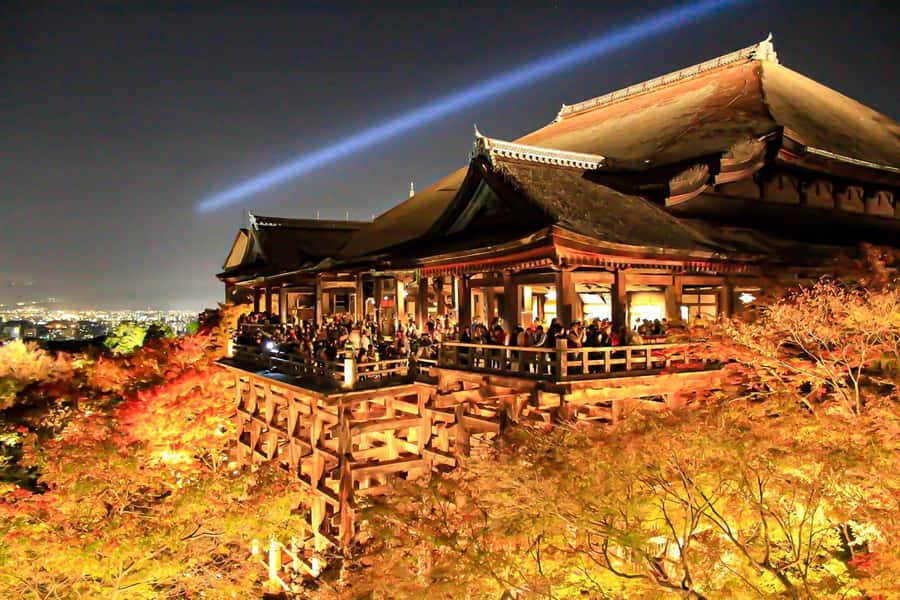
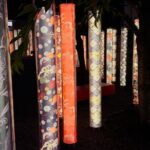
The nighttime option offers a separate experience rather than simply a later version of the morning walk. Gion’s wooden houses and tea houses take on a more intimate feel after dark, and the reduced light draws attention to the shape of the streets and the character of the buildings.
One guide, Kimu, received especially warm praise for being polite, flexible, and willing to adapt the walk to personal needs. That flexibility matters in Gion, where you may prefer extra time for photographs, more cultural explanation, or a route focused on particular streets.
Rain can even become part of the appeal. A walk in wet weather may produce striking photographs of reflections and dark timber, although you should not book the evening option expecting ideal conditions. Bring suitable clothing and be ready for changing weather, as the tour operates outdoors.
Nighttime Gion is also the better pick if you want atmosphere more than broad daylight detail. You may find the district feels more mysterious after sunset, but the lower light can make architecture and photographs harder to see clearly. If you want the strongest chance to study the wooden facades, morning is the safer choice.
The tour does not promise a geisha encounter. Gion is closely linked with geisha culture, but people connected with that tradition are not a scheduled part of the route. I would book this for the district’s streets and cultural setting, not for a sighting.
Traditional houses, tea houses, and the stories between them
The central pleasure here is the walk itself. You move through narrow streets lined with traditional wooden buildings, while the guide explains the area’s history and local customs. That combination gives you more than a photo stop. It helps you read the district.
A wooden facade may look like a charming backdrop, but it also points to the way Gion has long been organized around hospitality and tea houses. The guide’s role is to supply the context that a casual stroll lacks. You can ask questions as you go rather than trying to reconstruct the meaning later from a guidebook.
The strongest version of this experience seems to be a route that responds to your interests. Andrew’s morning walk followed a personal itinerary and included stories about lesser-known places, along with early cherry blossoms. That suggests you should tell your guide what you care about at the beginning, whether it is photography, architecture, local customs, or seasonal details.
Do not expect a full lecture at every corner. The tour is a walking introduction, not an academic course. One participant found that not everything was easy to understand and felt the information was limited. If precise English explanations are especially important to you, listen carefully at the start and ask your guide to repeat or clarify points.
That small effort can make a big difference. Gion rewards attention, and a personal question may lead to a more useful explanation than a standard speech.
What the $40 price really buys you
At $40 per person, this is not the cheapest way to walk through Gion. You can visit the district without paying for a guide, and the tour does not include food, drinks, hotel transfers, or admission to specific attractions.
The price makes more sense if you place a value on local explanation and a quieter route. You are paying for an English-speaking guide who can point out cultural details, answer questions, and help you use your limited time well. The morning access before heavier crowds adds value for people who care about atmosphere and photography.
I would consider the price fair for a visitor who wants a focused introduction to Gion and does not feel comfortable exploring the traditional lanes alone. It is less compelling for confident walkers who already know the district’s history or who only want to take a few photographs.
The flexible route is another factor. A guide who can respond to your interests may give you more value than a rigid checklist, especially if you have already seen Kyoto’s major temples and want local stories instead. Still, the experience is short on included extras. You should think of it as paying for guiding, not for transportation or admissions.
The reserve-now, pay-later option can help if your Kyoto plans are still taking shape. You can cancel up to 24 hours ahead for a full refund, while a last-minute booking might be canceled. That makes early planning sensible, particularly if you want the morning departure.
A few more Kyoto tours and experiences worth a look



How to prepare for the walk
This is an outdoor walking activity, so preparation is basic but important. Wear comfortable walking shoes. Gion’s narrow streets are pleasant to explore, but unsuitable footwear can quickly turn a good cultural outing into a tiring one.
Carry water and a camera. The quiet morning lanes, traditional facades, seasonal flowers, and nighttime light can all reward a camera, although weather may affect what you capture.
Dress for changing conditions. The instructions specifically ask you to be ready for varying weather, and the rainy nighttime experience shows why that advice matters. A light rain layer can be more useful than assuming Kyoto will stay dry.
Smoking is not allowed during the activity. You should also treat the district as a living neighborhood, not a stage set. Respect local customs and traditions, keep your voice considerate, and avoid treating private houses or people as photo props.
The tour is offered in English. No other language is listed, so English comprehension is important. If you want detailed historical information, stay close to the guide and ask questions when something is unclear.
Who will get the most from this Gion tour
I would recommend the morning walk to first-time Kyoto visitors, photographers, architecture fans, and anyone who dislikes fighting through crowds. It is also a good introduction for people who want to return to Gion later with a better sense of place.
The nighttime tour is a better fit if you care about mood, photography, and the district after dark. Kimu’s reported flexibility makes the experience particularly appealing if you have a personal list of interests or want the walk adjusted around your priorities.
Families and older visitors should think about the walking demands before booking, since the tour is entirely on foot and no mobility details are provided. Comfortable shoes and water are essential for everyone.
I would not choose this activity if your main goal is a guaranteed geisha sighting, a meal, or entry to a major attraction. None of those are included. I would also hesitate if you need a highly detailed lecture and are uncomfortable asking for clarification in English.
Meeting point, inclusions, and practical limits
Meet your guide at Exit 4 on the ground. The tour ends back at that same meeting point, which makes the return straightforward, but you must arrange your own transportation to and from Gion.
Included are the guided walking tour, the local English-speaking guide, and exclusive morning access as described for the morning option. Meals and drinks are not included, so eat beforehand or plan food separately.
There is no hotel pickup or drop-off. Entrance fees to specific attractions are also not included, though the stated experience centers on walking through Gion’s streets rather than visiting named indoor sites.
The provider is Jacalize Co., Ltd. A last-minute booking may be canceled, so avoid leaving this until the final hours if the tour is important to your schedule.
Should you book this Gion walk?
Book it if you want Gion explained as a neighborhood rather than consumed as a quick photo stop. The quiet morning timing, traditional houses, tea houses, and chance to shape the walk around your interests give the experience real value.
Choose the evening if atmosphere matters most, and choose morning if you want calmer streets and clearer views of the architecture. Keep your expectations realistic: there is no guaranteed geisha sighting, no meal, no hotel transfer, and no listed attraction admission.
At $40, I see this as a sensible introduction for curious first-time visitors and a useful refresher for returning visitors who want local stories. If you already know Gion well and prefer to wander independently, save the money. For everyone else, especially those who can make good use of a flexible guide, this is a practical way to meet Kyoto’s traditional side on foot.
FAQ
Where does the tour begin?
Meet your guide at Exit 4 on the ground.
Where does the tour end?
The activity ends back at the meeting point.
Is the tour offered in English?
Yes. English is the listed tour language.
Can I choose a morning or nighttime walk?
Yes. The experience is offered as a morning or nighttime walking tour.
Is hotel pickup included?
No. Hotel pickup and drop-off are not included.
Are meals and drinks included?
No. Meals and drinks are not included.
Are entrance fees included?
No. Entrance fees to specific attractions are not included.
What should I bring?
Bring comfortable walking shoes, water, and a camera. You should also prepare for varying weather conditions.
Can I cancel for a full refund?
Yes. You can cancel up to 24 hours in advance for a full refund.
More Walking Tours in Kyoto


More Night Walks & Ghost Tours in Kyoto
More Gion & Geisha Walks in Kyoto
More tours in Kyoto we've reviewed








Gion & Geisha Walks, compared.
 ★ 4.7Kyoto Geisha Walking Tour: Gion District & Hidden GemsFrom $252 hours
 ★ 4.7Kyoto: Gion Geisha District Walking Tour – Stories of GeishaFrom $202 hours
 ★ 4.9Best of Kyoto: Gion, Geisha, Pagodas & CobblestonesFrom $242 hours
 ★ 4.5Night Walk in Gion: Kyoto’s Geisha DistrictFrom $211h 40m
 ★ 5.0Kyoto Night Foodie Tour in Gion (9+ dishes + 6 Sake tastings)From $163
 ★ 5.0Kyoto Gion Geisha District Walking Tour – The Stories of GeishaFrom $25