
Reviewed · GION & GEISHA WALKS
Kyoto: Walking tour Kiyomizu, Geisha District with a Local
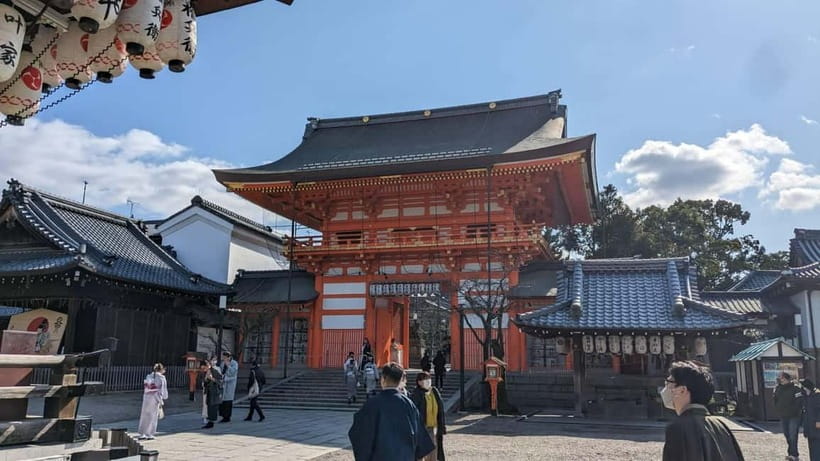
Kyoto’s Kiyomizu and Gion districts are best understood on foot, where a narrow lane can reveal more than a major road. This tour pairs Kiyomizu Temple with the geisha district, quiet streets, local customs, and stories about Kyoto life that are easy to miss when you explore alone.
I like the local guide perspective, especially since the guide grew up in Kyoto and can explain customs in plain English. I also like the useful extras: temple admission, a photo shoot, and an omikuji fortune slip are included in the $40 price.
The main caution is the route itself. Steep slopes and stairs make this a poor choice if you have trouble walking, a low fitness level, use a wheelchair, or have certain respiratory or altitude-related health concerns. The tour is also not recommended for people over 80.
In This Review
- Key points to know before booking
- Starting at Shijo Bridge with a clear meeting point
- Walking Kyoto’s quieter streets toward Kiyomizu
- What makes Kiyomizu Temple worth the effort
- Understanding Kyoto’s geisha district and Gion
- A guide who makes questions part of the tour
- The photo opportunities and what they add
- Is $40 a fair price in Kyoto?
- Who will enjoy this walk most?
- Practical advice for a smoother outing
- Should you book this Kiyomizu and Gion tour?
- FAQ
- Where does the tour begin?
- Where does the activity end?
- Is Kiyomizu Temple admission included?
- Is the tour offered in English?
- Does the tour include a photo shoot?
- Is an omikuji fortune slip included?
- How much does the tour cost?
- Is the tour suitable for wheelchair users?
- Can I cancel for a full refund?
Key points to know before booking
- Kiyomizu Temple entry is included, so you do not need to arrange that separately.
- Gion and geisha culture receive real attention, not just a quick walk past traditional-looking buildings.
- Quiet backstreets replace much of the main-road walking, giving the outing a calmer feel.
- Naoya-san and Nagoaya-san are named guides connected with this experience, with a friendly, easy-to-follow style.
- An omikuji fortune slip and photo shoot are included, useful touches for a first Kyoto visit.
- The tour starts and ends near Shijo Bridge, with a red flag marking the meeting point.
Starting at Shijo Bridge with a clear meeting point
Your walk begins on the southeast side of Shijo Bridge, where a guide holding a red flag waits for you. That is a practical meeting arrangement in a busy part of Kyoto, but you should still allow a little time to find the correct side of the bridge and the guide.
The activity returns to this same meeting point. That makes planning easier if you have dinner, shopping, or another booking afterward, although no tour duration is provided. I would avoid scheduling anything that requires a precise arrival time until you know how long your walk will take.
The guide speaks English. Since the tour is built around questions and explanations, this is more than a simple follow-the-guide stroll. At each location, you have a chance to ask about Japanese culture, Kyoto customs, temples, and geisha life.
A few more Kyoto tours and experiences worth a look
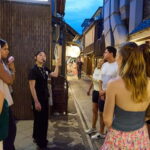

Walking Kyoto’s quieter streets toward Kiyomizu
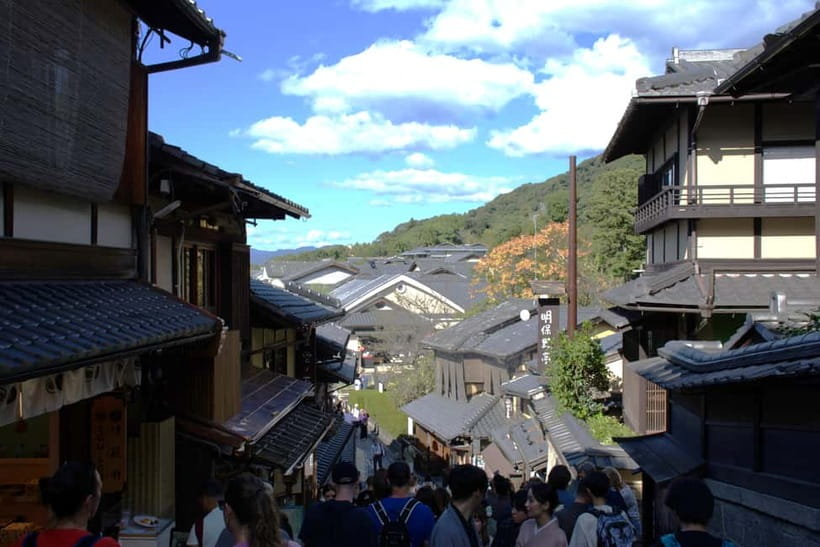
One of the best choices here is the effort to avoid the main roads. Kyoto can feel crowded and noisy on its larger routes, while side streets offer a more comfortable pace and a closer look at the city’s older character.
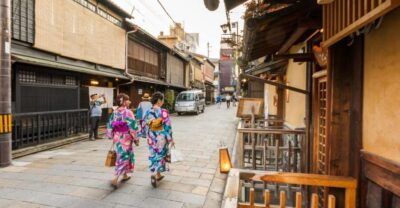
You will walk through historic parts of Kyoto rather than simply being delivered from one photo stop to the next. The appeal is not only the destination. It is the change in mood as the streets narrow, the pace slows, and the guide points out details you might otherwise pass without notice.
That said, quiet lanes do not mean easy walking. The tour includes slopes and stairs, particularly around Kiyomizu Temple. Comfortable shoes are essential, and this is not the time for fashion footwear with little support.
The route may suit you if you enjoy walking tours and can manage hills without frequent assistance. It is not a good fit if walking uphill, climbing stairs, or remaining on your feet for an extended outing is difficult.
What makes Kiyomizu Temple worth the effort
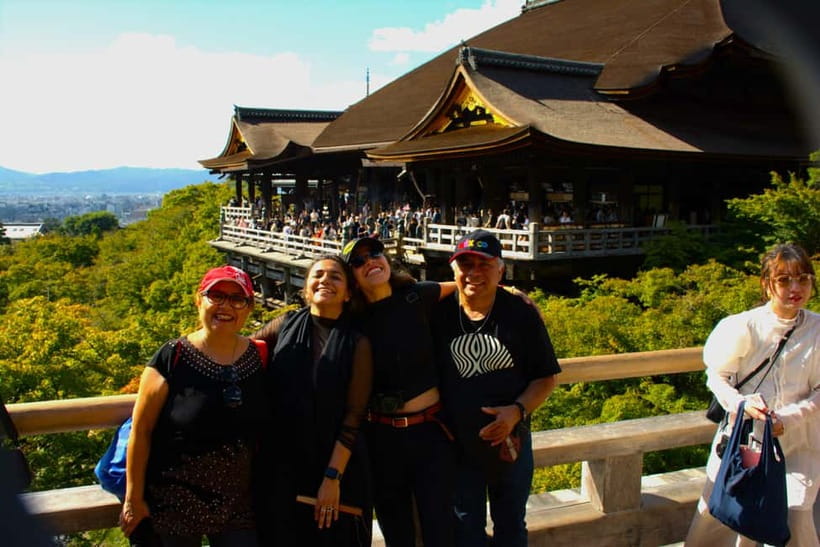
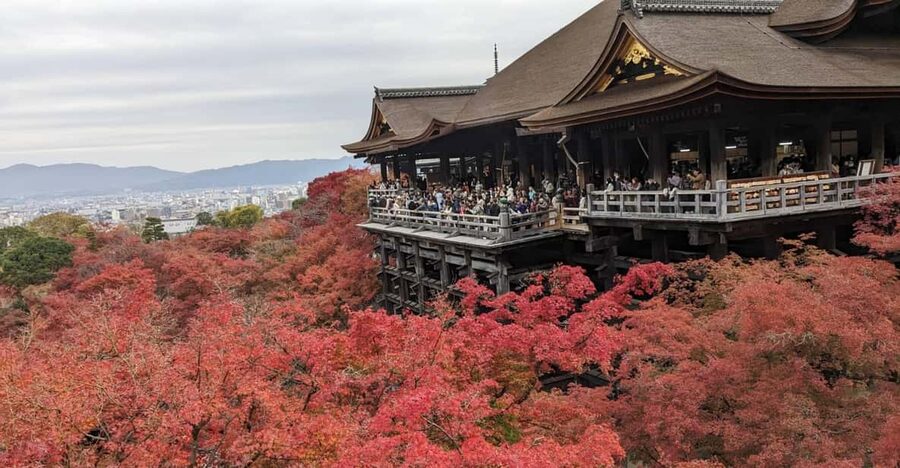
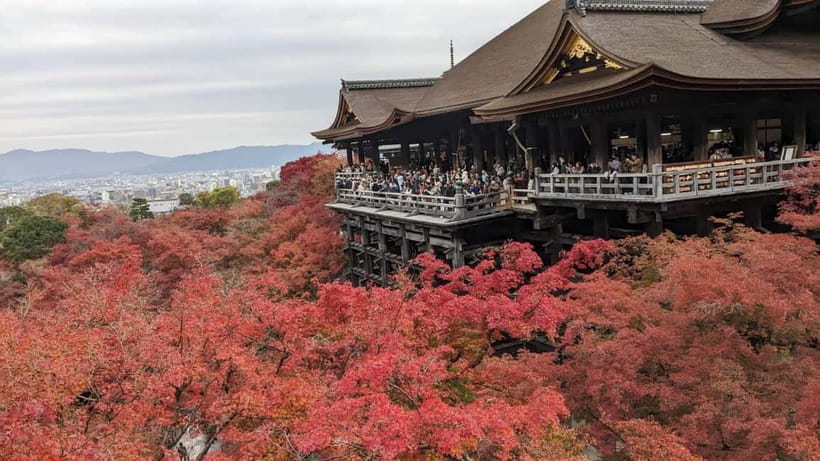
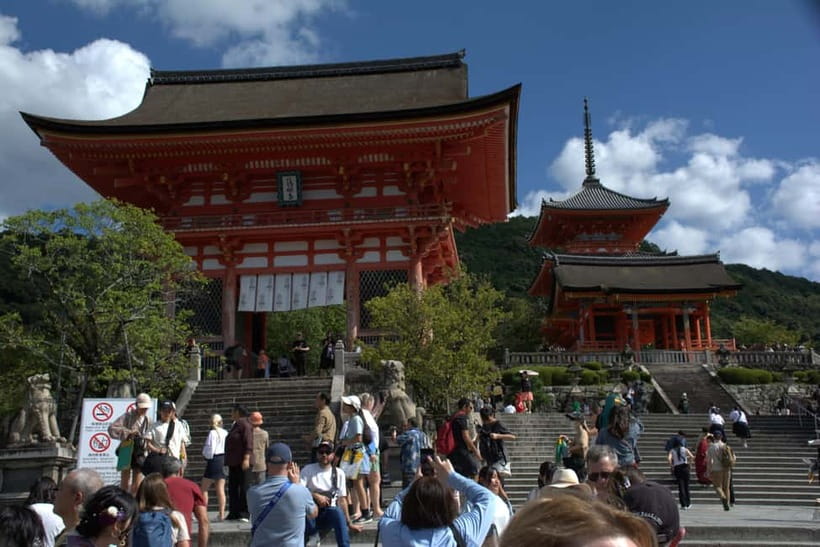
Kiyomizu Temple is the main historical anchor of the experience. It is described as one of Japan’s most important temples, and the guide provides detailed explanations about its significance rather than leaving you to look at the buildings without context.
The value of a guide becomes clear at a place like this. A temple can be beautiful at first glance, but its customs, layout, and religious meaning are not always obvious. The guide can explain what you are seeing, answer questions, and connect the site to wider Japanese culture.
Temple admission is included in the price. That matters because the $40 fee is not only paying for the walk and commentary. You also receive entry to Kiyomizu Temple, an omikuji fortune slip, and a photo shoot.
The temple setting also offers strong photo opportunities, though the exact photo-shoot format is not specified. You should expect help capturing memorable images, but do not assume a professional portrait session, edited photographs, or a particular number of pictures unless the provider confirms those details.
An omikuji is a traditional fortune slip. Receiving one adds a small cultural moment to the visit, especially if you have never tried it before. The guide can help place the practice in context, and the fortune slip gives you a personal keepsake without adding another cost.
Understanding Kyoto’s geisha district and Gion
Gion is not simply a photogenic quarter of old wooden buildings. It is also a place connected with geisha culture, local etiquette, performance traditions, and a working community. The tour promises detailed information about geisha history and culture, which is one of its strongest reasons to book.
A guide can help you approach this subject with more respect. You will hear about customs and traditions rather than treating the district as a stage set. That distinction matters in Gion, where visitors should be mindful of privacy and local rules.
The route includes the shopping area and Gion, according to the experience description. This gives you a mix of cultural sights and everyday Kyoto activity. You might find the shopping streets more active than the quieter lanes, but that contrast helps show how the district functions beyond its famous image.
The tour does not promise entry into a geisha house, a performance, or a meeting with geisha. Those are important limits to understand before booking. The focus is walking, explanation, cultural context, and photography.
A guide who makes questions part of the tour
The guides connected with this experience include Naoya-san and Nagoaya-san. The available feedback points to explanations that are easy to follow and a friendly, fun approach, which is especially useful when discussing unfamiliar customs.
I appreciate the planned question-and-answer time at each location. Many walking tours give you a quick speech and move on. Here, you are encouraged to ask about the detail that caught your attention, whether that concerns temple practice, Kyoto manners, or geisha culture.
The guide also shares recommended places in Kyoto. That can be useful early in your stay, when you are still deciding where to eat, shop, or continue exploring. Keep in mind that no specific recommendations are listed in advance, so you should ask directly during the tour and take notes if something sounds useful.
The local background is another advantage. A guide who grew up in Kyoto can offer a personal view of the city, though you should still see this as one person’s perspective rather than a complete account of every Kyoto tradition.
A few more Kyoto tours and experiences worth a look
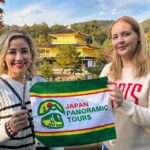
The photo opportunities and what they add
Photography is built into the experience, not treated as an afterthought. Kiyomizu, Gion, the temple grounds, and historic streets all provide settings for memorable pictures.
The photo shoot may be particularly helpful if you are traveling alone or if your group is tired of taking turns behind the camera. It also gives the guide a chance to suggest a better position or frame, though the exact service is not explained.
I would bring a phone or camera with enough storage and battery. That is ordinary walking-tour advice, not a promise about the equipment provided. The experience includes a photo shoot, but it does not state that cameras, professional photographers, prints, or edited files are supplied.
Do not let photography distract you from the cultural explanation. The tour’s greater value lies in learning how to read the places you are photographing. A good picture is a souvenir. Understanding why the place matters is what gives it lasting interest.
Is $40 a fair price in Kyoto?
At $40 per person, this is a reasonable price if you want a guided introduction to Kiyomizu and Gion rather than a self-guided walk. The fee includes Kiyomizu Temple admission, a photo shoot, and an omikuji fortune slip, along with an English-speaking local guide.
The strongest value comes from combining several needs in one outing. You get orientation in two major Kyoto districts, cultural explanation, help with photographs, and the chance to ask questions. For a first visit, that can save you from spending time trying to piece together information from signs and online pages.
The price is less compelling if you are already comfortable researching temples and geisha culture, or if you mainly want unstructured time for photography and shopping. You are paying for the guide’s attention and explanations, so the tour works best when you take part rather than simply walking along.
No group size or duration is provided. Those missing details matter when judging value. A smaller group may feel more personal, while a larger group can make questions and photos less convenient. I would confirm these points before booking if they affect your decision.
There is also a reserve-and-pay-later option. You can hold a place without paying today, which helps if your Kyoto plans are still shifting. Cancellation is allowed up to 24 hours before the activity for a full refund.
Who will enjoy this walk most?
This tour is a good match for you if you want:
- A first look at Kiyomizu and Gion with context
- An English-speaking local guide
- A walking route that uses quieter streets
- Clear explanations of geisha culture
- Help taking photographs
- A simple cultural activity priced at $40
It should appeal to curious visitors who prefer conversation and local explanation over a fast list of landmarks. The question-and-answer format also suits you if you like stopping to ask why a custom exists rather than just hearing its name.
It may not suit you if you want a short, flat route. Slopes and stairs are part of the experience, and the activity is not suitable for wheelchair users, people with a low level of fitness, or those who have difficulty walking.
The information also lists respiratory issues and altitude sickness among the reasons not to take the tour. Kyoto is not a high-altitude destination in the usual sense, but you should follow the stated health guidance and ask a medical professional if you are unsure.
Practical advice for a smoother outing
Wear comfortable shoes with good grip. This is the single most useful preparation because the route includes uneven walking conditions, steep slopes, and stairs.
Bring water and dress for walking, although the tour information does not specify what facilities or rest stops are available. Keep your camera or phone ready, since photography is part of the activity.
Arrive at the southeast side of Shijo Bridge and look for the red flag. Since the tour returns to the starting point, you can leave larger bags or extra shopping plans for afterward, but do not assume storage is provided.
Use the question time. Ask about the customs you see, the meaning of the temple features, and appropriate behavior in Gion. You will get more from the tour if you treat it as a conversation rather than a moving lecture.
Finally, remember that Gion is a cultural district, not an amusement park. Follow the guide’s advice about respectful behavior, avoid intruding on private spaces, and keep photography considerate.
Should you book this Kiyomizu and Gion tour?
Book it if you want a friendly local introduction to Kyoto’s best-known historic areas and prefer learning as you walk. The combination of Kiyomizu Temple entry, geisha culture, quiet streets, photo help, and an omikuji gives the $40 price solid value.
I would especially recommend it early in a Kyoto visit. The guide’s suggestions may help shape the rest of your stay, and the explanations can make later temple and neighborhood visits easier to understand.
Skip it if steep streets and stairs will make the outing stressful, or if you want a private, highly customized tour with a guaranteed small group or fixed duration. Those details are not provided, so confirm them if they matter to you.
For a reasonably priced cultural walk with a local English-speaking guide, this is a sensible choice. Just bring good shoes, arrive at the red flag, and expect to use your legs as much as your camera.
FAQ
Where does the tour begin?
It begins on the southeast side of Shijo Bridge in Kyoto. Look for a guide holding a red flag.
Where does the activity end?
The tour ends back at the meeting point near Shijo Bridge.
Is Kiyomizu Temple admission included?
Yes. Entry tickets to Kiyomizu Temple are included.
Is the tour offered in English?
Yes. English is the listed tour language.
Does the tour include a photo shoot?
Yes. A photo shoot is included in the activity.
Is an omikuji fortune slip included?
Yes. An omikuji fortune slip is included.
How much does the tour cost?
The listed price is $40 per person.
Is the tour suitable for wheelchair users?
No. The activity is not suitable for wheelchair users and includes steep slopes and stairs.
Can I cancel for a full refund?
Yes. You can cancel up to 24 hours in advance for a full refund.
More Walking Tours in Kyoto
More Golden Pavilion & Temple Tours in Kyoto
More Gion & Geisha Walks in Kyoto
More tours in Kyoto we've reviewed





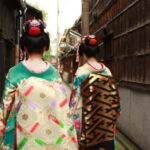
Gion & Geisha Walks, compared.
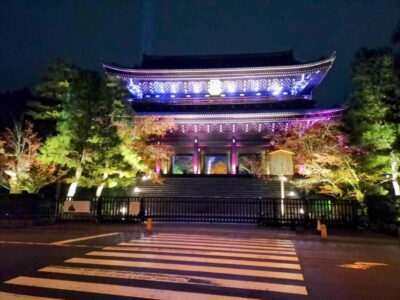 ★ 4.7Kyoto Geisha Walking Tour: Gion District & Hidden GemsFrom $252 hours
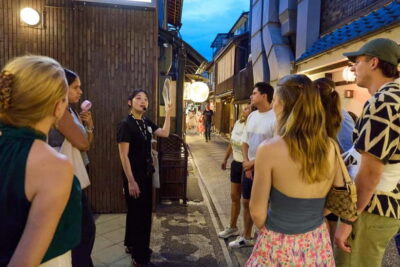 ★ 4.7Kyoto: Gion Geisha District Walking Tour – Stories of GeishaFrom $202 hours
 ★ 4.9Best of Kyoto: Gion, Geisha, Pagodas & CobblestonesFrom $242 hours
 ★ 4.5Night Walk in Gion: Kyoto’s Geisha DistrictFrom $211h 40m
 ★ 5.0Kyoto Night Foodie Tour in Gion (9+ dishes + 6 Sake tastings)From $163
 ★ 5.0Kyoto Gion Geisha District Walking Tour – The Stories of GeishaFrom $25