
Reviewed · GION & GEISHA WALKS
Kyoto: Gion Night Tour Stories of Geisha and Maiko
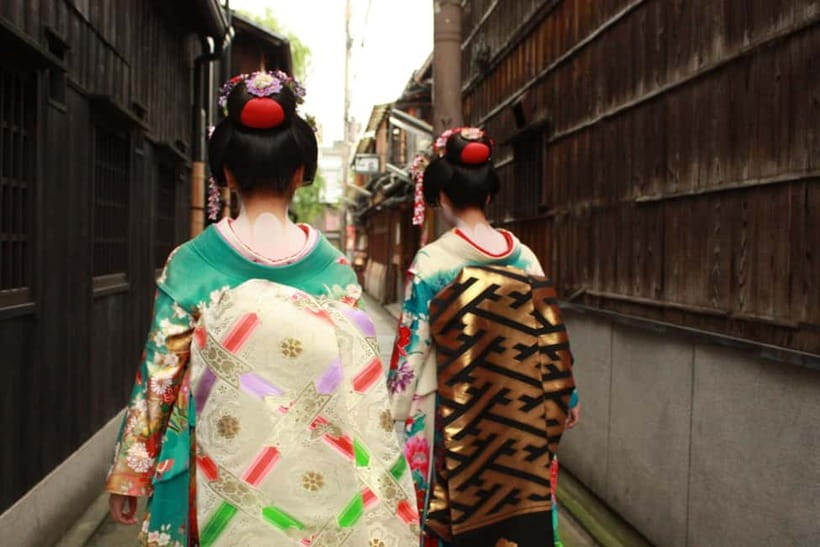
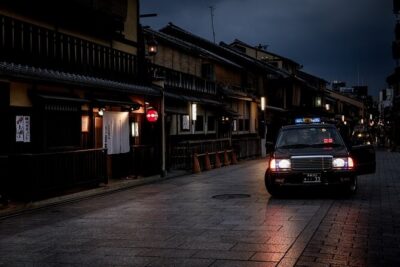
Gion changes character as daylight fades. Wooden teahouses close their doors, lanterns begin to glow, and you may catch a brief glimpse of a geisha or maiko heading to an evening appointment. This two-hour walk focuses on reading the district, not just photographing it.
I like the small group of no more than 15 and the route through the Shirakawa Canal, Gion Corner, and Yasaka Shrine. I also like the practical clues about teahouses and traditional signs, details that help you understand what you are seeing. The main consideration is language: the activity information specifies a Spanish-speaking guide, so confirm that suits you before booking.
In This Review
- Key points at a glance
- Why Gion works best at dusk
- Starting at Ben’s Cookies Kyoto Shijo
- Izumo-no-Okuni and the story behind performance
- Following the Shirakawa Canal
- Reading Gion’s teahouses and signs
- Gion Corner and the evening entertainment district
- Ending at Yasaka Shrine
- What the guide adds to the walk
- Is $22 a fair price?
- Who should book this Gion walk?
- Small details that will improve your evening
- Should you book it?
- FAQ
- Where does the Gion night tour start?
- Where does the tour finish?
- How long does the tour last?
- What language is the live tour guide?
- How large is the tour group?
- Is the tour suitable for children?
- Can I see a geisha or maiko?
- What places does the route visit?
- Does the tour include a performance at Gion Corner?
- Can I cancel for a full refund?
Key points at a glance
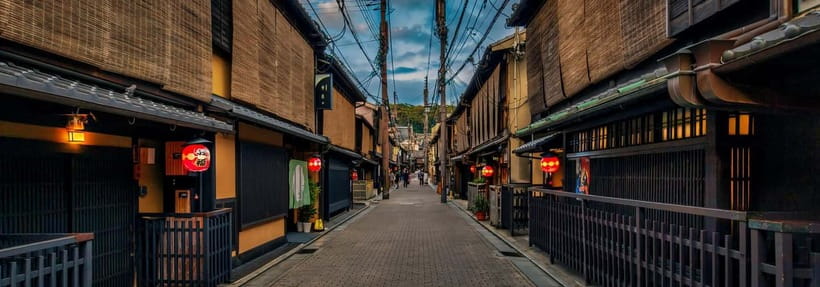
- Gion at sunset: Walk when the streets become quieter and the traditional district feels more atmospheric.
- A look beyond the costumes: Learn how geisha and maiko fit into the working culture of Gion.
- Small-group format: With a maximum of 15 people, it is easier to hear the guide and ask questions.
- Shirakawa Canal stop: See one of Gion’s most attractive lanes and waterways during the evening transition.
- Useful visual clues: Learn how to identify teahouses and interpret signs found around the alleys.
- Good value at $22: The price is modest for two hours of guided cultural context in central Kyoto.
Why Gion works best at dusk
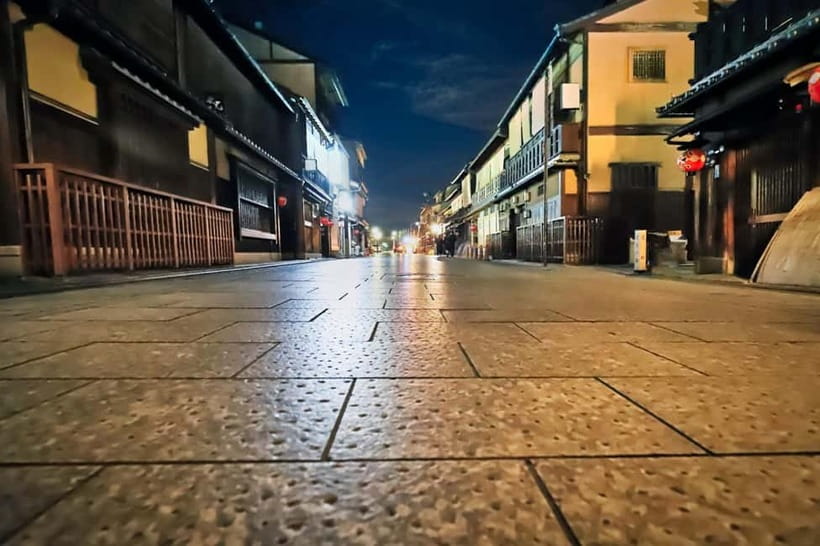
Gion is not simply a district where you go hoping to spot a geisha. It is a traditional entertainment quarter with private teahouses, narrow lanes, formal entrances, and customs that are easy to miss if you walk through on your own.
That is why the timing matters. At sunset, the sharp sightseeing rush has eased, while the district is beginning its evening work. You may see a geisha or maiko moving between appointments, but that should be treated as a possible sighting, not the promise of the tour.
I like this honest balance. The real value is learning how the neighborhood functions, then noticing small details you would likely pass without help. A guide can point out which buildings are teahouses, explain the signs near private establishments, and describe why certain alleys feel more guarded than ordinary shopping streets.
The mood is atmospheric without requiring a long evening commitment. You spend two hours walking rather than sitting through a formal performance, making this a useful choice if you want cultural background before dinner or another evening activity.
A few more Kyoto tours and experiences worth a look

Starting at Ben’s Cookies Kyoto Shijo
The meeting point is Ben’s Cookies Kyoto Shijo. Look for the guide holding a sign with the tour name, which should make the group easier to identify in a busy central area.
The opening part of the walk is brief, with about five minutes of guided touring before reaching the statue of Izumo-no-Okuni. This gives the guide time to gather the group and set the tone before the route moves into Gion itself.
You should wear comfortable shoes. The experience is entirely on foot, and the route includes several stops with explanations rather than one long presentation. Since Gion’s streets can feel cramped, a smaller group is useful from the start.
The tour is not suitable for children under 12. That restriction makes sense for a walk centered on adult entertainment traditions, private teahouses, and cultural customs that require patience and careful listening.
Izumo-no-Okuni and the story behind performance
The first substantial stop is the statue of Izumo-no-Okuni, with about 15 minutes for a guided explanation. This is a smart early stop because it places Gion’s performing arts within a wider cultural setting.
The guide can use the statue to explain the connection between performance, dance, theater, and Kyoto’s entertainment districts. You are not just looking at a figure in a public space. You are getting an introduction to the traditions that helped shape the world associated with geisha and maiko.
This part should be especially helpful if you know little about the difference between a geisha and a maiko. The tour is designed to explain the culture rather than reduce it to clothing and makeup. That distinction matters. A geisha or maiko is not a street performer available for casual pictures, and the guide’s context can help you behave respectfully if you see one.
The stop lasts long enough for a proper explanation but not so long that the walking rhythm disappears. If you prefer a fast photo walk with little commentary, this portion may feel slow. If you want a clearer foundation for the rest of the route, it earns its place.
Following the Shirakawa Canal
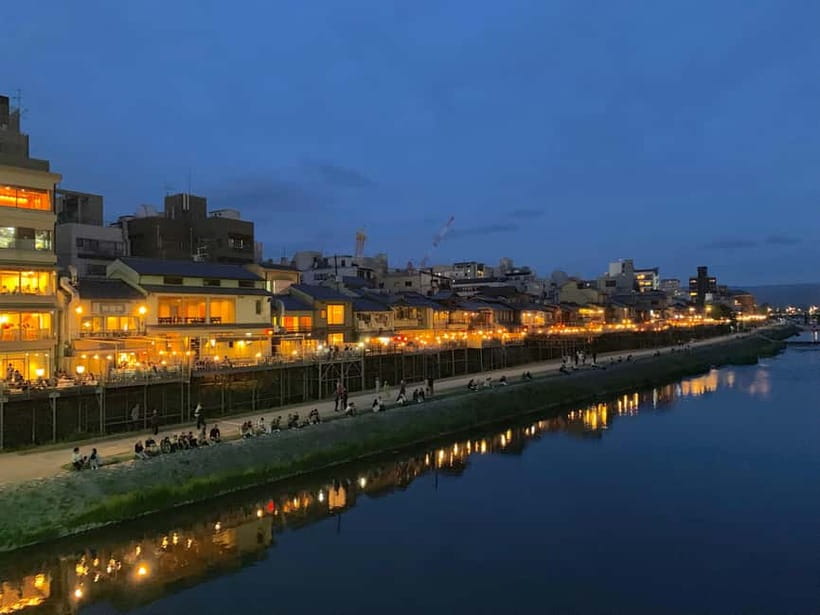
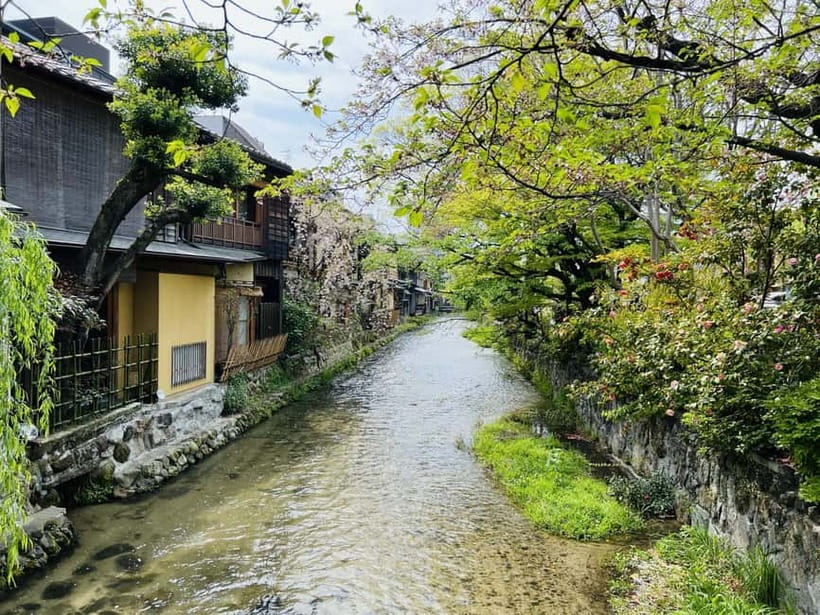
The route then reaches the Shirakawa Canal for roughly 15 minutes. This is one of the most appealing portions of the walk because the water, traditional buildings, and evening light give you a strong sense of Gion’s visual character.
The canal area helps explain why Gion is more than a collection of old-looking streets. Its lanes and buildings were shaped around a particular style of dining, entertainment, and hospitality. The guide’s job here is to connect the scene in front of you with the people and customs that use it.
This is also a good photo stop, but the tour is not built around taking a large number of pictures. You will get time to look and photograph, then the guide will continue with cultural details. Keep your camera ready, but pay attention to the explanation. The point is to leave knowing what makes the canal area significant.
At dusk, light levels can change quickly. The route description does not promise a particular sunset view or illumination schedule, so you should think of the canal as an atmospheric stop rather than a guaranteed night photography session.
Reading Gion’s teahouses and signs
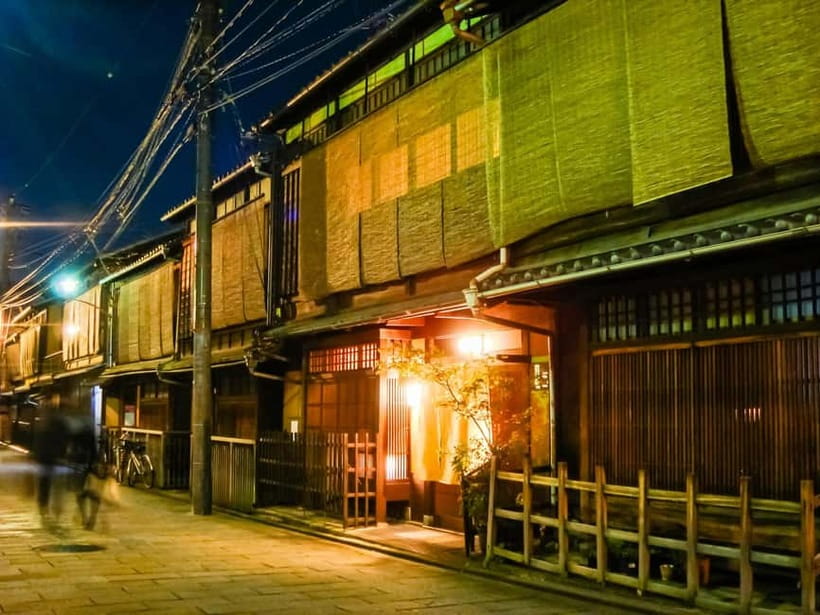
One of the most useful parts of the walk is learning how to identify teahouses and understand the traditional signs found around Gion. This is the kind of information that remains useful after the tour ends.
From the outside, many establishments can look quiet and private. Without context, you may not know what a sign means, which buildings are active teahouses, or why certain entrances are not open to casual visitors. The guide explains the visual signals that reveal the district’s traditional life.
I especially like this focus because it encourages you to observe without intruding. Gion is a working neighborhood, not an open-air stage. Learning to read its signs gives you more insight while also reminding you to respect private spaces.
The activity description also mentions lesser-traveled paths and less obvious corners of Gion. That does not mean you should expect secret access or entry into private teahouses. It means the route aims to show more than the main street, using public lanes and viewpoints to explain how the neighborhood fits together.
A few more Kyoto tours and experiences worth a look

Gion Corner and the evening entertainment district
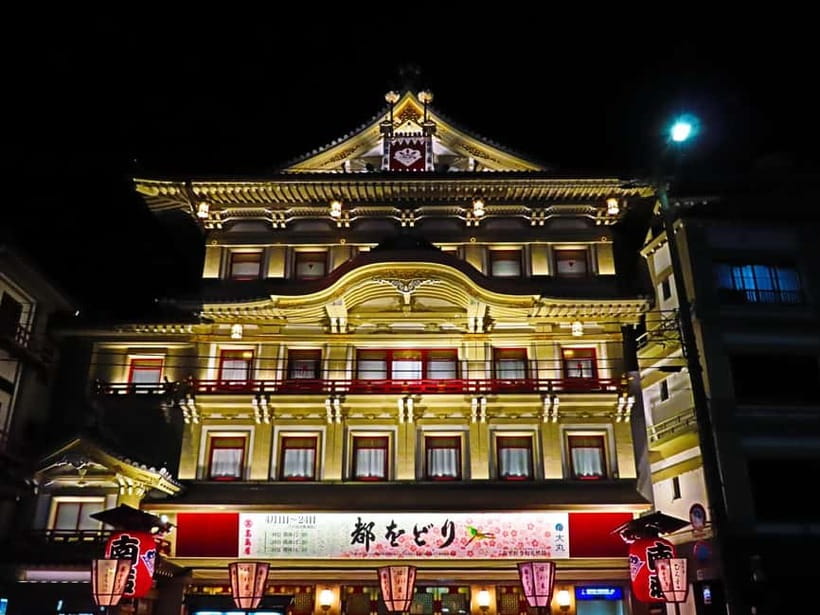
Gion Corner receives about 15 minutes, with time for a photo stop, a visit, and a guided explanation. The name is closely tied to Kyoto’s traditional performing arts, making it a natural place to discuss the public face of the culture you have been learning about.
This stop can help you separate stage presentation from the daily working life of geisha and maiko. The culture has a public side that people can watch and learn about, but the teahouse world itself remains more private. A good guide makes that boundary clear.
Do not confuse this stop with admission to a performance. The included experience is a walking tour with explanations. No show or ticket is listed as part of the price, so you should not book expecting an arranged performance at Gion Corner.
The short time allocation keeps the visit moving. You get context, a chance to take in the location, and then continue toward Yasaka Shrine. If you want a full evening of traditional dance or music, you would need to arrange that separately.
Ending at Yasaka Shrine
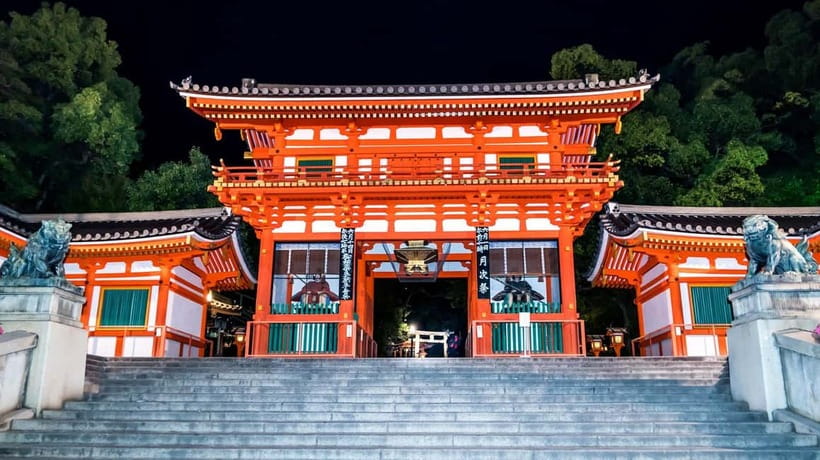
The final stop is Yasaka Shrine, with about 15 minutes for a visit, photographs, and more commentary. Finishing here gives the walk a clear endpoint and places you near one of Gion’s major landmarks.
The shrine also helps broaden the experience. Gion’s cultural identity is not limited to geisha and teahouses. Religious sites, seasonal customs, performance, food, and neighborhood life all meet in this part of Kyoto.
Since the tour ends at Yasaka Shrine rather than returning to the starting point, you can continue your evening from there. The provided information does not specify onward transport advice, so check your own map before setting out, especially if you have a dinner reservation on the other side of town.
Ending at a major shrine is practical. You are not left in an obscure lane, and you can continue exploring Gion on your own if you still have energy.
What the guide adds to the walk
The strongest praise for this experience centers on the guides’ explanations and friendly style. Pedro is specifically praised for explaining the streets and geisha culture clearly, and for suggesting places to eat in the area at the end. Manuel is also named as a guide who shared substantial information about the stops.
You should not assume that Pedro or Manuel will lead every departure. Their names are useful because they show the kind of approach you can expect: detailed explanations, an easy manner, and practical local suggestions. The activity information identifies Spanish as the live tour language, so confirm the guide language when you reserve.
A two-hour route can easily become tiring if the guide talks without connecting the information to what you see. Here, the planned stops give the explanations a visual anchor. You hear about teahouses while looking at them, discuss performance near Gion Corner, and consider the broader setting at Yasaka Shrine.
The maximum group size of 15 is another plus. It is not a private tour, but it is small enough that the guide should be easier to hear than on a large street walk. You also have a better chance to ask a question without slowing down an enormous group.
Is $22 a fair price?
At $22 per person, this is a solid value if you want interpretation rather than independent sightseeing. Gion itself is free to walk through, but the price pays for the guide’s cultural explanations, route planning, and the chance to understand signs and buildings that otherwise look simply old or attractive.
The value is strongest for first-time visitors to Kyoto or anyone who wants a basic introduction to geisha and maiko culture without paying for a formal show or meal. You get two hours, several significant stops, and a small group.
It is less compelling if you already know Gion well or want a private photography session. The tour is about shared learning, and the group will follow a set route with timed stops. You are paying for context, not exclusive access.
The free cancellation option up to 24 hours before the start also reduces the risk of fitting it into a busy Kyoto schedule. You can reserve now and pay later, which is useful when your daily plans are still changing.
Who should book this Gion walk?
I would recommend it to adults and older teenagers who want to understand Kyoto’s traditional entertainment culture without making the evening overly formal. It works well as an introduction before exploring Gion independently.
It also suits you if you enjoy short walks with frequent explanations. The route is not presented as a strenuous hike, but you should still expect to remain on your feet for about two hours.
This is a good pick for Spanish-speaking visitors because the live guide language is listed as Spanish, and the named guides have been praised for clear, engaging explanations in Spanish and Catalan-speaking contexts. If you need English, verify the language before paying, since the information is not fully consistent on that point.
You may want something else if your main goal is guaranteed contact with a geisha, a private teahouse visit, or an included performance. The walk can offer a glimpse of geisha or maiko on their way to appointments, but sightings are not guaranteed and the route does not promise entry into private establishments.
Small details that will improve your evening
Arrive at Ben’s Cookies Kyoto Shijo with enough time to find the guide’s sign. The meeting point is specific, but a central shopping area can still take a moment to navigate.
Keep your voice low around private streets and teahouse entrances. If you see a geisha or maiko, follow the guide’s lead and avoid treating the moment as a photo opportunity that gives you permission to block the lane or approach closely.
Bring your questions. The best use of a small group is asking about the signs, the difference between geisha and maiko, and how the traditional businesses operate.
Plan your meal afterward near the end point if that fits your schedule. Pedro has provided food suggestions in the area, and Yasaka Shrine gives you a clear place from which to continue the evening.
Should you book it?
Book this tour if you want a modestly priced cultural introduction to Gion, especially in Spanish. The sunset timing, maximum group of 15, and focus on teahouses and traditional symbols make it more useful than simply wandering the main streets and hoping to see a geisha.
Skip it if you want a performance, a private experience, or guaranteed sightings. For most visitors seeking background, respectful viewing habits, and a calm two-hour walk through Gion, $22 is a sensible buy.
FAQ
Where does the Gion night tour start?
The tour starts at Ben’s Cookies Kyoto Shijo. The guide will hold a sign with the name of the tour.
Where does the tour finish?
The walk finishes at Yasaka Shrine.
How long does the tour last?
The tour lasts two hours.
What language is the live tour guide?
The live tour guide is listed as Spanish-speaking. Some content is shown in its original language, so confirm the language details when booking if this matters to you.
How large is the tour group?
The tour has a maximum of 15 participants.
Is the tour suitable for children?
No. Children under 12 are not permitted on this activity.
Can I see a geisha or maiko?
You may catch glimpses of geisha or maiko traveling to evening appointments, but a sighting is not guaranteed.
What places does the route visit?
The route includes the statue of Izumo-no-Okuni, the Shirakawa Canal, Gion Corner, and Yasaka Shrine.
Does the tour include a performance at Gion Corner?
No performance is listed as included. Gion Corner is a guided stop and photo opportunity on the walking route.
Can I cancel for a full refund?
Yes. You can cancel up to 24 hours in advance for a full refund. You can also reserve now and pay later.
More Evening Experiences in Kyoto
More Night Walks & Ghost Tours in Kyoto
More Gion & Geisha Walks in Kyoto

More tours in Kyoto we've reviewed



Gion & Geisha Walks, compared.
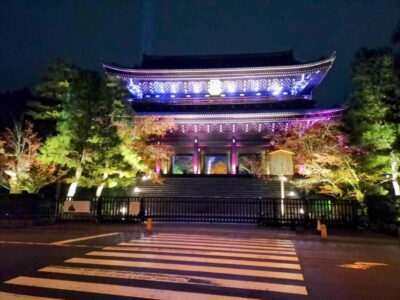 ★ 4.7Kyoto Geisha Walking Tour: Gion District & Hidden GemsFrom $252 hours
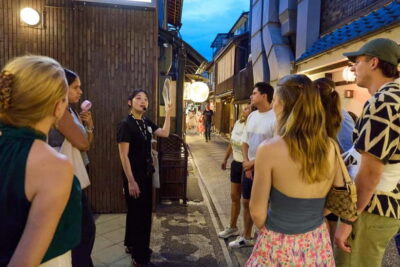 ★ 4.7Kyoto: Gion Geisha District Walking Tour – Stories of GeishaFrom $202 hours
 ★ 4.9Best of Kyoto: Gion, Geisha, Pagodas & CobblestonesFrom $242 hours
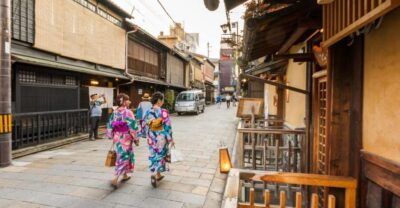 ★ 4.5Night Walk in Gion: Kyoto’s Geisha DistrictFrom $211h 40m
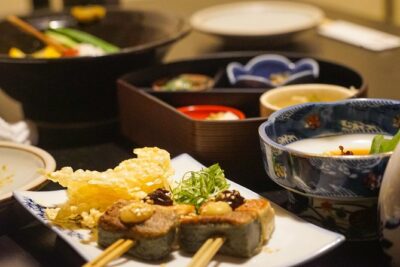 ★ 5.0Kyoto Night Foodie Tour in Gion (9+ dishes + 6 Sake tastings)From $163
 ★ 5.0Kyoto Gion Geisha District Walking Tour – The Stories of GeishaFrom $25