
Reviewed · TEA CEREMONY EXPERIENCES
Kyoto Tea Ceremony & Kiyomizu-dera Temple Walking Tour
The best part of this three-hour Kyoto walking tour is the mix of famous sights and small street encounters. You move from old teashops and sweet shops to the colorful Yasaka Koshin-do, then into Kiyomizu-dera before sitting down to prepare matcha in a traditional tea room. It gives you more than a temple photo and a quick explanation.
I like the hands-on tea ceremony, where you whisk your own green tea and learn the meaning behind the tools and steps. I also like the local food stops, since a taste of Kyoto’s snacks helps bring the old streets to life. The main drawback is a tight schedule. One guide was kind and helpful when a timing mix-up caused a missed tea ceremony, but you should arrive early and pay close attention to the meeting details.
In This Review
- Key points to know
- Why this Kyoto tour works
- Starting at Yasaka Shrine’s Nishiromon Gate
- Walking through Kiyomizuzaka’s old shop streets
- Yasaka Koshin-do and its colorful wish balls
- Sampling Kyoto snacks along the way
- Entering Kiyomizu-dera, Kyoto’s Water Temple
- Drinking from the Otowa Waterfall
- Making matcha in a traditional tea room
- What the $63 price really covers
- Heat, walking, and practical comfort
- Who should book this experience
- FAQ
- Where does the Kyoto tea ceremony and Kiyomizu-dera tour begin?
- How early should I arrive?
- Where does the tour end?
- How long does the tour last?
- Is the Kiyomizu-dera entrance fee included?
- Is the tea ceremony included?
- Are extra food and drinks included?
- Can children under six join?
Key points to know
- Kiyomizu-dera entry is included, along with the Otowa Waterfall visit and its city views.
- You make your own matcha and enjoy Japanese sweets in a traditional tea room.
- Yasaka Koshin-do is a colorful photo stop, with wish-filled balls hanging from the ceiling.
- Local snacks are part of the walk, but extra food and drinks cost more.
- The route includes hills, steps, and narrow areas, so it is not suitable for every wheelchair or stroller.
- The meeting point is Yasaka-Jinja Shrine’s Nishiromon Gate, and the guide holds a MagicalTrip sign.
Why this Kyoto tour works
Kyoto can feel hard to read at first. A shrine may sit beside a temple, a food shop, and a quiet lane, yet each place follows different customs. This tour gives you a guide to explain those differences while leading you through one of the city’s most atmospheric areas.
You begin near Yasaka-Jinja Shrine and walk toward Kiyomizuzaka, the approach to Kiyomizu-dera. The route is short enough to manage in three hours, but it packs in several different experiences: old streets, religious sites, snacks, a major temple, and tea preparation.
I see this as a good choice if you want a first look at eastern Kyoto without spending a full day on a large sightseeing program. You get context as you walk, rather than only hearing a long lecture inside a temple. The tradeoff is that the schedule leaves little spare time for browsing shops or lingering at viewpoints.
The tour is conducted in English. The guide also teaches a few Japanese phrases connected with the tea ceremony, which adds a useful human touch to the cultural explanation.
A few more Kyoto tours and experiences worth a look
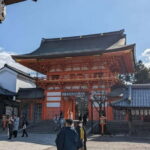
Starting at Yasaka Shrine’s Nishiromon Gate
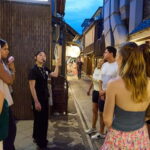
You meet your guide in front of the Yasaka Shrine statue at the Nishiromon Gate. Arrive at least 10 minutes early. This matters because the tour begins promptly, and a late start can affect the tea ceremony appointment later in the morning or afternoon.
Look for a guide holding a board marked MagicalTrip. The activity ends back at the same meeting point, so you do not need to arrange a separate return ride or work out a new pickup location.
Yasaka Shrine provides a fitting start. Even before the walking route begins, you are in one of Kyoto’s best-known religious areas. Your guide can help explain the religious culture you are seeing, rather than leaving you to guess what the gates, worship practices, and shrine buildings mean.
The supplied information does not give a fixed group size, so do not book this expecting a private tour unless your reservation specifically says so. The guide’s pace and the size of the group may affect how much time you have at each stop.
Walking through Kiyomizuzaka’s old shop streets
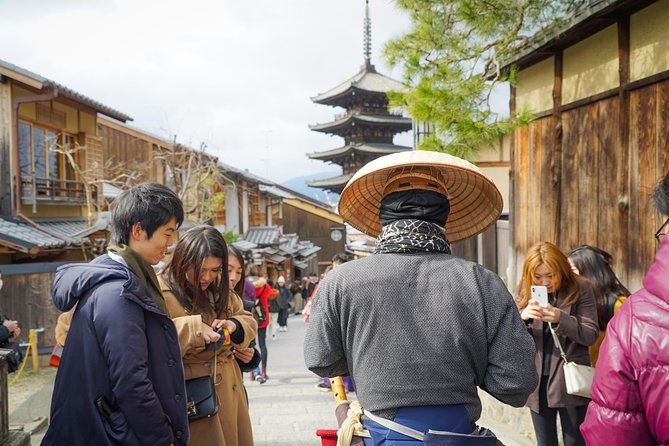
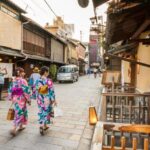
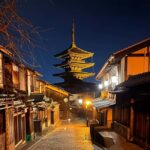
The walk toward Kiyomizu-dera follows Kiyomizuzaka, an area known for its traditional Kyoto feel. Old teashops, sweet shops, and shops selling Japanese sun-dried foods line the route.
This part of the tour is valuable because it connects the famous temple with ordinary local commerce. You can see how food, tea, sweets, and religious tourism have long shared the same streets. The guide also points out the cultural setting as you walk.
The route may include views of maiko and geisha moving through the area. Treat any such sighting with care. Enjoy the moment, but give people room and avoid turning the street into a photo set.
I would keep some cash handy here. The included samplings are limited, while additional food, drinks, and souvenirs are not part of the $63 price. You may want to buy something from the shops, but the tour does not require you to spend more.
The lanes are attractive, but they can also be crowded and uneven. You are walking through a popular sightseeing district, not along a quiet country path. Wear shoes that can handle a few hours on foot, and avoid bringing a bulky stroller.
Yasaka Koshin-do and its colorful wish balls
Yasaka Koshin-do is one of the most memorable visual stops on the route. The temple is known for rows of colorful balls hanging from the ceiling, each carrying a written wish.
The bright colors make this a strong photo stop, but the wishes give the visit more meaning than a quick picture. Your guide can explain the religious culture around the site and help you notice details you might otherwise pass without understanding.
This is a good example of the tour’s balance. Kiyomizu-dera is the major name on the schedule, but Yasaka Koshin-do offers a smaller and more unusual encounter. It gives you a sense of Kyoto beyond the city’s biggest attractions.
Be mindful of the setting. This is a religious place, so keep your voice low and follow your guide’s instructions about where you can stand or take photos. The tour presents the temple as a colorful sight, but it is still an active spiritual site rather than a decorative backdrop.
Sampling Kyoto snacks along the way
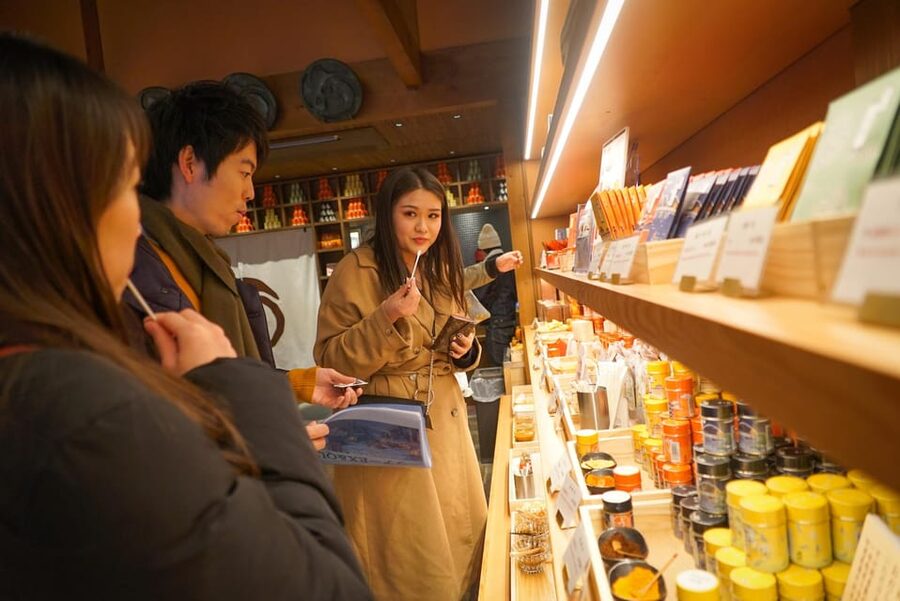
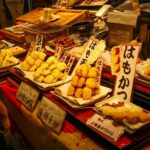
After the temple-area walk, you stop at several eateries for local snacks. A few samplings are included, while extra food and drinks are available for purchase.
I like this arrangement because it lets you try small portions without turning the tour into a full meal. Your guide can also recommend local foods and explain what you are tasting. For someone new to Kyoto, that advice may be more useful than choosing at random from a busy shop street.
Do not expect the included samplings to replace lunch. The tour is three hours, and the food component is built around tasting rather than a sit-down meal. Bring cash if you want to buy additional portions or drinks.
Food restrictions need careful planning. The operator cannot guarantee allergy-free food or meet every dietary restriction because the food comes from kitchens it does not control. Substitutions may not be possible at every stop, although the guide will try to make up for missed items elsewhere.
Tell the operator about allergies or dietary requests at least one day before the tour. That gives the team a chance to mention your needs in advance, but it does not guarantee that every stop can accommodate them.
A few more Kyoto tours and experiences worth a look
Entering Kiyomizu-dera, Kyoto’s Water Temple
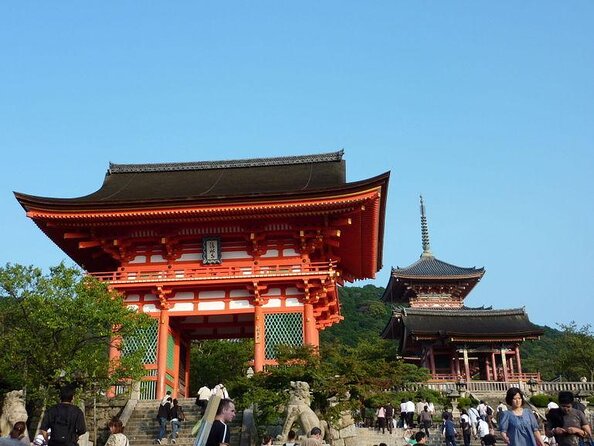
Kiyomizu-dera is the main temple visit. The name means Water Temple, and the temple was built on the site of the Otowa Waterfall. Entrance is included in the tour price, which improves the value compared with a walk that only takes you around the outside.
The temple’s wooden platform is the main visual reward. From here, you can look across cherry trees, maple trees, and Kyoto in the distance. The view changes with the season, but the tour information specifically highlights the contrast between the temple’s woodwork, the trees, and the city beyond.
Your guide adds the background that turns a photo stop into a cultural visit. You learn about the temple’s place in Japanese religious culture and why the water is important. The temple itself is one of Japan’s most famous, so expect a popular site rather than a quiet one.
The walk inside the complex can involve steps and areas that are not accessible to every wheelchair or stroller. If mobility is a concern, ask before booking whether the route can work for you. The published information makes clear that some locations on the itinerary are not accessible.
The visit does not give you unlimited time. Kiyomizu-dera is large, and three hours must also cover the other stops. You will see its key areas, but you should not expect a full, slow exploration of every building.
Drinking from the Otowa Waterfall
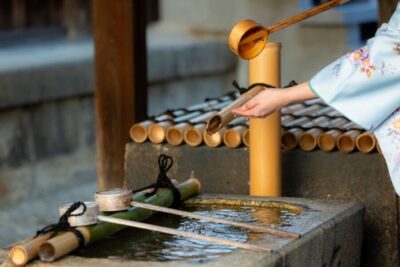
The Otowa Waterfall is a central part of the Kiyomizu-dera visit. You can drink a cup of its clear water, which is traditionally said to bring good luck.
There may be a line for the waterfall. This is one place where the tight schedule matters most. If you want to take part, listen for your guide’s instructions and be ready to move when the group needs to continue.
The waterfall is not simply another photo stop. It shows how religious practice, water, and daily ritual come together at the temple. Even if you choose not to drink, watching the custom gives you a better sense of how the site functions.
Because the tour includes several stops, you may have to choose between taking photos, waiting for the water, and staying close to the group. I would put the phone away for a moment and focus on the ritual. You can take plenty of pictures elsewhere.
Making matcha in a traditional tea room
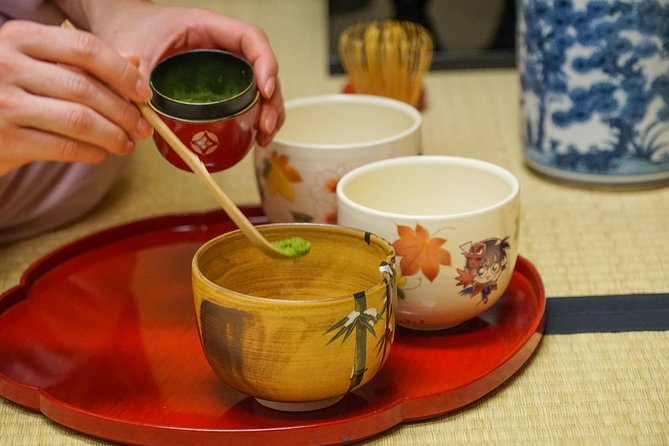
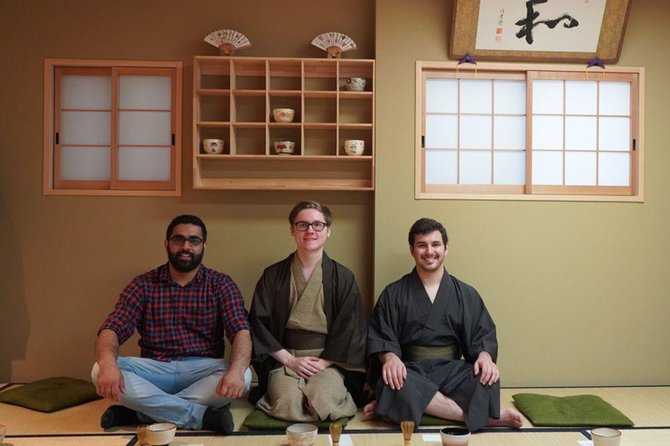
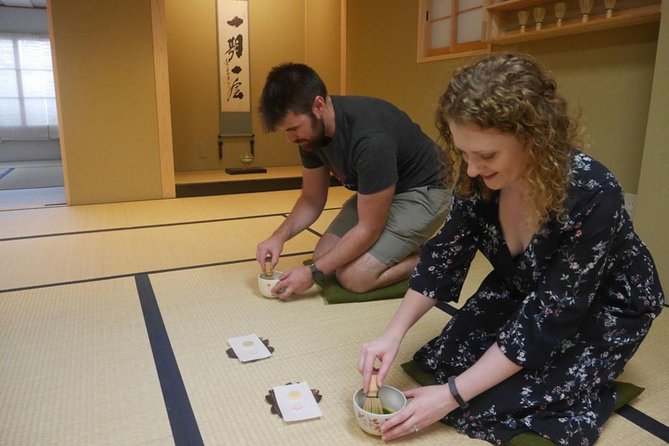
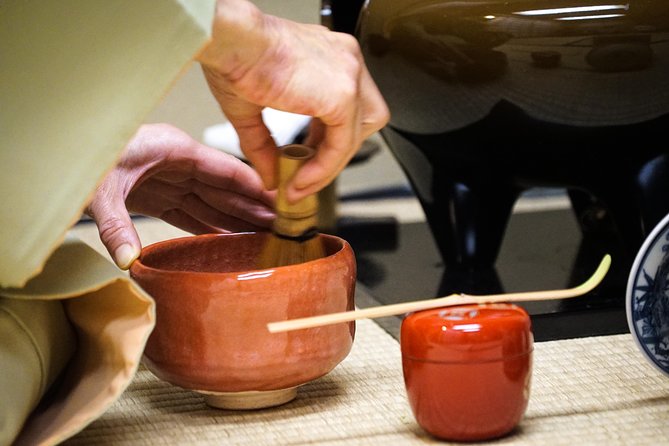
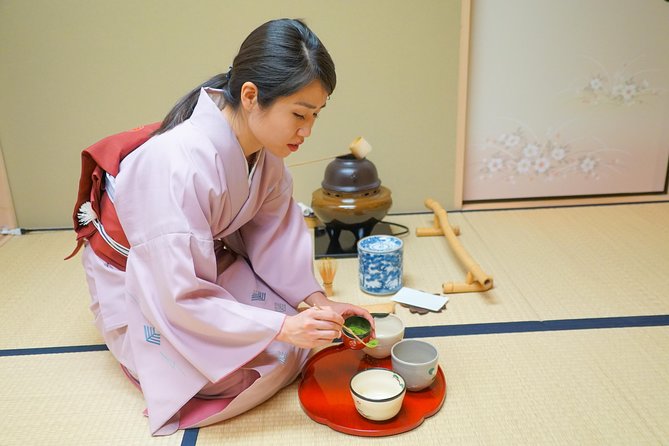
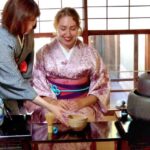
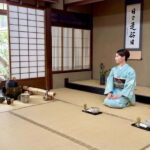
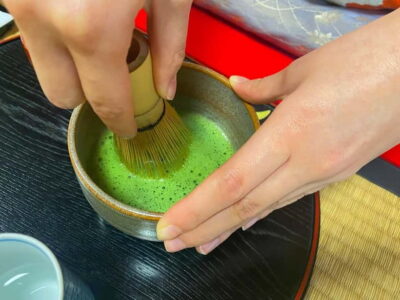
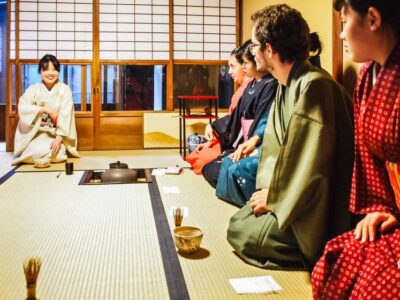
The tea ceremony is the tour’s hands-on centerpiece. You sit in a sophisticated room surrounded by tea tools, including a bamboo whisk and distinctive tea bowls. You learn the steps for making traditional matcha, then prepare your own green tea.
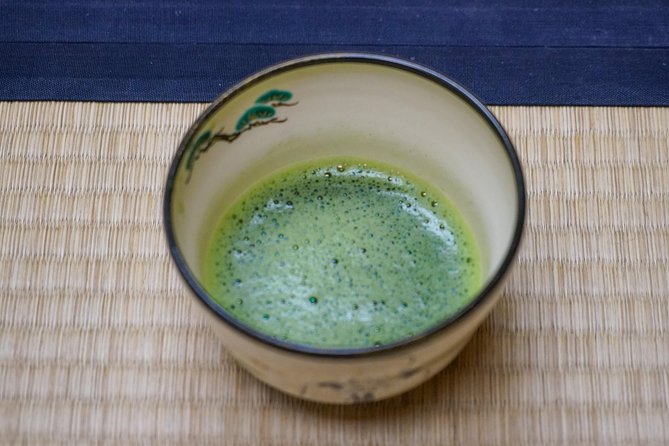
This is more engaging than watching someone else perform the ceremony. You handle the whisk, follow the instructions, and see why each tool has a role. Japanese sweets accompany the tea, giving you a small taste of the customs linked with tea service.
The guide also explains phrases and history related to the ceremony. That helps you understand the care behind the movements, rather than treating matcha as just a fashionable drink.
Pay close attention to the timing. One participant missed the tea ceremony because of a misunderstanding about when it would take place. The guide, Akiko, was praised for being considerate and worked to arrange another visit or a refund for people who could not return. That was a kind response, but it also shows why you should confirm the tea portion clearly at the start.
If the tea ceremony is your main reason for booking, tell the guide that early. Keep your schedule open enough to return to the meeting point on time, and do not wander far from the group during the food stops.
What the $63 price really covers
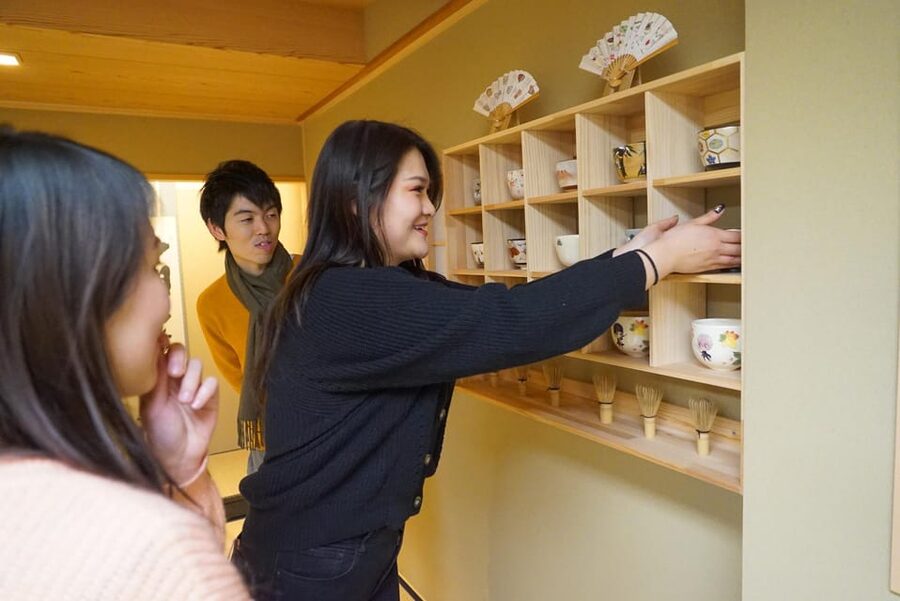
At $63 per person, the price is reasonable if you would otherwise pay separately for a guided temple visit, several snack tastings, and a tea ceremony. The value comes from the combination rather than from any single stop.
Included are the Kiyomizu-dera entrance fee, the tea ceremony, Japanese sweets, a few food samplings, a three-hour English-speaking guide, and photos taken during the tour. You are paying for structure and interpretation, not just admission.
Extra spending is still likely. Food beyond the samplings, drinks, and souvenirs cost more. Bring cash, especially if you want to try something that catches your eye on Kiyomizuzaka.
The tour earns its price best for first-time visitors who want several Kyoto customs explained in one outing. If you already know Kiyomizu-dera well and only want a quiet tea ceremony, a smaller specialist experience may suit you better. If you want an efficient introduction, this package covers a lot without taking an entire day.
The published score is 4.5 from four ratings, so treat that number as a small sample rather than a final verdict. The strongest praise centers on the impressive shrines, the enjoyable tea and cooking-related activity, the attractive streets, and the guide Akiko. A weaker experience may result if the schedule is misunderstood or if you expect a detailed explanation of every neighborhood you pass.
Heat, walking, and practical comfort
Kyoto summers are hot and humid. Bring water and wear a hat to reduce the risk of heat stress. The sun can be strong on the temple approach, and the route does not offer a guarantee of constant shade.
Comfortable walking shoes are important. You move through old streets, temple grounds, and areas with steps or uneven access. The route is not suitable for children under six, and some locations do not work for wheelchairs or strollers.
The tour is offered in English. Photos are taken during the experience, which is useful if you want a few pictures of yourself during the walk, but do not expect every moment to be photographed.
Cancellation is free up to 24 hours before the tour for a full refund. You can also reserve and pay later, which helps if your Kyoto plans are still shifting.
Who should book this experience
I would choose this tour for a first or second visit to Kyoto when you want a clear introduction to eastern Kyoto’s religious sites and food culture. It suits couples, solo visitors, and families with children aged six and older who can manage a few hours of walking.
It is especially useful if you want to try matcha but do not know the etiquette or steps. The guide makes the ceremony approachable, and the chance to prepare your own tea gives you something to remember beyond another temple photograph.
I would hesitate if you have strict dietary needs, limited mobility, or a firm need for a relaxed pace. I would also think twice if you want a long, detailed tour of Gion, since the route passes through the area without promising a full lesson on its history and culture.
Book it if you value variety and personal explanation. Skip it if you would rather spend half a day at Kiyomizu-dera alone, shop at your own pace, or focus only on a formal tea ceremony.
FAQ
Where does the Kyoto tea ceremony and Kiyomizu-dera tour begin?
Meet in front of the Yasaka Shrine statue at the Nishiromon Gate. The guide will hold a board marked MagicalTrip.
How early should I arrive?
Arrive 10 minutes before the scheduled start. The tour begins promptly.
Where does the tour end?
The activity ends back at the original meeting point.
How long does the tour last?
The tour lasts three hours.
Is the Kiyomizu-dera entrance fee included?
Yes. The Kiyomizu-dera entrance fee is included.
Is the tea ceremony included?
Yes. The tea ceremony, Japanese sweets, and the chance to make your own matcha are included.
Are extra food and drinks included?
No. A few samplings are included, but additional food and drinks are available to purchase.
Can children under six join?
No. Children under six years old are not allowed on this tour.
More Walking Tours in Kyoto

More Golden Pavilion & Temple Tours in Kyoto
More Tea Ceremony Experiences in Kyoto
More tours in Kyoto we've reviewed


Tea Ceremony Experiences, compared.
 ★ 4.9Kyoto: Tea Ceremony in a Traditional Tea House in KiyomizuFrom $4945 min
 ★ 4.9Kyoto: Tea Ceremony Ju-An at Jotokuji TempleFrom $291h 10m
 ★ 4.3Kyoto: 45-Minute Tea Ceremony Lesson ExperienceFrom $2245 min
 ★ 5.0World Heritage Kyoto & Nara Uji Authentic Matcha ExperienceFrom $129
 ★ 4.9Kyoto: Table-Style Tea Ceremony at a Kyo-MachiyaFrom $451h 30m
 ★ 5.0Kimono Tea Ceremony at Kyoto Maikoya, NISHIKIFrom $65