
Reviewed · GION & GEISHA WALKS
Premium Kyoto BBQ & Yakiniku reservation at TENDAN Gion
At TENDAN Gion, grilled beef comes with a distinctly Kyoto twist: you cook carefully seasoned meat, then dip it into a special broth-like sauce called tsukedare. That extra step gives the meal more character than a basic tabletop barbecue.
I like the restaurant’s 50-plus years of Kyoto yakiniku tradition, and I like the chance to try highly prized beef in a calm private-room setting. The Royal Floor adds a formal touch, with staff in kimono and course dishes that go well beyond a plate of meat.
The main drawback is the price: $189 per person before drinks. That can be good value for a special meal with premium beef and attentive service, but it is a serious splurge for a two-hour dinner. This is best treated as a planned Kyoto food experience, not a quick, casual bite.
In This Review
- Key points to know before booking
- Why TENDAN’s Kyoto-style barbecue matters
- Reaching the restaurant from Gion-Shijo Station
- What the Royal Floor adds to the meal
- The 10-dish course, from first bite to dessert
- Appetizer and earthenware teapot dish
- Omi Beef grilled shabu-shabu
- Grilled vegetables
- Black wagyu tongue
- Omi Beef loin
- Fillet or Chateaubriand
- Meal and dessert
- Choosing among the four listed courses
- Is $189 a fair price?
- Who will enjoy TENDAN Gion most
- Booking and timing details that matter
- Should you book TENDAN Gion?
- FAQ
- Where is TENDAN Gion located?
- How long does the meal last?
- Is this a guided tour?
- What does the reservation include?
- Are drinks included?
- How many dishes are in the course?
- What beef is served?
- What is the difference between the salt and Kyoto Yakiniku courses?
- Is the restaurant wheelchair accessible?
- Can I cancel for a refund?
Key points to know before booking
- Kyoto-style yakiniku: Seasoned beef is grilled and served with both a marinade and a dipping sauce.
- Royal Floor setting: Private rooms on the third floor offer a quiet Japanese atmosphere and kimono-clad service.
- Premium beef courses: Menus feature Omi Beef, black wagyu tongue, loin, fillet, and Chateaubriand.
- Ten dishes in two hours: Each course includes an appetizer, steamed dish, several beef courses, a meal, and dessert.
- Easy Gion access: The restaurant is about a two-minute walk from Gion-Shijo Station.
- Reservation only: You enter the restaurant yourself at the booked time, with no guide provided.
Why TENDAN’s Kyoto-style barbecue matters
Yakiniku is often described simply as Japanese barbecue, but that label misses part of what makes TENDAN interesting. The restaurant developed its own Kyoto approach over more than five decades.
The meat is prepared with momi-dare, a seasoning marinade applied before grilling. After the beef cooks at the table, you use tsukedare, a separate dipping sauce with a broth-like quality. The result is a two-part seasoning system: the first layer flavors the meat before it reaches the grill, while the second adds a fresh finish at the table.
That is useful context because this meal is not only about buying the most expensive cut available. You are also tasting a local way of serving grilled beef. The sauces help explain why TENDAN has had such a long role in Kyoto’s yakiniku culture.
You should still expect the familiar hands-on rhythm of yakiniku. Meat arrives uncooked, you grill it yourself, and you control how long each piece stays over the heat. The course format gives the meal a more polished pace than a simple order-from-the-menu barbecue dinner.
A few more Kyoto tours and experiences worth a look

Reaching the restaurant from Gion-Shijo Station
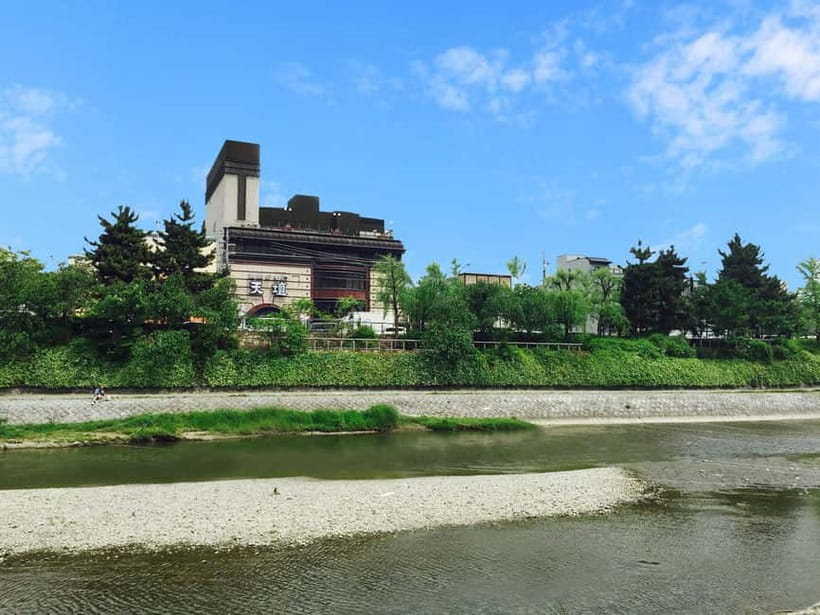
TENDAN Gion is in the center of historic Gion, close to the major shopping and dining streets around the Kamo River. From Gion-Shijo Station on the Keihan Main Line, use Exit 2 and allow about two minutes on foot. The restaurant is listed as 115 meters from the station.
From Kawaramachi Station on the Hankyu Kyoto Line, it is about a four-minute walk from Exit 1 and the Kiyamachi South Entrance. These short walks make the restaurant practical after sightseeing in central Kyoto, especially if you do not want to add a long taxi ride to an already scheduled dinner.
This is a restaurant reservation, not a guided tour. At your reserved time, you enter TENDAN directly. No guide meets you at the station, explains the neighborhood, or accompanies you through the meal, so save the restaurant name and location before setting out.
The short walk is convenient, but Gion can be confusing after dark, with narrow streets and many nearby restaurants. Give yourself a little extra time to find the correct entrance rather than arriving at the last second.
What the Royal Floor adds to the meal
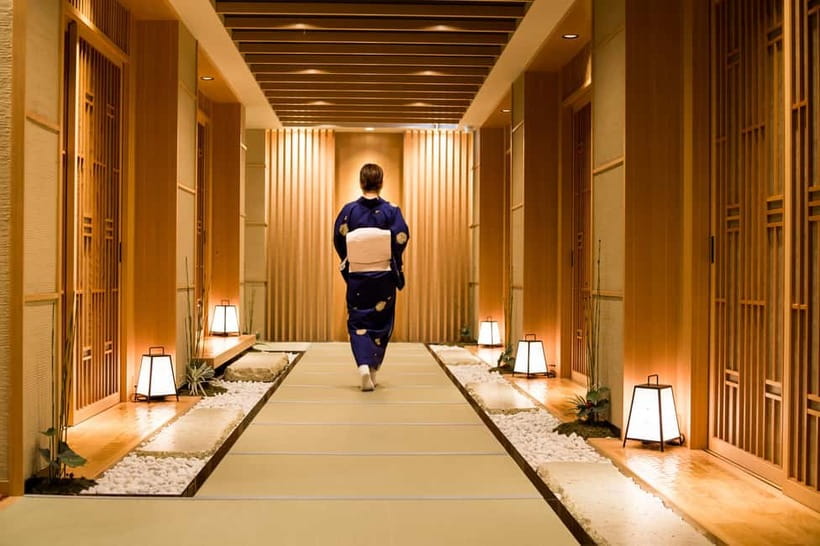
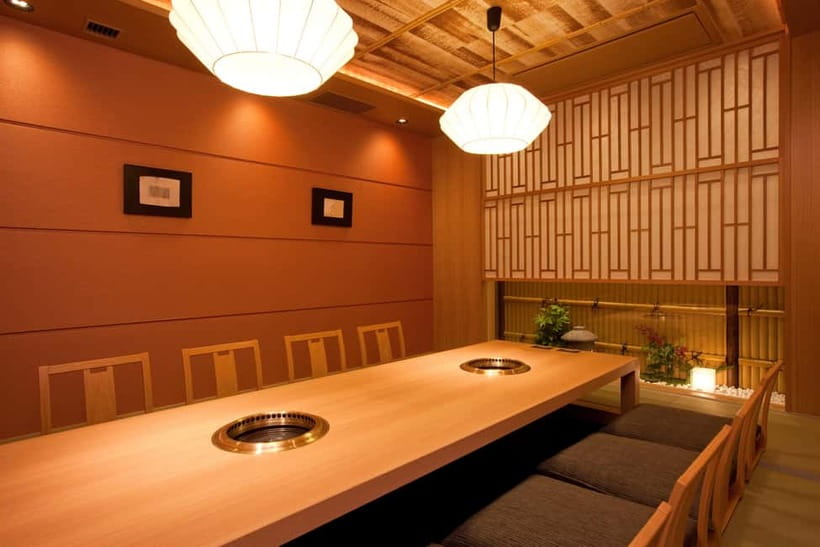
The third-floor Royal Floor is the main reason this experience feels more formal than an ordinary yakiniku dinner. It has private rooms and a quiet Japanese setting, giving you space to concentrate on the food without the feel of a crowded dining room.
Staff wear traditional kimono and provide attentive omotenashi, the Japanese tradition of thoughtful hospitality. That does not mean you should expect a personal food guide. It means the meal is designed with careful service and a more refined tone.
The private-room format can be especially useful for couples, families, or anyone marking a special occasion. It also creates a calm setting for a meal that involves several courses and a fair amount of table activity.
The tradeoff is that the atmosphere may feel more formal than playful. If your ideal yakiniku meal involves a loud, casual room and a quick pile of meat, the Royal Floor may be more ceremony than you need. If you want a polished Kyoto dinner, it fits the bill better.
The 10-dish course, from first bite to dessert
The listed menus all contain ten dishes, including an appetizer. The exact beef selection depends on the course you choose, but the general shape remains similar.
Appetizer and earthenware teapot dish
The meal begins with an appetizer, followed by an earthenware teapot steamed dish. These opening courses give you a break from the grill and set a slower pace.
The steamed dish is a useful part of the menu because it keeps the dinner from becoming a nonstop procession of rich beef. You get a warm, prepared course before the main grilled cuts arrive.

Omi Beef grilled shabu-shabu
Next comes Omi Beef grilled shabu-shabu. This is one of the more distinctive items in the course, since the meat is prepared in a style associated with shabu-shabu but adapted to the grill.
The menu does not provide the exact serving method or sauce details for this course, so you should follow the restaurant’s instructions at the table. What matters for comparison is that the meal includes more than standard grilled slices. It moves between different preparations of beef.
Grilled vegetables
Grilled vegetables provide a simple pause between the meat courses. They also give you something to place on the grill while you manage the timing of the beef.
Do not overlook this part of the meal. With several premium cuts coming afterward, vegetables help keep the course from feeling like one long serving of fat and protein.
Black wagyu tongue
The tongue arrives in both thin and thick slices. This is a nice opportunity to compare texture and cooking style within one cut.
Thin slices cook quickly and need attention, while thicker slices give you more chew and a different mouthfeel. Since the menu specifically includes both sizes, you can see how slicing changes the experience. This is one of the more educational parts of the meal, even if you are already familiar with yakiniku.
Omi Beef loin
The Omi Beef loin is served in both the salt-focused courses and the Kyoto-style courses, although the Kyoto Yakiniku menus list the loin as marinated. That distinction matters.
The salt course lets the beef’s flavor take the lead with a simpler seasoning approach. The Kyoto Yakiniku version brings in the restaurant’s marinade and dipping-sauce tradition. If you are booking mainly to understand the Kyoto style, the marinated course is the more directly relevant choice.
Fillet or Chateaubriand
The standard Chef’s Choice courses include Omi Beef fillet. The Special courses replace that with Omi Beef Chateaubriand.
That upgrade is likely the clearest difference between the regular and special menus. Chateaubriand is a premium section of the tenderloin, so the Special course makes sense for a major celebration or for diners who specifically want the highest listed cut.
The menu information does not state the exact portion sizes, so do not assume that the most expensive course means a much larger dinner. You are paying for the quality and rarity of the selection as much as for quantity.
Meal and dessert
The course ends with a meal and dessert. The specific dishes are not listed, but their place in the menu matters: you are not left to finish the dinner with only grilled meat.
The meal course helps close out the savory portion, while dessert gives the table a clean finish. Since drinks are not included except for water, budget separately if you want sake, beer, wine, or soft drinks.
Choosing among the four listed courses
There are four main choices:
- Omi Beef Chef’s Choice Course, Shio Yakiniku
- Omi Beef Chef’s Choice Special Course, Shio Yakiniku
- Omi Beef Chef’s Choice Course, Kyoto Yakiniku
- Omi Beef Chef’s Choice Special Course, Kyoto Yakiniku
The salt, or shio, courses emphasize a simpler seasoning style. They include Omi Beef loin and either Omi Beef fillet or, in the Special version, Omi Beef Chateaubriand.
The Kyoto Yakiniku courses include marinated Omi Beef loin and the same choice between fillet and Chateaubriand. Choose this style if the restaurant’s local seasoning tradition is a major reason you are booking.
Choose the standard course if you want premium beef without paying for the highest listed cut. Choose the Special course if the Chateaubriand is the part you most want to try, or if the meal is tied to a major occasion.
The broader experience description also refers to rare Ozaki Beef and Tankaku Beef. The detailed four-course menu provided here lists Omi Beef, so check the exact option available at booking if you are specifically seeking Ozaki or Tankaku Beef. This is an important detail. The broad description and the course breakdown do not identify them as part of every menu.
Is $189 a fair price?
At $189 per person, this is expensive by everyday dining standards. A two-hour meal at that price needs to deliver more than attractive beef, and TENDAN’s value comes from the whole package: a long-running Kyoto specialty, a private Royal Floor room, kimono-clad service, a ten-dish menu, and premium cuts.
I would consider it reasonable for a special night in Kyoto if you already plan to spend on one memorable dinner. The course format also removes some of the guesswork involved in ordering expensive beef one plate at a time.
The value is weaker if you mainly want to eat a lot of grilled meat. Drinks cost extra, and portion sizes are not specified. You should not book this expecting an all-you-can-eat meal or a bargain.
The price makes more sense for diners who care about the setting and preparation as much as the food itself. If you are comparing this with a casual yakiniku restaurant, it will look costly. If you are comparing it with a high-end Japanese dinner in Gion, the price includes a carefully structured experience in a private setting.
Who will enjoy TENDAN Gion most
I would recommend this meal to:
- Couples planning a refined dinner in Gion
- Families looking for private-room dining
- Beef lovers who want to compare different premium cuts
- Diners curious about Kyoto’s local yakiniku style
- Visitors celebrating a birthday, anniversary, or other special event
- People who prefer a set menu over making many separate choices
It is less suitable for a rushed dinner, since the course has ten dishes and is designed to take about two hours. It may also disappoint anyone who wants a guide to explain Kyoto food culture throughout the meal. There is no guide, and the reservation covers the restaurant experience only.
The restaurant is wheelchair accessible, which is useful for visitors who need an easier dining option in central Kyoto. The short walk from both nearby stations also helps, although you should still allow time to locate the entrance.
Booking and timing details that matter
The duration is two hours, and starting times depend on availability. Since this is a reservation-only experience, confirm the date and time carefully before setting out.
The reservation includes the full course, sales tax, and the booking itself. Water is included, but other drinks and personal expenses are not.
You can cancel up to 24 hours in advance for a full refund. A reserve-now-and-pay-later option is also available, which helps if your Kyoto schedule is still changing.
Because no guide is provided, this works well as an independent dinner added to a day of sightseeing. You can spend the afternoon around Gion, walk to the restaurant from the Keihan or Hankyu lines, and arrive at your own pace.
Should you book TENDAN Gion?
Book it if you want premium beef in a formal Kyoto setting, and if $189 before drinks fits your dinner budget. The Royal Floor, two sauce styles, private rooms, and ten-course structure give you more than a standard barbecue meal.
Choose the Kyoto Yakiniku course if the local preparation is your priority. Choose the Special course if Chateaubriand is worth the extra spend. If you are focused on Ozaki or Tankaku Beef, confirm that your selected menu includes it, since the detailed course descriptions center on Omi Beef.
Skip it if you want a cheap, casual meal, an all-you-can-eat format, or a guided food tour. For a special occasion in Gion, though, TENDAN offers a polished way to enjoy Japanese beef without giving up the hands-on fun of cooking it yourself.
FAQ
Where is TENDAN Gion located?
TENDAN Gion is about a two-minute walk from Gion-Shijo Station Exit 2 on the Keihan Main Line. It is also about a four-minute walk from Kawaramachi Station Exit 1 and the Kiyamachi South Entrance on the Hankyu Kyoto Line.
How long does the meal last?
The experience lasts two hours.
Is this a guided tour?
No. This is a restaurant reservation only. You enter the restaurant directly at your reserved time, and no guide is provided.
What does the reservation include?
It includes the full course menu, sales tax, and the restaurant reservation.
Are drinks included?
Water is included. Other drinks are not included and must be paid for separately.
How many dishes are in the course?
Each listed course contains ten dishes, including an appetizer.
What beef is served?
The detailed menus feature Omi Beef, black wagyu tongue, Omi Beef loin, Omi Beef fillet, and Omi Beef Chateaubriand, depending on the course. The broader description also refers to Ozaki Beef and Tankaku Beef, so check the selected menu if those specific brands matter to you.
What is the difference between the salt and Kyoto Yakiniku courses?
The salt courses use a salt-focused preparation. The Kyoto Yakiniku courses list marinated Omi Beef loin and reflect TENDAN’s Kyoto-style use of seasoning marinade and dipping sauce.
Is the restaurant wheelchair accessible?
Yes, the activity is listed as wheelchair accessible.
Can I cancel for a refund?
Yes. You can cancel up to 24 hours in advance for a full refund. A reserve-now-and-pay-later option is also available.
More Gion & Geisha Walks in Kyoto
More tours in Kyoto we've reviewed



Gion & Geisha Walks, compared.
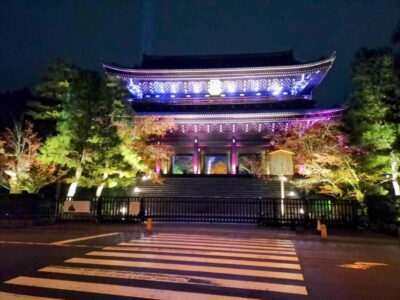 ★ 4.7Kyoto Geisha Walking Tour: Gion District & Hidden GemsFrom $252 hours
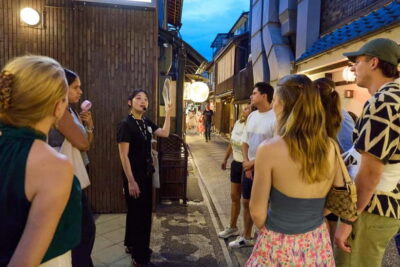 ★ 4.7Kyoto: Gion Geisha District Walking Tour – Stories of GeishaFrom $202 hours
 ★ 4.9Best of Kyoto: Gion, Geisha, Pagodas & CobblestonesFrom $242 hours
 ★ 4.5Night Walk in Gion: Kyoto’s Geisha DistrictFrom $211h 40m
 ★ 5.0Kyoto Night Foodie Tour in Gion (9+ dishes + 6 Sake tastings)From $163
 ★ 5.0Kyoto Gion Geisha District Walking Tour – The Stories of GeishaFrom $25