
Reviewed · GION & GEISHA WALKS
Kyoto: Gion Night or Morning Walking Tour with Local Snacks
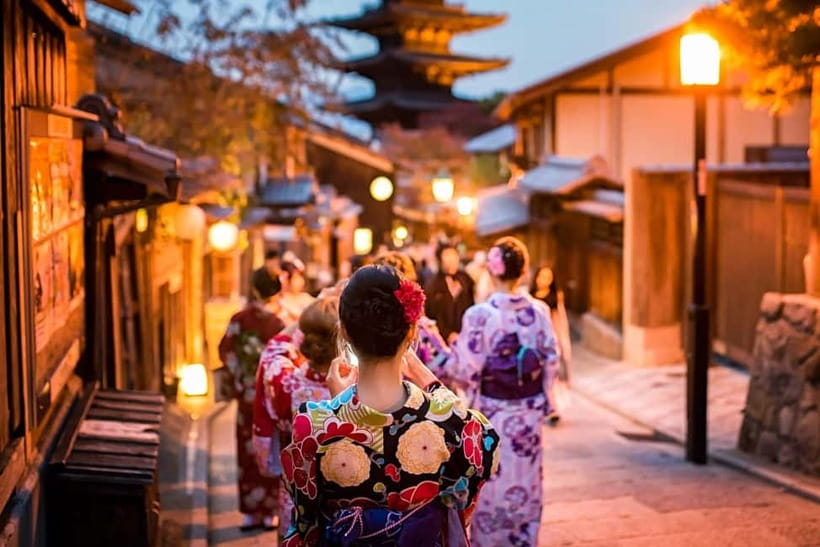
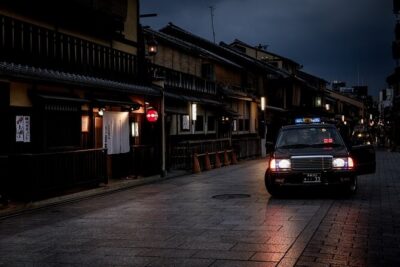
Gion after dark is Kyoto at its most atmospheric: lanterns glow outside teahouses, narrow lanes lead past old wooden buildings, and Yasaka Shrine takes on a quieter mood. This tour gives you a useful introduction to that world in only three hours, with Hanamikoji Street and Yasaka Shrine as major stops.
I like the small maximum of nine people, which makes it easier to ask questions and keep up with the guide. I also like the snack stop, especially if you choose a tour with a guide such as Jasmine, Vincent, Karl, or Nobumasa Miyake, whose explanations cover geisha customs, Japanese religion, and local life. The main drawback is that this is a walking tour on city streets, so it is not suited to people with mobility, heart, respiratory, or pregnancy-related concerns.
In This Review
- Key points to know before you book
- Why Gion works so well at night
- Meeting in central Kyoto
- Hanamikoji Street and Gion’s old lanes
- Maruyama Park and Yasaka Shrine
- The snack break adds welcome breathing room
- Pontocho and the walk to Sanjo Bridge
- What the guides add
- Is three hours enough?
- Is $46 a fair price?
- Who should book this Gion walk?
- Small details that improve the evening
- Should you book it?
- FAQ
- How long does the Gion walking tour last?
- Where does the tour begin?
- How do I find the guide?
- Where does the tour finish?
- What places are visited?
- Is food included?
- What languages are available?
- How many people are in the group?
- Can I book at the last minute?
- What happens if I need to cancel?
Key points to know before you book
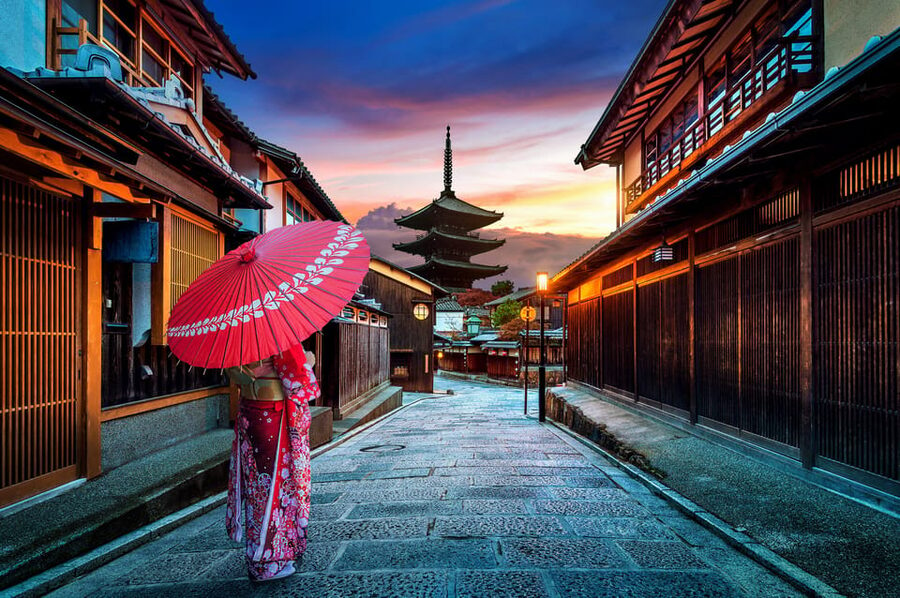
- Gion after sunset: Lantern-lit streets, teahouses, bars, shrines, and traditional wooden architecture create the evening mood.
- Small group of nine or fewer: The size allows for questions and a more personal pace.
- Strong local and cultural focus: Guides explain geiko and maiko customs, Japanese religion, architecture, and Kyoto’s past.
- A snack is included: The stop adds a welcome break, with matcha and local sweets possible according to the visit.
- Several praised guides: Jasmine, Vincent, Alex, Karl, Katz, Atsushi, Gustavo, and Nobumasa Miyake are among the guides singled out for clear, friendly explanations.
- Short and easy to fit into a Kyoto stay: The three-hour format works well on your first evening or when you have limited time.
Why Gion works so well at night
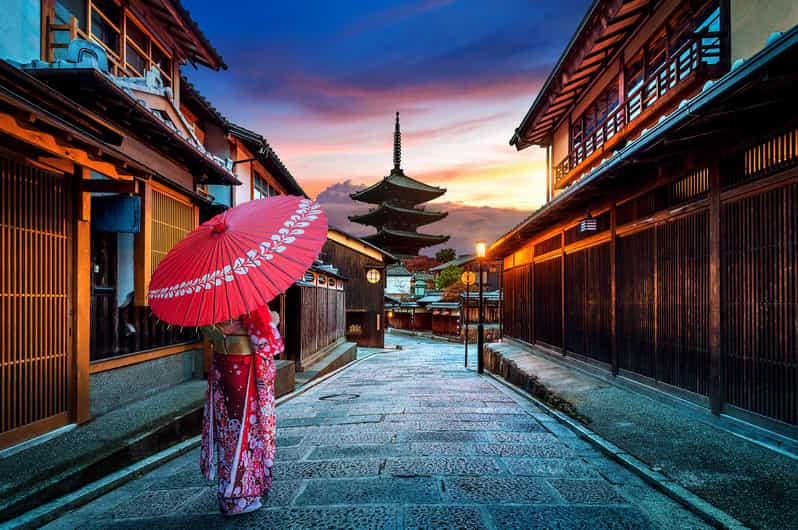
Gion is Kyoto’s historic entertainment district, and evening is the natural time to see it. As daylight fades, lanterns appear outside restaurants and teahouses. The streets do not become a stage show for visitors, though. Gion remains a working neighborhood, and the best experience comes from observing quietly rather than chasing a photograph.
That is one reason a guide helps. A casual walk can show you attractive lanes, but it may not explain why certain streets are protected, how a teahouse works, or why geiko and maiko should be given plenty of space. The tour gives meaning to details you could otherwise miss.
You may catch sight of a geiko or maiko traveling to an appointment, but this is not promised. Treat any sighting as luck, not as the point of the tour. The guidance about photography is important: keep your distance, do not block the path, and step aside if someone approaches. A longer camera lens is better than moving close.
The activity is advertised primarily as a night walk, although the title also refers to a morning option. Since starting times can change, check the available time before booking. The evening departure is the better fit if you want illuminated streets and the traditional nightlife atmosphere described here.
A few more Kyoto tours and experiences worth a look

Meeting in central Kyoto
The walk begins at Kyoto Kawaramachi Garden, at the corner in front of the large black world map. Your guide should be wearing a TripGuru shirt or holding a TripGuru sign.
Arrive at least 10 minutes early. The guide waits no more than 10 minutes, so this is not a good activity to reach casually after navigating unfamiliar streets. Heavy traffic can also affect morning travel times, and navigation apps may not give you a generous enough buffer.
The location is useful for combining the tour with other central Kyoto plans. The route passes the Minami-za theater, one of the recognizable cultural landmarks in the area, before leading into Gion. You do not stop for a full visit there, but the short pass-by helps place the neighborhood within central Kyoto.
Bring comfortable shoes, a camera, and cash. The tour includes one snack, but meals and other drinks are not covered. If you expect to want more than a small refreshment, eat beforehand or plan a meal afterward.
Hanamikoji Street and Gion’s old lanes
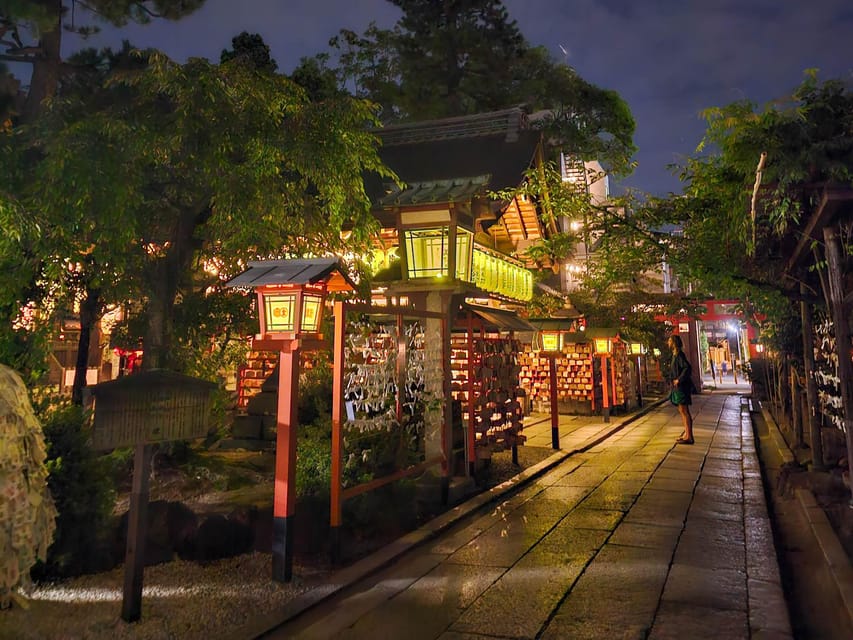
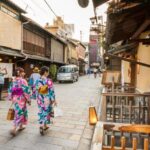
Hanamikoji Street is one of the best-preserved historic streets in Gion. The guided stop lasts about 30 minutes, enough time to look at the wooden facades, hear about the district’s customs, and ask questions without racing through.
The visual appeal is obvious, but the value lies in the explanation. Traditional buildings can look like simple photo backgrounds when you walk alone. A guide can point out how the street relates to Kyoto’s old entertainment culture and explain the difference between public-facing shops, restaurants, and more private teahouse settings.
Expect a walking pace rather than a lecture in one fixed spot. The route uses backstreets as well as the main lane, with more sightseeing and scenic views along the way. That variety matters because Gion changes quickly from a famous street to a much quieter passage.
You should also expect other people in the district. Gion is popular, and a small group does not make the streets empty. It does make it easier to hear the guide and stay together than on a large coach-style outing.
Maruyama Park and Yasaka Shrine
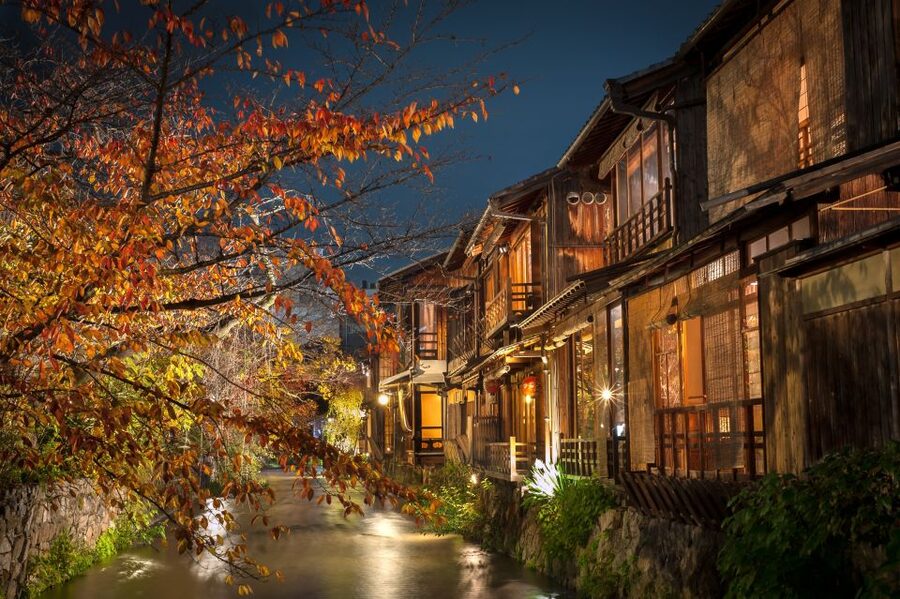
Maruyama Park is scheduled for about 15 minutes. It gives you a pause from the tighter streets and adds a more open setting to the walk. The guide continues the cultural commentary here, helping connect the district’s entertainment traditions with Kyoto’s religious spaces.
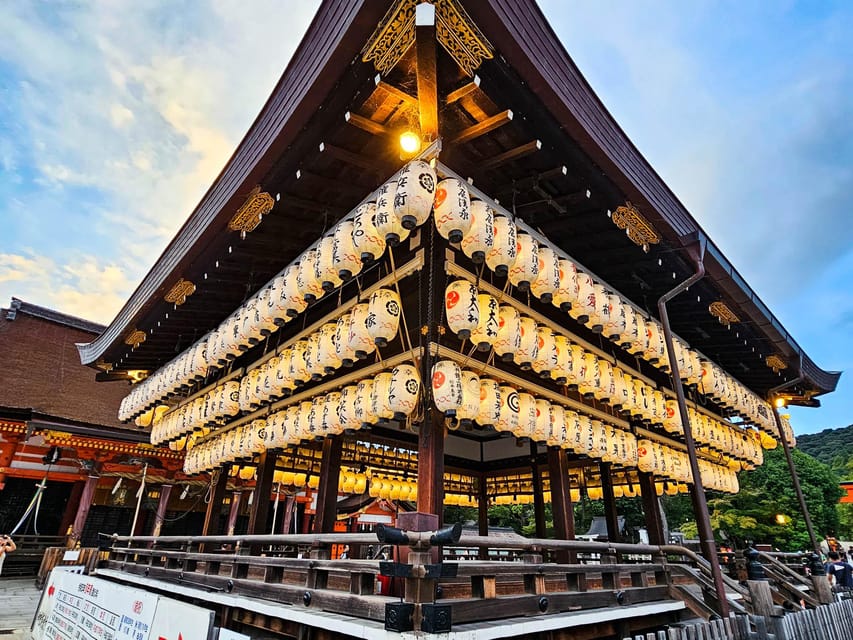
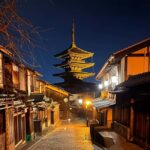
Yasaka Shrine follows with about 20 minutes of guided sightseeing. Also called Gion Shrine, it is one of the key landmarks in this part of the city. Seeing it at night gives you a different impression than a daytime temple visit. Lanterns and evening light create a calm, ceremonial feel, while the shrine’s position helps explain why Gion developed around it.
This is not a formal religious tour, and the time is limited. Still, the stop is useful if you want more than photographs. Guides have covered Japanese religion, local customs, and the way people use shrines in everyday life. Atsushi was specifically praised for explaining religious details, while several guides were noted for making the cultural material easy to follow.
If you are new to Japan, this may be one of the most useful parts of the walk. You can ask basic questions without feeling that you should already know the rules. The small group also helps keep the stop conversational.
The snack break adds welcome breathing room
After more sightseeing, the group stops for a local snack for about 20 minutes. The exact item can vary, so do not book this expecting a full meal or a fixed restaurant menu.
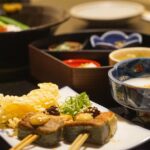
Matcha and matcha desserts are possible highlights. One visit included a tea break that helped the group warm up in cold weather, while another included matcha desserts and the option to choose other food up to 1,000 yen. These details suggest a modest local treat rather than a substantial dining experience.
I see this as a practical addition, not just a food extra. Three hours on foot can feel long, especially in colder weather or after a full day of sightseeing. The break gives you time to sit, regroup, and ask the guide about anything that came up earlier.
Because other drinks and meals are excluded, carry cash. If you have dietary needs, the supplied details do not promise special arrangements, so ask before booking rather than relying on the snack stop as dinner.
A few more Kyoto tours and experiences worth a look


Pontocho and the walk to Sanjo Bridge
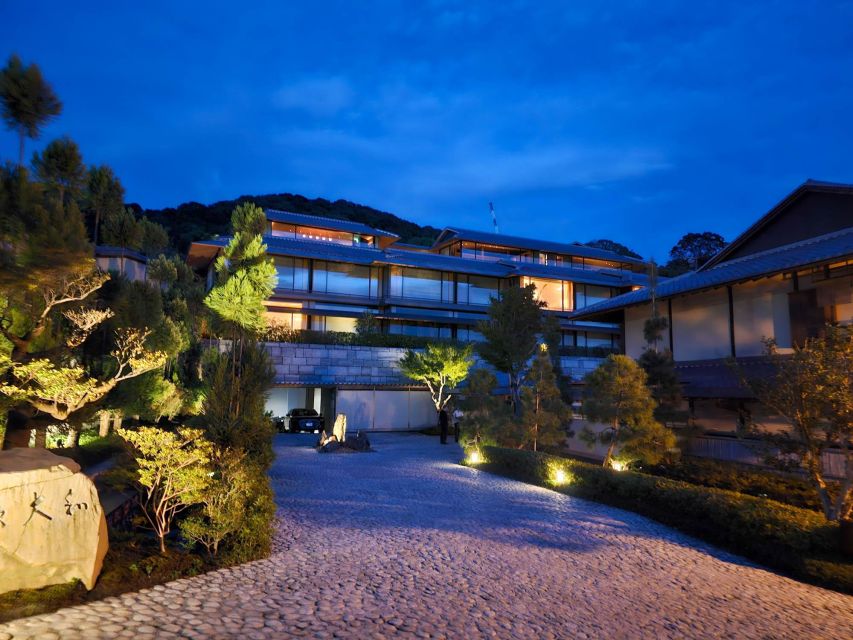
The route continues to Pontocho, with about 20 minutes for guided sightseeing. This narrow entertainment lane is another good place to see Kyoto’s evening character, with restaurants and bars packed into a compact historic setting.
Pontocho feels different from Hanamikoji. Hanamikoji is strongly associated with Gion’s traditional teahouse culture, while Pontocho presents another side of central Kyoto’s dining and nightlife scene. Seeing both in one walk gives you a better sense of how the old entertainment quarters fit together.
The walk ends around Sanjo Bridge according to the stop-by-stop route. However, the meeting-point information also says the activity ends back at the meeting point. Since those two details do not match perfectly, confirm the final drop-off location when you book or meet the guide. Either way, you finish in central Kyoto, where you can continue exploring or make your own dinner plans.
What the guides add
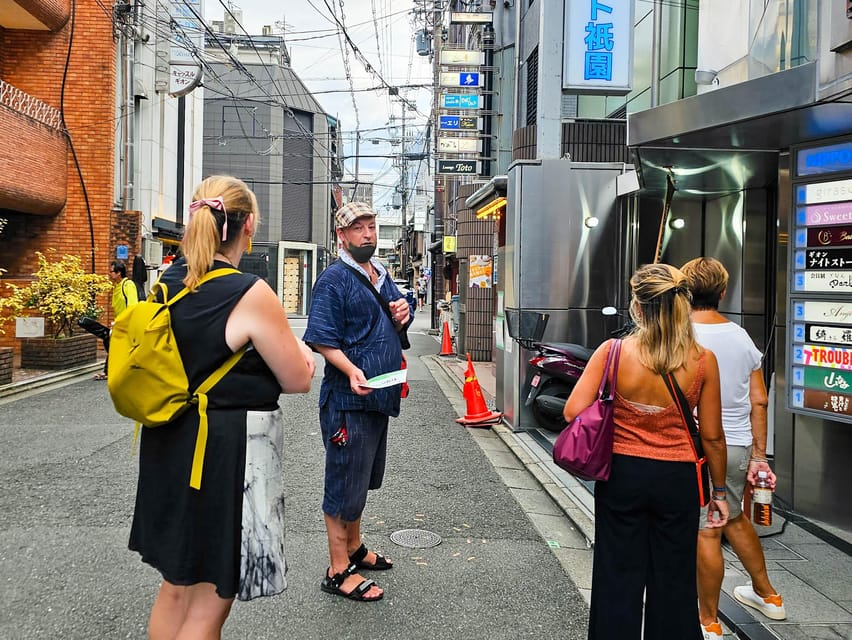
The strongest part of this experience is the guide rather than any single monument. A good Gion walk depends on stories, context, and timing. The comments about Jasmine describe clear explanations, a broad range of topics, and a professional but friendly manner. Vincent was praised for his understanding of Gion, Kyoto culture, Japanese religion, and the world of geiko and maiko.
Nobumasa Miyake was described as fun, kind, and especially strong on Gion and geisha culture. Katz brought the perspective of someone born and raised in the area. Alex and Alejandro were praised for sharing useful insights into Japanese culture, while Karl was valued for answering questions and helping first-time visitors get oriented.
The experience may feel different depending on who leads your group. That is normal for a walking tour with several language options. The available guide languages are English, French, and Spanish, but the specific guide is not guaranteed at booking.
The best guides do more than recite dates. They invite questions, adapt the conversation, and explain how to behave respectfully around working performers and religious sites. One particularly useful feature is the chance to ask about what you are seeing right then, rather than saving every question for the end.
Is three hours enough?
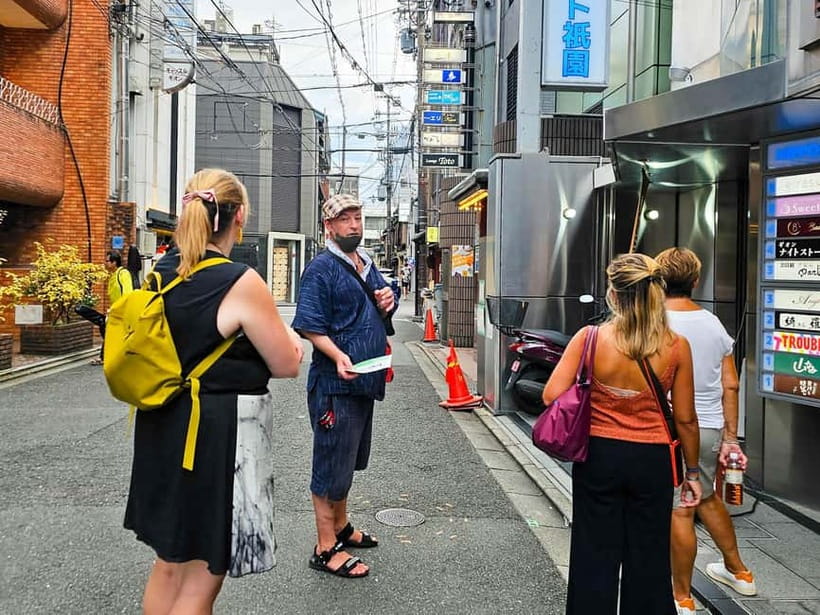
Three hours is enough for a strong first look at Gion, not enough for every lane, temple, restaurant, and museum in the district. The schedule gives roughly 30 minutes to Hanamikoji Street, 15 minutes to Maruyama Park, 20 minutes to Yasaka Shrine, 20 minutes for the snack, and 20 minutes at Pontocho, with additional walking and scenic stops between them.
That pacing keeps the tour moving. You get a series of well-chosen places instead of spending the entire evening at one shrine. Several comments praised the easy pace and timing, and one group spent longer than planned because the guide adapted to their questions.
You should still expect to walk continuously on paved streets and back lanes. Comfortable shoes matter more than fashionable ones. The route includes sightseeing, standing, and moving between stops, with no promise of a vehicle transfer or hotel pickup.
Is $46 a fair price?
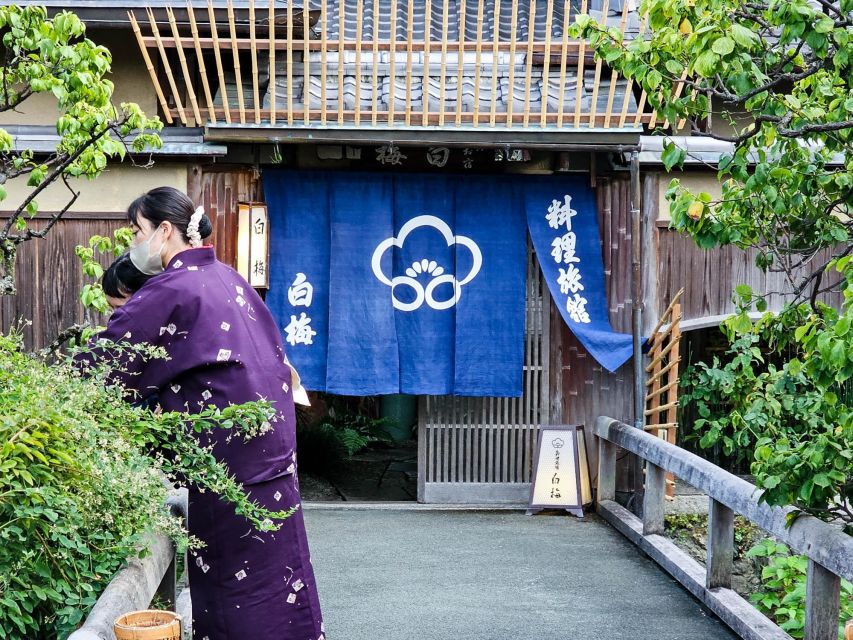
At $46 per person, the value depends on how much context you want. You can walk through Gion for free, photograph Hanamikoji Street, visit Yasaka Shrine, and wander Pontocho on your own. The fee pays for a three-hour route, an English, French, or Spanish-speaking guide, a small group limited to nine, and a snack.
For a first evening in Kyoto, that can be worthwhile. You get an orientation to several central areas without spending half a day on a formal sightseeing program. The guide can also help you understand customs that are easy to misread, especially around geiko and maiko.
The price is less compelling if you prefer wandering alone, already know Gion well, or want a food tour with several substantial tastings. One snack is included, not a meal. This is primarily a cultural and neighborhood walk with a light refreshment.
Free cancellation up to 24 hours before the start and the reserve-now, pay-later option make it easier to fit into a changing Kyoto schedule. Same-day bookings may be accepted, subject to availability, which is handy when the weather or your energy level changes.
Who should book this Gion walk?
I would choose it for a first visit to Kyoto, especially if you arrive with only one free evening. It is also a good match if you want to understand geiko and maiko culture without booking a longer specialized experience.
The tour suits people who enjoy asking questions and learning from a local guide. It is less suitable if you want a private tour, a slow photography session, a full dinner, or a route designed for limited walking.
Families and older visitors should pay close attention to the stated restrictions. The activity is not suitable for pregnant people or people with mobility impairments, heart problems, or respiratory issues. The supplied details do not give a specific distance or step count, so ask the provider if your walking ability is uncertain.
Small details that improve the evening
A few simple choices can make this tour work better:
- Arrive early at the black world map meeting point, not just at the general shopping area.
- Wear shoes you can walk in for three hours.
- Carry cash for anything beyond the included snack.
- Bring a camera, but photograph working geiko and maiko from a respectful distance.
- Ask questions as you go. Guides such as Jasmine, Vincent, and Nobumasa Miyake have been praised for adapting their explanations to the group.
- Keep dinner plans flexible until you know where the walk finishes.
Should you book it?
Book this tour if you want a compact, guided introduction to Gion’s streets, shrines, nightlife, and performing arts culture. The small group, snack break, and strong guide feedback give it more substance than a simple photo walk.
Skip it if you need accessible transport, want a full food experience, or prefer exploring silently at your own speed. For most first-time visitors with three free hours, $46 is a reasonable price for a well-shaped evening introduction, provided you are comfortable walking and understand that a geiko or maiko sighting is never guaranteed.
FAQ
How long does the Gion walking tour last?
The tour lasts three hours. Check availability for the current starting times.
Where does the tour begin?
It begins at the corner of Kyoto Kawaramachi Garden, in front of the large black world map.
How do I find the guide?
Your guide will wear a TripGuru shirt or hold a TripGuru sign.
Where does the tour finish?
The route details show Sanjo Bridge as the final stop, while the meeting information says the activity ends back at the meeting point. Confirm the final location when booking or meeting your guide.
What places are visited?
The walk includes Hanamikoji Street, Maruyama Park, Yasaka Shrine, Pontocho, and additional traditional backstreets and scenic stops. It also passes Kyoto Minami-za.
Is food included?
One local snack is included. Meals and other drinks are not included.
What languages are available?
Live guides are available in English, French, and Spanish.
How many people are in the group?
The group is limited to nine participants.
Can I book at the last minute?
Same-day and last-minute bookings may be accepted, depending on availability. Check the available date and time before booking.
What happens if I need to cancel?
You can cancel up to 24 hours in advance for a full refund. You can also reserve now and pay later.
More Walking Tours in Kyoto

More Night Walks & Ghost Tours in Kyoto
More Gion & Geisha Walks in Kyoto
More tours in Kyoto we've reviewed




Gion & Geisha Walks, compared.
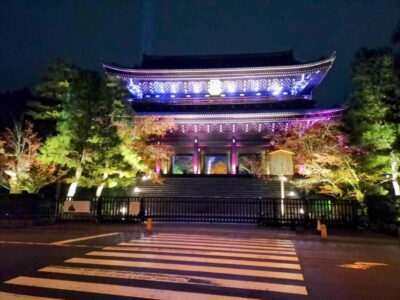 ★ 4.7Kyoto Geisha Walking Tour: Gion District & Hidden GemsFrom $252 hours
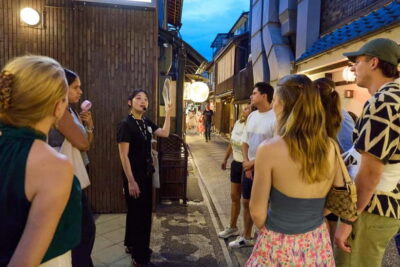 ★ 4.7Kyoto: Gion Geisha District Walking Tour – Stories of GeishaFrom $202 hours
 ★ 4.9Best of Kyoto: Gion, Geisha, Pagodas & CobblestonesFrom $242 hours
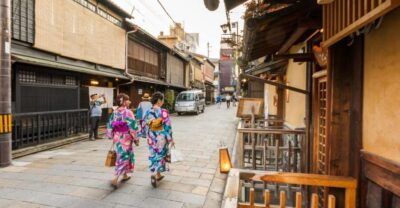 ★ 4.5Night Walk in Gion: Kyoto’s Geisha DistrictFrom $211h 40m
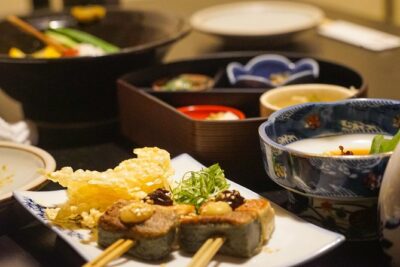 ★ 5.0Kyoto Night Foodie Tour in Gion (9+ dishes + 6 Sake tastings)From $163
 ★ 5.0Kyoto Gion Geisha District Walking Tour – The Stories of GeishaFrom $25