
Reviewed · KYOTO
Kyoto: Hidden Gems and Local Neighborhoods
Kyoto’s best moments may come in places you did not plan to see. This 210-minute walk with Romain leads you through quieter neighborhoods, lesser-known temples, peaceful gardens, and scenic corners that sit well beyond the city’s most crowded stops. The route can change with the season, time of day, and what you have already visited.
I like the small group limit of five, which suits anyone who finds packed streets and noisy tours tiring. I also like the built-in photography help: Romain can guide you toward photogenic spots and take pictures of you, with an optional package providing about 10 high-quality photos.
The main trade-off is simple: this is a walking tour for people who can manage several kilometers, not a sightseeing bus with frequent seats. Temple entry fees, food, drinks, and transport to the meeting point cost extra, so bring comfortable shoes and some cash.
In This Review
- Key points to know before booking
- Why this Kyoto walk feels different
- Following a route chosen for the season
- Temples, shrines, and gardens without the usual crush
- Walking through Kyoto’s quieter neighborhoods
- Romain’s guiding style and local stories
- Photography help and the optional private upgrade
- Is $44 a fair price?
- Who should book this experience?
- Practical ways to enjoy the walk
- Should you book Kyoto: Hidden Gems and Local Neighborhoods?
- FAQ
- How long does the Kyoto walking tour last?
- Which languages does the guide speak?
- How many people can join the tour?
- What places will the tour visit?
- Is photography included?
- What should I bring?
Key points to know before booking

- Up to four routes: The places you visit can change with the season, booking time, and your past Kyoto sightseeing.
- Romain leads the walk: He guides in English or French and adds local stories along the way.
- A calm pace: The focus is on quieter temples, shrines, gardens, and everyday neighborhoods rather than Kyoto’s famous crush of people.
- Photography is part of the experience: You can ask for photo help, or add a package with about 10 high-quality pictures.
- Small groups only: The maximum is five people, with a fully private option available when you add the photography package.
- Plan for a few kilometers: Comfortable shoes, weather protection, and cash for entry fees or snacks are essential.
Why this Kyoto walk feels different
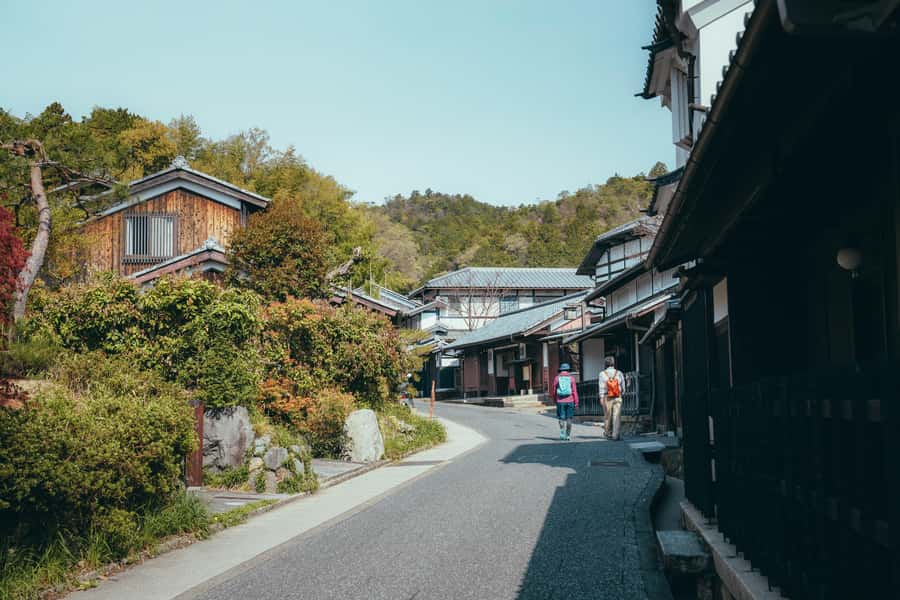
Many Kyoto visits follow a familiar circuit: a major temple, a famous shrine, a packed shopping street, then another major temple. That plan can work, but it often leaves you watching other people take the same photograph while local life carries on somewhere else.
This walk takes a different approach. You spend about three and a half hours moving slowly through lesser-known parts of the city, with the guide choosing among up to four prepared routes. The exact choice depends on the day, the time, the season, and your preferences.
That flexibility matters. If you have already seen Kyoto’s best-known sights, you are less likely to repeat ground you know. If this is your first visit, you can still see temples, gardens, and neighborhoods while gaining a calmer introduction to the city.
I especially like the focus on quiet Kyoto, rather than simply calling the tour a sightseeing walk. The goal is not to race between as many locations as possible. It is to pause, notice details, hear local stories, and enjoy places where you are not competing with a large tour group.
If you're still narrowing it down, here are other tours in Kyoto we've reviewed.

Following a route chosen for the season
You should not book this expecting a fixed list of named stops. The experience offers up to four routes, and the guide decides which fits the conditions best. That means the walk can feel more personal, but it also means you cannot guarantee one particular temple or garden in advance.
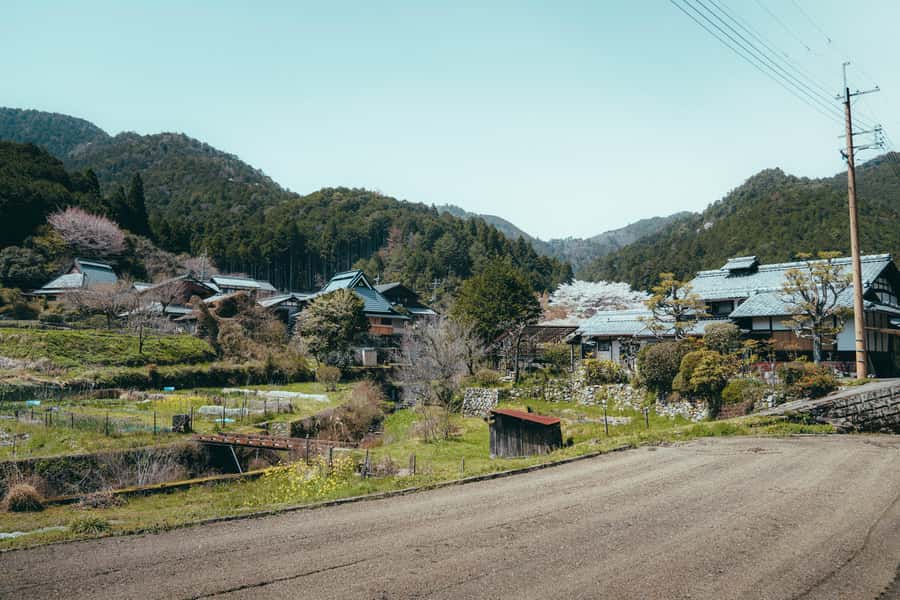
The route may include lesser-known temples and shrines, gardens, charming residential areas, or rural-feeling parts of Kyoto that remain easy to reach. These are the kinds of places that can reveal how the city works beyond its headline attractions.
A quieter temple may give you time to examine its gates, rooflines, statues, or garden design without being pushed along. A neighborhood walk may show you old houses, small shops, cafes, and the ordinary rhythm of Kyoto life. The supplied details do not promise a particular number of temples or a fixed neighborhood, so think of this as a guided exploration rather than a checklist.
The seasonal planning is useful. Different areas can feel very different depending on the weather and time of year, and the guide can select a route that makes sense for the day. Rain is not automatically a disaster here. One recent outing continued in wet weather, and the rain added atmosphere to the temples and streets.
Still, you need to dress for the forecast. Bring a hat and sunscreen on sunny days, and an umbrella or raincoat when rain is possible. Kyoto weather can make a long walk feel far harder if you are wearing the wrong clothes.
Temples, shrines, and gardens without the usual crush
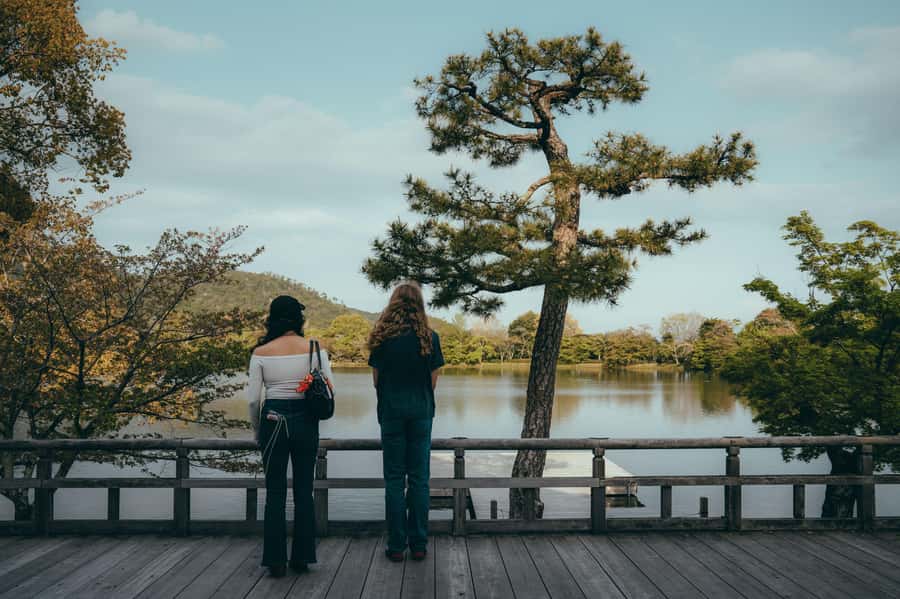
The strongest reason to book this experience is the chance to see religious sites away from the usual crowds. Kyoto has more than 1,200 years of history and more than 2,000 temples and shrines, yet many visitors see only a small handful of famous places.
A lesser-known temple can be valuable precisely because it does not demand your attention with a giant gate or a famous photograph. You may have more room to notice small design choices, changing light, quiet corners, and the way people use the site for worship rather than sightseeing.
The same is true of shrines. A guide can explain what you are looking at and place the setting within local life. Without some context, a shrine can become a quick stop for a few pictures. With a guide, the visit has a better chance of becoming part of your understanding of Kyoto.
Gardens bring another kind of reward. They are meant to be viewed slowly, and a peaceful garden works best when you are not shoulder to shoulder with a crowd. The tour’s slower pace gives you time to look instead of simply arrive, photograph, and leave.
Entry fees are not included. Bring cash, since some places and nearby stops may not accept credit cards. The amount you spend depends on the selected route and the sites visited, so it is wise to carry enough for tickets, drinks, or a snack.
Walking through Kyoto’s quieter neighborhoods
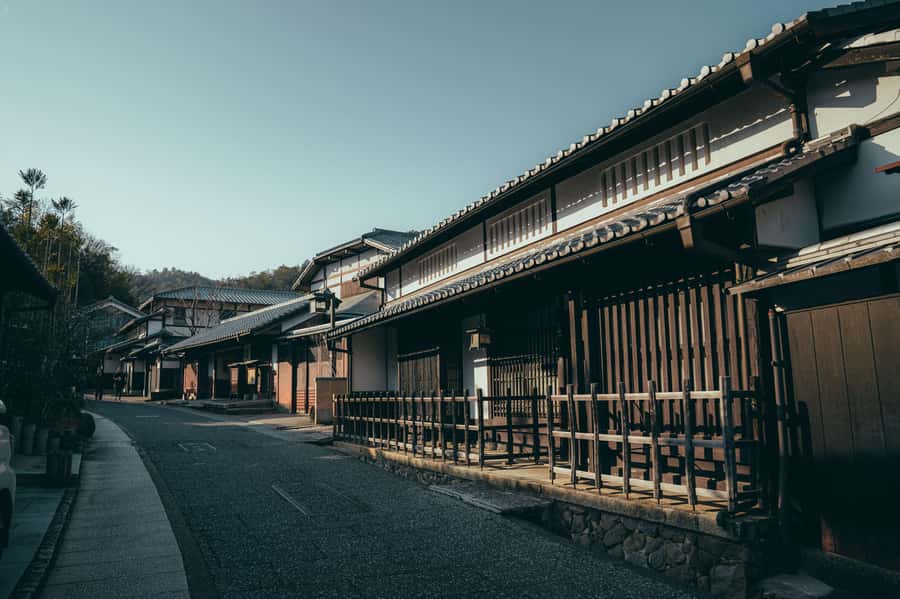
The neighborhood sections may be the most useful part of the morning or afternoon. Kyoto’s character is not limited to temple grounds. Its small streets, older homes, local businesses, and long-running artisan houses help explain why the city feels different from a normal modern capital.
You may pass through a charming neighborhood or a rural-feeling area that remains accessible from the city. These areas give you a break from the main tourist corridors and a chance to see a gentler side of Kyoto.
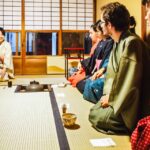
I would not treat this as a shopping tour or a food tour. Meals and drinks are not included, and the main purpose is walking, observation, and cultural context. But the route can include a stop at a tea house. Several recent outings ended or paused with tea and Japanese pastries in a beautiful tea house, a detail that adds a pleasant social finish to the walk.
That tea stop is not guaranteed as a separate included feature, so do not book solely for it. Still, it shows the kind of local detail the experience can provide. A quiet cup of tea can be more memorable than another hurried landmark, especially after several hours on foot.
Romain’s guiding style and local stories
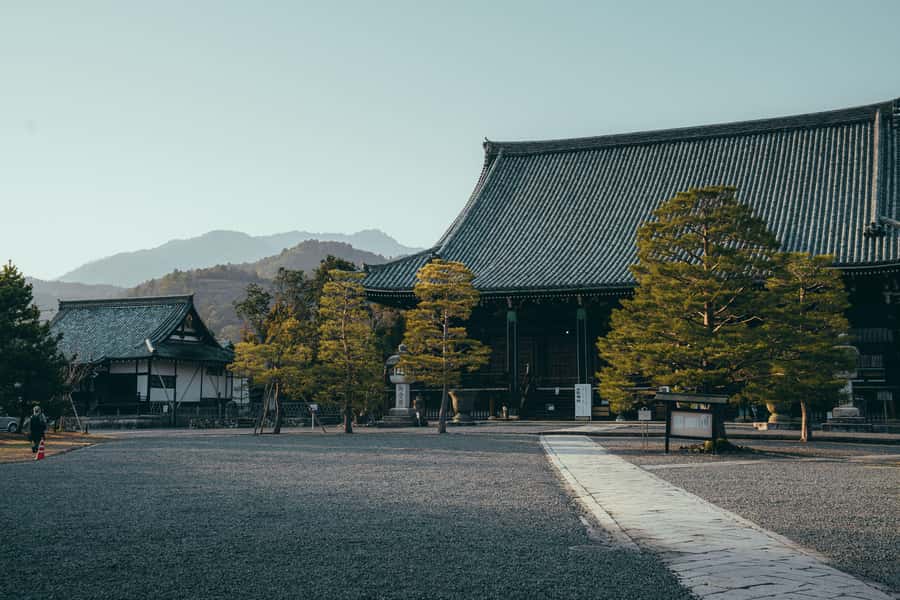
Romain is the named guide connected with the experience, and the strongest praise centers on his ability to show places people would not find alone. He guides in English and French, which makes this a practical choice for visitors who want detailed explanations in either language.
The information provided does not promise a formal lecture or a specialist talk on every temple. Instead, expect stories about local life, Kyoto’s past, and the places you visit. The emphasis is on making sense of what you see, not on filling every minute with facts.
That balance is important in Kyoto. A guide who only lists dates and architectural terms can make a quiet temple feel dry. A guide who focuses only on pretty streets can leave you without context. This walk aims for both: a peaceful setting and enough explanation to help you understand why the area matters.
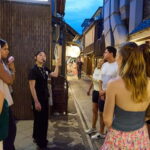
The small group format should help. With no more than five participants, it is easier to ask questions, adjust the pace, and tell the guide what you have already visited. The tour can also be adapted to your interests, within the limits of the available routes and the day’s timing.
If you are shy, introverted, or sensitive to noise, this setup is worth noting. A small group does not guarantee total silence, but it avoids the feel of a large procession. You can enjoy the city without having to speak over a crowd.

Photography help and the optional private upgrade
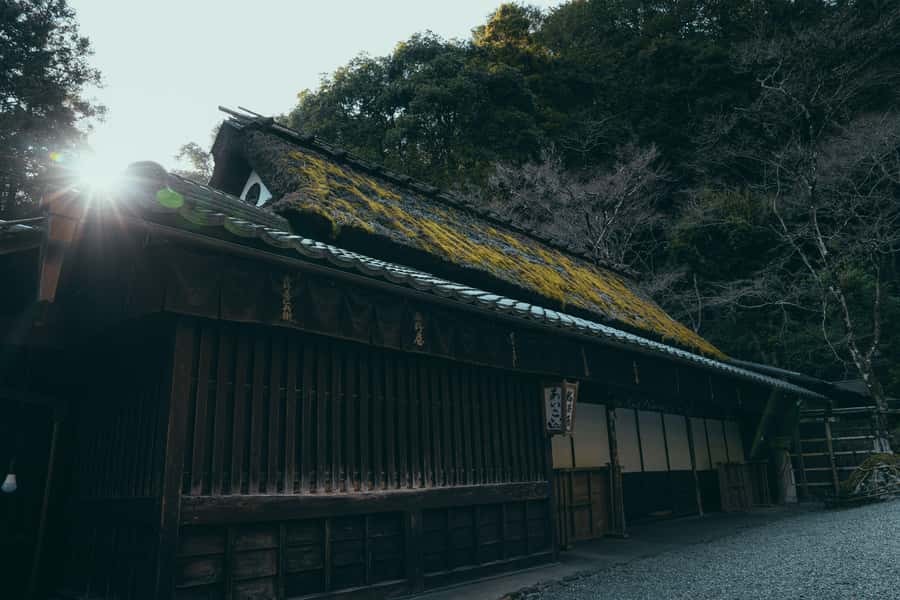
Photography is not an afterthought here. Romain is a photographer, and he can point out locations that work well for pictures while helping you frame the scene. That is useful if you want better images but do not want to spend the whole walk studying your phone.
You can also add a photography package. It provides about 10 high-quality pictures of you and changes the outing into a fully private experience. This is the clearest upgrade for couples, solo visitors, or anyone who wants both a quiet walk and proper photos from the trip.
The package costs extra, though the supplied information does not give the additional price. If you are mainly interested in temples and local stories, the standard tour should cover your needs. If having good portraits matters to you, the private option may offer stronger value than booking a separate photo session.
Keep your expectations practical. The exact photo locations depend on the selected route, weather, and season. The package promises about 10 high-quality images, not an all-day professional shoot.
Is $44 a fair price?
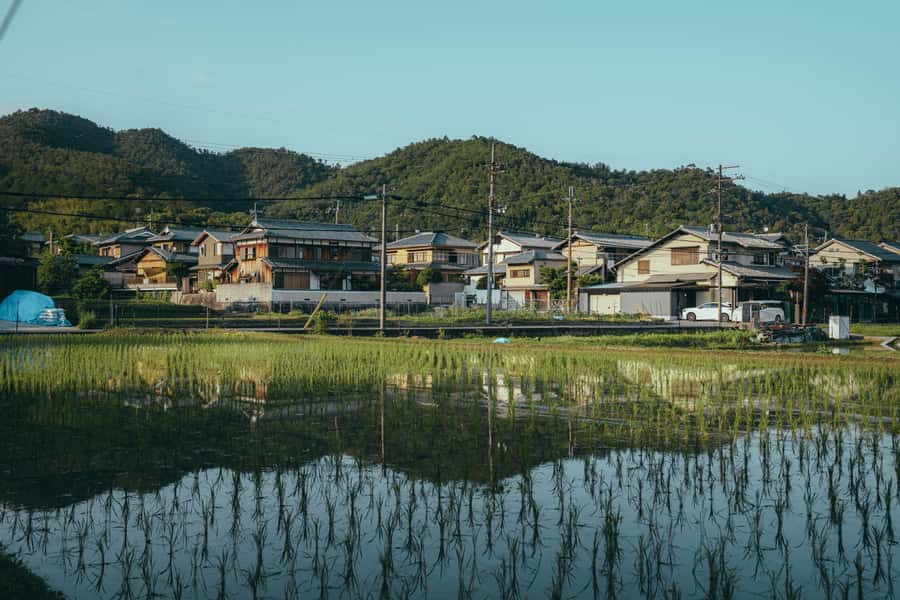
At $44 per person, this is not the cheapest way to walk around Kyoto. You can visit public streets and some sites independently for little money. The price pays for more than steps on a map: it covers a live guide, route planning, local interpretation, photography assistance, and the chance to avoid spending half a day guessing which quiet places are worth your time.
The value is strongest for first-time visitors who want a gentler introduction than the standard sightseeing circuit. It also works well for repeat visitors who have already seen major temples and want a different view of the city.
The small group limit improves the calculation. A five-person maximum gives the tour a more personal feel than a large group, and the route can respond to your interests. If you add the photography package, the experience becomes private, though the extra cost should be checked before booking.
The price does not include temple admission, food, drinks, or transport to the meeting point. Those are not surprising exclusions, but they affect your total budget. Carry cash for entry tickets and small purchases, since some places do not accept cards.
Free cancellation up to 24 hours before the start also helps if your Kyoto schedule is still changing. You can reserve now and pay later, which is useful when you are arranging several days of sightseeing.
Who should book this experience?
I would choose this walk if you value calm streets, small groups, local detail, and time to take photographs. It suits solo visitors, couples, friends, and repeat visitors who feel worn out by Kyoto’s famous crowded areas.
It is also a good choice for people who have already visited the main sights. The flexible route can help you avoid repeating them, though you should tell the guide what you have seen and what you want from the day.
First-time visitors can book it too. You will not get a grand tour of every major Kyoto landmark, but you will get a quieter introduction and a better sense of how temples, neighborhoods, and gardens fit into daily city life.
This is not suitable for children under 12, wheelchair users, or people with mobility impairments. You will walk a few kilometers, and some temple or neighborhood surfaces may be uneven, although the precise route is not specified. If you need frequent rest stops or step-free access, choose a different activity.
It is also a poor match if your main goal is to tick off Kyoto’s most famous sights. The appeal is precisely the opposite: fewer famous stops, less noise, and more time in places that are easy to overlook.
Practical ways to enjoy the walk
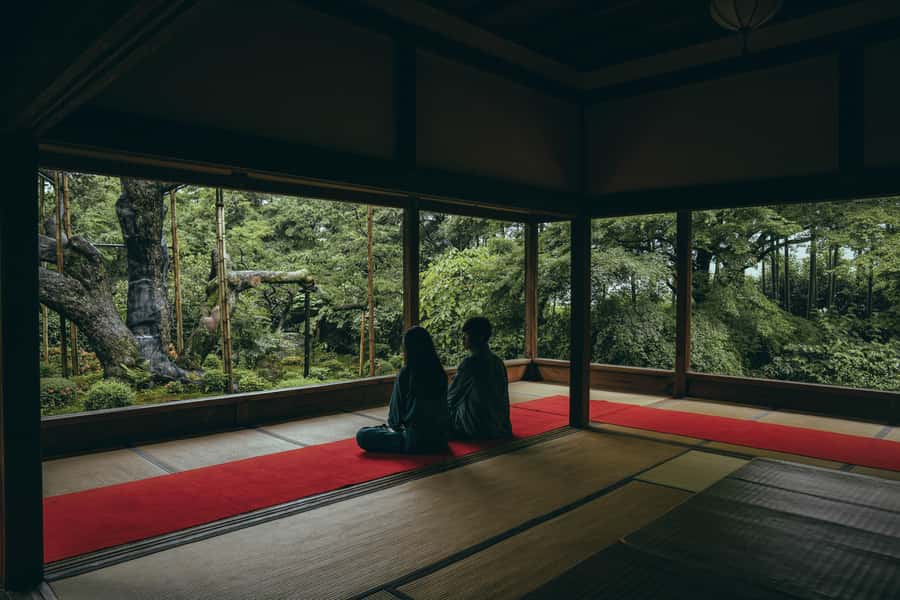
Wear shoes you can comfortably use for several kilometers. Kyoto sightseeing often involves more walking than expected, and a peaceful route is no help if your feet hurt after the first hour.
Carry cash for entry fees, drinks, and snacks. Credit cards may not be accepted at some of the places along the way.
Check the forecast and prepare for it. A hat and sunscreen suit sunny days, while an umbrella or raincoat is sensible in wet weather. The walk can continue in rain, but your comfort will depend on how well you are equipped.
The tour lasts 210 minutes, and starting times vary. Check availability when choosing your date, then allow enough time before and after the walk for transport and other plans.
Do not bring alcohol or drugs. Children under 12 cannot join, and the activity is not designed for wheelchair users or people with mobility impairments.
Should you book Kyoto: Hidden Gems and Local Neighborhoods?
Book it if you want Kyoto at a slower pace and would rather explore a quiet temple or neighborhood than join another crowded landmark circuit. Romain’s English or French guidance, small groups, seasonal route choices, and photography help give the $44 price a reasonable return.
I would be especially keen to book this after seeing Kyoto’s major sights, or early in a longer stay when you want a calm introduction to the city. Just bring good shoes, cash, and weather gear, and remember that the exact temples and neighborhoods are selected rather than guaranteed.
Skip it if you need a fully accessible route, dislike several kilometers of walking, or want only famous Kyoto attractions. For everyone else, this is a thoughtful way to see how much of Kyoto exists beyond the usual postcard stops.
FAQ
How long does the Kyoto walking tour last?
The tour lasts 210 minutes, or about three and a half hours. Check availability for the starting times on your chosen date.
Which languages does the guide speak?
The live guide speaks English and French.
How many people can join the tour?
The group is limited to five participants. Adding the photography package makes the tour fully private.
What places will the tour visit?
The route can include lesser-known temples, shrines, gardens, charming neighborhoods, and rural-feeling but accessible parts of Kyoto. You can choose among up to four prepared routes, depending on the season, day, booking time, and your preferences.
Is photography included?
Photography assistance by the guide is included. You can also add a photography package that provides about 10 high-quality pictures of you and makes the tour private.
What should I bring?
Bring comfortable walking shoes, cash, and clothing suitable for the weather. A hat and sunscreen are recommended for sunny days, while an umbrella or raincoat is useful when rain is expected.
More tours in Kyoto we've reviewed




Kyoto, compared.
 ★ 5.0PERFECT KYOTO 1-Day Bus TourFrom $129
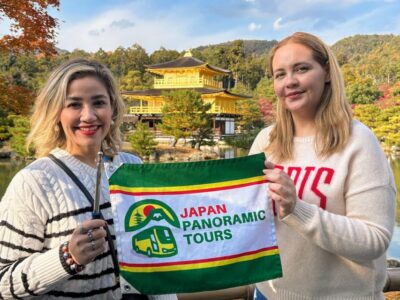 ★ 4.8Kyoto: Fushimi Inari, Kinkakuji, Bamboo Grove 1 Day Bus TourFrom $122510 minutes - 9 hours
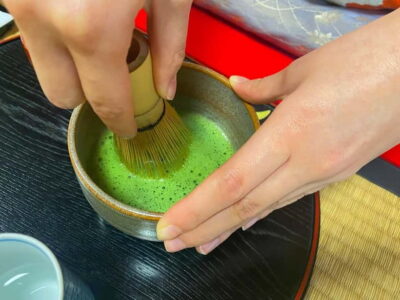 ★ 4.9Kyoto: Tea Ceremony in a Traditional Tea House in KiyomizuFrom $4945 min
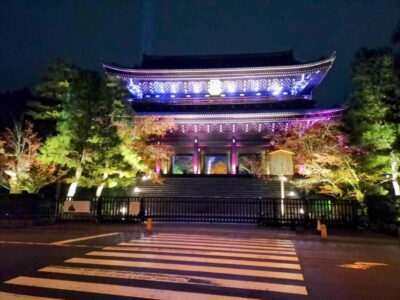 ★ 4.7Kyoto Geisha Walking Tour: Gion District & Hidden GemsFrom $252 hours
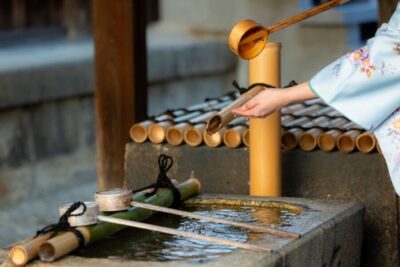 ★ 4.9Kyoto: Tea Ceremony Ju-An at Jotokuji TempleFrom $291h 10m
 ★ 4.3Kyoto: 45-Minute Tea Ceremony Lesson ExperienceFrom $2245 min