
Reviewed · NARA DAY TRIPS
Kyoto Uji and Nara Tour with Sushi Making Experience
Uji matcha, handmade sushi, a 15-meter Buddha, and deer wandering through an ancient park: this tour packs several of Japan’s best-known sights into one long day. You begin with Byodoin Temple, then move through Uji before spending the afternoon at Nara’s major religious sites.
I like two things right away. First, lunch is not just a restaurant stop: you make your own sushi and eat what you prepare. Second, the air-conditioned bus saves you from piecing together several train and bus connections between Kyoto and Nara. The tradeoff is clear: six stops in about 10 hours means quick visits, plenty of walking, and little room for a slow, contemplative temple morning.
In This Review
- Key Points to Know Before Booking
- One Day, Two Ancient Cities, Six Very Different Stops
- Byodoin Temple and the Famous Phoenix Hall
- Brewing Matcha in Uji
- Making Sushi for Lunch
- Kasuga Taisha’s Lantern-Lined Shrine Grounds
- Todaiji and the Great Buddha
- Nara Park and Its Famous Deer
- What the $103 Price Really Buys You
- The Walking and Timing Reality
- The English Guide and Group Experience
- Who Should Book This Day Trip?
- Should You Book It?
- FAQ
- How long is the Kyoto, Uji, and Nara tour?
- What is included in the $103 price?
- Is the Phoenix Hall interior included?
- Is lunch included?
- How many people can join the tour?
- What happens if I need to cancel?
Key Points to Know Before Booking
- Byodoin’s Phoenix Hall gives you one of Uji’s most recognizable views, with the building reflected in the pond.
- Matcha making in Uji turns a famous local product into a hands-on activity rather than just a tasting.
- Sushi lunch is included, and you prepare the food yourself with an instructor.
- Todaiji’s Great Buddha Hall houses a colossal Buddha inside the world’s largest wooden structure.
- Nara Park’s deer are an easy highlight, but the 30-minute stop is brief.
- The $103 price is strongest for visitors who value transport, entry fees, lunch, and a guide more than free time.
One Day, Two Ancient Cities, Six Very Different Stops
This is a high-mileage sightseeing day. The route links Kyoto’s southern edge, Uji, and Nara, so you see a lot without arranging your own transport. The bus is air-conditioned, a real advantage during Japan’s hot summer months, though traffic can shorten time at the stops.
The group can reach up to 40 people. That size keeps the price reasonable, but it also means you must stay alert to meeting times and follow the guide closely. The bus will not wait for late arrivals, and a missed departure means no refund.
The day begins at 8:00 a.m., with arrival recommended 15 minutes early. Final departure details are sent before the tour, and the schedule can change because of traffic, weather, or local congestion. Plan for a full day that may run later than expected rather than booking an evening commitment afterward.
A few more Kyoto tours and experiences worth a look
Byodoin Temple and the Famous Phoenix Hall
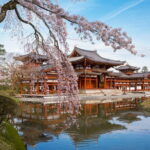
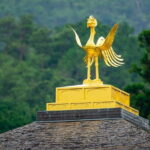
Your first major sight is Byodoin Temple, one of Uji’s most recognizable landmarks. The temple’s Phoenix Hall sits over a pond, where its elegant shape and red details reflect in the water when conditions are favorable.
The connection to the Japanese 10-yen coin gives the visit an extra bit of context. You may recognize the building from your pocket before you have even seen it in person. That small detail helps make the architecture feel less remote and more connected to daily Japanese life.
You have about 70 minutes here, and admission is included. That is enough time to walk through the temple grounds, see the pond, take photographs, and listen to an introduction from your guide. It is not enough time for a leisurely study of every building or a long pause by the water.
The interior of Phoenix Hall is not included. If you want to enter it, you pay an additional entrance fee on site, and you should ask your guide how that visit fits the schedule. For many people, the exterior view and pond are the main event anyway, especially on a tightly timed day.
Brewing Matcha in Uji
Uji is closely associated with high-quality matcha, and the stop at Mitsuboshien Kanbayashi Sannyu Main Shop gives you a practical introduction to the drink. Instead of simply buying a tin or ordering a cup, you learn how to prepare Uji matcha in a traditional way.
The activity lasts about 45 minutes, with the fee included. That makes it a useful contrast to the temple visits. You are not only looking at an old building or taking photographs. You are handling one of the region’s signature products and learning how it becomes the drink served in tea shops across Japan.
Do not expect a long tea ceremony. The information provided describes a hands-on matcha-making lesson, not an extended formal ceremony with a full set of rituals. The short format works well for this itinerary, but tea enthusiasts may want a separate, slower tea experience elsewhere in Kyoto.
This is also a good place to ask your English-speaking guide for local suggestions. Guides named Yoko, Emi, Aki, and Sachiko have led versions of this type of program, with reports of friendly, attentive help and useful explanations. English ability can vary by guide, and some accents may require you to listen carefully.
Making Sushi for Lunch

Lunch is one of the tour’s most unusual features. At Umemori Sushi School’s Nara campus, you spend about 90 minutes learning how to make sushi, then eat the food you create.
The lesson is led by an instructor, and both the activity fee and lunch are included. That is a better use of midday than a rushed meal at a highway stop, particularly if you enjoy food experiences that show you how something is made.
The format also gives your day a welcome change of pace. By this point, you have visited a temple and worked with matcha. Sushi making adds a social, hands-on activity before the afternoon’s shrines and monuments.
Food quality can be a matter of taste. Some people may find the included meal satisfying and typically Japanese, while others may not consider it a highlight. If you have allergies or dietary restrictions, tell the operator when booking. Beverages are not included, so budget for drinks separately.
Kasuga Taisha’s Lantern-Lined Shrine Grounds
Kasuga Taisha, also called Kasuga Grand Shrine, is part of the UNESCO-listed Historic Monuments of Ancient Nara. Its importance comes not only from the buildings but also from its place in Nara’s long religious tradition.
You have about 45 minutes here, with no separate admission fee listed. That is enough for a focused walk through the shrine area and time for photographs. It is not a full exploration of every path and structure.
The shrine is known for its lanterns, which give the approach and grounds a distinctive feel. Your guide can provide the basic background and point out key details, but the pace means you should not expect a lengthy lecture. I recommend staying near the guide at the start, then using any free minutes for your own photographs.
Congestion is a real concern on weekends, holidays, and event days. Crowds can slow the bus and compress the time available inside the shrine grounds. If you are visiting during a busy period, accept that the order or length of stops may change.
A few more Kyoto tours and experiences worth a look
Todaiji and the Great Buddha
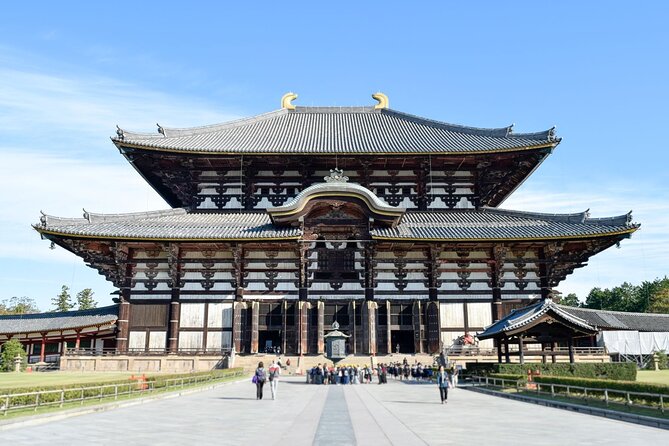
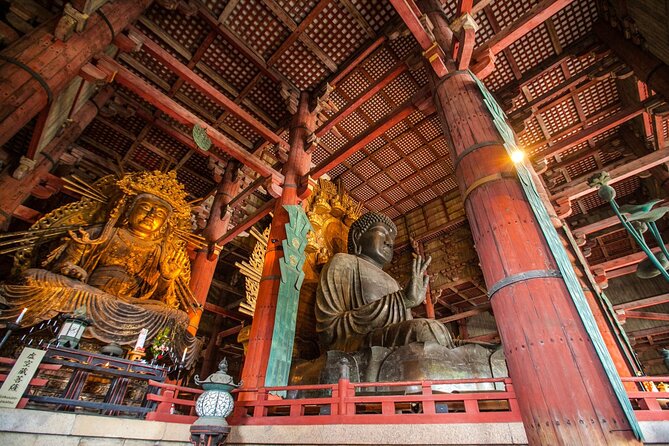
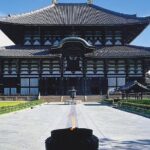
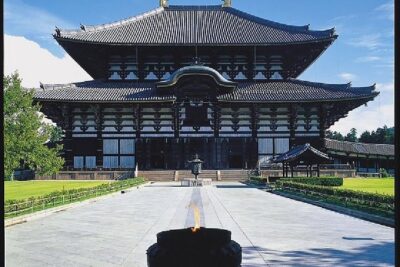
Todaiji is the afternoon’s major monument. Inside the Great Buddha Hall, you see a Buddha roughly 15 meters tall. The hall itself is famous for its scale and is described as the largest wooden structure in the world.
The entrance fee is included, which matters because this is one of the day’s most important paid sights. You have about one hour, enough to enter the hall, see the Buddha, take in the massive interior, and walk around the surrounding temple area.
The first impression here is size. The building and statue do much of the work without needing a long explanation. Still, the guide’s context helps you understand why Todaiji matters rather than treating it as just another large temple.
One hour goes quickly. If you want detailed photographs, close study of the Buddha, and time to explore other parts of the complex, you may feel rushed. Keep an eye on the meeting time, since Nara Park and the bus departure follow this visit.
Nara Park and Its Famous Deer

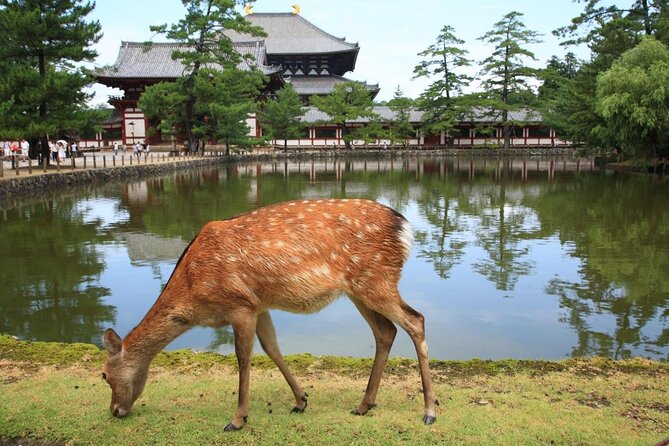
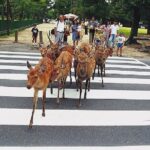
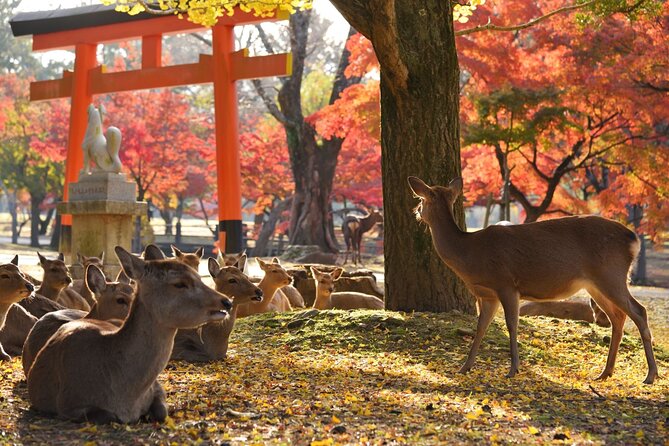
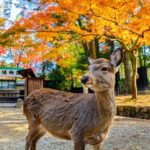
The final stop is Nara Park, where deer roam freely. You have about 30 minutes, so this is a short encounter rather than a long park walk.
The deer are an obvious photo opportunity, but they are also part of the character of Nara. You can see them moving around the park and near the temple area, which makes the city feel different from Kyoto’s more structured temple visits.
Thirty minutes is enough to take photographs and get a quick sense of the park. It is not enough for a relaxed stroll across the grounds or a long pause with the animals. Stay aware of the bus schedule and follow local instructions around the deer.
Nara is an excellent place to finish because the day ends with something informal and memorable after several solemn religious sites. Just remember that the tour’s appeal is the range of experiences, not extended time at any single one.
What the $103 Price Really Buys You
At $103, this tour asks you to pay for convenience as much as sightseeing. The price includes the air-conditioned vehicle, English guide, lunch, Byodoin admission, Todaiji admission, matcha making, and sushi making.
Buying those pieces separately would require planning several transport legs, reserving activities, paying entry fees, and finding lunch between temple visits. The tour can be good value if you want a ready-made day and do not want to manage the Kyoto to Uji to Nara route yourself.
The value is weaker if you prefer slow travel. You are paying for six scheduled stops, but you do not get the freedom to linger at Byodoin, spend extra time at Todaiji, or wander Nara Park until you are ready to leave.
The bus is practical rather than luxurious. It is air-conditioned and functional, though some departures may use an older vehicle. Seatbelts are required, smoking is prohibited, and you must remain seated while the bus is moving.
The Walking and Timing Reality
You should wear good walking shoes. The day includes temple grounds, shrine paths, park areas, and movement between the bus and each attraction. Several hours on your feet can feel demanding, especially in summer heat or during crowded holiday periods.
The schedule is designed to cover ground, not to provide long breaks. A typical day may run from around 8:00 a.m. into the early evening, depending on traffic. The operator warns that visits may be shortened and arrival times delayed, so keep your evening open.
This pace suits you if you want a strong first look at Uji and Nara. It is less suitable if you want time for quiet photography, independent shopping, or detailed study of temple art.
The group limit of 40 is worth noting. A smaller group may feel more personal, while a full bus can make regrouping slower. Past guide assignments have included Yoko, Emi, Aki, Sachiko, Chiaki Fujita, and Hideo Aramaki, but your guide is not guaranteed in advance.
The English Guide and Group Experience
The guide is one of the tour’s most important parts. You need someone who can keep the schedule moving while explaining what you are seeing in clear English. Guides on previous departures have been described as friendly, attentive, efficient, and willing to help with photographs and local advice.
English accents vary. If English is not your first language, you may need to concentrate during explanations, especially if the guide speaks with a strong Japanese accent or slang. Do not hesitate to ask for a point to be repeated.
A guide is especially helpful on a day with several transfers. You do not need to work out the best route from Kyoto to Uji, then onward to Nara, and you have someone to tell you where and when to regroup. That convenience is the main reason to choose this over independent travel.
Who Should Book This Day Trip?
I would choose this tour if you have limited time in the Kyoto area and want to see major sights in both Uji and Nara. It works especially well for first-time visitors who value structure, included meals, and a guide over a flexible schedule.
It also suits you if you want more than standard sightseeing. The matcha lesson and sushi class give the day two practical cultural activities, not just temple photography. Families and mixed-age groups may appreciate the variety, provided everyone can manage the walking and long day.
I would hesitate if you have already spent several days exploring Kyoto and Nara at your own pace. You may prefer to return to one temple, take a dedicated tea class, or spend a full afternoon in Nara Park instead of following a tight route.
Arrive 15 minutes early and treat the departure time as firm. Bring water, comfortable shoes, and money for beverages or optional Phoenix Hall admission. Keep valuables with you, since items left on the bus may be disposed of.
Should You Book It?
Book this tour if your priority is maximum sightseeing with minimum planning. For $103, the transport, guide, two admissions, lunch, matcha activity, and sushi lesson make a fair package, especially when Kyoto and Nara are both on your list.
Skip it if your ideal day includes long temple visits, quiet meals, or wandering without a clock. The best way to think about this experience is as a well-organized introduction to Uji and Nara, not a slow study tour. If you can accept the pace, it gives you an impressive amount of Japan in one day.
FAQ
How long is the Kyoto, Uji, and Nara tour?
The tour lasts approximately 10 hours. It begins at 8:00 a.m., though the final departure time should be confirmed in the information sent before the tour.
What is included in the $103 price?
The price includes an air-conditioned vehicle, English guide, lunch, Byodoin Temple admission, Todaiji Temple admission, the sushi-making experience, and the matcha-making experience.
Is the Phoenix Hall interior included?
No. Byodoin Temple admission is included, but the entrance fee for visiting the interior of Phoenix Hall is not included.
Is lunch included?
Yes. Lunch is included, and you make sushi at Umemori Sushi School’s Nara campus before eating what you prepare. Beverages are not included.
How many people can join the tour?
The tour can have a maximum of 40 participants.
What happens if I need to cancel?
You can receive a full refund if you cancel at least 24 hours before the local start time. Cancellations or changes made within 24 hours are not refunded or accepted. If the tour is canceled because of poor weather, a natural disaster, or too few participants, you will be offered another option or a full refund.
More Uji & Matcha Trips in Kyoto
More Nara Day Trips in Kyoto

More tours in Kyoto we've reviewed







Nara Day Trips, compared.
 ★ 5.0World Heritage Kyoto & Nara Uji Authentic Matcha ExperienceFrom $129
 ★ 4.7Kyoto/Osaka: Nara, Fushimi Inari Taisha, Arashiyama Bus TourFrom $529 - 10 hours
 ★ 4.4Osaka/Kyoto: Arashiyama, Nara & Fushimi Inari Shrine w/LunchFrom $61
 ★ 5.0Nara Early Morning Tour (Kyoto or Osaka Departure Available)From $61
 ★ 4.5Kyoto and Nara Day Trip from KyotoFrom $194
 ★ 4.5Nara Afternoon Tour from Kyoto or OsakaFrom $102