
Reviewed · KYOTO
Kyoto: Sushi Making Experience in Kawaramachi
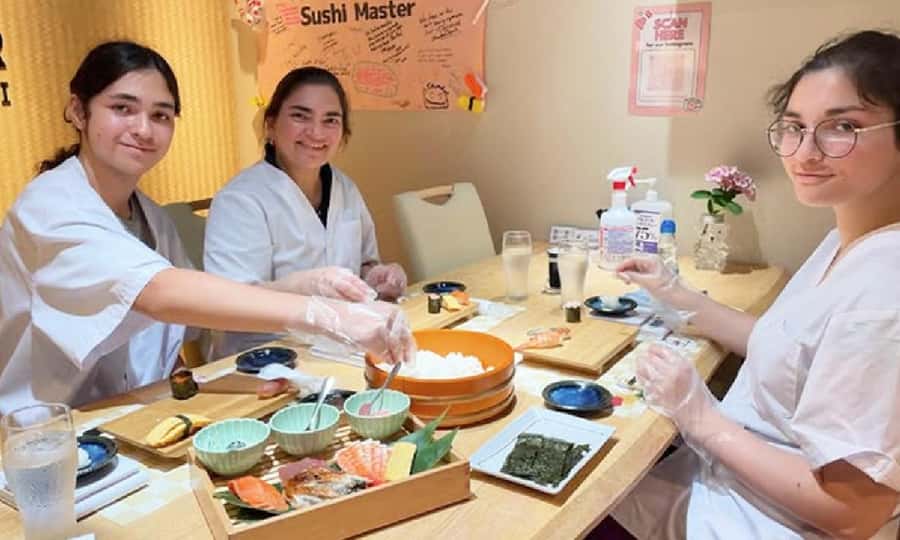
Kyoto’s Kawaramachi district is a good place to turn lunch into a hands-on lesson. In this 90-minute sushi class, you learn basic Japanese food traditions, shape your own pieces with staff guidance, then sit down and eat what you made. It is a simple, social break from temple visits and shopping.
I like two things here: the English-speaking staff make the lesson easy to follow, and the class gives you a real task rather than just a meal. The choice between nigiri and temari sushi also lets you pick a style that suits your confidence. At $40, the meal, ingredients, instruction, and small gift make a fair package.
The main limitation is the dietary policy. Only shellfish allergies can be accommodated, with octopus and squid substituted, while vegetarian, vegan, and halal meals are not available. Drinks cost extra, and you must reach the class yourself.
- Five minutes from Kyoto Kawaramachi Station: The central location fits neatly into a shopping or sightseeing day.
- Two sushi formats: Choose 9 nigiri and 3 gunkan-maki, or 10 temari sushi and 2 gunkan-maki.
- A short food lesson first: You hear about Japanese cuisine and sushi before handling the ingredients.
- You eat your own work: The class ends with a meal made during the session.
- English support: The staff speak English fluently, useful when learning unfamiliar techniques.
- A take-home gift: You leave with a small souvenir, not just a full stomach.
In This Review
- A Sushi Lesson in the Middle of Kawaramachi
- What Happens During the 90-Minute Class
- Choose Between Nigiri and Temari Sushi
- Why the English Support Matters
- The Meal Is Part of the Lesson
- A Small Souvenir to Finish the Visit
- The Dietary Rules Need Careful Attention
- Is $40 a Fair Price in Kyoto?
- Who Will Enjoy This Class Most?
- How to Fit It Into a Kyoto Day
- Should You Book the Kawaramachi Sushi Experience?
- FAQ
- How long does the sushi-making experience last?
- Where is the class located?
- Which languages are available?
- What sushi will I make?
- Is the sushi meal included?
- Are drinks included?
- Can shellfish allergies be accommodated?
- Are vegetarian, vegan, or halal options available?
- Is hotel pickup or drop-off available?
A Sushi Lesson in the Middle of Kawaramachi
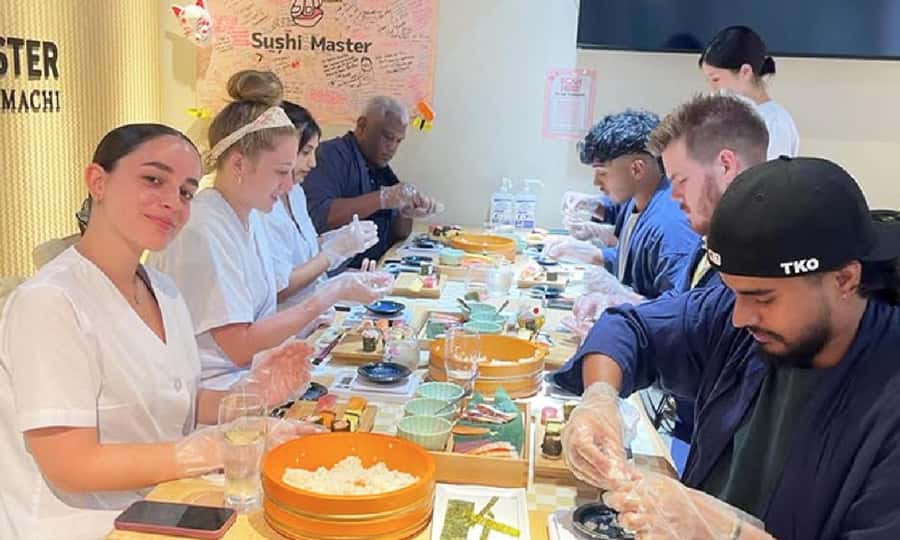
This experience puts you in one of Kyoto’s most convenient central districts. Kawaramachi is known for shops, restaurants, and easy transport, so you can pair the class with a walk through the shopping streets or a visit to nearby parts of central Kyoto.
The meeting point is about a five-minute walk from Kyoto Kawaramachi Station on the Hankyu Kyoto Line. That short walk matters. You do not need to build a long transfer into your day, and the class can work well between larger sightseeing plans.
You should arrive at the designated meeting point for the option you book. Hotel pickup and drop-off are not provided, so plan to reach the class independently. Since the exact meeting point can vary by option, check your booking details before setting out.
The setting is practical rather than grand. This is not a tour through a famous market or a formal dinner in a historic restaurant. The appeal is participation. You sit down, listen, work with your hands, and eat the result.
What Happens During the 90-Minute Class
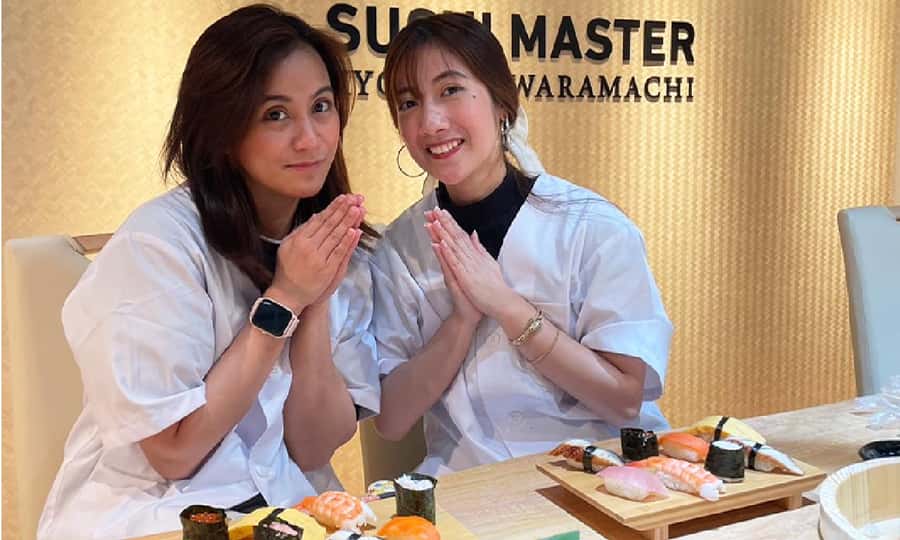
The session follows a clear three-part rhythm. First comes a lecture on the history of Japanese cuisine and sushi. Then you make the sushi with help from the staff. Finally, you eat the pieces you prepared.
The opening talk gives your meal some context. Sushi is not just raw fish placed on rice. The class introduces the place of sushi within Japanese food culture, helping you understand what you are making before the practical work begins.
Do not expect a university lecture or a long cultural seminar. The session lasts only 90 minutes, so the food talk is designed to prepare you for the hands-on portion. That is a strength for most visitors. You get enough background to make the activity meaningful without giving up half a day.
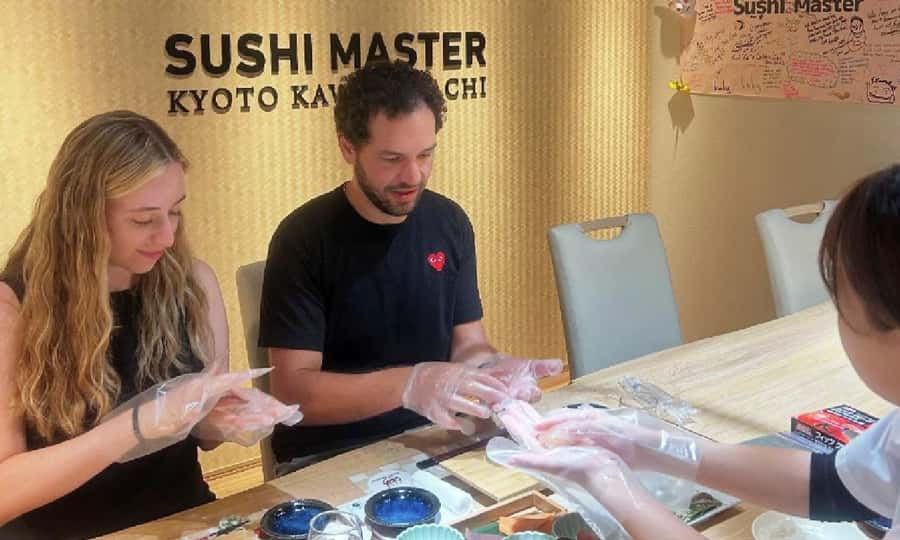
The practical section is the heart of the experience. Staff guide you through traditional sushi-making techniques and help you shape the pieces. The class is open to all skill levels, so you do not need previous kitchen experience.
That does not mean every piece will look perfect. Sushi has a clean, precise appearance, and shaping rice takes a little care. The point is not to leave as a professional sushi chef. The point is to understand how the pieces are formed and to enjoy the process without worrying about restaurant-level presentation.
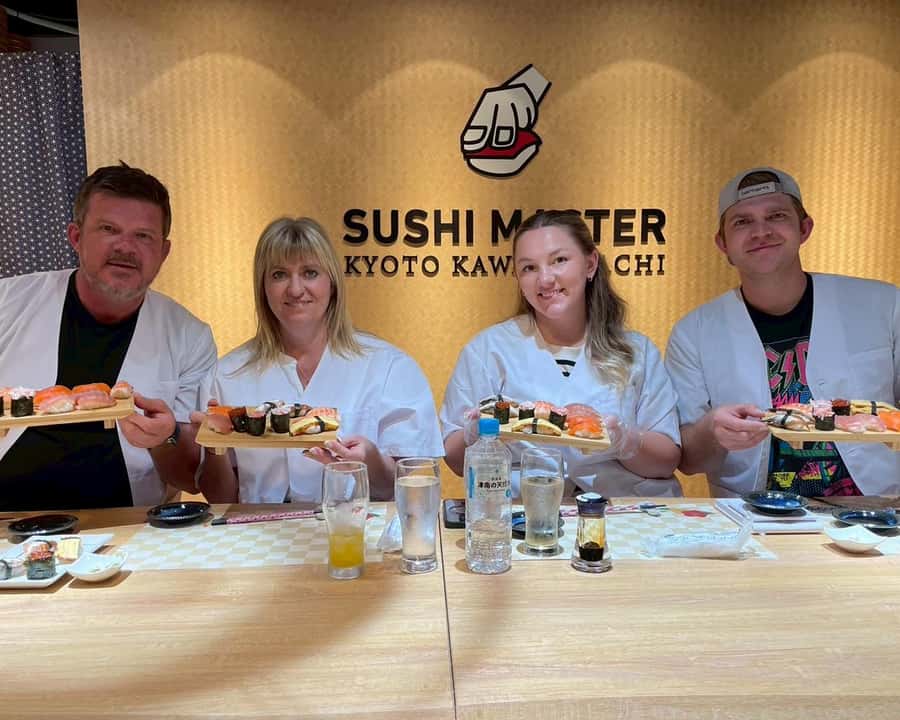
At the end, you eat the sushi you made. This changes the mood from demonstration to shared meal. You are not simply watching someone prepare food for you. Your lunch or snack carries the small satisfaction of having made it yourself.
If you're still narrowing it down, here are other tours in Kyoto we've reviewed.

Choose Between Nigiri and Temari Sushi
The two course choices give the class a useful bit of flexibility.
The standard Sushi Making Experience Course includes:
- 9 pieces of nigiri sushi
- 3 pieces of gunkan-maki
Nigiri is the familiar style with a hand-shaped portion of rice topped with seafood or another ingredient. It gives you a chance to practice forming rice and placing the topping neatly.
Gunkan-maki has a different shape. The rice is wrapped with seaweed, creating a small vessel for the topping. Making both nigiri and gunkan-maki adds variety to the lesson and gives you more than one sushi form to try.
The Temari Sushi Making Course includes:
- 10 pieces of temari sushi
- 2 pieces of gunkan-maki
Temari sushi is round rather than the more elongated shape associated with nigiri. The round form can feel more approachable if you are new to sushi making, and it gives the finished plate a different look.
Both choices provide 12 pieces in total. The difference is the balance between styles, not the overall quantity. If you want to try classic hand-shaped sushi, choose the nigiri course. If the compact, rounded temari style appeals to you, select that option instead.
The available option may affect the meeting point, so read the booking details closely. That is a small practical point, but it prevents a last-minute walk to the wrong location.
Why the English Support Matters
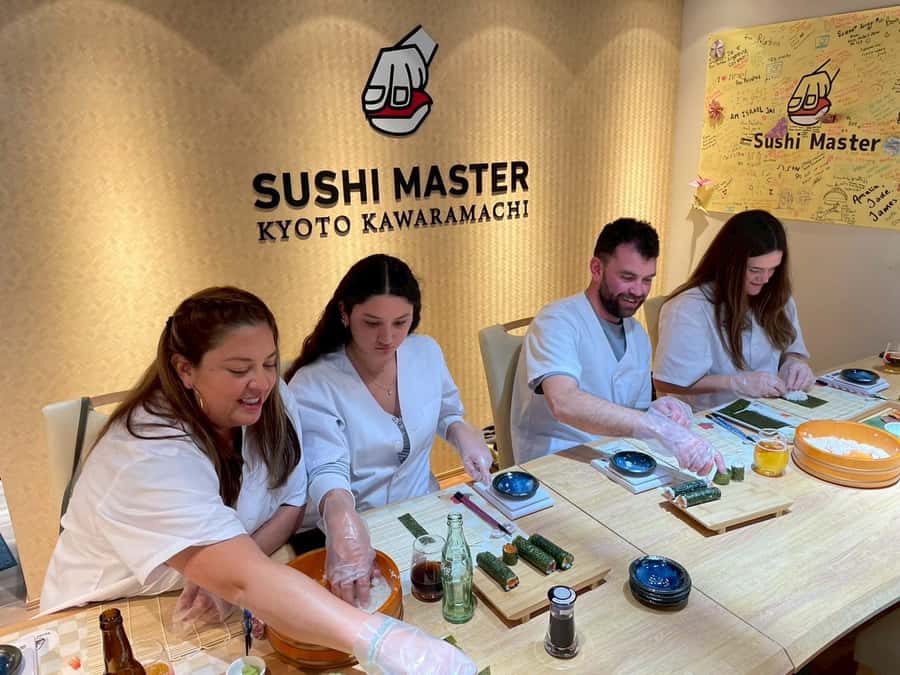
The staff speak English fluently, which is especially helpful in a food class. Sushi making involves short instructions about rice, shaping, toppings, and seaweed. Clear explanations let you focus on your hands instead of guessing what to do next.
The staff are described as friendly, and the activity is built for people at all skill levels. You can expect guidance rather than a test. If your rice shape is uneven or your first piece looks less tidy than the example, that is part of the fun.
This kind of class works best when the instructor can keep the pace moving while still helping individual participants. The 90-minute format suggests a focused lesson, not an open-ended workshop. You should have enough time to learn the basic motions, make all 12 pieces, and eat them before the session ends.
There are no guide names provided, so you should book this for the format and location rather than expecting a particular instructor. The strongest practical feature is the English-language support from the staff as a whole.
The Meal Is Part of the Lesson
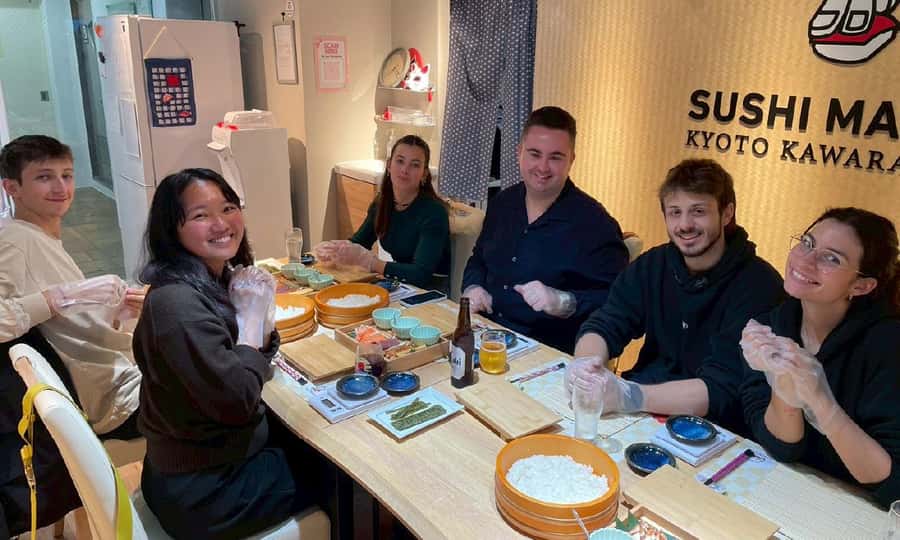
The meal is included in the price, along with the sushi ingredients. That makes the activity easier to budget. You pay once for the instruction, the food you use, and the sushi you eat afterward.
Drinks are not included, but you can order soft drinks and alcohol during the class. This gives you a choice. If you only want the included meal, you can keep the final bill at the advertised activity price. If you prefer a drink with your sushi, allow extra money.
The food portion is not an add-on tacked onto the end. It is the reward for the work you have just done. You see the ingredients before preparation, learn the basic method, and then taste the finished pieces. That connection makes the meal more memorable than ordering sushi from a menu.
You should also keep your expectations sensible. The provided details do not promise a full restaurant menu, a large tasting course, or unlimited food. You receive the sushi made in your selected course, 12 pieces in either format.
For many people, that is a satisfying amount for a light meal or substantial snack. If you arrive very hungry, remember that drinks and any additional food are not listed as included.
A Small Souvenir to Finish the Visit
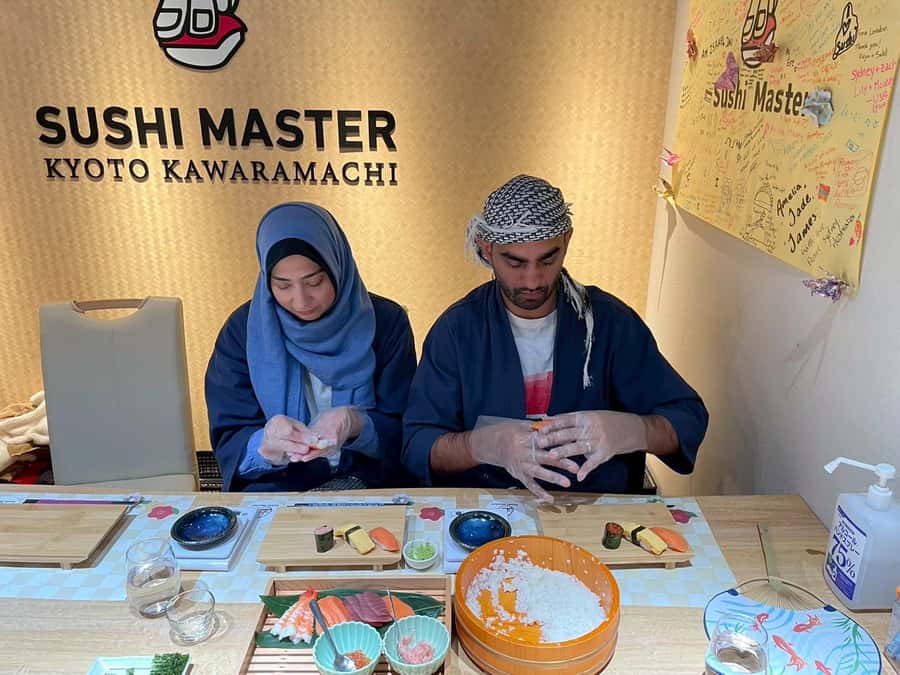
The class includes a special gift to take home. The exact item is not specified, so you should think of it as a small reminder rather than a major shopping opportunity.
That detail is easy to overlook, but it adds a pleasant ending. Food disappears quickly, while a simple souvenir can bring the experience back to mind after you leave Kyoto.
It also makes the class appealing for families and couples looking for a shared activity. You do not have to buy a separate keepsake, and the gift gives the occasion a clear finish.

The Dietary Rules Need Careful Attention
This is the most important issue to check before booking.
The class can accommodate shellfish allergies. Octopus and squid can be substituted. The information does not explain every possible ingredient or the exact substitution process, so you should communicate your allergy clearly when making arrangements.
Vegetarian, vegan, and halal meals are not available. If you follow one of these diets, this is not the right food activity for you.
The allergy policy also does not mean that every other food allergy can be managed. Only shellfish accommodation is specified. If you have additional allergies or strict dietary needs, do not assume the kitchen can adjust the menu.
For anyone who eats the listed ingredients, this limitation is unlikely to matter. For everyone else, it is a firm booking consideration, not a minor footnote.
Is $40 a Fair Price in Kyoto?
At $40 per person, the value depends on what you want from the outing.
If you only want the cheapest sushi meal in Kyoto, you can probably find simpler food for less. This class is not competing with a quick lunch. You are paying for ingredients, instruction in English, a 90-minute activity, the meal, and a take-home gift.
That package makes the price reasonable for a central Kyoto experience. The location near Kawaramachi Station also saves time and transport effort. You can fit the class into a day without traveling to a distant neighborhood.
The value is strongest if you enjoy learning by doing. You are paying for a memory and a skill, not just 12 pieces of sushi. It is also a practical choice for a first visit to Japan, since it connects a familiar food with an explanation of Japanese cuisine.
The value is weaker if you already make sushi regularly, want a long professional cooking course, or need a special diet. In those cases, the short format and fixed menu may feel limiting.
The reservation system lets you book now and pay later, which helps if your Kyoto schedule is still changing. You can also cancel up to 24 hours in advance for a full refund. Keep those terms in mind when planning, but do not mistake them for a substitute for checking the dietary rules.
Who Will Enjoy This Class Most?
I would recommend this experience to:
- First-time visitors who want a simple introduction to Japanese food
- Couples looking for a shared activity in central Kyoto
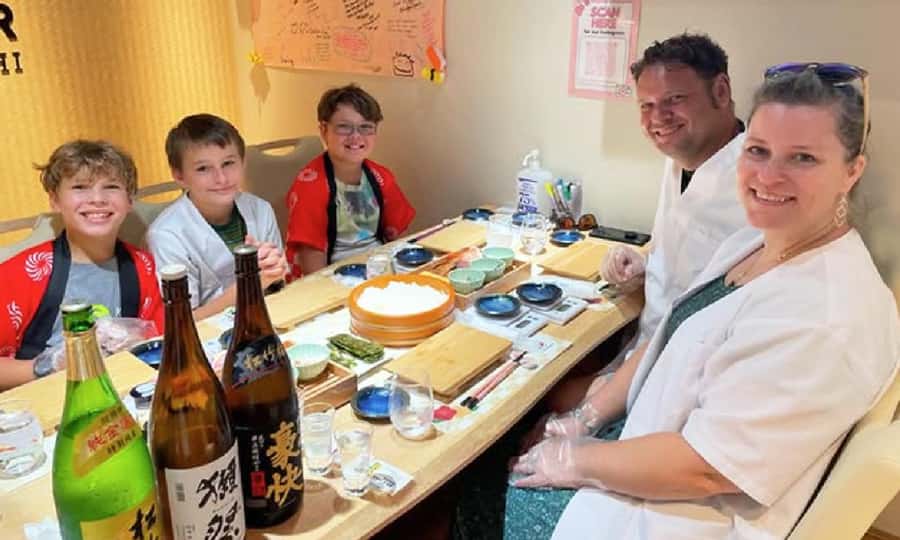
- Families with children or adults who enjoy hands-on lessons
- Sushi fans who want to learn basic preparation rather than only eat
- Visitors with a free 90-minute gap near Kawaramachi
- People who appreciate English instruction and a structured activity
The class is also useful on a rainy day. Since the main activity takes place indoors, it gives you a reliable plan when outdoor sightseeing becomes unpleasant. The provided information does not describe the interior or seating, so you should not book it for a particular view or atmosphere.
I would be cautious about booking if you want a quiet, formal meal. The focus is on making sushi, not on being served by a chef in a fine-dining setting.
I would also skip it if you need vegetarian, vegan, or halal food. The class does not offer those menus.
How to Fit It Into a Kyoto Day
The station access makes the timing easy. You can schedule the class around shopping in Kawaramachi, since the area has many convenient stores and restaurants.
A 90-minute session is short enough to pair with another central Kyoto plan, but leave yourself time to find the meeting point. The class ends back at the meeting point, so you can continue from there without arranging a return transfer.
Because pickup is not included, avoid placing the class immediately after a distant sightseeing stop unless you have allowed enough travel time. Kyoto’s central areas may look close on a map, but station exits and busy shopping streets can slow you down.
The best use of the class is as a planned pause. Put it between major activities, arrive ready to work with your hands, and keep the next appointment flexible enough that you do not have to rush out the moment you finish eating.
Should You Book the Kawaramachi Sushi Experience?
Book it if you want a friendly, English-supported activity that combines a short cultural lesson, hands-on cooking, and a meal in central Kyoto. The $40 price is fair for the full package, especially when you value participation more than simply ordering sushi.
Choose the nigiri and gunkan-maki course for classic sushi shapes. Choose temari and gunkan-maki if you prefer rounded pieces and a slightly different presentation.
Before paying, confirm the course option and meeting point, then check the food rules carefully. If you eat the available ingredients and have 90 minutes near Kawaramachi, this is an easy activity to add to your Kyoto plans. If you need a special diet or expect a full cooking school, spend your money elsewhere.
FAQ
How long does the sushi-making experience last?
The session lasts 90 minutes, including the food lesson, sushi making, and eating the sushi you prepare.
Where is the class located?
The class is in Kawaramachi, Kyoto, about a five-minute walk from Kyoto Kawaramachi Station on the Hankyu Kyoto Line.
Which languages are available?
The experience is offered in English, and the staff speak English fluently.
What sushi will I make?
The Sushi Making Experience Course includes 9 pieces of nigiri sushi and 3 pieces of gunkan-maki. The Temari Sushi Making Course includes 10 pieces of temari sushi and 2 pieces of gunkan-maki.
Is the sushi meal included?
Yes. The sushi ingredients and the sushi meal are included in the experience price.
Are drinks included?
No. Soft drinks and alcohol can be ordered during the class, but they cost extra.
Can shellfish allergies be accommodated?
Yes. Shellfish allergies can be accommodated, and octopus and squid can be substituted.
Are vegetarian, vegan, or halal options available?
No. The class does not offer special dishes for vegetarian, vegan, or halal diets.
Is hotel pickup or drop-off available?
No. Hotel pickup and drop-off are not provided. You must go directly to the class meeting point.
More tours in Kyoto we've reviewed



Kyoto, compared.
 ★ 5.0PERFECT KYOTO 1-Day Bus TourFrom $129
 ★ 4.8Kyoto: Fushimi Inari, Kinkakuji, Bamboo Grove 1 Day Bus TourFrom $122510 minutes - 9 hours
 ★ 4.9Kyoto: Tea Ceremony in a Traditional Tea House in KiyomizuFrom $4945 min
 ★ 4.7Kyoto Geisha Walking Tour: Gion District & Hidden GemsFrom $252 hours
 ★ 4.9Kyoto: Tea Ceremony Ju-An at Jotokuji TempleFrom $291h 10m
 ★ 4.3Kyoto: 45-Minute Tea Ceremony Lesson ExperienceFrom $2245 min