
Reviewed · GION & GEISHA WALKS
2 Hour Night Walking Tour Throughout Gion with snack
Kyoto after dark is a different city, and this tour takes you through the places where old customs meet modern nightlife. In two hours, you move from Yasaka Shrine and the geisha quarter to restaurant streets and the Kamo River, with Simon explaining what you are seeing along the way.
I like the tour’s useful mix of culture and practical advice. You learn the difference between a geiko and a maiko, then get restaurant suggestions for places where reservations may not be needed. I also like the included Japanese snack and geisha chocolate, small touches that make the walk feel more personal.
The main concern is crowd control. Gion can become very busy, and several people found the pace too quick or lost sight of the guide near the end. This tour works best when you stay close to Simon and keep your attention on the group.
In This Review
- Key points to know before booking
- Starting near Shijo-Kawaramachi
- Yasaka Shrine sets the historical tone
- Hanamikoji Street and the world of geiko and maiko
- Kiyamachi Street reveals Kyoto after hours
- The Kamo River is a quiet finish
- What the two-hour format does well
- Group size and keeping up in Gion
- The guide’s style and the information you receive
- Snack, chocolate, and what is not included
- Booking, weather, and cancellation
- Who will get the most from this Gion walk?
- Should you book the Gion night walking tour?
- FAQ
- How long is the Gion night walking tour?
- What locations does the tour visit?
- Where does the tour start?
- Where does the tour end?
- Is dinner included?
- Is a snack included?
- Does the tour enter attractions with paid admission?
- What is the maximum group size?
- Can I cancel for a full refund?
Key points to know before booking
- A compact introduction to Gion: In about two hours, you visit Yasaka Shrine, Hanamikoji Street, Kiyamachi Street, and the Kamo River.
- Simon brings local perspective: He explains Kyoto’s customs, geiko and maiko traditions, nightlife, and places to eat.
- The focus is on orientation, not formal sightseeing: You do not enter paid attractions, so the value comes from interpretation and local recommendations.
- The tour includes a small food treat: You receive a traditional Japanese snack and a geisha chocolate.
- Crowds can affect the experience: The group is meant to have no more than 10 people, but busy periods have caused larger groups and made it harder to keep up.
- Book early, but check your plans: The experience is commonly booked about eight days ahead and offers free cancellation up to 24 hours before departure.
Starting near Shijo-Kawaramachi
The meeting point is outside the Disney Store at Kyoto Shijo-Kawaramachi, on the northeast corner of Shijo Street and Kawaramachi Street. The address places it at the Kotocross Hankyu Kawaramachi building, near public transportation.
This is a practical starting point. Shijo-Kawaramachi is one of Kyoto’s main central areas, so you can reach it by public transport and combine the walk with dinner or evening shopping. The activity ends back at the same meeting point, which makes planning simpler than a tour that leaves you on the far side of the city.
Your confirmation arrives when you book, and the tour uses a mobile ticket. I would arrive early, especially at night, since a busy commercial corner is not always easy to scan quickly for one person among many pedestrians.
The walk lasts about two hours. You should expect steady movement rather than long seated talks. The route includes busy streets and crowded areas, so comfortable shoes and a willingness to stay with the group matter more here than dressing up for an evening in Gion.
A few more Kyoto tours and experiences worth a look

Yasaka Shrine sets the historical tone
The first stop is Yasaka Shrine, with about 30 minutes to walk around, take photographs, and hear about its past. The shrine is one of the best-known religious sites in central Kyoto and gives the tour a clear starting point before you enter the surrounding entertainment districts.
This stop is useful because it places Gion in a broader setting. You are not simply walking through attractive lanes and old buildings. The guide connects the shrine with the local community and explains why this area has remained important to Kyoto life.
There is no admission charge for this stop. That also applies to the other listed stops, so you are paying for the guide’s time, explanations, snack, and recommendations rather than entrance tickets.
Thirty minutes is enough for an introduction and photographs, but not for a detailed visit to every part of the shrine grounds. If you want quiet time for personal exploration, you may find the schedule a little brisk. The tour is designed to keep moving toward Hanamikoji Street.
Hanamikoji Street and the world of geiko and maiko
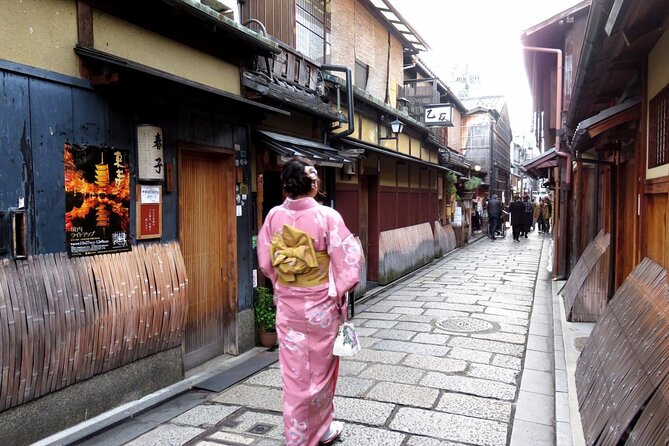
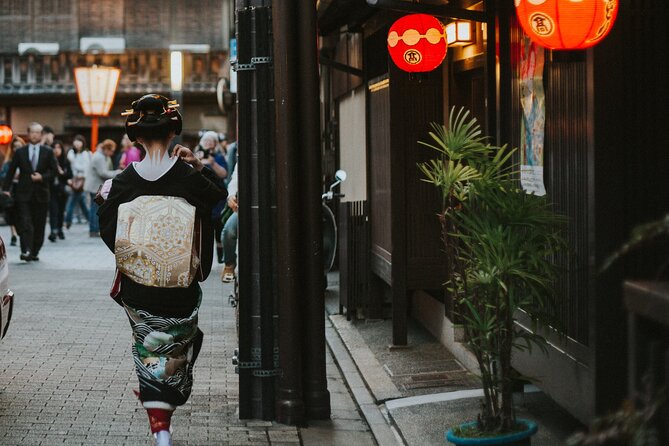
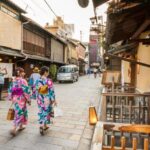
The longest stop is Hanamikoji Street, where you spend about 40 minutes learning about one of Kyoto’s historic hanamachi districts. A hanamachi is an area associated with geiko and maiko, the performers trained in traditional Japanese arts and social entertainment.
One of the most useful parts of the walk is the explanation of the difference between geiko and maiko. These terms are often reduced to the vague English word geisha, but the local distinctions matter. You get a clearer idea of the stages, customs, and working world behind the elaborate clothing and makeup.
This is also the portion of the walk where respectful behavior matters most. Gion is a living neighborhood and workplace, not a stage set. The route lets you see the setting where traditional people still live and work, but you should follow local etiquette, avoid blocking narrow lanes, and treat any performers you happen to see with care.
A few people have seen geiko or maiko during the walk, but that is not something the tour can promise. The stronger reason to visit Hanamikoji is the setting and the guide’s explanation, not a guaranteed sighting.
The street can be very crowded. In busy seasons, it may be difficult to hear every word or keep visual contact with the guide. I would stay near the front or middle of the group and avoid stopping suddenly for photographs.
Kiyamachi Street reveals Kyoto after hours
After the traditional atmosphere of Hanamikoji, the walk shifts toward Kiyamachi Street. This 40-minute section introduces Kyoto’s modern entertainment district, where restaurants and evening businesses replace the quieter shrine and geisha-quarter setting.
The contrast is one of the tour’s best features. You see that Kyoto is not only temples, gardens, and carefully preserved lanes. It is also a working city with nightlife, casual places to eat, and local routines that continue after the sightseeing day ends.
Simon’s restaurant advice is especially useful here. He points out places away from the most obvious tourist routes and recommends restaurants where you may not need a reservation. That can save you time on later evenings, when finding a meal in Kyoto can be harder than expected.
The advice is not the same as a dinner booking. Dinner is not included, and the tour does not promise a particular restaurant or meal. Think of this section as a short orientation to the area, with suggestions you can use afterward.
Some people found Simon’s personal stories entertaining and helpful. Others wanted more time focused on the sites and customs. If you prefer a formal lecture with a fixed script, the conversational style may feel less polished. If you want a guide who answers questions and shares practical local knowledge, it is likely to suit you.
The Kamo River is a quiet finish
The final stop is the Kamo River, with about 10 minutes to take in the atmosphere. The river is described as the heart of Kyoto’s entertainment district, a place where people gather and performers appear.
This is a brief stop, but it gives the walk a calm ending after the crowded streets. You hear the river and see how evening life spreads beyond the main commercial lanes. The point is less about a long sightseeing visit and more about sensing how the city uses this open public space at night.
Do not expect a detailed river walk or extended free time. Ten minutes passes quickly, and the group returns to the original meeting point afterward. Still, the stop rounds out the route by showing another side of Kyoto’s evening rhythm.
A few more Kyoto tours and experiences worth a look

What the two-hour format does well
Two hours is a sensible length for a first evening in Kyoto. You cover four different areas without committing half a day, and you finish close to the central Shijo-Kawaramachi area.
I particularly like this as an opening activity. The route can help you understand where Gion sits, how Hanamikoji differs from Kiyamachi, and where to look for food afterward. One person who took it early in a Kyoto stay found that the restaurant and city advice helped shape plans for the following days.
The tradeoff is depth. You will not study Yasaka Shrine in detail, spend a long time on the river, or explore every side lane. The walk gives you a map in your head and a cultural framework, then leaves you to return on your own.
The tour is also entirely based around free-access locations. That keeps the price low, but it means you should judge the $32.58 cost against the guide’s value rather than against paid admissions. At this price, it makes the most sense if you will use the explanations, ask questions, and follow up on the food recommendations.
Group size and keeping up in Gion
The stated maximum is 10 people, which should make a walking tour easier to manage than a large coach excursion. A small group also gives you more room to ask questions and hear explanations.
Crowds have sometimes changed that experience. During very busy periods, the group has been described as too large, and some people found it hard to keep up or lost sight of the guide during the final part of the walk. One person specifically wished the guide had used a visible flag.
This is the most important practical warning. Gion’s narrow streets can fill quickly, especially at popular times. Keep your phone charged, note the meeting point, and stay close whenever the group turns a corner. If you are walking with children, older relatives, or anyone who moves slowly, consider how comfortable they are with a brisk pace.
Most people can participate, and service animals are allowed. The activity is near public transportation, but the provided details do not describe the route as step-free or give an exact accessibility assessment. If you have specific mobility needs, confirm the route before booking.
The guide’s style and the information you receive
Simon is the guide most closely associated with this experience. His strengths are humor, enthusiasm, and a clear interest in Kyoto’s customs and neighborhoods. He explains the area in English, which removes a language concern for English-speaking visitors.
The best parts of his approach are the details that help you use Kyoto after the tour. You learn about local eating spots, the layout of Gion, traditional entertainment, and the difference between geiko and maiko. He also takes the group through less-visited angles of the district rather than staying only on the most famous street.
The style is conversational. Simon may share personal experiences as part of his explanation, and that works well for people who enjoy an informal walk. It may not work as well for anyone looking for a tightly scripted history lesson.
There has also been mixed feedback about accuracy and clarity. Most of the strongest praise centers on the guide’s insight, humor, restaurant tips, and ability to answer questions. A smaller number of people felt some explanations were vague or inaccurate. I would treat the experience as a guided introduction based on local perspective, not as a substitute for a specialist lecture or museum visit.
Snack, chocolate, and what is not included
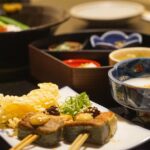
The tour includes a traditional Japanese snack and a geisha chocolate. These are modest extras, but they add a pleasant break to a walking route and give the evening a small taste of local culture.
Dinner is not included. This matters because the tour ends in an area full of evening food options, but you still need to budget separately for your meal. The restaurant suggestions may help you decide where to go next, especially if you do not want to spend time seeking a place after the walk.
No attraction admissions are included because the listed stops are free. The included recommendations are therefore part of the practical value. You are buying access to a guide’s time and local orientation, not a package of tickets.
Booking, weather, and cancellation
The experience costs $32.58 per person and is generally booked about eight days in advance. That booking pattern suggests you should not leave it until the last night of a short Kyoto visit, particularly if you want a specific evening.
Free cancellation is available if you cancel at least 24 hours before the start time. Changes or cancellations inside that 24-hour window are not accepted for a refund. The cut-off follows local Kyoto time.
Good weather is required. If poor weather cancels the walk, you are offered another date or a full refund. It is worth checking the forecast and keeping a flexible evening plan, since this is an outdoor activity with no indoor replacement described.
One operational problem has occurred when a last-minute booking was made for a time slot that had already been canceled. The booking was refunded, but the situation caused an unnecessary wait. I would avoid booking only two hours before departure and make sure the confirmation and meeting details are current.
Who will get the most from this Gion walk?
I would choose this tour for a first night in Kyoto, especially if you want help making sense of Gion before exploring on your own. It suits adults and older children who enjoy walking, asking questions, and learning through conversation.
It is also a good fit if you care about food planning. The Kiyamachi section and its suggestions for restaurants without reservations may prove more useful than another list of famous sights.
You may want something else if you prefer a slow photographic walk, guaranteed small-group service, or a specialist presentation on geiko culture. The pace can be quick, the streets can be crowded, and the experience does not include a meal or entry to a private venue.
Should you book the Gion night walking tour?
Book it if you want a low-cost introduction to Kyoto’s evening districts, practical restaurant ideas, and a guide-led explanation of local customs. The strongest reasons are the route’s variety, Simon’s humor and local perspective, and the chance to see Gion as a working neighborhood rather than only a postcard backdrop.
Skip it if you need a guaranteed intimate group or dislike moving through crowds at a steady pace. For the best chance of a smooth experience, book ahead, arrive early at the Disney Store meeting point, stay close to the guide, and schedule the walk near the start of your Kyoto stay.
FAQ
How long is the Gion night walking tour?
The tour lasts approximately two hours.
What locations does the tour visit?
The route includes Yasaka Shrine, Hanamikoji Street, Kiyamachi Street, and the Kamo River.
Where does the tour start?
It starts at the Disney Store at Kyoto Shijo-Kawaramachi, at the northeast corner of Shijo Street and Kawaramachi Street.
Where does the tour end?
The activity ends back at the original meeting point.
Is dinner included?
No. Dinner is not included, though the guide provides restaurant recommendations.
Is a snack included?
Yes. The tour includes a traditional Japanese snack and a geisha chocolate.
Does the tour enter attractions with paid admission?
No paid admission is listed. The listed stops have free admission.
What is the maximum group size?
The stated maximum is 10 people.
Can I cancel for a full refund?
Yes, if you cancel at least 24 hours before the experience start time. Cancellations within 24 hours are not refunded. If poor weather causes the provider to cancel, you are offered a different date or a full refund.
More Walking Tours in Kyoto
More Night Walks & Ghost Tours in Kyoto
More Gion & Geisha Walks in Kyoto
More tours in Kyoto we've reviewed

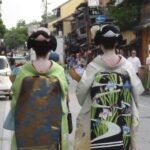

Gion & Geisha Walks, compared.
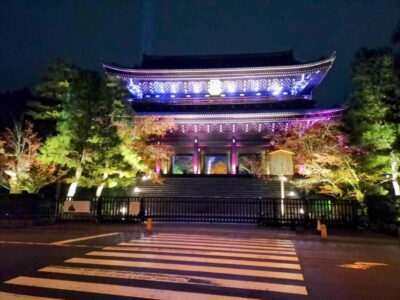 ★ 4.7Kyoto Geisha Walking Tour: Gion District & Hidden GemsFrom $252 hours
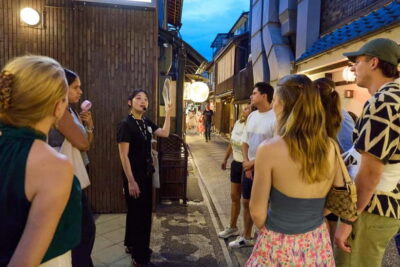 ★ 4.7Kyoto: Gion Geisha District Walking Tour – Stories of GeishaFrom $202 hours
 ★ 4.9Best of Kyoto: Gion, Geisha, Pagodas & CobblestonesFrom $242 hours
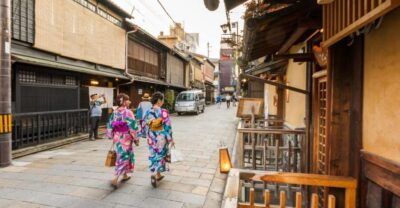 ★ 4.5Night Walk in Gion: Kyoto’s Geisha DistrictFrom $211h 40m
 ★ 5.0Kyoto Night Foodie Tour in Gion (9+ dishes + 6 Sake tastings)From $163
 ★ 5.0Kyoto Gion Geisha District Walking Tour – The Stories of GeishaFrom $25