
Reviewed · OSAKA & HIROSHIMA DEPARTURES
Kyoto Top Four Highlights Day Trip from Osaka or Kyoto
Kyoto’s biggest sights are scattered across the city, and this nine-hour guided trip tackles the hard part for you: getting from Nijo Castle to the Golden Pavilion, Arashiyama, and Fushimi Inari in one day. You get imperial-era buildings, bamboo, temple gardens, mountain-side shrine gates, and a bridge over the Katsura River without having to piece together several train and bus rides.
I like the efficient route and the human help. Guides including Theodore, Amy, Brian, Anson, Saki, Jackson, and Charlie are praised for clear directions, cheerful organization, and useful explanations. I also like the built-in free time, including a longer lunch break, so you are not marched from one photo stop to the next.
The trade-off is the pace. With up to 45 people and several short stops, this is a highlights tour rather than a quiet Kyoto study day. One dissatisfied participant also found the group too large and had trouble understanding a guide’s accent, so communication and crowd comfort are worth considering before you book.
In This Review
- Key points at a glance
- Why this route works for a one-day Kyoto visit
- Nijo Castle opens the historical side
- Kinkaku-ji delivers Kyoto’s famous image
- Arashiyama gives you the most flexible part of the day
- Fushimi Inari ends with a tunnel of red gates
- The guide can make or break the schedule
- What the $67 price really covers
- Practical details that affect your day
- Who should book this Kyoto day trip?
- Should you book it?
- FAQ
- How long does the Kyoto highlights tour last?
- Can I start the tour in Osaka or Kyoto?
- Which main sights are included?
- Is transportation included?
- Are admission tickets included?
- Is lunch included?
- How large can the group be?
- Can I bring a stroller or large luggage?
- What is the cancellation policy?
Key points at a glance
- Four major Kyoto areas in one day: Cover Nijo Castle, Kinkaku-ji, Arashiyama, and Fushimi Inari without arranging separate transport.
- A practical air-conditioned vehicle: The coach saves time between Kyoto’s spread-out sights and provides a welcome break from walking.
- Free time at Arashiyama: Walk the Bamboo Forest, Nonomiya Shrine, Kimono Forest, Togetsukyo Bridge, and Rilakkuma Tea House at your own pace.
- Admission costs are separate: Budget ¥1,300 for Nijo Castle and Ninomaru Palace, plus ¥500 for Kinkaku-ji.
- Strong guide support: Theodore is praised for WhatsApp directions, motion-sickness assistance, and bilingual explanations, while Brian and Anson receive special praise for keeping large groups on schedule.
- Best for a first Kyoto visit: It suits you if your time is limited and you want the classic sights more than a slow, local neighborhood experience.
Why this route works for a one-day Kyoto visit
Kyoto is compact on a map but awkward to cover in practice. Nijo Castle sits near the city center, Kinkaku-ji is farther northwest, Arashiyama is in the west, and Fushimi Inari is in the southeast. Public transport can handle each area well, but combining all four in one day takes planning and patience.
This tour uses an air-conditioned vehicle and a guide to connect the pieces. That matters most if you are staying in Osaka or have only one open day in Kyoto. You still have to manage meeting points and return times, but you do not have to study train transfers or figure out which bus gets you closest to each gate.
The day lasts about nine hours. That sounds long, but the schedule is full rather than leisurely. The listed stop times range from 15 minutes at Togetsukyo Bridge and the Rilakkuma Tea House to 1 hour and 10 minutes at the Senbon Torii gates. Driving time and lunch fill out the rest of the day.
Your guide’s role is mainly practical. You can expect directions about where to go, where to meet the vehicle, and how much time remains. The strongest guide comments focus on this simple service: keeping people informed and back on time. That is not glamorous, but it can rescue a busy sightseeing day.
A few more Osaka tours and experiences worth a look

Nijo Castle opens the historical side
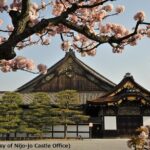
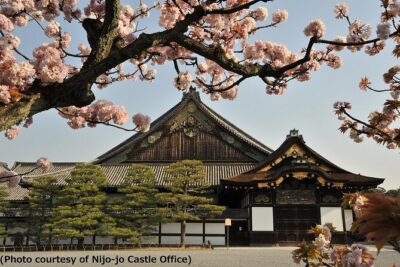
Nijo Castle was built in 1603 as the Kyoto residence of Tokugawa Ieyasu, the first shogun of the Edo Period. It gives the day a strong start because you are seeing a political and architectural site, not just a scenic view.
The palace buildings are among Japan’s finest surviving examples of feudal-era castle palace architecture. Nijo Castle became a UNESCO World Heritage site in 1994, and its importance is easy to grasp once you connect the grand rooms and formal grounds with the power of the Tokugawa shoguns.
You have about one hour here. That is enough for a useful introduction and a walk through the principal areas, but not enough for a slow examination of every detail. If you enjoy architecture, gardens, and Japanese political history, you may wish you had longer.
Admission is not included. The listed cost for Nijo Castle and Ninomaru Goten Palace is ¥1,300 per person. Keep this cash or payment ready so the extra charge does not surprise you at the first stop.
Kinkaku-ji delivers Kyoto’s famous image
Kinkaku-ji, the Golden Pavilion, is a Zen Buddhist temple known for its gold-covered exterior and calm garden setting. The pavilion is one of Kyoto’s most recognizable sights, and the visit gives you the classic reflected temple view that appears in so many Japan travel photographs.
The scheduled stop is about 40 minutes, with the ¥500 admission ticket paid separately. That is a short visit, but it fits the nature of the place. You follow the visitor route, pause for photographs, view the pavilion across the pond, and continue through the grounds.
Do not expect a long period of quiet contemplation here. Kinkaku-ji is a major attraction, and the most famous viewing point can be crowded. The tour gets you there efficiently, though your time will be more about seeing the essential view than sitting with the gardens.
I consider the separate ¥500 fee reasonable, but the cost adds to the day’s total. Along with Nijo Castle, the two required admissions come to ¥1,800 per person. At a tour price of $67, the overall value remains attractive if you would otherwise pay for several local train or taxi journeys, but it is not an all-inclusive ticket.
Arashiyama gives you the most flexible part of the day
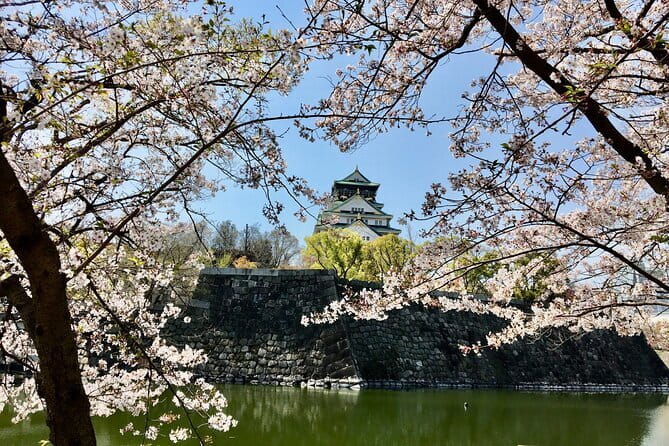
Arashiyama is the tour’s largest cluster of stops. This western Kyoto district is known for natural scenery, historic sites, the Katsura River, and attractions that have drawn visitors since the Heian Period.
The schedule gives you time for several different experiences:
- The Arashiyama area itself introduces the district and helps you get your bearings.
- The Bamboo Forest provides the famous walk beneath tall bamboo stalks.
- Nonomiya Shrine offers a smaller Shinto site with a distinctive black torii gate.
- The Kimono Forest displays 600 clear acrylic cylinders wrapped in colorful kimono textiles.
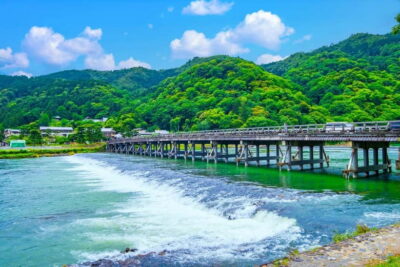
- Togetsukyo Bridge crosses the Katsura River and is Arashiyama’s best-known landmark.
- The Rilakkuma Tea House combines a themed café and shop with the surrounding streets.
The Bamboo Forest receives about 40 minutes. That is enough to walk part of the main path and take photographs, though you will not explore every corner of Arashiyama. The bamboo is impressive, but the walkway is not an isolated wilderness trail. You are sharing it with many other people, especially at popular times.
Nonomiya Shrine gets 20 minutes. Its black torii gate gives it a different character from the more familiar vermilion gates seen elsewhere in Kyoto. The shrine is associated with the Arashiyama area and makes a useful brief stop as you move between the bamboo path and the district streets.
The Kimono Forest also receives 20 minutes. The installation uses tall acrylic cylinders filled with kimono fabric patterns. It is a modern visual counterpoint to the old shrine and bamboo grove, and it works especially well as a short photography stop.
Togetsukyo Bridge gets 15 minutes. The bridge dates back to the Heian Period in origin and was most recently reconstructed in the 1930s. You can take in the river, hills, and bridge views, but 15 minutes is enough only for a quick look and a few photographs.
The Rilakkuma Tea House stop is also about 15 minutes. The café and shop are themed around Rilakkuma, whose name means bear in a relaxed mood. This is optional-feeling rather than essential Kyoto, and the short time may be better spent walking nearby if you are not interested in character goods or themed sweets.
A key strength here is the freedom to explore. Your guide gives you information and a meeting plan, then you can choose which part of Arashiyama deserves your attention. One person praised the balance between guided information and independent time, while another appreciated food suggestions during the lunch break.
Fushimi Inari ends with a tunnel of red gates
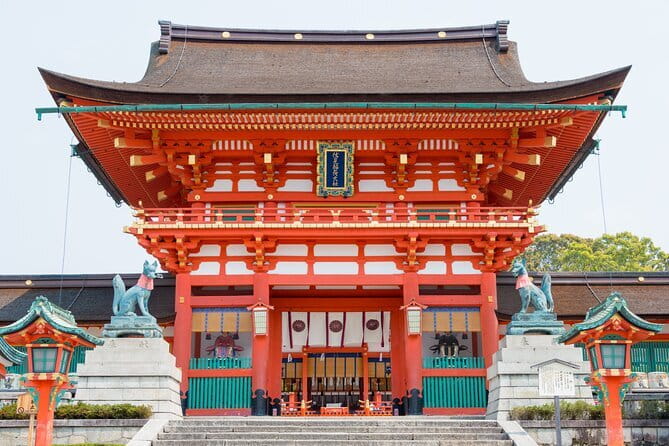
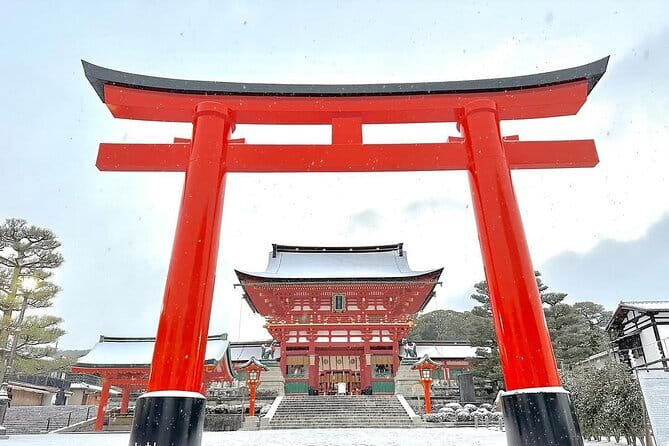
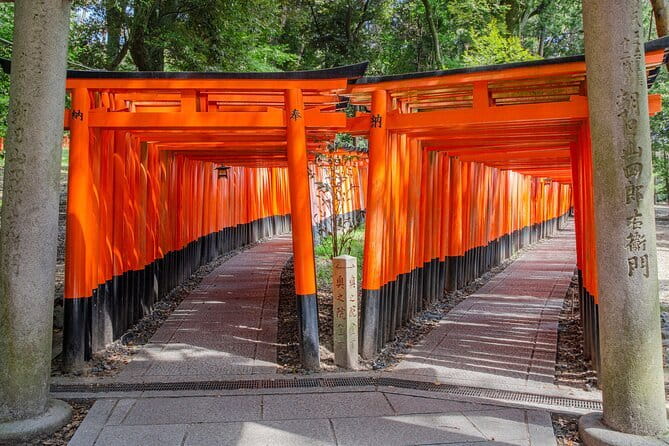
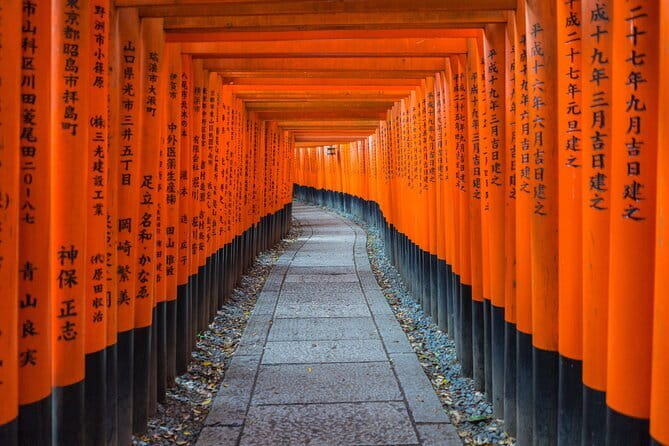
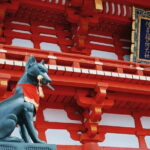
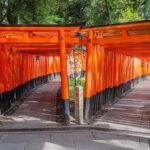
Fushimi Inari Taisha is the head shrine of the roughly 30,000 Inari shrines in Japan. It honors Inari, the Shinto deity associated with rice, and is famous for its Senbon Torii, or thousand torii gates.
The tour gives this final stop about 1 hour and 10 minutes, the longest listed visit of the day. That makes sense. The gates climb through the wooded slopes behind the shrine, and you need time to walk beyond the lower shrine grounds to see the most recognizable rows.
You do not need to complete the entire mountain route in this time. Instead, use the hour to walk as far as your energy and schedule allow, then turn back with enough time to reach the meeting point. This is where careful timekeeping matters most. One participant who left the group midway missed this final stop, so do not assume you can wander off and rejoin later.
Fushimi Inari is also the most physically demanding stop. The path includes uphill walking and steps, unlike the mostly level viewing routes at Kinkaku-ji and Nijo Castle. Most people can participate, but comfortable shoes and an honest sense of your walking speed will help.
Ending here is visually powerful, but it can also be tiring. After a full day of temples, bridges, bamboo, and city traffic, you may prefer to admire the first section of gates rather than push farther uphill. The important thing is to follow the guide’s return instructions.
A few more Osaka tours and experiences worth a look

The guide can make or break the schedule
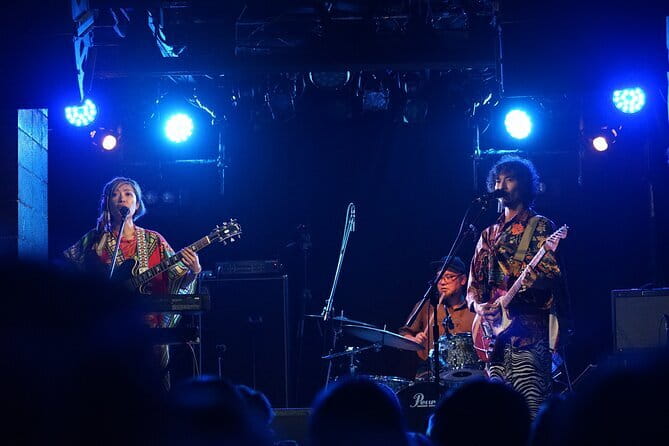
The guide feedback is unusually specific. Theodore is praised for sending clear WhatsApp instructions the day before, asking about motion sickness, and arranging seats near the front of the coach for those who needed them. He also provided English and Mandarin explanations, which helped a mixed-language group follow the day.
Brian receives praise for explaining how to navigate each attraction and find the vehicle again. Anson is singled out for thorough directions and for keeping a large group informed and moving at the right speed. Amy is described as organized, friendly, and proactive, while Saki is praised for her humor and enthusiasm.
These details tell you what to value. This is not a tour where the guide simply talks beside a monument and disappears. You need someone who can repeat the meeting location, set a clear departure time, and help you use short visits well.
Still, guides vary. One poor rating points to a heavy accent that made explanations difficult to understand, along with frustration about group size. That concern should not be ignored. If you need slow, detailed commentary in a particular accent or prefer to avoid a coach group, a private guide or self-guided day may suit you better.
What the $67 price really covers
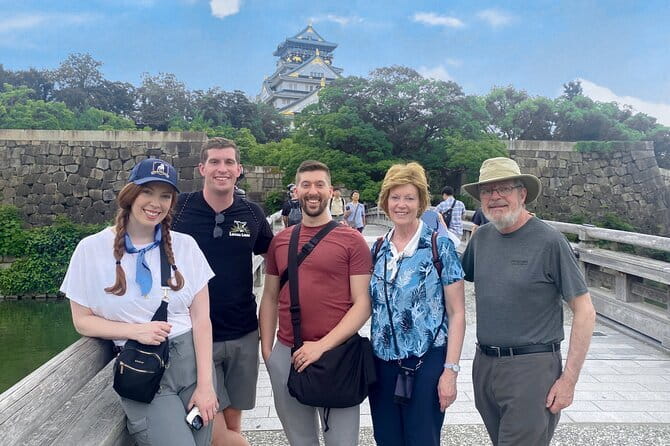
At $67 per person, the price is appealing for a full day of transport and guided sightseeing. The air-conditioned vehicle is the main value. Kyoto’s sights are spread out, and arranging four districts independently can cost time even when the train fares are modest.
The price does not cover lunch or entrance tickets. Add ¥1,300 for Nijo Castle and Ninomaru Goten Palace and ¥500 for Kinkaku-ji, for a required admission total of ¥1,800 per person. You also need money for lunch and any food or shopping in Arashiyama.
Lunch is independent rather than a set meal. I see that as a plus if you have dietary preferences or want to choose your own food, though the short day means you should not expect a long restaurant break. The guide can point you toward options, but the meal is your responsibility.
The maximum group size is 45. That is large enough to create delays at meeting points, though the air-conditioned coach and guide support make it easier than organizing a group of your own. The strongest experiences come when the guide keeps the group on pace, so listen carefully to departure instructions.
Practical details that affect your day
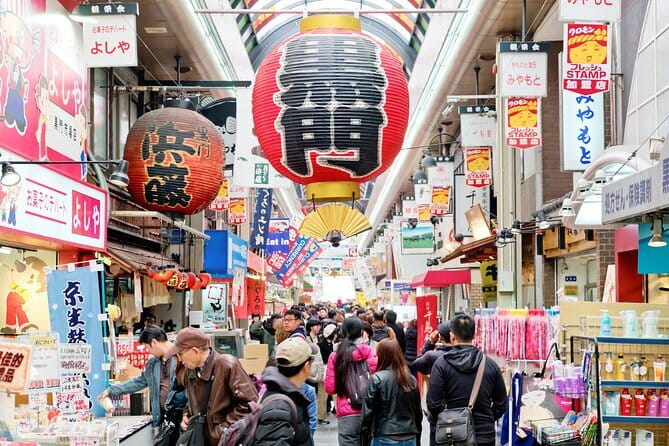
You receive confirmation at booking, and the ticket is mobile, which keeps the process simple. The tour can begin from Osaka or Kyoto, so check the selected departure point carefully before booking.
If you are bringing a stroller or large luggage, say so when you book. Also tell the provider at least one day ahead if you booked separately from relatives or friends. Otherwise, you and your companions may be assigned to different vehicles.
The tour is near public transportation, and most people can participate. That does not mean every part is effortless. The Bamboo Forest involves walking, and Fushimi Inari includes an uphill route with steps. The schedule also asks you to stay aware of time throughout the day.
Free cancellation is available if you cancel at least 24 hours before the experience start time. Cancellations or changes made less than 24 hours before the start are not accepted for a refund.
Who should book this Kyoto day trip?
I would choose this tour if I had one open day, wanted Kyoto’s famous sights, and did not want to manage a complicated route. It is especially useful from Osaka, where the transport connections can make an independent day feel like a project.
It also suits first-time visitors who want context and direction. A guide can explain why Nijo Castle matters, point out the key parts of Kinkaku-ji, and prevent you from wasting time finding the correct path or meeting point.
Families and mixed-age groups may appreciate the vehicle, though young children still need to handle walking and waiting. The request for stroller information at booking is helpful, but the schedule remains fixed.
I would hesitate if you want deep time at one temple, a quiet bamboo walk, or a long climb through Fushimi Inari. You will see more places here than you could comfortably study. That is the bargain: breadth instead of a slow, personal relationship with one neighborhood.
Should you book it?
Book this tour if your Kyoto wish list includes Nijo Castle, Kinkaku-ji, Arashiyama, and Fushimi Inari, and you want to see them in one organized day. At $67, the transport and time saved make good sense, even after adding the ¥1,800 in listed admission fees and paying for lunch.
Skip it if large groups frustrate you or if you need long, quiet visits. For most first-time visitors with limited time, though, this is a practical way to collect Kyoto’s essential sights, provided you accept the brisk pace and stay close to the guide’s schedule.
FAQ
How long does the Kyoto highlights tour last?
The experience lasts approximately nine hours.
Can I start the tour in Osaka or Kyoto?
Yes. The tour offers departure options from Osaka or Kyoto.
Which main sights are included?
The main stops are Nijo Castle, Kinkaku-ji, Arashiyama, the Arashiyama Bamboo Forest, and Fushimi Inari’s Senbon Torii gates.
Is transportation included?
Yes. An air-conditioned vehicle is included, along with a guide.
Are admission tickets included?
No. Nijo Castle and Ninomaru Goten Palace cost ¥1,300 per person, and Kinkaku-ji costs ¥500 per person.
Is lunch included?
No. Lunch is not included, but time is provided for independent dining.
How large can the group be?
The tour can have a maximum of 45 participants.
Can I bring a stroller or large luggage?
You should indicate when booking if you are bringing a stroller or large luggage.
What is the cancellation policy?
You can cancel at least 24 hours before the experience start time for a full refund. Cancellations or changes made less than 24 hours before the start are not accepted.
More 1-Day Tours in Osaka
More Osaka & Hiroshima Departures in Osaka
More tours in Osaka we've reviewed


Osaka & Hiroshima Departures, compared.
 ★ 4.1Osaka/Kyoto:Kinkakuji,Arashiyama,FushimiInariShrine,NaraParkFrom $66
 ★ 4.5One-Day Tour of Kyoto’s Highlights from Osaka/KyotoFrom $66
 ★ 4.7Osaka/Kyoto: Hiroshima Miyajima Bus Tour & Shinkansen TicketFrom $27712 hours
 ★ 4.4Osaka/Kyoto: Arashiyama, Nara & Fushimi Inari Shrine w/LunchFrom $61
 ★ 4.3From Osaka: Sagano Train Ride and Kyoto Guided Day TourFrom $66
 ★ 4.0Kyoto and Nara Day Trip from OsakaFrom $198