
Reviewed · COOKING CLASSES
Private Ramen or Gyoza Cooking Class in Kyoto with Chef Midori
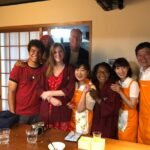
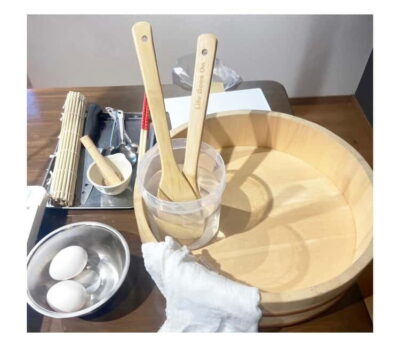
The best part of this Kyoto cooking class is its private, home-style setting. Chef Midori welcomes your party into her cooking studio with Japanese tea, then teaches the building blocks of everyday cuisine, including soy sauce, mirin, sake, and miso. I like the one-on-one format and the chance to choose a menu that fits your appetite, from ramen or gyoza to sushi, tonkatsu, or Kansai snacks.
I also like that Midori’s lesson is not just a recipe recital. She answers questions, offers restaurant and shopping tips, and can even help with dinner plans. The main consideration is price: at $169 per person for about two and a half hours, this is a special occasion activity rather than a cheap meal. The class is held in a private home, and a cat lives upstairs, though it stays out of the kitchen and dining area.
In This Review
- Key points at a glance
- Why this Kyoto cooking class feels personal
- Choosing between ramen, gyoza, and other menus
- What happens during the two and a half hours
- Midori’s local advice is part of the meal
- Location and getting to the studio
- The home setting, including the cat
- Is $169 per person a fair price?
- Who will enjoy this class most?
- What to know before booking
- Should you book Chef Midori’s class?
- FAQ
- Where does the cooking class take place?
- How long does the experience last?
- Is this a private class?
- Which dishes can I learn to make?
- Can the class accommodate dietary restrictions?
- Is chef Midori an experienced instructor?
- Does the class include a meal?
- Is there a cat in the home?
- What is the cancellation policy?
Key points at a glance
- Chef Midori’s 30 years of teaching experience give the lesson a calm, personal feel.
- Five set menus let you select the type of Japanese food you want to learn.
- Ramen and gyoza choices make this a good pick for cooks who want practical dishes to repeat at home.
- The class is private, so your group receives direct help instead of sharing a crowded kitchen.
- The meal comes after the cooking, giving you time to enjoy the food and ask Midori about Kyoto.
- Vegetarian, vegan, kosher, and halal needs can be accommodated when stated in advance.
Why this Kyoto cooking class feels personal
Many cooking lessons teach you in a large group, with the instructor moving from station to station. Here, the arrangement is much more intimate. Only your party takes part, so you can ask basic questions, pause for a closer look, or request help with a technique without feeling that you are holding up a roomful of people.
Midori has taught Japanese cooking for more than 30 years. That matters because home cooking depends on small judgments that are hard to learn from a printed recipe: how an ingredient should look before the next step, how much seasoning feels right, and how to handle a dish without overcomplicating it.
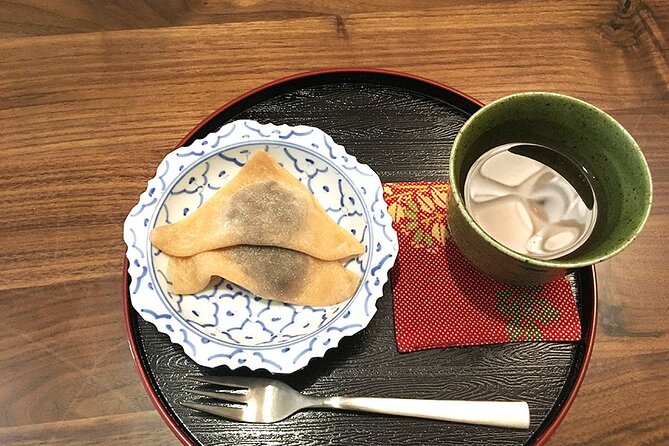
The experience begins with a cup of Japanese tea in Midori’s cozy studio. This opening sets a slower pace than a restaurant meal. You have time to settle in, meet your instructor, and learn about the ingredients used in Japanese kitchens.
Midori introduces soy sauce, mirin, sake, and miso before the hands-on work begins. These ingredients appear often in Japanese cooking, but their roles are not always clear to a first-time visitor. A short explanation of their flavor and use can help you make better choices later, both in Kyoto shops and in your own kitchen.
Other cooking classes in Kyoto

Choosing between ramen, gyoza, and other menus
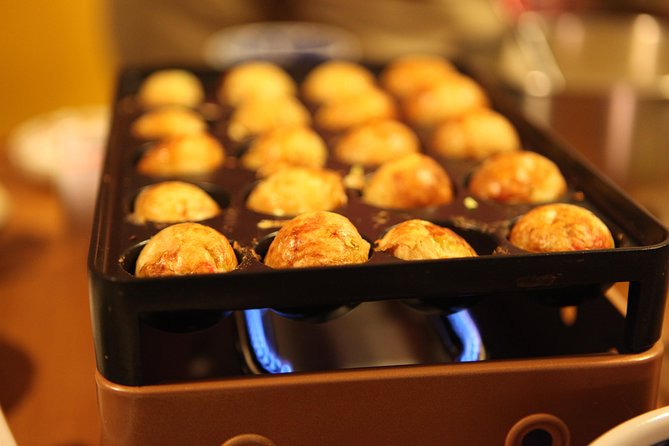
You select from five set menu options when booking. The choices include ramen or gyoza-style Kansai food, along with menus featuring teriyaki chicken, sushi, tonkatsu, takoyaki, or okonomiyaki. The exact menu names and combinations should be confirmed when you book, since you need to state your choice in the special requirements section.
This flexibility is one of the class’s strongest features. If you already love ramen, choose the menu that lets you work with noodles and broth. If you want a useful skill for casual meals at home, gyoza can be a good fit. The dumplings involve hands-on preparation and give you a clear sense of how a familiar Japanese dish comes together.
Tonkatsu offers a different lesson, with a crisp coating and a hearty main dish. Sushi may appeal if you want to focus on presentation and traditional ingredients. The Kansai street-food options, including takoyaki and okonomiyaki, connect the meal to the food culture of western Japan.
I would choose based on what you are most likely to cook again. A menu that sounds impressive but does not fit your kitchen habits may have less value once you return home. You can also ask Midori for advice about which option best matches your interests.
Vegetarian and vegan choices are available, as are kosher and halal options. Tell the provider about these needs in advance. The same applies to other dietary restrictions, since the class depends on planned ingredients rather than last-minute substitutions.
What happens during the two and a half hours
The full experience lasts about two hours and 30 minutes. The cooking itself takes roughly an hour and a half, followed by a shared meal featuring the dishes you prepared.
The cooking portion combines demonstration with hands-on work. Midori shows you the method, then guides your party through the steps. Because the class is private, you can receive direct corrections and explanations instead of simply watching from the back of a group.
You should expect a practical lesson rather than a formal culinary-school session. The menus are designed around simple recipes and traditional techniques that you can try at home. That makes the class suitable for curious beginners, as well as confident home cooks who want a local perspective on Japanese ingredients.
The pace is relaxed. You are not being pushed through a long list of dishes, and the value comes from understanding the process. Midori can explain why an ingredient is used, how to shop for it, and how to adapt the dish to your own cooking plans.
Afterward, you sit down and eat what you have made. This gives the class a satisfying finish, but it also serves a practical purpose. Tasting the completed dish helps you judge seasoning, texture, and balance while the instructions are still fresh.
Midori’s local advice is part of the meal
The conversation does not stop when the cooking ends. Midori shares restaurant recommendations and tips about shopping for food and souvenirs in Kyoto.
That extra time can be useful if you are still planning your stay. Some people who have taken the class used Midori’s advice for restaurants, activities in other Japanese cities, and dinner reservations. She also gives shopping suggestions based on your cooking interests, which is more helpful than a generic list of souvenir stores.
You can ask about Japanese ingredients, cooking tools, or the kinds of dishes you saw elsewhere in Kyoto. You may also find her advice useful if you want to bring home something connected to food, rather than another small ornament with no clear use.
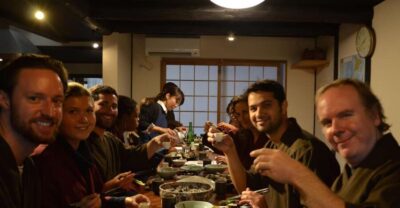
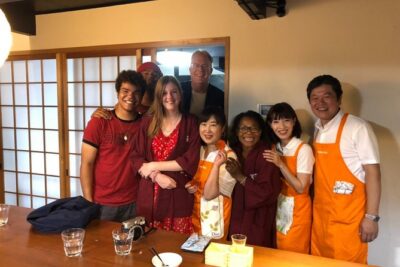
The social side is important here. Midori’s teaching style is warm, funny, and welcoming, and the lesson has the feel of cooking with a friend. That will appeal to couples and families who want conversation along with instruction. If you prefer a highly formal class with strict timing and restaurant-style presentation, this may feel more casual than expected.
Location and getting to the studio
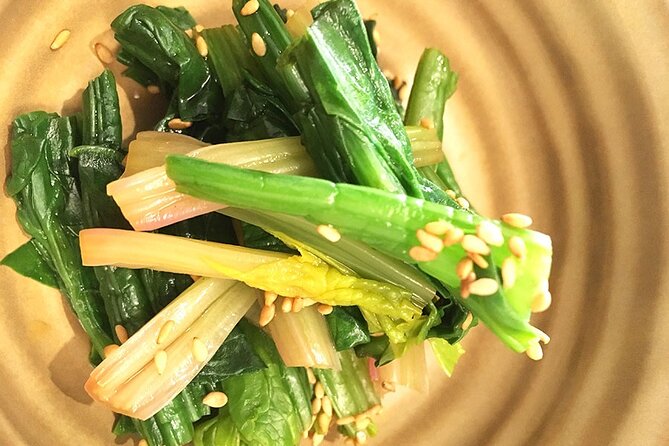
The meeting point is listed at 713-13 Chudoji Mibukawacho, Shimogyo Ward, Kyoto 600-8806. The experience is described as being near Gion and close to public transportation, but the address is in the wider central Kyoto area rather than directly in the most famous Gion lanes.
Check the meeting instructions carefully before setting out. Private homes and small studios can be harder to spot than a large restaurant, and arriving late could cut into the cooking time. Confirmation is provided at booking, so keep the meeting details available on your phone.
The class ends at the same meeting point. That makes it easy to continue with your Kyoto sightseeing afterward, though you should allow time to finish the meal before planning a tightly timed attraction.
The mobile ticket is convenient, but it does not replace checking the address. Kyoto has many similarly named streets and neighborhoods, so use the exact location provided after booking rather than relying only on a broad map label such as Gion.
Other private tours in Kyoto




The home setting, including the cat
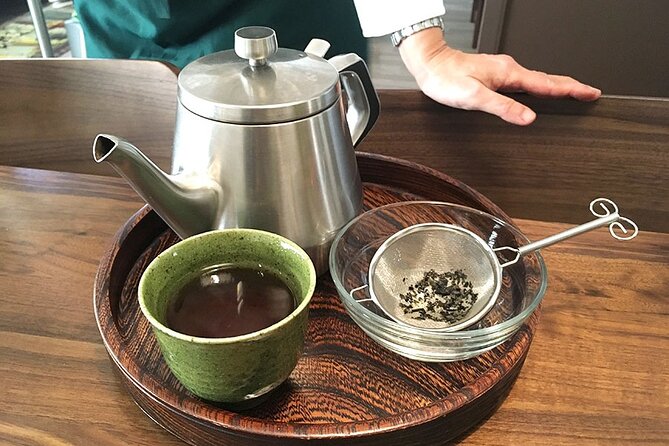
This is a private home experience, not a commercial cooking school with multiple workstations. That gives it character, but it also means the setting has a few details worth knowing.
A cat lives in the home. It remains upstairs and does not enter the kitchen or dining area, but anyone with a serious allergy should still consider this information before booking. Service animals are allowed.
The home setting can make the class feel more relaxed and personal. At the same time, you should not expect a large professional kitchen, hotel facilities, or the polished production of a television cooking show. The appeal is the direct contact with Midori and the chance to learn everyday Japanese cooking in a local setting.
Is $169 per person a fair price?
The cost is $169 per person, which puts this class well above the price of simply ordering ramen, gyoza, or okonomiyaki in Kyoto. You are paying for instruction, a private booking, ingredients, a prepared meal, and personal time with Midori.
For a couple or small group that enjoys cooking, the price can make sense. You receive direct attention for roughly two and a half hours, and the class is built around your party rather than a large group. The restaurant advice, shopping guidance, and help with questions add value that you would not get from a standard meal.
The value is weaker if your main goal is simply to eat Japanese food. Kyoto offers plenty of less expensive meals, and this activity will not replace a full day of sightseeing. It works best when you see it as both a meal and a private lesson.
I would also compare the cost against your interests. If you cook at home, learning how to make a dish you will repeat can justify the expense. If you rarely cook, the social experience and local conversation may be the main reason to book.
The class is often reserved well ahead of time, with an average booking lead time of about 63 days. That suggests you should not leave it until the final days of a popular Kyoto trip, especially if you need a particular menu or dietary arrangement.
Who will enjoy this class most?
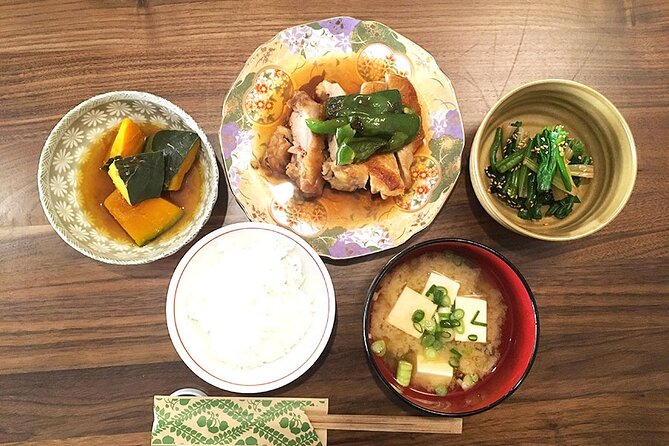
This experience suits couples, families, and small private groups who want a quieter food activity. It is also a good match for honeymooners and home cooks, since the class allows time for questions and personal conversation.
You do not need to be an experienced cook. The recipes are intended to be manageable at home, and Midori provides demonstrations and individual guidance. Beginners can ask for clarification without worrying about a group setting.
Food-focused visitors will get the most from the menu choices. Choose gyoza, ramen, or another dish you already enjoy, then use the lesson to understand the ingredients and methods behind it.
The class may not suit someone seeking a fast, inexpensive activity between major sights. It lasts long enough to require a real block of your day, and the private format costs more than a casual lunch. It is also not the right pick if you want a large group party or a commercial kitchen atmosphere.
What to know before booking
State your preferred menu when you book. There are five set menu choices, and the provider asks you to include your selection in the special requirements section.
Give advance notice of vegetarian, vegan, kosher, halal, or other dietary needs. The host can accommodate these requirements when informed ahead of time, but you should not wait until the class begins.
Keep the cancellation deadline in mind. You can receive a full refund if you cancel at least 24 hours before the local start time. Cancellations or changes made inside that window are not accepted for a refund.
The experience is confirmed at booking, and only your group participates. The mobile ticket is useful, but save the address and meeting instructions so you can reach the studio without confusion.
Should you book Chef Midori’s class?
I would book this class if you want more than a meal and prefer a personal connection to Japanese food. The private format, five menu choices, and Midori’s long teaching experience make it a strong option for couples, families, and cooks who want skills they can use at home.
The $169 price is easier to justify when you value the full package: tea, instruction, ingredients, a shared meal, restaurant advice, and time to ask questions. It is less compelling if you only want to taste Kyoto food at the lowest possible cost.
Choose your menu carefully, give dietary information in advance, and allow enough time to reach the Shimogyo Ward meeting point. If a relaxed home setting and direct instruction sound appealing, this is one of the better ways to make a Kyoto meal part of your trip rather than just another stop on the dining schedule.
FAQ
Where does the cooking class take place?
The meeting point is at 713-13 Chudoji Mibukawacho, Shimogyo Ward, Kyoto 600-8806, Japan. The studio is described as being near Gion and close to public transportation.
How long does the experience last?
The full activity lasts approximately two hours and 30 minutes. About one and a half hours are spent cooking, followed by a shared meal.
Is this a private class?
Yes. Only your group participates in the activity, and you receive personalized instruction from chef Midori.
Which dishes can I learn to make?
You can choose from five set menus. Available options include ramen or gyoza-style Kansai food, teriyaki chicken, sushi, tonkatsu, takoyaki, and okonomiyaki. The exact menu choice must be included when booking.
Can the class accommodate dietary restrictions?
Yes. Vegetarian, vegan, kosher, and halal options are available. You must advise the provider in advance so the host can prepare appropriately.
Is chef Midori an experienced instructor?
Yes. Midori has taught Japanese cooking for more than 30 years.
Does the class include a meal?
Yes. After the cooking session, you eat the dishes your group prepared.
Is there a cat in the home?
Yes. A cat lives in the home, but it remains upstairs and does not enter the kitchen or dining area. Service animals are allowed.
What is the cancellation policy?
You can cancel at least 24 hours before the local start time for a full refund. Cancellations or changes made less than 24 hours before the start time are not accepted for a refund.
More Cooking Classes in Kyoto
More Private Tours in Kyoto
More Cooking Classes in Kyoto
More tours in Kyoto we've reviewed






Cooking Classes, compared.
 ★ 5.0Ramen Cooking Class at Ramen Factory in KyotoFrom $131
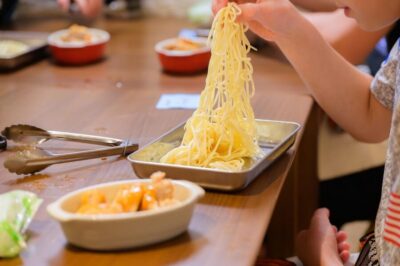 ★ 4.9Kyoto: Ramen Cooking Class at a Ramen Factory with SouvenirFrom $1271h 30m
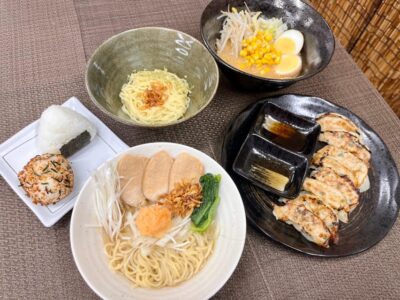 ★ 5.0Kyoto: Ramen, Gyoza, and Onigiri Cooking ClassFrom $901h 30m
 ★ 5.0Kyoto: Japanese Washoku Bento Small Group Cooking ClassFrom $582h 30m
 ★ 4.9Kyoto: Afternoon Japanese Izakaya Cooking ClassFrom $673 hours
 ★ 5.0Izakaya Style Cooking ClassFrom $71