
Reviewed · OSAKA & HIROSHIMA DEPARTURES
Amanohashidate & Ine Funaya Kyoto coast day trip from Osaka/Kyoto
Amanohashidate is the star here: a long pine-covered sandbar crossing Miyazu Bay, best admired from above or through the playful upside-down view known as matanozoki. Add the old wooden boathouses of Ine, and you get a full day of Japan’s quieter coastal side rather than another loop through central Kyoto.
I like the pairing of two very different places. Amanohashidate gives you a broad scenic view and a temple visit, while Ine feels small, calm, and tied to the sea. I also like the helpful structure: guides such as Jay, Andrew, Naomi, Liu, Jae, Frederick, and LU have been praised for clear meeting instructions, photo advice, food tips, and lively commentary.
The catch is the distance. From Osaka or Kyoto, roughly 40 to 50 percent of your day can pass on the bus, and the group may include up to 48 people. This is a good-value outing if you want these remote sights without arranging several train and bus connections, but it is not a relaxed, slow-paced coastal stay.
In This Review
- Key points to know before booking
- Why this Kyoto coast trip is worth considering
- Amanohashidate and the bridge in heaven
- Chionji Temple and a short prayer for wisdom
- Ine Funaya, Japan’s boat garages by the bay
- What the guides add to a long day
- The bus ride is half the story
- Group size, cost, and who will enjoy it
- Seven practical ways to improve your day
- Should you book the Amanohashidate and Ine day trip?
- FAQ
- How long does the Amanohashidate and Ine Funaya tour last?
- Where does the tour depart from?
- Is lunch included?
- Does the tour include the Amanohashidate ropeway?
- Does the tour include the Ine Funaya ferry?
- Are children charged the full price?
- What happens if bad weather cancels the tour?
Key points to know before booking
- Amanohashidate takes center stage: Allow about two hours to explore the sandbar area and decide if you want to pay for the View Land ropeway.
- Ine offers a rare look at boathouse living: You can walk beside the water, cycle, or add the separate ferry ride.
- Chionji Temple is a short but worthwhile stop: Its Monju Bosatsu connection makes it a popular place to pray for wisdom and academic success.
- Plan for a long bus day: The full outing lasts about 9 to 10 hours, including transport.
- Budget for extras: The ropeway costs about $6 for adults and $3 for children, while the Ine ferry costs about $8 for adults and $4 for children.
- Guide quality can shape the day: Strong departures have featured clear, funny guides such as Jay and Andrew, though communication has not been equally smooth on every departure.
Why this Kyoto coast trip is worth considering
The northern Kyoto coast feels far removed from Osaka’s city streets and Kyoto’s temple lanes. That is the point. You are heading to places where the scenery does most of the work, with a guide handling the long ride and the day’s timing.
At $84.25 per person, the price is reasonable for a full-day excursion with a multilingual guide and transport between three separate coastal stops. The tour does not include lunch, the ropeway, the Ine ferry, or personal spending, so your real cost will be higher if you choose the paid add-ons.
Still, compare this with arranging the route yourself. You would need to sort out transport to Amanohashidate, continue to Ine, watch the clock, and return to Osaka or Kyoto. The tour trades independence for convenience. I think that is a fair exchange for a first visit, especially if you do not read Japanese or do not want to manage a complicated day.
The experience is offered with Chinese, English, Japanese, and Korean-speaking guides. English ability and microphone quality may vary by departure, so I would pay close attention to the operator’s messages before leaving. Some people found the initial pickup information confusing because Osaka and Kyoto have separate meeting points. Check your email and WhatsApp carefully, and confirm the correct city before the morning begins.
A few more Osaka tours and experiences worth a look

Amanohashidate and the bridge in heaven
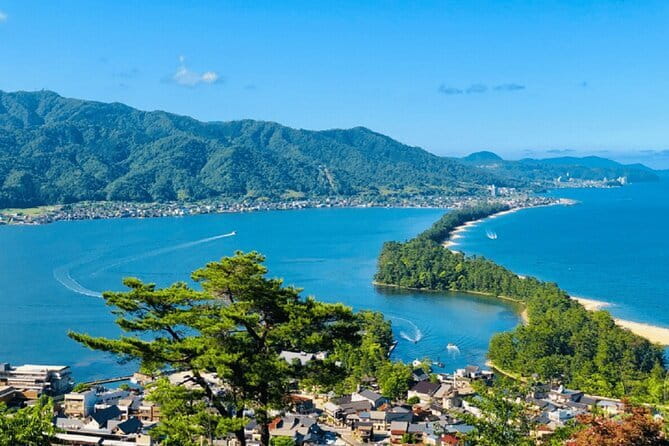
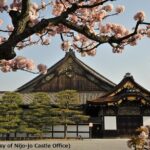
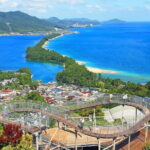
Amanohashidate means bridge in heaven. The name fits its shape: a naturally formed sandbar stretches across Miyazu Bay, with more than 8,000 pine trees lining its length.
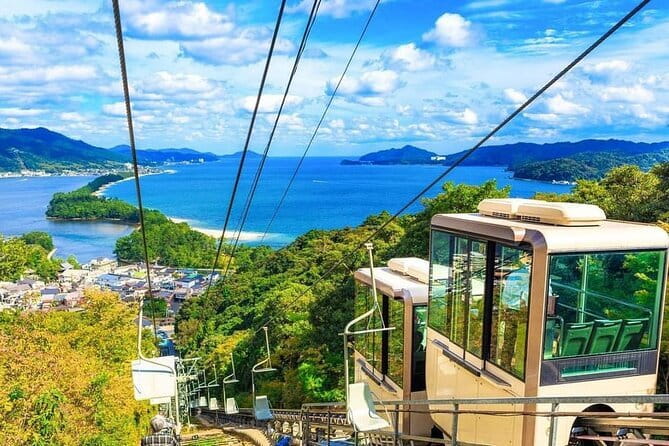
You receive about two hours here, which is enough to see the main area and make a choice about how much walking you want. The tour description lists the admission ticket as free, but the popular Amanohashidate View Land ropeway is extra. It costs about $6 for an adult and $3 for a child.
The ropeway is likely the best use of your optional budget if broad views matter to you. From above, the sandbar’s narrow shape makes sense, and you can try matanozoki, looking at the view upside down between your legs. It is a simple tradition, but it gives the viewpoint a bit of fun instead of turning it into just another lookout.
You should also set aside time to see Amanohashidate from ground level. The pine trees and bay are the reason the place is famous, and the experience is not only about the high view. Depending on your pace, you might stroll along part of the sandbar or remain near the main approach and enjoy the scenery.
The two-hour limit is useful and limiting at the same time. It keeps the day moving, but it does not allow for a long, unhurried walk across the entire sandbar. If you want every viewpoint, a full visit would need more time than this schedule provides.
Bring practical clothing for an outdoor stop. The tour requires walking around scenic and temple areas, and coastal weather can change the feel of the day. Since the itinerary depends on good weather, poor conditions can lead to a different date or a full refund.
Chionji Temple and a short prayer for wisdom
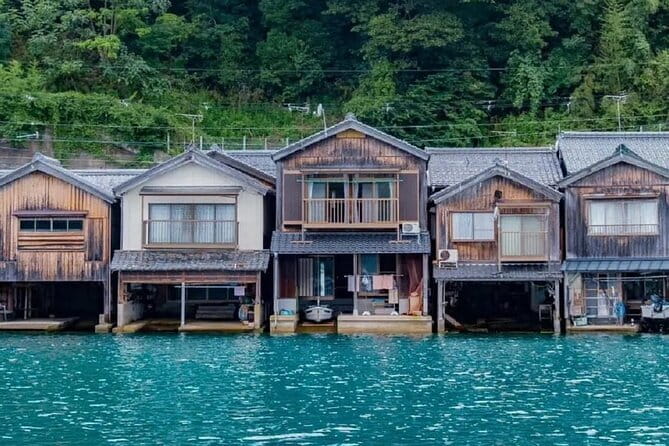
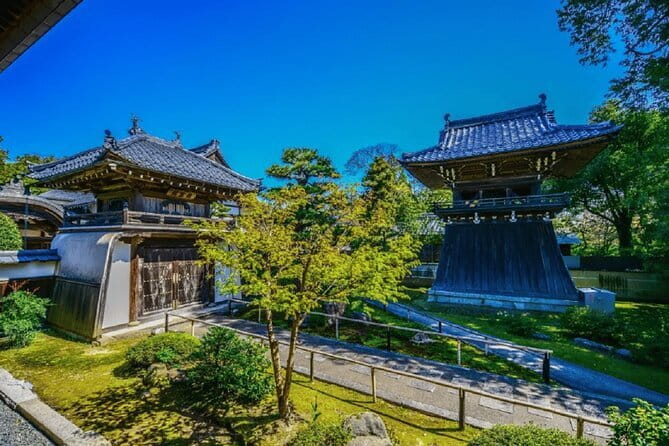
Chionji Temple sits at the southern end of Amanohashidate. The stop lasts about 30 minutes, so think of it as a compact cultural visit rather than a full temple tour.
The temple is linked with Monju Bosatsu, the Bodhisattva of wisdom. It is known as a place to pray for academic success, making it especially meaningful for students and families with school-age children.
Thirty minutes is enough to look around, offer a prayer, and take in the setting near Amanohashidate. It is not enough for a long study of the buildings, artwork, or religious background. I would listen closely during the bus commentary because the guide may provide more context there than you receive on site.
This stop also gives the day a useful change of rhythm. Amanohashidate is about natural scenery and views. Chionji adds a spiritual and cultural note without requiring a major detour.
If your main interest is scenery, you may find the temple brief. If you enjoy connecting famous places with local belief, it is a worthwhile pause. The temple is included without a separate admission charge.
Ine Funaya, Japan’s boat garages by the bay
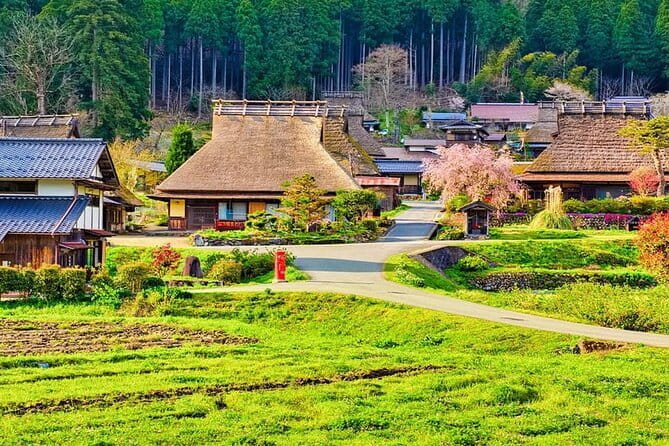
Ine is the most unusual stop on the route. The village is famous for its funaya, traditional wooden boathouses built directly along the water.
The lower level is used for boats, while living space is set above or nearby. That arrangement gives the waterfront its distinctive look. The village is often compared with Venice, but the comparison only goes so far. Ine is not a grand canal city. Its appeal is quieter and more practical, shaped by fishing and the close link between homes and the sea.
You have about an hour here. That is enough to walk along the waterfront and take photographs, but it is a short visit for a place that rewards slowing down. You might find time for a cycle by the water’s edge, although the tour’s fixed schedule means you should not count on an extended ride.
The optional ferry is another way to see the boathouses. It costs about $8 for adults and $4 for children. The boat ride also attracts birds, including hawks, and some departures have included the chance to feed them. That can be entertaining if you enjoy wildlife close by, though it is not for everyone. If feeding birds does not appeal to you, simply treat the ferry as a water-level view of the village.
I would choose the ferry if you want the fullest possible look at Ine and do not mind paying extra. If you prefer a quiet walk and want to keep the budget down, stay on shore. The boathouses remain the main attraction either way.
The one-hour stop calls for a little discipline. Do not wander too far from the meeting point, and note the exact return time. A late departure can affect the whole group, and latecomers or no-shows are not eligible for a refund.
What the guides add to a long day
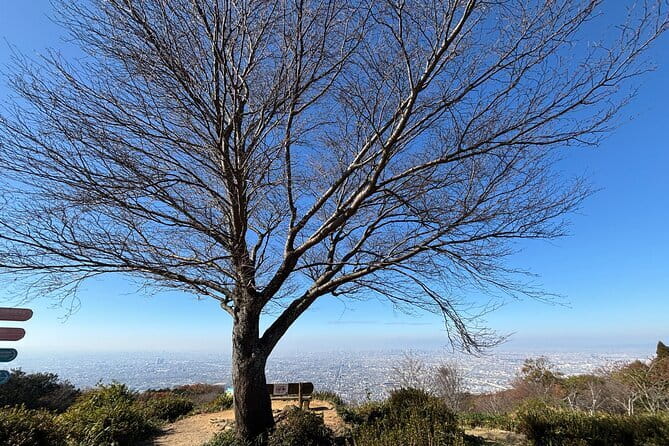
A good guide matters here because the journey is long and the stops are self-guided to a large degree. The strongest departures have included guides such as Jay, Andrew, Naomi, Liu, Jae, Frederick, and LU.
Jay has been described as funny, warm, and good at explaining what you are about to see. Andrew has been praised for clear instructions, strong English, practical restroom timing, and recommendations at each stop. Naomi is also noted for helping with photographs, while LU has offered advice on food and photo locations.
That kind of guidance is valuable. You are not simply dropped at a roadside attraction with no idea where to go. A guide who explains meeting points and return times can save you from spending your limited free time feeling lost.
The experience is not uniformly strong on commentary. One departure had a bus microphone problem, and one person found the guide’s English difficult to follow. Another person wanted more detail about local plants, animals, and history rather than a simple introduction at each stop.
My advice is to see the guide as a practical coordinator first and a full lecturer second. You will get the most from the day if you read a little about Amanohashidate and Ine before leaving, then use the guide’s instructions to make the most of your free time.
A few more Osaka tours and experiences worth a look

The bus ride is half the story
The advertised duration is about 9 to 10 hours, including transport. From Osaka, the ride can feel especially long. Even from Kyoto, this is not a quick hop to the coast.
The bus is the tour’s main advantage and its main weakness. You avoid piecing together public transport, but you spend a large share of the day seated. Several departures have been described as using a comfortable or nice bus, yet comfort does not erase the distance.
I would bring water, snacks, headphones, and something to read. Lunch is not included, so you should also plan to buy food at your own expense. The stops provide chances to eat, but the schedule may not leave room for a long restaurant meal.
The guide’s announcements help make the ride useful. Some guides have shared information about Japan and the upcoming stops while on the bus. Clear warnings about travel time and restroom opportunities also make a difference.
This format suits you if you want to see far-flung places in one day. It is less suitable if you dislike coach rides, need a slow schedule, or want several hours in each village.
Group size, cost, and who will enjoy it
The maximum group size is 48 people. That is a substantial group, so expect a shared sightseeing rhythm rather than a private tour. The guide must keep everyone together at meeting points, which explains the firm timing.
The $84.25 starting price covers the basic guided experience, but not every popular activity. A realistic budget should account for:
- The Amanohashidate View Land ropeway, about $6 per adult and $3 per child
- The Ine Funaya ferry, about $8 per adult and $4 per child
- Lunch
- Snacks, drinks, and other personal expenses
Children aged 3 and older pay the adult rate. Children from 0 to 2 can join free if they do not need their own seat. Most people can participate, and the tour is near public transportation, but you should be comfortable with a long day and walking at each stop.
I think the tour suits first-time visitors who want to reach northern Kyoto without planning the route themselves. It also works well for families, couples, and small groups who value scenery over shopping or nightlife.
Independent hikers may find the schedule too tight. People who have already visited Amanohashidate and want a more detailed look at the sandbar or Ine may prefer to stay overnight. This day trip gives you a strong introduction, not a deep local stay.
Seven practical ways to improve your day
First, confirm your pickup city. There are Osaka and Kyoto meeting points, and unclear messages have caused confusion. Check WhatsApp as well as email before the tour.
Second, decide in advance if the ropeway matters to you. The view from above is one of Amanohashidate’s main pleasures, but the ticket is not included.
Third, treat the two-hour Amanohashidate stop as a choice. You cannot do everything slowly, so choose between the viewpoint, a ground-level walk, temple time, and food.
Fourth, keep the Ine ferry option in mind, but do not assume you must take it. The shore walk gives you a close look at the boathouses, while the boat offers a different angle and bird activity.
Fifth, write down the meeting times. The places are attractive enough to make you lose track of the clock, and late departures are not refundable.
Sixth, bring your own small snacks. Lunch is extra, and a long bus ride is easier when you are not waiting for the next food stop.
Seventh, expect the guide to vary. Jay, Andrew, Naomi, Liu, Jae, Frederick, and LU have all led departures, but the tone and amount of English commentary can differ.
Should you book the Amanohashidate and Ine day trip?
Book it if you want two of northern Kyoto’s most distinctive sights in one organized day and accept that the bus will occupy a large part of the schedule. The scenery is the payoff: a pine-covered sandbar, a temple tied to wisdom, and a waterfront village lined with working boathouses.
I would especially choose it for a first visit when time is limited. The price is fair once you understand what is and is not included, and the guide can make the long ride much easier.
Skip it if you want a leisurely coastal holiday, dislike group schedules, or plan to explore every corner of Amanohashidate and Ine. For everyone else, this is a practical way to reach a beautiful, less familiar side of Kyoto. Free cancellation is available up to 24 hours before departure, and poor weather can lead to a new date or full refund, which gives you some useful protection when planning.
FAQ
How long does the Amanohashidate and Ine Funaya tour last?
The tour lasts approximately 9 to 10 hours, including transportation time.
Where does the tour depart from?
The experience is offered from Osaka or Kyoto. There are separate pickup points, so check your booking messages carefully to confirm the correct meeting location.
Is lunch included?
No. Lunch is at your own expense, along with snacks, drinks, and other personal purchases.
Does the tour include the Amanohashidate ropeway?
No. The Amanohashidate View Land ropeway costs about $6 for adults and $3 for children.
Does the tour include the Ine Funaya ferry?
No. The Ine ferry costs about $8 for adults and $4 for children.
Are children charged the full price?
Children aged 3 and older pay the same rate as adults. Children aged 0 to 2 can join free if they do not occupy a separate seat.
What happens if bad weather cancels the tour?
If poor weather causes cancellation, you will be offered a different date or a full refund. For other cancellations, you must cancel at least 24 hours before the start time to receive a full refund.
More 1-Day Tours in Osaka
More Osaka & Hiroshima Departures in Osaka
More tours in Osaka we've reviewed

Osaka & Hiroshima Departures, compared.
 ★ 4.1Osaka/Kyoto:Kinkakuji,Arashiyama,FushimiInariShrine,NaraParkFrom $66
 ★ 4.5One-Day Tour of Kyoto’s Highlights from Osaka/KyotoFrom $66
 ★ 4.7Osaka/Kyoto: Hiroshima Miyajima Bus Tour & Shinkansen TicketFrom $27712 hours
 ★ 4.4Osaka/Kyoto: Arashiyama, Nara & Fushimi Inari Shrine w/LunchFrom $61
 ★ 4.3From Osaka: Sagano Train Ride and Kyoto Guided Day TourFrom $66
 ★ 4.0Kyoto and Nara Day Trip from OsakaFrom $198