
Reviewed · KIMONO EXPERIENCES
Kyoto: Traditional Kimono Rental with Seasonal Kimono
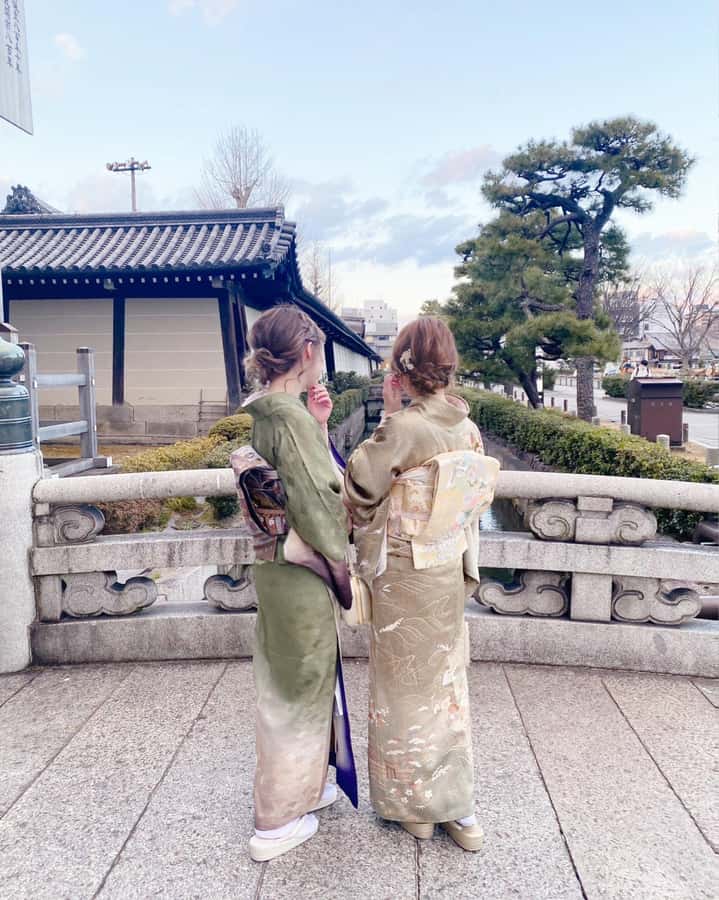
Kyoto becomes a very different place when you see it in a seasonal kimono, with the sash tied, sandals on, and a small Japanese satchel in hand. This rental gives you the freedom to stroll through historic streets and choose your own photo spots rather than follow a fixed tour route.
I like the chance to select from traditional and modern patterns, and I like that staff handle the difficult dressing work. The main catch is time: busy periods can bring a 30 to 90-minute wait, and dressing may take nearly an hour.
In This Review
- Key points to know before you book
- Choosing your kimono in Kyoto
- Getting dressed takes patience
- What the Wargo Deluxe Plan adds
- Strolling toward Gion and Kyoto’s photo spots
- Comfort, weather, and walking distance
- Timing your booking around the 5:30 PM return
- What the $34 price really covers
- The staff make the process work
- Who will enjoy this most
- Should you book this kimono rental?
- FAQ
- How long does the kimono rental last?
- What is included in the standard rental?
- Does the rental include hairstyling?
- Can I upgrade the kimono or obi?
- Where does the activity begin?
- Can I return the kimono the next day?
- How long might I wait at the store?
- Who should not book this activity?
Key points to know before you book
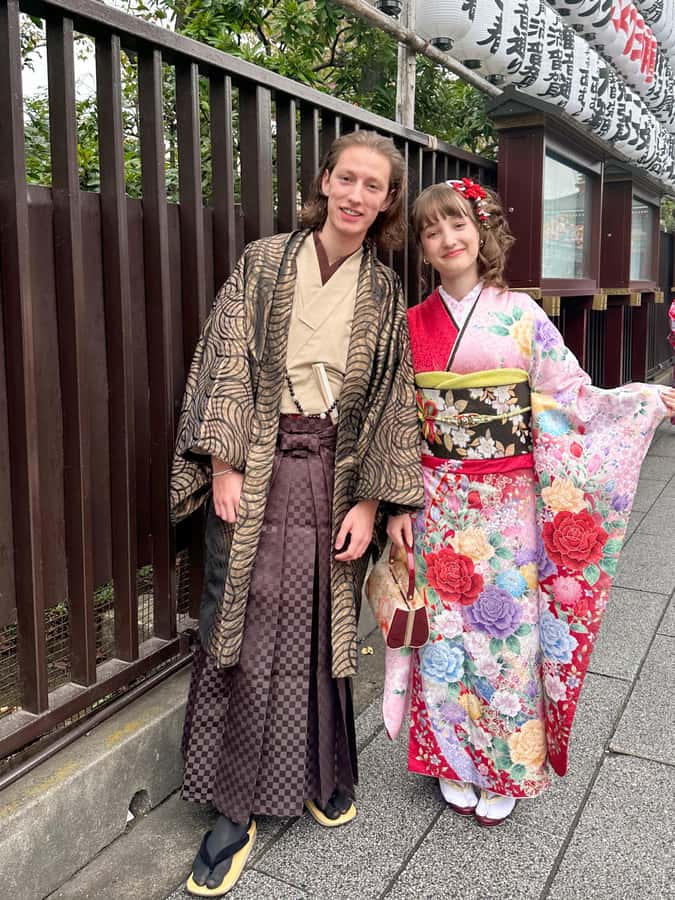
- The dressing process is part of the activity: Staff help with every layer, the obi sash, footwear, and final details.
- The $34 plan is the starting point: Higher-grade kimonos, obis, shoes, accessories, and other upgrades may cost extra at the store.
- The Deluxe Plan includes a simple hairstyle: This applies to women and includes a kanzashi hair ornament.
- Return time is 5:30 PM: A late-day booking can leave little time for photos and sightseeing.
- Some locations are handy for sightseeing: Certain stores are near train stations, Kyoto Tower, shrines, gardens, or the streets of Gion.
- Comfort depends on the day: Kimonos can feel hot in warm weather, and traditional sandals are not ideal for long walks.
Choosing your kimono in Kyoto
You begin at the kimono store assigned to the option you select at checkout. The exact meeting point can vary, so check the address carefully before setting out. Some locations are close to train stations and useful bus connections, while others place you near good walking and photo areas.
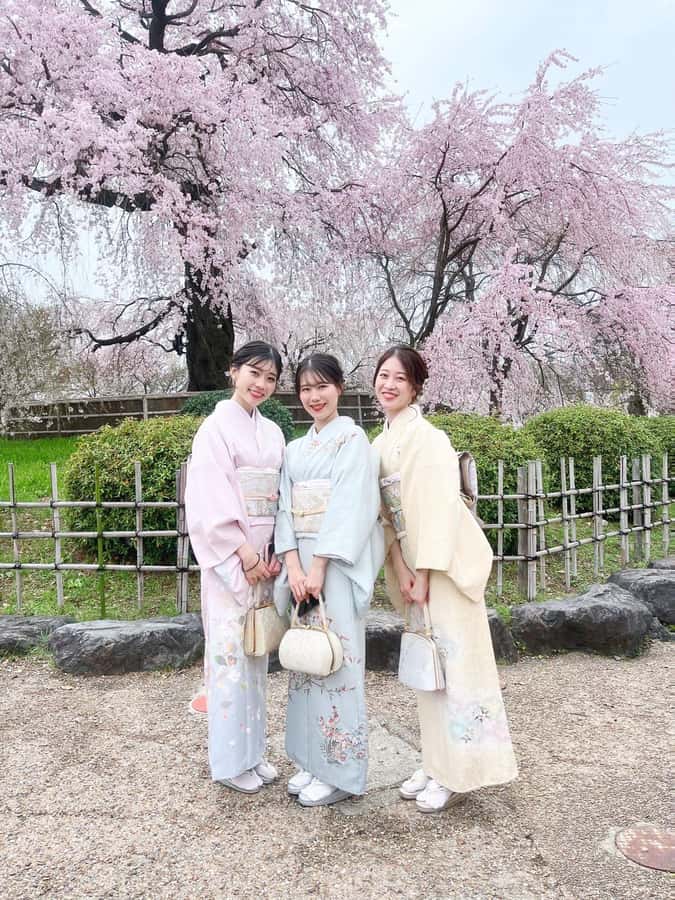
Inside, you choose from a selection of seasonal kimonos. The range includes classic patterns as well as more modern designs. Your choice may be limited by the plan you book and by the particular store, so do not assume the $34 rate covers every garment on the rack.
This is where the activity feels more personal than simply borrowing a costume. You can think about how the colors work with the season, your group, and the places you plan to visit. Staff help you make the practical choices, though the amount of English spoken may vary. That need not be a problem, since the fitting process is easy to follow with gestures and examples.
The standard package includes the kimono, an obi sash, a Japanese satchel, sandal-like traditional shoes, and socks. Those basics are enough to give you the full look without having to arrange individual pieces yourself.
A few more Kyoto tours and experiences worth a look
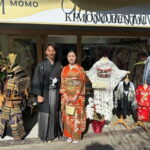
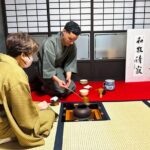
Getting dressed takes patience
The dressing is not a quick change of clothes. A staff member helps arrange the kimono properly and secures the obi so the outfit looks right and stays in place. If the shop is not busy, the process should take less than an hour, but crowded periods can slow things down.
Allow at least 45 minutes in your schedule, especially if you have booked the Deluxe Plan and want your hair done. The preparation time matters when you choose a late appointment. A 3:00 PM start can leave you with a short window before the 5:30 PM return deadline, particularly if you also need time to reach Gion or another photo area.
The staff are widely praised for being patient, careful, and kind. They take care with the small details, which matters because the appeal of the outfit comes from the complete arrangement, not just the kimono itself. If you are dressing with a partner or a group, expect the process to take longer for everyone.
The activity is not suitable for pregnant women, people with mobility impairments, or wheelchair users. The dressing area and traditional footwear also make this a poor choice if you need a great deal of physical ease.
What the Wargo Deluxe Plan adds
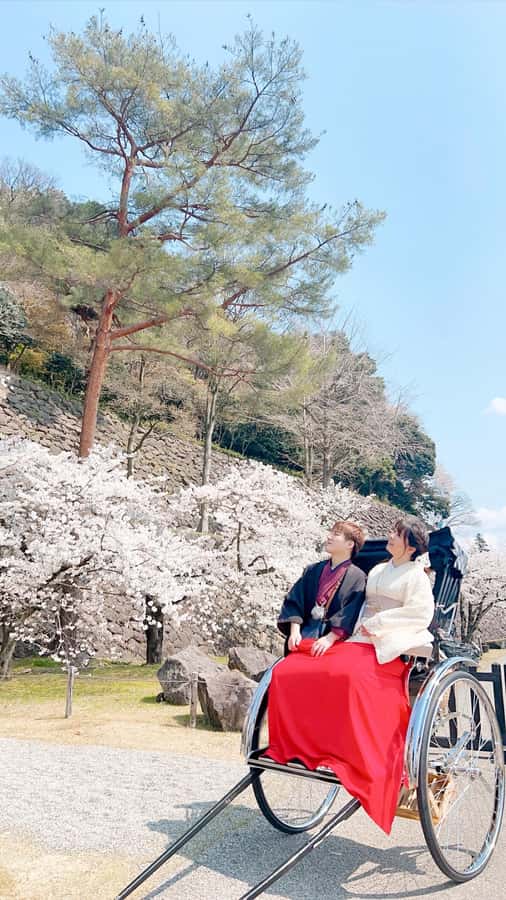
The Wargo Deluxe Plan gives you more flexibility when selecting the kimono and obi. You may be able to upgrade the grade of both pieces up to a certain level, though the choices differ from store to store.
For women, the plan includes a simple hairstyle with a kanzashi, the ornamental hairpin traditionally used with Japanese hairstyles. It is not a full salon treatment, but it completes the formal look and makes a noticeable difference in photographs.
Be clear about the difference between a wider selection and a guaranteed specific garment. The available grades depend on the store, and additional upgrades can still be offered on site. Ask what is included before you settle on a kimono, especially if you have chosen the basic plan to keep the cost low.
The Deluxe option can be good value if hair styling and a more distinctive obi are important to you. If you mainly want to walk around Kyoto in traditional clothing and take a few photographs, the standard package may be enough.
Strolling toward Gion and Kyoto’s photo spots
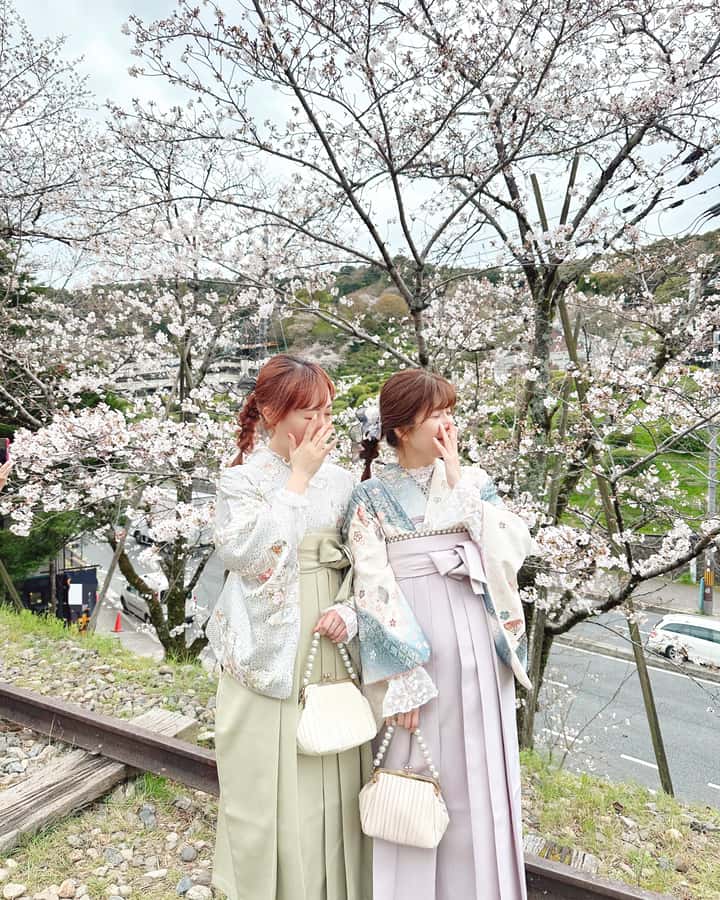
Once dressed, you are free to explore. There is no guide leading you from one stop to another, so the quality of the outing depends on how you use your remaining time and where your chosen store is located.
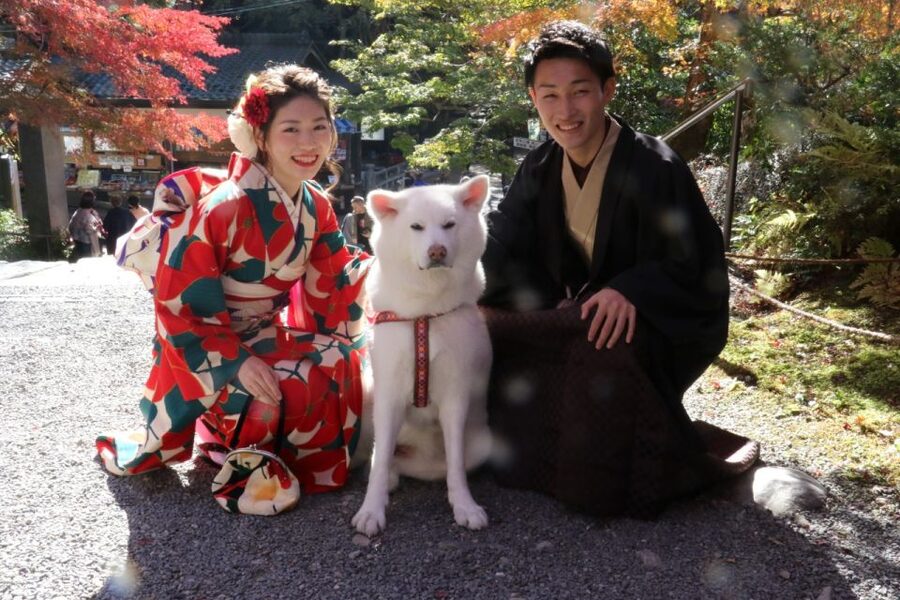
Gion is a natural choice. Its traditional streets give the kimono setting a strong sense of place, and the outfit looks at home among Kyoto’s older wooden buildings and lanes. You might also find useful photo opportunities near a shrine, garden, or Kyoto Tower, depending on your store location.
The lack of a fixed route is helpful for independent sightseeing. You can pause for photographs, meet friends, visit a nearby shrine, or simply walk through an area you already planned to see. It also means you should check the map before booking. A store near your intended sightseeing area can save much of your limited rental time.
You may feel conspicuous for the first few minutes. That usually fades once you see other people in rented kimonos around Kyoto. The clothing is still special, but it is not unusual in the city’s major sightseeing districts.
Comfort, weather, and walking distance
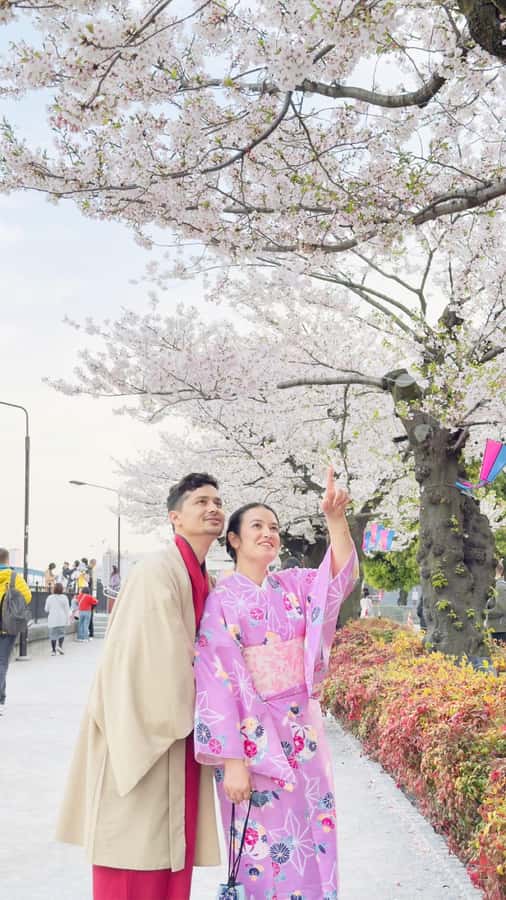
A kimono is attractive, but it is not sportswear. The layers can feel hot at around 25 degrees Celsius, and the sandals may become uncomfortable if you plan a long walk or a full day of sightseeing.
I would keep your route compact. Choose a shrine, garden, historic street, or nearby district rather than planning several distant stops. Kyoto’s buses and trains can help you reach other parts of the city, but traditional sandals are not the best footwear for covering a lot of ground.
The rental period is generally from 10:00 AM until 5:30 PM, with the kimono returned by 5:30 PM. If you want to continue into the evening, next-day return may be possible for an extra charge paid at the store. Confirm that option before relying on it.
Season matters. A warm day may make the outfit tiring after several hours, while a cooler day should be easier. The seasonal selection is part of the appeal, but the same color or fabric that looks lovely in a photograph may feel less comfortable in strong sun.

Timing your booking around the 5:30 PM return
The advertised duration can range from three hours to a full day, but your usable time depends on the appointment slot, the wait, dressing time, and distance to your chosen sights.
Busy seasons and popular time slots may involve a 30 to 90-minute wait. If you reserve after 3:00 PM on the previous day, the store may also need extra time to process the booking. I would avoid placing this activity immediately before an important dinner, train, or timed attraction.
Morning or early afternoon is the safer choice. You have more room for fitting, hair styling, photographs, and a relaxed return. An afternoon appointment can work well if you want only a short walk near the shop, but it is a poor match for a broad Kyoto sightseeing plan.
The return process itself is back at the meeting point. Build in enough time to get back before closing rather than trying to stretch the final photograph. If you are late, the next-day option may involve an additional on-site charge.
What the $34 price really covers
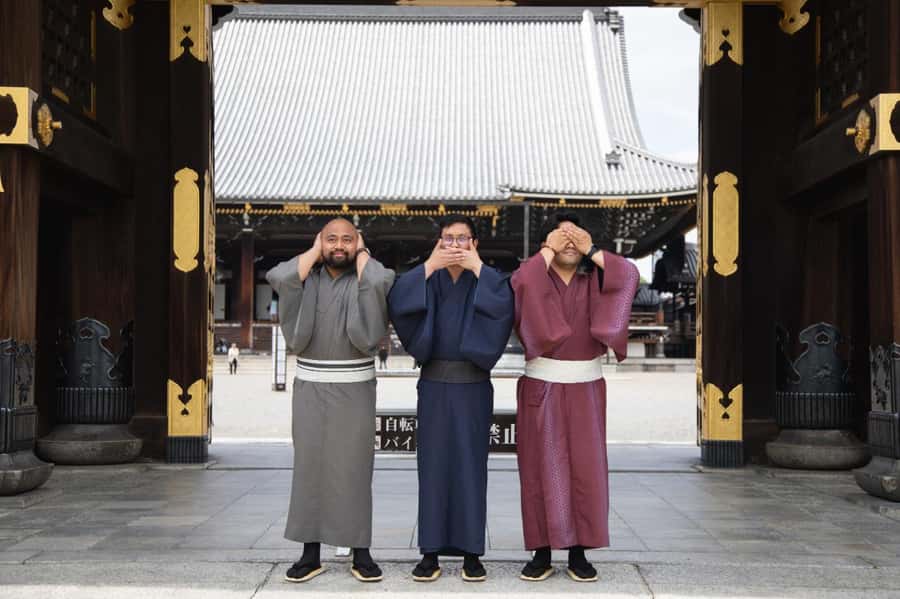
At $34 per person, the starting price is reasonable for a dressed-up Kyoto outing, especially because the rental includes the kimono, obi, satchel, socks, sandals, and dressing assistance. You are paying for both the clothing and the staff time needed to arrange it correctly.
The important phrase is starting price. Nicer kimonos, higher-grade obis, shoes, and accessories may cost extra. One customer paid about £30 more for selected upgrades, but the final amount depends on what you choose and which store handles the booking.
That upselling can be frustrating if you book specifically to avoid surprise costs. To keep control of your budget, ask which garments belong to your plan before choosing. If the standard selection looks good to you, there is no need to upgrade simply because more expensive items are displayed.
The Deluxe Plan makes more sense for women who want hair styling included or for anyone who cares strongly about having more clothing choices. For a couple or group, the basic plan can offer a memorable shared activity without turning the rental into a major expense.
The staff make the process work
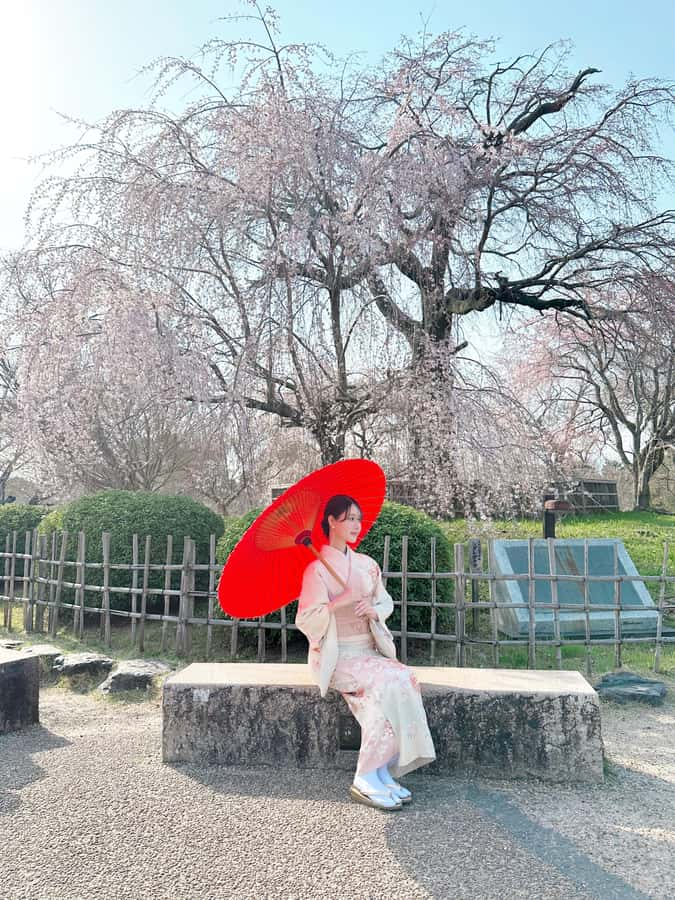
The strongest part of this activity is the hands-on help. The staff dress you properly, help coordinate accessories, and pay attention to details that are hard to manage alone. They are also accommodating with couples and small groups.
English ability may vary by location. You should not expect a full English-language fashion consultation, but the fitting steps are clear and staff can demonstrate what they need you to do. A little patience helps, especially when the store is crowded.
The service is particularly useful if you have never worn a kimono. The layers, sash, footwear, and hairstyle all contribute to the finished appearance, and staff know how to arrange them. You get a better result than you would by trying to assemble the outfit without help.
For families or groups, set aside extra preparation time. Several people cannot all be dressed instantly, and the first person ready may have to wait while the others finish.
Who will enjoy this most
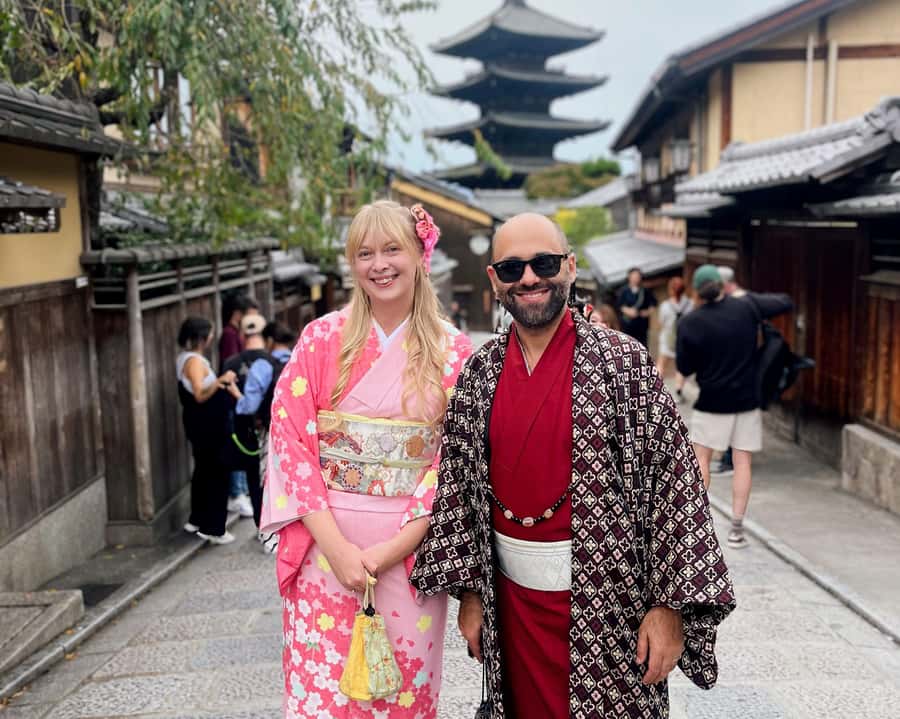
I would recommend this for couples, honeymooners, friends, and first-time visitors who want a visual memory of Kyoto. It is also a good choice for anyone who enjoys clothing, photography, and a slower walk through traditional districts.
The activity suits you best if you are happy to plan a short route near the store. It is less suitable if you want an all-day city tour, a long hike, or a packed schedule involving several distant neighborhoods.
Photographers should pay attention to the location option. A shop near Gion, a shrine, gardens, or Kyoto Tower gives you more useful surroundings than a store that requires a long transfer before you reach scenic streets.
You should also be comfortable with a little attention from passersby. The clothing attracts notice, though many people in central Kyoto dress this way for the day. If you prefer anonymity and fast walking, this may not be your ideal activity.
Should you book this kimono rental?
Book it if you want a flexible, photograph-friendly way to spend several hours in Kyoto and you value staff assistance with the dressing. The service offers a genuine chance to wear the full outfit, not just a kimono over ordinary clothes, and the staff care is a major part of the value.
Choose the standard plan if you want to keep costs predictable. Choose Deluxe if a wider selection and a simple hairstyle for women are central to your plans. In either case, check what the selected store includes before paying for upgrades.
I would book an earlier time, choose a compact sightseeing area, and allow at least an hour for preparation. With those limits in mind, this is a charming Kyoto activity at a fair starting price. It becomes poor value only when waiting, extra charges, heat, or a late return leave you rushing through the very streets you came to enjoy.
FAQ
How long does the kimono rental last?
The activity can last from three hours to one day, depending on the selected option and timing. The kimono normally must be returned by 5:30 PM.
What is included in the standard rental?
The standard rental includes a kimono, obi sash, Japanese satchel, traditional sandal-like shoes, socks, and help getting dressed.
Does the rental include hairstyling?
Hairstyling is included with the premium Wargo Deluxe Plan for women only. It is a simple hairstyle with a kanzashi ornamental hairpin.
Can I upgrade the kimono or obi?
The Deluxe Plan allows upgrades to the kimono and obi up to a certain level. Choices vary by store, and other clothing, shoe, or accessory upgrades may cost extra on site.
Where does the activity begin?
The meeting point depends on the option you book. You should check the selected store address at checkout.
Can I return the kimono the next day?
Next-day return may be possible for an additional cost paid at the store. The standard return time is 5:30 PM.
How long might I wait at the store?
Depending on the season and time slot, you may wait approximately 30 to 90 minutes. Reservations made after 3:00 PM on the previous day may also require extra waiting.
Who should not book this activity?
The rental is not suitable for pregnant women, people with mobility impairments, or wheelchair users. You should also consider the heat and traditional sandals if you plan extensive walking.
More Kimono Experiences in Kyoto
More tours in Kyoto we've reviewed





Kimono Experiences, compared.
 ★ 5.0Kimono Tea Ceremony at Kyoto Maikoya, NISHIKIFrom $65
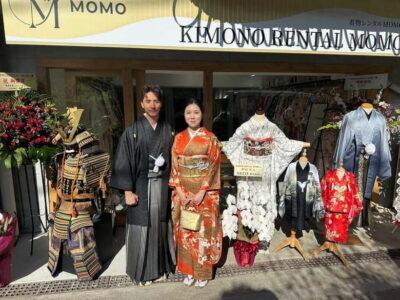 ★ 4.8Kyoto: Kimono Rental with Hairstyling and AccessoriesFrom $211 day
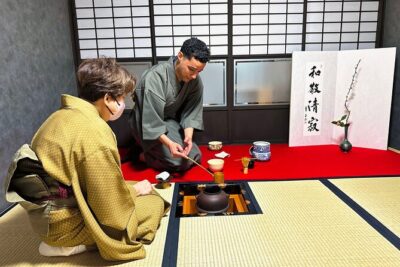 ★ 5.0KYOTO Tea Ceremony with kimono near by Imamiya Jinjya ShrineFrom $99
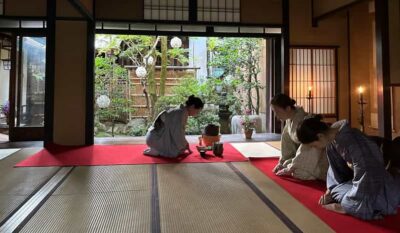 ★ 4.2Kimono & Tea Ceremony Experience in a Kyoto Cultural AssetFrom $126
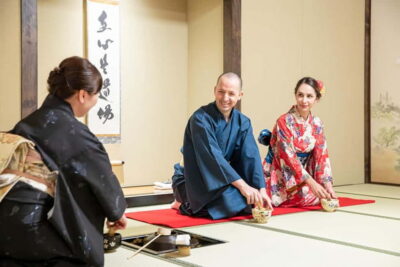 ★ 4.9Kyoto: Kimono Tea Ceremony with Matcha and SweetFrom $661h 30m
 ★ 4.7Enjoy Kyoto Summer in Traditional Kimono / YukataFrom $29